2027 Easiest Online History Degree Programs Ranking in the West

Co-Founder and Chief Data Scientist
Choosing the right history degree program can feel overwhelming, especially when balancing life's demands. This article offers a clear and helpful guide designed just for students in the West.
The 2027 Easiest Online History Degree Programs Ranking in the West was carefully created by the Research.com team of data scientists. It helps you discover online history programs that combine accessibility with quality education.
Reading this article will empower you to find a program that fits your lifestyle and goals, making the rewarding pursuit of a history degree more achievable and enjoyable.
Key benefits of getting online history degree in the West
- History degree graduates in the U.S. often pursue careers in education, research, and public service, with typical salaries ranging broadly, offering competitive wages that reflect specialized knowledge and skills.
- Graduates from well-known Western universities have diverse career paths, including roles such as museum curators, archivists, and historical consultants, which provide engaging and meaningful work connected to their passion for history.
- Obtaining a history degree online offers flexibility and accessibility, allowing busy students to balance studies with personal and professional commitments while earning a respected credential from recognized institutions.
- Key benefits of getting online history degree in the West
- What can I expect from online history degree in the West?
- Where can I work with online history degree in the West?
- How much can I make with online history degree in the West?
- 2027 Easiest Online History Degree Programs Ranking in the West
- Key Findings
- How long does it take to complete online history degree in the West?
- What's the difference between online and on-campus history degree?
- What is the average cost of online history degree in the West?
- What financial aid is available to online history degree students in the West?
- What are the prerequisites for enrolling in online history degree program in the West?
- What courses are typically in online history degree programs in the West?
- What types of specializations are available in online history degree programs in the West?
- How do you choose the best online history degree in the West?
- What career paths are available for online history degree students in the West?
- What is the job market for online history degree in the West?
- Top Trending History Rankings
What can I expect from online history degree in the West?
Determining the average cost of an online history degree in the Western US can be complex due to variations in tuition, fees, and residency status. Graduates from institutions like Oregon State University report paying between $12,000 and $18,000 annually for tuition when enrolled full time, though part-time students may find more flexible and cost-effective options. Some students appreciate the ability to balance work and study, reducing financial stress by pacing their credit loads.
In contrast, students from the University of Washington's online history program mention higher tuition rates, sometimes reaching $20,000 or more per year, reflecting its reputation and resource access. However, many value this investment due to the program's emphasis on Western American history and access to exclusive digital archives.
Financial aid and scholarships tailored to history majors can offset these costs, and the ability to remain in one's community while studying online eliminates relocation expenses-a significant benefit for Western students focused on local history. Such real-life experiences highlight the varied but manageable financial landscape of pursuing history degrees online in this region.
Where can I work with online history degree in the West?
Graduates with an online history degree from Western institutions like the University of Washington or California State University often discover diverse career paths grounded in their analytical and research skills. Many find fulfillment working as secondary teachers or adjunct instructors at community colleges, especially when combining their degree with teaching credentials. The appeal lies in shaping young minds while staying connected to regional history, which alumni describe as both rewarding and impactful.
Others pursue roles in public history sectors such as museums or archives, where they manage collections or curate exhibits for organizations like the Oregon Historical Society. These positions blend academic passion with practical challenges, often requiring digital archiving expertise that recent graduates feel excited to develop and apply.
Government agencies also offer meaningful employment, with positions in cultural resource management or park historian roles at National Park Service sites throughout the West. Graduates frequently acknowledge the personal satisfaction of preserving local heritage and contributing to public education in these roles.
In the private sector, history graduates engage in research consulting, media production, or digital humanities work, leveraging their critical thinking and contextual analysis skills. Many report enthusiasm about opportunities to influence cultural narratives and support heritage tourism, revealing flexible career options beyond traditional paths.
How much can I make with online history degree in the West?
Graduates from online history degree programs in the Western United States often find their earning potential influenced by location and career path. For example, those completing their degrees through reputable institutions like the University of Washington or California State University frequently report entry-level salaries between $40,000 and $50,000 when starting in public schools or local museums.
Experienced professionals, such as museum curators or historical researchers in California or Washington, may earn from $60,000 up to $75,000 annually. This range reflects the higher living costs and demand in these states, aligning with the broader trend that combining history expertise with skills like digital archiving or teaching certifications can enhance job prospects and pay.
Some graduates aiming for academic roles at universities in the West experience varied salaries, typically starting around $50,000 annually but fluctuating considerably based on the institution. These figures illustrate that while salaries for history graduates in the West can be rewarding, they often require strategic skill development and regional job-market awareness to maximize potential.
2027 Easiest Online History Degree Programs Ranking in the West
How do we rank schools?
Investing in your education is a significant decision that can shape your future, and the Research.com team understands the importance of making informed choices. To assist prospective students in finding the easiest online history degree programs in the Western United States, we have meticulously developed the "2027 Easiest Online History Degree Programs Ranking in the West." Our commitment to quality, credibility, and accuracy is reflected in the thorough research and analysis undertaken to compile this ranking.
We utilized the following reputable data sources to ensure a comprehensive evaluation:
By exploring this ranking, readers will gain valuable insights into accessible online history degree options in the West, empowering them to make confident and informed educational decisions. For a detailed explanation of our ranking process, please visit our Research.com methodology page.


Key Findings
- Online history degrees in the Western US usually require 120 credit hours and take about four years full-time to complete.
- Tuition at public universities ranges from $12,000 to $25,000 per year, while private schools can charge over $30,000 annually.
- Many programs are accredited and offer coursework in American, European, and world history with research and critical thinking focus.
- Average starting salaries for history graduates in the West are around $45,000, with mid-career wages between $60,000 and $65,000.
- Graduates with skills in digital humanities or data analysis often have improved job opportunities in museums, archives, and government agencies.
How long does it take to complete online history degree in the West?
Online history degrees in the Western United States typically take about four years to complete at the bachelor's level, closely matching the timeline of traditional on-campus programs. Graduates from well-known Western universities often describe the experience as challenging yet rewarding, praising the balance of historical theory and diverse topics from regional to global history. For those pursuing an associate degree, completion usually requires around two years, offering a quicker route for entry-level roles or eventual transfer to a bachelor's program.
Graduate students in the West often report a more varied timeline-master's degrees generally span 1.5 to 3 years full-time. Some appreciate the flexibility of part-time options extending study to four or more years, which allows them to juggle professional commitments while finishing their degree. Accelerated tracks and credit transfer opportunities at institutions like public universities in the region can also shorten completion times, adding motivation for students eager to finish sooner.
What's the difference between online and on-campus history degree?
Online and on-campus history degrees in the West differ primarily in delivery and experience, though both award similar qualifications. Graduates from institutions like the University of California system often highlight the flexibility of online programs, which fit around work or family life through video lectures and forums. This accessibility can feel empowering, especially when balancing other commitments.
Conversely, those who studied on-campus at colleges such as Stanford describe the rich, live interactions with professors and classmates as deeply rewarding. The face-to-face seminars and access to campus archives and libraries foster an immersive atmosphere that many find inspiring personally and academically.
Cost also varies; online degrees may reduce commuting and campus fees but sometimes include technology charges. Western public universities typically charge about $10,500 yearly for in-state students, making cost comparisons essential.
Networking experiences differ too. On-campus students enjoy direct connections to local museums and history groups, while online learners must often initiate virtual engagement, which some find challenging yet ultimately satisfying.
What is the average cost of online history degree in the West?
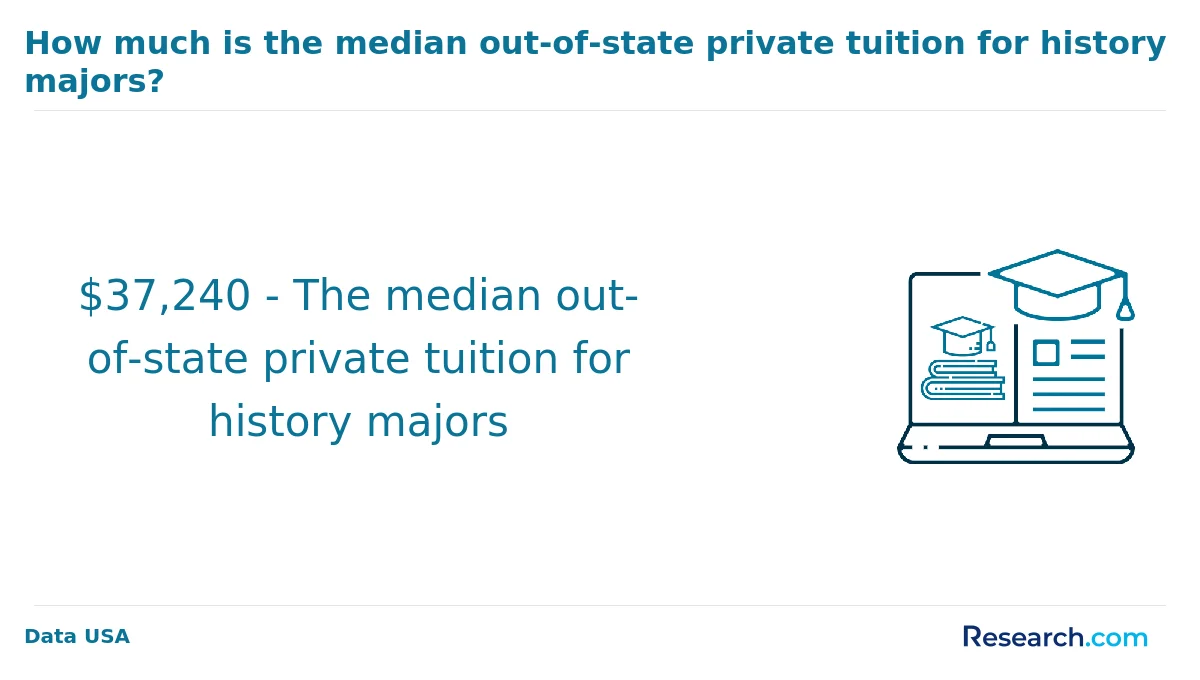
The average cost of an online history degree in the West can vary significantly depending on residency status and institution type. For in-state students attending well-known public universities, the median total cost hovers around $64,980, making these programs relatively more affordable for residents. Conversely, out-of-state students face a steeper price, with median total costs reaching approximately $72,432, reflecting the higher tuition fees charged by public universities for non-residents.
Private colleges in the Western states tend to be the priciest option, often exceeding these figures, although they might offer unique program structures or resources valued by some students. Graduates from popular institutions across the West frequently share feelings of satisfaction about the quality of education and the flexibility offered by online formats, which helps justify the expense and allows them to balance studies with personal and professional commitments.
Many prospective students considering affordable online history degrees Western states provide options that balance cost and academic rigor. For those wary of high tuition, regional exchange programs or state residency benefits can significantly reduce expenses. It's beneficial to explore the outlines of different history degrees and their associated costs to align educational goals with financial realities.
What financial aid is available to online history degree students in the West?
Financial aid for online history students in the Western U.S. often begins with federal support through FAFSA, which opens doors to Pell Grants and low-interest loans. For instance, a graduate from a major California public university recalled how a Pell Grant covering up to $7,395 significantly eased tuition burdens. Yet, such grants are limited and do not cover full costs, especially for out-of-state learners facing tuition near $20,000 annually.
State-funded programs can be a game-changer, particularly for in-state students. One Oregon college alum described receiving a state grant that offset several thousand dollars, making in-state tuition far more manageable. However, these grants usually require residency and competitive qualification, which might exclude many online students.
University-specific scholarships for history students-ranging from $1,000 to $5,000-also add meaningful relief. Graduates from universities known for robust history departments shared how these awards recognized academic merit and fueled their academic passion. Work-study options offer both income and valuable experience, though only a minority benefit due to program availability and the demands of remote study.
Employer tuition reimbursement presents a flexible alternative for working adults, helping sustain momentum without overwhelming debt. While promising, this depends heavily on an employer's policies and the student's ability to balance work and coursework in demanding environments like Arizona State or the University of Washington.
What are the prerequisites for enrolling in online history degree program in the West?
Enrolling in an online history degree program in the Western United States commonly requires applicants to meet clear academic standards that reflect their readiness for the demands of historical study. For many bachelor's degree candidates, presenting a high school diploma or equivalent is essential. Some graduates recall the relief of surpassing a 2.5 to 3.0 GPA threshold, which institutions like the University of California system typically expect, ensuring students possess foundational academic skills needed for analyzing historical texts and concepts.
While SAT or ACT scores have become optional at several respected schools such as the University of Southern California, some students find submitting these test results helpful in strengthening applications, especially if their GPA hovers near program minimums. This flexibility acknowledges diverse student backgrounds but maintains rigorous standards for intellectual engagement.
Graduate online history students often share how obtaining a bachelor's degree with a 3.0 GPA or higher from accredited colleges unlocks eligibility for advanced study. Programs might also seek letters of recommendation and writing samples, reflecting a candidate's analytical abilities and passion for research, essential for success at this level.
International learners frequently emphasize the importance of English proficiency tests like TOEFL or IELTS, critical for effective communication in seminars and assignments. Additionally, practical requirements such as reliable internet and adequate technology become crucial for participating fully in interactive online environments.
Students at institutions in the West often appreciate that some programs welcome diverse academic backgrounds, allowing those without extensive humanities training to demonstrate potential through dedication and strong communication skills. This inclusivity can inspire confidence and motivate learners to engage deeply with history despite varying educational paths.
What courses are typically in online history degree programs in the West?
Online history degrees in the Western United States often include a mix of foundational and specialized courses aimed at providing broad and nuanced perspectives. Many students from well-known Western universities highlight the value of core classes covering American history periods such as the colonial era, the Revolutionary War, and modern U.S. history, which ground them in essential narratives that shaped the region.
Courses on European history-spanning ancient to modern times-help students connect Western roots to global developments. Graduates often express appreciation for electives like Indigenous peoples' history or environmental history that reflect the diverse cultural and ecological landscape of the West.
Moreover, historical research methods courses equip students with practical skills in analyzing primary sources and using digital archives, which many find empowering for academic and professional work. The flexibility of online programs at colleges in California or Washington allows students juggling jobs or families to engage deeply with content that feels both personally relevant and intellectually stimulating.
What types of specializations are available in online history degree programs in the West?
Online history degree specializations in the West often include areas like American History, World History, Cultural and Social History, Military History, and Public History. Graduates from popular universities in the region appreciate how these focuses connect past events to current social issues. For instance, students concentrating on American History often explore regional topics such as indigenous peoples and the history of the American West, which creates a meaningful sense of place and identity.
Others find the breadth of World History appealing, as it offers a global perspective that enriches understanding beyond local narratives. Cultural and Social History specializations attract those interested in gender, race, and labor movements, reflecting diverse lived experiences. Graduates often note that this focus helps them relate history to modern societal challenges.
Flexibility in these programs is vital, as many learners balance work and study. Some graduates highlight Public History as particularly practical, preparing them for careers in museums or archives. For students weighing interests and career paths, exploring careers with a history degree provides valuable insight into how specialization choices impact future opportunities.
How do you choose the best online history degree in the West?
Choosing the best online history degree programs West involves more than just picking a school with a well-known name. Prospective students should weigh accreditation carefully, as graduates from regionally accredited institutions like California State University often express confidence in the quality and recognition of their degrees. Coursework variety is also crucial; many students appreciate curricula that explore U.S. history alongside specialized topics like Western American history, offering a broader perspective and enhancing critical thinking skills.
Affordability matters just as much as academic rigor. Students at popular Western colleges often share relief at finding affordable online history degrees in the Western US, such as those at Washington State University, balancing cost without sacrificing quality. Many appreciate accessible student support services-virtual study groups or career counseling-that make challenges manageable. For those curious about long-term opportunities, examining completion rates and career outcomes helps; you might find encouragement through voices of graduates or by exploring history ma jobs to understand real-world possibilities.
What career paths are available for online history degree students in the West?
Career opportunities with online history degree in the West are diverse, reflecting the multifaceted skills graduates gain. Many find rewarding roles in education, particularly teaching at the secondary level, where graduates from institutions like the University of California or Arizona State University report a sense of fulfillment shaping young minds. However, the job prospects for history graduates in Western states extend well beyond classrooms. Some move into archives and museums, taking pride in preserving and interpreting local cultural heritage-a path embraced by alumni of schools such as Portland State University.
Others leverage their analytical skills in government or public service, contributing to policy development or historical resource management. Graduates from these programs often share stories of engaging work that impacts community preservation efforts. The private sector is another important avenue, where history majors apply their research and communication talents in publishing, media, and consulting roles. Given the varying costs of education in the West, prospective students may benefit from exploring affordable history online programs to align their investment with career goals.
What is the job market for online history degree in the West?
The job market for online history degrees in the West presents a mixture of challenges and opportunities, with regional factors playing a key role. Graduates from popular institutions such as the University of California or Washington State University often find pathways in education, museums, and cultural resource management, sectors that continue to show steady demand. Many alumni report rewarding experiences working in California's rich network of historical societies and archives, where digital skills in archiving and public history are increasingly valued. This blend of traditional knowledge and modern technology aligns well with the current job outlook for online history degrees in the West.
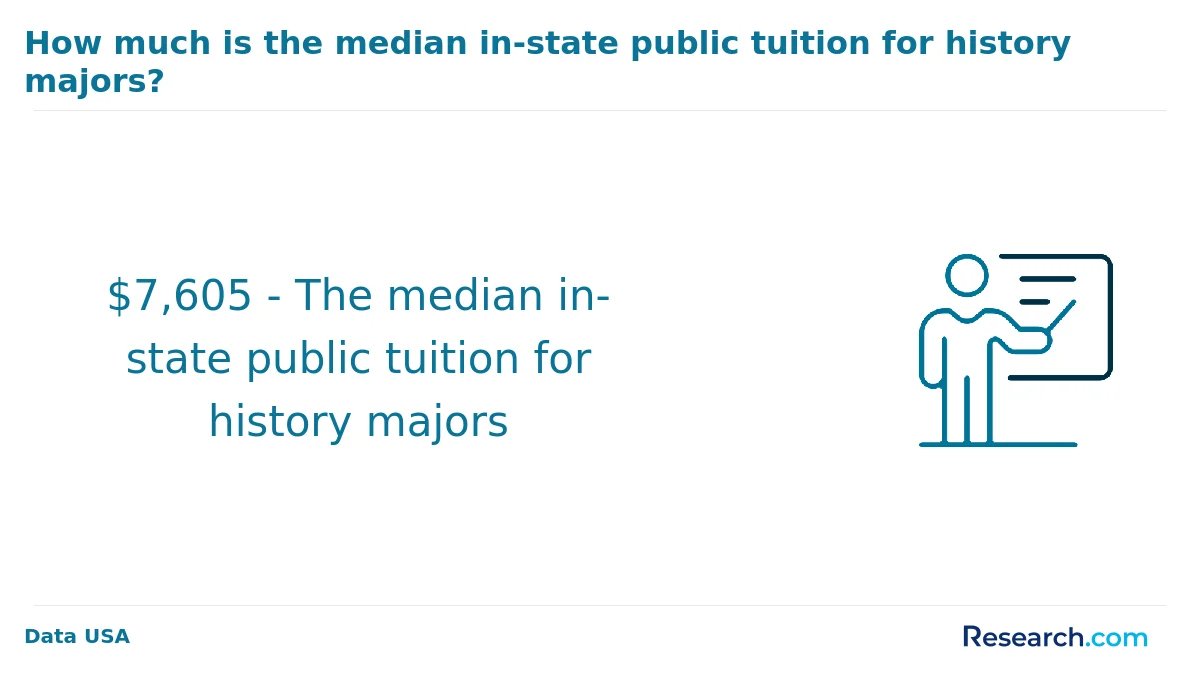
However, competition remains strong, and salaries vary widely based on location and role. For example, a graduate working in a museum in Oregon might start with entry-level pay, while those pursuing research positions in government agencies in metropolitan areas often receive higher compensation. Students considering this field should weigh costs carefully, as tuition ranges from in-state rates around $7,000 to private fees exceeding $20,000 annually. Exploring financial aid and scholarships is crucial.
Prospective students looking to deepen their expertise and improve employability may find value in pursuing history masters degrees online, which can often be tailored to regional job needs and emerging trends in the field by institutions in the West. For more details on such programs, consider visiting history masters degrees online.
Frequently Asked Questions About history
Online history degree students in the West can maximize their learning by actively engaging in virtual discussions and utilizing available digital archives. Western U.S. universities often provide access to extensive historical databases, such as the California Digital Newspaper Collection or the Colorado Historic Newspapers Collection, which enrich research opportunities.
Students should create structured study schedules to balance coursework with deeper exploration of regional history topics.
Networking through online forums and attending virtual seminars hosted by Western institutions can also enhance understanding and professional connections.
According to the National Center for Education Statistics, 35% of history undergraduates in western states prefer online courses for their flexibility.
Leveraging these resources and strategies supports a comprehensive online learning experience for history students.
The field of history is evolving rapidly, with several emerging niches gaining attention among students pursuing online history degrees in the Western United States. Environmental history, which explores the relationship between humans and their natural surroundings, is growing in importance due to increased focus on climate change.
Digital history is another niche expanding quickly, involving the use of technology to analyze historical data, which aligns well with online learning environments. Public history, emphasizing community engagement and preservation, also appeals to students seeking practical applications of their degrees.
According to the American Historical Association, these areas have seen a significant rise in course offerings and research funding in recent years.
After completing an online history degree in the West, job seekers should focus on gaining practical experience to enhance employability. Internships at museums, archives, or historical societies are valuable and often recommended by institutions like the American Historical Association. Developing strong research and writing skills is essential, as employers frequently look for candidates with clear communication abilities.
Networking plays a crucial role; joining local or regional historical organizations allows graduates to connect with professionals. According to the Bureau of Labor Statistics, employment in history-related fields in the Western US grew by 5% from 2019 to 2029, signaling steady demand. Continuing education or certification in related areas such as archival management or public history can also improve job prospects.
Employers in the Western US highly value history degree graduates who demonstrate strong critical thinking and analytical skills. According to the National Association of Colleges and Employers (NACE), 85% of employers seek candidates who can analyze complex information and synthesize diverse viewpoints.
Written and verbal communication skills are also essential, with history graduates often trusted to write reports, create presentations, and engage diverse audiences. The American Historical Association notes that nearly 80% of history majors find jobs in fields where communication is key.
Research expertise, including proficiency with digital archives and databases, is increasingly important as employers embrace technology-driven workflows.
Finding internships in the Western US relevant to a history degree requires proactive research and networking. Students should check university career centers and online platforms like Handshake, which often list internships curated for history majors. Museums, historical societies, and archives in states such as California, Washington, and Oregon frequently offer internships that provide practical experience.
According to the Bureau of Labor Statistics, history-related internships in the West often focus on research, preservation, and education, aligning well with degree goals. Contacting local cultural institutions directly can uncover unadvertised opportunities. Additionally, joining professional organizations like the Western History Association can expand networks and access to internships through their listings and events.
Online history degrees in the Western US increasingly support career mobility and advancement by offering flexible, accredited education from reputed universities. According to the National Center for Education Statistics, over 40% of students in Western states opt for online programs to balance work and study. This flexibility allows professionals to upskill without leaving their jobs.
Graduates often find opportunities in education, museums, public history, and research roles. The American Historical Association notes that 65% of history graduates in the West report career progression within five years of completing their degree.
Employers value the critical thinking and research skills developed in these programs, which enhances promotion prospects across sectors.
Studying for a history degree in the Western United States uniquely equips students for interdisciplinary roles by fostering critical thinking, research skills, and cultural awareness. Many online programs integrate courses in political science, sociology, and economics, reflecting the interconnected nature of modern challenges. According to the American Historical Association, over 60% of history graduates pursue careers beyond traditional academia, including law, public policy, and education sectors.
Western institutions often emphasize experiential learning, encouraging analysis of diverse sources and perspectives. This approach prepares students to collaborate across disciplines. Data from the National Center for Education Statistics shows a steady rise in history degrees awarded in the West, highlighting growing interest in versatile, interdisciplinary applications.
Choosing between a thesis and a non-thesis online history degree in the West depends on your career goals and learning preferences. Thesis programs require original research, ideal for students planning to pursue graduate studies or research careers. Non-thesis options focus on coursework and exams, often preferred by professionals seeking practical knowledge without extensive research.
In Western states, universities like CSU and UO offer both formats. According to the Western Interstate Commission for Higher Education (WICHE), approximately 40% of history graduates in the region select non-thesis tracks for faster completion.
Consider the time commitment: thesis programs average 30% longer to complete due to research demands. Financial aid and advisor availability in online formats also vary between these tracks.
Students in the Western United States seeking to study history abroad have several reputable online options through U.S.-based universities offering international perspectives. Many accredited institutions provide fully online bachelor's and master's degrees in history with flexible schedules designed for working professionals. For example, California State University and the University of Oregon feature programs emphasizing global history themes tailored to Western students.
According to the National Center for Education Statistics, over 30% of history undergraduates in the West enroll in online courses, reflecting growing demand. Additionally, some programs partner with foreign universities to offer joint courses or study-abroad components integrated within online studies. These options allow students to gain international insight without leaving their home region, supporting academic and career advancement in a global context.
Students pursuing online history degrees in the Western US can find several part-time jobs that complement their education. Working as research assistants at local museums or historical societies provides hands-on experience with archival materials and historical interpretation. According to the National Council on Public History, these roles help develop valuable skills in documentation and public engagement.
Library assistant positions offer another opportunity to strengthen research and organization abilities. Many Western universities and public libraries seek part-time help in managing historical collections and assisting patrons. Additionally, tutoring peers in history or related subjects is a flexible option that reinforces subject knowledge.
These jobs not only support academic growth but also enhance resumes for future career paths in education, preservation, or public history.
Online history students in the Western United States have access to a variety of networking opportunities despite the remote format. Many universities partner with regional historical societies and museums, providing students with virtual internships and events. For example, the Western History Association, headquartered in Oregon, offers annual conferences and online forums where students can connect with historians and professionals. According to the Association of American Colleges and Universities, more than 40% of online history programs in the West include networking-focused workshops or mentorship programs. Students also benefit from active alumni groups on social media, which help foster connections within the local history community.
Alumni networks play a crucial role in enriching the experience of online history degree students in the Western United States. Many universities in this region maintain active alumni communities that provide mentoring, job leads, and networking events tailored to history graduates. According to the National Association of Colleges and Employers (NACE), 85% of US graduates find their first job through networking, making these connections especially valuable.
Online students benefit as well because virtual alumni groups often host webinars, discussions, and career workshops focused on history-related fields like education, archiving, and museum work. This access helps them bridge the gap between academic theory and practical application.
Furthermore, some Western institutions collaborate with local historical societies and cultural organizations, expanding professional opportunities. Overall, alumni networks offer support, career guidance, and connections that are vital for online history students aiming to succeed in the competitive job market.
Customizing an online history degree in the Western US allows students to align their education with specific career goals. Many universities offer electives focusing on areas such as American West history, public history, or museum studies. According to the Western Association of Schools and Colleges, up to 40% of credits can often be chosen by the student to tailor the program.
Students can select internships or research projects with regional historical societies or archives, gaining hands-on experience. Additionally, some programs allow concentration in digital history or archival management, important for careers in education, preservation, or cultural resource management.
Advisors typically help ensure chosen courses meet both academic and professional objectives, increasing job market readiness.
Online history students in the West often face challenges related to limited access to physical archives and libraries, which are essential for deep historical research. Many universities provide digital resources, but these can be insufficient compared to on-campus facilities. According to the National Center for Education Statistics, approximately 35% of history undergraduates in the Western U.S. enroll in online programs, highlighting the growing demand despite these hurdles.
Another challenge is maintaining engagement in discussion-based classes, which are crucial for analyzing complex historical narratives. Remote formats sometimes hinder dynamic interaction with professors and peers.
Finally, students frequently report difficulties balancing coursework with professional and personal responsibilities, a common issue for adult learners pursuing online degrees in the region.
Graduates with an online history degree in the Western United States can enhance their career prospects by pursuing various professional certifications. Common options include becoming a Certified Archivist through the Academy of Certified Archivists, which validates expertise in managing historical records. Another option is the Certified Museum Professional credential, offered by the American Alliance of Museums, ideal for those interested in curatorial or collections work.
Additionally, some graduates pursue teaching credentials to teach history at the secondary level, which requires passing relevant state exams. For policy or research careers, certifications in grant writing or public history may also be valuable. According to the Bureau of Labor Statistics, these certifications can improve employment opportunities and earning potential.
Writing a winning application for an online history program in the West requires clear focus and preparation. First, highlight your passion for history and relevant academic or professional experiences. Admissions committees value strong personal statements that connect your goals to the program's strengths.
Include specific examples of your interest in Western history or related areas. Use concise, well-structured sentences demonstrating your writing skills, which are essential for history studies.
Transcripts should reflect good academic standing, especially in humanities courses. Letters of recommendation from professors or employers familiar with your skills add credibility.
Research shows that applicants with clear, focused essays and solid recommendations have higher acceptance rates in Western US history programs.
A history degree in the United States offers diverse global career opportunities beyond traditional academia. Professionals with history backgrounds work in museums, archives, government agencies, and international organizations. According to the U.S. Bureau of Labor Statistics, employment for historians is projected to grow 6% from 2022 to 2032, reflecting steady demand.
Graduates often engage in cultural preservation, policy analysis, or education, with skills applicable worldwide. Employers value strong research, critical thinking, and writing abilities, which history programs emphasize.
Online history degrees in the West are growing in popularity, expanding access to these global career paths. Many programs incorporate international content to prepare students for work involving diverse cultures and histories.
Gaining practical experience during an online history degree in the West is essential for applying academic knowledge in real-world contexts. Many programs encourage internships with museums, historical societies, or archives, which can often be completed locally or remotely. For example, institutions like the California Historical Society offer remote internship opportunities suited to online students.
Students can also participate in virtual research projects or digital history initiatives organized by universities or public history organizations. These experiences develop skills in primary source analysis, digital archiving, and public engagement.
According to the National Council on Public History, over 60% of students who complete internships increase their job prospects in history-related careers. Online learners are advised to proactively seek such opportunities early in their studies.
Choosing the right concentration within an online history degree program in the West involves aligning your interests with regional academic strengths. Western universities often emphasize topics like Native American history, the American West, and environmental history, reflecting the area's unique past. According to the Western History Association, many institutions offer specialized courses in these fields, providing rich resources and expert faculty.
Consider your career goals as well. Some concentrations, such as public history or museum studies, prepare students for roles in curation and education. Others focusing on digital history equip learners with technical skills valuable in research and archiving.
Review program curricula carefully and explore faculty research to ensure the concentration fits your academic and professional interests. Understanding regional history specialties can significantly enhance your educational experience and job prospects in the Western United States.
Top Trending History Rankings
References
- Online Degree vs. Traditional | University of Arkansas Grantham https://www.uagrantham.edu/blog/pros-cons-online-degree-vs-traditional-university/
- After the Degree: Finding work with a History degree https://www.graduate-jobs.com/news/13219/After_the_Degree__Finding_work_with_a_History_degree
- History Degree Careers: 14 Jobs You Can Get With A History Degree - NCC Blog https://www.ncchomelearning.co.uk/blog/history-degree-jobs/
- How to Apply to Graduate School | Canadian Historical Association | Société historique du Canada https://cha-shc.ca/publications/employing-history-a-guide-to-graduate-school-and-navigating-the-job-market/how-to-apply-to-graduate-school/
- 2025 Most Popular Online History Degrees https://www.onlineu.com/degrees/history
- How a Strong Alumni Network Can Benefit Students https://www.pacificu.edu/blog/how-strong-alumni-network-can-benefit-students
- 5 Challenges of Teaching History in International Classrooms (and How https://millerskills.co.uk/blogs/teaching-overseas/5-challenges-of-teaching-history-in-international-classrooms-and-how-to-overcome-them
- Finding Networking Opportunities as a Student | National Society of High School Scholars https://www.nshss.org/resources/blog/blog-posts/how-to-find-networking-opportunities-as-a-student/
- How to Network with Alumni | Student Guide to Alumni Networking 2026 https://digitalrecordboard.com/blog/how-to-network-with-alumni/
- History majors should have a more global perspective - The Lamron https://www.thelamron.com/opinion/history-majors-should-have-a-more-global-perspective