2027 Most Valuable Online History Degree Programs Ranking in the West

Co-Founder and Chief Data Scientist
Choosing the right history degree program can shape your future in meaningful ways. Our article introduces the 2027 Most Valuable Online History Degree Programs Ranking in the West, created by the Research.com team of data scientists to guide you toward programs that truly stand out.
By exploring this ranking, you'll gain clarity on which online history degrees offer the best value and opportunities. Whether you're starting fresh or considering a change, this resource supports your journey to a rewarding education and career.
History connects us to the past and inspires fresh perspectives-discover programs that match your passion and goals.
Key benefits of getting online history degree in the West
- The salary for history degree graduates varies, but many find roles in education or research where average salaries range from $50,000 to $70,000 annually, offering stable and rewarding career options.
- Graduates from popular Western universities often pursue careers in museums, archives, education, or public policy, reflecting diverse and fulfilling paths made possible by their history degree.
- Online history degrees offer flexibility and accessibility, enabling students to balance studies with work or family, as seen with alumni from leading Western institutions who value the personalized pace and digital resources.
- Key benefits of getting online history degree in the West
- What can I expect from online history degree in the West?
- Where can I work with online history degree in the West?
- How much can I make with online history degree in the West?
- 2027 Most Valuable Online History Degree Programs Ranking in the West
- Key Findings
- How long does it take to complete online history degree in the West?
- What's the difference between online and on-campus history degree?
- What is the average cost of online history degree in the West?
- What financial aid is available to online history degree students in the West?
- What are the prerequisites for enrolling in online history degree program in the West?
- What courses are typically in online history degree programs in the West?
- What types of specializations are available in online history degree programs in the West?
- How do you choose the best online history degree in the West?
- What career paths are available for online history degree students in the West?
- What is the job market for online history degree in the West?
- Top Trending History Rankings
What can I expect from online history degree in the West?
The average cost of an online history degree in the Western United States typically dances around $10,000 to $25,000 for a bachelor's program, with master's degrees often nestled between $8,000 and $20,000. Graduates from places like the University of California or Oregon State University often reflect on their investment as a gateway to soaking in layered histories-from Gold Rush tales to Indigenous legacies-without uprooting their lives or draining their wallets.
One alumnus shares how balancing night shifts and study at a West Coast public university became seamless thanks to reasonable tuition paired with financial aid tailored to online learners. The sense of accomplishment wasn't just about passing exams; it was about joining a community that respects history as a living story, affordable enough to keep dreams alive.
These programs strip away the traditional cost barriers, inviting eager minds to dive deep into archives or virtual museums, creating a dynamic, flexible education experience anchored in the Western spirit of exploration and resilience.
Where can I work with online history degree in the West?
Graduates armed with an online history degree from a bustling place like the University of California or Arizona State find themselves stepping into vibrant roles where the past meets the present. Imagine curating stories at the Autry Museum in Los Angeles, where every artifact sparks conversations about indigenous cultures and frontier life-graduates feel proud crafting narratives that breathe life into dusty relics.
Others inspire classrooms across California, transforming history from dry dates into dynamic, living tales. One graduate shared how teaching middle schoolers about the Gold Rush wasn't just education-it was kindling curiosity and pride in local heritage, making every lesson an adventure. Community colleges, too, welcome passionate adjuncts eager to explore new media history projects, blending traditional scholarship with digital innovation.
In government agencies like the National Park Service, graduates become cultural resource detectives, preserving stories of the West's wild landscapes. Some morph their talents into digital content creators, animating archives into interactive documentaries, making history accessible and exciting for a tech-savvy generation.
How much can I make with online history degree in the West?
Dreaming of turning dusty archives into a paycheck? Graduates from online history programs at schools like the University of California or Oregon State often find themselves earning around $62,000 annually when working as historians in the Western U.S. Picture this: a recent grad dives into California's vibrant urban museums, starting near $45,000 but quickly climbing as their expertise grows, sometimes hitting $75,000. Those who walk the education path-say, teaching history at a high school-typically earn between $50,000 and $70,000, fueled by the unique economics of their district and state.
The allure of postsecondary teaching unlocks even richer rewards, with median salaries near $80,000, a prism of knowledge rewarded generously. Imagine sitting in your favorite coffee shop near Washington State University, feeling the pride as you negotiate a salary reflecting your passion and advanced degrees. The West's diverse landscape-from bustling cities to quieter towns-colors these earnings with subtle shifts but consistent promise.
2027 Most Valuable Online History Degree Programs Ranking in the West
How do we rank schools?
Investing in your education is a significant decision that can shape your future, and the Research.com team understands the importance of making informed choices. To assist prospective students in the western United States, we have meticulously developed the "2027 Most Valuable Online History Degree Programs Ranking in the West." Our commitment to quality, credibility, and accuracy is demonstrated through the thorough research and analysis behind this ranking.
We utilized the following reputable data sources to ensure a comprehensive evaluation of history degree programs:
By exploring this ranking, readers will gain valuable insights into the most worthwhile online history degree programs in the West, enabling them to make well-informed decisions about their educational investments. For more details on our methodology, please visit our Research.com methodology page.


Key Findings
- The average total cost for an online bachelor's degree in history in the Western U.S. ranges from $20,000 to $40,000, varying by institution type and residency status.
- Starting salaries for recent history graduates in the West are typically between $40,000 and $45,000 per year in entry-level jobs.
- Median incomes for history graduates with advanced degrees or certifications can rise to $60,000 to $70,000 annually.
- The job market is steady but competitive, with better opportunities for those combining history degrees with skills like digital literacy or library science.
- Online history programs in California, Oregon, and Washington offer flexible schedules and often include regional Western U.S. history content.
How long does it take to complete online history degree in the West?
Picture yourself juggling work, family, and a passion for uncovering the past-as many online history students in the West do. At places like California State University, the path to a history degree is a tapestry woven with flexibility and personal pace. Most graduates find themselves spending about four years immersed in 120 to 130 credits, reflecting a steady but manageable rhythm that blends with real-life demands.
Some ambitious minds accelerate this journey, compressing it into three intense years filled with late-night study sessions and weekend deep dives into historical archives. Others savor a slower pace, spreading their coursework across five or more years, allowing life's other chapters to unfold alongside their academic story.
Masters candidates often navigate one and a half to two years of study, though part-time scholars might stretch this longer, enriching their experience without rushing. This fluid timeline is a testament to how Western programs honor every student's unique story, making history an adventure on your own time.
What's the difference between online and on-campus history degree?
Imagine sipping coffee in a cozy Seattle café while streaming a lecture from the University of Washington's history faculty-this is the reality for many online history students in the West. Here, the freedom to weave studies around family or a budding career feels empowering, yet it demands a fierce dedication to managing time and technology. Contrast this with a student strolling through UCLA's Powell Library, exchanging ideas face-to-face with professors amid ancient archives, soaking in the energy of campus life and spontaneous discussions that spark new perspectives.
Graduates from California's top history programs often describe how on-campus classes nurture immediate camaraderie and networking-vital for scoring internships in local museums or historical societies. Meanwhile, online peers applaud the chance to craft their own schedules, balancing rigorous coursework with personal rhythms.
Tuition varies too: attending Oregon State University on-site might come with richer amenities, while online options can ease costs, shaving off campus fees. Ultimately, whether unlocking doors to dusty archives or digital portals, history in the West thrives in both realms, each molding its students' passions uniquely.
What is the average cost of online history degree in the West?
Imagine the journey of a history student diving into the archives of the past while balancing life in the Western US. The average cost of an online history degree here typically revolves around figures like $58,800 for the total tuition and fees. Graduates who pursued their degrees at universities such as the University of California or Washington State found their wallet lighter by roughly $64,980 if they were in-state residents, while out-of-state learners faced a steeper climb closer to $72,432. These numbers might seem daunting at first, but they reflect the quality and flexibility of remote education tailored for today's busy students.
One graduate recalled appreciating the affordable rhythm of their coursework fees while balancing work and family from Oregon. For them, the cost wasn't just about tuition-it was a gateway to mastering history without uprooting their lives. Others attending private online programs like those offered by Pepperdine or USC experienced higher per-credit rates, yet they embraced that as an investment in networking and academic prestige.
Understanding the average cost of online history degree programs in the West helps bring clarity to this academic adventure. For curious minds wondering what history degrees are there today, considering tuition alongside scholarships and financial aid paints a complete, hopeful portrait of options available across the region.
What financial aid is available to online history degree students in the West?
Imagine a history student at the University of California navigating the maze of tuition bills, only to discover a treasure trove of financial aid waiting to lighten the load. That's the reality for many online history majors in the West, where Pell Grants, offering up to $7,395 annually, act like golden keys unlocking affordable education. These grants, alongside Direct Subsidized and Unsubsidized Loans, create a foundation many lean on to sustain their studies.
State programs paint an even richer picture. Graduates recall California's Cal Grant and Washington's College Grant programs as lifelines, funneling support specifically to online learners hustling through history's vast narratives. These funds mix with university-specific scholarships tailored for humanities enthusiasts-from the humanities departments of Arizona State University to Oregon State-boosting the sense of academic camaraderie.
Not to be overlooked, private scholarships act like silent partners, cheering students on with quiet financial backing. And for those who crave hands-on connection, federal Work-Study weaves part-time history-related jobs into their journey, turning learning into living experience while easing financial strain.
What are the prerequisites for enrolling in online history degree program in the West?
Imagine stepping into the world of online history at a renowned Western university, like the University of California or Arizona State. To start this journey, you'll first need a high school diploma or GED-basic stepping stones many graduates fondly recall as their launchpads. Official transcripts paint a clear picture of your academic adventure so far, while some schools might glance at your SAT or ACT scores, though more often than not, these are just whispers in an increasingly test-optional landscape.
Letters of recommendation become your ambassadors, echoing stories of your curiosity and dedication to peers and mentors alike. Many past students have found their personal essays-their heartfelt narrations of passion for eras gone by-to be their golden tickets, revealing the spark that drives their love of history. If you're eyeing a master's, the path deepens: a bachelor's degree, proof of academic rigor, GRE scores, and writing samples become your arsenal as you prove you're ready to unravel complex historical mysteries from the comfort of your home.
What courses are typically in online history degree programs in the West?
Imagine diving into history from the comfort of your favorite coffee spot in Portland or while hiking in the Sierra Nevada. Online history degrees in the West often start with foundational adventures like peeling back layers in Introduction to Historical Methods, where graduates from Western State University honed their detective skills, learning to scrutinize sources like a seasoned investigator. The American History Survey courses take you on a sweeping journey through time-from colonial whispers to modern-day echoes-bringing alive the stories that shaped your backyard.
More personalized quests emerge with classes like History of the American West, where learners explore the rugged landscapes and cultural crossroads that define the region, sparking the same excitement one graduate felt while tracing indigenous legacies during their virtual museum internship. Courses like Public History offer real-world portals, training students for careers in preserving local treasures or curating archives, turning passion into purpose.
The flexibility of electives links history to politics, culture, and archaeology, allowing students at universities like Pacific Online to weave rich, interdisciplinary tapestries reflecting their unique interests. Each class is a vibrant chapter in your own evolving story.
What types of specializations are available in online history degree programs in the West?
Diving into online history degree specializations in the West reveals a rich tapestry of academic adventures. Imagine tracing the rugged trails of American History, where graduates from universities like the University of Washington immerse themselves in tales of Western pioneers and cultural revolutions, feeling the pulse of the land through their screens. Others choose World History, embracing a global tapestry that stretches beyond borders, connecting with thinkers in California and Oregon who unravel epic narratives from ancient empires to modern revolutions.
At institutions renowned across the region, graduates find themselves becoming public historians, ready to animate museums or archives with fresh energy, while some explore military history, contemplating the strategic battles that shaped the Western frontier. Ethnic and cultural studies invite learners to celebrate the diverse communities anchoring the West's identity-the Indigenous stories and immigrant experiences that graduate students often describe as deeply moving.
For many, these best history majors available online western US spark careers that blend passion with purpose, unlocking pathways to education, law, or public service. Curious about jobs with history degree? This vibrant array of specializations offers more than just knowledge-it forges connections between past and future, all from the comfort of your home.
How do you choose the best online history degree in the West?
Picking the best online history degree programs West means diving beyond glossy brochures-picture yourself as a time traveler choosing your next portal. Graduates from renowned Western schools often recall how regional accreditation unlocked their academic map, ensuring credits flowed smoothly as they explored diverse historical galaxies, from American frontier tales to world revolutions. It's the spark of curricula that weave social, cultural, and political threads into a timeless tapestry that keeps the journey alive and personal.
Imagine studying under professors whose published research transforms ancient events into lively conversations, bridging centuries through a screen. For many, affordability feels like a victory dance-finding affordable accredited history degrees Western US that balance quality with tuition realities, like those attending public universities with online options tailored for busy lifestyles. And when you picture your future, tapping into robust student support and asynchronous lectures feels like having a wise mentor by your side at any hour.
One graduate fondly shares how connections made through a program's network ignited pathways into history related careers, spanning education to public service. Choosing your online history degree in the West is about discovering how your past and future entwine, making study a journey worth every click.
What career paths are available for online history degree students in the West?
Graduates with an online history degree from Western institutions often find themselves stepping into roles that feel anything but ordinary. Picture a graduate from a popular college in California collaborating with a local museum to revive Indigenous narratives long overlooked-this is public history in action, a vibrant career path fueled by passion and regional heritage. Many also channel their love for storytelling into teaching, bringing the frontier's past alive in classrooms across the Western US, where educational programs closely align with certification courses, making this path seamless and rewarding. Those drawn to archives and curation thrive in cultural hubs like Washington's museums, turning dust-covered manuscripts and artifacts into captivating exhibits.
In this expanse of opportunity, job prospects for history graduates in the Western US extend into research and writing, fueled by a digital age hungry for multimedia historical content. Graduates from respected universities often land grants or write for nonprofits, weaving history with engaging narratives. The entire journey-from the classroom to the field-is enriched by the region's diverse stories and the flexibility of an online history degree bachelor's.
What is the job market for online history degree in the West?
The job market for online history degree holders in the West is a mosaic of unique opportunities shaped by vibrant cultural hubs and historic cities. Graduates from institutions like the University of California or the University of Washington often find themselves immersed in local museums or public history roles, where their online degree transforms into a key for unlocking story-rich archives and curating exhibit narratives. While the landscape isn't flooded with STEM-sized demand, steady positions abound in education and heritage management, perfectly attuned to the passion and analytical prowess cultivated during study.
Many students discover that blending their history background with tech skills, such as digital archiving or data analysis, dramatically boosts employability in Western states. Seattle and San Francisco's thriving cultural sectors appreciate these hybrid talents, turning graduates into sought-after experts. For those looking deeper into career paths, explore jobs with art history degree to see a broader spectrum of possibilities.
The affordability and flexibility of online programs in the West also play a big role, making history degrees accessible while preparing graduates for roles offering median wages from $60,000 to $80,000. The career opportunities with history degree Western US are grounded in real-world impact, where every research paper or project you complete could ripple into a museum exhibit or heritage preservation policy.
Frequently Asked Questions About history
Online history degree students in the Western US can enhance their learning by actively engaging with virtual lectures and discussion forums. Research from the Western Interstate Commission for Higher Education highlights that interactive participation improves retention by up to 30% compared to passive viewing.
Utilizing digital archives and regional historical databases, such as those available through California's Digital Library, allows students to access a wealth of primary sources relevant to Western history. These resources are invaluable for developing critical analysis skills.
Additionally, forming virtual study groups with peers fosters deeper understanding through collaborative learning. Students should also seek internships or volunteer opportunities with local museums or historical societies to gain practical experience linked to their coursework.
Emerging niches in the history field attract growing interest among online history degree students in the Western US. Public history, which focuses on museum work, archives, and heritage management, has seen a 15% growth in job openings nationwide according to the Bureau of Labor Statistics.
Environmental history is another rising specialty, examining human interaction with the natural world-a vital area as climate change discussions intensify.
Digital history uses technology to analyze historical data and create interactive experiences, appealing to tech-savvy students. Additionally, indigenous and Native American histories are gaining prominence in Western universities, reflecting regional cultural priorities.
These niches offer practical career paths and align with current academic and social trends.
Preparing for the job market after earning an online history degree in the Western United States requires strategic planning. Graduates should focus on gaining practical experience through internships offered by local museums, archives, or historical societies. Such positions build valuable skills employers seek.
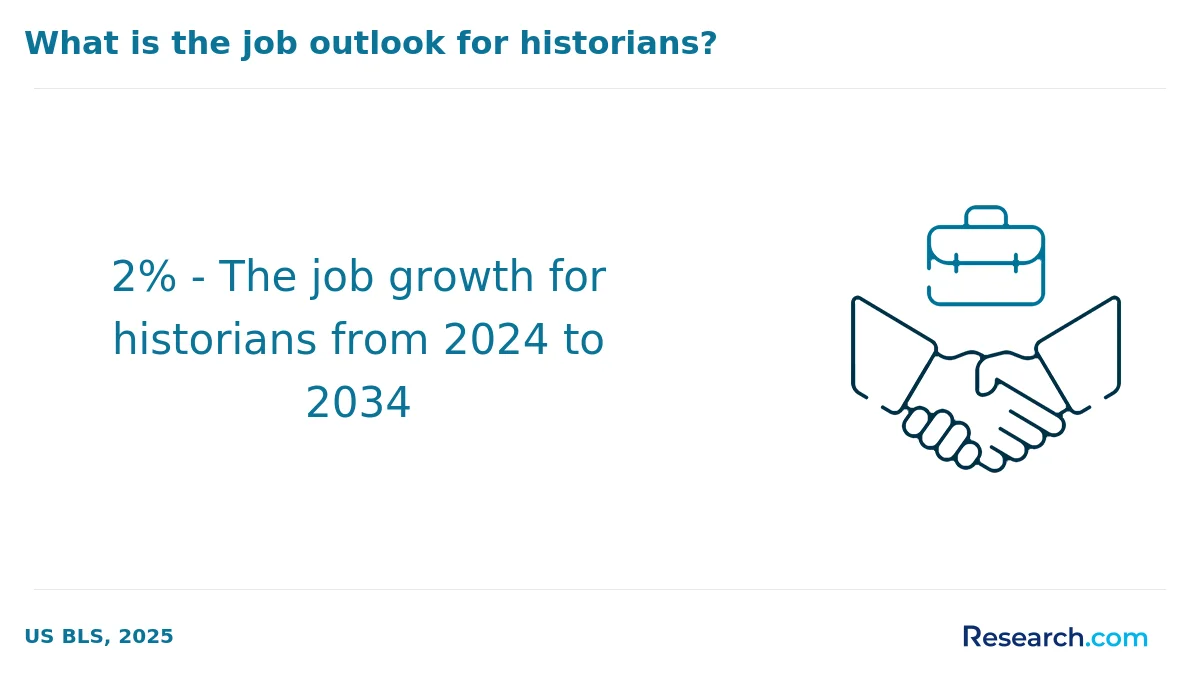
Another key step is developing strong research and writing abilities, crucial in history-related careers. Networking is essential-joining professional organizations like the Western Historical Association can open doors. According to the U.S. Bureau of Labor Statistics, demand for historians is expected to grow by 7% from 2022 to 2032, reflecting steady opportunities.
Finally, consider complementary certifications or skills, such as digital archiving or public history training, to enhance employability in the competitive Western job market.
Employers in the Western United States value history degree graduates for their strong research and analytical skills. According to the American Historical Association, nearly 70% of history graduates enter fields requiring critical thinking and detailed source evaluation. These professionals must be able to sift through large amounts of information, identify credible evidence, and construct clear, persuasive arguments.
Additionally, communication skills-both written and oral-are highly prized. Graduates often present complex historical data to diverse audiences, making clarity and precision essential. Digital literacy, including proficiency with online databases and archival tools, is increasingly important in today's job market.
Understanding cultural contexts and developing empathy also supports roles in education, public policy, and museum work, which are prominent in the Western job market.
Finding internships relevant to a history degree in the West requires strategic planning and active engagement with regional resources. Many universities in Western states, such as California and Washington, have partnerships with local historical societies, museums, and archives offering internship opportunities tailored for history students.
Students should also explore internships through statewide organizations like the California Historical Society or the Oregon Historical Society, which often provide hands-on experience. Additionally, government archives and cultural institutions in the West welcome interns interested in history preservation and research.
According to the National Association of Colleges and Employers, 60% of students who secure internships in their field enhance their employment prospects, making these experiences vital.
Online students can utilize virtual internship platforms and connect with alumni networks from their schools to find remote internship options, adapting to the growing demand for flexible learning and work arrangements.
Obtaining an online history degree in the Western United States can significantly enhance career mobility and advancement. According to the Western Interstate Commission for Higher Education, the region has seen a 12% increase in online history graduates entering education, public history, and museum sectors over the past five years. Employers increasingly recognize online degrees from accredited Western universities as equivalent to traditional programs.
Online history graduates gain skills in research, critical thinking, and communication, all highly valued in fields like education, archives, and cultural resource management. Furthermore, many Western states offer professional development programs that facilitate career advancement for those holding history degrees.
These trends suggest that a history degree earned online supports both lateral moves and promotions within public and private sectors in the West.
Studying for an online history degree in the West equips students with diverse analytical and research skills vital for interdisciplinary roles. Many Western universities emphasize connecting historical knowledge with fields like political science, economics, and cultural studies. This broad focus enables graduates to understand complex societal issues from multiple perspectives.
For instance, the National Center for Education Statistics reports that history majors often pursue careers in law, education, and public policy, showcasing the degree's versatility. Online programs frequently include coursework in digital humanities and data analysis, enhancing technical proficiencies.
This interdisciplinary preparation aligns with workforce demands, as employers increasingly seek candidates with adaptability and critical thinking abilities across various sectors.
Choosing between a thesis and a non-thesis online history degree program in the West depends largely on your career goals. Thesis programs require original research and a detailed paper, which can prepare you for academic or research-oriented jobs.
Non-thesis options focus on coursework and practical skills, catering to those aiming for teaching, public history, or administrative roles. According to the Western Interstate Commission for Higher Education, around 60% of Western history graduates opt for non-thesis paths to enter the workforce more quickly.
Consider your interest in research and available time, as thesis tracks typically take longer to complete.
Students in the Western United States seeking online history degrees with an international focus have multiple options through accredited public and private universities. Many Western schools offer fully online bachelor's and master's programs that include global history courses or encourage study abroad partnerships, providing practical international experience.
Popular institutions such as Arizona State University and Oregon State University provide robust online history degrees recognized nationwide. According to the National Center for Education Statistics (NCES) 2023 data, over 30% of history undergraduates in these states enroll in programs with flexible distance-learning options.
Additionally, some universities in the West participate in exchange agreements with European and Asian schools, allowing students to combine online learning with short-term overseas study. This hybrid model enhances understanding of foreign cultures and historical contexts while remaining enrolled in U.S.-based programs.
Careful evaluation of program curricula, faculty expertise, and accreditation status is essential to ensure a reputable and comprehensive education in online history degrees that meet both domestic and international academic standards.
Part-time jobs that complement a history degree in the Western US often align with research, education, and cultural preservation. Many students find opportunities as museum docents or archival assistants, which provide practical experience in handling historical artifacts and documents. According to the Bureau of Labor Statistics (BLS), roles such as historical researchers and museum technicians are expected to grow by 5% through 2031 in the United States.
Working in libraries or local historical societies also offers hands-on skills in managing collections and assisting public inquiries. These roles enhance understanding of specific regional histories, particularly relevant in the Western states known for rich indigenous and frontier legacies.
Additionally, tutoring or teaching assistant positions in history courses give students experience in academic settings. These jobs benefit students pursuing graduate studies or careers in education. Overall, part-time jobs in archives, museums, and education can effectively complement online history degree studies in the West.
Online history students in the Western United States have several networking opportunities despite the virtual format. Many universities offer access to local alumni chapters and virtual events tailored to history majors. For example, the University of California system provides online students connections to history-focused professional groups and regional conferences.
The Pacific Historical Review and Western Historical Quarterly often list calls for papers and networking events, which online students can attend virtually to engage with academics and professionals. Additionally, digital platforms like LinkedIn host groups dedicated to historians in the West, fostering peer connections.
Engaging in internships or research projects through Western institutions can also expand professional networks. According to the National Center for Education Statistics, 42% of online history students in the West participate in local history societies or internships, enhancing their career prospects.
Alumni networks offer significant advantages for online history degree students in the Western United States. These networks create strong professional communities that help graduates connect with historians, archivists, and educators across diverse institutions.
According to the Western History Association, alumni engagement often leads to increased mentorship opportunities and job referrals, which are crucial for career advancement in history-related fields. For students studying remotely, being part of an alumni group bridges the gap created by physical distance.
Alumni events and online platforms enable sharing of resources, such as research materials and internship openings. A 2023 survey by the American Historical Association found that 65% of history graduates credit alumni networks with helping them secure their first job after graduation.
Customizing an online history degree program in the West allows students to align their studies with specific career objectives. Many universities offer elective courses focusing on regional history, archival research, or public history, which can enhance skills relevant to careers in museums, education, or government.
Students often choose minors or certificates in related fields like political science or cultural studies to broaden their expertise. According to the Western Association of Schools and Colleges, over 60% of institutions in the Western U.S. provide flexible online history programs with customizable tracks.
This flexibility lets learners target areas such as Indigenous history, digital humanities, or historical preservation, tailoring education to match evolving job markets.
Online history students in the West frequently encounter challenges related to limited access to archival resources and primary documents, which are often crucial for historical research. While many universities strive to provide digital materials, not all archives are fully digitized or accessible remotely. Additionally, some students struggle with engaging deeply in discussions due to the virtual format, which can hinder critical debate and interpretation skills.
Technical issues, such as unreliable internet connections or limited familiarity with digital learning platforms, also pose obstacles. According to the Pew Research Center, about 28% of adults in rural Western areas face broadband connectivity gaps, impacting online learning quality.
Time management and self-discipline remain significant challenges, with reports from EDUCAUSE indicating that 40% of online students drop courses due to these factors. Furthermore, finding internships or experiential learning opportunities locally can be difficult, which impacts practical understanding of historical work.
With an online history degree in the Western United States, graduates can pursue several professional certifications that enhance job prospects. A popular option is becoming a Certified Archivist through the Academy of Certified Archivists, which requires knowledge in managing historical records. Another relevant certification is the Museum Studies Certificate, available through various institutions, appealing to those interested in curatorial or educational roles.
Additionally, obtaining a Paralegal Certificate can complement history skills, especially in legal research and documentation. Many professionals also pursue teaching credentials if planning to enter education. According to the National Center for Education Statistics, the demand for such certifications has grown by 7% in the West since 2020.
Writing a winning application for an online history degree program in the West requires a clear demonstration of your passion and preparedness for historical study. Admissions committees in US universities often look for applicants who can articulate their interest in history, especially regional topics relevant to the Western United States.
Strong personal statements are crucial; explain why history matters to you and how you plan to contribute to the field. Highlight any prior research, internships, or relevant work experience. According to the Western Association of Schools and Colleges, applicants with well-defined goals and good writing skills tend to be favored.
Include solid academic records, particularly in humanities courses, and provide strong letters of recommendation from educators familiar with your historical interests.
A history career in the West, especially in the United States, reflects a range of global perspectives focused on research, education, and cultural preservation. According to the U.S. Bureau of Labor Statistics, employment of historians is projected to grow 6% from 2021 to 2031, aligning with a global interest in preserving diverse historical narratives. Online history degrees increasingly emphasize global contexts, encouraging students to explore cross-cultural influences and international events.
Many professionals work in museums, government, or academia, fields that require understanding worldwide historical connections. This aligns with trends in higher education where institutions integrate global history into their curricula, preparing graduates for careers that value a broad, inclusive view of the past.
Students pursuing an online history degree in the Western United States can gain practical experience through various methods. Many universities partner with local museums, historical societies, and archives, offering internship opportunities that enhance research and analytical skills. According to the Western Association of Schools and Colleges (WASC), nearly 60% of accredited online history programs include some form of experiential learning.
Additionally, virtual internships and remote research projects have become widely available, allowing students to work on real archival collections from anywhere. Participating in online history conferences and submitting papers to regional journals also helps build practical expertise while studying remotely.
Choosing the right concentration within an online history degree program in the West depends largely on your personal interests and career goals. Many Western universities offer specializations like American West history, Native American studies, or public history, reflecting the region's unique cultural and historical landscape.
Consider your future plans: for example, public history concentrations often prepare students for museum work or archival positions, fields currently growing by around 5% annually according to the U.S. Bureau of Labor Statistics. Additionally, reviewing course availability and faculty expertise at Western institutions can guide your decision.
Research also suggests focusing on regional history can offer practical networking opportunities and deeper employment connections locally.
Top Trending History Rankings
References
- History majors should have a more global perspective - The Lamron https://www.thelamron.com/opinion/history-majors-should-have-a-more-global-perspective
- Top Niche Historical Topics for Deep-Dive High School Projects https://riseglobaleducation.com/blogs/top-niche-historical-topics-for-deep-dive-high-school-projects
- What Can You Do With a History Degree? https://willamette.edu/academics/college/history/career-options
- History Online https://www.nsu.edu/History-and-Interdisciplinary-Studies/History-Online
- How History Students Can Use Their Lessons in Today's Job Market https://www.historyfiles.co.uk/support/historyES297-How-History-Students-Can-Use-Their-Lessons-in-Todays-Job-Market.htm
- Jobs for History Majors: 12 Career Paths That Use Your Skills | Extern https://www.extern.com/post/jobs-for-history-majors-career-guide
- History Programs Abroad: Degrees & Opportunities - AEC https://www.aecoverseas.com/history/
- Bachelor of Arts in History https://www.wiu.edu/cas/history/undergraduate_history.php
- Making sure you're not a bot! https://journals.uclpress.co.uk/herj/article/pubid/Hist_Educ_Res_J-23-16/
- What Can I do With a History Degree? https://theinterngroup.com/our-blog/what-can-i-do-with-a-history-degree