2027 Easiest Online Bachelor's in History Degree Programs Ranking in the West

Co-Founder and Chief Data Scientist
Exploring a career in history can open doors to understanding the past while shaping your future. For students in the West seeking flexible education options, an online bachelor's degree in history offers a great balance of accessibility and quality.
This article features the 2027 Easiest Online Bachelor's in History Degree Programs Ranking in the West, thoughtfully created by the Research.com team of data scientists. Their analysis helps you make an informed choice about which programs truly stand out.
Discover programs designed to fit your lifestyle and set you up for success while pursuing a degree that enriches your knowledge and career prospects.
Key benefits of getting online history degree in the West
- History degree graduates often pursue careers in education, research, or cultural management, with typical US salaries ranging from $50,000 to $70,000 annually, offering a rewarding financial foundation.
- Graduates from popular Western universities frequently find diverse career paths such as museum curators, archivists, or policy analysts, demonstrating the versatility of a history degree.
- Completing a history degree online from a respected Western university offers flexibility and accessibility, allowing students to balance work and study while gaining the same respected credential as traditional programs.
- Key benefits of getting online history degree in the West
- What can I expect from online history degree in the West?
- Where can I work with online history degree in the West?
- How much can I make with online history degree in the West?
- 2027 Easiest Online Bachelor's in History Degree Programs Ranking in the West
- Key Findings
- How long does it take to complete online history degree in the West?
- What's the difference between online and on-campus history degree?
- What is the average cost of online history degree in the West?
- What financial aid is available to online history degree students in the West?
- What are the prerequisites for enrolling in online history degree program in the West?
- What courses are typically in online history degree programs in the West?
- What types of specializations are available in online history degree programs in the West?
- How do you choose the best online history degree in the West?
- What career paths are available for online history degree students in the West?
- What is the job market for online history degree in the West?
- Top Trending History Rankings
What can I expect from online history degree in the West?
The average cost of an online history degree in the Western United States often reflects the balance between accessibility and quality. Graduates from well-regarded public universities, such as those within the California State University system, commonly describe feeling relieved by tuition rates that remain consistent whether studying on campus or online. For many, the affordability of in-state tuition coupled with the ability to study part-time made pursuing a history degree achievable alongside work and family commitments.
Students appreciate how schools in Oregon and Washington often offer competitive rates, which can ease financial stress while maintaining robust academic standards accredited by respected regional bodies. This helps learners focus on immersing themselves in courses about Western civilization or indigenous histories without constant worry about escalating costs.
One graduate shared how the steady tuition allowed them to concentrate fully on writing research papers and engaging with online peers, creating a rewarding and supportive environment despite geographic distance. Programs that integrate local museum internships remotely further enhance the value, making a history degree in the West both enriching and financially sensible.
Where can I work with online history degree in the West?
Graduates with an online history degree in the West often find themselves drawn to vibrant cultural hubs like California and Washington, where opportunities abound beyond the traditional classroom. Many alumni from schools such as the University of California and the University of Washington discover careers in museums, archives, and libraries, places filled with stories and artifacts that bring history to life. They share how working among these treasures deepens their appreciation for regional heritage and connects them to their communities.
Others pursue teaching roles, especially in public schools across metropolitan areas like Seattle and San Francisco, where the demand for qualified social studies teachers is strong. These graduates often describe the rewarding challenge of inspiring young minds and sharing historical perspectives that shape civic understanding.
Some find unique niches in local government and non-profits, advising on heritage preservation or assisting with public policy. Tech-savvy graduates are increasingly drawn to digital archiving or content development roles within Western technology firms, blending historical knowledge with emerging industries.
These pathways reflect the diverse ways an online history degree can open doors, energizing graduates with meaningful careers that honor the past while shaping the future.
How much can I make with online history degree in the West?
Graduates from online history programs at well-regarded institutions in the Western United States often find a rewarding balance of intellectual fulfillment and financial stability. Many alumni from schools known for their history departments, such as those in California or Washington, report starting salaries in ranges that reflect the vibrant cultural and academic landscape of the region.
Museum curators, for example, typically earn between $55,000 and $85,000 annually, which matches the data from professional organizations in the West. This income can vary by institution size and city, with those working in metropolitan areas like San Francisco or Seattle often seeing higher wages due to local demand and living costs.
Teaching roles in K-12 schools average around $62,000, while community college instructors usually earn between $50,000 and $70,000. Entry-level positions such as research assistants or archival technicians tend to start from $35,000 to $45,000, gradually increasing with experience and advanced qualifications.
Graduates frequently share that their ability to engage deeply with history, sharpen research skills, and communicate effectively opens doors to diverse and enriching career paths-making their degree a worthwhile investment in both passion and professional opportunity.
2027 Easiest Online Bachelor's in History Degree Programs Ranking in the West
How do we rank schools?
Investing in your education is a significant decision that can shape your future, and the Research.com team understands the importance of making informed choices. To assist prospective students seeking online history degrees in the Western United States, we have meticulously created the "2027 Easiest Online Bachelor's in History Degree Programs Ranking in the West." Our commitment to quality, credibility, and accuracy is reflected in the extensive research and analysis we conducted to compile this ranking.
We utilized the following reputable data sources to ensure a comprehensive evaluation of history programs:
By exploring this ranking, readers will gain valuable insights into accessible, high-quality online history degree programs in the West, empowering them to make well-informed decisions about their education. For more information on how this ranking was developed, please visit our Research.com methodology page.


Key Findings
- Online history bachelor's degrees in the Western US are offered by accredited public and private universities, often allowing part-time completion in four years or less.
- In-state tuition at public universities typically ranges from $15,000 to $35,000, while private institutions may charge over $40,000 in total tuition.
- Additional costs to consider include books, technology fees, and graduation expenses.
- Entry-level salaries for history graduates usually fall between $40,000 and $50,000 annually, with median salaries rising above $60,000 after 5 to 10 years.
- Popular employment sectors include education, government, cultural institutions, and nonprofits, with growing demand through 2030 for graduates with critical thinking and communication skills.
How long does it take to complete online history degree in the West?
Still, some students appreciate the flexibility of online programs, extending their studies over five or six years to accommodate work or family life without stress. For instance, graduates from Oregon State University have shared how pacing coursework part-time allowed them to maintain job stability while steadily progressing toward their degree.
Others embrace accelerated paths, enrolling year-round, including summer sessions, to complete their degree in as little as three years. This option, popular at institutions such as Washington State University, often brings a rewarding sense of accomplishment and momentum, fueling deeper engagement with history studies.
Transfer credits also play a vital role; students who bring in previous college experience frequently shorten their journey, making the process feel more manageable and tailored to their personal narrative.
What's the difference between online and on-campus history degree?
Online and on-campus history degrees in the Western US differ primarily in how students engage with their studies and campus life. Graduates from schools like the University of California system often recall the freedom online programs offered-balancing family and jobs while accessing lectures asynchronously. This flexibility proves invaluable for many, turning once-impossible goals into achievable milestones.
Conversely, those attending traditional campuses such as the University of Washington share memories of lively seminar discussions and spontaneous access to extensive library archives, fostering rich peer and faculty connections. These experiences create a strong sense of community and direct mentorship, aspects harder to replicate online.
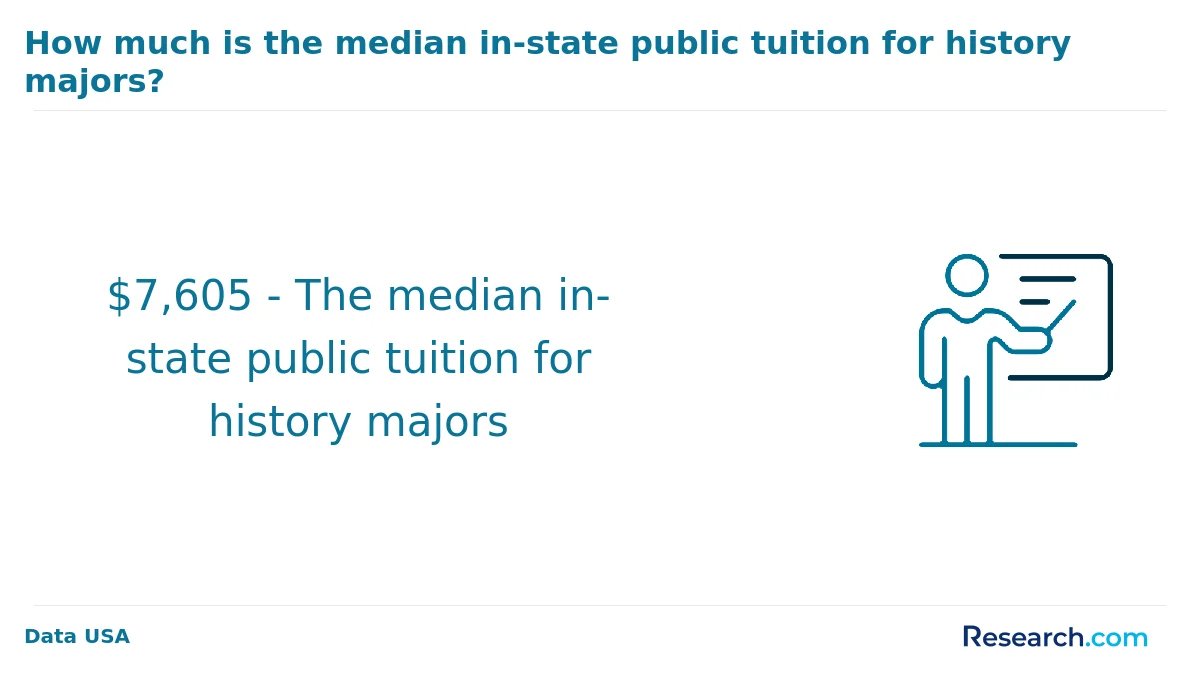
Cost is another crucial factor. Public universities in the West average around $9,000 annually for in-state students, and online formats frequently trim extra expenses like commuting or housing. Yet, private on-campus programs sometimes exceed $40,000, which influences many learners' decisions.
Both pathways demand dedication and offer robust academic content, but students should weigh their personal rhythms and financial priorities, imagining themselves thriving in the unique settings these programs provide.
What is the average cost of online history degree in the West?
The average cost of pursuing an online history degree in the West typically centers around a median total cost of $58,800, reflecting the overall expenses that students can expect to encounter. This figure often varies based on residency status, with in-state students paying closer to $64,980 and out-of-state students seeing a higher median cost of approximately $72,432. Graduates from public universities such as those in the California State University system recall how these costs, while a significant investment, were balanced by the accessibility and quality of their online history programs.
Many students find comfort in knowing that affordable online bachelor's history programs in the West do exist, especially at public institutions where tuition tends to be more reasonable compared to private counterparts. Beyond tuition, additional fees such as technology charges and course materials add modest expenses but rarely detract from the overall value gained. Those who chose programs at well-regarded regional universities often speak with enthusiasm about the supportive environment and connection with faculty, all contributing to a worthwhile experience.
Someone reflecting on their decision to study history online in the West might appreciate the flexibility of online courses alongside competitive costs that balance quality education with financial considerations. It's worth exploring options carefully and acknowledging that financial aid or tuition reimbursement can ease the burden. For those curious about details such as timing, how long does it take to get a history degree is an important aspect to consider when evaluating the overall commitment alongside cost.
What financial aid is available to online history degree students in the West?
Many online history degree students in the Western United States find federal aid to be their first and most reliable resource. Graduates from public universities like the University of Washington often speak of the relief Pell Grants bring-these need-based awards, which can reach up to $7,395, allowed them to focus on their studies rather than constant financial stress. Completing the FAFSA is a crucial step everyone has found worth the effort, unlocking both grants and federal Direct Loans with manageable fixed interest rates and flexible repayment options.
State aid also plays a vital role. In California, the College Promise Grant has transformed the experience for many attending Cal State campuses by waiving enrollment fees, making quality education palpably affordable. Numerous others recount how institutional scholarships specifically aimed at humanities students became the key to accessing extra support, especially at universities like Oregon State.
Working professionals juggling tuition costs have reported significant help from employer tuition assistance programs. Meanwhile, private scholarships from historical societies offer competitive but meaningful supplements to reduce financial burdens, reminding students everywhere that a little persistence pays off.
What are the prerequisites for enrolling in online history degree program in the West?
To enroll in an online history degree in the Western US, having a high school diploma or equivalent is the first crucial step. Graduates from institutions like the University of California or Arizona State University often recall how this baseline credential opened doors to their academic journey. Beyond this, maintaining a solid GPA-commonly around 2.5 to 3.0-is vital, as it reflects your readiness for the program's demands.
Many students remember the reassurance of submitting well-crafted personal statements or recommendation letters, which showcased their genuine passion for history and commitment to succeed. Such elements are especially valued by admissions teams at respected Western universities.
Transfer students appreciate that accredited college credits often count toward their degree, a practical advantage that lightens both workload and tuition costs.
While some schools require SAT or ACT scores, the growing test-optional trend globally eases entry for many, allowing focus on proven academic performance and motivation instead. These prerequisites collectively set a strong foundation for a fulfilling history degree experience online in the West.
What courses are typically in online history degree programs in the West?
Students pursuing online history degrees in the Western US often start with broad, engaging courses like Western Civilization, United States History, and World History. These foundational classes offer a clear lens through which graduates reflect on how past events influence today's world. Many graduates recall how studying the Civil War or the Renaissance brought history to life, making distant eras feel immediate and relevant.
Graduates from prominent Western institutions appreciate the required courses in historical research methods and writing, which sharpen their abilities to analyze sources and craft compelling narratives. One common reflection is how these courses build confidence-not just for academic pursuits but also for careers in education or archives.
Electives add a unique layer of personalization, with options like Native American history or environmental history connecting students to local and regional narratives. Graduates often express satisfaction discovering how these topics resonate deeply with their own communities across the American West.
Many online learners also enjoy courses on public history and digital history, which teach practical skills in presenting and preserving history-helping them envision careers in museums or cultural resource management that keep history alive for future generations.
What types of specializations are available in online history degree programs in the West?
Online history degree specializations West often reflect the rich regional heritage and diverse student interests at institutions like the University of California or Arizona State University. Many graduates find deep value in focusing on American History, exploring the development of the American West, Native American cultures, and key social movements that shaped the region. This specialization offers a unique connection to local history that feels both personal and empowering.
Other students are drawn to broader narratives through World History programs, studying global interconnections in European, Asian, or Latin American contexts. This path resonates with those aiming for international careers or educational roles, expanding their worldview beyond the West.
Public History is popular among learners interested in practical skills for careers in museums or archives, often incorporating digital tools that postgraduates frequently praise for enhancing community engagement. Additionally, niche areas like Military History or Cultural History appeal to students with specialized passions, helping them to tailor their degree to their future goals.
Graduates from Western colleges confirm that these history bachelor's majors available in Western US bring both intellectual fulfillment and career flexibility, with costs that remain competitive compared to traditional paths. For those wondering how much does a history degree cost, the balance of specialization and affordability makes many programs particularly attractive.
How do you choose the best online history degree in the West?
Choosing the best online history degree in the West means starting with accreditation-many graduates from respected Western universities emphasize the value of programs accredited by the Western Association of Schools and Colleges (WASC). This ensures quality and recognition far beyond just a digital diploma. Affordable options also matter; many students seeking an affordable online bachelor's history West discuss how tuition differences shaped their choices, especially when balancing work and studies.
Curriculum variety plays a central role. Graduates from programs with robust courses in American history, indigenous studies, and Western U.S. historiography often recall how these specialized classes deepened their connection to the region's past. Flexibility in electives and strong faculty support rekindled their passion for history despite the distance of online learning.
Many also highlight the importance of student services-like tutoring and career counseling-that made their online journey less isolating. Finally, exploring program reviews can unveil how well schools support online history students in the West. For those curious about future prospects, exploring jobs with a masters in history complements academic planning perfectly.
What career paths are available for online history degree students in the West?
Graduates who earn an online history degree in the West often find themselves drawn to career paths that blend passion with purpose. Many have shared how studying at respected institutions known for their history programs, such as those popular in the region, helped them secure teaching positions in middle and high schools, particularly in California and Washington. This aligns well with the demand for educators who inspire the next generation, reflecting steady growth in that field. Others have found fulfillment working in the numerous museums or archives that pepper the Western states, where they serve as curators or preservation specialists, connecting communities to their past.
For those exploring public history and cultural resource management, roles with government agencies like the National Park Service offer meaningful ways to interpret and protect historical sites. Graduates from Western universities often cite the satisfaction of contributing to local policy and planning through their deep historical knowledge, blending civic engagement with their academic background. If you seek practical advice and affordable options, consider looking into the cheapest history degree online programs available in the West, which make pursuing these rewarding careers much more accessible.
What is the job market for online history degree in the West?
The job market for online history degree graduates in the West offers a mix of opportunities and challenges, with steady demand in roles such as library assistants, museum staff, and research aides. Graduates from well-known institutions in California, Washington, and Oregon often find themselves drawn to cities like Los Angeles and Seattle, where cultural institutions and universities provide meaningful chances to apply their skills. Many graduates cherish their hands-on experiences gained through local archives or university-affiliated projects, which enhance their resumes and community ties, reflecting the West region employment outlook for history graduates.
While the median wage for historians nationwide sits around $63,000, those with a bachelor's degree from an online history program typically start near $40,000 annually in the West. This can feel both encouraging and grounding for new alumni navigating early career paths. The more affordable online tuition rates at regional public universities make pursuing these degrees a practical choice, especially when combined with valuable experiential learning.
For students considering further education, exploring online history masters programs can open doors to advanced roles. Many graduates have found that the critical thinking, research, and communication skills sharpened during their studies provide a strong foundation for success in law, journalism, and government positions, making online history degree job opportunities West a thoughtful and hopeful pursuit.
Frequently Asked Questions About history
Online history degree students in the Western US can enhance their learning by actively engaging with digital archives and regional history databases offered by institutions like the University of California and Oregon State University. Utilizing virtual museum tours and local government historical records supports deeper contextual understanding. Studies from the Western Association of Schools and Colleges emphasize the importance of regular interaction with professors through video conferencing to clarify complex topics.
Joining online discussion groups or history forums focused on Western American history can foster peer collaboration. Additionally, students should schedule consistent study times to balance coursework with personal commitments, improving retention and performance. Accessing webinars from reputable history organizations further enriches the learning experience.
Emerging niches within the history field reflect the evolving interests of scholars and students, particularly in the U.S. West. One growing area is environmental history, which examines the interaction between humans and nature over time. This niche is increasingly important due to the West's unique landscapes and climate challenges. Another expanding field is digital history, where technology aids historians in analyzing large data sets and presenting history through new media.
Public history remains a strong focus, preparing graduates for museum work, preservation, and community engagement. Additionally, social justice history, emphasizing underrepresented groups, has gained traction amid ongoing cultural discussions. According to the American Historical Association, programs incorporating these specialties attract more diverse students and align well with current job markets.
Preparing for the job market after completing an online history degree in the West involves strategic planning and skill development. Graduates should focus on building research, writing, and critical thinking skills, which are highly valued in fields such as education, archiving, and public history. Networking is crucial; joining local historical societies or professional groups like the Western History Association can open doors to job opportunities.
Internships and volunteer work with museums or libraries provide practical experience and enhance resumes. According to the U.S. Bureau of Labor Statistics, employment for historians is expected to grow by 6% through 2030, particularly in academic and government roles, underscoring the importance of relevant experience. Developing proficiency in digital tools like GIS and data analysis can further improve job prospects in the competitive Western US market.
Employers in the Western US highly value critical thinking and analytical skills in history degree graduates. According to the American Historical Association, 87% of hiring managers seek candidates who can interpret complex information and construct clear, evidence-based arguments.
Strong written and verbal communication abilities are also crucial. Graduates must effectively present historical data to diverse audiences, an essential skill across education, public policy, and museum work.
Research proficiency, including the use of digital archives and databases, is increasingly important due to the growth of online resources and technology integration in historical study.
Additionally, cultural awareness and the ability to understand diverse perspectives enhance employability in Western regions with rich multicultural histories.
Finding internships relevant to a history degree in the Western US involves targeting museums, historical societies, and archives, which frequently offer opportunities to history students. Many institutions in states like California, Oregon, and Washington provide internships focused on research, preservation, and public history.
Online career platforms like Handshake and LinkedIn are valuable for locating paid and unpaid internships specifically tailored to history undergraduates. Additionally, university history departments in the West often maintain partnerships with local organizations, helping students find placements relevant to their studies.
According to the American Historical Association, internships help develop practical skills and increase employment chances after graduation. Students should start searching early, network with faculty advisors, and consider virtual internships offered by national museums to broaden their options.
An online history degree can enhance career mobility by providing flexible access to education without geographic constraints, especially in the Western US where distance learning is widely supported. Graduates with history degrees often pursue roles in education, museums, public history, or government. According to the Bureau of Labor Statistics, historian roles in the US are projected to grow about 6% from 2022 to 2032, reflecting steady demand.
Employers increasingly recognize online degrees from accredited institutions, allowing professionals to advance by gaining relevant knowledge while continuing work. In Western states, online programs often partner with local archives and museums, offering practical skills that improve resume strength and job prospects.
Further, data from the National Center for Education Statistics shows about 15% of history graduates in the West leverage their degrees to shift into adjacent fields like law, education administration, or nonprofit management, demonstrating versatility in career pathways.
Studying for an online history degree in the West equips students with critical thinking and analytical skills essential for interdisciplinary roles. Many programs emphasize integrating history with fields like political science, sociology, and cultural studies, encouraging students to understand complex societal issues from multiple perspectives.
Western universities often offer courses that combine historical analysis with digital literacy, preparing graduates for roles in data interpretation and digital humanities. According to the American Historical Association, nearly 70% of history majors pursue careers outside traditional academia, demonstrating the degree's versatility in fields such as law, journalism, and public policy.
This broad foundation helps students become adaptable problem-solvers, a valuable trait for interdisciplinary collaboration.
When choosing between a thesis and a non-thesis online history degree in the West, consider your academic and career goals. Thesis programs often focus on original research and writing, suitable for students aiming for graduate studies or research careers. According to the Western Interstate Commission for Higher Education (WICHE), about 35% of history bachelor's programs in Western states offer thesis options.
Non-thesis programs emphasize coursework and comprehensive exams, catering to students seeking flexible schedules or careers outside academia. These programs typically allow finishing in less time, averaging 3-4 years.
Understanding these differences will help align your program choice with your professional aspirations and time commitment.
Students based in the Western United States have several options for studying history abroad through online degree programs. Many universities in California, Oregon, and Washington offer accredited online bachelor's degrees in history, enabling students to study global history topics with flexibility. According to the Western Interstate Commission for Higher Education (WICHE), nearly 45% of participating Western institutions provide at least one history degree with online courses.
Some programs incorporate international perspectives, allowing students to explore European, Asian, and Latin American histories while completing coursework remotely. These programs often feature faculty members with expertise in both American and world history.
Additionally, partnerships between Western schools and institutions abroad sometimes offer online study abroad experiences or virtual exchange opportunities.
Students pursuing online history degrees in the Western United States can benefit from various part-time jobs that complement their education. Museums and historical societies often offer roles such as docents, archivists, or research assistants, providing practical experience directly related to history.
Libraries also employ assistants familiar with historical materials, helping students apply their skills while earning income. According to the U.S. Bureau of Labor Statistics, jobs in archival work and museum curation are expected to grow moderately by 2028, offering stable opportunities.
Additionally, tutoring fellow students in history or writing can strengthen understanding and communication skills. These positions often accommodate flexible schedules, ideal for part-time study.
Online history students in the Western US have several valuable networking opportunities despite their remote status. Many regional universities offer virtual events, workshops, and guest lectures featuring historians and professionals. For example, the University of California system frequently hosts accessible online seminars that connect students with experts.
Professional associations like the Pacific Coast Branch of the American Historical Association provide memberships to students and host conferences, enabling networking with peers and faculty across the West.
Online platforms such as LinkedIn and school alumni networks also facilitate connections with history scholars, local archives, museums, and cultural organizations specific to Western history.
Alumni networks play a vital role for online history degree students in the Western United States. These networks connect current students with graduates who have successfully navigated careers in education, research, libraries, and museums. According to the Western Interstate Commission for Higher Education, about 70% of jobs in history-related fields are found through professional relationships.
By joining alumni groups, students gain access to mentorship programs and exclusive job postings tailored for history graduates. Alumni often organize webinars and local meetups, especially in urban centers like Los Angeles and Seattle, increasing networking opportunities for online learners.
Such connections can improve employment prospects by providing firsthand insights about the regional job market and scholarship opportunities. This support is crucial as Western history departments emphasize practical skills alongside academics.
Students pursuing online history degrees in the Western US can often tailor their programs to align with specific career goals. Many universities offer elective courses in areas such as public history, archival management, or Indigenous studies, reflecting the diverse historical landscape of the region. Choosing a program with flexible course options allows learners to specialize, for example, in Western American history or environmental history, which can enhance job prospects in museums, education, or government roles. According to the Western Association of Schools and Colleges, nearly 60% of these programs include customizable tracks or concentrations. Internships and research opportunities also provide practical experience relevant to one's career path.
Online history students in the Western United States often face challenges balancing rigorous academic demands with work and personal commitments. Studies by the Western Interstate Commission for Higher Education (WICHE) highlight that nearly 45% of online learners manage full-time jobs alongside their studies, which can reduce time for research and writing.
Limited access to in-person archives and specialized collections can hinder deep historical research. While many universities provide digital resources, some primary documents remain accessible only on campus.
Additionally, students may struggle with developing critical thinking skills without regular face-to-face interactions with professors and peers, which are essential in history education.
Networking opportunities and mentorship, often more abundant in traditional settings, can also be limited online, impacting future career prospects.
An online history degree can open doors to several professional certifications valued in fields like education, archives, and museum work. For example, graduates interested in teaching can pursue a state-issued teaching credential, which varies by state but typically requires completing a teacher preparation program and passing licensure exams.
For those aiming at archival careers, certification through the Academy of Certified Archivists (ACA) is a prominent option. This credential demonstrates expertise in managing historical documents and records, often required or preferred by employers in Western states.
Museum professionals might pursue certification from the American Alliance of Museums (AAM) or specialized preservation certifications, enhancing their qualifications in curatorial or conservation roles. These certifications support career advancement and salary growth in the cultural sector.
Applying for an online history degree in the West requires a clear and well-structured application. Begin by carefully reviewing the program requirements, as many Western US universities prioritize applicants with a strong academic background in history or related fields. Highlight your passion for history by explaining how your past experiences or career goals connect with the subject.
Strong letters of recommendation, ideally from history professors or professionals, can significantly enhance your application. Additionally, craft a focused personal statement that outlines your interest in the program and how it fits your academic and career ambitions.
Some Western online programs may require standardized test scores or writing samples, so confirm these early. According to the Western Undergraduate Admissions Association, nearly 70% of history programs emphasize writing skills, so demonstrating strong communication abilities is crucial.
The global outlook for careers in history reflects diverse opportunities, especially for graduates from the US and Western institutions. According to the Bureau of Labor Statistics, employment for historians in the US is projected to grow about 3% from 2022 to 2032, which is slower than average but steady. Historians often find roles not only in academia but also in museums, archives, and cultural resource management, showing a broad application of history degrees.
Internationally, a history degree can open doors to work in diplomacy, international organizations, and global nonprofits, where knowledge of cultural context is vital. US graduates with an online history degree are increasingly competitive in such roles due to the adaptability and research skills they acquire. This global demand underscores the value of pursuing history studies in the West, where programs often emphasize critical thinking and intercultural awareness.
Gaining practical experience while pursuing an online history degree in the Western United States is essential for applying academic knowledge. Many universities encourage students to participate in virtual internships with museums, archives, or historical societies. According to the American Historical Association, nearly 60% of history students engage in these internships to enhance their resumes and skills.
Another option is joining online research projects sponsored by universities or nonprofit institutions focused on Western history. Such projects often involve document transcription or digitization, which builds valuable archival skills.
Additionally, students can attend webinars or virtual conferences hosted by Western historical organizations to network and stay current with the field.
Choosing the right concentration within an online history degree program in the West requires understanding your interests and career goals. Popular concentrations include American History, European History, and Public History. According to the Western Association of Schools and Colleges (WASC), programs in the West often emphasize regional history, which can offer unique insights and job opportunities.
Consider how each concentration aligns with your future plans-whether education, research, or museum work. Review course offerings and faculty expertise to ensure strong support in your chosen field. Also, check if internships or partnerships with local institutions are available, as these enhance practical experience and employment prospects.
Top Trending History Rankings
References
- Online Degree vs. Traditional | University of Arkansas Grantham https://www.uagrantham.edu/blog/pros-cons-online-degree-vs-traditional-university/
- The Impact of History Degrees: Opportunities and Trends Among History Degree Jobs https://www.ucumberlands.edu/blog/the-impact-of-history-degrees
- Bachelor of Arts History https://europe.umgc.edu/online-degrees/bachelors/history
- History Programs Abroad: Degrees & Opportunities - AEC https://www.aecoverseas.com/history/
- How a Strong Alumni Network Can Benefit Students https://www.pacificu.edu/blog/how-strong-alumni-network-can-benefit-students
- Undergraduate Student Opportunities https://warwick.ac.uk/fac/arts/history/students/studentopportunities/
- Bachelor of Arts in History https://www.wiu.edu/cas/history/undergraduate_history.php
- 4 Steps to Find History Research Opportunities as an Undergraduate https://www.coltie.com/post/4-steps-to-find-history-research-opportunities-as-an-undergraduate
- Join the Alumni Network - National History Day https://nhd.org/en/get-involved/join-the-alumni-network/
- 2025 Most Popular Online History Degrees https://www.onlineu.com/degrees/history