2027 Fastest Online History Degree Programs Ranking in Massachusetts

Co-Founder and Chief Data Scientist
Choosing the right history degree program can be overwhelming, especially when balancing life and career goals. This article presents the 2027 Fastest Online History Degree Programs Ranking in Massachusetts, crafted by the Research.com team of data scientists to help you make an informed decision.
By exploring this ranking, you'll discover programs that offer flexibility and quality education, ensuring your investment in learning pays off. Earning a history degree can open doors to rewarding career paths and personal growth.
Take a confident step toward your future with the insights provided here.
Key benefits of getting online history degree in Massachusetts
- History degree graduates in Massachusetts can pursue roles like museum curators or archivists, where the average US salary ranges from $48,000 to $60,000 annually, offering stable and rewarding career options.
- Graduates from Massachusetts colleges often explore diverse career paths such as education, research, or cultural resource management, blending their passion for history with meaningful work.
- Completing a history degree online from a reputable Massachusetts university provides flexibility, allowing students to balance studies with work or family while gaining the same respected credentials as traditional programs.
- 2027 Fastest Online History Degree Programs Ranking in Massachusetts
- What can I expect from online history degree in Massachusetts?
- Where can I work with online history degree in Massachusetts?
What can I expect from online history degree in Massachusetts?
The average cost of an online history degree in Massachusetts typically ranges between $15,000 and $30,000 for in-state students completing a full Bachelor's program. Graduates from well-known public universities within the University of Massachusetts system often highlight how affordable tuition balanced with financial aid options made their goal achievable without overwhelming debt. Private colleges offering history degrees online may have higher sticker prices, sometimes reaching upwards of $40,000, but many students find scholarships or payment plans that ease the financial burden.
Students often share how budgeting for tuition, alongside managing work and family commitments, became more manageable thanks to online course flexibility. For example, a graduate who completed their degree while working full-time emphasized the value of predictable tuition costs combined with the ability to take courses at their own pace. This made investing in their education feel less stressful and more like a strategic step toward a career in education or public history within Massachusetts' vibrant cultural institutions.
Where can I work with online history degree in Massachusetts?
Graduates with an online history degree from Massachusetts institutions like UMass Amherst or Boston University find diverse job opportunities. Many secure roles at museums and historical societies, using skills honed through their coursework to work as curators or education coordinators. For example, graduates tell how internships at the Massachusetts Historical Society helped them land entry-level positions managing exhibits or archives.
In education, history majors often become licensed teachers in public or private schools across Massachusetts. Several alumni from Brandeis University shared that their online degree prepared them well for certification requirements and real classroom challenges, leading to rewarding careers as middle or high school history instructors.
Government agencies also hire history graduates for managing historical records or public history projects. Some report gaining valuable experience through projects with the Massachusetts State Archives or Boston Landmarks Commission, which paved the way to stable government jobs.
Private sector roles, including historical consulting or preservation planning with local firms, are common too. Graduates frequently highlight how their research and writing skills developed through online programs helped them succeed in these client-facing positions.
Tourism-related careers are another option. Alumni often describe creating engaging historical tours around Boston's Freedom Trail, turning their passion for Massachusetts history into dynamic visitor experiences that resonate emotionally with locals and tourists alike.
Graduates with an online history degree in Massachusetts often find promising salary prospects that reflect the state's strong educational and cultural sectors. While specific salary data from the Bureau of Labor Statistics isn't available for every history-related job, general figures provide useful guidance. For example, historians in Massachusetts earn an average of around $83,000 annually, noticeably higher than the national average of $75,000. Graduates from schools like UMass Amherst or Boston University often leverage this demand by entering roles in academia, museums, or government.
Many history degree holders branch out into education. High school teachers with a history background typically earn between $60,000 and $85,000 per year depending on experience, benefiting from Massachusetts' investment in public education. Graduates report satisfaction knowing their knowledge directly impacts students' understanding of the past.
For those interested in archival work or museum curation, salaries range roughly from $55,000 to $75,000. These fields value the research and analysis skills honed during history studies at institutions like Salem State or Northeastern University. Graduates often remark that combining digital archiving skills boosts their earnings potential, especially in Boston's thriving nonprofit scene.
Entry-level positions usually start between $45,000 and $55,000 but increase with experience and specialization. Graduates appreciate the steady career growth and salary improvements as they deepen their expertise in historical research or public history roles throughout Massachusetts.
- Tuition for in-state students in Massachusetts ranges from $15,000 to $20,000 per year at public universities, while private schools can charge over $40,000 annually.
- Starting salaries for history graduates in Massachusetts typically fall between $40,000 and $50,000 per year, with median long-term salaries reaching $65,000 to $75,000.
- Boston offers many job opportunities in museums, libraries, and historical societies, supporting careers in education, research, and cultural resource management.
- Many online programs require both asynchronous coursework and some live sessions or residencies for student interaction.
- Accreditation by agencies like the New England Commission of Higher Education (NECHE) is important for credit transfer, financial aid, and employer recognition.
Completing an online history degree in Massachusetts typically takes about four years for full-time students, aligning with experiences at institutions like UMass Amherst or Boston University. Graduates often mention that staying on a traditional timeline helps maintain focus and momentum, especially when balancing work or family.
For those enrolling part-time-common among working adults in Boston or Worcester-the process can extend to five or six years. Part-time students appreciate the flexibility but often note that consistent scheduling and clear pacing plans are key to avoid burnout over a longer period.
Some students choose accelerated online programs offered by colleges like Fitchburg State, completing their degrees in as little as three years. These options appeal to driven learners ready for heavier course loads and year-round classes, allowing them to graduate sooner and enter the workforce faster.
Transfer credits also play a crucial role. Many students leveraging MassTransfer credits find themselves shaving months or even a year off their timelines, thanks to the smooth credit recognition between community colleges and four-year universities in Massachusetts.
Choosing between an online and on-campus history degree in Massachusetts hinges on how you want to experience your studies. Graduates from online programs at well-known state universities appreciate the flexibility to balance work, family, and school by completing lectures and assignments on their own schedule. For example, a student living outside Boston found online classes essential to maintain her job while earning her degree.
On the other hand, those attending traditional on-campus programs at popular Massachusetts colleges value the face-to-face interactions with professors and peers. These students often participate in vibrant study groups and access unique resources like special archives and libraries, which enrich research projects.
Cost also varies: public universities typically charge $14,000-$16,000 annually for in-state history programs, whether online or on-campus, but online students save on commuting and housing. Many find hybrid programs promising, combining digital coursework with occasional campus visits, offering the best of both worlds.
The average cost of an online history degree in Massachusetts typically centers around $19,200, according to recent data. For many students, particularly those attending public institutions such as the University of Massachusetts, this represents a manageable investment, especially when factoring in in-state tuition rates. Graduates often recall how this balance of quality and affordability made pursuing their degree online both accessible and rewarding. Understanding the total tuition and fees for history degree Massachusetts can help you plan your finances realistically, knowing that public schools offer rates lower than private options yet maintain strong academic reputations.
Private colleges in Massachusetts, known for their prestigious history programs, tend to have higher tuition costs, sometimes ranging well above the median. Students who choose these paths often express satisfaction with the extensive resources and networking opportunities that justify the price. Many online learners find that the flexibility of online course schedules combined with financial aid options helps ease the burden of these higher costs.
Remember that tuition is often charged per credit hour, and history degrees typically require around 120 credits. Most Massachusetts public universities charge between $400 and $600 per credit hour for in-state students, while private schools can exceed $700. Added fees like technology and graduation expenses should also be included in your planning. To get a clearer financial picture, explore available financial aid and scholarships.
If you want more insights on selecting the best programs, check out degrees for history that highlight various options tailored to your goals.
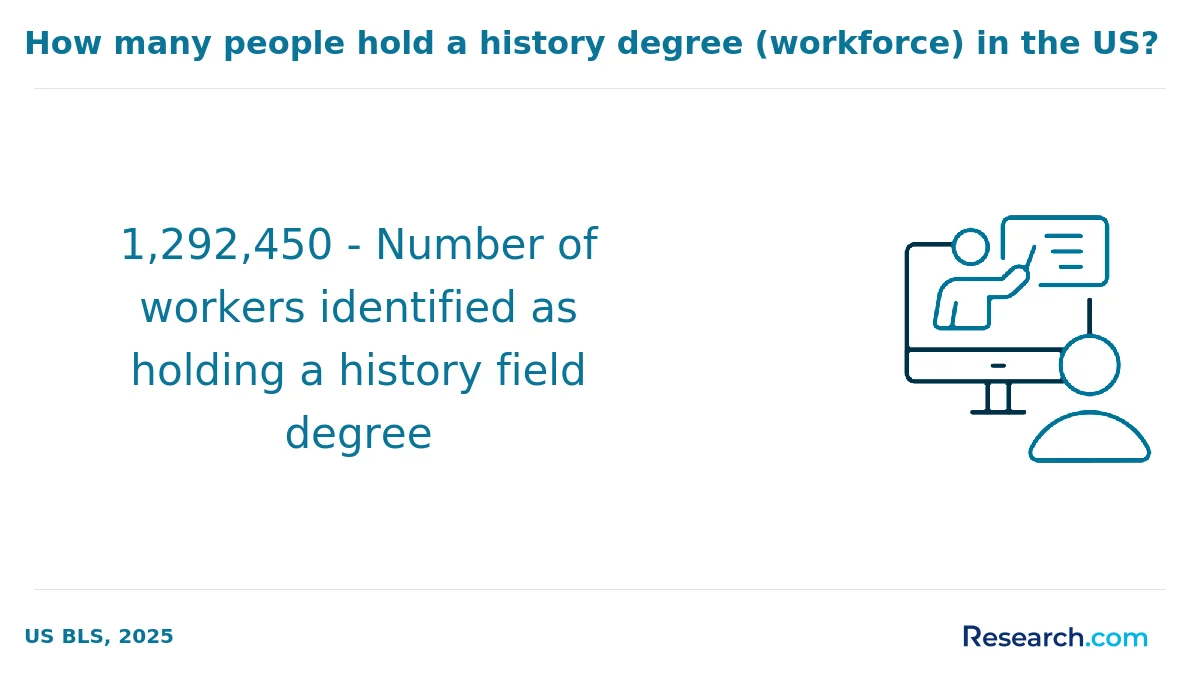
To fund an online history degree in Massachusetts, start with federal aid by completing the FAFSA. Many graduates from well-known schools like UMass Amherst have praised how Pell Grants, which can cover up to $7,395 annually, made a real difference in easing their tuition burden. Alongside grants, Federal Direct Loans offer manageable repayment options that help keep finances on track while studying.
State aid also plays a crucial role. The MassGrant Program supports residents attending public institutions online, which has been a game-changer for history students enrolled at places such as Salem State University. High-achieving graduates often obtained the John and Abigail Adams Scholarship, reducing costs through recognition of their academic success.
Massachusetts colleges frequently provide merit-based scholarships specifically for history majors or online learners. Some students at institutions like Boston University raved about receiving awards ranging from $1,000 to full tuition waivers that rewarded their dedication.
Working students can explore employer tuition assistance programs, which offer reimbursement or flexible schedules, easing the balance between work and study.
Finally, searching private scholarship databases like MEFA or Fastweb helped many prospective history students uncover additional funding tailored to Massachusetts residents or history majors, turning financial hurdles into achievable goals.
To enroll in an online history degree in Massachusetts, you'll first need a high school diploma or an equivalent like a GED. Graduates from well-known institutions such as UMass Amherst share how this basic step opened doors to their academic journey.
Next, expect to submit official transcripts. If you're transferring from a community college or another university, maintaining at least a 2.0 to 2.5 GPA is crucial, as many programs require this to prove readiness. This requirement ensures you're prepared for the coursework ahead, which students from schools like Boston University found reassuring.
While standardized tests like the SAT or ACT were once common, numerous Massachusetts programs have embraced test-optional policies-great news if you prefer to showcase your strengths through other materials. Providing letters of recommendation or personal statements can highlight your passion for history, similar to how fellow online learners demonstrated their motivation and gained acceptance.
Practical advice: always check the individual college's prerequisites early, so you're confident your application reflects what Massachusetts schools look for in strong, committed history students.
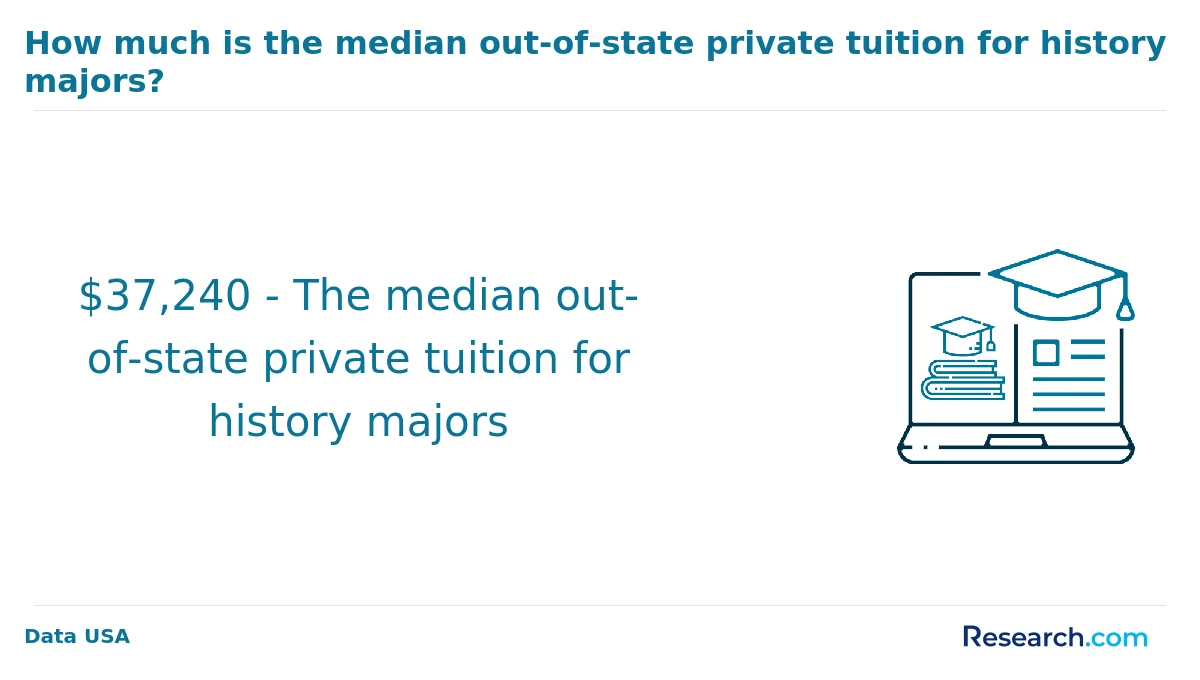
Online history degree programs in Massachusetts usually include foundational courses that build a solid understanding of American and world history. Graduates from prominent schools in the state often recall starting with key topics like American History, where they explored everything from colonial times through the present day, tying lessons to Massachusetts' pivotal role in events like the American Revolution. Many also value World History courses that expand their perspective on global civilizations and cultural exchanges, which made their studies feel both broad and engaging.
Students quickly find that Historical Methods and Research courses sharpen their critical thinking and academic writing skills-essential for interpreting primary sources, a skill frequently praised by alumni from institutions like UMass and Boston University. Regional History classes focused on Massachusetts and New England history create a direct connection to the state's past, helping students relate course content to local landmarks and archives, which many describe as motivating and deeply relevant.
Electives often cover diverse topics like military history, ethnic group histories, and public history, giving flexibility to tailor the degree to personal interests. A graduate shared how electives on digital history prepared them to use technology in meaningful ways, enhancing their confidence when working with online archives and modern research tools.
Students seeking an online history degree in Massachusetts will find several practical specialization options tailored to their interests. Common choices include American History, with a strong focus on Massachusetts' rich colonial past and the American Revolution-helping graduates pursue careers in education or public history. Others choose World History, gaining a global perspective vital for nonprofit or international career paths. These specializations reflect typical massachusetts online history degree focus areas that align with local opportunities and job markets.
Graduates from well-known state colleges often highlight specializations in Historical Preservation and Public History. This area leverages Massachusetts' many historic sites and museums, ideal for hands-on internships and local employment. Some students opt for Military History, Social and Cultural History, or History of Science and Technology, aiming to deepen their expertise for research or specialized careers.
For those exploring career paths, the emphasis on tailored learning in these programs makes it easier to connect theory with real-world applications. To understand how these choices impact job prospects, explore careers history degree paths that previous graduates have successfully followed. Choosing the right specialization in your online history degree specializations Massachusetts can make all the difference.
Start by verifying the program's accreditation-choose online history degrees from schools regionally accredited by the New England Commission of Higher Education. Graduates from well-known Massachusetts colleges appreciate how this recognition made transferring credits or pursuing advanced studies straightforward. Next, review the curriculum carefully; many who pursued the best online history degree programs Massachusetts offer highlighted courses that blended local colonial history with broader global themes, preparing them for diverse career paths.
Affordability matters. Some graduates praised affordable accredited history degrees in Massachusetts for helping them avoid excessive debt while still benefiting from quality faculty and resources. Faculty with active research profiles often bring captivating insights, which enrich your studies with real-world context, as many Massachusetts-based alumni have experienced firsthand.
Look for programs offering flexible scheduling, such as asynchronous classes, which help balance work or family life. Support services like academic advising and career counseling are vital-graduates from top history programs in Massachusetts often point to these as crucial for their success. To explore potential career paths, review career opportunities in history connected to your degree.
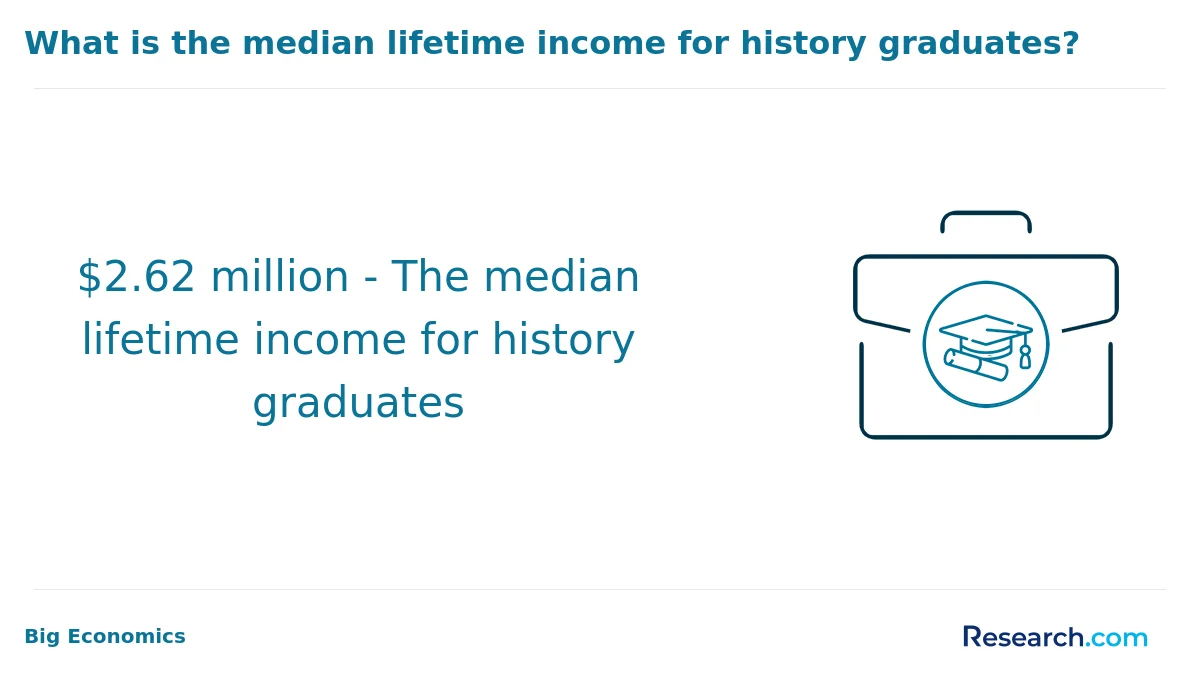
Graduates with an online history degree in Massachusetts often find practical career paths in education, teaching at public schools or developing curriculum. Many who studied at notable schools like UMass Amherst or Boston University talk about how their degree enabled them to earn salaries ranging from $45,000 to over $90,000, depending on experience. For those interested in public history, working with institutions such as the Massachusetts Historical Society or the Bostonian Society offers engaging roles curating exhibits or managing archives.
Massachusetts history degree job prospects online extend beyond traditional fields. Graduates frequently leverage their skills in government positions like policy analysis or city planning, valuing critical thinking gained during their programs. Others successfully transition into journalism or publishing, where a strong grasp of historical context enhances their work. The varied career opportunities reflect the diverse training offered by local universities, blending research and communication expertise.
For practical guidance and to explore programs that align with your goals, consider visiting the best online colleges for history degree. This resource highlights reputable online options in Massachusetts tailored for students seeking flexible learning and strong career outcomes in history.
The job market for those pursuing an online history degree in Massachusetts offers stable opportunities, particularly in urban centers like Boston where cultural institutions thrive. Graduates from well-known schools often find roles in museums, archives, or historical societies, leveraging the state's numerous rich historical sites. For instance, many graduates from local universities report securing positions as curators or museum technicians, earning median wages between $58,000 and $65,000. This makes the Massachusetts online history degree employment outlook promising for those who actively connect their academic experience with practical skills such as digital archiving or educational programming.
Students frequently highlight the advantage of networking through Boston's vibrant academic and cultural communities, which helps them access internships and job offers. Many enhance their career flexibility by combining their history degree with skills in data analysis or public history. For those uncertain about specific career paths, exploring resources on art history careers can provide valuable guidance on related fields.
Graduates often emphasize that while the history job market is specialized, steady national growth of about 7% in related fields supports ongoing demand. To maximize opportunities, prospective students should seek programs that offer hands-on experience alongside strong theoretical knowledge, aligning well with the realities of online history degree jobs in Massachusetts.
2027 Fastest Online History Degree Programs Ranking in Massachusetts
Investing in your education is a significant decision that can shape your future, and the Research.com team understands the importance of making informed choices. To assist prospective students in Massachusetts, we have meticulously crafted the "2027 Fastest Online History Degree Programs Ranking in Massachusetts." Our commitment to quality, credibility, and accuracy is reflected in the extensive research and analysis conducted to compile this ranking.
We utilized the following reputable data sources to ensure a comprehensive evaluation of history degree programs:
By exploring this ranking, readers will gain valuable insights into the fastest online history degree programs available in Massachusetts, empowering them to make well-informed decisions about their educational journeys. For more information about how this ranking was created, please visit our Research.com methodology page.


Frequently Asked Questions About history
Online history degree students in Massachusetts can maximize their learning by actively engaging with course materials and participating in virtual discussions. Utilizing digital libraries such as the Massachusetts Digital Library Consortium provides access to vast historical archives and primary sources.
Students should also seek out Massachusetts-based history organizations or virtual events to connect with local experts and enhance understanding of regional history. According to the National Center for Education Statistics, students who regularly interact with peers and instructors report higher satisfaction and retention rates.
Time management and setting a consistent study schedule are essential in online learning environments. Employing tools like citation software and note-taking apps tailored for history research can improve academic performance and organization.
The history field is expanding into several emerging niches that offer new opportunities for online students in Massachusetts. One growing area is public history, where professionals work with museums, archives, and cultural organizations to engage the public with historical knowledge. Another niche is digital history, which uses technology and data analysis to interpret the past, a skill increasingly valued by employers.
Environmental history is also gaining traction, studying human interaction with the environment over time. This reflects Massachusetts' leadership in environmental research and policy. Additionally, social justice history, focusing on civil rights and marginalized communities, sees strong interest in the state's academic circles, supported by institutions like the Massachusetts Historical Society.
Graduates with an online history degree in Massachusetts should focus on building practical skills alongside academic knowledge to enhance their job market readiness. Massachusetts offers strong opportunities in education, museums, and public history, sectors that often seek candidates with research, writing, and digital literacy skills.
Internships or volunteer roles with local organizations, such as the Massachusetts Historical Society or the Museum of Fine Arts Boston, can provide valuable experience and professional connections. According to the Massachusetts Executive Office of Labor and Workforce Development, history-related jobs in the state, including archivists and curators, are expected to grow moderately through 2030.
Networking through Massachusetts-based history associations and attending local history conferences strengthens your professional profile. Additionally, gaining proficiency in digital tools like GIS mapping or digital archiving software aligns well with evolving job requirements in the region's history fields.
Employers in Massachusetts value history degree graduates for their strong research and analytical skills. These graduates are often praised for their ability to critically evaluate sources and interpret complex information, which is essential in roles ranging from education to public policy. According to data from the Massachusetts Department of Higher Education, communication skills, including clear writing and presentation, rank highly among sought-after competencies.
Additionally, proficiency in digital tools for historical research, such as archives and databases, is increasingly important. Employers appreciate candidates who can adapt to evolving technologies, a trend reflected in job postings within the Boston and Cambridge areas.
Understanding local and national historical contexts also provides graduates with a competitive edge in sectors like museums and cultural institutions.
Finding internships in Massachusetts relevant to a history degree requires focused research and networking. Many local museums, historical societies, and archives offer internship opportunities tailored to history students. The Massachusetts Historical Society and the Boston Public Library are prominent sites frequently hosting interns.
Students should also explore state and local government archives, which often provide practical experience in historical research and preservation. According to the Massachusetts Department of Higher Education, internships are increasingly supported through partnerships between online degree programs and local cultural institutions.
Using university career centers and online platforms like Handshake or internships.com can connect students with openings. Additionally, professional organizations such as the New England Historical Association provide resources and job boards for history internships.
An online history degree in Massachusetts can significantly enhance career mobility and advancement, especially in fields like education, research, and public history. According to the Massachusetts Department of Higher Education, history-related jobs in the state are projected to grow by 5% through 2030, supporting increased demand for qualified professionals.
Graduates often leverage their degrees to move into leadership roles in museums, archives, and cultural organizations. Massachusetts' rich historical landscape provides unique internship and networking opportunities that bolster career prospects.
Online programs offer flexibility for working adults, enabling career advancement without interrupting employment. This accessibility helps students remain competitive within the evolving job market.
Studying for an online history degree in Massachusetts equips students with skills essential for interdisciplinary roles by fostering critical thinking, research, and analytical abilities. Massachusetts offers access to rich historical archives and diverse cultural resources, enhancing students' understanding of social sciences and humanities. Many programs emphasize cross-disciplinary coursework, integrating perspectives from economics, political science, and sociology.
According to the Massachusetts Department of Higher Education, over 30% of history graduates enter fields such as public policy, education, and museum curation, where interdisciplinary knowledge is crucial. This blending of disciplines prepares graduates to adapt in varied professional environments.
Choosing between a thesis and a non-thesis history degree program in Massachusetts depends on your academic and career goals. A thesis program typically requires original research and a formal written document, preparing students for doctoral studies or research-intensive careers. According to the Massachusetts Department of Higher Education, about 40% of history graduates from state universities pursue thesis tracks.
Non-thesis programs often emphasize coursework and practical skills, suitable for those targeting teaching, public history, or industry roles. These programs may take less time to complete, beneficial for working professionals.
Consider your time availability, interest in research, and post-graduate plans when deciding.
Students in Massachusetts seeking to study history abroad through online degree programs have several pathways to consider. Many Massachusetts public and private universities offer partnerships with international institutions, allowing online students to participate in exchange programs or virtual internships. For example, schools like the University of Massachusetts system often collaborate with European universities to provide global perspectives as part of their curriculum.
MASSachusetts ranks among the top states for higher education access, with approximately 15% of undergraduates enrolling in history and related programs. According to the National Center for Education Statistics, students can combine local online coursework with approved overseas study to enrich their academic experience.
Additionally, some accredited online history programs based in Massachusetts incorporate study-abroad components or digital immersion experiences, enabling learners to explore global historical contexts without leaving the country. These options provide a flexible way for students to gain international insights while completing their degrees remotely.
Part-time job opportunities in Massachusetts can greatly complement an online history degree education by providing practical experience. Museums such as the Museum of Fine Arts in Boston and the Massachusetts Historical Society often hire part-time research assistants or tour guides. These roles allow students to apply historical knowledge in real-world settings.
Archives and libraries, including the Boston Public Library, frequently offer positions for digitizing documents or assisting with historical collections, helping students develop valuable research skills. Additionally, local historical societies across Massachusetts provide volunteer or paid roles in preservation and public education.
According to the Massachusetts Labor Market Information (2023), roles in cultural and educational services have shown steady growth, encouraging history students to seek these part-time jobs for career development.
Online history students in Massachusetts benefit from a variety of networking opportunities despite remote study. Many universities encourage participation in virtual history clubs, guest lectures, and discussion forums, facilitating connections with peers and faculty. The Massachusetts Historical Society, located in Boston, offers online webinars and events that can enhance professional networking for students statewide. Additionally, the state's rich academic environment includes conferences like the New England Historical Association meetings, often accessible online, providing valuable exposure to scholars and historians. These platforms help students build relationships that can support internships, research projects, and future career opportunities in history-related fields.
Alumni networks offer valuable support to online history degree students in Massachusetts by providing access to professional connections and career resources. These networks often include graduates working in local museums, archives, education, and public history roles, increasing students' chances to find internships and job opportunities.
Many Massachusetts institutions, such as the University of Massachusetts system, maintain active alumni groups that host networking events and mentorship programs, helping students build relationships in the region's rich historical community. According to the National Center for Education Statistics, engaging with alumni can improve graduate employment rates by up to 20% in related fields.
Active alumni networks also facilitate knowledge sharing and collaboration on research projects, which is especially beneficial for history students exploring Massachusetts's distinctive colonial and revolutionary heritage. This ongoing connection strengthens students' academic and professional development beyond their online studies.
Customizing an online history degree program in Massachusetts allows students to align their studies with specific career goals. Many institutions offer a range of electives, such as American history, public history, or digital archives, enabling students to specialize.
Students can also choose to focus on interdisciplinary studies, combining history with fields like political science or education. This approach broadens career options, including teaching, museum work, or research roles.
Internship opportunities, often coordinated through Massachusetts colleges, help apply classroom knowledge to real-world settings. According to the Massachusetts Department of Higher Education, about 25% of history students participate in internships, enhancing employment prospects.
Additionally, some schools provide capstone projects or independent study options to tailor learning further, supporting thesis or research aligned with personal interests and local historical contexts.
Online history students in Massachusetts often encounter challenges related to time management and self-discipline. Balancing coursework with professional and personal responsibilities can be demanding, especially since many students pursue their degrees while working full time.
Another significant challenge is access to primary sources. While Massachusetts offers rich historical archives, remote students may find it difficult to utilize these materials without physical visits to institutions like the Massachusetts Historical Society.
Additionally, students sometimes report limited interaction with faculty and peers, which can affect engagement and understanding of complex historical topics. According to the National Center for Education Statistics, retention rates for online programs hover around 40-60%, reflecting these difficulties.
Finally, technical issues such as unreliable internet connections or unfamiliarity with digital platforms can hinder learning progress.
With an online history degree, professionals in Massachusetts can pursue various certifications to enhance career opportunities. One common certification is the Massachusetts State Teacher Certification for history educators, necessary for teaching in public schools. This requires passing the MTEL (Massachusetts Tests for Educator Licensure) focusing on history and social science.
Beyond teaching, graduates might seek certification as Certified Archivists through the Academy of Certified Archivists, useful for careers in museums and historical societies across Massachusetts. Additionally, project management certifications, like PMP, can complement history degrees for administrative roles.
Data from the Massachusetts Department of Elementary and Secondary Education highlights growing demand for certified history teachers, with a projected 5% job growth over the next decade in this field.
Writing a winning application for an online history program in Massachusetts requires clear focus and strong preparation. Start by researching programs accredited by the New England Commission of Higher Education (NECHE) to ensure quality. Highlight relevant academic achievements and any experience with historical research or analysis. Massachusetts is home to rich historical resources, making it beneficial to mention your interest in local history or archives, such as those in Boston or Salem.
Personal statements should demonstrate your passion for history and your long-term career goals. Include specific reasons for choosing an online format to show commitment and readiness for remote learning. Massachusetts institutions often value applicants who can discuss historical topics with clarity and analytical depth, supported by examples. Letters of recommendation from professors familiar with your writing skills and historical knowledge are essential. According to the National Center for Education Statistics, applicants with strong academic records in humanities have a higher acceptance chance.
History careers offer valuable skills that are recognized worldwide, including critical thinking, research, and communication. Graduates with online history degrees in Massachusetts join a growing field where global perspectives increasingly matter. Understanding diverse cultures and historical contexts is essential in various roles, from education to government and international organizations.
According to the Massachusetts Department of Higher Education, history graduates often work in sectors connected to global relations and cultural preservation. The U.S. Bureau of Labor Statistics notes that historians with specialized international knowledge may find opportunities impacting policy, museums, and archives.
Thus, a history degree provides versatile expertise relevant both locally and globally, preparing students to navigate a connected world.
Gaining practical experience while studying for an online history degree in Massachusetts is vital for enhancing career prospects. Students can pursue internships with local museums, historical societies, or archives such as the Massachusetts Historical Society, which offers opportunities to work on preservation and research projects. Many programs also encourage participation in digital history projects that develop skills in data analysis and online curation.
Volunteering at historical sites throughout Massachusetts, including Freedom Trail landmarks, provides hands-on experience in public history. Additionally, some universities partner with state archives and libraries to facilitate remote internships, allowing students to work virtually. According to the National Center for Education Statistics, hands-on internships improve job placement rates by over 20% for history majors nationwide.
Choosing the right concentration within an online history degree program in Massachusetts involves careful consideration of your interests and career goals. Popular focuses include American history, with emphasis on New England's colonial past, and global history, reflecting the state's diverse population. Massachusetts hosts numerous research institutions, offering rich archival resources that can enhance your studies, especially in areas like Revolutionary War history. According to the Massachusetts Department of Higher Education, programs often tailor concentrations to prepare students for careers in education, public history, or policy. Examining faculty expertise and course offerings is essential to align your concentration with future opportunities.
- Global Perspectives on Public History https://www.routledge.com/Global-Perspectives-on-Public-History/book-series/GPPH
- My Top 3 Recommendations on Networking in the History World | An Historian About Town https://anhistorianabouttown.com/recommendations-on-networking-in-the-history-world/
- 5 Challenges of Teaching History in International Classrooms (and How https://millerskills.co.uk/blogs/teaching-overseas/5-challenges-of-teaching-history-in-international-classrooms-and-how-to-overcome-them
- Admissions & Financial Aid - Massachusetts Association of Community Colleges https://masscc.org/financial-aid-resources/
- How to Apply to Graduate School | Canadian Historical Association | Société historique du Canada https://cha-shc.ca/publications/employing-history-a-guide-to-graduate-school-and-navigating-the-job-market/how-to-apply-to-graduate-school/
- The Impact of History Degrees: Opportunities and Trends Among History Degree Jobs https://www.ucumberlands.edu/blog/the-impact-of-history-degrees
- History Major https://www.creighton.edu/arts-sciences/history/programs/historymajor
- Top Niche Historical Topics for Deep-Dive High School Projects https://riseglobaleducation.com/blogs/top-niche-historical-topics-for-deep-dive-high-school-projects
- What Can I do With a History Degree? https://theinterngroup.com/our-blog/what-can-i-do-with-a-history-degree
- Finding Networking Opportunities as a Student | National Society of High School Scholars https://www.nshss.org/resources/blog/blog-posts/how-to-find-networking-opportunities-as-a-student/