2027 Fastest Online History Degree Programs Ranking in Texas

Co-Founder and Chief Data Scientist
Choosing the right online history degree program can feel overwhelming, especially with so many options available. To help you navigate this important decision, this article introduces the 2027 Fastest Online History Degree Programs Ranking in Texas, carefully developed by the Research.com team of data scientists.
Whether you want to deepen your understanding of the past or build a career based on critical thinking and research skills, a history degree offers valuable opportunities.
Reading this article will empower you to find programs that match your goals and fit your lifestyle.
Key benefits of getting online history degree in Texas
- History degree graduates in Texas often find rewarding careers in education or museum work, with average salaries around $60,000 annually, offering stable income while pursuing their passion for history.
- Graduates from popular Texas universities like the University of Texas can explore diverse career paths including archivist, historian, or public policy advisor, allowing for exciting opportunities to impact society.
- Online history degrees provide flexibility for busy students, letting them balance work and studies effectively while enjoying the same respected qualifications as traditional programs from institutions like Texas A&M University.
- Key benefits of getting online history degree in Texas
- What can I expect from online history degree in Texas?
- Where can I work with online history degree in Texas?
- How much can I make with online history degree in Texas?
- 2027 Fastest Online History Degree Programs Ranking in Texas
- Key Findings
- How long does it take to complete online history degree in Texas?
- What's the difference between online and on-campus history degree?
- What is the average cost of online history degree in Texas?
- What financial aid is available to online history degree students in Texas?
- What are the prerequisites for enrolling in online history degree program in Texas?
- What courses are typically in online history degree programs in Texas?
- What types of specializations are available in online history degree programs in Texas?
- How do you choose the best online history degree in Texas?
- What career paths are available for online history degree students in Texas?
- What is the job market for online history degree in Texas?
- Related History Rankings for Nearby States
- Top Trending History Rankings
What can I expect from online history degree in Texas?
The average cost of an online history degree in Texas usually falls between $7,000 and $10,000 annually at public universities, which makes pursuing this path more approachable for many residents. Graduates from well-known Texas institutions often recall balancing affordability with the quality of education they received, appreciating how state schools manage to keep tuition reasonable without sacrificing academic rigor.
For instance, a student completing an online Bachelor of Arts in History at a prominent Texas university found that financial aid programs, combined with in-state tuition discounts, eased the burden significantly. This allowed them to focus more on engaging deeply with courses on Texas history and U.S. historiography rather than worrying about mounting expenses.
Private institutions tend to be pricier, but many students find value in their specialized offerings and smaller class sizes. Still, the availability of federal assistance and state scholarships often makes these programs accessible to motivated learners determined to build careers in education, archival work, or museum curation.
Where can I work with online history degree in Texas?
Graduates with an online history degree in Texas often find rewarding careers in education, where their passion for the past becomes a vital teaching tool. Many start by earning teaching certification through the Texas Education Agency and join secondary schools eager for knowledgeable history instructors. Others pursue advanced degrees and contribute as educators or researchers at institutions like the University of Texas System or Texas A&M University, finding fulfillment in shaping new minds.
Others discover meaningful work in Texas's vibrant cultural sector. Museums such as the Bullock Texas State History Museum offer opportunities to serve as curators or educators, roles that allow graduates to engage directly with the state's rich heritage. Working in archives or for the Texas Historical Commission provides a hands-on approach to preserving stories that resonate deeply within local communities.
Government roles are another pathway, with graduates assisting in historic preservation or planning initiatives at state and local agencies. These positions combine scholarly research with public outreach, making history a living, impactful force. Many also transition into private sector careers, applying their analytical skills in business consulting, publishing, or digital archiving, proving that a Texas history degree opens diverse doors.
How much can I make with online history degree in Texas?
Graduates from online history degree programs in Texas often find salaries reflecting their chosen career paths and experience levels. Many who begin as high school history teachers in Texas report earning between $60,000 and $65,000 annually, which aligns well with statewide education data. Those who pursue advanced roles, like postsecondary educators at institutions such as the University of Texas or Texas Tech, can expect salaries closer to $75,000, showing how further education and tenure elevate earnings.
In government roles-think archivists or cultural resource managers supported by Texas commissions-starting salaries tend to range from $45,000 to $70,000. Graduates working in Houston or Dallas often benefit from slightly higher pay due to local economic conditions. Museum jobs usually pay similarly but may have leaner budgets, especially for newcomers.
Personal stories shared by graduates emphasize the value of securing graduate degrees to unlock specialized positions and better compensation. Many find that focusing on regional history or cultural preservation within Texas adds unique professional advantages and personal fulfillment.
2027 Fastest Online History Degree Programs Ranking in Texas
How do we rank schools?
Investing in your education is a significant decision that can shape your future, and the Research.com team understands the importance of making informed choices. To assist prospective students in Texas, we have meticulously crafted the "2027 Fastest Online History Degree Programs Ranking in Texas." Our commitment to quality, credibility, and accuracy is reflected in the extensive research and analysis conducted to compile this ranking.
We utilized the following reputable data sources to ensure a comprehensive evaluation of history degree programs:
By exploring this ranking, readers will gain valuable insights into the fastest online history degree options available in Texas, enabling them to make well-informed decisions about their educational paths. For more details on our methodology, please visit our Research.com methodology page.

# 2 position
Texas A&M University - Victoria
Bachelor of History


Key Findings
- In-state tuition for online history degrees in Texas ranges from about $8,000 to $15,000 per year, with lower costs for state residents.
- Entry-level salaries for history graduates in Texas average between $45,000 and $50,000 annually.
- Experienced history graduates can earn between $60,000 and $70,000 per year depending on employer and location.
- Job opportunities are available in education, museums, archives, government, and research institutions, especially in large cities like Houston, Dallas, and Austin.
- Many online programs include internships, capstone projects, or theses to build practical skills and improve employability.
How long does it take to complete online history degree in Texas?
Completing an online history degree in Texas often takes about four years for full-time students, mirroring the traditional campus timeline while offering the flexibility of remote learning. Graduates from schools like Texas A&M University-Commerce or the University of Texas at Arlington frequently share how balancing classes with personal commitments was eased thanks to asynchronous schedules, allowing them to study on their own time.
For many, the journey extends beyond four years. Part-time students-often working or managing family responsibilities-may take five to six years or more to finish. One graduate recounted how tailoring their course load each semester made steady progress manageable despite a busy work schedule. Transfer credits and prior experience can shorten this timeframe, a welcome advantage for those entering with previous college work or military service.
The flexible pace is a relief to many, letting them feel in control of their education while pursuing a degree respected throughout Texas. This adaptability inspires confidence and keeps motivation strong.
What's the difference between online and on-campus history degree?
Choosing between online and on-campus history degrees in Texas often comes down to how you envision balancing your life and studies. Graduates from the University of Texas at Austin often recall the energizing atmosphere of in-person lectures where lively debates sparked new insights. For those attending Texas A&M remotely, flexibility meant they could study late into the night while managing family duties-an invaluable advantage that made the rigorous content more accessible.
Online programs typically offer asynchronous classes, which fit neatly around work schedules, allowing learners in cities like Houston or Dallas to pursue their degree without daily commutes. Meanwhile, on-campus students enjoy direct engagement with professors and peers, creating connections through study groups and campus events that deepen their understanding of American and world history.
Tuition costs remain comparable whether online or in person, but those attending online might encounter additional technology fees. Both pathways require choosing regionally accredited schools recognized in Texas to ensure the degree holds weight in the job market and beyond.
What is the average cost of online history degree in Texas?
The average cost of an online history degree in Texas reflects a balance between quality education and affordability, especially within public institutions. Many graduates from popular universities like the University of Texas at Austin or Texas A&M University often recall paying between $28,000 and $40,000 over four years for their degree when studying as in-state students. This cost includes tuition and necessary fees but typically excludes expenses like books or occasional travel for proctored exams. Having clarity on these figures can ease concerns and allow you to budget effectively as you pursue an online history degree.
Out-of-state students or those enrolled at private Texas colleges may encounter tuition fees reaching $60,000 to $80,000 for the full program, which can initially seem daunting. Yet, this investment often comes with access to extensive financial aid options and scholarship opportunities tailored to online learners in Texas. Many alumni mention feeling rewarded by the flexible payment plans and the practical support that helped turn their academic aspirations into reality.
When considering Texas fastest online history degree tuition fees, it's valuable to visualize the overall experience. Imagine the ease of attending classes online while maintaining a job or family responsibilities, with costs that remain competitive compared to national averages. If you are exploring various pathways, checking out different types of history degrees can also provide insight into how specialized programs might affect cost and outcomes.
What financial aid is available to online history degree students in Texas?
Many online history students in Texas find that federal aid is a crucial support pillar, with Pell Grants standing out for providing need-based funding that never requires repayment. Graduates from institutions like the University of Texas at Austin often recount how receiving up to $7,395 annually through Pell Grants made continuing their studies manageable alongside work and family commitments.
State support through the Texas Grant Program also plays an important role. Though originally aimed at technical fields, history students from schools such as Texas State University have benefited when meeting the financial need criteria, experiencing real relief as tuition expenses reduced.
Scholarships specifically for history majors add another layer of financial assistance. Several past students attending Texas A&M University share that dedicated scholarships, whether from university funds or organizations like the Texas Historical Foundation, have boosted their confidence and lowered financial stress.
Employer tuition reimbursement often transforms online learning for working professionals, allowing them to advance their degrees without sacrificing income. Additionally, the federal work-study program offers hands-on experience while easing costs, a path successfully taken by graduates in the liberal arts programs at Baylor University.
What are the prerequisites for enrolling in online history degree program in Texas?
Enrolling in an online history degree program in Texas often begins with meeting foundational academic requirements that reflect both state-wide standards and individual school policies. Many graduates recall the straightforward process of submitting their high school diploma or GED, alongside official transcripts that demonstrate their educational journey so far. For example, students targeting programs at well-known Texas colleges often find a GPA around 2.5 sufficient, which offers a reassuring threshold without feeling overly restrictive.
Some universities, especially those popular for history, may still request standardized test scores like the SAT or ACT, though this is less common today as test-optional policies gain ground. One graduate shared relief at not needing to send scores, allowing them to focus fully on crafting a personal statement that expressed their passion for history and their academic ambitions.
Residency documentation also plays a key role for Texans, since it influences tuition costs significantly. Many students appreciate the clarity this offers, knowing they can better plan financially for their education. Additionally, letters of recommendation and proof of English proficiency are often part of the package, especially for competitive programs or international applicants.
What courses are typically in online history degree programs in Texas?
Online history degree programs in Texas often immerse students in a rich variety of courses that bring history to life, blending broad themes with local relevance. Graduates from universities such as Texas A&M or the University of Texas frequently recall how courses like U.S. History-spanning everything from colonial times through modern America-provided a solid foundation for understanding national identity.
Equally impactful are classes focused on Texas History, where learners explore the state's unique cultural and political journey, which often sparks a sense of pride and connection to their own communities. Many students find that studying Historical Research Methods equips them with practical skills, transforming dusty archives and primary sources into vivid stories of the past.
Special topics, like African American history or Native American heritage, offer opportunities to uncover overlooked narratives, enriching one's perspective. The blend of these courses encourages critical thinking and analytical writing, skills that alumni say prepared them for careers in museums, education, or public policy, making the degree feel both accessible and deeply meaningful.
What types of specializations are available in online history degree programs in Texas?
When exploring online history degree specializations Texas programs offer, students often find a rich array designed to match varied interests and career goals. Graduates from well-known Texas colleges often speak fondly of specializing in American History, diving deeply into Texas's own vibrant past alongside national events. Others find themselves drawn to World History concentrations, gaining a satisfying global perspective that broadens their understanding beyond local borders. For those with a passion for scholarly rigor, Historical Research and Methods remain a popular choice, sharpening archival and analytical skills essential for advanced academic work.
Public History attracts many who wish to connect local communities with their heritage through museums or preservation efforts, a specialization especially valued in Texas's culturally rich environment. Some students also favor Military History tracks, focusing on conflicts and strategies with regional relevance. These diverse options ensure that Texas online history programs concentrations provide pathways aligned with individual ambitions and practical career paths.
Reflecting on these choices, it's clear how graduates find fulfillment in aligning their learning with real-world applications-be it in education, preservation, or research. For those curious about potential career outcomes, viewing careers with history degree can provide valuable insight.
How do you choose the best online history degree in Texas?
Choosing the best online history degree in Texas begins with confirming that the program is regionally accredited, such as by SACSCOC, ensuring your degree holds weight with employers and graduate schools. Graduates from the University of Texas system often mention how this accreditation made applying for jobs smoother and gave them confidence in their education quality.
Students value curricula that blend broad historical knowledge with special Texas-focused courses. For example, many find that Texas A&M's programs enrich their understanding of local history, making courses feel relevant and engaging. This connection helps develop essential research and critical thinking skills, preparing students for careers or advanced study.
In exploring the best affordable online history degrees Texas has to offer, consider tuition differences for residents versus non-residents. Many graduates appreciate how in-state tuition at public universities reduced their financial burden, allowing them to focus more on learning than debt.
Flexibility is vital. Many online students choose fully asynchronous classes so they can balance work, family, and study. Programs offering strong student support services-like tutoring and advising-reflect experiences shared by successful alumni who felt genuinely supported throughout their studies.
Finally, examining programs with strong ties to Texas historical organizations or internships can deepen practical experience and improve job prospects. If you're weighing your options, researching careers related to history can clarify the real-world value of different degrees and guide your choice toward programs that align with your ambitions.
What career paths are available for online history degree students in Texas?
Graduates with an online history degree in Texas discover diverse opportunities that leverage their analytical and communication skills. Many find fulfillment in education, teaching history at Texas high schools or community colleges, where certification requirements align well with degree preparation. Others move into museum curation or archival roles, preserving the rich legacy of Texas landmarks such as the Alamo. These careers offer a rewarding connection to the state's heritage while meeting steady job demand.
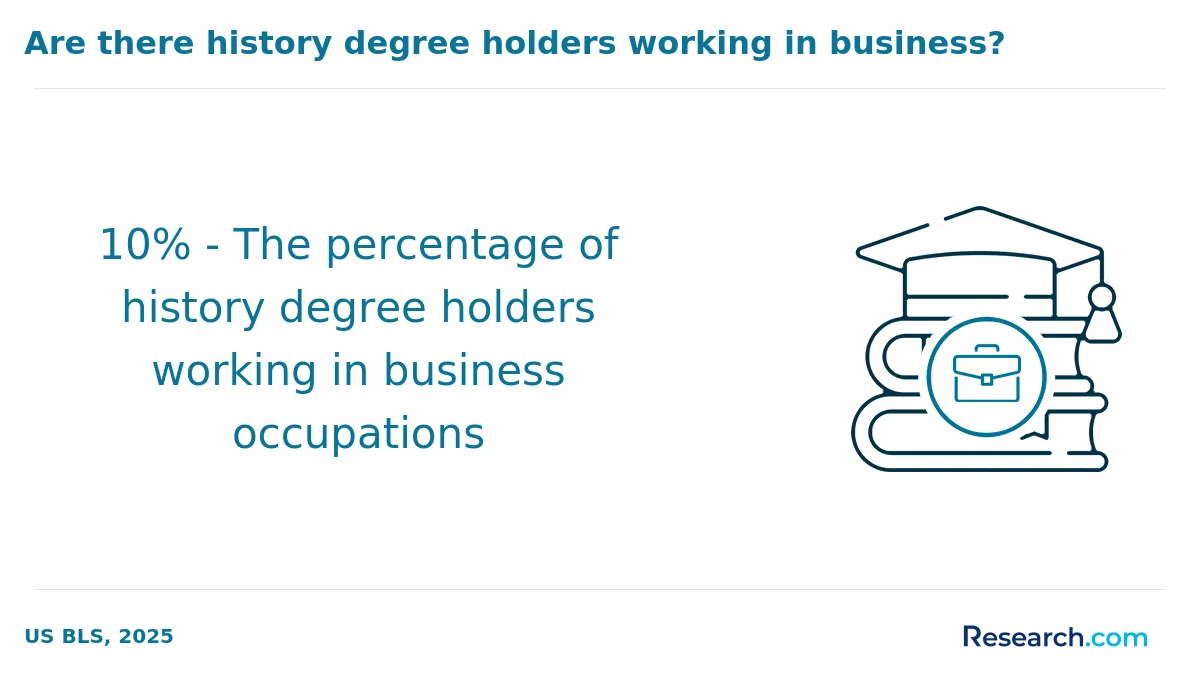
Public sector roles often attract history graduates interested in policy analysis or managing cultural projects, drawing upon expertise gained from institutions like the University of Texas or Texas State University. Business, marketing, and publishing also benefit from the critical research skills honed during studies, enabling graduates to thrive in various fields.
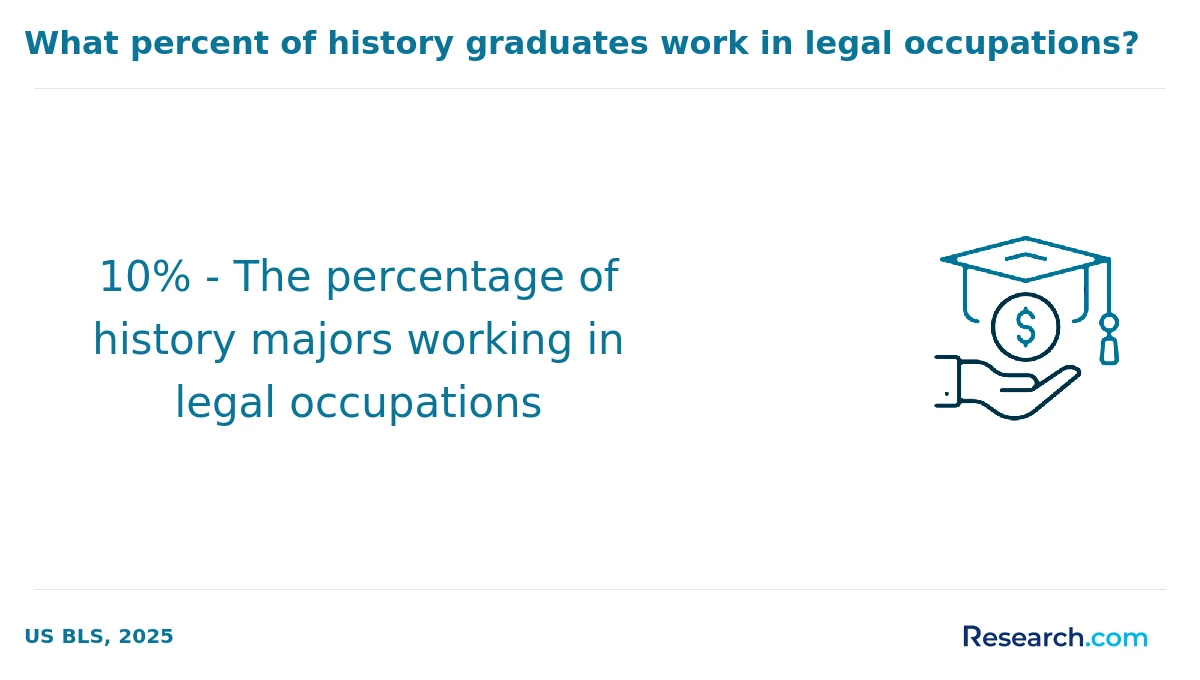
Many online students pursuing a history degree in Texas appreciate how their degree opens pathways to law school, enhancing argumentation and critical reading capacities. For practical guidance on these paths, exploring the best online history programs can provide valuable insights into how your education translates into meaningful career opportunities in Texas.
What is the job market for online history degree in Texas?
The job market for graduates with an online history degree in Texas is promising, especially for those who embrace the state's unique cultural and institutional landscape. Graduates from universities like the University of Texas at Austin or Texas A&M often find rewarding roles in education, museums, or government agencies, where their knowledge enriches community understanding and policy development. Many former students recall how internships at local museums or state departments gave them the hands-on experience that set them apart during job searches.
For those exploring online history degree jobs Texas offers, flexibility in tuition and program accessibility allow them to balance work and study effectively. Schools across Texas accommodate diverse student needs, and graduates often highlight the importance of developing skills in digital archiving and historical research software to stay competitive. One graduate explained that combining traditional history studies with technological proficiency opened doors beyond the classroom.
Salary expectations in Texas typically range from $45,000 to $70,000, depending on the role and location. Pursuing a teaching certification or gaining experience through internships can lead to steady employment. For more insights into related fields, the art history job market shares similar trends, illustrating the broader demand for humanities graduates in Texas's evolving economy.
Frequently Asked Questions About history
Online history degree students in Texas can enhance their learning by actively engaging with course materials and participating in virtual discussions. Research shows that students who consistently interact with professors and peers tend to perform better. Utilizing Texas-based digital archives, such as the Texas State Library and Archives Commission, provides access to unique historical documents that enrich understanding.
Setting a regular study schedule helps manage coursework effectively, especially when balancing work or family commitments. Students should also take advantage of university tutoring centers available online for history subjects.
Many Texas universities offer webinars and guest lectures related to Texas history, which provide valuable real-world context. According to the National Center for Education Statistics, students who supplement online coursework with such resources have improved retention rates.
The history field is expanding into new, specialized areas that are gaining attention in Texas and nationwide. One emerging niche is digital history, which uses technology to analyze and present historical data. This area is supported by Texas universities integrating digital tools in their curriculums, responding to the demand for tech-savvy historians.
Another growing focus is public history, involving work in museums, archives, and cultural resource management. Texas, with its rich and diverse heritage, offers many opportunities for students interested in preserving local history.
Environmental history is also on the rise, examining the relationship between humans and nature, a topic increasingly relevant in Texas due to its varied ecosystems.
These niches reflect broader trends documented by the American Historical Association, emphasizing interdisciplinary skills and practical applications.
After completing an online history degree in Texas, preparing for the job market involves several focused steps. First, gaining hands-on experience is essential. Internships with local museums, archives, or historical societies provide practical skills and networking opportunities.
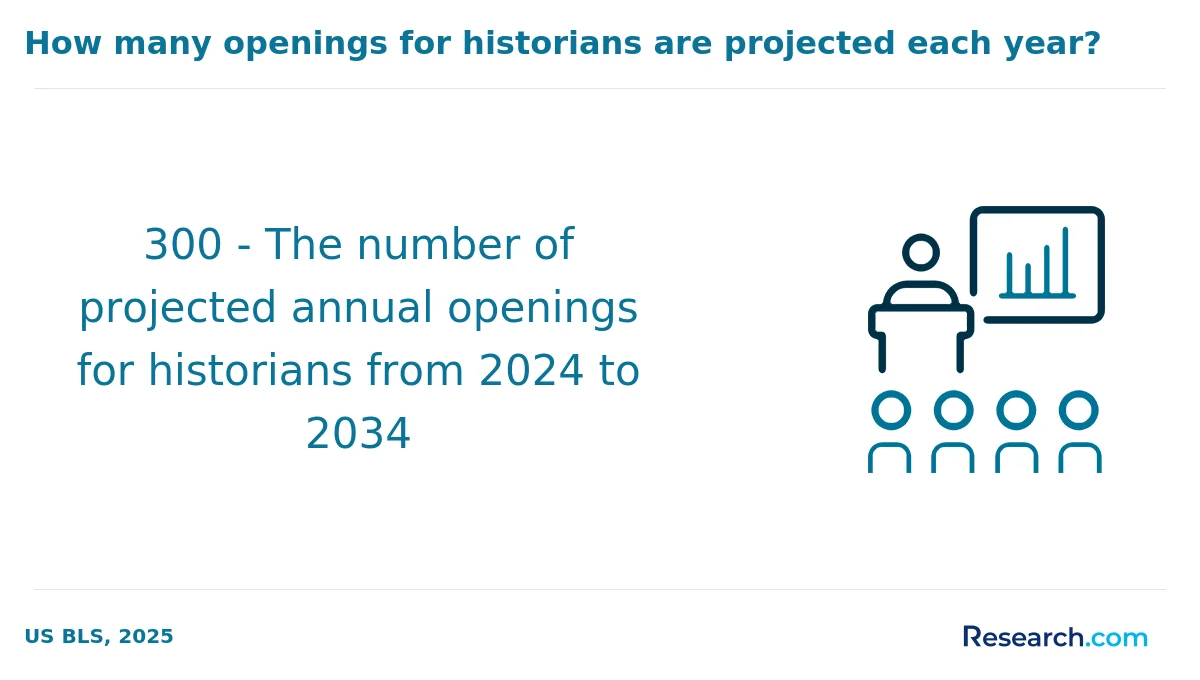
Building a professional resume highlighting research, writing, and critical thinking skills is crucial. According to the Texas Workforce Commission, jobs requiring history degrees are expected to grow by 6% through 2030, especially in education, public history, and archival work.
Additionally, joining organizations like the Texas State Historical Association can connect recent graduates with potential employers and ongoing professional development.
Employers in Texas highly value certain skills in graduates holding online history degrees. Critical thinking tops the list, as it enables graduates to analyze complex historical events and draw nuanced conclusions. According to the Texas Workforce Commission, analytical skills are essential for roles in education, research, and public history sectors across the state.
Strong written and verbal communication skills are also crucial. History graduates must clearly present their findings to diverse audiences, which is vital for many Texas-based jobs, including museum curators and policy analysts.
Additionally, attention to detail and the ability to conduct thorough research using digital archives and primary sources are frequently sought traits. These skills reflect the demands of the growing digital humanities field in Texas.
Employers appreciate adaptability and technological proficiency as history increasingly intersects with digital tools, enhancing data visualization and historical interpretation.
Finding internships in Texas relevant to a history degree involves several approachable steps. Students should start by checking with their university's career services, as many Texas schools partner with local museums, archives, and historical societies. For instance, the Texas Historical Commission and the Bullock Texas State History Museum often offer internship opportunities suited for history students.
Networking through professional organizations like the Texas Association of Museums can also provide valuable leads. Many internships in Texas's growing heritage tourism sector are unpaid but offer meaningful experience. According to the National Park Service, Texas hosts over 30 national historic sites, some offering internships.
Applying early and tailoring your resume to emphasize research and archival skills boosts chances of securing positions.
Obtaining an online history degree in Texas can significantly enhance career mobility and advancement opportunities. Texas has a strong demand for professionals with historical knowledge, especially in education, public history, and cultural resource management. The Texas Workforce Commission reports steady growth in roles like archivists and museum technicians, often requiring at least a bachelor's degree.
Online history degrees offer flexibility, allowing students to work while studying, which helps maintain employment momentum and gain relevant experience. Graduates can qualify for teaching credentials or pursue advanced degrees, further boosting promotion potential.
Additionally, the versatility of a history degree supports careers beyond academia, including research, government, and nonprofits throughout Texas.
Studying for a history degree in Texas equips students with versatile skills applicable to many interdisciplinary roles. Texas universities emphasize critical thinking, research, and analytical skills, all vital in areas like law, public policy, and education. According to the Texas Higher Education Coordinating Board, history majors gain proficiency in interpreting diverse sources and understanding cultural contexts.
Online history programs often integrate interdisciplinary courses involving sociology, political science, and economics. This approach broadens students' knowledge, preparing them to tackle complex societal issues. Graduates can work in museums, archives, or corporate sectors, where combining history with other fields enhances problem-solving ability and communication skills.
When choosing between a thesis and a non-thesis online history degree program in Texas, consider your career goals. Thesis programs typically require original research and are ideal for students aiming for academic or research careers. They provide deep expertise in a specific topic.
Non-thesis programs focus more on coursework and practical applications, suited for those seeking roles in teaching, public history, or government. According to the Texas Higher Education Coordinating Board, about 40% of Texas history graduates pursue graduate studies, indicating a strong interest in research paths.
Evaluate the time commitment as thesis options often require more months to complete due to research.
Additionally, check each university's resources for online library access and faculty support, important for thesis success.
Students in Texas seeking to study history abroad through online degree programs have several options. Many Texas universities with strong online history degrees also support study abroad opportunities, allowing students to earn credits remotely while participating in short-term international research or cultural immersion trips.
For example, Texas A&M University and the University of Texas system often facilitate partnerships with European and Latin American institutions. These partnerships enable history students to engage with in-country archives or participate in virtual exchanges, expanding their global perspective.
While fully remote international study options are limited, Texas students can combine online coursework with approved travel programs. The Texas Higher Education Coordinating Board supports such flexible academic formats, ensuring transferability and accreditation.
Part-time job opportunities in Texas that complement an online history degree are varied and align well with both academic and practical skills. Many students find roles as research assistants or archival aides at local historical societies, museums, or universities. These positions help develop critical analytical skills and provide valuable experience working with primary sources.
Texas hosts numerous cultural institutions, such as the Texas State Historical Association and the Bullock Texas State History Museum, which often seek part-time staff. Additionally, jobs in public libraries or as tour guides at historic sites can enhance communication abilities and deepen historical knowledge.
According to the Texas Workforce Commission, employment in education, training, and library occupations is projected to grow by 10% from 2020 to 2030, offering expanding opportunities for history students in part-time roles. These experiences strengthen resumes and prepare students for future careers in history, teaching, or public service.
Online history students in Texas benefit from a variety of networking opportunities designed to support their academic and professional growth. Many Texas universities offering online history degrees provide virtual student organizations and history clubs, where students can connect with peers and faculty. For instance, the Texas State Historical Association hosts events and conferences accessible to online learners statewide.
Additionally, local Texas chapters of national history organizations, such as the American Historical Association, offer networking events and job boards that online students can utilize. According to the Texas Higher Education Coordinating Board, engaging in these groups can increase job placement rates for history graduates by up to 20%.
Students also gain access to internships with Texas museums, archives, and historical societies, which frequently partner with online programs to provide remote or in-person experiences. These connections significantly enhance professional networking within the state's rich historical community.
Alumni networks play a crucial role for students pursuing online history degrees in Texas by creating valuable professional connections. Graduates from Texas schools often join active alumni associations that offer mentoring, job leads, and career development resources.
Such networks can provide access to exclusive local internships and historical research projects, especially in cities rich with Texas history like San Antonio and Austin. According to the Texas Higher Education Coordinating Board, alumni involvement significantly boosts student employment rates within state history-related fields.
Engagement with alumni also helps students navigate the Texas job market, particularly in museums, archives, and education sectors, where personal recommendations from former graduates can be key to securing positions.
Customizing an online history degree program in Texas allows students to align their education with their career goals effectively. Many Texas universities offer elective courses in fields like Texas history, public history, or archival studies, which can be chosen based on individual interests.
Students can also focus on concentrations such as historical research methods or museum studies to prepare for specific roles. According to the Texas Higher Education Coordinating Board, online programs often provide flexibility in course selection, enabling learners to blend general history with specialized topics.
Internships or practical experiences provided remotely by Texas institutions can further enhance career readiness. This tailored approach helps students pursue careers in education, research, or preservation while studying entirely online.
Online history students in Texas often face challenges related to balancing rigorous coursework with personal and professional responsibilities. Many learners juggle jobs and families while trying to meet assignment deadlines and participate in discussions. Research requirements can be demanding, especially without easy access to campus libraries or archival materials found in Texas institutions such as the University of Texas or Texas A&M.
Additionally, some students report limited interaction with instructors and peers, which affects deeper engagement with complex historical topics. According to the Texas Higher Education Coordinating Board, nearly 35% of online undergraduates find fewer networking opportunities, impacting collaboration and mentorship.
Technical difficulties and adapting to digital platforms also pose hurdles, especially for older or non-traditional students. Reliable internet access varies across Texas, with rural areas facing connectivity issues, making consistent participation challenging.
With an online history degree in Texas, graduates can pursue various professional certifications to enhance their career prospects. One popular option is the Certified Archivist credential, offered by the Academy of Certified Archivists, which is valuable for those interested in managing historical records. Texas has strong archival institutions like the Texas State Library and Archives Commission, making this certification practical for local opportunities.
Another relevant certification is the Certified Museum Professional provided by the American Alliance of Museums, ideal for careers in curation or museum education. Additionally, Texas educators with a history degree can seek teacher certification through the Texas Education Agency to teach social studies.
These certifications provide specialized expertise and demonstrate commitment to professional standards in history-related fields.
When applying for an online history degree program in Texas, start by carefully reviewing admission requirements, which often include transcripts, test scores, and a personal statement. Emphasize your passion for history by clearly explaining your interests and career goals in your essay.
Highlight any relevant experience, such as research projects or volunteer work related to history or education. Texas universities often value applicants who demonstrate critical thinking and strong writing skills, essential for success in history studies.
According to the Texas Higher Education Coordinating Board, public universities in Texas enroll over 1,200 students annually in history-related programs, underscoring strong competition.
Proofread all application materials carefully to ensure professionalism and clarity.
A history career is viewed globally as a versatile and valuable path, especially within the U.S. higher education system. Graduates with history degrees often pursue roles in education, research, archiving, and cultural resource management. In Texas, institutions offering online history programs align with national standards, preparing students for various global opportunities.
Experts highlight that history professionals can apply critical thinking and analytical skills internationally, benefiting careers in diplomacy, international business, and public policy. According to the Bureau of Labor Statistics, employment for archivists and historians is projected to grow 6% through 2031, reflecting steady demand.
Texas online programs emphasize American and world history perspectives, helping students understand global contexts crucial for international careers. This comprehensive training supports diverse professional roles both in the U.S. and abroad.
Students pursuing an online history degree in Texas can gain practical experience through various methods. Many Texas universities offer virtual internships with local museums, archives, or historical societies, allowing students to apply research and analytical skills remotely. For instance, the Texas State Historical Association often provides internship opportunities valuable for hands-on experience.
Additionally, students can participate in digital history projects, such as creating online exhibits or contributing to community history websites. Engaging in these initiatives helps develop skills relevant to both academic and public history careers.
Networking through Texas-based history organizations and attending virtual conferences also enhances practical knowledge and professional connections.
Choosing the right concentration within an online history degree program in Texas involves considering your interests and career goals. History programs in Texas often offer concentrations such as Texas history, American history, or world history. According to the Texas Higher Education Coordinating Board, Texas history concentrations are popular due to the state's rich and diverse past.
Students should review course descriptions and faculty expertise to find a program that aligns with their passions. Those interested in public history or archival work may choose specialized tracks. Additionally, thinking about future employment in museums, education, or research within Texas can guide your decision.
Accreditation and flexibility of the online format are also important factors, with many Texas universities providing reputable online history degrees tailored for working adults.
Related History Rankings for Nearby States
Top Trending History Rankings
References
- History https://www.shsu.edu/academics/majors-programs/history-bachelors
- 2025 Most Popular Online History Degrees https://www.onlineu.com/degrees/history
- The Impact of History Degrees: Opportunities and Trends Among History Degree Jobs https://www.ucumberlands.edu/blog/the-impact-of-history-degrees
- History Bachelor's Degree https://www.utpb.edu/academics/programs/history/ba-history
- Online History Degrees https://www.affordablecollegesonline.org/degrees/history-programs/
- History (BA/BS) https://www.etamu.edu/programs/history-ba-bs/
- History Degree | Concordia University Texas https://www.concordia.edu/academics/school-of-humanities-and-social-sciences/history.html
- Bachelor of Arts (B.A.) Major in History https://mycatalog.txstate.edu/undergraduate/liberal-arts/history/history-ba/
- My Top 3 Recommendations on Networking in the History World | An Historian About Town https://anhistorianabouttown.com/recommendations-on-networking-in-the-history-world/
- Finding Networking Opportunities as a Student | National Society of High School Scholars https://www.nshss.org/resources/blog/blog-posts/how-to-find-networking-opportunities-as-a-student/