2027 Best Online History Degree Programs Ranking in the West

Co-Founder and Chief Data Scientist
Choosing the right history degree program can shape your future in meaningful ways. Whether you're passionate about exploring the past or aiming for a dynamic career, the right education matters.
This article features the 2027 Best Online History Degree Programs Ranking in the West, created by the Research.com team of data scientists to help you make an informed decision. By exploring these programs, you'll discover quality options that fit your goals and lifestyle.
Reading this guide will empower you to pursue a history degree with confidence and enthusiasm for what lies ahead.
Key benefits of getting online history degree in the West
- History degree graduates in the West can pursue careers such as museum curators or archivists, with median annual salaries around $60,000 to $65,000, offering financial stability and rewarding work.
- Graduates from popular Western universities have successfully entered diverse fields like education, research, and public policy, demonstrating that a history degree opens many exciting career paths.
- Obtaining a history degree online provides flexibility and accessibility, allowing students to balance work or family while earning their degree, as shown by alumni from well-known online programs who value convenience without sacrificing quality.
- Key benefits of getting online history degree in the West
- What can I expect from online history degree in the West?
- Where can I work with online history degree in the West?
- How much can I make with online history degree in the West?
- 2027 Best Online History Degree Programs Ranking in the West
- Key Findings
- How long does it take to complete online history degree in the West?
- What's the difference between online and on-campus history degree?
- What is the average cost of online history degree in the West?
- What financial aid is available to online history degree students in the West?
- What are the prerequisites for enrolling in online history degree program in the West?
- What courses are typically in online history degree programs in the West?
- What types of specializations are available in online history degree programs in the West?
- How do you choose the best online history degree in the West?
- What career paths are available for online history degree students in the West?
- What is the job market for online history degree in the West?
- Top Trending History Rankings
What can I expect from online history degree in the West?
If you're looking at online history degrees in the West, you can usually expect to pay between $300 and $500 per credit hour. That means if you're going for a bachelor's degree at a popular school like one in California or Oregon, the cost can add up-but many students find it worth every penny because of the flexibility and support these programs offer. Graduates often mention how being able to study from home while managing work or family made the experience much less stressful.
Financial aid, scholarships, and veteran benefits are often available too, which can really help ease the price. For example, some students at universities accredited by Northwest or WASC commissions shared how these options helped them cover tuition without taking on a mountain of debt.
Plus, the programs usually include engaging digital content and virtual internships that make the cost feel like an investment in a future career working in museums, education, or research. It's a great fit if you want a mix of solid academics and real-world experience without the typical campus hassle.
Where can I work with online history degree in the West?
If you're wondering where an online history degree from a college in the West can take you, the possibilities are pretty exciting. Many grads land teaching gigs at local high schools or community colleges, sharing their passion for history with students. Think about someone earning their degree through a program at a popular Western university and then inspiring kids in California with stories about the Gold Rush or Native American heritage.
Others find themselves behind the scenes in museums or cultural centers like those in Seattle or Los Angeles. You could be a curator or archivist, preserving the cool artifacts that tell regional stories. Plus, heritage tourism is booming in places like Arizona and Colorado, so grads often work creating memorable experiences for visitors eager to learn about local history.
Some take on roles in government or nonprofits, helping with research or public outreach, while a few become historical consultants for law firms or media companies. The great thing is, your history degree opens doors to careers where your curiosity and storytelling skills really shine.
How much can I make with online history degree in the West?
If you're thinking about an online history degree in the West, you're probably wondering how much you could actually earn. Graduates from schools like the University of Washington or Arizona State University often find historian roles paying between $60,000 and $80,000 a year, especially in places like California or Oregon where there's a higher demand and cost of living. That's a pretty solid range compared to other parts of the country.
Many grads don't stop there-some jump into teaching, where high school history teachers around the West can make anywhere from $50,000 to $75,000 annually. Imagine teaching at a public school near Seattle while earning close to $70,000 as you get your feet wet. Plus, those with extra credentials or experience often see that number rise.
Museum or archive work is another popular path. Starting salaries usually hover around $40,000 to $55,000, but nonprofits and government gigs can push that to $65,000. Overall, the West offers some pretty encouraging numbers for online history grads ready to jump into their careers.
2027 Best Online History Degree Programs Ranking in the West
How do we rank schools?
Investing in your education is a significant decision that can greatly influence your future, and the Research.com team is deeply aware of the importance of making well-informed choices. To support prospective students interested in history, we have rigorously developed the "2027 Best Online History Degree Programs Ranking in the West." Our dedication to quality, credibility, and accuracy is demonstrated through thorough research and careful analysis.
We utilized the following reputable data sources to ensure a comprehensive evaluation of history degree programs:
By exploring this ranking, readers will gain valuable insights into top online history degree programs in the Western region, empowering them to make confident, knowledgeable decisions about their educational journey. For more information on how this ranking was created, please visit our Research.com methodology page.



Key Findings
- Tuition for online bachelor's degrees in history in the Western US ranges from $15,000 to $30,000, with public universities offering lower in-state rates.
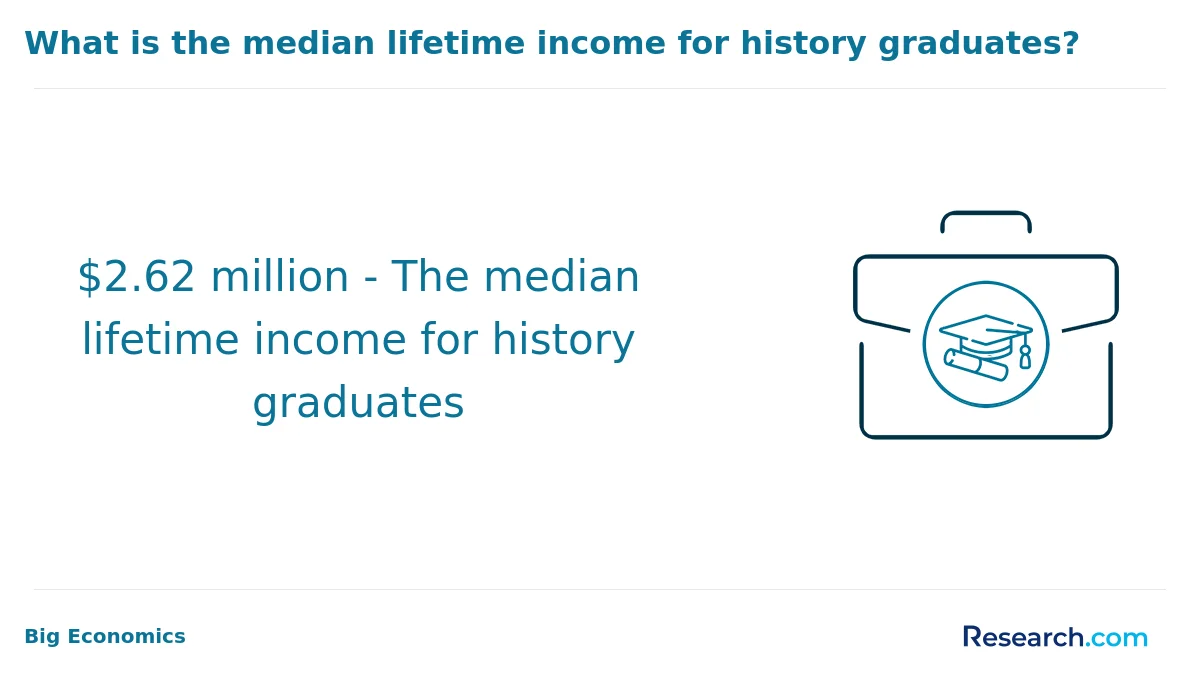
- Starting salaries for history graduates typically average around $40,000 per year, with experienced professionals earning between $65,000 and $75,000 annually.
- Key job sectors include education, public history, cultural resource management, and government roles.
- Most online history programs in the West are regionally accredited, which ensures quality and acceptance by employers and graduate schools.
- Many programs offer flexible schedules with asynchronous classes and part-time options to accommodate working adults.
How long does it take to complete online history degree in the West?
If you're aiming to finish an online history degree in the West, expect to spend about four years if you're studying full-time-just like many grads from big-name schools like the University of Washington or UCLA. That usually means knocking out around 120 credit hours, which is the typical load for undergrad degrees. It feels manageable when you picture pacing yourself through classes each semester and even grabbing extra credits during summer sessions to get ahead.
Not everyone goes full-time, though. Plenty of students juggle work or family, stretching their degree to five or six years. That's totally okay-flexibility is a big plus at places like Oregon State or Arizona State, where you can tailor your pace. Graduate programs take less time, roughly 18 months to three years depending on whether you're part-time or full-time, which many master's students find exciting because it keeps momentum going without burning out.
What's the difference between online and on-campus history degree?
Choosing between an online and an on-campus history degree in the West really boils down to how you like to learn and live your life. Imagine a graduate from the University of California who loved the buzz of in-person classes, lively discussions, and easy access to archives for that hands-on historical digging. They thrived on campus energy and close-knit study groups. On the flip side, a recent grad from Arizona State University appreciated the flexibility of online courses-logging in after work, juggling family life, and still diving deep into research papers without the commute stress.
Online history degrees in the West often make it easier for busy folks or those living far from campus, while on-campus programs pack in that face-to-face interaction and immediate feedback many students find motivating. Just remember, online studies demand strong self-discipline and time management since the connections with professors happen mostly through screens.
Costs can vary too-some state universities price online classes close to on-campus tuition, while others offer discounts, making education a bit easier on your wallet.
What is the average cost of online history degree in the West?
The average cost of an online history degree in the West usually lands around $58,800 total, with some variation depending on whether you're an in-state or out-of-state student. For instance, in-state students often see costs near $64,980, while out-of-state students might face pricier tuition, sometimes pushing totals past $72,000. These figures reflect what many graduates from well-known Western universities and colleges have experienced when completing their degrees online.
One thing that makes the total expenses for online history programs West regions a bit more manageable is the possibility of finishing coursework at your own pace, which helps balance work and study. Many history students sharing their stories mention how attending a larger public university in California or Washington made the degree feel more affordable while still opening doors to meaningful career paths.
Besides tuition, you'll want to budget for extra costs like textbooks and tech fees, which can add up but are usually a small fraction compared to tuition. Plus, financial aid is a big help-about 60% of students in these programs get some form of help, making the investment more reachable.
If you're curious how a history degree connects to real job opportunities, check out this history degree jobs resource that many Western grads found super useful.
What financial aid is available to online history degree students in the West?
If you're studying history online in the West, there's good news: plenty of financial aid options can help lighten the load. Many students at Western universities like UCLA or the University of Washington find federal Pell Grants especially helpful since they don't have to be paid back and can cover a huge chunk of tuition-up to $7,395 for the 2023-2024 year. That's a real boost when you're juggling bills and classes.
Then there are federal student loans, which some graduates say come with low-interest rates and flexible repayment plans, making it easier to manage costs over time instead of stressing about upfront payments.
State-specific aid is a game-changer too. For example, history students at Oregon State or UC Berkeley have scored Cal Grants or Washington state scholarships that drastically cut down their expenses-sometimes by thousands annually.
Don't forget school-based scholarships-universities often set aside money for online learners excelling in history, rewarding dedication and passion for the subject. Plus, private scholarships from groups like the American Historical Association can really top it off, helping you chase your history dreams without financial stress.
What are the prerequisites for enrolling in online history degree program in the West?
If you're thinking about enrolling in an online history degree in the Western U.S., there are a few key things you'll want to have in place. Most programs expect you to have finished high school or the equivalent, and some might ask for your SAT or ACT scores-though many schools out here have gone test-optional, which makes things a bit easier.
For undergrads at popular Western schools like those in California or Colorado, showing your transcripts with a decent GPA (usually around 2.5 to 3.0) is pretty standard. Graduates aiming for a Master's often need a bachelor's degree in history or a related field and tend to require a stronger GPA, say about 3.0 or higher. A few programs might still ask for GRE scores, though that's becoming less common.
One great thing grads often mention is how schools really support making technology accessible. Having steady internet and basic computer skills help you dive into online discussions and assignments without stress. So, if you're cozy at home in the West with your laptop and eager mind, you're already halfway there!
What courses are typically in online history degree programs in the West?
When you dive into an online history degree in the West, you'll find courses that cover a wide range of fascinating topics. Many students from popular Western schools love how the curriculum blends American History with a special focus on the region's unique stories-things like Indigenous histories and the wild settlement of the American West. Graduates often talk about how exploring events like the American Revolution alongside local Western history made everything feel more personal and relevant.
Besides that, there's usually a solid dose of European and World History to give you a big-picture perspective. Classes on historiography are a favorite too since they teach you how to think critically about historical sources and tell compelling stories-skills that many grads say helped them feel confident tackling real research projects.
Cool electives such as gender studies, economic history, or digital history tools add extra depth, perfect for those wanting to spice up their resume. Many grads from colleges across the West are pumped about how these practical courses prepared them for careers in museums or archives.
What types of specializations are available in online history degree programs in the West?
If you're looking into an online history degree in the West, you'll find a bunch of cool specializations to choose from. Many students enjoy diving into American History, covering everything from colonial times right up to today's culture and politics. Others get really into Western U.S. History, which is perfect if you want to explore the unique stories of California, Oregon, or Washington-think indigenous cultures and wild frontier adventures. Schools like Oregon State University let you mix and match courses, so graduates often say it feels like crafting your own personalized history journey. This flexibility is a big win for those balancing work or family while studying.
Popular online history degree specializations in the West also include World History, which helps you see the big picture of global events, and Public History, good for folks interested in museums or archives. Graduates from places like Arizona State University rave about how these programs prepare them for real-world history jobs. If you want to explore even more options, check out this degree in history to get started.
How do you choose the best online history degree in the West?
Picking the best online history degree in the West starts with making sure the program has solid regional accreditation like WASC. Graduates from popular colleges in California or Oregon often mention how much it boosted their confidence knowing their degree truly held value with employers. You'll want to look closely at the curriculum too-does it offer broad history knowledge and also let you dive into cool specializations like environmental or American history? Many students love how programs at these Western schools blend traditional history with digital research skills, which feel super relevant today.
Cost is a big deal, especially when exploring affordable online history degrees in Western states. A lot of grads talk about juggling work and classes, so flexible schedules with asynchronous coursework have made studying manageable for them. Just double check if any live sessions or exams pop up unexpectedly. Also, don't overlook faculty expertise-having professors who actively publish or research makes the whole experience way richer and can open doors.
Thinking about your future career? Some grads found their passion turned into high paying history jobs because their program prepared them well. This kind of real-world payoff is what makes a program truly worth it.
What career paths are available for online history degree students in the West?
Graduates with an online history degree in the West find themselves diving into careers that really tap into their love for stories and deep thinking. Many end up teaching at community colleges or high schools across California or Washington, sharing passion for history with the next generation. Some even go on to teach AP history classes after grabbing that extra certification. Others jump into working at museums or archives-places like the Museum of History & Industry in Seattle or L.A.'s many cultural spots-where they curate exhibits or manage cool historical collections. It's quite a fulfilling way to bring the past to life.
Public historians have great opportunities too, often partnering with government agencies such as the National Park Service to protect historical sites scattered throughout the West. These roles blend outdoor work with preservation and education, and grads love the chance to really get involved in their local communities. Plus, with an earn a history degree online, graduates tap into flexible, affordable programs that fit well with their lifestyles.
Many grads also find their niche in journalism, writing, or publishing, using their knack for research and clear storytelling to produce compelling content. These diverse options make online history degree careers in the West super appealing for anyone wanting a mix of adventure, education, and creativity.
West regional history degree job opportunities often come with decent pay too, making it easier to justify the choice. Whether it's teaching, curation, or cultural preservation, the Western U.S. offers a vibrant scene for history lovers ready to kick-start their careers.
What is the job market for online history degree in the West?
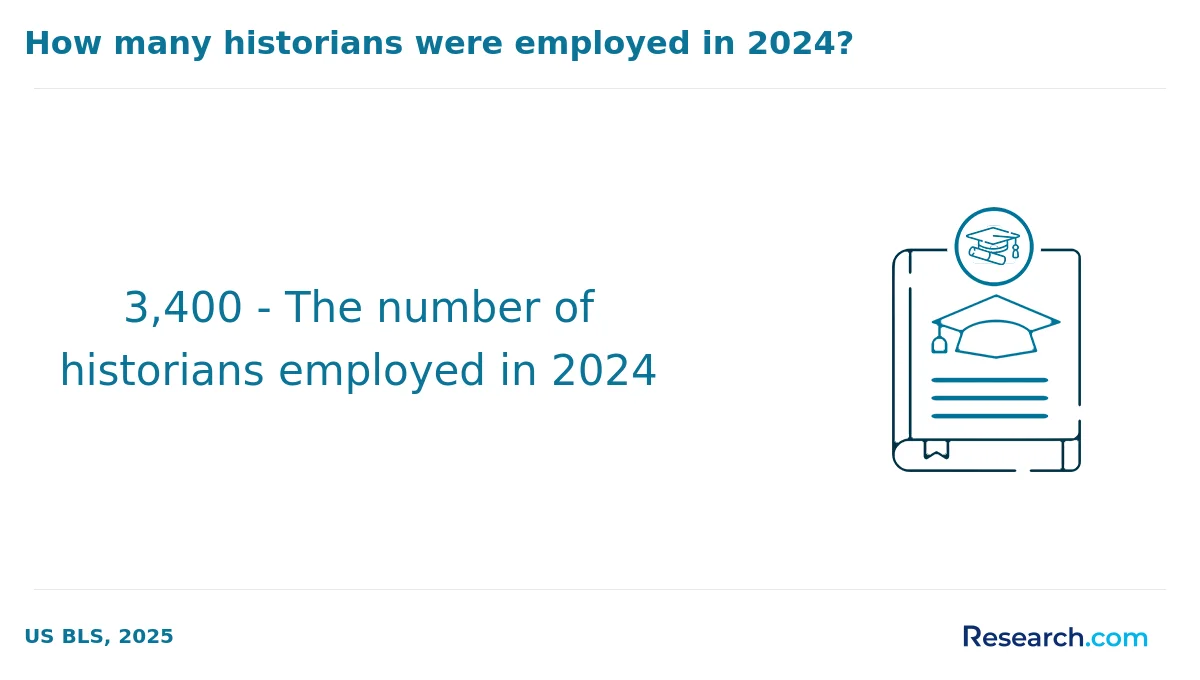
If you're thinking about job opportunities after earning an online history degree in the West, you're in luck-there's a steady demand for grads in education, research, and public service. Graduates from schools like the University of Washington or Arizona State University often find themselves working as historians, archivists, or teachers in local schools, museums, and government offices. The career outlook for history graduates West-wide is promising, with a solid 5% growth projected over the next decade, meaning your skills will stay relevant.
Many online students share how their programs helped them land roles that blend traditional history with modern skills like digital archiving or data analysis. Some end up teaching, which usually calls for state certification, while others dive into research jobs or analysis. If you're curious about what salaries look like or niche roles, sites covering art history jobs salary give a good peek into possibilities.
Frequently Asked Questions About history
Online history degree students in the West can maximize their learning by actively engaging with digital resources and university archives. Many Western universities provide access to extensive online libraries, including primary source collections vital for historical research.
Participating in virtual discussion groups and webinars helps develop critical thinking and deeper understanding of diverse historical perspectives. According to the Western Interstate Commission for Higher Education, students in this region benefit greatly from collaborative online learning models.
Balancing coursework with hands-on experience-such as virtual internships with museums or historical societies-can also enhance practical skills and professional networks.
Lastly, regularly consulting faculty during online office hours promotes personalized guidance, which improves academic success and retention.
Emerging niches within the history field reflect growing interests in specialized environments and interdisciplinary methods. In the Western US, digital history has become a major focus, with universities offering courses on data visualization and digital archiving. According to the American Historical Association, over 25% of history graduates now engage with digital tools in their research.
Environmental history is another expanding area, especially relevant in the West, where water rights and land use remain critical issues. Schools integrate local case studies to show how historical perspectives inform current policy debates.
Public history also sees rising demand, with students trained to work in museums, archives, and heritage sites. This pragmatic approach suits professionals seeking flexible careers with community focus. These niches indicate how history education adapts to regional and technological trends.
Graduates with an online history degree in the West can enhance job prospects by developing practical skills beyond academic knowledge. According to the American Historical Association, employers often value abilities in research, writing, and critical thinking. Gaining experience through internships or volunteering at local museums, archives, or historical societies in the Western states builds relevant work skills and professional networks.
Strong digital literacy is also essential. Familiarity with databases, GIS mapping, and digital archives increases employability in a technology-driven job market. Participation in career workshops and university alumni networks aids in job placement and mentorship.
Additionally, pursuing certifications in archival studies or public history can open doors in government, education, and cultural resource management sectors. The U.S. Bureau of Labor Statistics notes that roles in these fields in the Western region are expected to grow steadily through 2030.
Employers in the Western US highly value history degree graduates with strong analytical skills. Being able to critically evaluate sources and interpret historical data is essential. According to the National Association of Colleges and Employers (NACE), 85% of employers seek graduates who demonstrate effective research capabilities.
Communication skills, particularly writing and speaking clearly, are also top priorities. History programs often emphasize crafting well-structured arguments, which transfers to clear reporting in professional settings. In fact, a 2023 survey from the American Historical Association found that over 70% of Western employers preferred candidates with advanced writing skills.
Additionally, skills in digital literacy, such as using online archives and data management software, are increasingly important as history fields integrate technology. Problem-solving and the ability to work independently complete the skill set most sought after by employers in the region.
Finding internships in the Western US related to a history degree involves leveraging regional resources and university networks. Many online history programs connect students with local museums, historical societies, and archives offering internships. For example, the California Historical Society and Oregon Historical Society frequently provide positions for students.
Students should also explore partnerships their online schools maintain with public institutions or nonprofit organizations in the West. According to the National Association of Colleges and Employers, 60% of history students secure internships through university connections.
Additionally, attending virtual career fairs targeting the Western region and utilizing platforms like Handshake can increase internship opportunities. Reaching out directly to educators and professionals within Western universities often uncovers hidden internship openings suitable for history majors.
In the Western United States, earning an online history degree can significantly enhance career mobility and advancement. According to the National Center for Education Statistics, history graduates in this region often find opportunities in education, museums, government, and cultural institutions. Online degrees provide flexibility, allowing students to balance work and study, which is valued by many employers.
Job growth for history-related careers in the West is projected to grow 6% through 2030, according to the U.S. Bureau of Labor Statistics. Graduates with an online degree often report increased chances of promotions and salary increases, especially in sectors like public history and archival management where demand for skilled professionals is strong.
Furthermore, accredited online programs in reputable Western universities are recognized by employers, making degree holders competitive candidates. This recognition enhances access to leadership roles and specialized positions unavailable to those without formal credentials.
Studying for a history degree in the Western United States equips students with critical thinking and research skills highly valued across multiple disciplines. Many online programs emphasize interdisciplinary approaches, combining history with fields like political science, economics, and cultural studies.
For example, California State University offers courses that integrate historical analysis with contemporary social issues, enhancing students' ability to work in public policy or education sectors. According to the American Historical Association, 65% of history graduates pursue careers in areas that require cross-disciplinary knowledge.
This blending of skills prepares graduates to adapt in roles such as archivists, museum professionals, or consultants where understanding historical context benefits diverse industries.
When choosing between a thesis and a non-thesis online history degree in the West, students should consider their career goals and learning preferences. Thesis programs emphasize original research and writing, ideal for those interested in graduate studies or academic careers. Non-thesis options focus more on coursework and may include comprehensive exams, suited for students aiming for professional roles outside academia.
Data from the Western Association of Schools and Colleges shows that approximately 60% of history graduate programs in the West offer both options. Thesis paths often require 6 to 12 months of research, which can impact part-time students balancing work.
Review program requirements carefully and assess your time availability and long-term plans before deciding.
Students based in the Western United States seeking to study history abroad have several options through American universities offering online history degrees with global perspectives. Many accredited institutions incorporate international history courses that explore European, Asian, and Latin American contexts, providing broader cultural understanding. According to the National Center for Education Statistics, over 30% of undergraduate history students engage in study abroad programs, which can complement online coursework. Additionally, some universities partner with foreign institutions to offer joint online degrees or exchange opportunities, allowing students to gain international insights without relocating. These programs often include flexible scheduling suited to working professionals.
Students pursuing online history degrees in the Western US have several part-time job options that align well with their studies. Working as research assistants for university history departments or local museums allows students to gain hands-on experience with archival materials and historical interpretation. According to the Bureau of Labor Statistics, such roles often pay between $15 and $20 per hour.
Library assistants are another complementary job, especially in public or university libraries, where students can develop research skills relevant to their coursework. Educational companies also hire part-time tutors to help high school students with history, which enhances knowledge retention and communication skills.
Some students find opportunities in cultural heritage sites or historical societies across Western states like California, Oregon, and Washington. These positions frequently involve public engagement, event coordination, or exhibit preparation, providing practical experience directly related to history fields.
Online history students in the Western United States have access to diverse networking opportunities designed to bridge the distance of virtual learning. Many Western universities offer virtual meetups, history clubs, and guest lectures hosted by faculty, allowing students to connect with peers and experts. According to the Western Association of Schools and Colleges, about 65% of accredited online history programs in the region provide virtual internships or collaborations with local museums and historical societies.
Professional organizations like the Pacific Coast Branch of the American Historical Association also support online students by offering regional conferences and online forums. These platforms enable networking with historians and potential employers throughout the West.
Alumni networks provide valuable support to online history degree students in the Western United States. These networks connect current students with graduates who have navigated similar academic and career paths, offering mentorship and guidance. According to the Council for Advancement and Support of Education (CASE), strong alumni involvement increases job placement rates by up to 20% in historical fields.
Many Western universities emphasize building active alumni communities, which enhance professional opportunities through internships, job referrals, and exclusive events. For history students, this means access to museums, archives, and educational institutions often concentrated in the region. Leveraging these connections can be crucial for career advancement and specialized research projects.
Customizing an online history degree program in the Western US allows students to align their studies with specific career goals. Many universities offer concentrations such as public history, archival management, or cultural studies, enabling you to specialize based on your interests and job plans. Elective courses often reflect regional history, including topics on Western American frontier life or indigenous histories, which can be valuable in local museum or educational roles.
Internship options and partnerships with local historical societies or archives provide practical experience tailored to career aspirations. According to the Western Association of Schools and Colleges, over 60% of online history programs in the West emphasize flexible curricula, which helps professionals balance work and study.
Online history students in the Western United States commonly face challenges related to access and engagement. Many students report difficulty in connecting deeply with archival materials and primary sources, which are often easier to explore in person at physical libraries or university archives.
Another significant challenge is maintaining motivation and time management. According to the U.S. Department of Education's 2023 report, 40% of online learners in humanities fields pause or drop out due to balancing work, studies, and family obligations.
Additionally, some students encounter limited opportunities for interactive discussions or mentorship, which are critical in history programs to develop critical thinking and analytical skills.
Technical issues or inconsistent online platform quality can also disrupt learning, especially in rural or low-bandwidth areas in the West.
Graduates with an online history degree in the West can pursue various professional certifications to enhance their career prospects. One notable option is the Certified Archivist credential, offered by the Academy of Certified Archivists, which is valuable for those interested in managing historical documents and archives.
Additionally, becoming a Certified Museum Professional through the American Association for State and Local History can benefit students aiming for museum or cultural heritage positions. These certifications require specialized knowledge and often some professional experience.
For educators, obtaining teaching credentials or National Board Certification in History/Social Studies improves job opportunities in K-12 education. According to the Bureau of Labor Statistics, demand for history teachers is projected to grow 4% from 2022 to 2032 in the Western states.
Writing a winning application for an online history program in the West requires clear demonstration of your passion for the subject and your academic readiness. Start by highlighting relevant coursework, such as American or Western regional history, and any research or writing experience you have. According to the National Center for Education Statistics, applicants with strong writing samples and well-articulated personal statements stand out.
Explain how pursuing history online suits your learning style and career goals. Emphasize skills like critical thinking and attention to detail, which faculty value highly in history students. Including references from educators familiar with your analytical abilities can strengthen your application.
History careers in the West often attract students interested in understanding global contexts and cultural narratives. According to the American Historical Association, job opportunities in history-related fields are expected to grow by 5% from 2021 to 2031, which aligns with national trends in humanities employment. Graduates frequently work in education, research, public history, or government sectors, often contributing to global heritage preservation or international cultural exchange.
Online history degrees provide flexibility and access to diverse resources, enabling students to explore worldwide historical perspectives while studying from home. Western institutions emphasize critical thinking and analytical skills, preparing graduates for careers that involve interpreting historical data in a global context.
The broad applicability of history degrees, particularly with a global outlook, can lead to roles in diplomacy, archival management, or international nonprofits. Students should consider that earning an online degree from accredited Western universities can bolster credentials recognized internationally.
Students pursuing an online history degree in the Western United States can gain practical experience through various opportunities provided by universities and local institutions. Many programs encourage virtual internships with museums, archives, and historical societies, allowing students to engage in research, cataloging, or digital exhibition projects. According to the American Historical Association, approximately 45% of history students in online programs sought internships to develop relevant skills in 2023.
Additionally, community colleges and universities in the West often partner with regional cultural organizations, offering students the chance to participate in fieldwork or public history initiatives. Volunteering in local history projects or contributing to online historical databases also strengthens practical expertise while studying remotely.
Choosing the right concentration within an online history degree in the Western U.S. starts with your personal interests and career goals. Popular concentrations include American history, Western U.S. history, or broader themes like social or political history. Research shows that Western history programs often emphasize Indigenous peoples, frontier expansion, and environmental history, reflecting regional significance (American Historical Association, 2023).
Consider how the concentration aligns with job markets; for example, museum curation and education sectors in the West favor expertise in regional history. Look for programs offering internships or partnerships with local institutions. Accreditation and faculty expertise are also key to quality and relevance in online study options.
Top Trending History Rankings
References
- What Can You Do With a History Degree? https://willamette.edu/academics/college/history/career-options
- 2025 Most Popular Online History Degrees https://www.onlineu.com/degrees/history
- THE list of internships for history majors https://employedhistorian.com/history-major/internships-for-history-majors/
- The Challenges of Studying History in School | Education Research Project Topics and Materials https://educationtopics.com.ng/the-challenges-of-studying-history-in-school/60853/history-education/
- History https://www.westvalley.edu/academics/history/index.html
- The Job Search (Outside Academia) I | Canadian Historical Association | Société historique du Canada https://cha-shc.ca/publications/employing-history-a-guide-to-graduate-school-and-navigating-the-job-market/the-job-search-outside-academia-i/
- Master's History Application - Sample Letter (EN) https://ai.mystudies.com/blog/mystudies-writing-examples/application-for-master-program-history-20-06-2025.html
- History majors should have a more global perspective - The Lamron https://www.thelamron.com/opinion/history-majors-should-have-a-more-global-perspective
- 5 Challenges of Teaching History in International Classrooms (and How https://millerskills.co.uk/blogs/teaching-overseas/5-challenges-of-teaching-history-in-international-classrooms-and-how-to-overcome-them
- Top Niche Historical Topics for Deep-Dive High School Projects https://riseglobaleducation.com/blogs/top-niche-historical-topics-for-deep-dive-high-school-projects