2027 Fastest Online Bachelor's in History Degree Programs Ranking in Tennessee

Co-Founder and Chief Data Scientist
Are you considering pursuing an online bachelor's degree in history but want to know which programs offer the fastest path to graduation in Tennessee? This article presents the 2027 Fastest Online Bachelor's in History Degree Programs Ranking in Tennessee, developed by the Research.com team of data scientists. It's designed to help you make an informed decision about which programs stand out for efficiency and quality.
Reading this guide will give you clarity and confidence as you explore history degree options that fit your goals and lifestyle. A history degree opens doors to understanding the past while preparing you for meaningful career opportunities ahead.
Key benefits of getting online history degree in Tennessee
- History degree graduates in Tennessee can explore careers such as archivists and curators, where the US average salary is about $53,000 per year, offering a rewarding path with steady income.
- Graduates from Tennessee universities often find diverse career opportunities in education, museum work, and public history, allowing for engaging roles that connect the past with the community.
- Completing a history degree online from a recognized Tennessee university offers flexibility and convenience, making it easier to balance studies with work or family while gaining the same credentials as traditional programs.
- Key benefits of getting online history degree in Tennessee
- What can I expect from online history degree in Tennessee?
- Where can I work with online history degree in Tennessee?
- How much can I make with online history degree in Tennessee?
- 2027 Fastest Online Bachelor's in History Degree Programs Ranking in Tennessee
- Key Findings
- How long does it take to complete online history degree in Tennessee?
- What's the difference between online and on-campus history degree?
- What is the average cost of online history degree in Tennessee?
- What financial aid is available to online history degree students in Tennessee?
- What are the prerequisites for enrolling in online history degree program in Tennessee?
- What courses are typically in online history degree programs in Tennessee?
- What types of specializations are available in online history degree programs in Tennessee?
- How do you choose the best online history degree in Tennessee?
- What career paths are available for online history degree students in Tennessee?
- What is the job market for online history degree in Tennessee?
- Related History Rankings for Nearby States
- Top Trending History Rankings
What can I expect from online history degree in Tennessee?
The average cost of pursuing an online history degree in Tennessee often feels like a manageable investment rather than a financial mountain to climb. Graduates from Middle Tennessee State University and Tennessee Technological University frequently share how their tuition hovered around $10,000 to $15,000 for the entire degree-an affordable sum compared to many out-of-state options. Imagine immersing yourself in Civil War archives from your living room, all while knowing your tuition is designed with Tennessee students in mind.
For those juggling jobs and family, the flexible pricing paired with accelerated course offerings makes achieving a degree feel not just possible but exhilarating. One graduate recalls juggling late-night study sessions with work shifts, grateful for tuition costs that didn't add extra stress. Scholarships and credit transfers often further lower expenses, making the dream of becoming a historian a financially smart reality right here in Tennessee.
Where can I work with online history degree in Tennessee?
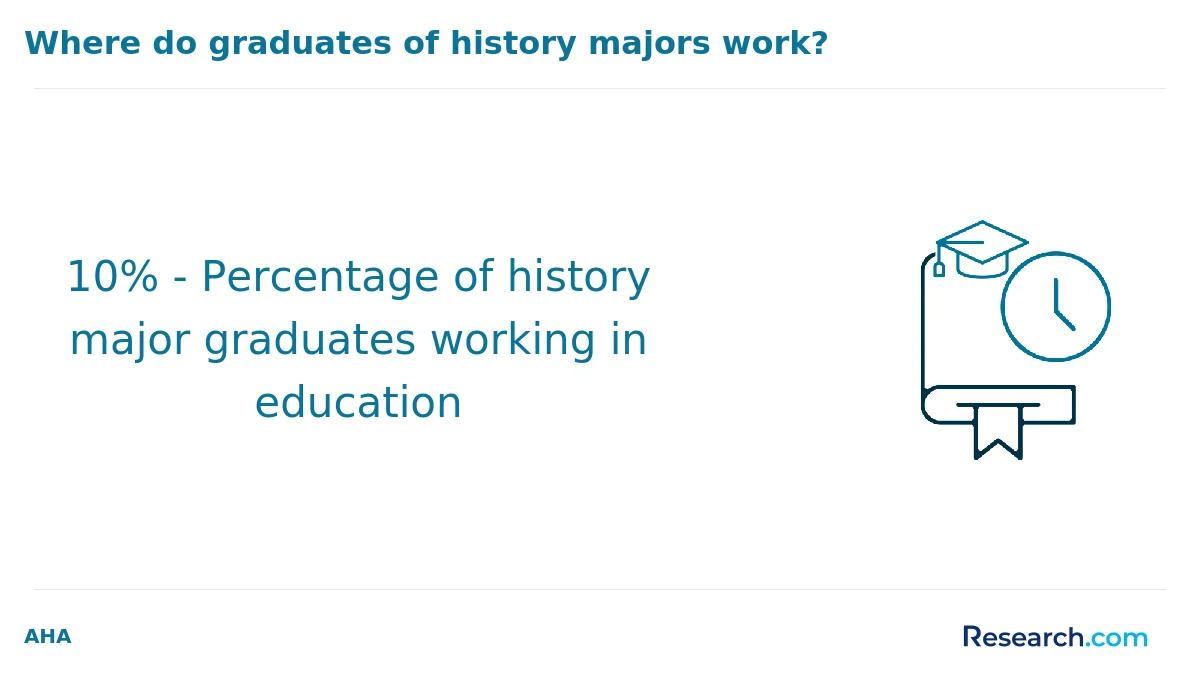
With an online history degree from a Tennessee university, imagine stepping into classrooms as a passionate teacher, inspiring curious minds in high schools across Memphis or Chattanooga. Graduates from popular programs at the University of Tennessee or Middle Tennessee State University often find themselves guiding students through the past, sharpening critical thinking skills while proudly carrying the state's rich legacy forward.
Others dive into the lively halls of Nashville's Tennessee State Museum or Knoxville's East Tennessee History Center, where history graduates become curators or archivists, breathing life into dusty artifacts and stories. Picture managing collections that connect visitors with Tennessee's vibrant culture, transforming facts into unforgettable experiences.
Some grads embrace roles within bustling government agencies, helping preserve Tennessee's vast archives or shaping policies that protect historical treasures. The local government's call for research consultants allows graduates to blend analytical skills with a genuine love for storytelling-creating tours or events that spark community pride.
And then there's the private sector-publishing, journalism, legal research-where writing prowess meets history know-how, crafting compelling narratives that influence public understanding or bring justice through careful research.
How much can I make with online history degree in Tennessee?
Imagine graduating from a Tennessee university like the University of Memphis or Middle Tennessee State University with an online history degree and stepping into a world where your knowledge of the past transforms into a paycheck. While exact salary data from the Bureau of Labor Statistics isn't available for every history-related job, Tennessee historians typically earn around $66,000 a year, blending academic passion with solid compensation.
Graduates turning towards education find themselves earning about $54,000 annually as high school teachers, shaping young minds with stories of the past. Picture yourself in a classroom near Nashville, inspiring curiosity while earning a respectable wage that grows with experience and certifications.
For those drawn to archives or museums, annual salaries hover near $47,000, offering a unique opportunity to preserve history in Tennessee's cultural hubs. Whether you're cataloging artifacts or curating exhibits in Knoxville, your work carries the weight of heritage-and a dependable income.
Starting wages often land between $40,000 and $50,000 but can soar past $60,000 as you deepen your expertise and take on senior roles within government or nonprofit sectors.
2027 Fastest Online Bachelor's in History Degree Programs Ranking in Tennessee
How do we rank schools?
Investing in your education is a significant decision that requires careful consideration, and the Research.com team recognizes the importance of providing trustworthy guidance. To support students seeking efficient Online Bachelor's in History programs in Tennessee, we have thoroughly developed the "2027 Fastest Online Bachelor's in History Degree Programs Ranking in Tennessee." Our dedication to quality, credibility, and accuracy is demonstrated through rigorous research and data validation.
We utilized the following reputable data sources to ensure a comprehensive and precise ranking:
By exploring this ranking, readers will gain valuable insights into the fastest accredited online history degree options in Tennessee, enabling informed decisions about their educational investments. For further details on how this ranking was created, please visit our Research.com methodology page.


Key Findings
- Tennessee offers fully online bachelor's degrees in history at several accredited institutions, which helps students avoid relocation or commuting.
- In-state tuition for online history degrees ranges from about $8,000 to $12,000 per year, typically lower than the national average.
- Entry-level salaries for history graduates in Tennessee average between $38,000 and $45,000 annually, with potential to rise above $60,000 in advanced roles.
- Employment for historians and related jobs in Tennessee is expected to grow by about 3% over the next decade.
- Online programs include accredited faculty, a comprehensive curriculum, and opportunities for internships or research projects despite being remote.
How long does it take to complete online history degree in Tennessee?
Clocking roughly four years of full-time online study, a history degree in Tennessee often mirrors the traditional campus pace, but with a digital twist that fits right into your life. Imagine scrolling through lectures from Middle Tennessee State University while sipping morning coffee, or diving into Tennessee Tech University's archives on your own schedule. Graduates recount that taking 15 credits each semester nests perfectly in this rhythm, letting history unfold steadily over two semesters each year.
Part-time students embrace a different beat, weaving their studies between work shifts or family moments, sometimes taking six years or more to stitch together their past and present. Picture transfer credit holders zooming past introductory hurdles, leaping straight into the heart of history, lightening their load and pacing their journey with confidence.
And then there are the few who sprint-accelerated courses offer a fast lane, turning those four years into three for the truly driven. This blend of steady progress and flexible spikes crafts a timeline as personal as the stories within history itself.
What's the difference between online and on-campus history degree?
Imagine diving into Tennessee's rich past while sipping coffee at your favorite local café, thanks to an online history degree from Middle Tennessee State University. Graduates often marvel at the freedom to juggle family, work, and study without losing sleep over rigid schedules. Online learning here unfolds like a digital time machine-lectures, readings, and assignments accessible anytime, anywhere. Yet, it's not just convenience; it's a tailored rhythm that fits your life.
Contrast that with the buzz of campus life at the University of Tennessee, Knoxville, where history students thrive on vibrant classroom debates and spontaneous hallway chats. On-campus learners feed off face-to-face interaction, sharpening skills in real-time discussion while mingling with peers who share their passion for Tennessee's stories. They treasure the tactile connection with archives in the Special Collections Library, stepping back in time amidst original documents.
Cost-wise, online students savor savings not only on tuition but on housing and commuting-vital for many balancing budgets. Meanwhile, on-campus students embrace the full sensory immersion, forging bonds and networking pathways that open doors in local history circles. Both paths carve out unique adventures through Tennessee's layered past.
What is the average cost of online history degree in Tennessee?
The average cost of an online history degree in Tennessee captures a unique blend of opportunity and investment, with median total tuition and fees around $48,610 for most students. For those who identify as in-state scholars, this amount gently climbs to about $50,280, reflecting tuition benefits from local residency. Out-of-state learners, dreaming of exploring Tennessee's rich historical academic landscape, might prepare for a somewhat higher figure, near $54,600. These numbers reflect a practical gateway into the past, where students at well-known Tennessee colleges experience a flexible education that balances affordability with quality.
Graduates often share how the financial journey felt like navigating a dynamic history themselves-sometimes a flourishing public university in Nashville or Knoxville offers a financial reprieve with lower costs and supportive aid programs, while private institutions elevate expenses but bring distinct prestige and resources. Many students appreciate how total tuition and fees for online history programs Tennessee balance with the flexibility of remote learning, allowing them to pursue careers or family commitments without sacrificing educational goals.
Consider a graduate who crossed the virtual halls of Tennessee colleges, benefiting from accelerated programs and technological enhancements for distance learners. Coupled with scholarships and financial aid, the average cost transforms into a manageable chapter of their personal story. For those curious about career paths, exploring history degree jobs can provide additional motivation to invest wisely in this versatile degree.
What financial aid is available to online history degree students in Tennessee?
Picture this: a history student at the University of Memphis logging into their online portal, excitement bubbling as they check their FAFSA results. That $7,395 Pell Grant from the federal government feels like a time machine unlocking their academic adventure, shaving off tuition costs like a historian uncovering lost treasure. Meanwhile, a student at Middle Tennessee State University celebrates receiving the HOPE Scholarship-a $6,000 annual boost awarded for their dedication and Tennessee roots, making their journey through ancient empires and revolutionary wars feel not just possible, but deeply supported.
Adult learners diving back into their studies at Tennessee State University can tap into Tennessee Reconnect, a program designed to help them conquer online history degrees and rewrite their futures with up to $6,000 in aid.
Many grads share stories of institutional scholarships easing their online learning, tailored specifically for history buffs or distant learners-scholarships that recognize merit, need, or even veterans' sacrifices, turning tuition stress into manageable chapters.
On top of these, employers in Tennessee often pitch in with tuition assistance, lighting the path for history students seeking professional growth while balancing work and study.
For those hunting hidden gems, work-study gigs and private scholarships listed on platforms like Fastweb serve as unexpected allies in their academic quests, turning financial hurdles into historical footnotes.
What are the prerequisites for enrolling in online history degree program in Tennessee?
To step into the world of history through an online degree in Tennessee, you'll first need a high school diploma or its equivalent-think of it as unlocking the gateway to past centuries. Graduates from the University of Tennessee recall how submitting official transcripts was like sending a postcard from their academic journey, proving their readiness for deeper exploration.
Many programs, such as those at Middle Tennessee State University, expect a solid GPA around 2.5, a signal that you're prepared to analyze historic battles or cultural revolutions. Some schools have waved goodbye to stringent SAT or ACT scores, embracing test-optional policies that feel like a fresh breeze easing worries, especially post-pandemic.
Non-native English speakers often share stories of conquering TOEFL or IELTS hurdles - a linguistic rite of passage that opens doors to unraveling Tennessee's historical tapestry. Returning students carrying college credits can often transfer relevant classes, turning their prior efforts into fuel for new adventures.
Of course, reliable internet and basic tech savvy are your modern tools, as alumni from Tennessee State University describe booting up virtual classrooms with excitement and a sense of connection that bridges time and place.
What courses are typically in online history degree programs in Tennessee?
Imagine diving into the rich tapestry of history through courses that span from sweeping surveys like U.S. History and European History to the vivid stories uncovered in Ancient Civilizations and Modern Political History. Online history students from universities in Tennessee often describe their journey as stepping into a time machine, peeling back layers not just of distant lands but of their own backyard, with electives like History of Tennessee and American Civil War offering a connection to local heritage that makes learning feel personal and alive.
Graduates frequently recall how courses in historical research methods and historical writing transformed their curiosity into sharp analytical skills-skills they proudly used to craft papers that weren't just assignments but explorations of real events and voices from the past. Whether tapping into archives from Nashville or piecing together narratives from Knoxville, these classes train students to think critically and communicate with confidence.
The flexibility of Tennessee's online history programs lets learners weave their passions into electives like Native American History or Women in History, turning broad historical themes into exciting, personalized academic adventures. It's not just studying history; it's reliving it.
What types of specializations are available in online history degree programs in Tennessee?
Diving into online history degree specializations in Tennessee feels like opening a time capsule filled with vibrant options. Imagine studying American History, where graduates from the University of Tennessee recall their thrill unearthing political upheavals and cultural revolutions shaping the nation. Meanwhile, others immerse themselves in World History at Middle Tennessee State University, connecting ancient civilizations with today's global currents, sparking awe and curiosity. For those drawn to hands-on engagement, Public History and Historical Preservation are transformative pathways. Graduates share how working with Tennessee's museums or archival centers gave them a profound sense of purpose and belonging, blending passion with tangible skill-invaluable for local careers.
Regional history also sings its unique song here. Exploring Civil War legacies or Appalachian culture at institutions like Tennessee State University roots learning deeply in place and identity, making every discovery personally meaningful. Tennessee's best history degree concentrations online unlock doors not just to the past but to the future, balancing scholarly depth with practical expertise.
Students often ponder which path leads to the highest-paying jobs with a history degree, and these specializations shape that journey with tailored knowledge and hands-on experience.
How do you choose the best online history degree in Tennessee?
Choosing the best online history degree Tennessee offers requires peeling back layers beyond mere convenience. Think of a recent graduate from a well-known Tennessee university who found joy in diving into Tennessee's Civil War sites through rich online courses blending state history with global narratives. Their secret? Prioritizing programs with rigorous regional accreditation that promise not just knowledge but real-world respect and recognition.
Imagine juggling work and study-flexibility matters. Many students rave about asynchronous classes allowing them to explore archival documents at midnight or join virtual discussions during lunch breaks. Opt for schools with dedicated online student support, mirroring the on-campus camaraderie at places like Middle Tennessee colleges, where tutors become lifelines in challenging moments.
Affordable online history programs Tennessee-wide often surprise students who expect sky-high fees; graduates cherish not just the reasonable tuition but treasure internships and hands-on experiences enhancing their resumes. For those wondering where their journey might lead, exploring history masters degree jobs helps connect academic passion with vibrant career paths.
What career paths are available for online history degree students in Tennessee?
Graduates from popular Tennessee institutions like the University of Memphis and Middle Tennessee State University often find their history degrees acting like keys unlocking diverse doors. With an online history degree in Tennessee, one might step seamlessly into education, becoming a revered high school teacher or an insightful administrator. Imagine guiding students through the rich tapestry of Tennessee's past, igniting the same passion you once felt. Others dive into public history roles, curating museum exhibits or preserving artifacts, immersing themselves in the vibrant heritage that surrounds Nashville or Chattanooga.
A few graduates discovered thrilling careers in government or public service, where detailed research and policy analysis skills learned online empower them to shape community resources or cultural projects. For those intrigued by the dynamics of the modern workplace, corporate sectors eagerly recruit history majors for their sharp analytical skills, especially in market research and data analysis. Students explore these options with enthusiasm, encouraged by stories of success and the flexibility of online study. To explore further, consider checking affordable online degree programs history for accessible paths into these careers.
Whether your ambition takes you into classrooms, archives, courtrooms, or boardrooms, the landscape of online history degree careers Tennessee offers is richly varied and ready for new stories to be written.
What is the job market for online history degree in Tennessee?
The job market for graduates with an online history degree in Tennessee unfolds like a well-woven historical tapestry-rich, layered, and full of nuanced opportunities. Many who pursued their studies at state favorites like the University of Tennessee or Middle Tennessee State University find themselves stepping confidently into classrooms, museums, or government offices. These graduates describe a rewarding rhythm in teaching social studies at local public schools, where demand remains steady and salaries between $48,000 and $60,000 offer a comfortable foothold.
Career opportunities in Tennessee expand beyond education into museums and cultural organizations, where history lovers curate stories that breathe life into the state's heritage. Yet, securing these roles often means navigating a competitive market where passion meets persistence. Those interested in online history degree jobs Tennessee also discover possibilities in public policy or research roles within federal and state agencies, with earnings climbing up to $70,000 for those who add specialized skills or further education.
Budget-conscious students appreciate Tennessee's affordable in-state tuition, oftentimes under $10,000 annually, making it easier to invest in their futures. Graduates recommend exploring paths to deepen expertise, such as a masters in history online, to unlock broader career horizons and sharpen competitive edges.
Frequently Asked Questions About history
Online history degree students in Tennessee can enhance their learning by actively engaging with digital archives and resources specific to the region. The Tennessee State Library and Archives offers extensive collections that complement coursework.
Participating in virtual lectures, discussion forums, and study groups can foster deeper understanding and peer interaction, crucial for remote learning success.
Leveraging Tennessee's rich historical sites, such as through virtual museum tours or local historical society collaborations, provides practical context beyond textbooks.
Additionally, utilizing university-provided academic support, including online tutoring and writing centers, helps improve research and writing skills essential for history students.
Emerging niches in the history field reflect evolving interests and the growing demand for specialized knowledge. One key area is digital history, where historians use computational tools to analyze large datasets and create interactive exhibits. This niche is gaining traction in Tennessee's universities offering online programs due to increasing opportunities for remote research.
Public history is another expanding field, focusing on preserving and interpreting history in museums, archives, and community projects. Tennessee's rich Civil War heritage and civil rights history provide ample focus areas.
Environmental history, examining human interaction with nature over time, is also emerging due to growing awareness of climate issues.
Preparing for the job market after earning an online history degree in Tennessee involves strategic steps. First, gaining practical experience through internships or volunteer roles at local museums, archives, or historical societies in Tennessee can strengthen your resume. Networking is vital; connecting with professionals via organizations like the Tennessee Historical Society provides valuable career insight.
Graduates should also develop skills beyond history knowledge, such as data analysis and digital archiving, which are increasingly important. According to the U.S. Bureau of Labor Statistics, historian employment is expected to grow 6% from 2021 to 2031, showing steady opportunities nationally and regionally.
Consider joining Tennessee's statewide job centers and using university career services to access local job listings relevant to history graduates.
Employers in Tennessee highly value history degree graduates who demonstrate strong critical thinking skills. The ability to analyze complex historical events and interpret disparate sources is crucial in many fields, including education, public policy, and museum work.
Excellent research abilities are also essential. According to the American Historical Association, students trained in archival research and digital databases stand out in the job market. These skills are vital for positions in libraries and government agencies in Tennessee.
Communication skills, both written and oral, are frequently emphasized by Tennessee employers. Graduates must be able to present information clearly to varied audiences. Additionally, cultural awareness and understanding of diverse perspectives are increasingly important for local organizations focused on Tennessee's rich history.
Finding internships in Tennessee relevant to a history degree involves leveraging local resources and institutions. Start by exploring opportunities at museums, historical societies, and archives, such as the Tennessee State Museum and the Tennessee Historical Commission. These organizations often offer internships focused on historical research, preservation, and education.
Colleges and universities in Tennessee frequently maintain internship databases and partnerships with local cultural institutions. Contacting career services at schools that offer online history degrees can provide access to exclusive listings.
Additionally, websites like the Tennessee Department of Tourist Development and nonprofit job boards may post history-related internships. Early application and networking within professional history groups in Tennessee, such as the Tennessee Historical Society, increase chances of placement.
An online history degree in Tennessee can significantly enhance career mobility and advancement, especially in education, public history, and government sectors. Tennessee's rich historical sites and museums look for individuals with strong historical knowledge and research skills, often requiring at least a bachelor's degree. According to the Tennessee Department of Labor, jobs related to education and archival work are projected to grow by 5% through 2030, which benefits graduates with flexible online credentials.
Online degrees also offer opportunities for working professionals to upskill without leaving their jobs, facilitating promotions. Employers increasingly value skills acquired through accredited programs, including critical thinking and communication, relevant to many industries.
Studying for a history degree online in Tennessee equips students with critical thinking, research, and analytical skills that apply across multiple disciplines. Tennessee's programs often integrate coursework in political science, sociology, and cultural studies, fostering a broad intellectual foundation. This interdisciplinary approach is important in sectors such as education, public policy, and museum curation, where understanding historical context enhances decision-making.
Furthermore, Tennessee's higher education institutions emphasize practical skills like data interpretation and communication, which are vital in business and law. According to the Tennessee Higher Education Commission, graduates with history degrees frequently pursue diverse careers, benefiting from a flexible skill set suitable for evolving job markets.
When choosing between a thesis and a non-thesis history degree program in Tennessee, consider your career goals first. Thesis programs require extensive research and writing, ideal for students aiming for graduate school or research careers. Non-thesis options focus more on coursework and may better suit those planning to enter the workforce quickly.
In Tennessee, institutions like Middle Tennessee State University offer both formats tailored to online learners. According to the Tennessee Higher Education Commission, thesis programs often take longer to complete, averaging two years versus 1.5 years for non-thesis.
Cost and time commitment also matter. Thesis degrees may involve additional fees for research resources. Finally, assess your readiness for sustained independent research, as thesis paths demand strong self-discipline and writing skills.
Students in Tennessee seeking to study history abroad have several pathways through partnerships between US universities and international institutions. Though fully online history degrees dominate, many Tennessee schools offer study abroad programs that complement online coursework. For example, the University of Tennessee system facilitates exchanges with European universities, enriching perspectives on global history.
Students enrolled in online history programs can often participate in short-term international seminars or summer sessions to experience firsthand historical sites and archives. According to the Institute of International Education, over 1,200 Tennessee students studied abroad in the 2021-2022 academic year, demonstrating growing interest.
Financial aid and scholarships specifically for study abroad are available but competitive, so early planning is advisable. Additionally, some online programs incorporate virtual exchanges and international research projects to provide global engagement without travel.
In Tennessee, part-time job opportunities that complement online history degrees often include museum assistant roles, archival work, and research support positions. Many museums and historical sites, such as the Tennessee State Museum in Nashville, frequently offer part-time roles ideal for history students. These jobs provide hands-on experience with artifact preservation, exhibit preparation, and public education, which align well with academic studies.
Additionally, some local libraries and university archives seek part-time workers to help organize historical documents and digital records. These experiences develop practical skills valuable for careers in history or related fields. According to the Tennessee Department of Labor, cultural occupations grew by 7% from 2019 to 2023, indicating expanding opportunities in heritage and education sectors.
Online history students in Tennessee have several ways to build professional networks despite studying remotely. Many Tennessee universities offering online history degrees encourage participation in virtual events such as guest lectures, history seminars, and alumni gatherings. These events allow students to connect with faculty, historians, and fellow students across the state.
Students can also join Tennessee-based academic organizations like the Tennessee Historical Society, which provides access to conferences, workshops, and research resources. Additionally, local museums and historical sites often offer internships and volunteer opportunities that enrich student experience and expand professional contacts.
Networking through statewide digital platforms and LinkedIn groups specifically focused on Tennessee history is common. According to the Tennessee Board of Regents, these opportunities can significantly enhance career prospects by linking students with history professionals, archivists, and educators statewide.
Alumni networks play a crucial role for students pursuing online history degrees in Tennessee by providing valuable connections beyond the virtual classroom. Graduates from Tennessee's online history programs often benefit from access to a network of professionals in academia, museums, and public history sectors. These connections can lead to internships, job opportunities, and mentorships.
According to the Tennessee Higher Education Commission, alumni engagement supports career advancement, with over 65% of employed graduates citing networking as a key factor. For online students, such networks help bridge distance barriers, offering local and regional support throughout their careers.
Additionally, alumni associations frequently host events and workshops that enhance professional development, which is vital in Tennessee's competitive history job market.
Customizing an online history degree in Tennessee allows students to align their studies with specific career goals. Many programs offer electives focusing on areas like American, European, or African history, giving flexibility to dive deeper into interests. Students can also select courses that develop skills in research, archival work, or public history, which are valuable for careers in museums, education, or government.
Some Tennessee institutions provide internship opportunities or partnerships with local historical societies, enhancing practical experience. According to the Tennessee Higher Education Commission, tailoring coursework helps improve job readiness and meets standards set by the American Historical Association for career-focused education.
Online history students in Tennessee often face challenges related to balancing coursework with personal and professional responsibilities. Many learners are adult students managing jobs and families, which can limit the time available for studying. While Tennessee offers a range of accredited online history programs, access to specialized resources like local archives or historical societies may be limited, hindering research depth.
Connectivity and technology can also pose obstacles, especially in rural areas where internet service can be less reliable. According to the Tennessee Higher Education Commission, nearly 15% of rural households lack broadband access, impacting online learning quality. Additionally, students sometimes report difficulties in engaging with peers and instructors through virtual platforms, affecting motivation and academic networking.
With an online history degree in Tennessee, graduates can pursue several professional certifications to enhance their career opportunities. One common path is obtaining the Certified Archivist credential, which is valuable for managing historical records and archives. Tennessee is home to many historical societies and archives, increasing demand for this expertise.
Another option is the Certified Museum Professional certification, ideal for those interested in museum work, a field growing in Tennessee thanks to institutions like the Tennessee State Museum. Teaching certification is also important for history graduates aiming to teach in Tennessee public schools, requiring passing the Praxis exam and meeting state licensure standards.
Furthermore, certifications in historic preservation offered by organizations such as the National Trust for Historic Preservation may benefit professionals working with Tennessee's abundant historic sites. Pursuing these certifications can significantly bolster one's credentials in the competitive job market.
Writing a winning application for an online history program in Tennessee begins with understanding the state's educational expectations. Highlight your passion for history by detailing any relevant experiences, such as research projects or volunteer work at local historical sites like the Tennessee State Museum.
Be sure to emphasize your academic achievements, particularly in subjects related to history or social sciences. According to the Tennessee Higher Education Commission, competitive applicants often hold a minimum GPA of 3.0. Strong letters of recommendation from teachers or employers familiar with your skills are highly valuable.
Personal statements should clearly explain your career goals and why an online program fits your needs. Use concise, error-free writing to demonstrate communication skills essential for history majors.
Careers in history offer valuable global perspectives, especially for students earning online degrees in Tennessee. Historians contribute to understanding cultural diversity, international relations, and global conflicts by analyzing past events worldwide. The U.S. Bureau of Labor Statistics reports that historian jobs are expected to grow 6% from 2021 to 2031, reflecting steady demand for these skills.
In Tennessee, online history degree programs prepare students to work in museums, education, and research settings with a global focus. Graduates often engage with international archives and collaborate on worldwide historical projects. This global awareness enhances job opportunities in diplomacy, nonprofits, and education.
Understanding global history also builds critical thinking and communication skills, which employers value universally.
Students pursuing an online history degree in Tennessee can gain practical experience through internships with local museums, archives, and historical societies. Institutions like the Tennessee State Museum and the East Tennessee History Center offer opportunities to engage directly with historical artifacts and research projects.
Many Tennessee universities encourage online learners to participate in virtual or local internships, which help develop skills in research, curation, and public history. In addition, students can join digital history projects supported by Tennessee academic programs.
Volunteering with community heritage organizations is another practical way to apply classroom knowledge. This hands-on involvement enhances resumes and builds industry connections, which are crucial in the competitive field of history.
Choosing the right concentration within an online history degree in Tennessee depends on your career goals and academic interests. Popular options include American history, world history, public history, and archival studies. Tennessee has a rich history connected to the Civil War, Native American heritage, and the Civil Rights Movement, making regional history a strong focus. According to the Tennessee Higher Education Commission, programs often emphasize local historical research methods, which can enhance your practical skills.
Consider concentrations that align with job markets in museums, education, or government agencies within Tennessee, where public history roles grow by 8% annually, per the U.S. Bureau of Labor Statistics. Also, review course offerings of Tennessee universities to match your interests and check if faculty have regional expertise.
Related History Rankings for Nearby States
Top Trending History Rankings
References
- History https://johnsonu.edu/bachelors/history/
- History https://utsouthern.edu/academics/school-of-social-sciences/history/
- My Top 3 Recommendations on Networking in the History World | An Historian About Town https://anhistorianabouttown.com/recommendations-on-networking-in-the-history-world/
- History Online https://www.nsu.edu/History-and-Interdisciplinary-Studies/History-Online
- 2025 Most Affordable Online History Degrees https://www.onlineu.com/most-affordable-colleges/history-degrees
- Jobs for History Majors: 12 Career Paths That Use Your Skills | Extern https://www.extern.com/post/jobs-for-history-majors-career-guide
- Master's History Application - Sample Letter (EN) https://ai.mystudies.com/blog/mystudies-writing-examples/application-for-master-program-history-20-06-2025.html
- History (B.A.) https://king.edu/programs/humanities/history/
- What Can I do With a History Degree? https://theinterngroup.com/our-blog/what-can-i-do-with-a-history-degree
- 2023 Most Popular Online History Bachelor's Degree Schools in Tennessee - Course Advisor https://courseadvisor.com/majors/history/history/rankings/most-popular-online/bachelors-degrees/southeast/tennessee/