2027 Easiest Online History Degree Programs Ranking in Texas

Co-Founder and Chief Data Scientist
Choosing the right history degree program can be overwhelming, especially when balancing life and studies. This article introduces the 2027 Easiest Online History Degree Programs Ranking in Texas, created by the Research.com team of data scientists.
Our goal is to help Texas students find degree programs that fit their needs and make history accessible without unnecessary stress. Exploring history can open doors to exciting career paths while deepening your understanding of the past.
Reading this guide will empower you to make an informed decision confidently and take the next step toward your educational goals.
Key benefits of getting online history degree in Texas
- History degree graduates in Texas can pursue careers in education, research, or museum work, with US average salaries typically ranging from $50,000 to $70,000 depending on the role, offering solid financial stability.
- Graduates from Texas universities like the University of Texas often find diverse career paths in public history, archival management, and cultural resource management, ensuring exciting opportunities that match various interests.
- Completing a history degree online provides flexible scheduling and the ability to balance work and study, as experienced by many Texas online graduates, making education more accessible without compromising quality.
- Key benefits of getting online history degree in Texas
- What can I expect from online history degree in Texas?
- Where can I work with online history degree in Texas?
- How much can I make with online history degree in Texas?
- 2027 Easiest Online History Degree Programs Ranking in Texas
- Key Findings
- How long does it take to complete online history degree in Texas?
- What's the difference between online and on-campus history degree?
- What is the average cost of online history degree in Texas?
- What financial aid is available to online history degree students in Texas?
- What are the prerequisites for enrolling in online history degree program in Texas?
- What courses are typically in online history degree programs in Texas?
- What types of specializations are available in online history degree programs in Texas?
- How do you choose the best online history degree in Texas?
- What career paths are available for online history degree students in Texas?
- What is the job market for online history degree in Texas?
- Related History Rankings for Nearby States
- Top Trending History Rankings
What can I expect from online history degree in Texas?
The average cost of an online history degree in Texas generally falls between $25,000 and $40,000 for the full bachelor's program. Students at universities like Texas A&M University-Commerce and the University of Texas at Arlington often find this investment rewarding as it opens doors to engaging historical research and dynamic learning.
Graduates frequently describe the experience as an exciting journey through time, enriched by access to Texas State Library archives and digital resources. The affordable tuition combined with the rich coursework creates a sense of achievement, especially when navigating complex topics like Texas's unique political history or European revolutions from a comfortable home setting.
Many students appreciate the flexible semester system, allowing them to balance jobs, family life, and academic exploration. The cost reflects not only access to expert faculty but also to specialized local history materials that bring the curriculum to life - turning abstract events into vivid stories they can uncover and share.
Where can I work with online history degree in Texas?
Graduates holding an online history degree from Texas institutions like the University of Texas at Austin or Texas A&M University often find themselves stepping into vibrant careers that connect past and present in meaningful ways. Imagine working as a history teacher in a bustling Dallas high school, inspiring students to see history as a thrilling story rather than just dates and facts. Many graduates embrace certification paths and secure roles in education, blending their passion for historical knowledge with the joy of teaching.
Others dive into Texas's rich cultural tapestry, landing jobs as museum curators or preservation specialists in Austin or San Antonio, where every artifact tells a story waiting to be shared. Working at the Texas Historical Commission offers chances to shape exhibits and protect cultural treasures, stirring excitement for history lovers eager to engage the public.
Some graduates explore the halls of government agencies, such as the Texas State Library and Archives Commission, applying research skills to preserve invaluable documents or influence policy. Meanwhile, a few adventurous alumni channel their analytical talents into publishing or journalism, turning Texas's dynamic economy into fertile ground for historical consulting and trend analysis.
How much can I make with online history degree in Texas?
Graduates with an online history degree in Texas often step into diverse roles that offer rewarding salaries and enriching experiences. For instance, many find themselves teaching history at high schools near universities like the University of Texas at Austin or Texas State University, earning around $62,000 annually. This pathway draws on passion for storytelling and shaping young minds.
Careers in museum or archive management also beckon. Imagine working as a curator or archivist in a vibrant Texas city museum with an annual salary varying between $45,000 and $65,000. These jobs let you immerse yourself in preserving culture and history, turning academic knowledge into captivating exhibits and collections that engage the public.
For those adventurous graduates supplementing their income, adjunct teaching roles at local colleges can provide $3,000 to $6,000 per course, blending flexibility with intellectual fulfillment. Government roles focused on preservation and history can start near $50,000, offering steady careers in organizations such as Texas's historical commissions. Exploring history in Texas opens doors to meaningful work with promising pay.
2027 Easiest Online History Degree Programs Ranking in Texas
How do we rank schools?
Investing in your education is a significant decision that can shape your future, and the Research.com team understands the importance of making informed choices. To assist prospective students in Texas, we have meticulously developed the "2027 Easiest Online History Degree Programs Ranking in Texas." Our dedication to quality, credibility, and accuracy is exemplified through the extensive research and analysis performed to create this ranking.
We utilized the following reputable data sources to ensure a comprehensive evaluation of online history degree programs:
By exploring this ranking, readers will gain valuable insights into the easiest and most accessible online history degree programs in Texas, enabling them to choose the path that best fits their educational and personal needs. For more information about how this ranking was created, please visit our Research.com methodology page.


# 3 position
Texas A&M University - Victoria
Bachelor of History

Key Findings
- Online history degrees in Texas typically take about four years to complete for full-time students, matching the timeline of traditional on-campus programs.
- Tuition at public universities ranges from $7,000 to $11,000 per year for in-state students, while private schools often charge over $20,000 annually.
- Additional costs include textbooks, technology fees, and other materials that students should budget for.
- The median starting salary for history graduates in Texas is around $45,000, with experienced professionals earning $60,000 or more.
- Job opportunities are mainly in education, public history, research, and government roles, especially in major cities like Houston, Dallas, and Austin.
- Online programs often offer career services and internships to help students gain professional experience and build networks.
How long does it take to complete online history degree in Texas?
For some, the adventure stretches longer-part-time students at colleges such as Texas State University embrace a pace that suits busy lives, extending their voyage to five or even six years. Many find joy in transferring credits from local community colleges, trimming time and costs while keeping their curiosity alive.
Plus, Texas students love the flexibility of accelerated eight-week classes that spice up the traditional 16-week semester, enabling quicker progress through their academic quests. Each pathway offers its own rhythm, sparking enthusiasm for uncovering history at a personalized pace.
What's the difference between online and on-campus history degree?
Imagine diving into history while sipping your morning coffee at home or engaging in spirited debates in a lively University of Texas at Austin classroom surrounded by centuries-old archives. That's the core difference between online and on-campus history programs in Texas.
Online history degrees, like those offered by Texas Tech University, give you the freedom to shape your own schedule with asynchronous classes. Graduates often share how this flexibility lets them balance family life or jobs while exploring past events through digital resources. It feels like embarking on a personal adventure through time-on your terms.
On the other hand, on-campus programs provide the electric energy of face-to-face interactions and hands-on experiences. At UT Austin, students relish access to physical libraries and cultural institutions, fueling lively discussions that sharpen their critical thinking and foster connections for future careers.
Both routes offer similar tuition, but online learners appreciate savings from avoiding housing and commuting costs. Whether it's the comfort of home or the buzz of campus life, Texas history degrees open doors to discovering the past in ways that fit your unique path.
What is the average cost of online history degree in Texas?
Exploring the average cost of an online history degree in Texas reveals an inviting balance between quality and affordability. On average, students can expect the total tuition to hover around $49,894, which is a manageable investment for many eager learners. Graduates from popular universities like the University of Texas and Texas A&M often recall their experience fondly, not just for the academics but for the accessible tuition that made their history journey possible without overwhelming debt.
For those seeking affordable online history degree programs Texas offers public institutions where annual costs tend to be lower compared to private universities. This opens doors wide for history enthusiasts who want a rich learning experience without the daunting price tag. Personal stories from alumni frequently highlight how the cost savings allowed them to engage more fully with their studies, including exploring diverse eras and cultures without the stress of high fees.
Some online programs even help reduce expenses by waiving on-campus fees and offering digital materials, sparing students from additional hidden costs. Considering the adventure of studying history online, many find comfort in financial aid options that ease tuition burdens. If you want to delve deeper into the world of history, you might explore history related degrees which provide a panoramic view of costs and opportunities across various programs.
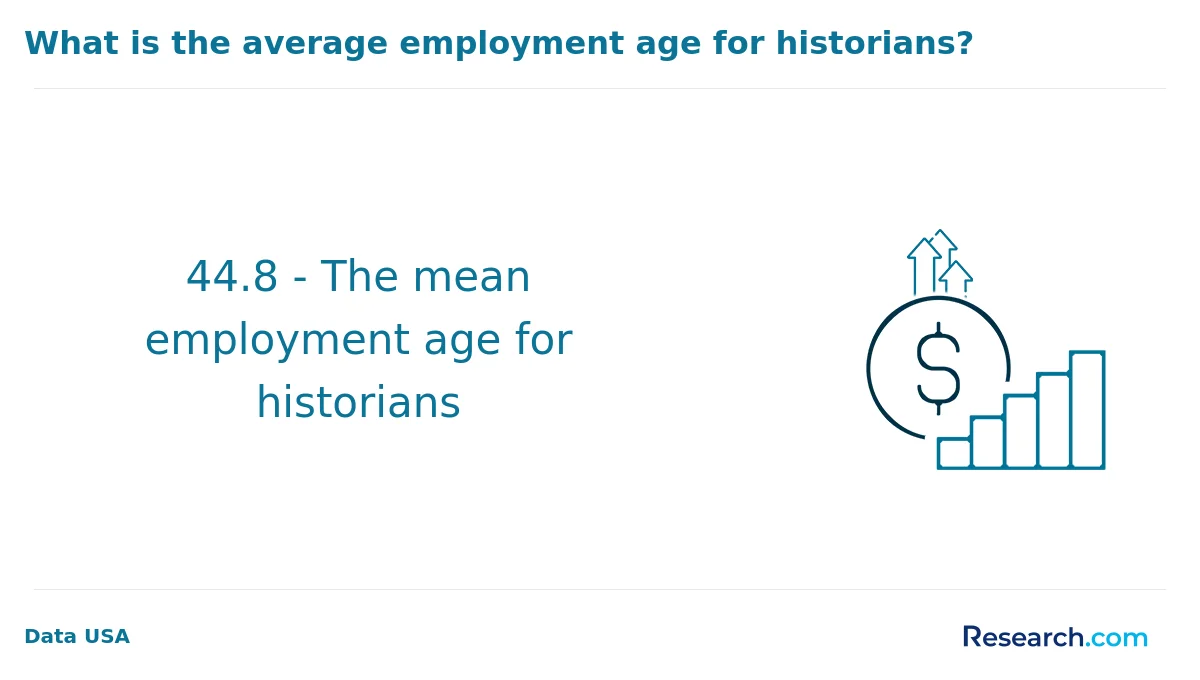
What financial aid is available to online history degree students in Texas?
Exploring financial aid for an online history degree in Texas reveals a treasure trove of opportunities that many students eagerly uncover. Graduates from universities like the University of Texas at Austin or Texas A&M often recall how the FAFSA unlocked federal grants, such as the Pell Grant, offering up to $7,395 to support their studies without the burden of repayment. This relief allowed them to dive deeper into historical research with less financial stress.
State programs like the Texas Grant and the Texas Educational Opportunity Grant also serve as vital lifelines. Imagine a student at Texas State University receiving thousands in aid simply by proving financial need, making their online history journey possible without overwhelming debt. Additionally, merit scholarships at these schools celebrate academic dedication and underrepresented voices in history, sparking pride and motivation among recipients.
Work-study options and employer tuition reimbursement often weave into this financial mosaic, providing flexible income to fund tuition and enrich the educational adventure at institutions like Sam Houston State University.
What are the prerequisites for enrolling in online history degree program in Texas?
Diving into an online history degree in Texas often means having your foundation set with a high school diploma or GED, just like many graduates from top schools like the University of Texas at Austin or Texas State University began their journeys. Imagine preparing for your first virtual semester, knowing you met the common 2.5 GPA bar that makes college-level work manageable and rewarding.
Many schools have embraced test-optional policies, so whether you've skipped the SAT or ACT or aced them, there's room to explore history on your own terms. Transfers tell stories of submitting transcripts showing 12-24 credit hours of college courses completed, feeling confident they're ready to build on past achievements.
Practical tech skills and a steady internet connection are just as critical-graduates often recall late-night discussions and assignment submissions in the virtual classroom, bridging Texas hills to their bedrooms. Some programs even ask for introductory social sciences courses, setting the stage for thrilling dives into historical mysteries across time.
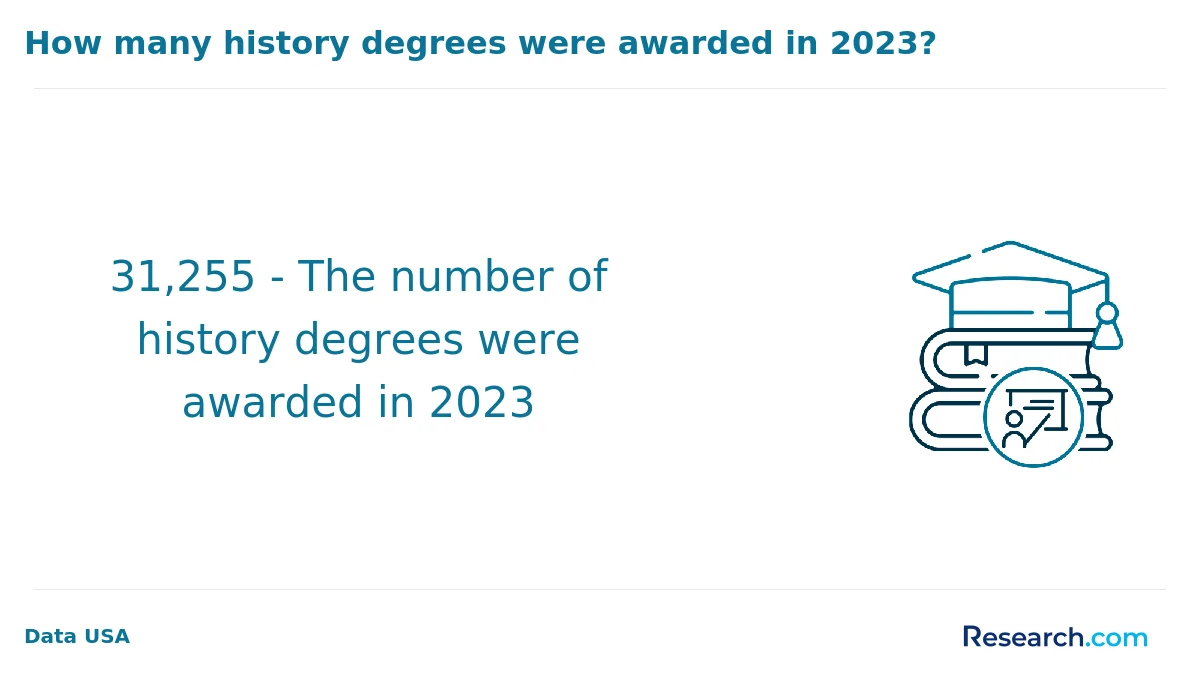
What courses are typically in online history degree programs in Texas?
Diving into an online history degree in Texas means embarking on a journey filled with fascinating courses that bring the past to life. Imagine exploring American history from colonial days right up to current times, or tracing the rise and fall of European empires-all from your own space. Graduates from well-known Texas institutions often recall how these foundational courses sparked their curiosity and gave them a solid grasp of history's big picture.
Beyond the basics, many students find themselves captivated by specialized classes like Historical Research Methods and Archival Studies and Digital History, where they learn to uncover hidden stories and bring forgotten voices into the spotlight. Texas-specific electives add another layer of excitement, diving into the state's vibrant past, including the Civil War's influence and the cultural evolution of the Southwest.
Students also relish choosing electives in areas like World War I and II, or Public History and Museum Studies, often discovering new passions. This blend of core and elective courses, typical of programs at Texas's top universities, creates an adventurous educational experience tailored to curious minds eager to connect the past with the present.
What types of specializations are available in online history degree programs in Texas?
Exploring online history degree specializations Texas offers feels like embarking on a thrilling treasure hunt through time. Many graduates from prominent universities in Texas dive into American History, often vibe with the rich stories of the Texas Revolution or civil rights movements that shaped the Lone Star State. Imagine tracing the footsteps of those who lived through epic moments right from your own home! Others venture into World History, unraveling tales from Europe to Asia and beyond, perfect for students eager to connect global dots and embark on careers in international relations or education.
Some graduates love the hands-on vibe of Public History, working with archives, museums, or preservation projects peppered across Texas's historic sites. Meanwhile, concentrations like Political History and Social History invite you to decode government shifts and social movements shaping today's world. For those curious about how these all tie together in a degree plan, many Texas colleges showcase their comprehensive history degree requirements online, making your academic adventure clear and accessible.
How do you choose the best online history degree in Texas?
Choosing the best online history degree in Texas begins with ensuring the program holds accreditation from respected bodies like SACSCOC. Graduates from institutions such as the University of Texas at Austin often share how this recognition gave them confidence that their credits and qualifications would be respected statewide and beyond. Cost also shapes the adventure-many find that affordable history degree programs Texas offer, like those at Texas State University, balance quality and price, especially with available scholarships and in-state tuition perks for online learners.
Flexibility in coursework transforms the experience. Imagine taking asynchronous classes that fit around your job or family life while diving deep into Texas and world history. Past students rave about how a well-rounded curriculum, including historiography and research methods, prepared them for thrilling careers. Speaking of career paths, tapping into internship opportunities with Texas historical archives or museums can bring history alive and open doors. Explore jobs for masters in history to see how these programs translate into real-world possibilities.
What career paths are available for online history degree students in Texas?
Graduates with an online history degree in Texas discover a vast array of exciting opportunities that reflect their passion for exploring the past. Many find themselves stepping into classrooms across the state, teaching history and social studies with enthusiasm, especially after earning the necessary certification. Popular universities have graduates who describe the joy of connecting Texas youth with their rich heritage, fueling a sense of pride and curiosity.
Others adventure into museums or archives, roles that let them preserve Texas' fascinating cultural stories. Whether as curators or archivists, they experience the thrill of safeguarding history for future generations. The vibrant job market for online history degree careers in Texas extends to research analyst roles and positions in nonprofit cultural organizations, where graduates feel inspired by making history relevant today.
Students often share how this degree prepared them for diverse paths, from library information specialists to historical writers, uncovering stories that shape public understanding. If you're looking for affordable online undergraduate history degrees, consider Texas institutions and explore options like those listed at affordable online undergraduate history degrees.
What is the job market for online history degree in Texas?
Exploring the online history degree job outlook Texas reveals a vibrant landscape filled with diverse roles. Graduates from popular institutions like the University of Texas at Austin or Texas State University often find themselves drawn to local museums or school districts, applying their knowledge to real-world projects and classroom settings. The steady demand for history teachers offers rewarding paths, where graduates enjoy sharing stories that bring Texas's rich past to life.
Those intrigued by public history thrive in cities such as Houston or San Antonio, working as curators or archivists. These roles provide hands-on experience with artifacts and community heritage, sparking excitement and a sense of contribution. Additionally, government agencies offer positions in historic preservation or urban planning, supporting cultural projects across Texas's bustling regions.
Many graduates enhance their career prospects by pursuing an online history masters, broadening their qualifications. With salaries ranging between $45,000 and $65,000, the journey can feel both adventurous and practical, blending passion with purpose in the Texas employment opportunities for history graduates.
Frequently Asked Questions About history
Online history degree students in Texas can maximize their learning by actively engaging with course materials and participating in virtual discussions. Many Texas universities offer access to extensive digital archives and libraries, such as the Texas Digital Archive, which enrich research options. Staying organized and setting a consistent study schedule helps accommodate the flexibility online programs provide. Additionally, connecting with professors and peers through forums or virtual office hours can deepen understanding.
The Texas Higher Education Coordinating Board reports that Texas enrolls thousands in history-related programs each year, highlighting the importance of accredited schools to ensure quality education. Utilizing local historical societies and resources can also provide practical insights.
Emerging niches within the history field reflect evolving academic and professional interests, especially relevant to Texas students pursuing online history degrees. One notable area is public history, where professionals work with museums, archives, and cultural sites to make history accessible to wider audiences. Texas offers many opportunities in this sector due to its rich local heritage and expanding cultural institutions.
Digital history is another growing field, combining historical research with digital tools like GIS mapping and data visualization. Universities in Texas are increasingly integrating these skills into their programs. Environmental history also gains traction, examining human interaction with Texas's diverse landscapes.
The U.S. Bureau of Labor Statistics projects 5% job growth for archivists and historians through 2032, with Texas seeing rising demand in these specialties tied to heritage management and technology. These niches appeal to those seeking careers beyond traditional teaching or research roles.
Preparing for the job market after completing an online history degree in Texas involves several key steps. Graduates should leverage internships and volunteer opportunities in museums, archives, or historical societies to gain practical experience. According to the Texas Historical Commission, such hands-on experience improves employment prospects significantly.
Networking is crucial. Joining local professional groups like the Texas State Historical Association can connect graduates with industry experts and job openings. It's also beneficial to develop strong research, writing, and digital literacy skills, highly valued in various fields from education to public history.
Finally, graduates should consider additional certifications or graduate studies to enhance competitiveness in the Texas job market, especially for roles in education or archival management.
Employers in Texas highly value history degree graduates who demonstrate strong research and analytical skills. These abilities enable graduates to evaluate diverse sources and construct well-supported arguments, which are essential in many professional settings. According to the Texas Higher Education Coordinating Board, critical thinking is among the top skills expected from humanities graduates.
Communication skills, both written and verbal, are also crucial. Graduates must clearly convey complex ideas, a skill sought after in education, public history, and government roles. Additionally, proficiency in digital tools for historical research, such as archives and databases, is increasingly important as Texas institutions digitize records.
Finally, employers appreciate graduates with cultural awareness and adaptability, reflecting Texas' rich and diverse history.
Finding internships in Texas relevant to a history degree involves several practical steps. Students should begin by exploring partnerships between their online program and local museums, historical societies, or archives. Texas hosts notable institutions such as The Texas State Historical Association and the Bullock Texas State History Museum, which often offer internships. Additionally, contacting university career centers can provide listings of opportunities specific to history majors.
Networking plays a crucial role. Joining professional organizations like the Southern Historical Association or local Texas history groups can help students access exclusive internship postings. Online platforms like Handshake and LinkedIn also list internships nearby.
Research from the National Association of Colleges and Employers (NACE) shows over 60% of internships result in job offers, making early and proactive searching essential. Internships in Texas often focus on archival work, public history, or educational program development, aligning well with history students' skills.
An online history degree in Texas can significantly enhance career mobility and advancement by equipping graduates with critical thinking, research, and writing skills valued across multiple sectors. According to the Texas Workforce Commission, jobs in education, public administration, and museums-common fields for history graduates-are expected to grow by around 5% through 2030.
Online programs offer flexibility for working professionals, allowing them to gain qualifications without interrupting their careers. This flexibility helps learners swiftly adapt to evolving job market demands.
Additionally, Texas ranks among the top states for public history jobs, especially in urban centers like Houston and Austin, where cultural institutions actively seek candidates with strong historical knowledge. This demand underlines the potential for career progression for holders of a history degree.
Studying for a history degree in Texas online equips students with skills valuable across multiple fields. Texas universities emphasize critical thinking, research, and clear communication-key competencies for interdisciplinary work. According to the Texas Higher Education Coordinating Board, history majors often collaborate with fields like political science, anthropology, and education.
Courses typically include training in data analysis, archival research, and cultural studies. Such diverse coursework helps students apply historical perspectives to contemporary issues in law, public policy, and business.
Many Texas programs also encourage internships and projects that connect history with other disciplines. This broad approach fosters adaptability, making graduates strong candidates for roles beyond traditional historian positions.
Choosing between a thesis and a non-thesis history degree program in Texas depends on your academic and career goals. Thesis programs often require original research and writing, preparing students for doctoral studies or research careers. According to the Texas Higher Education Coordinating Board, about 40% of Texas history master's programs offer a thesis option, which may lengthen the time to degree completion but provide deeper specialization.
Non-thesis programs focus more on coursework and practical skills, appealing to professionals aiming for roles in education, museums, or public history. These programs typically take less time, averaging two years. Online history degrees in Texas reflect this trend, offering flexibility for working adults.
Consider your future plans and preferred learning style. If you enjoy research and plan to pursue academia or advanced studies, a thesis track is advisable. For direct workforce entry or time efficiency, the non-thesis option often suits better.
Students based in Texas seeking to study history abroad through online degree programs have limited direct options. Most Texas universities offering online history degrees focus on coursework delivered within the U.S. higher education framework, with few curricula designed specifically around international study components.
However, some programs incorporate global history perspectives and virtual exchange opportunities. According to the Texas Higher Education Coordinating Board, Texas institutions increasingly partner with foreign universities for study abroad experiences, but these typically require physical presence rather than fully remote participation.
For fully online global history study, students might explore programs accredited in Texas but offered by universities with strong international digital collaborations. This approach aligns with U.S. Department of Education guidelines facilitating credit transfer and degree recognition.
Students pursuing online history degrees in Texas have several part-time job options that complement their education. Working as museum docents or tour guides is popular, especially in cities like Austin and Houston, which host numerous historical museums. These roles provide hands-on experience with historical interpretation and public speaking.
Internships at the Texas State Historical Association or local archives offer practical research skills. Additionally, part-time positions as library assistants or in university research projects help sharpen analytical abilities, vital for historians. According to the Texas Workforce Commission, education and library-related jobs in Texas are expected to grow by 9% through 2030, indicating expanding opportunities.
Online history students in Texas have several networking opportunities despite remote learning. Many Texas universities offering online history degrees provide virtual events, webinars, and discussion forums that connect students with faculty and peers. For example, the Texas Historical Commission often hosts online workshops and lectures that students can attend to meet professionals in the field.
Additionally, students can join statewide organizations like the Texas State Historical Association, which offers conferences and online resources accessible virtually, encouraging networking with historians and archivists across Texas. According to TSHA, over 7,000 members actively participate annually, providing robust professional connections.
Local history museums and societies sometimes allow online volunteers or remote internships, further expanding networking possibilities. These options help students build relationships beneficial for academic and career growth in history-related fields.
Alumni networks provide significant benefits for online history degree students in Texas by enhancing professional connections and career opportunities. Graduates can tap into a community of past students who understand the value of a Texas-based history education, fostering mentorship and job leads. According to the Texas Higher Education Coordinating Board, networking plays a crucial role in employment outcomes for graduates in humanities fields.
Many Texas universities have active online alumni groups that offer webinars, job boards, and historical research collaborations. These networks connect students with local museums, archives, and educational institutions, which are prominent employers of history graduates in the state. The sense of community can help online learners overcome geographic isolation, providing support and professional growth.
Customizing an online history degree in Texas allows students to align their studies with specific career goals. Many Texas institutions offer concentrations such as Public History, Museum Studies, or Texas and Southwestern History, enabling focused expertise. Students can often choose electives that relate to education, archival work, or cultural resource management, enhancing job readiness in those fields.
Additionally, some programs provide internships or project-based courses that connect theory with practical experience. According to the Texas Higher Education Coordinating Board, online history programs frequently emphasize research and writing skills, critical for careers in education, law, and public policy.
Students should review course options and speak with advisors to tailor their degree effectively.
Pursuing an online history degree in Texas presents a few notable challenges. Many students struggle with staying motivated and managing time effectively due to the self-paced nature of online courses. According to the Texas Higher Education Coordinating Board, nearly 35% of online learners report difficulties balancing studies with work and family obligations.
Another common issue is limited access to primary research materials. While Texas boasts rich historical archives, online students often face restricted physical access or lack robust digital resources from their institutions.
Additionally, some students find interaction with professors and peers less engaging compared to in-person settings, which can impact their critical thinking and writing skills essential for history degrees.
An online history degree from a Texas institution can open doors to several professional certifications. Graduates often pursue certifications in archival studies, such as becoming a Certified Archivist through the Academy of Certified Archivists. This credential is valuable for careers in museums, libraries, and government agencies. Another option is the Certified Genealogist credential, which supports work in historical research and genealogy, fields growing in Texas due to increasing interest in family history.
Additionally, Texas educators with a history degree may pursue teaching certifications, required by the Texas Education Agency to teach social studies. For those interested in preservation, the Certified History Associate designation from the National Council on Public History can improve job prospects. The availability of online coursework in Texas supports flexible preparation for these credentials.
Writing a winning application for an online history program in Texas requires clear demonstration of your passion for history and readiness for rigorous academic work. Start by highlighting relevant educational background or professional experience that proves your commitment to the field. Texas universities, such as the University of Texas at Austin and Texas State University, often expect well-crafted personal statements that link your interests to their program's strengths.
Provide specific examples of research projects, historical topics, or courses that have prepared you for online study, emphasizing skills like critical thinking and writing. According to the Texas Higher Education Coordinating Board, nearly 40% of history majors graduate within four years, so showing preparedness for disciplined study is crucial.
Additionally, tailor your application essays to address how the online format fits your learning style and career goals. This helps admissions see you as a motivated, self-directed student. Lastly, ensure all transcripts and recommendations are submitted on time, as Texas institutions maintain strict deadlines.
The global outlook on a history career is influenced by the growing demand for skills such as critical thinking, research, and cultural understanding. In the United States, including Texas, historians contribute to sectors like education, government, museums, and archives. According to the U.S. Bureau of Labor Statistics, employment of historians is projected to grow 6% from 2021 to 2031, reflecting steady interest worldwide.
Texas offers unique opportunities due to its diverse historical heritage and multiple universities providing online history degrees. Graduates can engage in international research or cultural preservation projects.
Globally, history majors are valued for their analytical skills, which are applicable in journalism, law, and public policy. This versatility supports diverse career paths beyond traditional academic roles, appealing to students seeking broad global employability.
Gaining practical experience while studying for an online history degree in Texas is essential for career preparation. Many online programs encourage internships at local museums, historical societies, or archives. These opportunities provide hands-on experience in research, preservation, and public history.
Additionally, Texas offers rich resources like the Texas State Library and Archives Commission, where students can engage in volunteer or paid roles. According to the Texas Higher Education Coordinating Board, nearly 30% of history majors participate in internships during their studies, enhancing their resumes and job readiness.
Networking through virtual conferences and Texas historical associations also helps students connect with professionals and find practical placements.
Choosing the right concentration within an online history degree program in Texas depends largely on your career goals and interests. Many Texas universities offer specializations such as Texas History, American History, Public History, or Museum Studies, reflecting the state's rich cultural and historical landscape.
Consider the types of careers each concentration can lead to. For example, focusing on Texas History may prepare you for roles in education, archival work, or government positions within the state. According to the Texas Higher Education Coordinating Board, history-related jobs in Texas are growing by about 5% annually.
Review program curricula carefully and seek concentrations offering courses aligned with your goals. Also, investigate faculty expertise and available internships. This approach ensures practical experience alongside academic learning, especially important in history degrees.
Related History Rankings for Nearby States
Top Trending History Rankings
References
- What Can I do With a History Degree? https://theinterngroup.com/our-blog/what-can-i-do-with-a-history-degree
- Making Sense of the Major: Studying History at College - Not Even Past https://notevenpast.org/making-sense-of-the-major-studying-history-at-college/
- Niche History Picks from EPOCH https://www.epoch-magazine.com/post/niche-history-picks-from-epoch
- How to Become a History Researcher: Steps and Career Outlook https://online.norwich.edu/online/about/resource-library/how-become-history-researcher-steps-and-career-outlook
- Jobs for History Majors: 12 Career Paths That Use Your Skills | Extern https://www.extern.com/post/jobs-for-history-majors-career-guide
- THE list of internships for history majors https://employedhistorian.com/history-major/internships-for-history-majors/
- How to Apply to Graduate School | Canadian Historical Association | Société historique du Canada https://cha-shc.ca/publications/employing-history-a-guide-to-graduate-school-and-navigating-the-job-market/how-to-apply-to-graduate-school/
- How a Strong Alumni Network Can Benefit Students https://www.pacificu.edu/blog/how-strong-alumni-network-can-benefit-students
- Online Degree vs. Traditional | University of Arkansas Grantham https://www.uagrantham.edu/blog/pros-cons-online-degree-vs-traditional-university/
- Engaging High School History Students - ClioVis https://cliovis.com/engaging-high-school-history-students/