2027 Easiest Online History Degree Programs Ranking in Massachusetts

Co-Founder and Chief Data Scientist
Choosing the right history degree program can feel overwhelming, especially with so many options available online. That's why this article is here to help.
We present the 2027 Easiest Online History Degree Programs Ranking in Massachusetts, crafted by the Research.com team of data scientists. This ranking highlights programs that make studying history accessible and manageable for busy students.
By exploring this guide, you'll discover programs that fit your lifestyle and goals, making it easier to pursue a valuable history degree with confidence. Your journey starts here.
Key benefits of getting online history degree in Massachusetts
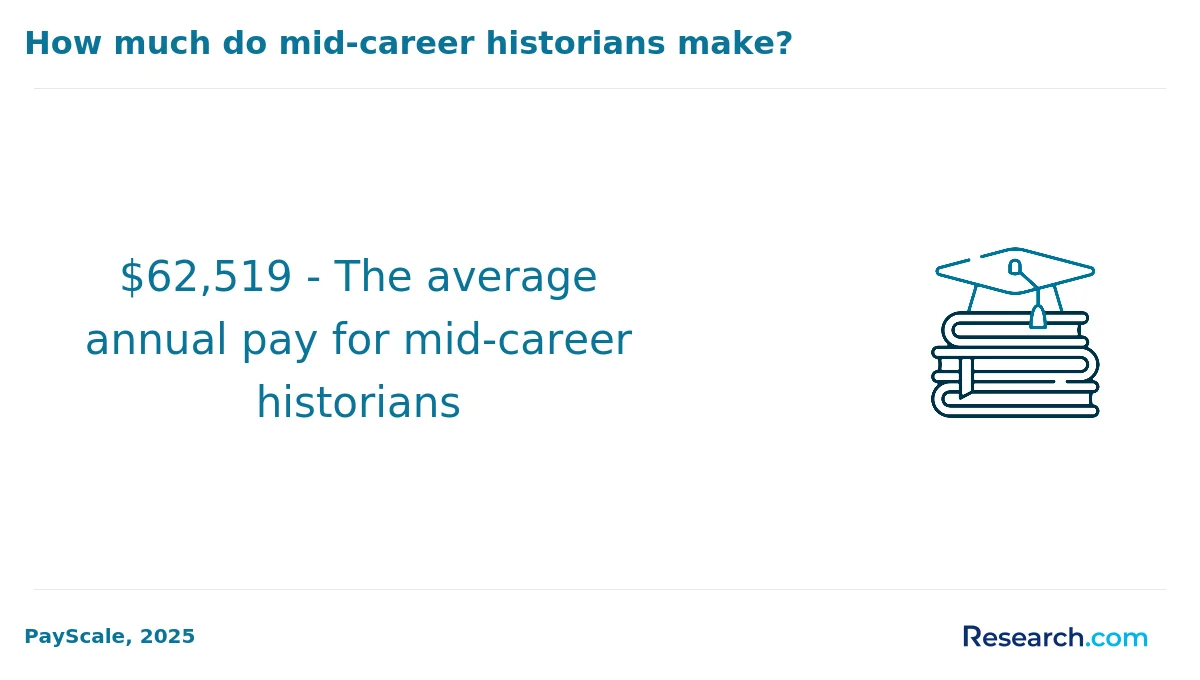
- Graduates with a history degree in Massachusetts often find rewarding careers in education and research, with median salaries typically around $62,000 annually in related fields across the U.S.
- Many history graduates from popular institutions like Boston University pursue diverse paths such as archivist, museum curator, or public historian, blending passion with professional opportunities.
- Completing a history degree online through schools like the University of Massachusetts offers flexible scheduling and the chance to balance work or family, making education more accessible and convenient.
- Key benefits of getting online history degree in Massachusetts
- What can I expect from online history degree in Massachusetts?
- Where can I work with online history degree in Massachusetts?
- How much can I make with online history degree in Massachusetts?
- 2027 Easiest Online History Degree Programs Ranking in Massachusetts
- Key Findings
- How long does it take to complete online history degree in Massachusetts?
- What's the difference between online and on-campus history degree?
- What is the average cost of online history degree in Massachusetts?
- What financial aid is available to online history degree students in Massachusetts?
- What are the prerequisites for enrolling in online history degree program in Massachusetts?
- What courses are typically in online history degree programs in Massachusetts?
- What types of specializations are available in online history degree programs in Massachusetts?
- How do you choose the best online history degree in Massachusetts?
- What career paths are available for online history degree students in Massachusetts?
- What is the job market for online history degree in Massachusetts?
- Related History Rankings for Nearby States
- Top Trending History Rankings
What can I expect from online history degree in Massachusetts?
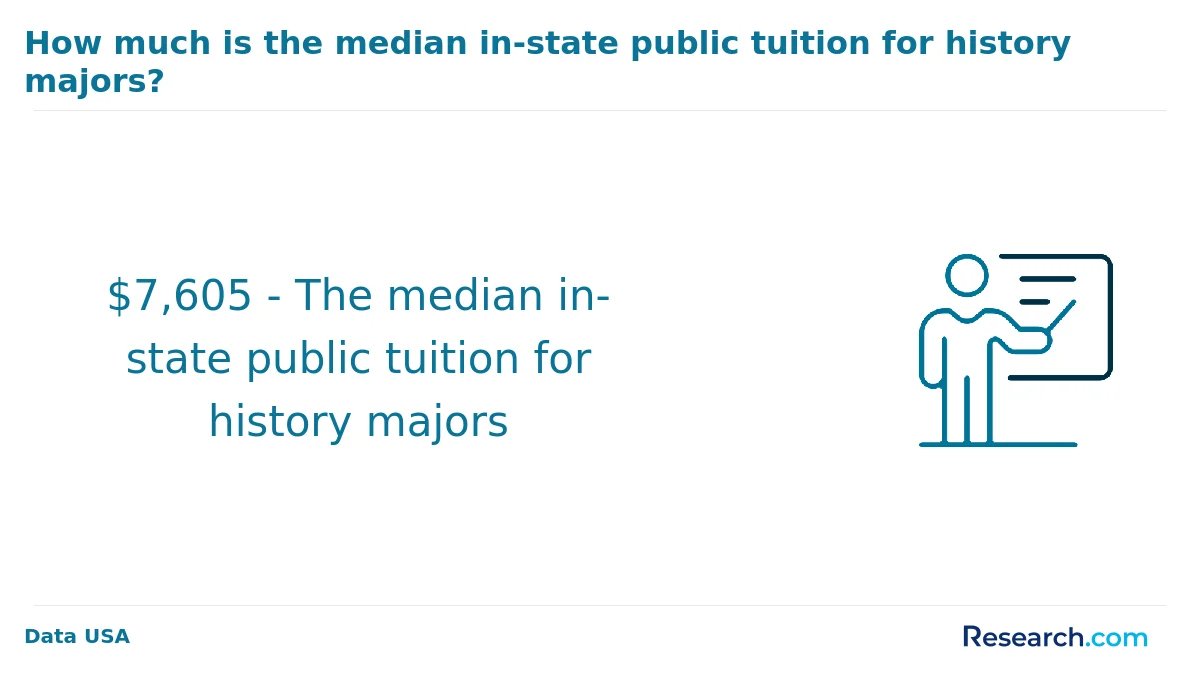
If you're looking at the cost of getting an online history degree in Massachusetts, you'll find it's pretty reasonable compared to many other programs. Most public universities, like Fitchburg State or Westfield State, charge between $10,000 and $15,000 a year for in-state students. That's a solid deal for a reputable online degree that lets you study American history or even dive into global topics from your couch.
Graduates often mention how the price made it easy to balance their budget while still getting a quality education that's recognized across the country. Plus, many of them managed to snag financial aid or scholarships to ease the costs even further. Imagine logging in for a lecture on colonial history after a day's work and knowing you're investing in a degree that won't break the bank-that's the kind of flexibility and affordability Massachusetts schools offer.
The cost reflects the value of studying with professors who really get the local history scene, which makes learning feel much more alive and relevant.
Where can I work with online history degree in Massachusetts?
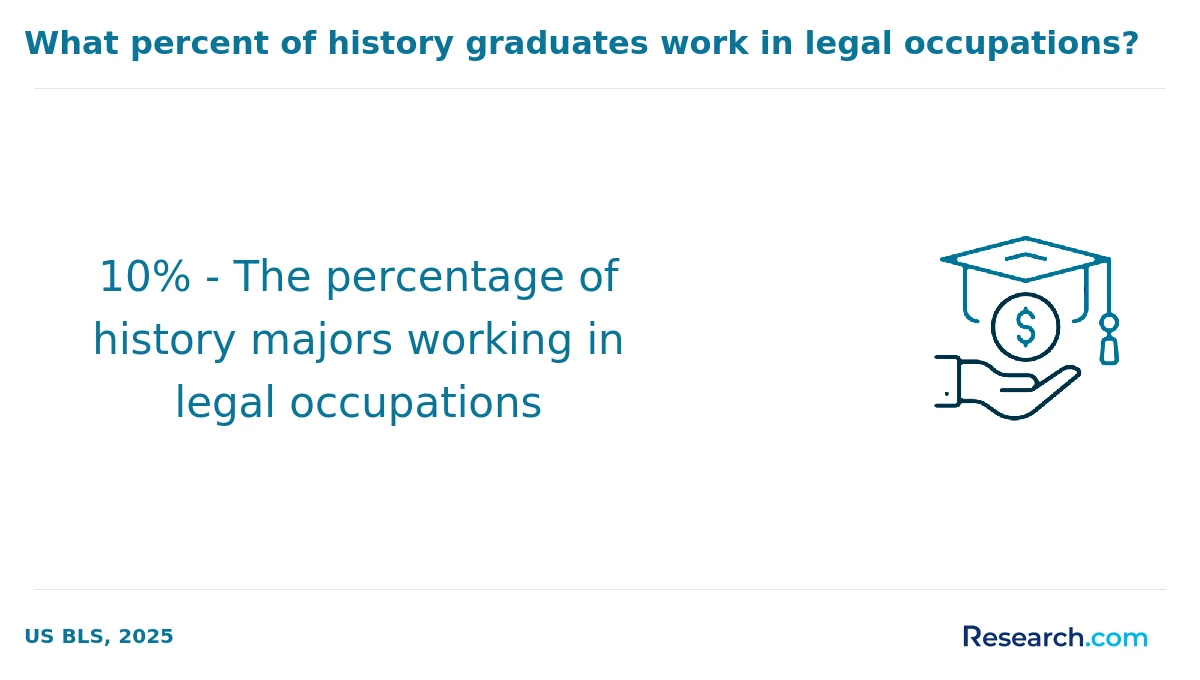
If you earn an online history degree in Massachusetts, you can dive into a bunch of cool careers right in your backyard. Graduates from places like UMass Amherst or Boston University often find themselves teaching social studies in high schools or community colleges, where the demand and pay are solid-think around $80K a year. It's pretty rewarding to share your love of history with students and watch them get excited about the past.
Others snag jobs working with historic sites like the Freedom Trail or at local museums in Boston. Imagine helping preserve the Salem Witch Trials landmarks or curating exhibits that people from all over the world visit-many grads love being part of that.
Working for the Massachusetts government is another popular route. Whether researching at the Archives or shaping policies in city planning, history grads bring valuable skills and can make about $70,000 annually.
Plus, there are gigs in media, publishing, and communications. Many grads enjoy using their research and writing talents to consult on documentaries or craft engaging stories about Massachusetts' rich history. It's a perfect match for anyone who loves mixing creativity with facts.
How much can I make with online history degree in Massachusetts?
If you earn an online history degree in Massachusetts, you can generally expect to make between $50,000 and $90,000 a year, depending on your career path and experience. For instance, historians working in federal agencies around Boston may see salaries over $90,000, which definitely makes the challenging research work feel rewarding. On the other hand, graduates landing jobs at local museums or colleges might start closer to $50,000-$60,000, which still covers the cost of living comfortably around the state.
Many grads from popular schools like UMass Amherst and Boston University find this salary range reflects their hands-on experience in internships or research projects. If you choose to become an archivist, your paycheck often averages around $52,000, which is a solid start for preserving important historical records and stories.
Postsecondary teachers in history can earn anywhere from $60,000 to $85,000, especially if you snag a position at one of Massachusetts' well-known four-year universities. With some extra credentials or experience, salaries can climb even higher, making the degree a smart investment.
2027 Easiest Online History Degree Programs Ranking in Massachusetts
How do we rank schools?
Investing in your education is a significant decision that can shape your future, and the Research.com team understands the importance of making informed choices. To assist prospective students in Massachusetts, we have meticulously crafted the "2027 Easiest Online History Degree Programs Ranking in Massachusetts." Our commitment to quality, credibility, and accuracy is reflected in the extensive research and analysis conducted to compile this ranking.
We utilized the following reputable data sources to ensure a comprehensive evaluation of history degree programs:
By exploring this ranking, readers will gain valuable insights into the easiest online history degree programs available in Massachusetts, helping them make informed decisions tailored to their educational needs. For more details on our methodology, please visit our Research.com methodology page.


Key Findings
- Tuition for online history bachelor's degrees in Massachusetts ranges from $25,000 to $45,000, with public universities offering lower rates for in-state students.
- Financial aid, grants, and scholarships are often available specifically for online history degree students.
- Starting salaries for history graduates in Massachusetts average between $40,000 and $45,000 per year.
- Experienced graduates can earn over $60,000 annually, especially those with advanced degrees or specialized skills.
- Many programs require some local exam proctoring or occasional campus visits to maintain academic integrity.
- Job opportunities are concentrated in education, research, museums, government agencies, and cultural organizations, particularly in urban areas like Boston.
How long does it take to complete online history degree in Massachusetts?
If you're looking to complete an online history degree in Massachusetts, the timeline really depends on how you approach it. Most full-time students at popular schools like UMass Amherst or Boston University finish their bachelor's degrees in about four years. That's pretty much the standard pace, and many graduates say it feels manageable, especially with online flexibility.
Now, if you're juggling work or family, like many part-time students in the Bay State, you might stretch it out to five or six years. Some have found that going slower helps them actually enjoy the learning without burning out.
There are also accelerated programs, which some students love because you can potentially finish in just three years if you're motivated and can test out of certain classes. On the master's side, online history degrees typically wrap up in about 1.5 to 2 years, which recent grads say is intense but rewarding.
Plus, if you transfer credits from other schools, you can shave off time easily-some say losing a year or two made a huge difference in their journey.
What's the difference between online and on-campus history degree?
If you're thinking about studying history in Massachusetts, the biggest difference between online and on-campus degrees really comes down to how you want to learn. Online programs, like those offered by some state universities, let you dive into courses from anywhere-perfect if you're juggling work or live far from Boston or Worcester. You can watch lectures and do assignments on your own schedule, which many find super convenient.
On-campus programs, like the ones at Boston University or Amherst College, offer a whole different vibe. Imagine chatting face-to-face with professors who are experts on local Massachusetts history or exploring archives at the Massachusetts Historical Society between classes-students love that hands-on experience. Plus, campus life means events and clubs where you can meet fellow history buffs and build connections.
Graduates often share that online study boosts their self-discipline, while on-campus feels more immersive and social. Just keep in mind, some online programs might still ask for occasional campus visits. It's about figuring out what fits your style and life best.
What is the average cost of online history degree in Massachusetts?
If you're looking into the average cost of online history degree in Massachusetts, you'll find it generally runs around $19,200 for the whole program, which feels pretty reasonable compared to many other states. Students from UMass Online often share how knowing the cost upfront helped them budget better and appreciate the flexibility without breaking the bank. For example, while the University of Massachusetts charges about $350 per credit for in-state students, private schools like Northeastern tend to be pricier, sometimes reaching $45,000 annually, but many grads mention that scholarships and aid really help ease those costs.
The thing to remember is tuition isn't the only expense. Fees for technology, course materials, and occasional travel for in-person exams can add up, but many online history students say these fees feel manageable when weighed against the benefits of studying at a top Massachusetts university from home. Considering Massachusetts online history degree tuition and fees, it's clear that being in-state offers some financial relief, making it an attractive option for locals.
Graduates from these programs often describe their experience as both affordable and rewarding, highlighting the value of learning from distinguished faculty without the high cost of on-campus housing and commuting. If you want to explore different options and understand what fits your budget and goals, check out different history degrees to see what's available nationwide.
What financial aid is available to online history degree students in Massachusetts?
If you're diving into an online history degree in Massachusetts, you'll be glad to know there's a good mix of financial aid out there to help ease the load. Lots of students at places like UMass Amherst or Boston University start with the FAFSA to grab Pell Grants, which can cover a big chunk of those tuition bills - up to $7,395 in 2024! That alone can feel like a huge relief when managing costs.
Massachusetts also pitches in. Many learners snag state scholarships like the MassGrant or the John and Abigail Adams Scholarship if they meet the criteria, which really helps when studying at local public universities online. Some graduates recall feeling extra grateful for these because it made balancing work and school less stressful.
Then there's institutional aid - these are scholarships or grants offered right from your school based on merit, community service, or financial need. Around 60% of students nationwide benefit, and history majors in Massachusetts are no exception.
Plus, if you're working while studying, your job might chip in through tuition assistance. Just imagine combining all these supports - it makes finishing your history degree online way more doable and less daunting.
What are the prerequisites for enrolling in online history degree program in Massachusetts?
If you're thinking about enrolling in an online history degree in Massachusetts, you'll want to have your high school diploma or GED ready - that's a must-have for almost every program. Graduates from popular schools like UMass Amherst often mention how important their solid reading and writing skills were before they even started. Many programs here don't always push for SAT or ACT scores because of test-optional policies, but some still ask for them, so it's a good idea to check what each college wants.
Students from well-known community colleges share that completing general education classes or showing college readiness really helped ease their transition into online bachelor's history programs. Plus, having some background in social studies or English from high school sets you up for success when digging into historical texts and critical analysis.
For those eyeing graduate history degrees, having a bachelor's-ideally with history-related courses-is key. Letters of recommendation and personal statements also pop up sometimes, helping the school get a better feel for your passion and skills. The whole process feels doable when you know what to expect.
What courses are typically in online history degree programs in Massachusetts?
If you're diving into an online history degree in Massachusetts, expect to explore a mix of courses that really bring the past to life. Graduates from well-known schools like UMass or Northeastern love how they get to study everything from U.S. History during colonial days to sweeping world civilizations. Many share how exciting it was to dig into European history, especially the Renaissance and modern eras, making those old events feel surprisingly relevant today.
Massachusetts programs often toss in special regional courses, too-think the American Revolution or Boston's pivotal role in U.S. history. Many students say learning about local stories, like indigenous peoples of the Northeast, gave them a fresh connection to their own communities.
Plus, hands-on classes in research methods and critical analysis aren't your typical lectures. Graduates show how these skills helped them confidently handle archives, evaluate sources, and tell compelling stories-something that really fires up anyone considering a career in museums or education.
What types of specializations are available in online history degree programs in Massachusetts?
If you're looking into an online history degree in Massachusetts, you'll find plenty of specializations to choose from that really let you zero in on what excites you most. Many students love diving into American history, focusing on Colonial America, the Revolution, or even the Civil War-perfect if you're fascinated by Massachusetts' deep colonial roots and its role in the nation's birth. Other grads have really enjoyed exploring European history, covering everything from Ancient times to modern politics, sometimes focusing on British history or specific countries.
Some programs mix things up with concentrations like world history, military history, public history (think museums and archives), or social and cultural history, which covers movements around race, gender, and class. Folks studying at top schools in Massachusetts often find these specializations help make their online learning more engaging and relevant to their interests. If you're curious about careers with a history degree, picking the right concentration here can really set you up for success.
Massachusetts online history degree concentrations give you the flexibility to tailor your studies, whether you're dreaming of research or working in cultural heritage. Many graduates appreciate how these options reflect their personal passions, making their journey feel much more rewarding.
How do you choose the best online history degree in Massachusetts?
Choosing the best online history degree in Massachusetts means looking beyond the name of the school. Graduates from popular colleges like UMass or Boston University often say what really made a difference was the flexible schedule and classes focused on Massachusetts and New England history-something you won't get everywhere. You want a program that's regionally accredited so your credits transfer easily, making it easier if you want to shift schools or go for a graduate degree later.
Also, check out programs known for having professors who actually research local history-they usually bring the subject to life with stories and real-world examples. Many students appreciate how these classes dive into not just world history but also what shaped Massachusetts. This kind of vibe is important if you want to feel connected while studying online.
Don't forget costs-public schools here average about $14,000 a year for in-state tuition, much more affordable than private options. With the best affordable online history degree Massachusetts has to offer, you might find pricing that fits your budget. Some grads shared how scholarships and financial aid made a big difference in managing expenses.
Lastly, consider what you want after graduation. If you're curious about history ma jobs, try programs that build connections with local museums or archives. For more insight on careers, it helps to explore resources like history ma jobs to see where your degree can take you.
What career paths are available for online history degree students in Massachusetts?
If you're wondering what career paths are available for an online history degree in Massachusetts, the options are pretty exciting and varied. Many graduates find themselves teaching history or social studies at local high schools, especially since Massachusetts is known for its strong public education system. Others dive into museum work-curating exhibits or preserving artifacts at places like the Massachusetts Historical Society or the Boston Freedom Trail. It's a cool way to bring history to life for the community.
Some grads use their skills in government roles, researching policies or helping manage historical sites, which is perfect given Massachusetts' rich colonial background. Others take a different route, leveraging their critical thinking and writing talents in private sectors like corporate communications or market research. Many students from popular colleges share how their degree unlocked doors in these diverse areas, showing that job opportunities with history degree Massachusetts are truly broad.
Looking for affordable history online programs? Check out affordable history online programs to find options that fit your budget and goals.
What is the job market for online history degree in Massachusetts?
The job market for an online history degree in Massachusetts is pretty welcoming, especially if you're aiming to work in education, museums, or government roles. Graduates from popular schools like Boston University or UMass often land positions as teachers, museum curators, or archivists, thanks to the strong network of historical institutions here. Many alumni share how the local emphasis on cultural preservation and history makes finding niche work easier compared to other states.
Plus, the salary for history-related careers in Massachusetts tends to be higher than the national average - which is a nice bonus when you consider the cost of living. Graduates also highlight how gaining additional skills in digital archiving or grant writing can really boost their prospects.
If you're curious about where to start, checking out history masters degrees online can open doors to advanced roles without disrupting your routine. Exploring these programs offers a great balance of flexibility and connection to Massachusetts' rich history scene.
Frequently Asked Questions About history
Online history degree students in Massachusetts can enhance their learning by actively engaging with digital archives and resources offered by state institutions. The Massachusetts Digital Commonwealth provides access to thousands of historical documents, which enrich understanding beyond textbooks. Students should also participate in virtual discussions and utilize collaboration tools to connect with peers and faculty, fostering critical thinking.
Leveraging local historical societies, such as the Massachusetts Historical Society, for research projects can provide valuable primary sources. Many online programs incorporate oral history methods-taking advantage of community interviews brings history to life. Massachusetts reports a 12% growth in online learners pursuing liberal arts degrees, suggesting robust support networks and resources available statewide.
The field of history is expanding in diverse ways, especially relevant to online programs in Massachusetts. Emerging niches include public history, which focuses on engaging communities through museums, archives, and cultural institutions. Digital history is rapidly growing, involving the use of technology to analyze and present historical data online. Another important area is environmental history, reflecting Massachusetts' rich natural and colonial heritage. Labor history remains significant, given the state's industrial past and worker movements. Research from the Massachusetts Historical Society highlights increasing student interest in these areas, reflecting a broader trend toward interdisciplinary approaches within history education nationwide.
After completing an online history degree in Massachusetts, students should focus on building practical skills that appeal to employers. Gaining experience through internships or volunteer positions with local museums, archives, or historical societies enhances resumes and networking opportunities. According to the Massachusetts Historical Society, hands-on work is highly valued in the job market. Strong research, writing, and critical-thinking abilities developed during the degree can be showcased by creating digital portfolios or publishing articles.
Networking is crucial; attending conferences and joining professional organizations like the Massachusetts Historical Society helps graduates connect with potential employers. Many graduates pursue roles in education, public history, or government, where a deep knowledge of Massachusetts history is an asset.
Employers in Massachusetts highly value history degree graduates who demonstrate strong research and analytical skills. These skills enable graduates to critically evaluate sources and construct well-supported arguments, a fundamental ability in many professional settings.
Communication skills are also essential. Graduates must effectively convey complex historical information in clear, concise writing and presentations, as employers often require teamwork and public engagement.
According to the Massachusetts Executive Office of Labor and Workforce Development, about 30% of jobs related to history degrees involve data interpretation, reinforcing the importance of attention to detail and quantitative reasoning.
Technological proficiency, including familiarity with digital archives and databases, is increasingly sought after, reflecting the digitization trend in historical research.
Finding internships relevant to a history degree in Massachusetts involves leveraging both academic and community resources. Many universities, such as the University of Massachusetts and Harvard Extension School, maintain partnerships with local museums, archives, and historical societies, which provide valuable internship opportunities. Students should also explore institutions like the Massachusetts Historical Society and the American Antiquarian Society, known for offering internships that focus on archival research and preservation.
Additionally, websites like Handshake and the Massachusetts Department of Higher Education's internship portal list history-related positions across the state. Given that Massachusetts has over 300 museums and historical sites, students have a broad network to connect with. Internships often emphasize experience in research, curation, and public history, essential skills for careers in the field.
In Massachusetts, an online history degree can significantly enhance career mobility and advancement, especially in fields like education, research, and public history. According to the Massachusetts Department of Labor, positions requiring historical expertise are expected to grow by 5% through 2030. Earning this degree online offers flexibility, allowing students to maintain employment while upgrading their qualifications.
Employers in Massachusetts increasingly value the critical thinking, research, and communication skills that history graduates bring. Online programs accredited by regional bodies meet the same standards as traditional degrees, ensuring credential recognition.
Graduates often advance to roles such as museum curators, archivists, or educators, benefiting from the state's rich cultural sector and numerous history-focused institutions.
Studying for a history degree in Massachusetts offers a strong foundation for interdisciplinary roles by combining traditional historical methods with skills from other fields. Many Massachusetts institutions emphasize critical thinking, research, and communication, which are essential across professions such as law, education, public policy, and museum curation. According to the Massachusetts Department of Higher Education, graduates often gain experience with digital humanities tools and archival research, blending history with technology and information management.
Additionally, Massachusetts' rich historical context provides unique opportunities for students to engage with public history projects, bridging history with community development and cultural preservation.
Choosing between a thesis and a non-thesis online history degree program in Massachusetts depends largely on your academic and career goals. A thesis option typically involves original research and a formal written dissertation, which can be beneficial if you plan to pursue further graduate study or a research-focused career. Non-thesis programs often emphasize coursework and exams, appealing to students seeking to enter teaching, public history, or other professional roles more quickly.
Massachusetts hosts several accredited institutions offering both options, such as the University of Massachusetts system. According to the National Center for Education Statistics, about 40% of history graduate students in Massachusetts choose thesis tracks, reflecting a strong research emphasis statewide.
Consider your readiness for intensive research and writing, as thesis programs demand significant self-motivation and expert faculty support. Conversely, non-thesis tracks may allow more flexibility, ideal for working professionals balancing studies with other commitments.
Students based in Massachusetts seeking to study history abroad have several options through online degree programs and study abroad partnerships. Many Massachusetts institutions, such as UMass Amherst, offer online history degrees with opportunities to participate in faculty-led study abroad programs during summer or winter terms.
These programs often include travel to historical sites across Europe, Latin America, or Asia, providing immersive learning experiences complementary to online coursework. According to the Institute of International Education, nearly 20% of Massachusetts undergraduates engage in study abroad, a significant portion from humanities disciplines like history.
Additionally, some online programs partner with foreign universities, allowing students to take courses abroad remotely or transfer credits. Such hybrid models help Massachusetts students gain international perspectives while completing degrees domestically.
In Massachusetts, part-time job opportunities that complement an online history degree include positions in museums, archives, and libraries. Many institutions, such as the Massachusetts Historical Society and the Boston Public Library, offer part-time roles in research assistance, archiving, and public programming. These jobs provide hands-on experience related to historical research and preservation.
Additionally, local historical societies often seek part-time educators or tour guides, allowing students to apply their historical knowledge in community settings. According to the Massachusetts Executive Office of Labor and Workforce Development, cultural and educational sectors are expected to grow by 5% through 2028, increasing opportunities for history graduates.
Online history students in Massachusetts have various networking opportunities despite remote study. Many state universities with history programs, such as the University of Massachusetts system, host virtual events and webinars that connect students with faculty, alumni, and local historians. These online platforms often include discussion boards and group projects fostering interaction among peers.
Students may also join professional organizations like the Massachusetts Historical Society and the New England Historical Association. These groups offer conferences, lectures, and internships ideal for expanding professional contacts.
Massachusetts benefits from rich historical resources and institutions, providing online students with access to virtual archives and speaker series. Such involvement helps build connections crucial for careers in education, research, and cultural institutions.
Alumni networks offer significant advantages for students pursuing online history degrees in Massachusetts. These networks connect current students with graduates who have firsthand experience navigating the local academic and professional landscapes. Through mentorship, students gain valuable insights into historical research opportunities and job markets tailored to Massachusetts.
Many Massachusetts-based universities maintain robust alumni organizations that host webinars, networking events, and job fairs. For example, the Massachusetts Historical Society often collaborates with alumni for internships and project opportunities.
Research from the National Association of Colleges and Employers shows that 85% of jobs are filled through networking, highlighting alumni connections as a crucial resource.
Customizing an online history degree program in Massachusetts involves selecting courses that align with your career goals, such as museum work, education, or research. Many Massachusetts institutions offer elective options focusing on areas like American, European, or Massachusetts colonial history.
Students can often choose to concentrate on archival studies, public history, or digital humanities, enhancing skills valued by employers in those fields. According to the Massachusetts Department of Higher Education, flexibility in course selection is a key benefit of online programs, allowing part-time studies that fit work schedules.
Advisors at these schools help tailor degree plans to match professional aims, facilitating internships or independent research projects with local historical organizations.
Online history students in Massachusetts often face several challenges that can impact their academic success. One common issue is time management, as many learners balance coursework with work or family commitments. According to the National Center for Education Statistics, nearly 60% of online students nationwide juggle multiple responsibilities, making self-discipline crucial.
Another challenge is access to local archival resources. While Massachusetts has rich historical archives, remote students may find it difficult to utilize these materials effectively without visiting in person. Some programs offer digital collections, but availability varies.
Additionally, online students sometimes struggle with limited interaction with peers and professors, which can affect engagement and motivation. Effective communication tools and virtual study groups can help mitigate this issue, yet these solutions depend on student initiative.
With an online history degree, you can pursue various professional certifications that enhance career opportunities. One common path is obtaining a teaching certificate if you plan to work in Massachusetts public schools. The Massachusetts Department of Elementary and Secondary Education offers certification in history or social studies for secondary education.
Additionally, certifications in archival studies or museum management can be pursued through programs such as those offered by the Society of American Archivists or the American Alliance of Museums. These often require specialized training beyond a history degree but complement its skills well.
For those interested in public history or cultural resource management, certificates in historic preservation are available through institutions like Boston University and others in Massachusetts.
These certifications help graduates leverage their degree in education, preservation, or public service roles.
Applying to an online history degree program in Massachusetts requires a focused and well-prepared application. Start by researching programs accredited by the New England Commission of Higher Education (NECHE) to ensure quality education. Highlight your academic background, particularly coursework related to history, social sciences, or writing. Massachusetts values applicants who demonstrate strong critical thinking and research skills, essential for success in history studies.
Include a compelling personal statement that explains your interest in history and how the program aligns with your career goals. Adhere to application deadlines, typically between January and March for fall admission, to improve your chances. Massachusetts institutions like UMass and Salem State often require letters of recommendation and transcripts; providing these promptly will strengthen your application. Additionally, emphasize any relevant volunteer or work experience in historical research or museums, which reflects practical engagement with the field.
The career outlook for history graduates in Massachusetts reflects broader trends in the United States, where global perspectives emphasize versatility and critical thinking. According to the U.S. Bureau of Labor Statistics, historian roles are expected to grow about 5% from 2021 to 2031, aligning with average national job growth. Many history degree holders in Massachusetts work in education, public history, or research, fields that increasingly value skills in digital archives and cross-cultural analysis.
Globally, history careers involve understanding diverse cultures and global events, making graduates valuable in museums, international nonprofits, and government positions. Massachusetts' robust academic and cultural institutions provide strong opportunities for history graduates to engage in global discourse.
Gaining practical experience while pursuing an online history degree in Massachusetts is essential for applying academic knowledge. Students can seek internships at local museums, historical societies, or archives such as the Massachusetts Historical Society, which offers opportunities to work on research projects and public history initiatives.
Many Massachusetts universities with online programs also encourage participation in virtual internships or research assistant roles, allowing students to gain hands-on experience remotely.
Additionally, joining online history forums and contributing to digital history projects can broaden practical skills. The state's rich colonial and revolutionary history provides ample material for student-led research and community engagement.
Choosing the right concentration within an online history degree program in Massachusetts depends on your interests and career goals. Common concentrations include American history, world history, and specialized fields like public history or historical preservation. Massachusetts schools often offer access to rich local archives and historical sites, beneficial for research and internships.
Consider your long-term plans: for example, public history concentrations prepare students for museum or archive work, while American history might suit those aiming for teaching or academic roles. According to the Massachusetts Department of Higher Education, 30% of history graduates pursue education careers, highlighting the importance of aligning your concentration with job market trends.
Review course offerings carefully and look for programs that provide a balance of theory and practical experience, including internships. Many online programs in Massachusetts emphasize flexible learning schedules, which can help working professionals advance their education without disrupting their careers.
Related History Rankings for Nearby States
Top Trending History Rankings
References
- How to Apply to Graduate School | Canadian Historical Association | Société historique du Canada https://cha-shc.ca/publications/employing-history-a-guide-to-graduate-school-and-navigating-the-job-market/how-to-apply-to-graduate-school/
- 5 Must-Have Experiences for History Graduate Students - Liz Covart https://www.lizcovart.com/blog/5-must-have-experiences-history-graduate-students
- Top Niche Historical Topics for Deep-Dive High School Projects https://riseglobaleducation.com/blogs/top-niche-historical-topics-for-deep-dive-high-school-projects
- How to Become a History Researcher: Steps and Career Outlook https://online.norwich.edu/online/about/resource-library/how-become-history-researcher-steps-and-career-outlook
- What Can I do With a History Degree? https://theinterngroup.com/our-blog/what-can-i-do-with-a-history-degree
- 2025 Most Affordable Online History Degrees https://www.onlineu.com/most-affordable-colleges/history-degrees
- Finding Networking Opportunities as a Student | National Society of High School Scholars https://www.nshss.org/resources/blog/blog-posts/how-to-find-networking-opportunities-as-a-student/
- THE list of internships for history majors https://employedhistorian.com/history-major/internships-for-history-majors/
- Join the Alumni Network - National History Day https://nhd.org/en/get-involved/join-the-alumni-network/
- Master's History Application - Sample Letter (EN) https://ai.mystudies.com/blog/mystudies-writing-examples/application-for-master-program-history-20-06-2025.html