2027 Easiest Online History Degree Programs Ranking in Tennessee

Co-Founder and Chief Data Scientist
Choosing the right history degree program can feel overwhelming, especially when balancing work and life. That's why the 2027 Easiest Online History Degree Programs Ranking in Tennessee, created by the Research.com team of data scientists, is here to help you make an informed choice.
In this article, you'll discover programs that offer flexible learning without sacrificing quality. Pursuing a history degree can open doors to exciting careers and deepen your understanding of the world. Reading this will guide you toward a path that fits your goals and lifestyle.
Key benefits of getting online history degree in Tennessee
- History degree graduates in Tennessee can pursue rewarding careers such as museum curators or archivists, with median salaries around $56,000 to $60,000 per year nationally, offering financial stability and growth potential.
- Many graduates from the University of Tennessee have successfully entered diverse fields including education, public history, and research, showing that a history degree opens doors to exciting and meaningful career paths.
- Completing a history degree online from schools like Middle Tennessee State University provides flexibility for working adults, allowing students to balance studies with personal commitments while gaining the same respected credential as traditional programs.
- 2027 Easiest Online History Degree Programs Ranking in Tennessee
- What can I expect from online history degree in Tennessee?
- Where can I work with online history degree in Tennessee?
What can I expect from online history degree in Tennessee?
The average cost of an online history degree in Tennessee is often more affordable than many expect, especially when you consider the in-state tuition benefits at public universities like the University of Memphis or Middle Tennessee State University. Graduates frequently share how these programs allowed them to balance work and family life while pursuing a degree without the stress of overwhelming debt.
Many students treasure the flexible learning formats that these institutions provide, enabling them to study asynchronously around their schedules. This flexibility means you can engage deeply with Tennessee's rich historical narratives-whether exploring the Civil War or local cultural heritage-without sacrificing personal or professional commitments.
The financial accessibility paired with dedicated academic support, including virtual tutoring and career services, gives students confidence and motivation throughout their journey. Graduates often express pride in earning a degree that not only honors their passion for history but also prepares them for meaningful careers in education, public history, and beyond-all while feeling supported and valued every step of the way.
Where can I work with online history degree in Tennessee?
Graduates with an online history degree from popular Tennessee universities, such as the University of Tennessee or Middle Tennessee State University, find rewarding opportunities in education, often becoming high school teachers or college instructors. These roles allow them to share their passion for history while shaping future generations, fulfilling a vital need across the state.
Many also thrive working in Tennessee's rich cultural institutions like the Tennessee State Museum or East Tennessee Historical Society, engaging in exhibit design, research, and collection management. These graduates feel proud knowing they help preserve Tennessee's unique Civil War and Native American heritage.
Others choose public service careers, contributing to cultural heritage projects at the Tennessee State Library and Archives. They enjoy the meaningful work of safeguarding public records and making history accessible to communities.
With over 2,300 sites on the National Register of Historic Places, Tennessee offers exciting roles in historic preservation and cultural resource management, where graduates use their skills to protect the past while supporting modern growth.
Finally, many channel their research and communication talents into journalism, nonprofit work, or corporate research, celebrating the flexibility and value their online degree provides across diverse career paths.
Graduates with an online history degree in Tennessee can anticipate rewarding career paths with solid earning potential. Many find fulfilling roles as middle and high school teachers, earning between $40,000 and $60,000 annually depending on their district and experience. Those who continue at state universities or colleges with respected history programs often progress to postsecondary teaching positions, where the median wage rises to about $70,000.
Other graduates tap into Tennessee's rich cultural landscape, working as archivists or museum curators in cities like Nashville and Memphis. Entry-level positions typically start near $40,000 and can increase to $60,000 or more with experience. These roles allow graduates to apply their passion for history in vibrant, historic settings while enjoying competitive salaries.
History graduates at institutions such as the University of Tennessee gain skills that open doors to meaningful careers in research, public policy, and education. This blend of strong academics and practical experience helps graduates thrive financially and personally, making the pursuit of an online history degree in Tennessee a truly inspiring journey.
- Online history degrees in Tennessee are available from accredited public and private universities and often lead to a Bachelor of Arts or Bachelor of Science.
- The total cost for an online bachelor's degree in history ranges from about $20,000 to $35,000, typically lower for in-state students.
- Entry-level salaries for history graduates in Tennessee average around $40,000 per year, with potential to rise to $60,000 or more with experience.
- Employment in history-related fields in Tennessee is expected to grow about 5% over the next decade, especially in education, government, and cultural sectors.
- Most programs offer internships to help students gain local experience and build professional networks through engagement with Tennessee's historical sites.
Completing an online history degree in Tennessee is an attainable and rewarding journey, perfectly suited to fit your busy life. Most full-time students at schools like Middle Tennessee State University or Tennessee Technological University finish their bachelor's in about four years, immersing themselves in engaging courses that bring history to life. Imagine balancing work, family, and study, yet steadily progressing through your degree because of the flexible pacing these programs offer-this is the experience many graduates cherish.
For those who need extra time, part-time options or accelerated classes provide the freedom to learn at your own rhythm without sacrificing quality. Some students have even leveraged transfer credits to reduce semesters and graduate early, fueling their excitement and confidence to move forward faster. Graduate programs typically take 1.5 to 3 years, allowing passionate history lovers to deepen their knowledge on their schedule.
These pathways make earning your online history degree in Tennessee a positive, achievable milestone that fits perfectly into your unique story.
Online and on-campus history degrees in Tennessee each offer unique advantages tailored to different lifestyles and goals. Graduates from Middle Tennessee State University often share how the online program's flexibility empowered them to balance work, family, and study, completing coursework from anywhere in the state. This remote learning option opens doors for those who need adaptable schedules without sacrificing quality education.
On the other hand, students at the University of Tennessee cherish the vibrant campus life, where face-to-face discussions and access to extensive archives create a dynamic learning atmosphere. The hands-on experience with physical resources and direct mentorship fosters deep connections and rich academic engagement.
Whether you thrive in the structured, interactive campus setting or prefer the self-paced convenience of online study, Tennessee's history programs provide strong foundations to fuel your passion. Both paths build critical thinking and research skills that inspire confidence and open career opportunities across the region and beyond.
The average cost of an online history degree in Tennessee is both accessible and encouraging for many students aiming to advance their education without breaking the bank. With median total tuition costs hovering around $48,610, students in the Volunteer State benefit from reasonable rates compared to other regions. Many have found that choosing online history degree programs in Tennessee, such as those at Middle Tennessee State University or the University of Tennessee system, offers a perfect balance of affordability and quality education.
Graduates often share how the manageable tuition fees made it possible to pursue their passion for history while balancing work and family commitments. The availability of in-state tuition discounts adds a further layer of affordability to these programs. This positive experience highlights the appeal of affordable online history degree programs Tennessee residents can rely on for a high-quality academic journey.
Beyond tuition, students benefit from streamlined online course fees and support resources designed to reduce additional costs. Many applicants researching history appreciated how such programs include access to digital libraries and materials that help limit textbook expenses. Students motivated to enter fields related to historical research have reported feeling empowered by their education paths, realizing how attainable their ambitions are.
To explore career opportunities related to their studies, many graduates have used online tools to discover history degree jobs that align perfectly with their interests. This blend of affordable education and career preparation makes Tennessee's online history degree programs an inspiring choice for anyone eager to deepen their understanding of the past while building a bright future.

Students pursuing an online history degree in Tennessee can find a wealth of financial aid options designed to make their educational journey more affordable and rewarding. Federal aid, accessed through the FAFSA, offers invaluable support like Pell Grants that can cover up to $7,395, easing the financial burden for many. Graduates from schools such as the University of Memphis and Middle Tennessee State University often share how this aid allowed them to focus on their passion for history without overwhelming debt.
Tennessee's state programs, including the TSAA and the merit-based HOPE Scholarship and HOPE Access Grant, are powerful tools for in-state students dedicated to their studies. Many online learners at East Tennessee State University found these grants crucial for balancing work, family, and academics.
Institutional scholarships provided by colleges and private organizations, like local historical societies, add even more tailored opportunities. Working students and veterans, in particular, benefit from employer tuition assistance and the GI Bill, transforming dreams of earning a history degree into reality with financial peace of mind.
To embark on your journey toward an online history degree in Tennessee, you'll first need a high school diploma or GED, a milestone proudly achieved by many before you. This foundational step opens doors to programs at renowned institutions like Middle Tennessee State University, where graduates often recall how their solid academic background fueled their confidence in tackling history's vast stories.
Many programs value a GPA around 2.5 to 3.0, reflecting a steady commitment to learning. Imagine the pride those who met this threshold felt, stepping into college courses ready to dive into rich historical research and vibrant discussions.
While some schools have relaxed standardized test requirements, thoughtful preparation and a strong personal statement can set your application apart-just as past students at Tennessee's top universities have experienced, feeling empowered to share their passion for history.
For transfer students, showing transcripts of humanities or social science coursework highlights your dedication and readiness to engage fully in online learning, supported by reliable technology that turns any space into a vibrant classroom.

Students pursuing an online history degree in Tennessee embark on an enriching journey through diverse courses that vividly bring the past to life. From the foundational Introduction to American History to the sweeping narratives of European History from the Renaissance to Modern Times, these programs immerse learners in stories that shape identities and societies. Graduates from well-known Tennessee colleges reflect on how courses like Tennessee and Appalachian History made them feel deeply connected to their roots, discovering the rich cultural heritage of their home state.
Engaging classes such as Historiography and Research Methods empower students with the skills to analyze historical evidence critically, often recalling moments when they unveiled compelling stories hidden in archives. Specialized studies on the U.S. Civil Rights Movement and History of the American South inspire a sense of purpose and social awareness, reinforcing a commitment to understanding complex narratives. The flexible online format from Tennessee's respected universities allows learners to balance life and study while diving into history's fascinating layers.
Tennessee's online history degree programs offer a range of specializations that inspire students to connect deeply with both local and global narratives. Many graduates from the University of Memphis and Middle Tennessee State University share how studying American History enriched their understanding of Tennessee's unique Civil War sites, allowing them to bring regional stories to life in classrooms and museums. For those drawn to a broader perspective, the World History concentration opens doors to exploring cultures and events worldwide, a favorite for students passionate about international careers and expanding their horizons beyond Tennessee's borders, making it a top choice among the best history degree concentrations Tennessee online.
Others have thrived in Public History tracks, engaging with preservation projects that protect the state's rich heritage. Meanwhile, those fascinated by strategy and conflict find Military History particularly rewarding, as it ties directly into Tennessee's role in historic battles. Embracing these specializations prepares students not only academically but also equips them with skills vital to the highest-paying jobs with a history degree.
Choosing the best online history degree programs Tennessee offers means focusing on what truly enriches your learning journey. Graduates from well-known universities in Tennessee often praise programs that balance rigorous curriculum with real-world relevance, blending courses on American history with engaging research opportunities. These programs don't just teach history-they connect you to Tennessee's vibrant cultural heritage, fueling passion and purpose.
Affordability plays a big role, too. Many students find that affordable online history degrees Tennessee provide not just savings but flexibility, allowing them to work or care for family while advancing their education. This balance makes the experience empowering rather than overwhelming.
Prospective students should also look for schools that offer strong support services and flexible scheduling, which help keep motivation high through every challenge. Programs connecting students with local museums or cultural institutions open doors to invaluable internships and networking.
Strong career outcomes inspire confidence. If you're thinking about the future, explore options dedicated to practical career pathways that align with your goals. Learning about history masters degree jobs can spark ideas and guide your path confidently forward.
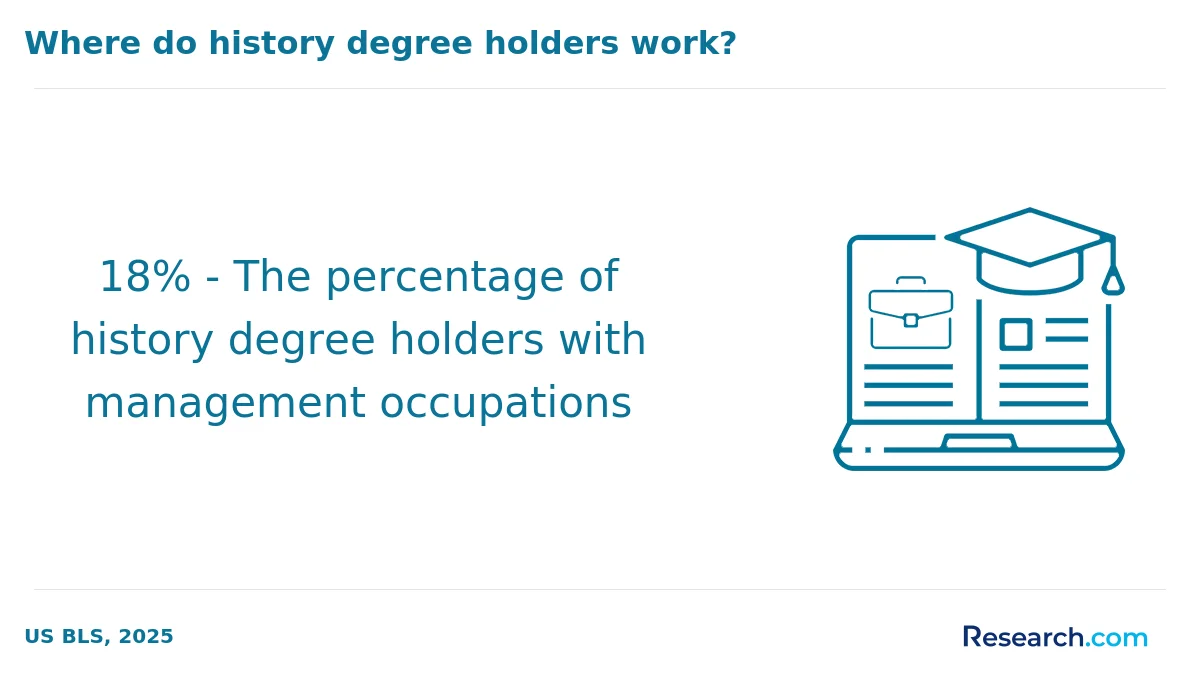
Graduates of an online history degree in Tennessee discover a wealth of exciting career opportunities that bring history to life in meaningful ways. Many step into education, becoming inspiring teachers at middle schools, high schools, or even colleges across the state. Tennessee's well-known universities and colleges equip students with strong credentials, and graduates often share how fulfilling it feels to ignite curiosity about the past in young learners.
Jobs with history degree in Tennessee also include rewarding roles in museums, cultural centers, and archives, where graduates preserve the state's rich heritage. For example, alumni from popular Tennessee colleges proudly contribute to local historical societies, turning passion into careers that safeguard stories for future generations.
Others thrive in government, working as researchers or policy analysts, helping shape informed decisions with deep historical insight. Communication fields beckon too, as skilled writers and editors bring clarity to complex topics.
Those interested in exploring affordable pathways can consider affordable online degree programs history offers, opening doors to these promising options.
Graduates holding an online history degree in Tennessee find a vibrant job market rich with possibilities across education, museums, government, and cultural organizations. Universities like the University of Tennessee and Middle Tennessee State University, known for their strong history programs, have alumni flourishing in roles as educators, archivists, and policy advisors. Many graduates share how their academic experiences brought Tennessee's deep historical heritage to life, making their skills highly valued within local communities. This dynamic is a key reason why the online history degree job opportunities Tennessee are promising and rewarding.
Job outlook for history graduates Tennessee aligns with steady national growth, especially in positions involving historical research and preservation. Graduates frequently highlight internships and projects that connected them directly to Tennessee's renowned historical sites, boosting confidence and employability. The blend of flexibility in online study and real-world engagement inspires many students to pursue pathways that reflect their passion for history.
Those exploring advanced options can benefit greatly from programs like masters in history online, which enhances career prospects further, equipping students for competitive roles in education, curation, and cultural resource management.
2027 Easiest Online History Degree Programs Ranking in Tennessee
Investing in your education is a significant decision that can shape your future, and the Research.com team understands the importance of making informed choices. To assist prospective students in Tennessee, we have meticulously created the "2027 Easiest Online History Degree Programs Ranking in Tennessee." Our commitment to quality, credibility, and accuracy is demonstrated through the extensive research and analysis undertaken to develop this ranking.
We utilized the following reputable data sources to ensure a comprehensive evaluation of history degree programs:
By exploring this ranking, readers will gain valuable insights into the most accessible online history degree programs in Tennessee, helping them make well-informed decisions about their educational journey. For more details on our methodology, please visit our Research.com methodology page.


Frequently Asked Questions About history
Online history degree students in Tennessee can maximize their learning by actively engaging with course materials and participating in virtual discussions. Research shows that students who spend at least 10 to 15 hours per week on coursework tend to perform better academically. Utilizing local resources such as the Tennessee State Library and Archives can provide valuable primary sources for assignments.
Forming online study groups with peers also enhances understanding by promoting diverse perspectives. Tennessee's rich history, including Civil War events and Native American heritage, offers unique topics that can deepen academic inquiry.
Additionally, leveraging professors' virtual office hours helps clarify complex subjects and develop critical thinking skills.
Emerging niches within the history field reflect growing interests in diverse and specialized topics. One notable area is public history, which focuses on making history accessible through museums, archives, and digital platforms. Tennessee's rich Civil Rights and music history have bolstered demand in this field, as reported by the Tennessee Historical Commission.
Environmental history is also gaining prominence, addressing interactions between humans and nature over time. This niche appeals to those interested in climate change and conservation history.
Additionally, digital history is an expanding field, using technology to analyze and present historical data. Universities in Tennessee increasingly incorporate these skills into their online history programs, preparing students for modern research and preservation roles.
After completing an online history degree in Tennessee, preparing for the job market requires a strategic approach. Start by gaining practical experience through internships or volunteer opportunities with local museums, archives, or historical societies. Tennessee offers numerous venues for these, such as the Tennessee State Library and Archives or the Tennessee Historical Society.
Building a strong professional network is also essential. Attend regional history conferences or engage in online history forums and associations. According to the Bureau of Labor Statistics, demand for historians in Tennessee is projected to grow about 6% through 2031.
Consider enhancing your skills with digital tools like GIS mapping or archival software, which are increasingly valued.
Employers in Tennessee highly value history degree graduates who demonstrate strong research and critical thinking skills. According to the American Historical Association, graduates should be able to analyze complex information, drawing connections across time periods and contexts.
Communication skills, both written and verbal, rank prominently. Tennessee's public history and museum sectors often require professionals to convey historical narratives clearly and engagingly to diverse audiences.
In addition, proficiency in digital tools and archival software is increasingly important. The Tennessee Higher Education Commission notes growth in jobs demanding knowledge of database management and historical preservation technologies.
Understanding cultural sensitivity also matters, particularly in a state rich in varied historical experiences.
Finding internships in Tennessee related to a history degree often begins with exploring partnerships between online programs and local institutions. Museums, historic sites, and archives such as the Tennessee State Library and Archives or the Tennessee Historical Society regularly offer internship opportunities tailored for history students. Many universities also post listings on their career services websites, which can be accessed by enrolled online students.
Job platforms like Handshake and Indeed sometimes filter internships by location and field, helping students target history-related roles in Tennessee. Networking through local historical associations or events can also uncover valuable leads.
According to the Tennessee Higher Education Commission, internships improve job placement rates for history graduates by up to 20%, highlighting their importance in career development.
In Tennessee, an online history degree can significantly enhance career mobility and advancement, especially in education, public service, and cultural institutions. Graduates often qualify for teaching positions, museum curation, or roles in archives and libraries, fields expected to grow by 3% to 5% over the next decade, according to the U.S. Bureau of Labor Statistics. Earning a degree online offers flexibility for working professionals to upgrade skills while maintaining employment, which Tennessee employers value. Furthermore, Tennessee's focus on preserving its rich historical heritage creates ongoing opportunities for historians in government and nonprofit sectors, supported by statewide grants and initiatives from the Tennessee Historical Commission.
Studying for a history degree in Tennessee equips students with strong critical thinking and research skills applicable across multiple disciplines. Tennessee's online history programs emphasize analyzing historical events through diverse perspectives, which is essential for roles in education, public policy, and cultural resource management.
The curriculum typically integrates courses in political science, sociology, and economics, fostering an interdisciplinary understanding. According to the Tennessee Higher Education Commission, graduates with history degrees often move into careers requiring versatile knowledge bases, such as law, museum curation, and archival work.
Additionally, Tennessee's rich historical heritage provides a practical context for studying heritage preservation and community development, further broadening career opportunities.
Choosing between a thesis and a non-thesis online history degree program in Tennessee depends largely on your academic and career goals. A thesis program requires conducting original research and writing a substantial paper, which can prepare you for doctoral studies or research-focused careers. According to the Tennessee Higher Education Commission, many online programs in Tennessee offer flexible thesis options tailored to working adults.
Non-thesis programs often emphasize coursework and practical skills, making them suitable for students aiming for teaching or public history roles without research demands. Both paths typically require about 30 to 36 credit hours, but thesis tracks may require more time.
Review program requirements carefully and consider your commitment to research before choosing.
Students in Tennessee interested in studying history abroad through online degree programs have several pathways to consider. Many universities offering online history degrees collaborate with international institutions for exchange or study-abroad components. While fully online programs provide a flexible way to study history, some incorporate optional short-term international residencies or research trips.
Tennessee institutions like the University of Memphis and Middle Tennessee State University provide robust history curricula with global perspectives, often including courses on world history and cultural studies.
Students can also explore partnerships via national organizations such as the National Association of State Universities and Land-Grant Colleges (NASULGC), which support international education initiatives across member schools. These opportunities align well with students seeking a comprehensive global understanding while completing their degree online from Tennessee.
Students pursuing an online history degree in Tennessee can find several part-time job opportunities that enhance their academic experience. Museums, such as the Tennessee State Museum in Nashville, often hire part-time docents or research assistants, offering practical exposure to historical artifacts and public education. Libraries and archives across the state, including the Tennessee State Library and Archives, also seek assistants to help with cataloging and preservation tasks.
These roles complement coursework by providing hands-on research experience. Additionally, local historical societies and tourism agencies frequently look for guides and event coordinators, helping students develop communication skills. According to the Tennessee Department of Labor, cultural jobs grew by 4% between 2019 and 2023, indicating steady demand in this sector.
Online history students in Tennessee benefit from various networking opportunities that connect them with professionals, alumni, and fellow students statewide. Many Tennessee universities offering online history degrees provide virtual events, guest lectures, and career workshops tailored for remote learners. These platforms foster interactions beyond the classroom, encouraging collaboration and mentorship.
Statewide organizations like the Tennessee Historical Society offer membership benefits, including access to exclusive events and local history projects, ideal for student networking. Additionally, conferences such as those hosted by the Southern Historical Association often welcome online students, providing valuable professional contacts.
Local internships and volunteer positions with museums and archives in Tennessee further enhance practical experience and connections. According to the Tennessee Higher Education Commission, over 60% of history graduates engage in such professional networks within their first year post-graduation.
Alumni networks provide vital benefits for online history degree students in Tennessee by offering access to professional connections and mentoring opportunities. Graduates from Tennessee institutions like Austin Peay State University and Middle Tennessee State University often engage with alumni groups that assist students in navigating job markets, internships, and research projects.
These networks frequently host virtual events, allowing online students to connect statewide despite physical distance. According to the Tennessee Board of Regents, active alumni communities enhance employment prospects by up to 20% through referrals and shared resources.
Additionally, alumni can provide insights tailored to Tennessee's historical sectors, including museums, archives, and education systems, helping students align academic pursuits with regional career opportunities.
Customizing an online history degree program in Tennessee allows students to align their studies with specific career goals. Many Tennessee universities offer elective courses that cover diverse areas such as American history, public history, or archival studies. By selecting specialized classes, students can develop expertise relevant to roles in education, museum work, or governmental research.
Additionally, some programs provide opportunities for internships or virtual projects, giving practical experience. According to the Tennessee Higher Education Commission, about 40% of students in history programs opt for such hands-on options to boost employability.
Advisors play a key role in helping students tailor their course load, ensuring their chosen classes meet both academic standards and career aspirations.
Online history students in Tennessee often encounter several challenges related to the unique nature of remote learning. A common difficulty is maintaining motivation and discipline without the regular structure found in traditional classrooms. Many students report feeling isolated, which can affect engagement and collaboration in courses requiring critical discussions.
Access to primary sources and archives, crucial for history research, can be limited online. Tennessee's rich historical collections, such as those at the Tennessee State Library and Archives, may require in-person visits. This limits the ability of fully online students to utilize these resources effectively.
Another challenge involves balancing coursework with personal and professional responsibilities, as many online students are working adults or parents. According to the National Center for Education Statistics, about 40% of online learners nationwide cite time management as their greatest hurdle.
Finally, technical issues and varying levels of digital literacy can impede progress, especially for students unfamiliar with robust online learning platforms. These challenges collectively impact the success rate and satisfaction of online history degree candidates in Tennessee.
With an online history degree in Tennessee, you can pursue several professional certifications that enhance your career opportunities. One common path is becoming a Certified Archivist, which requires passing the Certified Archivist Exam administered by the Academy of Certified Archivists. This certification is valuable for those interested in preserving Tennessee's rich historical records.
Another option is earning Museum Studies certification, useful for careers in Tennessee's many museums and cultural institutions. Teacher certification is also a viable route if you want to teach history at the secondary level; this typically requires completing state-approved teacher preparation and passing the Tennessee state licensure exams.
Additionally, many graduates pursue certifications in records management or public history to improve job prospects in government or nonprofit sectors. According to Tennessee's Department of Labor, demand for archivists and historians statewide is expected to grow moderately through 2030, underscoring the value of these certifications.
Applying to an online history program in Tennessee requires a clear and focused approach. Start by researching accredited Tennessee institutions, such as Middle Tennessee State University, which offers reputable online history degrees recognized by the Southern Association of Colleges and Schools.
Highlight your academic background, emphasizing any prior coursework in history or related fields. Tennessee values applicants who demonstrate strong critical thinking and writing skills, as history programs often involve extensive analysis and research.
Include a compelling personal statement that explains your interest in history and your career goals. Tailor it to reflect Tennessee's rich historical context, showing awareness of local history.
Finally, ensure all documentation, like transcripts and recommendation letters, are complete and submitted on time. According to the Tennessee Higher Education Commission, timely and thorough applications significantly increase acceptance chances.
Careers in history offer a wide range of opportunities both in the United States and globally, with growing interest in cultural preservation, education, and public history. In Tennessee, online history degrees prepare students for work in museums, archives, and government roles that require strong research and analytical skills. According to the U.S. Bureau of Labor Statistics, historian jobs are expected to grow about 6% from 2021 to 2031, reflecting steady demand.
Globally, history experts contribute to understanding cultural heritage and informing policy decisions. Many U.S.-trained historians, including those educated in Tennessee, find roles in international organizations focused on heritage preservation.
The increasing availability of online history programs in Tennessee allows students to engage with global historical topics while gaining practical skills relevant to the modern workforce.
Gaining practical experience while earning an online history degree in Tennessee is essential for applying classroom knowledge to real-world scenarios. Students commonly engage in internships with local museums, archives, or historical societies. Tennessee hosts multiple institutions, such as the Tennessee State Museum and local historical commissions, that offer internship opportunities.
Collaborating remotely with these organizations allows students to contribute to research, preservation, and public history projects. Additionally, many Tennessee universities provide access to digital archives and virtual seminars, enhancing research skills.
Volunteering for community history projects or digitization efforts is another practical option, especially given Tennessee's rich Civil War and Appalachian heritage. These experiences can strengthen resumes and prepare students for various history-related careers.
Choosing the right concentration within an online history degree program in Tennessee requires understanding your career goals and interests. Popular concentrations include American history, public history, and historic preservation, reflecting Tennessee's rich Civil War and cultural heritage. According to the Tennessee Higher Education Commission, programs often highlight regional history to meet local demand.
Consider your intended career path-for example, teaching, research, or work in museums. Check if the program offers internships or partnerships with institutions like the Tennessee State Museum. Review the curriculum for courses that match your passions, such as Native American history or Tennessee's role in the 20th century.
Research program flexibility and faculty expertise to ensure a good fit with your learning style and objectives.
- Bachelor of Arts in History https://www.cumberland.edu/programs/bachelor-of-arts-in-history/
- Know the Lingo https://www.collegefortn.org/know-the-lingo/
- History (B.A.) https://king.edu/programs/humanities/history/
- Desmet | Talent development in history education https://journals.uclpress.co.uk/herj/article/pubid/Hist_Educ_Res_J-23-16/
- Best Online History Degrees https://www.affordablecollegesonline.org/degrees/history-programs/
- Tennessee Transfer Pathway (AS), History https://www.roanestate.edu/
- History Degree https://johnsonu.edu/bachelors/history/
- Online Degrees & Certificates in Tennessee - Nashville State https://www.nscc.edu/academics/online-education/index.php
- History https://utsouthern.edu/academics/school-of-social-sciences/history/
- History Degree Program https://welch.edu/academics/bachelors-degree-programs/department-of-arts-and-sciences/history/