2027 Easiest Online History Degree Programs Ranking in the Midwest

Co-Founder and Chief Data Scientist
Choosing the right history degree program can feel overwhelming, especially with so many online options in the Midwest. This article introduces the 2027 Easiest Online History Degree Programs Ranking in the Midwest, created by the Research.com team of data scientists to guide you through your decision.
By exploring this ranking, you'll discover programs that balance accessibility with quality education, helping you pursue your passion for history without unnecessary stress.
Getting a history degree opens doors to understanding the world and shaping a meaningful career. Keep reading to find a program that fits your goals and lifestyle.
Key benefits of getting online history degree in the Midwest
- History degree graduates in the Midwest often pursue rewarding careers such as museum specialists or archivists, with average salaries typically around $54,000 per year, offering stable income and growth opportunities.
- A graduate from a well-known Midwest university might find career paths in education, public history, or cultural resource management, showcasing the degree's versatility and strong regional job connections.
- Completing a history degree online provides flexibility to balance work and study, allowing students to learn at their own pace while gaining the same respected credential as traditional programs from popular Midwest universities.
- 2027 Easiest Online History Degree Programs Ranking in the Midwest
- What can I expect from online history degree in the Midwest?
- Where can I work with online history degree in the Midwest?
What can I expect from online history degree in the Midwest?
The average cost of earning an online history degree in the Midwest is notably affordable, making your educational dreams within reach. Many public universities in states like Illinois and Ohio offer tuition rates as low as $300 to $400 per credit, creating a budget-friendly pathway to a respected degree. Graduates from these programs often share how this affordability allowed them to invest more time and energy into their studies instead of worrying about overwhelming debt.
Imagine a student at a well-known Midwestern university balancing family life and work while completing 120 credit hours for a bachelor's degree. The combination of manageable tuition costs and flexible online classes empowers them to pursue an education rich in American, European, and regional history without financial strain.
With tuition rates often mirroring in-state fees for online learners, Midwest schools stand out for accessibility. This financial advantage encourages many to dive deeply into research projects, internships, and even archival visits offered by their institutions, turning passion into a vibrant career in history.
Where can I work with online history degree in the Midwest?
Graduates with an online history degree from respected Midwest institutions like the University of Illinois or Ohio State University often find themselves thriving in rewarding and diverse career paths within the region. Many begin by sharing their passion as K-12 teachers, shaping young minds in local schools while proudly holding state licensure that complements their degree.
Others dive into enriching roles at museums and historical societies, such as those in Chicago or Detroit, where they preserve the past and bring history to life through exhibitions and community programs. Imagine working behind the scenes at the Abraham Lincoln Presidential Library, contributing to the preservation of heritage that shapes state identity.
Government agencies also value history graduates, offering positions in cultural resource management and public policy in places like Indianapolis or Columbus. Graduates often describe the satisfaction of helping protect landmarks and supporting urban planning informed by historical insight.
Many alumni cherish opportunities in research institutes or nonprofits, blending analysis and storytelling while earning solid wages in blossoming Midwestern metro areas. The versatility and impact of an online history degree here is a source of pride and inspiration for those ready to build meaningful careers.
Graduates from online history programs at well-regarded Midwest institutions often find themselves stepping into rewarding careers with promising salaries. For example, history teachers at the high school level in states like Ohio and Michigan typically earn between $50,000 and $60,000 annually, providing a stable foundation for a fulfilling career in education. Many alumni share stories of how engaging with local history through their programs inspired them to become passionate educators in their communities.
Those who advance into postsecondary education roles, such as college professors, see median salaries ranging from $70,000 to $80,000. This step often requires further study but opens doors to exciting research opportunities and mentorship roles that graduates cherish. Midwestern colleges offer strong support for students seeking this path, creating an encouraging environment for career growth.
Additionally, graduates pursuing careers as archivists or museum curators in the Midwest typically start with salaries near $40,000 and can rise to around $70,000 with experience, strengthened by regional demand for preserving and celebrating cultural heritage. Many find joy in combining their love of history with these meaningful positions.
- The average total cost for an online bachelor's degree in history at Midwest institutions ranges from $20,000 to $40,000, with public universities generally offering lower tuition for in-state students.
- Graduates typically start with an average salary of about $40,000 per year, which can increase to between $55,000 and $65,000 as they gain experience.
- Job opportunities for history graduates in the Midwest include education, museum work, archives, public history, and government roles.
- Many online history programs in the Midwest are regionally accredited by the Higher Learning Commission, ensuring quality and credit transferability.
- Online programs offer flexibility with asynchronous courses and digital resources, allowing students to balance studies with work or family responsibilities.
Completing an online history degree in the Midwest typically takes around four years for full-time students, mirroring traditional programs at well-known institutions like the University of Illinois and Ohio State University. Many graduates find that this timeline fits perfectly with their goals, balancing studies alongside family and work commitments.
Part-time learners often take a bit longer-sometimes up to six years-but appreciate the flexibility to progress at their own pace. Students who transfer credits from community colleges or hold associate degrees can accelerate their journey, finishing in as little as two to three years, a path embraced by many alumni from Michigan State University's online programs.
Master's degrees generally require one to two years of full-time study, and regional universities offer convenient online options to fit busy adults' schedules. These experiences show how Midwest students turn ambition into achievement, confidently moving toward their dreams with programs designed to meet their unique lives.
Choosing between online and on-campus history degrees in the Midwest opens exciting paths tailored to your lifestyle. On-campus students at universities like the University of Illinois at Springfield enjoy vibrant classroom discussions, hands-on museum trips, and face-to-face connections that bring history to life. Imagine exploring local archives with classmates, sparking spontaneous debates about the past, and building friendships that last beyond graduation.
Meanwhile, online programs offer incredible flexibility, perfect for busy professionals or those balancing family life. Midwest graduates have praised asynchronous courses that let them dive into history when it suits their schedule, accessing lectures and resources digitally without missing a beat. This format empowers you to pursue a rich education from anywhere, while still tapping into virtual communities and supportive faculty.
Both options share a commitment to quality and affordability, with many institutions matching in-state tuition rates online. Whether you crave campus energy or the freedom to learn on your terms, Midwest history programs provide inspiring ways to connect with the past and build your future.
The average cost of an online history degree in the Midwest offers a welcoming balance of quality and affordability. With a median total cost around $33,838, aspiring historians in this region find opportunities that fit various budgets. For in-state students, the median cost drops to about $25,456, making programs at renowned public universities highly accessible. Graduates from institutions such as the University of Illinois and Ohio State University often highlight how these programs provided them with an enriching education without overwhelming financial strain.
Out-of-state learners, who face a median cost near $43,440, still discover valuable paths to achieving their academic goals thanks to scholarships and financial aid options. Many report feeling empowered by the flexibility and the support systems at schools known for affordable online history degree programs Midwest-wide. The investment encompasses more than tuition; it includes a few thousands annually for materials, yet students remark that this blend of costs fosters dedication to their passion for history without excessive worry.
These programs attract individuals eager to turn their love of history into meaningful careers. As they navigate online coursework, they appreciate knowing the financial commitments are transparent and manageable. Those seeking diverse career outcomes might explore history degree jobs, discovering rewarding futures connected to their education in the Midwest's vibrant academic community.
Many online history students in the Midwest find powerful financial aid opportunities that make their dreams achievable. Graduates from institutions like the University of Illinois and Ohio State University often credit Federal Pell Grants, providing up to $7,395 annually, as a crucial foundation in covering tuition costs. Filling out the FAFSA opens doors to these grants and Federal Direct Student Loans, with borrowing limits that adjust to each year's needs, helping students manage expenses confidently.
Midwestern residents also benefit from state-specific programs like the Ohio College Opportunity Grant and Minnesota State Grant, which provide thousands in support exclusively for local students. Many online history majors have shared how these grants made education feel within reach, reducing financial stress while focusing on their passion for history.
Scholarships from universities and private organizations further enhance this support. Awards between $1,000 and $5,000-tailored for humanities and online learners-light the path forward at schools such as Indiana University. These financial aid sources transform ambitions into reality for many determined history students across the Midwest.
Enrolling in an online history degree program in the Midwest is an exciting step filled with promise and personal growth. Most universities, from well-known state schools to respected private colleges, look for students who have completed a standard high school education or GED, often with a minimum GPA around 2.5. This ensures you are ready to embrace the challenges of college-level study. Many graduates recall how meeting this prerequisite gave them confidence that they were prepared to succeed in a rigorous academic environment.
Standardized test scores like the SAT or ACT may also be requested, though many Midwest institutions have embraced test-optional policies, making entry smoother and less stressful. Imagine starting your journey without the pressure of exams-many students have found this approach empowering.
Transferring credits from previous colleges can accelerate your path. Reliable internet and tech skills are essential, but orientation sessions offered by schools help make you comfortable in the online space. Graduates often highlight how these resources supported their smooth transition into digital learning.
Some programs encourage letters of recommendation or personal statements to showcase your passion for history. These thoughtful touches let admissions see your dedication beyond grades, setting you on an inspiring academic journey in the heart of the Midwest.
Online history degree programs in the Midwest offer students an enriching journey through time with courses that spark curiosity and a deep appreciation for the past. From universities in Ohio to colleges in Illinois, students dive into engaging subjects like United States History, spanning the Colonial Era to Reconstruction, and Modern U.S. History covering the 20th century to today. Many graduates recall how exploring European History from ancient to modern times gave them a global perspective that broadened their understanding beyond classroom walls.
Regional courses focused on the Midwest's unique social and political evolution empower students to connect personally with the stories that shaped their own communities. History majors at Michigan-based schools often find themselves captivated by classes on Midwestern immigration patterns or public history and preservation, inspiring them to contribute meaningfully to local museums or archives.
Alongside traditional topics, courses in digital history teach students how to navigate online archives and use research tools that bring history alive. Graduates cherish this blend of rigorous learning and practical skills, feeling excited and confident about the career paths that their Midwest online history degree opens up.
Students pursuing an online history degree in the Midwest often find a rich array of specializations tailored to regional and global interests. Many embrace American History, diving into the dynamic stories of Midwestern states-from industrial growth to pivotal social movements like the Underground Railroad. Graduates from prominent universities in the region often share how this focus brought history alive, connecting them deeply to their communities and inspiring careers in education and public service. Others explore World History, gaining a global lens on historical events across Europe, Asia, and Africa, which broadens their understanding and opens doors to research and cultural roles beyond local borders.
Specializations in Public History are especially popular, equipping learners with skills to work in museums, archives, and digital projects-career paths praised by alumni of well-known Midwest institutions. Many program designs allow students to customize electives, including Military History and History of Science and Technology, aligning studies with their unique passions. For those seeking an enriching and accessible educational journey, it's worth exploring the variety within Midwest accredited history degree programs as showcased by graduates' successes in vibrant historical fields.
Discover more about pursuing a degree in history that fits your ambitions and lifestyle.
Choosing the best online history degree in the Midwest means focusing on programs that blend strong regional heritage with flexible learning tailored to your lifestyle. Graduates from well-known Midwest universities often share how engaging with courses centered on American history and regional studies enriched their understanding of local communities and fueled their passion for history. When exploring easy online history degree programs Midwest, prioritize schools accredited by the Higher Learning Commission, ensuring your degree holds weight both locally and beyond.
Affordable online history colleges in the Midwest offer transparent tuition structures and practical financial aid, making education accessible without overwhelming debt. Many students recount how personalized support, such as tutoring and career advising, helped them balance studies with life commitments, turning challenges into rewarding achievements. Additionally, programs connected to local museums or historical societies create exciting pathways to hands-on experience, a key factor in graduate success.
For those eager to explore career paths, researching high paying history jobs after graduation inspires many to focus on specializations that match their ambitions and values.
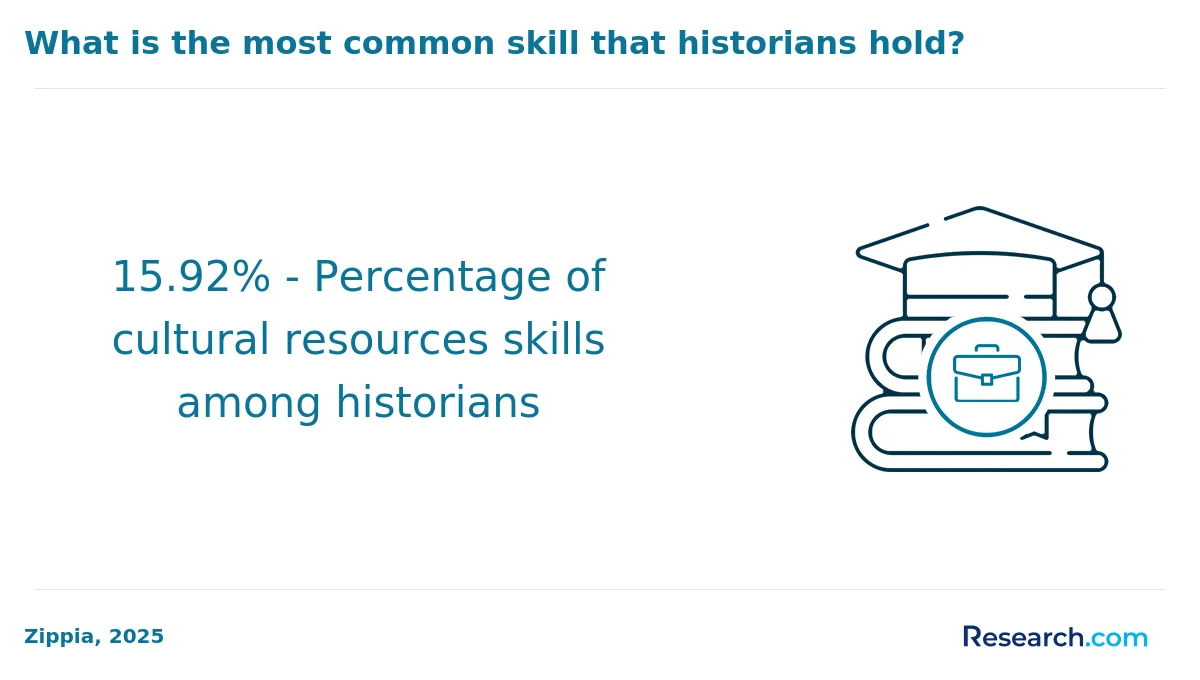
Graduates with an online history degree in the Midwest enjoy diverse career options that inspire and empower. From teaching history in vibrant secondary schools to shaping museum exhibits and educational programs, many alumni from well-known universities embrace roles that connect communities with the past. These online history degree career options Midwest graduates pursue help spread knowledge while nurturing critical thinking and communication skills.
Others find fulfilling work in public history and preservation, conserving cherished heritage sites across states like Michigan and Wisconsin. Graduates enthusiastically engage as curators or historical consultants, roles fueled by passion and backed by solid training. The Midwest history degree job opportunities also extend into business sectors, where former students leverage analytical skills in research and communications, thriving in growing urban centers such as Minneapolis and St. Louis.
For those driven by public service, law and government careers in state capitals offer meaningful paths that influence legislation and archives management. Many have discovered how affordable tuition at regional public universities makes it possible to earn a history degree online while opening doors to rewarding futures.
The job market for graduates with an online history degree in the Midwest is vibrant and full of opportunity, especially for those who attend well-regarded institutions such as the University of Chicago or Indiana University. These graduates often find rewarding careers in museums, archives, or local government, where their passion for history comes alive through roles in curation, preservation, and public education. Many feel inspired by the chance to connect communities with their heritage, fostering a deep sense of purpose and pride.
Online history degree jobs in the Midwest can include diverse paths like teaching, government service, or even private sector roles in consulting and publishing. Graduates appreciate that regional urban centers such as Chicago or Minneapolis provide numerous options without the high living costs found in coastal areas. The affordability of studying history at popular Midwest colleges encourages students to pursue their dreams confidently.
Many graduates share how the skills developed during their programs have paved the way for success in dynamic fields, including cultural resource management. Those curious about the financial prospects often find practical insights by exploring art history jobs salary, which reflect strong potential for growth and stability.
2027 Easiest Online History Degree Programs Ranking in the Midwest
Investing in your education is a significant decision that can shape your future, and the Research.com team recognizes the importance of making informed choices. To support students interested in history, we have carefully developed the "2027 Easiest Online History Degree Programs Ranking in the Midwest." Our dedication to quality, credibility, and accuracy is demonstrated through rigorous research and detailed analysis. We leveraged the following reputable data sources to create a comprehensive and trustworthy ranking:
By consulting this ranking, readers will obtain valuable insights into accessible online history degree programs in the Midwest, enabling them to make well-informed decisions about their educational journey. For more information on our methodology, please visit our Research.com methodology page.




Frequently Asked Questions About history
Online history degree students in the Midwest can enhance their learning by actively engaging with digital libraries and archives, many of which have strong collections on Midwestern history. Institutions like the University of Illinois and Ohio State University offer extensive online resources tailored for history students.
Participating in virtual discussion forums and study groups helps deepen understanding by allowing students to share diverse perspectives. Research shows that interaction improves retention of complex historical concepts (American Historical Association, 2023).
Additionally, students should take advantage of internships or local historical society partnerships available throughout the Midwest. These practical experiences provide valuable real-world context to academic studies.
Finally, scheduling regular study times and leveraging multimedia tools such as podcasts and documentaries focused on the Midwest can diversify learning methods and improve engagement.
Emerging niches in the history field focus on areas that reflect contemporary interests and regional significance. In the Midwest, environmental history is gaining attention, exploring how natural resources and industrial development shaped local communities. This niche aligns with the region's legacy in agriculture and manufacturing, offering unique study opportunities.
Digital history is another growing area, integrating technology with archival research. Many Midwest institutions provide training in digital tools, empowering students to create interactive exhibits or digital archives. According to the American Historical Association, digital history programs have expanded by 25% in the past five years nationwide.
Additionally, public history remains vital, emphasizing preservation and interpretation of local heritage sites. With many Midwestern museums and historical societies offering internships, students can gain practical experience. These niches help diversify career paths for graduates of online history programs in the Midwest.
Preparing for the job market after earning an online history degree in the Midwest requires strategic planning. Begin by gaining practical experience through internships with local museums, archives, or historical societies which are abundant in states like Illinois and Ohio. These positions enhance your resume and build professional networks. According to the Bureau of Labor Statistics, the Midwest offers growing opportunities in education and public history sectors.
Develop strong research and writing skills by engaging in independent projects or contributing to academic journals. Networking with alumni from your online program and attending regional history conferences can open doors to job leads. Finally, consider certifications in digital archiving or public history to increase marketability in this evolving field.
Employers in the Midwest highly value history degree graduates who possess strong critical thinking and research skills. According to the National Association of Colleges and Employers (NACE), 87% of employers prioritize analytical abilities when hiring history majors. Knowledge of archival research and the ability to interpret diverse historical sources are essential.
Communication skills, especially writing and presenting complex ideas clearly, are also in demand. The Midwest's job market, including sectors like education, public history, and cultural resource management, seeks graduates adept at both oral and written communication.
Data from the Bureau of Labor Statistics highlights that familiarity with digital tools for historical analysis can give candidates an advantage in the region's evolving job landscape.
Finding internships relevant to a history degree in the Midwest involves targeting museums, historical societies, and archives, which are abundant in the region. States like Illinois and Minnesota host significant cultural institutions offering hands-on experience. For example, the Illinois State Historical Society provides listings of local opportunities. University career centers often maintain partnerships with these organizations, so students should leverage their school's resources.
Online platforms such as Handshake and Indeed list paid and unpaid internships specific to history fields across the Midwest. Networking through local history conferences like those hosted by the Organization of American Historians can also open doors.
Federal and state government agencies, including the National Archives at Chicago, regularly offer internships for history majors seeking experience in public history and preservation work.
An online history degree can significantly enhance career mobility and advancement for professionals in the Midwest. According to the National Center for Education Statistics, history graduates from Midwestern institutions see steady employment growth in education, research, and public sectors. Online programs offer flexible learning, allowing students to gain credentials without pausing their careers. This flexibility helps students upskill while maintaining work. Employers in cities like Chicago and Minneapolis value candidates with strong analytical and critical thinking skills developed through history studies. Additionally, public and private organizations often seek candidates with knowledge of regional history for roles in cultural management, policy research, and education.
Studying for a history degree in the Midwest offers a strong foundation for interdisciplinary roles. Many programs emphasize critical thinking, research, and writing skills applicable across fields such as law, education, and public policy. For example, the American Historical Association notes that history graduates often enter diverse areas like business analytics and cultural resource management, where understanding context is crucial.
Midwestern schools frequently incorporate regional history with disciplines like political science and economics. According to the National Center for Education Statistics, over 30% of history majors in the Midwest engage in interdisciplinary coursework, enhancing adaptability.
This blend equips students to tackle complex societal issues, preparing them for collaborative roles in government agencies, museums, and nonprofits.
Choosing between a thesis and a non-thesis online history degree program in the Midwest depends largely on your academic and career goals. Thesis programs typically require original research and a formal written project, which can be ideal if you plan to pursue graduate studies or a research-oriented career. Data from the National Center for Education Statistics shows that about 40% of Midwest history programs offer thesis options, reflecting regional emphasis on scholarly research.
Non-thesis programs often focus more on coursework and practical skills, suiting students aiming for teaching, public history, or museum careers. They usually require fewer credits and can be completed faster.
Consider your available time, professional aims, and whether you enjoy independent research when making this choice.
Students in the Midwest pursuing online history degrees often look for study abroad opportunities to enrich their understanding of global historical contexts. Many Midwestern universities offer virtual exchange programs in partnership with international institutions, allowing students to take courses abroad without leaving the United States. According to the Institute of International Education's latest report, nearly 40% of study abroad participants from Midwestern schools focus on humanities, including history. These programs commonly include access to international archives and lectures relevant to European, Asian, or African history, enhancing academic experience remotely.
Part-time job opportunities that complement a history degree in the Midwest often involve roles connected to museums, archives, and education. Working as a museum assistant or docent provides hands-on experience with historical artifacts and public engagement. According to the American Alliance of Museums, the Midwest region houses over 2,000 museums, many seeking part-time help.
Archivist assistant positions at local libraries or historical societies offer valuable skills in document preservation and research. The Midwest hosts numerous historical societies, such as the Ohio Historical Society, which regularly offers internships or part-time roles.
Additionally, tutoring history or assisting educators in history departments can enhance both knowledge and teaching experience. These roles foster critical thinking and communication skills, highly valued in history-related careers.
Online history students in the Midwest benefit from robust networking opportunities through regional historical societies and professional groups. Organizations like the Organization of American Historians, headquartered in Indiana, frequently host virtual events accessible to remote learners. These platforms allow students to connect with historians, scholars, and peers across the region.
Many Midwestern universities also encourage online students to participate in local museum internships or virtual conferences, providing practical experience and professional contacts. According to the American Historical Association, about 40% of Midwest history programs promote such community engagement, strengthening student networks.
Additionally, social media groups focused on Midwestern history create informal networking spaces where students share research and job leads.
Alumni networks play a crucial role for students pursuing online history degrees in the Midwest by providing valuable career connections and mentoring opportunities. These networks often include graduates working in museums, archives, education, and public history sectors within the region. According to the National Association of Colleges and Employers, 85% of jobs are filled through networking, making alumni contacts essential for online students who lack on-campus interaction.
Midwestern universities with strong history programs, like the University of Illinois and Ohio State, maintain active alumni groups that host virtual events and share job leads. This support can ease entry into competitive local job markets and internships.
Moreover, alumni networks offer ongoing professional development through workshops and guest lectures, helping students stay updated on regional historical scholarship and job trends.
Midwestern online history degree programs offer various ways to tailor your studies to match career goals. Many universities allow students to select electives focused on regional history, such as the Great Lakes or Native American peoples, which can benefit careers in education or cultural preservation.
Students often customize their degrees through concentrations like public history, archival studies, or museum management, aligning with roles in archives, museums, or government agencies. Accreditation by organizations like the Higher Learning Commission ensures program quality across the Midwest.
Additionally, some programs provide internship opportunities with local historical societies and archives, enhancing practical experience and professional networking. According to the National Council on Public History, internships significantly improve job prospects in related fields.
Online history students in the Midwest often face challenges related to access and engagement. Limited local archives and primary sources can make research difficult, as many institutions lack comprehensive digital collections tailored for remote learners. According to the American Historical Association, about 40% of Midwest universities have fewer online resources compared to coastal counterparts, impacting study depth.
Another common issue is balancing coursework with personal and professional responsibilities, which 55% of online students report as a significant hurdle (National Center for Education Statistics, 2023). Additionally, some students struggle with limited interaction opportunities, affecting their ability to network and collaborate effectively with peers and professors in a field that often values dialogue.
With an online history degree, professionals in the Midwest can pursue several relevant certifications to enhance their career prospects. One option is the Certified Archivist credential offered by the Academy of Certified Archivists, which is highly regarded in museums, libraries, and historical societies across the region.
Another option is the Public Historian Certificate, available through various professional organizations, helping graduates work effectively in community history and preservation projects common in Midwestern towns.
Additionally, some history graduates opt for teaching certifications if they plan to enter secondary education, which requires state-specific licensure.
According to the National Council on Public History, Midwestern employers value these certifications for practical expertise in historical fields.
Writing a winning application for an online history program in the Midwest requires clear focus and strong preparation. Admissions committees typically look for a well-crafted personal statement that explains your interest in history and why you chose an online program in the Midwest. Highlight how your background or career goals align with the region's unique historical perspectives, such as Midwest industrialization or Native American heritage.
Provide solid academic records and relevant experience, like volunteer work or research projects. According to the National Center for Education Statistics, Midwest schools often emphasize critical thinking and research skills, so showcasing these can strengthen your application.
Lastly, follow all instructions carefully and submit any required writing samples or recommendation letters on time.
A history career offers diverse opportunities worldwide, reflecting growing interest in cultural understanding and preservation. In the United States, especially the Midwest, history graduates work in education, museums, archives, and government agencies. According to the American Historical Association, about 15% of history majors find employment in these sectors within five years of graduation.
Globally, demand exists for professionals skilled in critical thinking and research, yet job markets vary significantly. In the Midwest, online history degrees often emphasize practical skills aligned with regional cultural resources, including Native American and industrial history.
The Bureau of Labor Statistics projects a 5% growth in historian roles through 2031, supporting steady opportunities tied to public history and heritage management. This outlook encourages prospective students considering an online history degree from Midwestern institutions.
Gaining practical experience while pursuing an online history degree in the Midwest is essential for building skills and enhancing your resume. Many universities encourage students to engage in internships at local museums, archives, or historical societies. For example, institutions often partner with organizations like the Illinois State Historical Society or the Ohio History Connection.
Students can also participate in virtual research projects or digital archiving, which have grown in popularity, especially since 2020. According to the American Historical Association, approximately 30% of history students nationwide, including those in the Midwest, report gaining hands-on experience through such projects.
Additionally, attending regional history conferences or online workshops helps develop networking opportunities and professional knowledge in the field. Combining these experiences with coursework prepares students effectively for careers in history.
Choosing the right concentration within an online history degree program in the Midwest starts with considering your professional goals and personal interests. Midwest universities commonly offer concentrations such as American History, Public History, or Global History, reflecting regional strengths and job market demands.
Examine program curricula to see which topics are emphasized. For example, Midwest schools often highlight American frontier and industrial history, aligning with local archives and museums. According to the American Historical Association, Public History graduates have growing employment opportunities in education and cultural institutions, relevant if you want practical, applied skills.
Assess available resources too, like faculty expertise and online access to regional historical collections. Balancing your interests with practical outcomes helps pinpoint the concentration best suited to your ambitions and the Midwest's academic environment.
- Financial Aid for Online Programs | Illinois College https://www.ic.edu/online/tuition/financial-aid
- Making sure you're not a bot! https://journals.uclpress.co.uk/herj/article/pubid/Hist_Educ_Res_J-23-16/
- The Impact of History Degrees: Opportunities and Trends Among History Degree Jobs https://www.ucumberlands.edu/blog/the-impact-of-history-degrees
- After the Degree: Finding work with a History degree https://www.graduate-jobs.com/news/13219/After_the_Degree__Finding_work_with_a_History_degree
- 2025 Most Affordable Online History Degrees https://www.onlineu.com/most-affordable-colleges/history-degrees
- THE list of internships for history majors https://employedhistorian.com/history-major/internships-for-history-majors/
- What Can I do With a History Degree? https://theinterngroup.com/our-blog/what-can-i-do-with-a-history-degree
- History Online https://www.nsu.edu/History-and-Interdisciplinary-Studies/History-Online
- History https://lakeland.edu/degrees/history
- Top Niche Historical Topics for Deep-Dive High School Projects https://riseglobaleducation.com/blogs/top-niche-historical-topics-for-deep-dive-high-school-projects