2027 Most Affordable Online History Degree Programs Ranking in Alabama

Co-Founder and Chief Data Scientist
Are you considering pursuing a history degree but want to find the most affordable options in Alabama? This article presents the 2027 Most Affordable Online History Degree Programs Ranking in Alabama, created by the Research.com team of data scientists. It's designed to help you make an informed decision about which programs offer the best value for your investment.
Studying history not only enriches your understanding of the past but also builds critical thinking skills that open doors to various careers. Explore this ranking to discover programs worth considering on your educational journey.
Key benefits of getting online history degree in Alabama
- History degree graduates in Alabama can pursue careers in education or research, where the average annual salary in the U.S. ranges from $50,000 to $70,000, offering stable and rewarding financial prospects.
- Graduates from the University of Alabama have diverse career paths including museum curators, archivists, and historians, showing that your degree opens doors to engaging roles preserving culture and knowledge.
- Completing a history degree online from institutions like the University of Alabama provides flexible scheduling and the ability to balance work and study, making higher education more accessible and less stressful.
- 2027 Most Affordable Online History Degree Programs Ranking in Alabama
- What can I expect from online history degree in Alabama?
- Where can I work with online history degree in Alabama?
What can I expect from online history degree in Alabama?
The average cost of an online history degree in Alabama varies, with many students benefiting from in-state tuition rates that significantly reduce expenses compared to traditional on-campus programs. For example, graduates from the University of Alabama and Auburn University report paying between $8,000 and $15,000 annually for full-time online enrollment, depending on the number of credits taken and financial aid eligibility. This cost efficiency, combined with no commuting or housing fees, makes pursuing a history degree online particularly attractive for working adults and those balancing family commitments.
Many students appreciate how these programs offer flexibility without sacrificing quality, using interactive tools and digital resources to simulate classroom interactions. Graduates often mention feeling supported through online discussion boards and access to faculty, which enhances their learning experience while managing budget constraints.
Financial aid and scholarships designed specifically for history majors and distance learners further lower the net price, making it feasible for Alabama residents to earn a respected degree with tangible career prospects in education, museums, and government sectors.
Where can I work with online history degree in Alabama?
Graduates with an online history degree in Alabama commonly find employment in education, museums, government, and nonprofit sectors. For example, alumni from the University of Alabama or Auburn University often begin their careers as certified history teachers, meeting the ongoing demand for educators in K-12 and higher education throughout the state. These roles allow them to bring Alabama's rich historical context to classrooms with enthusiasm and impact.
Museums and cultural institutions like the Birmingham Civil Rights Institute hire history graduates to manage collections, lead preservation efforts, and engage the community in public history projects. These positions satisfy graduates' passion for protecting local heritage and sharing compelling narratives.
State agencies, including the Alabama Department of Archives and History, provide careers in archival management and policy advising. Graduates often find rewarding work here, combining research skills with public service.
Additionally, many history grads contribute to nonprofits focused on cultural education and advocacy, utilizing their ability to communicate complex historical topics accessibly. This diverse job market aligns well with the adaptable skill set developed through online history programs.
Graduates with an online history degree in Alabama typically see annual salaries around $65,000 when working as historians, which aligns closely with the national median of $63,000. While specialized historian roles may be limited in Alabama, many graduates find rewarding careers in education, research, or cultural management.
For example, graduates from institutions like the University of Alabama or Auburn University often secure teaching positions in middle or high schools, earning between $50,000 and $60,000 annually depending on experience and location. Those pursuing roles as archivists or museum workers usually earn from $40,000 to $55,000, with higher salaries common in larger cities such as Birmingham and Huntsville.
Many graduates enhance their earnings by obtaining advanced degrees or certifications, enabling them to pursue college teaching or administrative roles where salaries can rise above $70,000. Alumni have noted that combining historical knowledge with skills in digital archives and education technology increases job prospects and pay, offering a fulfilling career path in Alabama's evolving cultural and educational sectors.
- Online history degrees in Alabama are offered by accredited public and private universities and cover topics like U.S. history, world history, and research methods.
- The average total tuition cost ranges between $20,000 and $35,000, with public universities offering lower rates for in-state residents.
- Entry-level salaries for history graduates in Alabama average about $40,000 per year, increasing to around $60,000 with experience or additional qualifications.
- Job opportunities are found in education, museums, government agencies, and cultural institutions, with growth focused in these sectors.
- Many programs are regionally accredited by SACSCOC, ensuring degree recognition and transferability.
- Alabama's relatively low cost of living makes it an affordable place to study for both online and on-campus students.
Completing an online history degree in Alabama typically takes around four years for full-time students pursuing a bachelor's degree, mirroring the national standard. Graduates from well-known institutions such as the University of Alabama or Auburn University often report this timeframe as achievable when balancing study and life commitments effectively.
Part-time students may need five to six years to graduate, given the flexibility many online programs provide. This extended timeline suits working professionals or those managing family responsibilities, with universities allowing credit transfers and recognition of prior learning to accelerate progress.
Master's degrees in history at Alabama's colleges generally require between 1.5 and 3 years. These programs often combine coursework and research, granting students the opportunity to advance at their own pace through asynchronous classes. Graduates frequently appreciate this adaptability, which helps maintain motivation and achieve goals sooner despite busy schedules.
Credit requirements align with these durations: 120 credit hours for bachelor's and 30-36 for master's, typically spread over semesters of 15 credits for full-time students. This structure supports clear planning and steady progress toward degree completion.
Online and on-campus history degree programs in Alabama differ mainly in delivery and student interaction. Online degrees offer flexibility, letting students manage coursework around jobs or family, a feature appreciated by many at institutions like Auburn University. Graduates often mention the convenience of accessing recorded lectures and discussion boards anytime, which suits busy schedules.
By contrast, on-campus programs at the University of Alabama emphasize face-to-face engagement. Students benefit from live debates, immediate professor feedback, and hands-on research opportunities in campus archives, fostering a more immersive learning environment. Many on-campus students highlight the value of spontaneous campus events and networking that often lead to internships in museums or historical organizations.
Tuition rates in Alabama tend to be similar for both formats, with in-state fees averaging about $10,560 annually at public universities. However, online study removes relocation costs and commuting challenges, appealing statewide, including rural areas. Graduates from both paths report strong academic outcomes but distinct experiences shaped by personal schedules and learning preferences.
The average cost of an online history degree in Alabama is approximately $36,000 total, reflecting the median expenses students can expect throughout their studies. Graduates from institutions like the University of Alabama at Birmingham often describe their experience as manageable when factoring in tuition combined with financial aid options that help offset these costs. This figure represents a practical median for students exploring affordable history degree programs Alabama offers, balancing quality education with financial feasibility.
While public universities in Alabama usually provide tuition rates closer to the lower end of the national spectrum, private colleges push the total cost higher. For example, out-of-state students or those choosing private routes may see costs closer to $68,000, which can be a significant investment. Nevertheless, many history students appreciate the smaller class sizes and enhanced resources that private schools bring, enriching their academic journey and personal engagement with the subject matter.
Additional expenses such as technology fees and textbooks can add to the overall budget, but scholarships and state-specific grants are often available to reduce this financial burden. Many online learners pursuing history degrees in Alabama find these resources essential, underscoring the importance of exploring financial aid options to make the degree more accessible and affordable.
The decision to pursue an online history degree involves weighing cost against the value gained from the program. Prospective students interested in understanding more about history degree expenses and program offerings can find detailed information about history degrees that clarify both costs and educational benefits in this field.
Students pursuing an online history degree in Alabama benefit from a mix of federal, state, and institutional financial aid, which can make the $9,400 average yearly tuition more manageable. Completing the FAFSA is essential, as it qualifies students for federal grants like the Pell Grant, which provides up to $7,395 annually without repayment. This grant often forms the backbone of financial support for many history students enrolled at institutions such as the University of Alabama or Auburn University.
State-specific aid through programs like the Alabama Student Assistance Program (ASAP) and the Alabama Student Grant Program further reduce costs for residents attending public colleges offering online history majors. Graduates recall how ASAP grants, combined with scholarships from groups like the Alabama Association of History Educators, significantly eased their financial burden while rewarding academic and civic achievements.
Employer tuition assistance is another valuable resource, especially for working professionals balancing careers and studies. Many find that universities like Troy University's flexible payment plans and reduced online tuition rates are practical solutions that enhance accessibility and affordability.
Enrolling in an online history degree program in Alabama typically requires a high school diploma or GED, a standard upheld by institutions like the University of Alabama and Auburn University. Graduates recall submitting official transcripts to demonstrate academic readiness, especially in critical reading and writing, essential for success in history studies. Some programs, especially at schools with strong transfer pathways, require transcripts from previous colleges, accepting credits with a C grade or higher in relevant courses, easing the transition for many working adults.
While SAT or ACT scores are occasionally requested, most Alabama schools have adopted test-optional policies, making access easier for non-traditional students. Financially, many students appreciate that annual tuition in Alabama averages around $9,200-lower than the national average-helping relieve concerns about affordability.
Additional requirements often include English proficiency, demonstrated through prior coursework or test scores for international students, and a personal statement to articulate motivation. Graduates frequently highlight how these criteria, combined with accessible online platforms, create a supportive environment to pursue their passion for history from anywhere in the state.
Online history degree programs in Alabama typically include foundational courses such as Introduction to Historical Methods, where students learn to critically analyze primary and secondary sources. Graduates from institutions like the University of Alabama often describe this course as pivotal for developing their research skills. Core courses also cover a comprehensive U.S. History Survey and World History Survey, offering a deep understanding of regional and global events. Many find the Historiography class useful for grasping how historical narratives evolve, making their perspective on past events more nuanced.
Elective options reflect Alabama's rich historical context. Southern U.S. History and American Civil War and Reconstruction courses engage students with the state's unique legacy, including civil rights movements. African American History is another popular elective, resonating with those passionate about social justice and cultural heritage.
Students at institutions like Auburn University appreciate Public History and Preservation classes, which prepare them for careers in museums and archives, emphasizing practical skills applied locally. These courses create a balanced education aligning with regional history and career opportunities.
Online history degrees in Alabama typically offer specializations that cater to diverse academic and career interests. Common tracks include American History, covering crucial eras like the Civil War and Reconstruction, favored by graduates pursuing teaching or public service roles at institutions such as the University of Alabama. World History appeals to students wanting a global perspective, while Southern History programs focus on Alabama's unique cultural and civil rights legacy. Military History attracts veterans and those interested in strategic defense studies, whereas Public History and Museum Studies prepare learners for careers in archives and curation, with hands-on experience often available through partnerships with local museums.
Many graduates from popular Alabama colleges appreciate how these affordable history degree concentrations Alabama enhance practical skills alongside theoretical knowledge. The availability of Historical Research and Methods enables students to strengthen critical analysis and research techniques, valuable for those eyeing graduate studies. Such specialization variety aligns well with labor statistics forecasting a 5% job growth, reinforcing confidence in pursuing these fields. Prospective students can explore more about history degree job opportunities when considering these programs.
Choosing the best online history degree in Alabama starts with confirming regional accreditation, particularly from the Southern Association of Colleges and Schools Commission on Colleges (SACSCOC), ensuring credibility and transferability. Graduates from popular colleges in Alabama often praise how varied curricula-combining U.S. and global history with regional focuses like southern history-enhanced their critical thinking and research skills.
Cost is a major factor, with the average tuition around $10,000 annually for in-state students at public universities, but affordable online history degree programs in Alabama may offer more competitive rates or flat fees regardless of residency. Students highlight the importance of accessible support services like academic advising and virtual professor interaction, which improve their motivation and success.
Many students appreciate programs that allow asynchronous or part-time enrollment, balancing work and study. Reviewing graduate outcomes is essential; those aiming for roles in education, museums, or government often find that career placement services and alumni networks add value. Exploring jobs for history masters degree can clarify potential paths based on national labor trends.
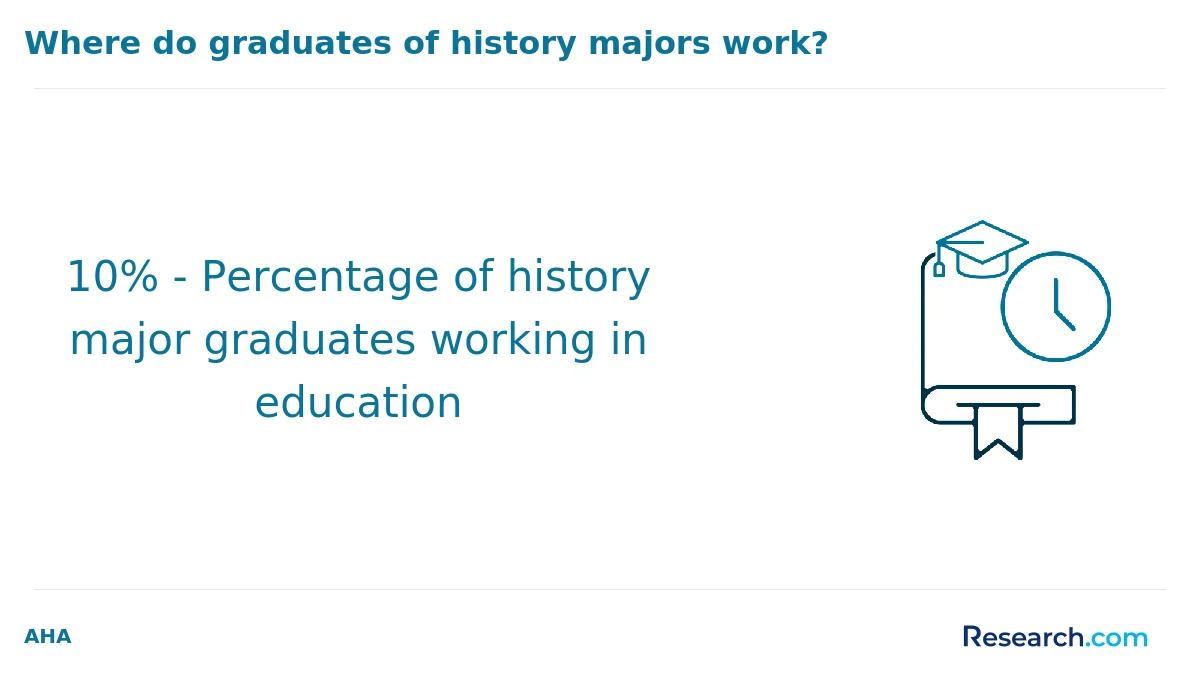
Graduates with an online history degree in Alabama find various career paths that leverage their skills in research, analysis, and communication. Common roles include historians or historical researchers employed by government agencies or local institutions such as the Alabama Department of Archives and History. These positions align well with job opportunities with history degree Alabama, offering median wages close to the national average of $63,000 as reported by the U.S. Bureau of Labor Statistics in 2023.
Many graduates pursue teaching careers in public high schools across Alabama, supported by programs at universities like the University of Alabama or Auburn University. History educators typically earn between $44,000 and $52,000, benefiting from the state's focus on certification pathways tailored for online students. Others apply their degree in museums or cultural organizations, working as curators or archivists, utilizing local resources and historical centers.
Furthermore, government and public administration roles attract graduates who use historical knowledge in policy analysis or preservation efforts. A number also move into journalism or publishing, highlighting the versatility of skills gained. Prospective students can explore affordable online history degrees in Alabama that support these career outcomes.
The job market for graduates with an online history degree in Alabama is diverse, reflecting both regional demand and broader national trends. Those holding such degrees often find opportunities in urban centers like Birmingham and Montgomery, working as secondary school teachers, museum curators, or historical researchers. Graduates from popular Alabama institutions frequently share that their degree opened doors to roles in government agencies and cultural institutions.
With a strong foundation from an Alabama online program, many graduates feel confident pursuing education roles, although certification is typically required to teach in public schools. The median salary for postsecondary history teachers in the state is around $69,000, aligning well with national averages. Other roles, such as archivists and museum technicians, offer salaries near $45,000 to $50,000 annually, supporting a range of career paths.
For potential students weighing the investment, many find that Alabama's online history degree programs balance quality and affordability. Prospective learners can explore further details and benefits of an online history degree masters to better understand career outcomes and tuition options.
Overall, the online history degree job outlook Alabama continues to be steady, with shifts favoring graduates who combine classroom learning with practical internships, enhancing employability in education, preservation, and public history sectors.
2027 Most Affordable Online History Degree Programs Ranking in Alabama
Investing in your education is a significant decision that can influence your future, and the Research.com team is deeply aware of the importance of making well-informed choices. To support prospective students looking for affordable history degrees in Alabama, we have carefully developed the "2027 Most Affordable Online History Degree Programs Ranking in Alabama." Our dedication to quality, credibility, and accuracy is demonstrated through thorough research and detailed analysis.
We utilized the following reputable data sources to ensure a comprehensive evaluation of history degree programs:
By consulting this ranking, readers will obtain valuable insights into the most affordable online history degree programs in Alabama, helping them navigate their educational opportunities with confidence. For more information about how this ranking was created, please visit our Research.com methodology page.


# 5 position
Judson College
Bachelor of History

Frequently Asked Questions About history
Students pursuing online history degrees in Alabama can enhance their learning by actively engaging with course materials and participating in virtual discussions. Research shows that interaction improves retention and critical thinking skills, especially in history studies. Utilizing digital libraries such as the Alabama Department of Archives and History provides rich primary sources that deepen understanding of regional and national events.
Time management is crucial; setting regular study schedules helps balance coursework and personal commitments. Alabama students may also benefit from joining online forums or history clubs affiliated with universities to connect with peers and historians.
Lastly, taking advantage of professors' office hours, even virtually, supports personalized feedback, which is shown to improve academic outcomes in online education, according to the National Center for Education Statistics (NCES).
The field of history is expanding beyond traditional areas, opening new opportunities for online students in Alabama. One growing niche is public history, which focuses on preserving and promoting historical knowledge through museums, archives, and community projects. The Alabama Historical Commission supports many such efforts, reflecting increasing local interest.
Digital history is another emerging area, combining technology and historical research. This involves using digital tools to analyze and present historical data, a skill highly valued in many sectors.
Environmental history is also gaining momentum, examining the relationship between humans and the natural world over time. Alabama's rich ecological regions provide vital case studies.
These niches prepare students for diverse careers in education, preservation, and research, aligning well with Alabama's cultural heritage and job market demands.
Graduates with an online history degree in Alabama should focus on building practical skills to enter the job market confidently. Alabama's strong public library system and several historical societies offer valuable volunteer and internship opportunities to gain real-world experience. Developing expertise in digital archiving, research, and data analysis is critical, given the growing demand for tech-savvy historians.
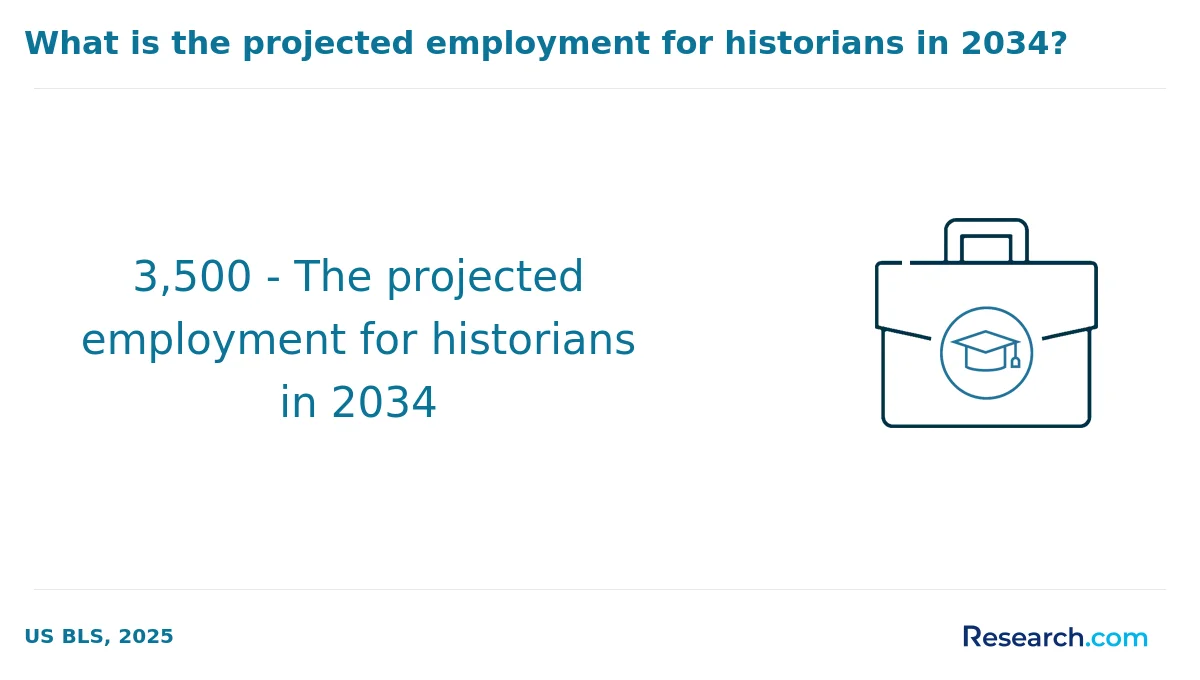
According to the U.S. Bureau of Labor Statistics, employment for historians is projected to grow by 6% through 2032, slightly below the national average, emphasizing the importance of specialized skills. Networking with Alabama-based organizations like the Alabama Historical Association can also enhance job prospects. Additionally, consider certifications in archival studies or museum work, which can complement an online history degree and increase employability across education, research, and public history sectors.
Employers in Alabama value history degree graduates who demonstrate strong critical thinking and research skills. These graduates must be able to analyze primary and secondary sources effectively, a core ability emphasized by the American Historical Association. Additionally, clear written and verbal communication is essential, as many history roles involve reporting findings or teaching.
Proficiency with digital archives and online databases is increasingly important, reflecting trends in historical research methods. According to the Alabama Department of Labor, employers also seek candidates with project management skills and the ability to work independently, especially in remote or hybrid settings common in today's workplace.
Understanding historical context relevant to Alabama and the broader Southern U.S. enhances job prospects in museums, libraries, and education sectors, which make up a significant percentage of history-related employment in the state.
To find internships in Alabama relevant to a history degree, students should start by exploring partnerships between universities and local organizations. Many Alabama universities, such as the University of Alabama and Auburn University, have formal internship programs with museums, archives, and historical societies. The Alabama Department of Archives and History offers internship opportunities for students to gain hands-on experience with primary documents and historical research.
Additionally, students can contact local museums like the Birmingham Civil Rights Institute or the Huntsville Museum of History, which often provide internships specifically for history majors. Job platforms such as Handshake or Internships.com frequently list Alabama-based opportunities. Networking through professors and alumni can also lead to valuable placements.
Obtaining an online history degree in Alabama can significantly enhance career mobility and advancement opportunities within the state. Graduates are well-prepared for roles in education, museums, public history, and government agencies. According to the Alabama Department of Labor, professionals with history-related degrees often see a 10% higher employment rate compared to those without specialized education in the field.
Online learning offers flexibility, allowing students to gain relevant skills while maintaining employment, which supports career progression. The ability to analyze historical data and communicate effectively is highly valued in Alabama's expanding cultural heritage and archives sectors.
Moreover, networking through Alabama universities' online programs connects graduates with local job markets, helping in career growth and job placement.
Online history degree programs in Alabama emphasize interdisciplinary skills by integrating courses from political science, sociology, and cultural studies. This approach prepares students to analyze complex historical events within broader social, economic, and political contexts. For example, the University of Alabama's curriculum encourages the study of regional history alongside geography and economics, equipping graduates to work in diverse fields such as education, public policy, and museum curation.
According to the Alabama Commission on Higher Education, history majors have a growing role in interdisciplinary teams, especially in sectors using data analytics and digital humanities. This broad education fosters versatile problem-solving and critical thinking skills needed in today's job market.
When choosing between a thesis and a non-thesis online history degree program in Alabama, consider your career goals first. Thesis programs typically require original research and a formal written document, which suits students aiming for academic or research careers. Non-thesis options focus more on coursework and practical skills, ideal for those pursuing teaching or public history roles.
Alabama universities such as the University of Alabama offer both pathways, reflecting national trends by the American Historical Association. About 40% of history graduates prefer thesis tracks for graduate studies.
Also evaluate time commitment-thesis programs often extend degree duration due to research demands.
Check if your chosen school aligns with your learning style and professional needs.
Students based in Alabama seeking to study history abroad typically pursue this through online programs offering international course materials or study abroad partnerships. While Alabama universities primarily focus on in-state and online delivery, many have exchange agreements with institutions overseas that allow for short-term study or research opportunities. For example, the University of Alabama provides online history degrees that include options for virtual global history topics and occasional study tours abroad.
Alabama students can also leverage federal and state financial aid programs when enrolling in accredited programs with abroad components. According to the Alabama Commission on Higher Education, these pathways are growing to accommodate more international academic exposure.
In summary, options for studying history abroad from Alabama largely involve blended online curricula with international study opportunities rather than fully abroad-based programs.
Students pursuing an online history degree in Alabama can benefit from several part-time job opportunities that align with their academic interests. Working as a museum assistant or docent allows students to gain practical experience by engaging with historical artifacts and educating visitors. Alabama's rich history, including sites like the Birmingham Civil Rights Institute, offers ample opportunities in this area.
Archives and libraries, such as the Alabama Department of Archives and History, often hire part-time workers to assist with cataloging and research tasks. These roles help students develop valuable research and organizational skills.
Additionally, positions in historical preservation projects or local government cultural offices provide hands-on experience related to history and public engagement.
Online history students in Alabama benefit from several valuable networking opportunities. Many universities offering online programs encourage engagement through virtual student organizations and history-focused clubs. For example, the Alabama Historical Association hosts events that connect students with professional historians and educators statewide. Additionally, students often have access to virtual internships with museums and archives, such as the Alabama Department of Archives and History.
Students can also participate in online forums and webinars held by the American Historical Association, which connects scholars and students nationwide. Moreover, local alumni networks from Alabama universities provide mentorship and job leads, supporting career growth in history-related fields.
Alumni networks offer significant benefits for students pursuing online history degrees in Alabama. These networks connect current students with graduates who have practical experience in fields such as education, archival work, and public history. In Alabama, where historic sites and cultural institutions are prominent, alumni can provide valuable insights and local internship opportunities.
Research from the Alabama Historical Commission shows that strong professional connections improve job placement rates in history-related careers by up to 25%. Alumni often mentor students, helping them navigate job markets and graduate programs.
Moreover, these networks foster community among distance learners, reducing isolation common in online education.
Customizing an online history degree program in Alabama allows students to tailor their education to specific career goals. Many Alabama universities offer concentrations or minors in areas like public history, archival studies, or education. This flexibility helps prepare students for diverse roles such as museum curators, educators, or researchers.
Students can also choose electives focusing on regional history or broader topics, aligning coursework with interests in Alabama's rich cultural heritage. According to the Alabama Commission on Higher Education, roughly 35% of history majors select specialized tracks to enhance job prospects.
Internships and research projects available through online programs further support practical experience relevant to career ambitions.
Online history students in Alabama often face challenges related to engagement and access to resources. Many report difficulty in replicating the deep discussions found in traditional face-to-face classes, which are crucial for understanding diverse historical perspectives. Additionally, some universities in Alabama have limited digital archives compared to on-campus libraries, impacting research quality.
Connectivity is another concern, especially in rural areas where nearly 20% of households lack reliable high-speed internet, according to the Alabama Department of Public Health. This hampers access to video lectures and timely submission of assignments.
Furthermore, balancing coursework with personal and professional responsibilities is a common struggle, as many online students are working adults. Institutions increasingly offer flexible deadlines to support this demographic, but time management remains a significant challenge.
With an online history degree, graduates in Alabama can pursue various professional certifications to enhance career prospects. One common certification is the Certified Archivist credential offered by the Academy of Certified Archivists. This is valuable for those interested in managing historical records in libraries or museums. Another option is the Teacher Certification in Social Studies, which allows graduates to teach history in Alabama public schools after completing the state's required licensure process through the Alabama State Department of Education.
Additionally, some may pursue the Museum Studies Certificate to work in curation or exhibit planning. These certifications help validate expertise and improve employment opportunities in history-related fields.
When applying to an online history program in Alabama, start by carefully reviewing each school's admission requirements to ensure eligibility. Most programs require transcripts demonstrating a solid GPA, typically around 2.5 to 3.0. Highlight your passion for history by crafting a clear, focused personal statement. Emphasize any relevant experience, such as volunteer work at local historical sites or research projects.
Include strong letters of recommendation, ideally from professors or professionals familiar with your academic abilities. Alabama State University and the University of Alabama at Birmingham provide valuable resources about application expectations. Lastly, tailor your application to show interest specifically in Alabama history, which can strengthen your candidacy given the state's rich historical background.
Global perspectives on a history career emphasize its versatility and relevance across many fields. In the United States, including Alabama, a history degree equips students with strong research, critical thinking, and communication skills.
These abilities are valued worldwide in careers such as education, museums, public policy, and cultural preservation. According to the U.S. Bureau of Labor Statistics, historians can find roles in government and private sectors, with Alabama offering opportunities linked to its rich Civil Rights history.
While global demand varies, history graduates often contribute to intercultural understanding, supporting diplomacy and international relations efforts.
Online history programs in Alabama provide accessible pathways to join this evolving, globally connected profession.
Gaining practical experience while studying for an online history degree in Alabama is vital for building skills and enhancing your resume. Many Alabama universities offering online history programs encourage internships with local museums, historical societies, or archives. For example, the Alabama Department of Archives and History provides internship opportunities that allow students to work directly with primary sources and historical documents.
Students can also participate in virtual research projects or local history preservation initiatives. Engaging in online history forums and attending webinars hosted by Alabama historical associations can deepen understanding and networking.
Faculty advisors often assist in connecting students with relevant organizations, giving valuable real-world exposure even in an online format.
Choosing the right concentration within an online history degree program in Alabama involves considering your career goals and personal interests. History degrees often offer concentrations such as American History, World History, Public History, or Cultural Studies. For Alabama residents, concentrating on Southern or Alabama history can be valuable because of the state's rich civil rights and industrial heritage, which may open opportunities in education or local museums.
Evaluate programs accredited by recognized bodies like the Southern Association of Colleges and Schools Commission on Colleges (SACSCOC), ensuring the concentration is well-supported with faculty expertise. Research local job markets in education, archives, or government sectors to align your focus with demand. According to the Bureau of Labor Statistics, history-related roles are growing steadily, especially in public history and education, making a thoughtful concentration choice essential.
- THE list of internships for history majors https://employedhistorian.com/history-major/internships-for-history-majors/
- History Education (Concentration) https://www.lawsonstate.edu/learn_at_lawson/programs_and_divisions/college_transfer_programs/history_education.aspx
- Undergraduate Certificate in History | Thomas Edison State University https://www.tesu.edu/degrees-programs/certificates/undergraduate-history.php
- My Top 3 Recommendations on Networking in the History World | An Historian About Town https://anhistorianabouttown.com/recommendations-on-networking-in-the-history-world/
- How to Network with Alumni | Student Guide to Alumni Networking 2026 https://digitalrecordboard.com/blog/how-to-network-with-alumni/
- 2023 Most Popular Online History Schools in Alabama https://courseadvisor.com/majors/history/history/rankings/most-popular-online/southeast/alabama/
- How to Become a History Researcher: Steps and Career Outlook https://online.norwich.edu/online/about/resource-library/how-become-history-researcher-steps-and-career-outlook
- What Can I do With a History Degree? https://theinterngroup.com/our-blog/what-can-i-do-with-a-history-degree
- The Challenges of Studying History in School | Education Research Project Topics and Materials https://educationtopics.com.ng/the-challenges-of-studying-history-in-school/60853/history-education/
- What Can You Do With a History Degree? https://willamette.edu/academics/college/history/career-options