2027 Fastest Online History Degree Programs Ranking in the West

Co-Founder and Chief Data Scientist
Choosing the right history degree program can shape your future and open doors to exciting career paths. This article introduces the 2027 Fastest Online History Degree Programs Ranking in the West, developed by the Research.com team of data scientists. It is designed to help you make a confident and informed decision about which programs suit your goals.
Reading this ranking will save you time and provide clarity, making the often overwhelming search simpler. Pursuing a history degree enriches your understanding of the past and sharpens critical thinking-skills that are valuable in many fields.
Key benefits of getting online history degree in the West
- While specific salary data for history majors is not available, graduates often find rewarding careers in education, research, and public service with competitive salaries reflecting their skills and expertise in the US job market.
- A history graduate from a well-known university in the West may pursue careers as museum curators, archivists, or cultural resource managers, enjoying diverse and fulfilling professional opportunities.
- Completing a history degree online allows for greater flexibility and convenience, enabling students from the West to balance work and study effectively while accessing high-quality education from respected institutions.
- Key benefits of getting online history degree in the West
- What can I expect from online history degree in the West?
- Where can I work with online history degree in the West?
- How much can I make with online history degree in the West?
- 2027 Fastest Online History Degree Programs Ranking in the West
- Key Findings
- How long does it take to complete online history degree in the West?
- What's the difference between online and on-campus history degree?
- What is the average cost of online history degree in the West?
- What financial aid is available to online history degree students in the West?
- What are the prerequisites for enrolling in online history degree program in the West?
- What courses are typically in online history degree programs in the West?
- What types of specializations are available in online history degree programs in the West?
- How do you choose the best online history degree in the West?
- What career paths are available for online history degree students in the West?
- What is the job market for online history degree in the West?
- Top Trending History Rankings
What can I expect from online history degree in the West?
The average cost of an online history degree in the Western United States typically ranges from $12,000 to $30,000 for a full bachelor's program, depending on the institution and credit requirements. Graduates from popular universities in California, Washington, and Oregon often report utilizing flexible payment plans and financial aid, making the investment feel manageable alongside work and family commitments.
For example, students at a well-known California state university noted that while tuition was a significant consideration, the ability to study fully online without relocating saved substantial living expenses. Similarly, graduates from an Oregon institution valued the competency-based program options that reduced overall tuition by enabling them to apply prior experience toward degree credits.
In addition to cost efficiency, students frequently express confidence in the quality of education and the career prospects linked to accredited online history degrees in the region. This reassurance underpins their positive outlook about balancing affordability with a comprehensive curriculum focused on Western US history and broader global contexts, enhancing their motivation and academic success.
Where can I work with online history degree in the West?
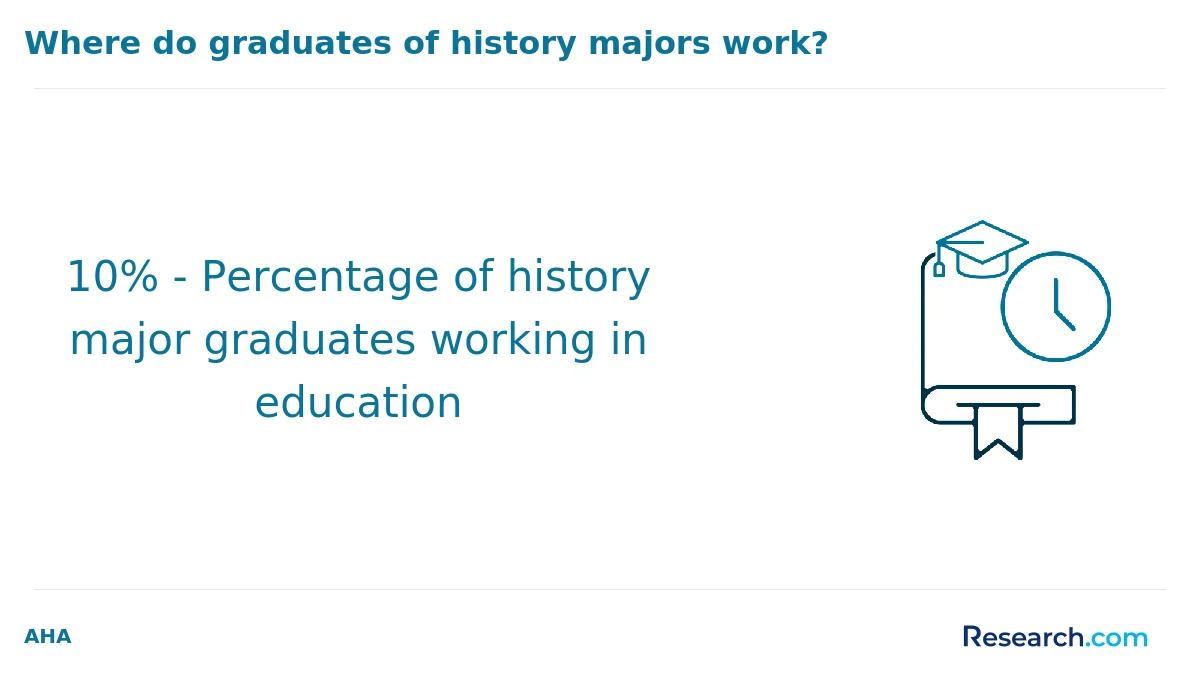
Graduates with an online history degree from Western institutions like the University of Washington or the University of California often find diverse career paths in education, cultural organizations, and government agencies. Many secure teaching roles in secondary schools or community colleges, with some expanding their qualifications through advanced degrees or certifications to enhance job prospects.
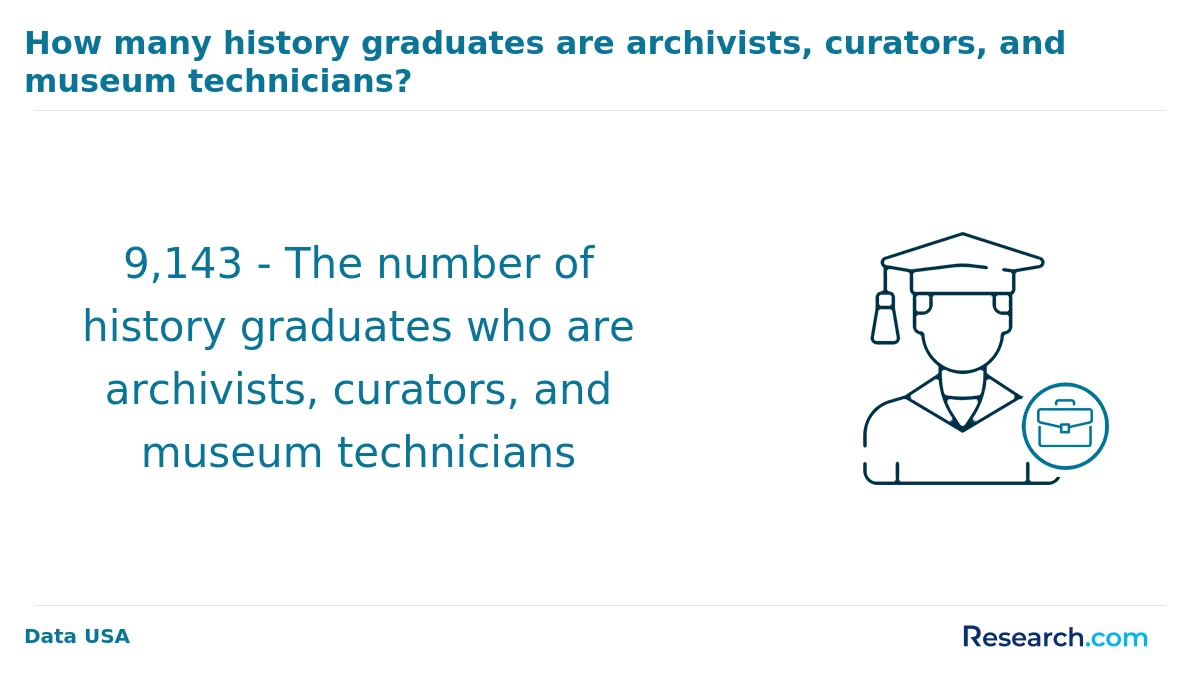
According to the U.S. Bureau of Labor Statistics, employment for archivists, curators, and museum workers is expected to grow by 7% nationally, benefiting graduates seeking roles in California's museums or Oregon's historical societies. These positions demand strong research and organizational skills, which students develop through rigorous online curricula focused on critical thinking.
State agencies such as the California Office of Historic Preservation frequently hire graduates to manage historical sites, combining fieldwork with policy expertise. Others thrive in Western media hubs like Seattle or Los Angeles, applying their analytical skills to journalism, documentary production, or publishing.
Additionally, some alumni leverage their historical insight in business sectors like market research and consulting, particularly in tech-driven cities where blending humanities with data analysis is highly valued.
How much can I make with online history degree in the West?
Graduates with an online history degree in the Western United States often find that their earnings reflect the region's economic landscape, even though specific salary data for many history-related jobs are unavailable. Many graduates from well-known institutions like the University of California system report entry-level salaries between $55,000 and $75,000, especially in education and public history sectors. For example, high school history teachers in California typically earn close to $80,000, according to regional averages, creating promising prospects for those interested in teaching careers.
Archivists and curators, common career paths for history graduates, tend to earn around $60,000 in metropolitan Western areas. Graduates with advanced degrees, such as master's or Ph.D.s from schools like Stanford or the University of Washington, often secure university professor roles with salaries ranging from $70,000 to $110,000, depending on experience and institutional type.
While data gaps exist, these figures suggest that online history degree holders in the West have access to stable income paths in education, museums, and cultural sectors, with potential for growth through advanced study and regional opportunities.
2027 Fastest Online History Degree Programs Ranking in the West
How do we rank schools?
Investing in your education is a significant decision that can shape your future, and the Research.com team understands the importance of making informed choices. To help prospective students navigate options efficiently, we have carefully developed the "2027 Fastest Online History Degree Programs Ranking in the West." Our dedication to quality, credibility, and accuracy is demonstrated through thorough research and analysis to ensure reliable results.
We utilized the following reputable data sources to create this ranking:
By exploring this ranking, readers will gain valuable insights into the fastest online history degree programs in the western region, empowering them to make informed decisions about their educational journey. For more information on how this ranking was compiled, please visit our Research.com methodology page.



Key Findings
- Online history degrees in the Western US offer flexible, remote learning similar to traditional programs, suitable for working adults.
- Annual tuition for in-state students at public universities typically ranges from $7,000 to $15,000, with private and out-of-state costs being higher.
- Entry-level jobs for history graduates usually pay between $40,000 and $50,000 per year, with potential to rise to $60,000-$80,000 or more with experience.
- Employment growth in history-related fields is modest but strongest in museums, libraries, and education.
- Accreditation by regional bodies is common among Western online programs, important for credit transfer and financial aid eligibility.
How long does it take to complete online history degree in the West?
Completing an online history degree in the Western US typically takes four years for full-time bachelor's students, which aligns with national averages. Graduates from universities such as the University of Washington or California State University often describe their experience as a manageable four-year commitment that balanced coursework with internship opportunities and family life. Part-time students, common among working adults, frequently extend their path to five or six years, appreciating the program flexibility that online formats in the West provide.
Those pursuing associate degrees through community colleges, like those in Oregon or Arizona, usually finish in about two years of full-time study. This option is popular for students eager to transfer to four-year programs later or enter the workforce sooner.
Master's programs, often offered by schools like the University of Southern California online, generally last one to two years. Graduates famous for juggling jobs and family responsibilities highlight the benefit of part-time pacing and thesis completion flexibility in these programs.
What's the difference between online and on-campus history degree?
Online history degrees in the Western US offer significant flexibility compared to traditional on-campus programs. Graduates from institutions like the University of California and Washington State University appreciate being able to study around their work or family commitments, especially in rural areas where commuting to campus is impractical. This remote access includes lectures and assignments available anytime, making it easier to balance life and education.
By contrast, on-campus students experience direct engagement with faculty and archives, enhancing their learning through in-person discussions and access to physical resources. For example, at universities such as Stanford or the University of Oregon, these interactions often lead to hands-on internships and research opportunities in regional museums or historical societies, strengthening professional networks.
Financially, online programs can reduce costs by eliminating commuting and housing expenses, though tuition rates sometimes remain comparable. As reported by the NCES, public universities in the West typically charge $8,000 to $12,000 annually for in-state students, regardless of delivery method.
- Accreditation standards are consistent across formats, ensuring equivalent academic quality.
- Graduation rates show online students often face challenges due to self-directed study demands.
- Some Western schools offer hybrid models, combining the best of both online and on-campus experiences.
What is the average cost of online history degree in the West?
The average cost of an online history degree in the West typically centers around a median total expense of $58,800. For out-of-state students attending public or private institutions, this figure rises to approximately $72,432, reflecting higher tuition rates outside resident status. In contrast, in-state students benefit from more affordable tuition, averaging around $64,980, which is notably lower due to public university subsidies and residency advantages.
Students pursuing degrees at well-known Western universities with robust online history programs often find that these costs include tuition, fees, and additional expenses such as textbooks and technology. Graduates frequently recall managing these investments by leveraging financial aid or participating in affordable online history degree programs Western states offer, enabling a balanced approach to high-quality education without overwhelming debt.
Community colleges and public institutions in the region can also create accessible pathways where tuition ranges from $3,000 to $6,000 annually for in-state learners, often allowing students to transfer credits for a more cost-effective degree progression. Some states feature flat-rate tuition for online bachelor's history degrees priced between $15,000 and $20,000, creating predictable financial planning for prospective students.
Those interested in what career paths lie ahead may explore what can you do with a history degree, which can inspire confidence in the investment. These practical options, coupled with the median costs reported, help frame realistic expectations for students seeking an online history degree in the West.
What financial aid is available to online history degree students in the West?
Students pursuing an online history degree in the Western United States commonly access diverse financial aid sources to manage tuition costs. Public universities in this region typically charge between $7,000 and $15,000 annually for in-state online undergraduates, while private institutions can cost over $30,000. Federal aid, accessed via FAFSA, plays a crucial role: Pell Grants offer up to $7,395 annually without repayment, and federal loans provide affordable interest rates with flexible repayment options. Graduates from Western public universities often emphasize the importance of submitting FAFSA early to maximize aid.
State-specific grants also significantly reduce expenses. For example, California's College Promise Grant waives enrollment fees for eligible community college students, including those enrolled in online history courses. Similarly, Oregon and Washington provide grants targeting residents attending public institutions. Many Western schools provide merit-based or need-based scholarships tailored to online learners, veterans, and adult students, substantially easing their financial burden.
Employer tuition assistance further supports working professionals balancing studies and careers, frequently covering partial or full tuition for relevant history degrees. Flexible payment plans offered by universities help spread out costs, making the pursuit of an online history degree in the West more financially achievable and rewarding.
What are the prerequisites for enrolling in online history degree program in the West?
Applicants seeking enrollment in online history degree programs in the Western U.S. must generally hold a high school diploma or GED as a baseline credential. Graduates from institutions like the University of California or Arizona State University frequently cite maintaining a minimum 2.0 to 2.5 GPA as essential for acceptance, reflecting consistent academic performance in English and social studies courses. Many Western programs have adopted test-optional policies, making submission of SAT or ACT scores optional but beneficial for competitive applicants.
Transfer students and those pursuing master's degrees encounter additional criteria: official transcripts verifying completed history coursework and letters of recommendation. For example, students at well-regarded colleges report that a clear statement of purpose greatly influences admission into advanced programs. Non-native English speakers often need TOEFL or IELTS scores, ensuring sufficient language skills for writing-intensive assignments.
Technical readiness is vital-graduates recall the necessity of reliable internet and up-to-date software to access lectures and databases, particularly at tech-forward Western universities. These prerequisites, though rigorous, help students confidently engage with their studies and community online.
What courses are typically in online history degree programs in the West?
Online history degree programs in the Western United States typically include core courses such as U.S. History from Colonial Times to the Present and Western Civilization: Ancient to Modern, providing a broad base in key historical periods. Graduates from prominent Western institutions often highlight how courses like Historical Research Methods and Writing sharpened their analytical and communication skills, vital for careers in education or public policy. These programs delve deeply into region-specific topics, including History of the American West and Indigenous Peoples, as well as The History of California and Pacific Northwest, making the curriculum highly relevant to local cultural contexts.
Specialized courses, frequently featured at universities popular in the West, explore themes like The Civil War and Reconstruction Era and Environmental History and the American Frontier. Many students praise hands-on learning opportunities involving public history, archival studies, and digital history tools, which prepare them for roles beyond academia, such as museum curation or managing digital archives. This practical focus, combined with flexible online formats, reflects the distinct advantages of pursuing history degrees within Western institutions.
What types of specializations are available in online history degree programs in the West?
Online history degree specializations in the West commonly include regional and thematic focuses that align with the cultural and historical context of the area. Graduates from universities such as the University of California system often select American History, emphasizing the Western frontier, Indigenous communities, and significant political movements. European History remains a staple, tracking developments from ancient to modern Europe, popular among those seeking a global perspective.
Thematic options like Public History are increasingly sought after, particularly as museums and archives in the West expand their digital presence. With 64% of West Coast cultural institutions boosting online engagement in 2023, students gain skills relevant for careers in preservation and digital archiving. Other notable specializations include Military History, Women's and Gender Studies in History, and Environmental History, reflecting the diversity of historical narratives explored in Western programs.
Such focused study prepares graduates for a variety of career opportunities. Students at these institutions often cite how interdisciplinary courses combining political science or economics enhance their readiness for jobs with a history degree in education, policy, or cultural sectors. These multiple emphasis areas represent the best history degree focuses for Western students currently.
How do you choose the best online history degree in the West?
To choose the best online history degree in the West, prioritize accreditation from agencies like the Western Association of Schools and Colleges (WASC), ensuring federal aid eligibility and employer recognition. Graduates from Portland State University often praise its flexible course schedules that accommodate working professionals, illustrating the practical benefits of program flexibility.
Curriculum diversity is crucial; look for programs offering extensive coverage from American to Indigenous history with strong research opportunities and access to digital archives. The University of Arizona's online history degree is noted for its robust faculty engagement, enhancing learning through active mentorship and feedback, which many students have found motivating and supportive.
Cost is another key factor. Affordable online history degrees in Western US public institutions range between $7,000 and $15,000 per year for in-state tuition, with some programs offering flat rates regardless of residency. Comparing total expenses, including fees, helps avoid surprises. Graduates often mention feeling reassured by transparent pricing during their studies.
Consider student support focused on career development in history-related fields. For those exploring master's in history jobs, programs with dedicated advising and digital library access provide a clear advantage for post-graduate success.
What career paths are available for online history degree students in the West?
Graduates with an online history degree in the West can pursue diverse career paths including roles as historians, archivists, museum curators, and educators. Public universities such as the University of Washington and California State University often prepare graduates for K-12 teaching certification, which is essential for those aiming to become social studies teachers in states like Washington and California. Many alumni find rewarding positions working with historic preservation organizations, libraries, or national parks, particularly given the Western US history degree job prospects tied to the region's rich cultural and indigenous heritage.
In urban centers like Seattle and San Francisco, history graduates often secure government roles as policy analysts or archivists, earning median salaries around $60,000 annually. Graduates also leverage their analytical skills in business, law, and journalism, reflecting the wide applicability of the degree. For students weighing affordability, exploring the cheapest online degree history options can significantly reduce overall costs, enhancing access to these career opportunities across the Western United States.
What is the job market for online history degree in the West?
The job market for graduates holding an online history degree in the West offers diverse opportunities despite the field's unique challenges. Many graduates from popular institutions like the University of California system or the University of Washington find career opportunities in education, archives, and museums in metropolitan areas such as Los Angeles and Seattle. The job outlook for history graduates in Western states is positive, with postsecondary teaching roles expected to grow by 9% over the next decade, outpacing average occupational growth. Museums and cultural organizations across California, Oregon, and Washington employ over 40,000 workers, offering access to entry-level positions like curatorial assistants or educational coordinators, which graduates appreciate for combining their passion with practical work experience.
Graduates emphasize how the critical thinking and research skills developed through their studies translate well beyond traditional roles, often stepping into public policy, digital content, or law. Those considering further study can explore online masters degrees in history that build advanced expertise. In-state tuition remains affordable at many public universities, balancing education cost and job prospects, making online history degree career opportunities in the West a viable path for many students aiming to thrive in culturally rich urban centers.
Frequently Asked Questions About history
Online history degree students in the West can maximize their learning experience by actively engaging with multimedia resources such as virtual archives, digital museums, and online lectures. Many universities, including those in California and Washington, offer access to extensive digital collections that enhance understanding of regional history.
Collaborating with peers is crucial; students should join online discussion forums and study groups to deepen their insights and develop critical thinking. According to the Western Interstate Commission for Higher Education, students who participate in interactive platforms show higher course completion rates.
Time management is equally important. Setting a structured study schedule helps balance coursework with personal and professional responsibilities effectively.
Emerging niches within the history field reflect growing interests in technology, environment, and social justice. In the West, digital history has become prominent, combining history with data analysis and digital tools to preserve and interpret historical records. According to the American Historical Association (AHA), this niche has gained significant attention among online history degree students.
Environmental history is another fast-growing area, especially in Western states facing climate challenges. It explores human interactions with nature over time, offering insights relevant to contemporary issues.
Lastly, public history focusing on social movements and marginalized communities is expanding, driven by increased demand for diverse perspectives in education and media.
After earning an online history degree in the Western US, preparing for the job market involves strategic steps. First, gaining relevant experience through internships or volunteer work at museums, archives, or historical societies can enhance employment prospects. According to the Bureau of Labor Statistics, history-related fields like archivists and curators are expected to grow about 9% from 2020 to 2030, reflecting increasing opportunities.
Building strong research and writing skills is vital, as many history jobs require creating detailed reports and presentations. Networking through professional organizations such as the Western Historical Association also supports job placement. Additionally, complementing history knowledge with skills in digital tools or public history can broaden career paths in education, preservation, and cultural resource management.
Employers hiring history degree graduates in the Western US prioritize strong research and critical thinking skills. According to the National Association of Colleges and Employers (NACE), 85% of employers value the ability to analyze and interpret historical data effectively. Graduates must also demonstrate excellent writing and communication skills, as nearly 78% of job postings mention these as essential.
Digital literacy is increasingly important, especially familiarity with online archives and historical databases relevant to the region. Additionally, problem-solving abilities and cultural awareness are key skills that employers seek, enabling graduates to apply historical perspectives to modern challenges.
Finding internships relevant to a history degree in the Western US requires a strategic approach. Start by exploring opportunities through university career centers, which often connect students to local museums, archives, and historical societies. Many organizations in California, Washington, and Oregon offer internships specifically for history majors.
The National Park Service, with several significant sites in the West, provides competitive internships for students interested in public history and preservation. According to the Bureau of Labor Statistics, internships can increase job prospects by 20% in history-related fields.
Additionally, networking through professional associations like the Western History Association can reveal less advertised openings. Many internships offer remote options, beneficial for online students.
An online history degree in the Western United States can significantly enhance career mobility for graduates. According to the U.S. Bureau of Labor Statistics, employment in related fields like historians and archivists is expected to grow 6 percent from 2021 to 2031, a rate that indicates steady demand. Online programs often provide flexible schedules, enabling working professionals to advance their education without pausing their careers.
Graduates with history degrees in the West frequently find opportunities in education, research, museums, and government roles. According to the Western Interstate Commission for Higher Education, history majors who pursue graduate studies online gain skills valued in leadership and analytical positions.
Employers increasingly recognize accredited online degrees, and many history programs in the region emphasize transferable skills such as critical thinking and research, which support advancement in diverse careers.
Studying for a history degree in the Western United States offers students extensive opportunities to develop interdisciplinary skills essential for diverse careers. Many accredited online programs integrate courses in political science, economics, and cultural studies, reflecting the interconnected nature of historical events.
According to the American Historical Association, nearly 60% of history graduates in the West pursue roles requiring analysis across multiple fields, such as public policy, education, and museum curation. Online history programs frequently emphasize research methods and critical thinking capable of addressing complex societal challenges.
Furthermore, Western institutions often collaborate with other departments, encouraging students to understand history alongside contemporary social sciences. This cross-disciplinary learning equips graduates to adapt in professional environments that value broad perspectives and analytical versatility.
Choosing between a thesis and a non-thesis online history degree in the West depends on your career goals and learning preferences. Thesis programs emphasize original research and writing, ideal for students seeking academic or research careers. Non-thesis options focus more on coursework and practical knowledge, suited for those aiming for public history, teaching, or administrative roles.
The Western Association of Schools and Colleges notes that about 60% of online history degrees in the region offer both tracks, giving flexibility. Thesis tracks often require 6-9 months of research, while non-thesis students usually complete additional classes or a capstone project.
Consider your time commitment and future plans carefully when selecting your program.
Students in the Western United States seeking online history degrees have diverse options for studying history abroad. Many universities in the West partner with international institutions, offering study-abroad programs that combine virtual and on-site learning experiences. According to the Western Interstate Commission for Higher Education (WICHE), approximately 25% of students in the region participate in some form of international education.
Top Western public universities provide flexible online history courses that include global perspectives, allowing learners to explore topics relevant to Europe, Asia, and Latin America without leaving their homes. Institutions like the University of California system emphasize accessibility in their online history offerings.
Moreover, accredited online programs often include opportunities for virtual exchanges or internships with foreign archives and museums. This trend supports students seeking comprehensive historical education and international exposure despite geographic constraints.
Students pursuing online history degrees in the Western US benefit from various part-time job opportunities that complement their studies. Popular roles include museum assistants, archival workers, and research aides. According to the U.S. Bureau of Labor Statistics, the Western region provides numerous openings in heritage institutions and libraries, supporting hands-on experience with historical artifacts and documents.
Additionally, many universities and cultural organizations seek history interns for digital cataloging and public history projects. These positions enhance research skills and provide valuable networking. Freelance writing for local historical publications or educational blogs is another flexible option, allowing students to apply their analytical and communication skills while earning income.
Online history students in the Western United States have access to diverse networking opportunities despite studying remotely. Many universities offer virtual events, workshops, and guest lectures specifically for history students to connect with faculty and peers. For example, schools like Arizona State University and University of Washington host online history forums where students collaborate on research and career topics.
Professional organizations such as the Western History Association invite online students to participate in conferences and regional chapter meetings, providing valuable contacts in the field. According to the American Historical Association, nearly 40% of history students in the West use these associations to expand their professional networks.
Additionally, online history programs frequently promote internships and partnerships with local museums and cultural institutions, enabling students to gain practical experience and build relationships in Western history circles.
Alumni networks offer significant advantages to students pursuing online history degrees in the Western United States. These networks provide opportunities for mentorship, helping current students connect with graduates who have successfully entered academic, museum, or archival careers. According to research from the National Council on Public History, over 60% of history graduates in the West find employment through personal connections, highlighting the value of these networks.
Moreover, alumni events-both virtual and in-person-enhance professional development and expand job prospects in culturally rich regions like California and Washington. These connections also offer insights into regional history projects and internships, essential for hands-on experience.
Customizing an online history degree program in the Western US allows students to align their studies with specific career goals. Many universities offer concentrations such as public history, archival studies, or American West history, giving you the chance to focus on areas relevant to museum work, education, or research. Elective courses often include topics like Native American history, environmental history, or digital history methods.
Students can also select internships or capstone projects tailored to desired professions. Western regional schools, including the University of Arizona and Oregon State University, provide flexible schedules and specialized course options. According to the Western Association of Schools and Colleges, over 40% of online history students in the West pursue certificates alongside their degrees to improve job prospects.
Online history students in the Western US face several challenges, primarily related to access and engagement. A 2023 report from the Western Interstate Commission for Higher Education (WICHE) highlights that 37% of online learners in history programs struggle with limited direct interaction with faculty, which affects deeper understanding of complex historical contexts.
Another common issue is balancing coursework with work and family commitments, as many students are working adults. Time management is critical, especially in demanding subjects that require extensive reading and writing.
Additionally, students often encounter difficulties accessing primary historical sources digitally, as not all libraries or archives provide sufficient online materials, limiting research opportunities.
Technical issues and the need for strong digital literacy can further hinder progress, particularly for older students or those in rural areas with restricted internet access.
With an online history degree, you can pursue various professional certifications that enhance your career prospects. Many graduates in the Western US choose to become Certified Archivists, credentialed by the Academy of Certified Archivists, which requires passing an exam and relevant work experience.
Other certifications include the Certified Genealogist designation, valuable for historians focusing on family histories or public records. Additionally, some graduates seek museum-related certifications, such as those offered by the American Alliance of Museums, to work in curation or preservation.
These certifications can open doors to careers in education, research, public history, and heritage management in the West. According to the Bureau of Labor Statistics, these fields are projected to grow about 5% through 2031.
Writing a winning application for an online history degree program in the West requires clear demonstration of your academic readiness and passion for the subject. Start with a well-crafted personal statement that connects your past experiences with your future goals in history. Highlight any related coursework, research, or volunteer work that shows your commitment.
Many Western institutions, including those in California and Washington, value applicants who show critical thinking skills and familiarity with historical methods. According to the National Center for Education Statistics, history remains among the top social science majors in the West, making competition steady but manageable.
Additionally, provide letters of recommendation from instructors who can attest to your analytical skills. Ensure your application materials are error-free and submitted before deadlines, as timely submissions increase acceptance chances.
The global perspective on a history career often emphasizes versatility and critical thinking skills gained through a history degree. In the West, especially in the U.S., history graduates find opportunities not only in education and research but also in law, government, and cultural preservation. According to the U.S. Bureau of Labor Statistics, employment for historians is projected to grow by 6% from 2021 to 2031, slightly faster than average for all occupations.
Online history degrees increasingly prepare students for global awareness, blending traditional study with digital research methods. Graduates understand diverse cultural narratives, which benefits international organizations and museums.
Moreover, history professionals contribute to policy analysis and public history projects, with many working in Western urban centers where public and private historical research demand remains steady. US higher education institutions emphasize a broad skillset applicable worldwide, highlighting a history career's relevance beyond academia.
Online history degree programs in the Western US increasingly emphasize practical experience alongside academic study. Students can participate in virtual internships offered by museums, historical societies, or archives within states like California and Washington. According to the American Historical Association, nearly 40% of history undergraduates engage in internships to enhance employability.
Many universities also encourage involvement in digital history projects, such as oral history collections or online exhibitions, which develop research and technical skills. Additionally, joining local historical organizations can provide networking and hands-on learning opportunities, even from a distance.
These experiences prepare students for careers in education, preservation, or public history fields in the Western region's rich cultural landscape.
Choosing the right concentration within an online history degree in the Western United States involves balancing personal interests with career goals. Many programs offer specializations such as Western American history, Native American studies, or public history. According to the Western Historical Association, Western-focused history degrees are among the most popular in the region, reflecting local cultural and social contexts.
Students should consider the specific course offerings and whether they align with their academic passions or desired professions. For example, those interested in education might select a concentration with a strong emphasis on teaching methodologies. Reviewing program outcomes and faculty expertise can also provide valuable insight.
Additionally, consider job market data; the Bureau of Labor Statistics notes that history-related roles in museums, archives, and education grow steadily in Western states. Online programs with flexible schedules and strong advising services can help tailor concentrations to fit personal and professional needs effectively.
Top Trending History Rankings
References
- History majors should have a more global perspective - The Lamron https://www.thelamron.com/opinion/history-majors-should-have-a-more-global-perspective
- What Can You Do With a History Degree? https://willamette.edu/academics/college/history/career-options
- 4 Steps to Find History Research Opportunities as an Undergraduate https://www.coltie.com/post/4-steps-to-find-history-research-opportunities-as-an-undergraduate
- Join the Alumni Network - National History Day https://nhd.org/en/get-involved/join-the-alumni-network/
- Niche History Picks from EPOCH https://www.epoch-magazine.com/post/niche-history-picks-from-epoch
- History Online https://www.nsu.edu/History-and-Interdisciplinary-Studies/History-Online
- My Top 3 Recommendations on Networking in the History World | An Historian About Town https://anhistorianabouttown.com/recommendations-on-networking-in-the-history-world/
- Finding Networking Opportunities as a Student | National Society of High School Scholars https://www.nshss.org/resources/blog/blog-posts/how-to-find-networking-opportunities-as-a-student/
- How to Apply to Graduate School | Canadian Historical Association | Société historique du Canada https://cha-shc.ca/publications/employing-history-a-guide-to-graduate-school-and-navigating-the-job-market/how-to-apply-to-graduate-school/
- The Challenges of Studying History in School | Education Research Project Topics and Materials https://educationtopics.com.ng/the-challenges-of-studying-history-in-school/60853/history-education/