2027 Most Affordable Online Bachelor's in History Degree Programs Ranking in the Northeast

Co-Founder and Chief Data Scientist
Exploring history through an online degree can open doors to understanding the past and shaping your future. For students in the Northeast, finding an affordable and reputable program is key to taking that first step with confidence.
This article presents the 2027 Most Affordable Online Bachelor's in History Degree Programs Ranking in the Northeast, developed by the Research.com team of data scientists. It offers clear insights to help you choose the right program that fits your goals and budget.
Whether you're passionate about history or seeking new career opportunities, this guide supports your journey with reliable information and encouragement.
Key benefits of getting online history degree in the Northeast
- History degree graduates in the Northeast often pursue roles like archivists or museum curators, earning around $56,000 to $61,000 annually according to general US salary trends for these careers.
- A graduate from a popular Northeast university might explore careers in education, public history, or cultural resource management, offering diverse opportunities that fit various interests and passions.
- Online history degrees provide flexible study schedules and accessibility, helping busy students balance life and work, as shown by graduates from well-known online programs in the Northeast who successfully advance their careers.
- 2027 Most Affordable Online Bachelor's in History Degree Programs Ranking in the Northeast
- What can I expect from online history degree in the Northeast?
- Where can I work with online history degree in the Northeast?
What can I expect from online history degree in the Northeast?
When it comes to the cost of an online history degree in the Northeast, expect to pay a bit more compared to other regions since tuition rates here tend to be on the higher side. That said, many schools like the University of Massachusetts and University at Albany really help students out by offering in-state tuition rates no matter where you live. So, even if you're tuning in from across the country, you're often paying what local students pay, which is a huge relief for budgets.
Graduates often share how this pricing flexibility made it possible to balance work, family, and studies without stressing over massive debt. Plus, there's financial aid and scholarships targeted specifically at history and humanities students, so it's worth digging in to uncover those opportunities.
All in all, while the sticker price might seem steep at first glance, many find the actual cost reasonable and manageable thanks to these savings and support options, especially at well-known Northeast schools that focus on keeping education accessible online.
Where can I work with online history degree in the Northeast?
If you earn an online history degree from a school like Boston University or Syracuse University, you'll find plenty of doors open in the Northeast. Many grads land jobs in museums or cultural centers in cities like Philadelphia or Albany, working as curators or helping run educational programs. It's pretty cool to think about spending your days surrounded by real artifacts and stories.
Others take on roles in archives or libraries-picture working at the New York Public Library preserving old documents or helping digitize them so anyone can access history online. That hands-on experience is something many history grads say they love.
Teaching is another solid path. Whether it's in public schools or colleges scattered across the region, history teachers earn decent pay and get to share a passion for the past every day.
And don't overlook government gigs-historic preservation offices in places like New Jersey offer chances to protect landmarks and keep local stories alive.
Plus, with more remote work on the rise, freelance research and content creation for nonprofits focused on Northeast history are becoming popular, giving grads flexibility and variety in their careers.
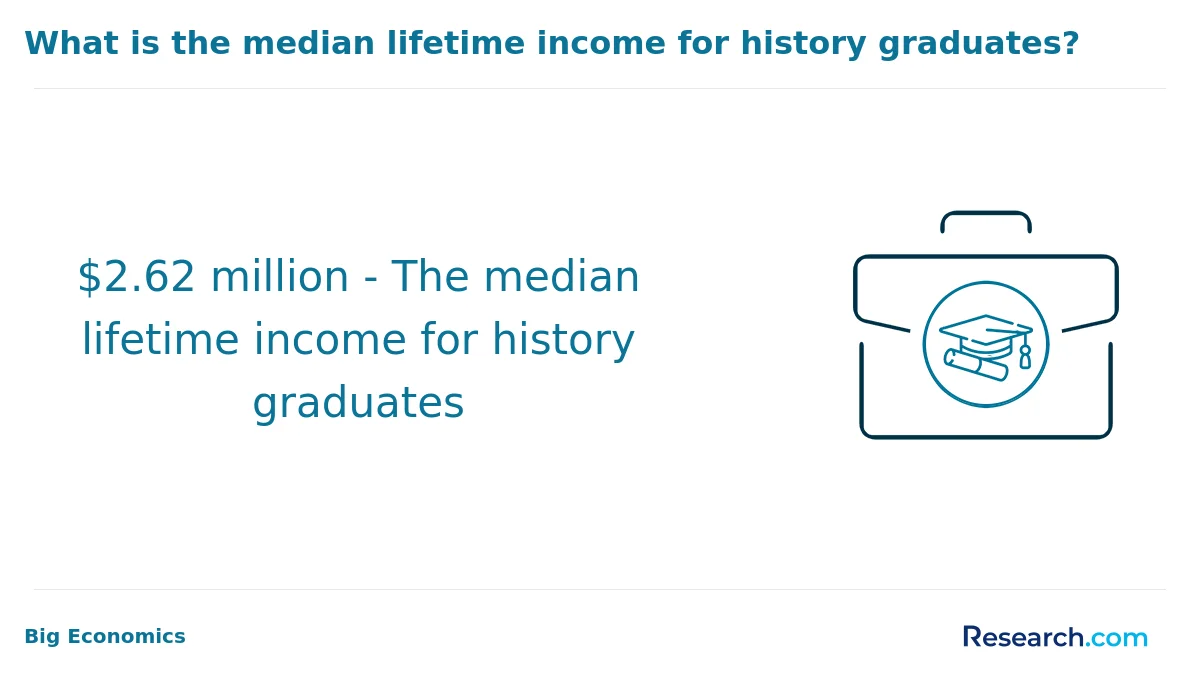
If you're thinking about an online history degree in the Northeast, you're probably wondering how much cash you can actually make after graduation. Well, while exact salary data from the Bureau of Labor Statistics isn't available for these specific jobs, history grads in the region usually land roles like historians, archivists, museum workers, or teachers, and they earn pretty solid wages.
For instance, graduates from well-known schools like Boston University or NYU often find museum jobs in cities like Boston or New York, earning anywhere between $50,000 and $70,000 a year. If you're starting out in a smaller town, pay might be closer to $40,000, but there's room to grow fast, especially with experience or advanced degrees.
Many history grads in the Northeast feel great about the flexibility of online programs and the strong job demand here. Teaching jobs in New Jersey or Connecticut can start around $50,000, rising to $70,000 or more as you build your career, which is awesome for steady income.
- Tuition for online history degrees in the Northeast ranges from $12,000 to $25,000 per year for in-state students, while out-of-state students may pay up to $35,000 annually.
- Starting salaries for history graduates typically range from $40,000 to $50,000 per year in entry-level roles like research assistant or museum staff.
- After five to ten years, median salaries rise to between $60,000 and $75,000, especially in education, public history, or government jobs.
- The job market includes opportunities in digital archiving, historic preservation, and cultural resource management.
- Flexible schedules in online programs make them suitable for working professionals and those with family commitments.
- Accreditation by agencies like the Middle States Commission is important for credit transfer and employer recognition.
Typically, finishing an online history degree in the Northeast takes about four years if you're studying full-time. This matches what most students experience at popular schools like those in Boston or upstate New York, where degree plans usually require around 120 to 130 credits spread over eight semesters. Graduates often share how manageable that pace felt, especially with hands-on support from online instructors.
If you're juggling work or family, it's totally normal to take longer-sometimes up to six years. Lots of online programs at well-known Northeast colleges let you pick your pace, so you can slow down during busy times without stressing.
Some students go the accelerated route, cramming extra classes into summer or heavier semesters, finishing in as little as three years. This flexibility is a huge plus if you want to dive into your career sooner.
Plus, if you've got prior credits from community colleges or other universities, you can shave off some time, which many adult learners find super motivating when registering at renowned schools across the region.
The biggest difference between online and on-campus history degrees in the Northeast boils down to how you experience college life. On-campus programs at schools like Boston University or the University of Pennsylvania mean you're diving into lectures, library visits, and maybe even trips to local historical sites-all in person. Graduates often talk about how those face-to-face discussions with professors and classmates really deepened their understanding and made history feel alive.
Online history degrees, offered by places such as Northeastern University's digital programs, give you the freedom to study whenever and wherever it suits you. Many students juggling jobs or family love this flexibility. Sure, you miss out on spontaneous hallway conversations or digging through physical archives, but interactive online tools and virtual forums help keep things engaging.
Costs also vary-online might save you money on housing and commuting. Whether you choose online or on-campus, many northeastern universities ensure the quality's just as solid, keeping you connected to rich historical stories no matter how you study.
If you're looking into the average cost of an online history degree in the Northeast, you'll find it varies quite a bit depending on whether you're going in-state or out-of-state, and whether the school is public or private. On average, total tuition for these programs runs around $41,800, with in-state students typically paying closer to $36,600 and out-of-state students around $43,700. This range makes a huge difference for those choosing schools like the University of Massachusetts or SUNY, where in-state tuition can really help keep costs manageable. Many graduates from these universities share how relieved they felt at avoiding overwhelming debt while still enjoying high-quality education from home.
For those curious about affordable online bachelor's history programs Northeast tuition fees tend to be friendlier at public institutions, but even some private schools offer competitive packages and scholarships for distance learners. It helps when you compare different options and factor in fees for things like textbooks and tech materials, which can add a few hundred dollars each semester.
One really useful tip from history majors was checking if their school offered flat-rate tuition for online courses-this can speed up graduation and save money, especially for students tackling classes more aggressively. If you want to explore the different types of history degrees available, make sure you research these cost factors early so you can plan your budget with confidence.
If you're diving into an online history degree in the Northeast, the good news is there are plenty of financial aids to ease the load. A lot of students at schools like SUNY or Northeastern have really leaned on federal aid-FAFSA opens doors to Pell Grants, which can cover up to $7,395 a year. It's a huge help, especially when tuition can jump above $35,000 at private colleges.
State programs are another lifesaver. For example, New York's TAP grant can chip in about $6,165 annually for residents. Graduates often mention how this made attending online history classes way more affordable without sacrificing quality.
On top of that, many universities throw in their own scholarships specifically for online or humanities students, helping bring down the sticker price further. And don't forget private scholarships from groups like the American Historical Association-they're competitive but totally worth applying for.
Plus, if you're juggling a job, employer tuition reimbursement can be a game changer, as many Northeast companies support employees pursuing degrees online. Combining these options is what really helps history students thrive financially in this region.
Jumping into an online history degree in the Northeast usually means you'll need a high school diploma or a GED to get started. Many students from well-known regional schools find that having a solid GPA around 2.5 to 3.0 helps, especially when applying to popular programs at universities like those in Boston or upstate New York. Some grads remember how their applications included personal essays or letters of recommendation, which really gave admissions folks a sense of who they are beyond the numbers.
These days, lots of colleges in the Northeast have made standardized tests like the SAT or ACT optional, which is a relief to many applicants who feel more confident showing their passion through essays instead. Also, expect that some programs may ask you to have taken basic courses like English or introductory history, ensuring you're ready to dive into advanced topics without feeling lost.
Many online learners appreciate this combo of requirements because it balances accessibility with genuine preparedness, making the study of history both challenging and achievable.
If you're diving into an online history degree in the Northeast, expect a solid mix of courses that really bring history to life. Graduates from well-known schools like those in New York or Massachusetts often mention how classes in United States History take you through everything from colonial days right up to today's social movements-making the past feel surprisingly relevant.
Another favorite among students is World History, where you'll explore ancient civilizations and modern global events, helping you see connections across cultures. Plus, courses like Historical Research Methods are a big hit because they teach you practical skills like digging through archives and analyzing sources-stuff you can use whether you want to teach, work in museums, or dive into research.
And don't forget electives! Many folks love studying regional history, especially of the Northeast, learning about indigenous communities, immigration, and the rise of industries-things that hit close to home. Others jump into Public History or Political History, which really spark their curiosity and open up career doors. It's a well-rounded experience that many online grads say helps them feel connected, even from a distance.
When you dive into an online history degree in the Northeast, you'll find a bunch of cool specializations tailored to the region's rich past. Many students pick American History, diving into the birthplace of the nation and exploring key events right from Colonial times to the Revolution. Others love the hands-on feel of Public History, working with museums or archives-some graduates from popular Northeastern colleges rave about their internships at historic sites, which made learning super real and fun.
There's also World History and European History tracks if you want to zoom out and see the bigger picture beyond U.S. borders. Plus, the region's packed with historic landmarks, so Historic Preservation and Cultural Resource Management is another top pick. Military History courses catch the eye too, especially with all those revolutionary war sites nearby. For anyone curious about the best history majors online Northeast offers, it's easy to tailor your studies.
And if you're wondering where all this can lead, check out careers with history degree to get a real sense of the possibilities.
Picking the best online history degree in the Northeast really comes down to a few key things. Graduates from popular schools often mention how much they appreciated programs that let them focus on what interested them most-whether that's American history, public history, or historic research methods. Schools known in the Northeast usually offer fully online, flexible courses that fit busy lives, especially for those balancing jobs and family.
Cost is another big factor. Many affordable online bachelor's in history Northeast programs keep tuition reasonable, often matching residents' in-state rates. This makes it easier on the wallet compared to pricier private options. Plus, these programs usually have helpful financial aid and scholarships.
Since careers related to history can vary widely, it's great to find a program with strong career support-internships, alumni networks, and connections to local historical groups really make a difference for practical experience and job leads after graduation. Checking out faculty who actively participate in research or projects ensures you're learning from experts who care about history as much as you do.
Look into this careers related to history link for ideas on where a degree can take you.
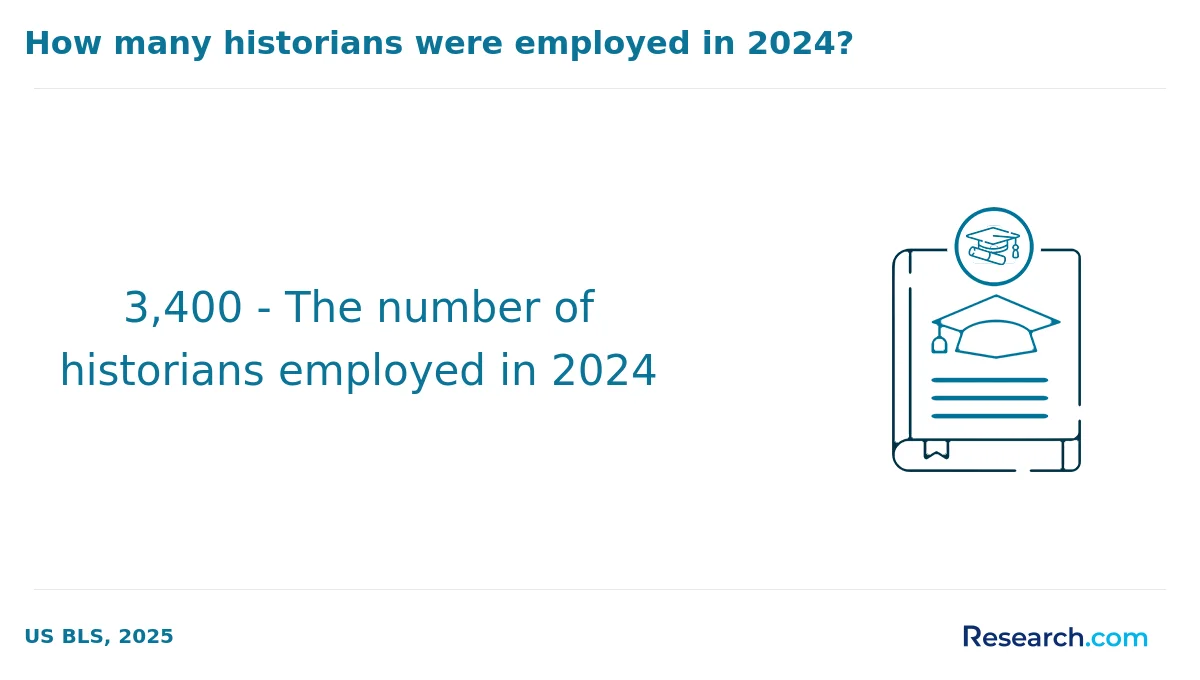
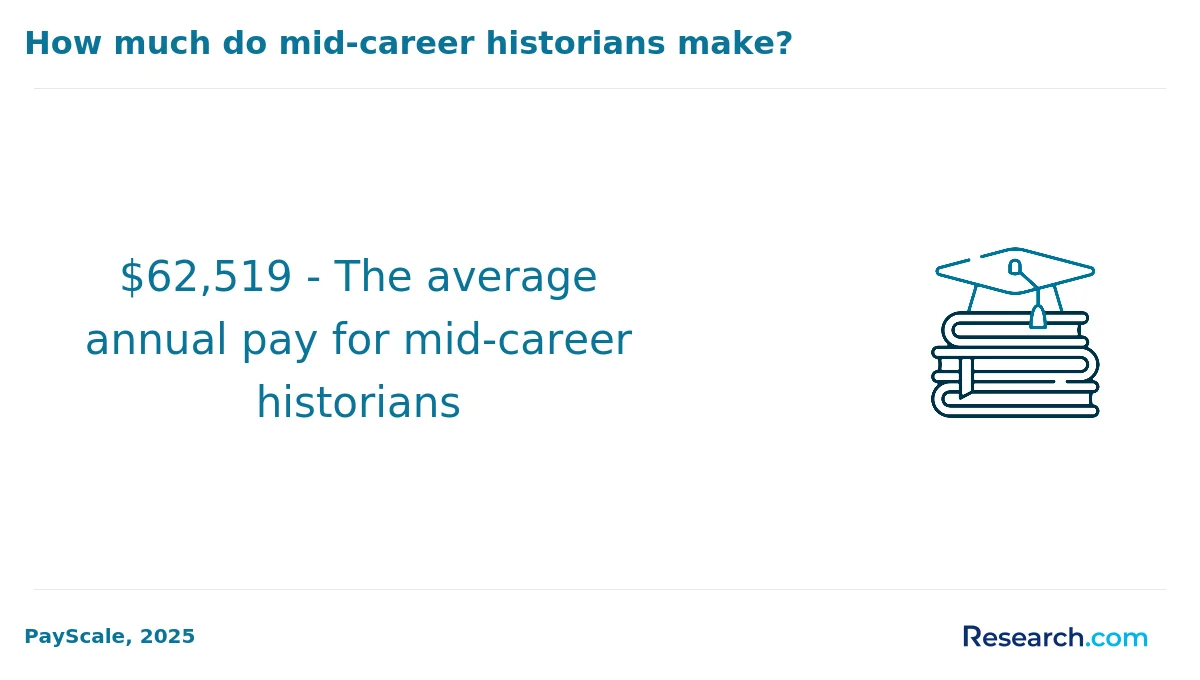
If you're diving into an online history degree in the Northeast, your career options are pretty exciting and varied. Graduates from popular schools like those in New York or Pennsylvania often find themselves stepping into roles as high school or community college teachers, where a bachelor's degree can get you started pretty quickly. Many grads love how this path lets them share their passion for history every day, and the median wage around $65,000 in the region shows the solid demand for educators.
Also, working in museums, archives, or historical societies feels pretty rewarding for those who want hands-on roles preserving and promoting history. Think archivists or curators who help keep local culture alive. For anyone interested in cultural heritage or nonprofit work, government jobs offer opportunities to use research and grant writing skills too. If you want to discover more about the best online history programs that open these doors in the Northeast, check out best online history programs. These paths fit the vibe of the region and what history degree jobs in the Northeast really look like.
The job market for graduates with an online history degree in the Northeast is pretty promising, blending classic roles with new opportunities. Many history grads from popular schools like Boston University or SUNY find themselves working in museums, archives, or teaching, thanks to the region's rich cultural scene. One graduate shared how their online degree helped land a role at a local historical society, combining their passion with practical skills. With places like the Metropolitan Museum of Art and the Boston Historical Society around, there's a steady demand for history buffs skilled in research and preservation.
Graduates often explore varied paths-from teaching history in high schools to working as government analysts or content creators. If you're curious about how an online history degree can open diverse doors, check out resources on art history job prospects, which overlap quite a bit. This blend of traditional and emerging roles keeps the history graduate employment Northeast lively and accessible.
2027 Most Affordable Online Bachelor's in History Degree Programs Ranking in the Northeast
Investing in your education is a significant decision that can shape your future, and the Research.com team understands the importance of making informed choices. To assist prospective students interested in history degrees, we have carefully developed the "2027 Most Affordable Online Bachelor's in History Degree Programs Ranking in the Northeast." Our dedication to quality, credibility, and accuracy is evident in the rigorous research and analysis involved in creating this ranking.
We utilized the following reputable data sources to ensure a comprehensive evaluation of affordable online history programs:
By exploring this ranking, readers will gain valuable insights into affordable online history bachelor's programs in the Northeast, enabling informed decisions about their educational investments. For more details on our methodology, please visit our Research.com methodology page.
# 1 position
Penn State University Park
Bachelor of History


# 4 position
SUNY Empire State College
Bachelor of Historical Studies

Frequently Asked Questions About history
Online history degree students in the Northeast can maximize their learning by actively engaging with digital archives and regional historical societies. Institutions in this area often provide access to vast online resources, including collections from the Library of Congress and the New England Historical Society. Students should also participate in virtual seminars and discussion groups to deepen their understanding through collaboration. Utilizing Northeast-specific history databases enhances context and relevance, especially when studying American history. Additionally, balancing synchronous classes with independent research helps develop critical thinking skills crucial for historians. According to the National Center for Education Statistics, students performing active learning achieve higher retention rates.
Emerging niches within the history field reflect growing interests in technology, cultural diversity, and local heritage. Digital history, which applies digital tools to historical research and presentation, is rapidly expanding, especially in the Northeast where many universities collaborate with tech hubs. Public history, focusing on museums and historical preservation, remains strong due to the region's rich colonial past. Environmental history is gaining attention as concerns about climate change grow, linking past human-environment interactions to current issues.
Social and ethnic histories, including African American and Indigenous studies, are increasingly emphasized in Northeast institutions. According to the American Historical Association, programs in these niches have seen enrollment increases of 12% since 2018. These emerging areas provide versatile career paths for graduates interested in both academic and applied history fields.
After completing an online history degree in the Northeast, preparing for the job market involves gaining relevant experience and networking strategically. Internships with local historical societies, museums, or archives provide practical skills employers value. According to the National Park Service, the Northeast hosts over 150 historical sites offering internship opportunities. Additionally, joining professional organizations such as the New England Historical Association can expand your network and expose you to job openings.
Developing strong research, writing, and digital literacy skills is crucial, as many history careers require these abilities. Tailor your resume to highlight applicable experience in education, public history, or cultural resource management, fields growing steadily in the region per the Bureau of Labor Statistics.
Employers in the Northeast highly value history degree graduates who demonstrate strong critical thinking and research skills. According to the American Historical Association, over 75% of employers seek graduates capable of analyzing historical data and drawing well-supported conclusions. Communication skills are equally important; graduates must clearly present complex ideas in writing and speech.
In the Northeast job market, familiarity with digital archiving and proficiency in research software like JSTOR and ProQuest are increasingly crucial. A report from the National Association of Colleges and Employers highlights adaptability and interdisciplinary knowledge as top attributes, especially given the region's rich historical diversity and institutions.
Finding internships in the Northeast related to a history degree involves leveraging regional resources and institutions focused on history and preservation. Museums like the New-York Historical Society and the Massachusetts Historical Society often offer internship programs tailored to history students. Many colleges and universities in the region have partnerships with local archives and historical sites, providing valuable internship opportunities.
Networking through professional organizations such as the New England Historical Association can connect students to internships. Additionally, state and national parks in the Northeast frequently seek interns for research and educational roles related to regional history.
Utilizing online job portals that specialize in nonprofit or academic internships also increases chances. According to the National Center for Education Statistics, nearly 60% of history graduates in the Northeast complete an internship during their studies, which greatly enhances employability post-graduation.
An online history degree can significantly enhance career mobility and advancement opportunities in the Northeast. Many employers in fields such as education, public administration, and cultural management value the research, analytical, and communication skills this degree develops. According to the National Center for Education Statistics, the Northeast has a higher concentration of museums, historical societies, and government agencies that frequently seek history graduates.
Online programs offer flexibility, allowing students to gain credentials without disrupting current employment. Data from the Bureau of Labor Statistics suggests that history-related careers in the Northeast are expected to grow by about 5% through 2031, supporting advancement potential.
Moreover, graduates can leverage strong alumni networks in this region to access internships and job openings. This combination of practical skills and strategic regional demand enhances upward career trajectories for history degree holders.
Studying for a history degree in the Northeast offers unique interdisciplinary advantages due to the region's rich cultural and academic environment. Many universities integrate history with fields like political science, economics, and digital humanities, preparing students for diverse careers.
According to the American Historical Association, Northeastern programs often emphasize research skills and critical thinking, essential for roles in education, public policy, and archival work. Online formats provide flexible access to these rigorous curricula, combining traditional history studies with modern technology use.
This interdisciplinary training equips graduates to work in museums, cultural institutions, and beyond, adapting historical knowledge to contemporary challenges.
Choosing between a thesis and a non-thesis history degree program in the Northeast depends largely on your academic and career goals. Thesis programs emphasize original research and writing, ideal for students considering graduate school or research roles. Non-thesis options focus more on coursework and practical skills, suitable for those aiming for teaching or public history positions. According to the National Center for Education Statistics, Northeast institutions often offer both formats, with about 40% of history bachelor's programs requiring a thesis. Cost and time are factors; thesis tracks may take longer due to research demands. Review each program's structure carefully.
Students based in the Northeast interested in studying history abroad through online degree programs have growing opportunities. Many accredited universities in the region offer online history degrees with study abroad or international collaboration options integrated within their curriculum. These programs enable students to engage with historical contexts worldwide while completing their degree remotely.
For example, several institutions encourage participation in virtual exchanges or short-term overseas residencies, often facilitated through partnerships with European or Latin American universities. According to the Institute of International Education, about 40% of U.S. students studying abroad focus on social sciences, including history.
These options allow students in the Northeast to gain global perspectives without sacrificing flexibility or incurring high travel costs.
Students pursuing online history degrees in the Northeast can benefit from part-time jobs that enhance their academic experience and resumes. Museums and cultural institutions, such as the Smithsonian-affiliated museums in Washington, D.C., or the many historical societies in New England, often hire interns or part-time guides. These roles allow students to apply research skills and share knowledge publicly.
Libraries and archives in Northeastern cities like Boston and Philadelphia also seek assistants for cataloging and preserving historical documents. According to the American Library Association, history-related roles in libraries see steady growth, especially in urban areas. Additionally, freelance writing for local history publications or assisting with academic research projects at universities provides flexible opportunities for practical learning.
Online history students in the Northeast benefit from a variety of networking opportunities despite the remote format. Many universities encourage participation in virtual history clubs and seminars, connecting students with faculty and peers across the region. Institutions like the American Historical Association, headquartered in Washington, D.C., offer online events accessible to Northeast students, providing professional development and research networking.
Local historical societies in states such as New York and Massachusetts also host online lectures and forums for students to engage with experts. According to the National Center for Education Statistics, about 40% of history undergraduates in the Northeast participate in such extracurricular academic activities, enhancing their career prospects.
Alumni networks offer crucial support to students pursuing online history degrees in the Northeast. These networks connect current students with graduates who have already established careers in fields like education, public history, and museum work. According to the National Association of Colleges and Employers, over 70% of jobs are found through networking, highlighting alumni contacts' importance.
In the Northeast, many institutions maintain active online alumni communities, enabling virtual mentorship and internship opportunities tailored to regional history sectors. This fosters professional growth and access to specialized local resources. For students balancing studies and work, such networks provide flexible yet meaningful engagement.
Customizing an online history degree in the Northeast allows students to align their studies with specific career goals. Many universities offer elective courses or concentration options such as American history, public history, or museum studies. This flexibility helps tailor learning toward careers in education, archival work, or cultural resource management. According to the National Center for Education Statistics, about 60% of history bachelor's programs in the region provide such specializations. Additionally, some schools incorporate internships or research projects with local historical organizations, enhancing practical experience. This personalized approach makes the degree more relevant to local job markets and professional pathways.
Online history students in the Northeast often face challenges related to balancing rigorous coursework with personal and professional responsibilities. According to the National Center for Education Statistics, about 35% of online learners are working adults, many of whom juggle jobs alongside their studies. This can make the extensive reading, research, and writing requirements typical of history degrees difficult to manage.
Technical issues also arise, especially as some programs rely heavily on digital archives and primary sources that may be less accessible remotely compared to campus libraries. Reliable internet access is critical in this region, where rural areas still face connectivity problems.
Additionally, students sometimes struggle with a reduced sense of community and networking opportunities, which are vital in fields like history for professional growth and mentorship.
An online history degree from a Northeast institution opens pathways to several professional certifications, enhancing career opportunities. Graduates frequently pursue teaching credentials, such as state-specific K-12 certification, to work in public and private schools. In the Northeast, states like New York and Massachusetts have well-established certification programs for history educators.
Additionally, many history graduates aim for museum and archival certifications, including the Certified Archivist credential from the Academy of Certified Archivists. These certifications are valuable in Northeast cultural hubs like Boston and Philadelphia.
Other options include becoming a Certified Historical Consultant, or pursuing certificates in digital humanities, which are increasingly recognized in regional academic circles. According to the National Center for Education Statistics, over 35% of history graduates in the Northeast engage in certified professional roles within five years of graduation.
Crafting a winning application for an online history degree in the Northeast requires clear, focused preparation. Admissions committees look for candidates who demonstrate a strong passion for history combined with relevant academic achievements. Highlight your prior coursework in history or related humanities fields, emphasizing successful grades or special projects.
Personal statements should connect your interest in history with your career goals, mentioning any unique regional perspectives, such as New England's colonial past or Mid-Atlantic's industrial heritage, which are rich topics in Northeast programs. According to the National Center for Education Statistics, schools in this region receive thousands of applications yearly, so clarity and specificity help your application stand out.
Letters of recommendation from professors familiar with your writing or research skills also boost your application's strength. Additionally, mention any internships or volunteer work related to museums, archives, or historical societies in the Northeast, showing practical engagement with your field.
A history career offers a broad global perspective, particularly relevant for students pursuing online history degrees in the Northeast. Graduates often find opportunities in international organizations, museums, education, and government roles that value cross-cultural understanding. According to the American Historical Association, history majors in the U.S. have a diverse skill set that appeals worldwide, such as critical thinking and research.
In the Northeast, where rich historical sites abound, history graduates can engage with global narratives while contributing locally. The region's universities frequently emphasize global history in their curricula, preparing students for careers that connect local history with international events and trends.
Data from the U.S. Bureau of Labor Statistics shows steady growth in historian jobs, supported by global interest in preserving cultural heritage, a pathway viable for many online history degree holders.
Students pursuing an online history degree in the Northeast can gain practical experience through internships at local museums, historical societies, and archives. Many institutions in states like New York, Massachusetts, and Pennsylvania offer virtual or hybrid internship opportunities. For example, the Massachusetts Historical Society and New York Public Library provide digital internships allowing students to work remotely on historical research and curation.
Additionally, partnering with faculty on research projects can provide hands-on experience. Online students should also consider volunteering for regional historical preservation efforts, which often welcome remote assistance with cataloging and digitizing artifacts. These practical engagements enhance resumes and build professional networks within the Northeast's rich historical community.
Choosing the right concentration within an online history degree program in the Northeast involves considering both your personal interests and regional opportunities. Many Northeastern schools offer concentrations like American History, European History, or Public History. The Northeast, rich in colonial and revolutionary history, provides unique resources such as archives and museums that support these areas.
Review program curricula carefully to ensure they align with your career goals. For example, if you are interested in historical preservation or museum work, a Public History concentration is valuable.
According to the National Center for Education Statistics, about 25% of history degrees awarded in the US come from Northeastern institutions, reflecting strong regional academic offerings.
Additionally, consider faculty expertise and availability of internships in local historical organizations, which are plentiful in cities like Boston, New York, and Philadelphia.
- What Can You Do With a History Degree? https://willamette.edu/academics/college/history/career-options
- Know more about thesis vs non- thesis: what is the difference? https://studyfans.com/en/blogs/816
- Undergraduate Online Financial Aid | Bushnell University https://www.bushnell.edu/financial-aid/undergraduate-online/
- How to Become a History Researcher: Steps and Career Outlook https://online.norwich.edu/online/about/resource-library/how-become-history-researcher-steps-and-career-outlook
- The Challenges of Studying History in School | Education Research Project Topics and Materials https://educationtopics.com.ng/the-challenges-of-studying-history-in-school/60853/history-education/
- After the Degree: Finding work with a History degree https://www.graduate-jobs.com/news/13219/After_the_Degree__Finding_work_with_a_History_degree
- What Can I do With a History Degree? https://theinterngroup.com/our-blog/what-can-i-do-with-a-history-degree
- The Impact of History Degrees: Opportunities and Trends Among History Degree Jobs https://www.ucumberlands.edu/blog/the-impact-of-history-degrees
- History https://www.ntcc.edu/academics/programs-study/humanities-social-sciences/history
- Undergraduate Certificate in History | Thomas Edison State University https://www.tesu.edu/degrees-programs/certificates/undergraduate-history.php