2027 Easiest Online Bachelor's in History Degree Programs Ranking in Alabama

Co-Founder and Chief Data Scientist
Choosing the right online history degree program can feel overwhelming, especially with so many options available. That's why this article presents the 2027 Easiest Online Bachelor's in History Degree Programs Ranking in Alabama created by the Research.com team of data scientists. It offers clear insights to help you make a smart, informed choice.
Exploring history can deepen your understanding of the world and open doors to rewarding careers. This ranking highlights accessible programs designed for busy students like you, making your academic journey smoother and more enjoyable.
Key benefits of getting online history degree in Alabama
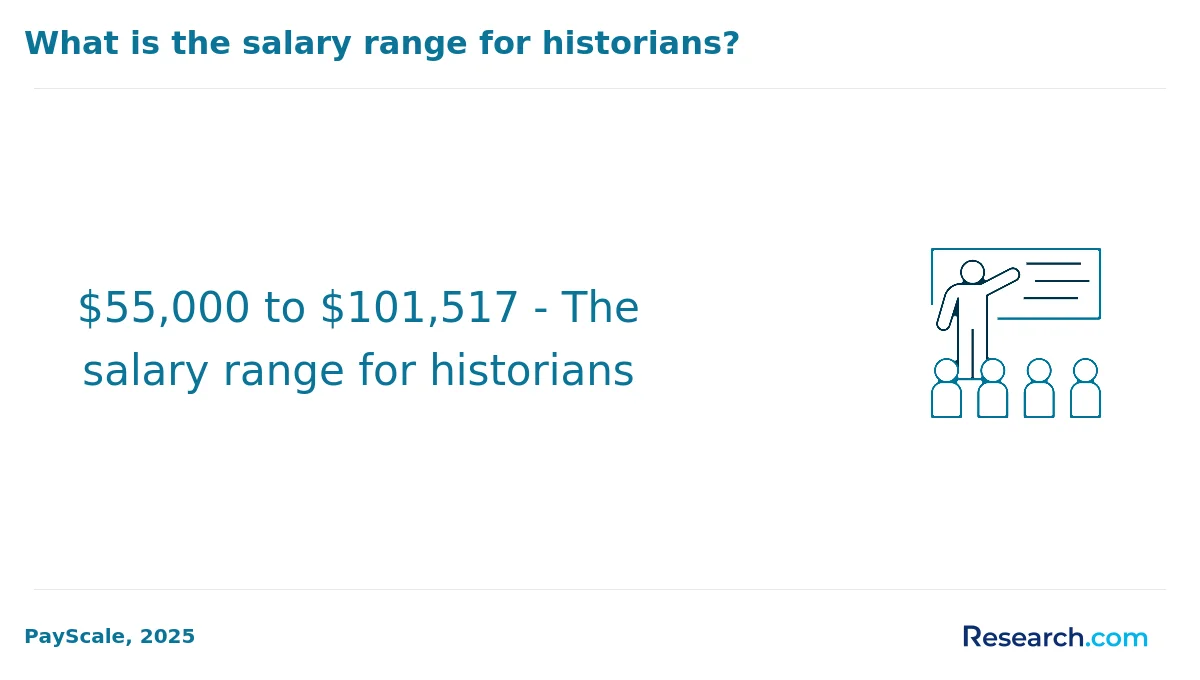
- History degree graduates can pursue careers such as museum curators or archivists, where the average annual salary in the US typically ranges from $50,000 to $60,000, providing a stable income path.
- Graduates from the University of Alabama have successfully moved into roles like education, research, and public history, showcasing diverse and fulfilling career opportunities in Alabama and beyond.
- Obtaining a history degree online from Auburn University allows flexible scheduling and lower costs, making it easier to balance work and study while earning a respected credential.
- Key benefits of getting online history degree in Alabama
- What can I expect from online history degree in Alabama?
- Where can I work with online history degree in Alabama?
- How much can I make with online history degree in Alabama?
- 2027 Easiest Online Bachelor's in History Degree Programs Ranking in Alabama
- Key Findings
- How long does it take to complete online history degree in Alabama?
- What's the difference between online and on-campus history degree?
- What is the average cost of online history degree in Alabama?
- What financial aid is available to online history degree students in Alabama?
- What are the prerequisites for enrolling in online history degree program in Alabama?
- What courses are typically in online history degree programs in Alabama?
- What types of specializations are available in online history degree programs in Alabama?
- How do you choose the best online history degree in Alabama?
- What career paths are available for online history degree students in Alabama?
- What is the job market for online history degree in Alabama?
- Related History Rankings for Nearby States
- Top Trending History Rankings
What can I expect from online history degree in Alabama?
The average cost of an online history degree in Alabama typically ranges between $20,000 and $35,000 for the full program, depending on the institution and enrollment status. For instance, graduates from the University of Alabama highlight that paying per credit hour-as these programs usually require about 120 credits-makes budgeting manageable and transparent.
Many students appreciate how Alabama schools like Auburn University offer flexible payment plans and encourage applying for scholarships targeted at online learners, reducing financial stress. Graduates often mention balancing part-time study with work, making the cost feel more attainable over time rather than a large upfront expense.
Veterans and military-affiliated students can often tap into additional financial aid options within Alabama's public universities, which adds a crucial layer of affordability. This support helps keep history degrees within reach, allowing students to focus on their passion for history while managing expenses practically and confidently.
Where can I work with online history degree in Alabama?
Graduates with an online history degree from institutions like the University of Alabama or Auburn University often find rewarding careers in education, museums, and preservation agencies across Alabama. Many secure teaching roles in secondary schools, sharing passion for U.S. and world history with local students while earning competitive salaries around $55,000 annually. Others thrive as museum professionals, working at places such as the Birmingham Civil Rights Institute, curating exhibits or managing collections, stepping into positions starting at $35,000 to $45,000.
Cultural resource management and historic preservation are also promising fields. Graduates contribute to protecting Alabama's historic sites through government programs or private firms, combining research skills with community impact. Some find fulfilling work with city or county historical commissions, handling archives or developing educational materials about the state's diverse heritage. These careers grow alongside increasing public interest, with archival roles projected to rise by 10% through 2032. Practical experience gained through university internships often boosts graduates' confidence and employability in these sectors.
How much can I make with online history degree in Alabama?
Graduates with an online history degree in Alabama can typically expect starting salaries around $40,000 to $45,000 annually, especially in entry-level roles such as museum assistants or archival technicians. Over time, as they gain experience, many see their earnings rise to the mid-$50,000 range in positions like historical researchers or museum administrators. Those working as secondary school history teachers in Alabama often earn about $52,000 per year, providing a stable and rewarding career path.
Graduates from well-regarded institutions like the University of Alabama or Auburn University have found success by combining their history knowledge with practical skills like digital archiving or public history outreach. This approach helps them tap into Alabama's growing cultural sector, where investments in historical preservation create steady job opportunities despite the state's smaller metropolitan areas.
Developing certifications or pursuing advanced degrees online can further boost salary potential. For example, cultural resource management or grant writing roles often pay more and offer exciting chances to affect regional history projects directly. With smart skill-building, graduates can enjoy a fulfilling career and reasonable compensation in Alabama's unique job market.
2027 Easiest Online Bachelor's in History Degree Programs Ranking in Alabama
How do we rank schools?
Investing in your education is a significant decision that can profoundly impact your future, and the Research.com team recognizes the importance of providing trustworthy guidance. To support prospective students in Alabama, we have carefully developed the "2027 Easiest Online Bachelor's in History Degree Programs Ranking in Alabama." Our dedication to quality, credibility, and accuracy is demonstrated through thorough research and rigorous analysis behind this ranking.
We utilized the following reputable data sources to ensure a comprehensive evaluation of history programs offered online:
By exploring this ranking, readers will gain valuable insights into the most accessible accredited online history degree options in Alabama, empowering them to make informed educational choices. For more details on our methodology, please visit our Research.com methodology page.


# 3 position
Judson College
Bachelor of History

Key Findings
- In-state tuition for online history bachelor's degrees at Alabama public universities averages about $9,500 per year.
- Private Alabama schools often charge over $20,000 annually but may offer financial aid.
- Entry-level salaries for history graduates in Alabama range from $35,000 to $40,000 yearly.
- With experience, salaries can increase to between $50,000 and $60,000 depending on the career path.
- Job opportunities exist in education, archives, museums, government, and tourism-related fields within Alabama.
- Most online history programs in Alabama are accredited and offer flexible learning with digital resources.
How long does it take to complete online history degree in Alabama?
Completing an online history degree in Alabama usually takes about four years for full-time students. Graduates from the University of Alabama and Auburn University often share that maintaining a consistent full-time course load helps them finish on schedule, balancing studies with other responsibilities. For those juggling work or family, part-time enrollment can stretch the timeline to five or six years, but this flexibility allows steady progress without overwhelming pressure.
Many students feel encouraged knowing that local community colleges offer 2+2 programs, starting online and then transferring credits to four-year universities, which can ease the financial and logistical challenges of completing the degree. Taking summer classes or leveraging transferred AP credits can accelerate graduation, reducing time to around three years for highly motivated students.
Alabama's public universities recommend planning a clear path with advisors to manage course loads and credit transfers. This strategy maximizes momentum, helping students stay on track and feel confident as they work toward their degree.
What's the difference between online and on-campus history degree?
Online history degrees in Alabama, such as those offered by the University of Alabama or Auburn University, provide flexible schedules ideal for students balancing work or family. Graduates often appreciate the ability to study asynchronously, enabling them to dive into U.S. and world history lessons during evenings or weekends without commuting. This flexibility, however, requires strong self-discipline and time management skills to stay on track.
By contrast, on-campus programs encourage immediate interaction with professors and peers through classroom discussions and group projects, as experienced by students at Alabama State University. This environment fosters networking and easy access to campus archives and libraries, enhancing research projects and historical inquiry.
Cost considerations are important too. Online learners can save on commuting and housing, though tuition typically mirrors on-campus rates. When choosing between models, weigh your personal schedule, learning style, and access to Alabama's rich historical resources to find the best fit for your academic and life goals.
What is the average cost of online history degree in Alabama?
The average cost of an online history degree in Alabama typically ranges around $40,560 for total tuition, according to recent data, which reflects the median expenses many students face. Graduates from popular schools like the University of Alabama or Auburn University often share that while tuition is a major component, budgeting for technology fees and course materials, which can add up to $2,000 per year, is essential for a smooth learning experience. This helps explain why the average cost might feel higher than just tuition alone.
For students seeking affordable online bachelor's history programs Alabama public universities provide a significant advantage with in-state tuition rates, often around $10,000 annually, offering great value. Moreover, many of these institutions extend in-state tuition to online students regardless of their physical location, helping non-residents save considerable amounts. This flexibility has empowered numerous history students to complete their degrees without the heavy financial burden commonly associated with out-of-state tuition.
Financing strategies like scholarships and grants targeted at history majors or online learners further reduce expenses. Graduates mention that combining these aids with accelerated or part-time enrollment options allowed them to spread out costs and finish their degrees faster, maximizing both savings and flexibility. For those interested in exploring more specifics on the variety of types of history degrees, understanding program formats can clarify how to balance cost and time investment efficiently.
What financial aid is available to online history degree students in Alabama?
Students pursuing an online history degree in Alabama often rely on federal Pell Grants, which provide up to $7,395 annually and don't require repayment. For example, graduates from the University of Alabama found Pell Grants essential in covering much of their tuition, allowing them to focus on studies without financial stress. Federal student loans offer another option, with competitive interest rates that help spread costs over time, but graduates advise borrowing carefully to avoid debt.
State-specific aid also plays a key role. Programs like the Alabama Tuition Grant assist students at private colleges, while state grants support many attending schools such as Auburn University's online history program. These awards can reduce the overall cost significantly for in-state students meeting residency requirements.
Institutional scholarships and work-study opportunities are common at Alabama colleges offering online degrees, rewarding merit and financial need. Graduates often mention how scholarships from their schools' history departments eased expenses.
Finally, private scholarships from local historical associations and employer tuition reimbursement present valuable alternatives for reducing costs, especially for working professionals balancing education and career.
What are the prerequisites for enrolling in online history degree program in Alabama?
To enroll in an online history degree program in Alabama, students must first hold a high school diploma or GED, a prerequisite common across institutions like the University of Alabama and Auburn University. Graduates from these programs often recall how submitting official transcripts helped admissions officers gauge their readiness, especially their performance in social studies and English courses.
Many programs set GPA thresholds around 2.5 to 3.0, so maintaining solid grades in high school or previous college work is essential. For example, students transferring from community colleges like Jefferson State must complete key prerequisite courses to ensure a smooth transition.
While SAT or ACT scores were traditionally required, most Alabama schools have moved to test-optional policies, easing stress for applicants. Writing a compelling personal statement and securing strong letters of recommendation remain critical, reflecting genuine passion and commitment to history.
Approaching application steps methodically, as successful alumni advise, helps students overcome barriers and feel confident starting their history journey.
What courses are typically in online history degree programs in Alabama?
Online history degree programs in Alabama typically include a mix of courses that give you a strong foundation in American, world, and regional history. For example, graduates from popular colleges like the University of Alabama found that American History classes focus on pivotal periods such as the Civil War and the Civil Rights Movement, helping them connect Alabama's unique role in these events to broader national themes.
World History courses provide a global perspective by covering ancient civilizations and major global conflicts like the world wars. This approach helped many students at Auburn University develop a deeper understanding of how cultures and nations intersect over time, which they found useful for research and critical analysis.
Regional history courses highlight Alabama's own past, including southern politics and culture, making the material personally relevant and engaging. Graduates often mention how studying these topics online allowed them to explore their community's heritage with greater appreciation.
Additionally, research methods and historiography classes equip students with practical skills to analyze historical documents and produce scholarly work, which alumni say boosted their confidence in academic and professional settings.
What types of specializations are available in online history degree programs in Alabama?
Online history degree specializations in Alabama often include focused areas like American History, highlighting U.S. events and Alabama's unique role during the Civil Rights Movement. Graduates from universities such as the University of Alabama find this specialization rewarding, connecting classes directly to historic sites in Montgomery and Birmingham. Others choose Public History, which prepares students for careers in museums or historic preservation, giving them hands-on opportunities to work with Alabama's rich cultural heritage.
Military History is another popular concentration, exploring conflicts from the Civil War to modern military operations, which resonates well with those living near Alabama's military communities. Some students also pursue European History or World History to gain a broader perspective, often combining these with digital history courses to enhance their skills for today's tech-driven research environments.
By selecting from Alabama online bachelor's in history concentrations that fit their goals, students can tailor their education for specific job markets, increasing their chances for success. Exploring jobs to get with a history degree can help clarify which specialization aligns best with career aspirations.
How do you choose the best online history degree in Alabama?
To choose the best online history degree in Alabama, start by verifying the program's accreditation, such as from SACSCOC, to ensure your degree holds value with employers and graduate schools. Graduates from universities like the University of Alabama often praise the comprehensive curriculum that covers American and world history while allowing specialization through electives, making studies more engaging and tailored.
Flexibility is crucial when balancing responsibilities. Many students from Auburn University appreciate asynchronous courses, which let them study at their own pace-ideal for working adults or those with families. Also, explore affordable online bachelor's in history Alabama programs that offer competitive tuition rates or flat fees for online learners, helping reduce costs without sacrificing quality.
Don't overlook support services. Online students frequently credit academic advising and career counseling for their success and smooth transition into history jobs that pay well. Find a program that fosters connection and offers resources to keep you motivated and confident throughout your studies.
What career paths are available for online history degree students in Alabama?
Graduates with an online history degree in Alabama can explore diverse job opportunities with history degree Alabama offers, ranging from education to cultural preservation. Many alumni from well-known institutions like the University of Alabama report rewarding careers as certified secondary school history teachers, where they inspire students in classrooms across the state. Others leverage their skills in archival or museum work at places like the Birmingham Civil Rights Institute, helping to preserve and share important historical narratives.
Public history roles are also expanding in Alabama, with agencies such as the Alabama Historical Commission hiring graduates for cultural resource management and heritage conservation projects. Those interested in research analysis, policy development, or publishing find fulfilling paths that utilize critical thinking and communication skills honed during their studies.
For those seeking guidance on navigating these opportunities, students recommend considering programs at universities known for strong history curricula and that offer a blend of online flexibility and local networking. Resources like online history degree rankings can assist prospective students in identifying the best fits for career goals in Alabama.
What is the job market for online history degree in Alabama?
The job market for an online history degree in Alabama offers unique opportunities particularly within education, museums, and government sectors. Graduates from institutions like the University of Alabama or Auburn University often find rewarding roles in public school systems or cultural institutions such as the Alabama Department of Archives and History, where their skills in archival research and historical writing are in demand. Many alumni share how their online coursework prepared them effectively for these roles, helping them develop practical skills applicable to managing historical sites or contributing to heritage tourism.
Career opportunities with history degree Alabama graduates also extend to governmental agencies, where research and documentation skills assist in policy development and preservation projects. Entry-level roles typically start with salaries between $35,000 and $45,000. While competition is moderate, students benefit from Alabama's expanding focus on education and historic preservation. Many graduates enhance their prospects with additional certifications or graduate programs. For more on career paths, exploring jobs for art history majors can offer valuable insights into related fields.
Frequently Asked Questions About history
Online history degree students in Alabama can maximize their learning by actively engaging with their coursework and supplementary resources. Many Alabama public and private institutions offer accredited online history programs recognized by the Southern Association of Colleges and Schools Commission on Colleges (SACSCOC).
Students should take advantage of virtual office hours, discussion forums, and networking opportunities with peers and professors to deepen their understanding. Accessing Alabama's rich historical archives, like those at the Alabama Department of Archives and History, provides valuable primary sources for research and context.
Additionally, integrating multimedia tools and historical databases into study routines can enhance retention and critical thinking. According to the National Center for Education Statistics, students who utilize diverse learning tools tend to perform better in online settings.
The field of history is evolving, and several emerging niches offer promising opportunities for students pursuing online history degrees in Alabama. One growing area is digital history, which combines traditional research with technology to analyze historical data and create interactive archives. This niche is particularly relevant as Alabama institutions increasingly digitize local historical records.
Another expanding focus is public history, emphasizing community engagement, museum curation, and preservation efforts, which align well with Alabama's rich cultural heritage. Environmental history is also gaining traction, exploring how human activity has impacted the Southern landscape over time.
These niches reflect broader trends in U.S. higher education and provide specialized career paths within the history field.
After earning an online history degree in Alabama, graduates should focus on building relevant skills and experience to enter the competitive job market. Alabama's job growth in education, museums, and public history offers numerous avenues, but networking remains crucial. Joining local organizations like the Alabama Historical Association can provide connections and career resources.
Internships or volunteer work at state museums and archives, such as the Alabama Department of Archives and History, enhance resumes and practical skills. Additionally, gaining proficiency in digital tools like GIS mapping or archival software increases employability in historical research roles.
Developing strong writing and critical thinking skills is essential, as history careers often involve presenting research clearly. According to the U.S. Bureau of Labor Statistics, demand for postsecondary history teachers and archivists is projected to grow modestly, making diversified experiences valuable for graduates in Alabama.
Employers in Alabama seek several key skills from graduates with online history degrees. Critical thinking tops the list, as employers value the ability to analyze complex historical data and draw informed conclusions. Communication skills, both written and verbal, are essential, enabling graduates to present research clearly and persuasively.
Research proficiency is another vital skill. According to the Alabama Department of Labor, history graduates who demonstrate strong archival research and data evaluation abilities have better job prospects. Additionally, familiarity with digital tools and databases is increasingly important in today's job market.
Problem-solving and attention to detail also matter, especially in roles involving historical preservation or education.
Finding internships in Alabama relevant to a history degree involves targeting organizations that preserve and interpret historical knowledge. Students should explore opportunities with state and local museums, archives, and historical societies. For example, the Alabama Department of Archives and History frequently offers internships that provide practical research experience.
University career centers and online job portals like Handshake can also connect students to internships in historical research or public history. Networking at events hosted by the Alabama Historical Association may open doors to lesser-known internships.
According to the Bureau of Labor Statistics, internships in history-related fields help students build skills essential for careers in education, curation, or archival work.
In Alabama, earning an online history degree can significantly enhance career mobility and advancement, especially in fields like education, public history, and government services. The Alabama Commission on Higher Education reports a steady increase in demand for professionals with historical expertise, contributing to a 7% projected job growth in related positions through 2030.
Online degree programs offer flexible access to accredited institutions, allowing students to gain critical analytical and research skills without relocating. This flexibility is valuable for working adults seeking promotions or career changes. Many Alabama employers recognize online degrees from regionally accredited schools equally to traditional ones.
Graduates with history degrees often qualify for specialized roles in museums, archives, and cultural organizations, which are growing sectors within the state. The Alabama State Department of Archives and History, for instance, frequently looks for candidates with strong historical training. Overall, an online history degree supports professional growth by equipping students with versatile skills valued across various Alabama industries.
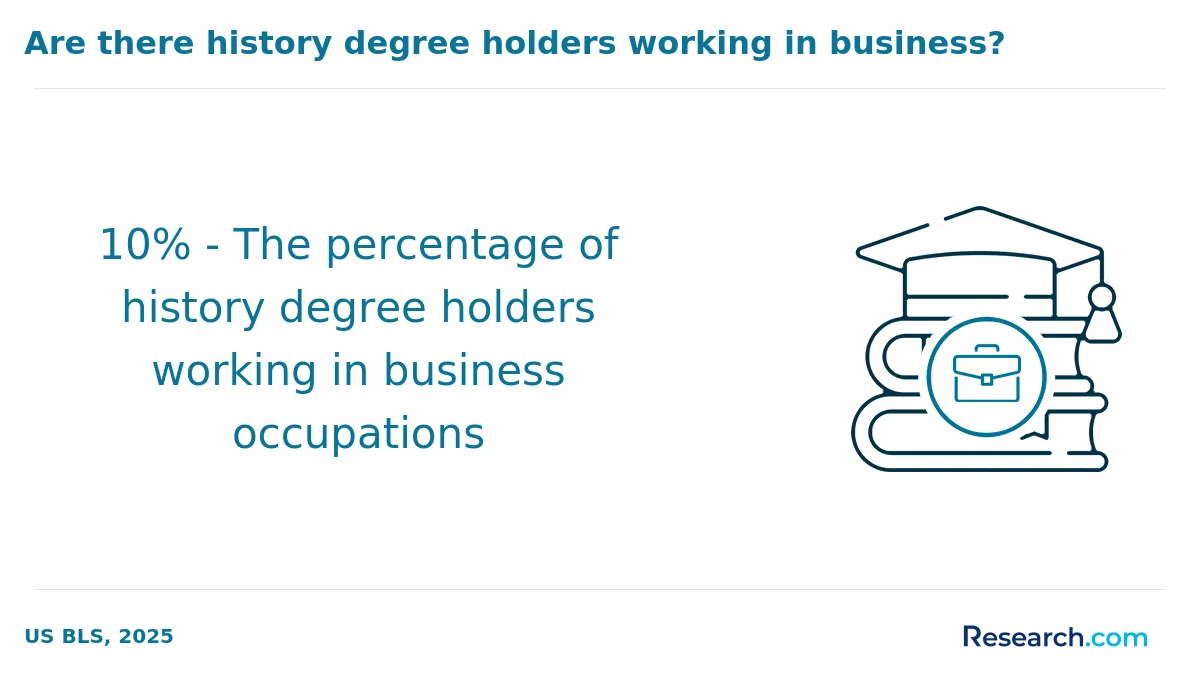
Studying for a history degree in Alabama offers strong preparation for interdisciplinary roles by integrating diverse fields such as politics, sociology, and cultural studies. Alabama's online programs emphasize critical thinking and research skills applicable across multiple industries. According to the Alabama Commission on Higher Education, 65% of history graduates enter fields beyond traditional academia, including public policy, education, and museum management.
Courses often include topics on regional history intersecting with economics and racial justice, giving students a broad perspective essential for cross-sector collaboration. This flexibility helps graduates adapt to roles requiring knowledge of social dynamics and historical context.
When choosing between a thesis and a non-thesis online history degree program in Alabama, consider your career goals. Thesis programs require original research and writing, ideal for students planning graduate study or a research-focused career.
Non-thesis options emphasize coursework and exams, often appealing to those pursuing teaching, public history, or roles in museums and archives. According to the National Center for Education Statistics, Alabama awards over 200 undergraduate history degrees yearly, with many programs offering both tracks.
Review your learning style and available time; thesis paths demand significant independent study. Consult Alabama university advisors to understand specific program requirements.
Students based in Alabama who want to study history abroad have several routes available through US higher education partnerships. Many Alabama universities offering online history degrees participate in exchange programs with European and Asian institutions, allowing students to take courses overseas while earning credits. According to the Alabama Commission on Higher Education, these programs enhance cultural understanding and historical perspectives.
Additionally, students can explore virtual study abroad options due to the rise of online learning. These programs include virtual lectures with international historians and collaborative projects focusing on global history.
Financial aid and scholarship opportunities are often available to support participation in such programs, making international study more accessible for Alabama-based students.
Students pursuing an online history degree in Alabama have several part-time job opportunities that complement their studies and build relevant skills. Working as a museum assistant is common, especially at institutions like the Alabama Historical Society, where students help with archiving and exhibit preparation. This role enhances research and organizational skills.
Another suitable job is a library aide, particularly in local public or university libraries, supporting history-related collections. Alabama's public libraries often seek part-time help, offering valuable experience in information management.
Additionally, historic site tour guides in cities such as Montgomery and Birmingham provide practical experience in public speaking and historical interpretation. These roles typically pay hourly and are flexible for students.
Online history students in Alabama benefit from several networking opportunities that help build professional connections despite the distance learning format. Many universities encourage participation in virtual history clubs, guest lectures, and webinars featuring Alabama historians and scholars. These events often provide access to local archives and research centers, such as the Alabama Department of Archives and History.
Students can also engage with statewide organizations like the Alabama Historical Association, which hosts annual meetings and events that welcome online learners. Additionally, internships and volunteer roles at museums or cultural institutions in Alabama remain open to remote students, offering valuable hands-on experience. Such engagement fosters essential professional networks within the state's historical community.
Alumni networks offer significant advantages to online history degree students in Alabama by connecting them with graduates who share similar academic and professional interests. These networks provide access to mentorship opportunities, which can be crucial for career guidance in fields like education, research, and public history. According to the Alabama Commission on Higher Education, institutions with active alumni organizations report higher job placement rates for history graduates.
Additionally, alumni networks often facilitate internships and job openings exclusive to members, helping students gain practical experience. For online students, these connections help overcome the challenges of distance learning by fostering a sense of community and professional support. Strong alumni engagement enriches the overall educational experience and expands career possibilities.
Customizing an online history degree in Alabama to suit your career goals involves selecting appropriate electives and concentrations. Many universities allow students to focus on areas like American history, public history, or archival studies, which align with careers in education, museums, or government. For example, the University of Alabama offers coursework tailored to archival management, which is useful for preservation careers.
Students can also integrate internships or virtual practicums to gain hands-on experience. Alabama's digital archives and historical societies provide valuable resources for such opportunities. According to the Alabama Commission on Higher Education, tailoring your degree with relevant specializations can increase job placement rates for history graduates in the state.
Online history students in Alabama often face several challenges unique to remote learning. One common issue is limited access to specialized archives and primary source materials, which are crucial for deep historical research. While many universities provide digital resources, in-person access to Alabama's rich historical collections-such as those at the Alabama Department of Archives and History-is often restricted.
Additionally, students must develop strong self-discipline and time management skills. According to the National Center for Education Statistics, nearly 40% of online students nationwide report difficulties balancing coursework with personal responsibilities.
Networking and engaging with professors can also be challenging in an online format, which may impact students' academic success and professional growth in history fields.
An online history degree from Alabama universities can open doors to various professional certifications that enhance career opportunities. Graduates often pursue teaching certifications, such as Alabama's Secondary Education History endorsement, enabling them to teach history at middle or high school levels.
Other certifications include those in archival management and museum studies. For instance, becoming a Certified Archivist requires meeting standards set by the Academy of Certified Archivists. This is valuable in Alabama, where historical preservation is important.
Additionally, history graduates can consider certification in paralegal studies or public history, which supports work in legal firms or community organizations. These certifications usually require additional coursework or exams but complement a solid history background well.
According to the Alabama Historical Commission, the state's commitment to heritage conservation increases demand for certified professionals to protect local history and cultural resources.
To write a winning application for an online history program in Alabama, start by thoroughly researching each university's specific admission requirements. Most programs value a strong personal statement that clearly explains your passion for history and your career goals. Highlight any relevant academic achievements or experiences, such as history-related internships or projects.
Including well-crafted recommendation letters, preferably from educators familiar with your skills in history or writing, strengthens your application. Many Alabama schools, like the University of Alabama and Auburn University, look for applicants with competitive GPAs, typically above 3.0. Lastly, proofread all materials carefully to present a polished, professional application aligned with the institution's values.
History careers offer a broad, global perspective, emphasizing critical thinking and cultural understanding. Graduates with online history degrees from Alabama often find skills applicable to roles in education, research, or public service worldwide. According to the U.S. Bureau of Labor Statistics, employment for historians is projected to grow 6% from 2022 to 2032, reflecting steady demand.
Alabama's rich historical background enhances the learning experience, connecting students to local and global events. Many history professionals work in museums, archives, and cultural organizations globally, helping preserve diverse heritages. Developing a history degree online in Alabama equips students to engage with international historical contexts while retaining flexibility.
Gaining practical experience while pursuing an online history degree in Alabama is possible through various methods. Many programs encourage internships with local museums, archives, or historical societies. For example, the Alabama Historical Association offers opportunities for students to engage in historical research and preservation projects.
Online students can also participate in virtual internships or collaborate on digital history projects, which have grown in availability nationwide. Additionally, attending state history conferences or workshops, such as those hosted by the Alabama Department of Archives and History, can provide valuable hands-on learning.
Research assistant positions at universities may also be accessible remotely, allowing students to support faculty-led history research.
Choosing the right concentration within an online history degree program in Alabama depends on your career goals and interests. Popular concentrations include American History, Public History, and Historical Preservation, each offering different career pathways. According to the Alabama Commission on Higher Education, programs often emphasize regional history due to Alabama's rich cultural heritage.
Consider job prospects before deciding. For example, public history focuses on museum work, archives, and education, fields growing steadily in Alabama's cultural institutions. Research courses offered in state universities to find specializations matching your interests and career plans.
Also, review faculty expertise and internship opportunities, which can greatly enhance practical learning and local professional connections.
Related History Rankings for Nearby States
Top Trending History Rankings
References
- Online Degree vs. Traditional: Choosing the Right Path https://beal.edu/online-degree-vs-traditional/
- How to Become a History Researcher: Steps and Career Outlook https://online.norwich.edu/online/about/resource-library/how-become-history-researcher-steps-and-career-outlook
- Niche History Picks from EPOCH https://www.epoch-magazine.com/post/niche-history-picks-from-epoch
- 6-semester-hour sequence in either literature or history https://talk.collegeconfidential.com/t/6-semester-hour-sequence-in-either-literature-or-history/1074231
- Finding Networking Opportunities as a Student | National Society of High School Scholars https://www.nshss.org/resources/blog/blog-posts/how-to-find-networking-opportunities-as-a-student/
- THE list of internships for history majors https://employedhistorian.com/history-major/internships-for-history-majors/
- Join the Alumni Network - National History Day https://nhd.org/en/get-involved/join-the-alumni-network/
- My Top 3 Recommendations on Networking in the History World | An Historian About Town https://anhistorianabouttown.com/recommendations-on-networking-in-the-history-world/
- Undergraduate Certificate in History | Thomas Edison State University https://www.tesu.edu/degrees-programs/certificates/undergraduate-history.php
- 5 Challenges of Teaching History in International Classrooms (and How https://millerskills.co.uk/blogs/teaching-overseas/5-challenges-of-teaching-history-in-international-classrooms-and-how-to-overcome-them