2027 Easiest Online History Degree Programs Ranking in the Northeast

Co-Founder and Chief Data Scientist
Choosing the right history degree program can feel overwhelming, especially with so many options available online. This article introduces the 2027 Easiest Online History Degree Programs Ranking in the Northeast, developed by the Research.com team of data scientists to help you navigate those choices confidently.
By exploring this ranking, you'll discover programs that balance quality education with manageable coursework, making your path to a degree smoother. Whether you're returning to school or starting fresh, earning a history degree opens doors to fascinating careers and personal growth.
Take this opportunity to find a program that fits your lifestyle and goals. Your future in history starts here.
Key benefits of getting online history degree in the Northeast
- History degree graduates in the Northeast can explore diverse careers such as museum curators or educators, typically earning between $50,000 and $70,000 annually, offering stable and rewarding opportunities.
- A history graduate from a well-known Northeastern university often finds paths in public history, research, or archival work, showcasing the field's versatile and engaging career options.
- Online history degrees from reputable Northeastern schools provide flexibility and accessibility, allowing students to balance work and life while gaining quality education comparable to traditional programs.
- 2027 Easiest Online History Degree Programs Ranking in the Northeast
- What can I expect from online history degree in the Northeast?
- Where can I work with online history degree in the Northeast?
What can I expect from online history degree in the Northeast?
The average cost of pursuing an online history degree in the Northeast generally falls between $10,000 and $15,000 per year for undergraduate students attending public universities. Graduates often recall how this affordability made balancing their education and personal lives more manageable, especially those enrolled at institutions in New York, Pennsylvania, or Massachusetts. For many, the investment felt justified by the access to rich digital archives and expertly designed courses that deepened their understanding of American and European history.
Private colleges in the region, while sometimes charging higher tuition, frequently offer generous financial aid packages. Graduates from such schools speak warmly about how these supports alleviated financial pressure, allowing them to focus on engaging deeply with their studies and participating in regional online history clubs. This thoughtful balance between cost and quality ensures that students can pursue their passion without overwhelming debt while benefiting from programs tailored specifically to the Northeast's rich historical landscape.
Where can I work with online history degree in the Northeast?
Graduates holding an online history degree in the Northeast find themselves welcomed in many fulfilling careers. Many step into roles as educators in public and private schools, especially in states like New York and Massachusetts, where the demand for social studies teachers remains steady. It's encouraging to hear from alumni of institutions such as Boston University and the University of Pennsylvania who thrive inspiring young minds with historical knowledge.
Others immerse themselves in public history, becoming curators or archivists at museums and historical societies. Imagine working within the Boston Historical Society or engaging visitors at special exhibits inspired by New England's rich heritage-these roles offer a rewarding connection to both the community and the past.
Government agencies also appreciate history graduates, employing them in research and cultural resource management. Graduates commonly share how their time at schools like Syracuse University prepared them for roles at the National Park Service, where preserving regional heritage is both a privilege and a daily mission.
Some find fulfilling careers in libraries and archives, supported by universities like Harvard, where graduates assist in preserving digital collections. The critical thinking sharpened through a history degree also translates well into business sectors-whether crafting market research reports or legal documentation in metropolitan hubs like Philadelphia, opportunities abound for those who love exploring stories behind the facts.
Graduates from online history programs in the Northeast often find their earnings influenced by the vibrant academic and cultural scene surrounding institutions like Boston University or Syracuse University. Many report starting salaries around $45,000 when entering entry-level roles in smaller communities, yet they feel encouraged by the opportunities nearby in major cities such as New York or Boston, where pay can reach between $60,000 and $85,000. These figures reflect the desirability of historical expertise in museums, public history, and government positions typical of the region.
For example, graduates who pursue teaching in public schools near institutions like the University of Connecticut often see salaries ranging from $55,000 to $75,000. Their peers working in state agencies or cultural nonprofits note moderate pay in the $50,000 to $70,000 range but value the meaningfulness of their work despite modest compensation.
Many graduates attest that obtaining a master's degree or specialized certifications enhances their prospects significantly, often leading to salaries beyond $90,000 in research, archival management, or consultancy roles within the Northeast's competitive job market.
- Tuition for online history degrees in the Northeast ranges from $8,000 to $15,000 annually at public universities and $20,000 to $35,000 at private institutions.
- Prestigious universities in the Northeast offer online history programs, often with higher tuition costs.
- Starting salaries for history graduates in this region typically range from $40,000 to $50,000 per year, rising to $60,000 or more with experience.
- Job opportunities include education, research, museum curation, archives, and government roles, with a preference for advanced degrees or certifications.
- The Northeast has numerous museums, libraries, and historical societies that offer internships and networking for history students.
- State residency affects tuition rates and financial aid eligibility for online history degree programs.
Completing an online history degree in the Northeast often takes about four years for full-time students, mirroring the traditional pace at well-known institutions like the University of Massachusetts or Pennsylvania State University. Many graduates recall juggling coursework with personal and professional commitments, appreciating the flexibility asynchronous classes provide. This flexibility lets students study evenings or weekends, making steady progress without sacrificing quality time with family or work.
Part-time students frequently take five to six years, a timeline that feels manageable and less stressful for those balancing other responsibilities. Graduates often mention how the ability to transfer previous credits or choose accelerated options helped them finish sooner if needed, reflecting the accommodating nature of these programs.
For those beginning with associate degrees at regional community colleges, the journey usually spans two years full-time, serving as a practical stepping stone. This adaptable approach helps students pursue history degrees in a way that fits their life, budget, and goals within the vibrant Northeast academic landscape.
Students pursuing history degrees in the Northeast often find the experience shaped by whether they choose an on-campus or online program. Graduates from well-known institutions like Boston University cherish the lively classroom debates and spontaneous study sessions that happen when you're physically present with peers and professors. These moments nurture a deep connection to the field through direct interaction and access to resources like campus archives.
In contrast, those who experience history studies online, perhaps through programs at the University of Massachusetts, appreciate the flexible pace that lets them balance work, family, and coursework without geographic constraints. Online learners often speak warmly about the convenience of accessing lectures from home while still engaging in meaningful virtual discussions, though they note it requires a strong sense of self-motivation.
The cost difference also matters in the Northeast, where many online history programs charge in-state tuition regardless of location, making education more accessible to out-of-state students. This financial flexibility combined with diverse learning styles highlights that choosing between on-campus and online formats depends on personal priorities rather than academic quality.
The average cost of an online history degree in the Northeast typically centers around $22,272, reflecting the median total expenditure for students navigating this academic path. Graduates from well-regarded institutions like the University of Massachusetts and SUNY Schools often report a reasonable investment, especially when benefiting from in-state tuition rates. These programs generally cost less, with median in-state totals around $15,480, making them a financially viable choice for many local learners.
Meanwhile, out-of-state students face a higher financial commitment, with costs closer to a median of $17,040. Yet, many former students speak positively about the balance between cost and the value they received - the rich academic resources, dedicated faculty, and dynamic online classroom environments distinctive to the Northeast's history programs. Choosing the right school involves understanding how tuition rates blend with other expenses like technology fees and learning materials, which can subtly impact the overall budget.
For those exploring affordable online history degree programs Northeast residents often discover multiple options that align with their financial and academic goals. Leveraging financial aid and scholarships targeted at history majors or online learners can make a meaningful difference. It's also wise to explore further degrees related to history as a strategic step in mapping out a rewarding study experience tailored to one's budget and interests.
Many history students in the Northeast, especially those enrolled in online programs at institutions like Northeastern University or Boston University, find federal aid to be the cornerstone of their financial strategy. Completing the FAFSA often unlocks access to resources like the Pell Grant, which can alleviate financial stress by offering up to $7,000 annually without repayment.
State programs also hold significant promise. Graduates often mention how New York's Tuition Assistance Program (TAP) made a meaningful difference, especially for those balancing work and study. Such grants, available at public universities across the region, are increasingly supportive of online learners, opening doors that once felt closed to distance education students.
Institutional scholarships tailored for history majors bring another layer of relief. Many who studied history online at universities like the University of Pennsylvania recall how merit-based awards substantially lowered their tuition, creating space to focus on their passions rather than financial worries.
Employers' tuition reimbursement adds yet another dimension. For those juggling careers and coursework, this benefit transforms education from a financial burden into an achievable goal. Furthermore, private scholarships from organizations like the American Historical Association provide vital encouragement, proving that dedicated students in the Northeast rarely have to face their educational expenses alone.
Enrolling in an online history degree program in the Northeast usually begins with having a high school diploma or GED, a prerequisite that most graduates from institutions like Boston University or Northeastern University recall as straightforward yet foundational. These credentials open the door, but schools often look deeper, requesting official transcripts reflecting a steady academic performance-many expect a GPA of around 2.0 to 2.5.
Though the reliance on SAT or ACT scores has declined, some traditional colleges still value them, especially those known for rigorous history programs like Fordham University. Graduates often share that submitting these scores added an extra layer of confidence in their applications, affirming readiness for historical inquiry.
Transfer students or those eyeing advanced degrees are typically advised to complete college-level history or humanities courses beforehand. This prerequisite resonates with many who found their initial courses at the University of Connecticut challenging but rewarding, as these foundational lessons framed their later academic success.
Beyond academics, candidates need reliable internet and computer skills to thrive in the asynchronous online environment. Many alumni fondly remember navigating remote learning with determination, embracing the flexibility while honing time management-a crucial skill in their educational journey.
Students pursuing an online history degree in the Northeast often find themselves immersed in courses that reflect the region's rich historical fabric and academic rigor. Graduates from well-regarded universities describe early encounters with foundational classes like Introduction to Historical Methods, where they learn to evaluate and interpret primary and secondary sources with keen insight-a skill that proves invaluable in later research projects.
Core courses such as U.S. History to 1877 and U.S. History Since 1877 bring to life the vital chapters of America's past, connecting students emotionally to the evolution of society. Many appreciate specialized offerings like Colonial American History and Revolutionary War Studies, which ground their understanding of the nation's origins and resonate deeply given the Northeast's historical landmarks and museums.
Students recall how classes such as Public History equipped them for careers in archives and museums, turning passion into practice. Electives exploring African American History and Global Perspectives broaden their worldview, fostering a sense of connection beyond local boundaries. Academic writing courses round out the experience, helping learners confidently articulate complex historical arguments online, often balancing studies with busy lives in bustling cities like Boston or Philadelphia.
Among the many online history degree specializations Northeast programs offer, some of the most popular focus on American History, World History, and Public History. Graduates from universities and colleges in the region often recall how studying American History brought to life the revolutionary landmarks and archives they accessed, deepening their appreciation for the nation's past. Those pursuing World History valued the global perspective gained, opening opportunities in international settings.
Other concentrations frequently found include Historic Preservation, Military History, and Digital History, allowing students to engage with history through practical and modern approaches. For example, a graduate from a well-known Northeastern college shared how Digital History courses integrated technology, making research more dynamic and relevant to today's digital world.
When exploring history degree concentrations available in Northeast online programs, it's wise to consider your long-term goals. Many students have found that choosing a specialization aligned closely with their passions enhances their career and personal growth. For guidance on careers with a degree in history, researching specific programs and their offerings can lead you to a path that truly resonates.
Choosing the best online history degree in the Northeast means focusing on programs that truly reflect the region's rich academic heritage. Graduates often share how programs at well-known colleges provide a blend of traditional curriculum and innovative research methods, creating a rewarding learning experience. Accreditation by agencies like MSCHE ensures your degree carries weight with employers and graduate schools, especially in competitive Northeastern job markets or academics.
Affordability is another major concern. Students have found that comparing tuition costs alongside financial aid options helps identify the most affordable online history degrees in Northeast institutions without sacrificing quality. Many appreciate programs with diverse courses spanning American and European history, which equip them with critical thinking skills applicable in various fields.
Strong student support and technology platforms also stand out. Alumni emphasize how accessible academic advising and local internships can enrich their studies. For those curious about careers for history majors, these opportunities are invaluable, linking theoretical knowledge with practical paths forward.
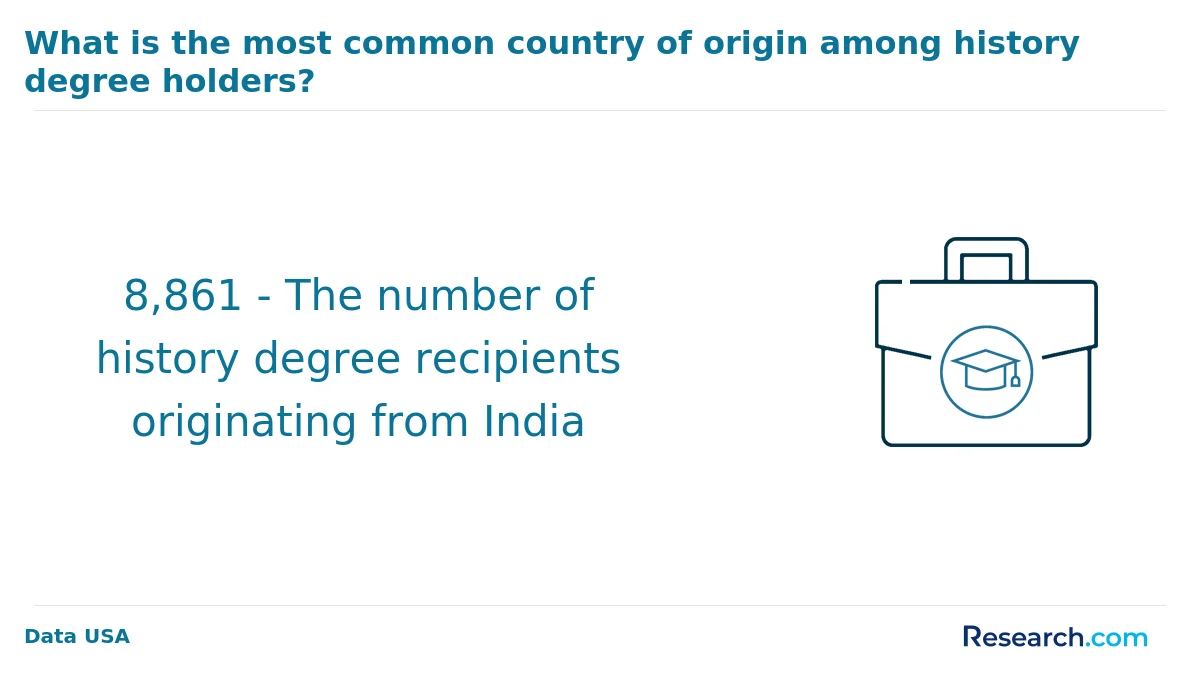
Graduates pursuing an online history degree in the Northeast often discover rewarding career paths deeply connected to the region's rich cultural fabric. Many find fulfillment in education, becoming secondary school teachers in states like Massachusetts and New York, where a steady demand for social studies educators offers both job stability and salaries that reflect the value of their expertise. Others embrace roles in museums or archives, working in renowned cultural institutions near Boston or New York City, where they contribute to preserving history while engaging the public through exhibits and outreach.
Government and nonprofit positions also beckon; graduates often manage historic sites or participate in cultural resource management, leveraging their understanding of local heritage in practical ways. Additionally, the vibrant research sector in the Northeast provides opportunities for those drawn to writing and analysis-think tanks and media outlets value the storytelling skills honed during studies. Alumni from popular universities often remark on how an online history degree careers in the Northeast opened doors they hadn't anticipated.
For those considering the financial implications, exploring best online history degree programs offers insight into affordable, accessible education, further broadening the scope of job opportunities with Northeast history degree credentials.
Graduates with an online history degree in the Northeast often encounter a job market enriched by the region's dense network of museums, archives, and educational institutions. Alumni from well-regarded universities in cities like Boston and New York have shared how flexible online programs allowed them to balance coursework with internships at local cultural centers, directly enhancing their practical experience. Job opportunities frequently arise in sectors such as museum and archival management or public policy, reflecting the regional emphasis on preserving and interpreting history.
Wage prospects remain steady, with median salaries for historians around $63,000 nationally, though Northeast metropolitan areas can offer higher pay due to living costs. New graduates typically see salaries between $40,000 and $50,000, but many find that gaining experience or an advanced degree from reputable institutions energizes their career trajectory. The online aspect of study eases financial burdens, as in-state tuition for public universities in the Northeast usually ranges from $10,000 to $15,000 annually, making it appealing to prospective students mindful of investment returns.
Those exploring career opportunities with history degree Northeast should also consider the variety of roles the region supports. A typical graduate's path might include teaching in competitive school districts or working with historical societies. For more focused career guidance, resources like art history degree jobs can offer valuable insight into specialized options that align with personal interests and regional demand.
2027 Easiest Online History Degree Programs Ranking in the Northeast
Investing in your education is a significant decision that can shape your future, and the Research.com team understands the importance of making informed choices. To assist prospective students seeking online history degrees in the Northeast, we have meticulously crafted the "2027 Easiest Online History Degree Programs Ranking." Our commitment to quality, credibility, and accuracy is reflected in the extensive research and analysis conducted to compile this ranking.
We utilized the following reputable data sources to ensure a comprehensive evaluation of programs:
By exploring this ranking, readers will gain valuable insights into the most accessible and credible online history degree programs in the Northeast, helping them make informed decisions with confidence. For more details on our methodology, please visit our Research.com methodology page.

# 2 position
Penn State University Park
Bachelor of History

# 3 position
SUNY Empire State College
Bachelor of Historical Studies


# 10 position
Thomas Edison State University
Bachelor of History

Frequently Asked Questions About history
Online history degree students in the Northeast can maximize their learning by actively engaging with their course materials and professors. Many Northeastern universities offer access to extensive digital archives, including primary sources relevant to regional and national history. Utilizing these resources enhances critical thinking and research skills.
Participating in virtual discussion groups or history forums helps deepen understanding through dialogue with peers. According to the National Center for Education Statistics, about 35% of history majors in the Northeast take advantage of online seminars and workshops to supplement their studies.
Furthermore, students should consider internships or partnerships with local museums and historical societies, many of which provide virtual programs specifically for online learners.
The history field in the Northeast is expanding into several emerging niches that reflect current academic and societal trends. One notable area is digital history, which combines technology with traditional research. Students learn to analyze historical data using digital tools, a skill increasingly valued by museums and archives.
Another growth niche is public history, focusing on community engagement and preserving local heritage. Northeastern universities have developed online programs to prepare students for careers in historical consulting, historic preservation, and cultural resource management.
Environmental history, studying the relationship between humans and nature over time, is also gaining prominence. With Northeastern states emphasizing sustainability, this field offers relevant insights.
According to the American Historical Association, enrollment in these interdisciplinary areas has increased by 12% in the last five years, reflecting their rising demand.
Preparing for the job market after earning an online history degree in the Northeast involves strategic steps. First, gaining practical experience through internships or volunteer work at local museums, historical societies, or archives is crucial. These organizations often seek help and provide valuable networking opportunities.
Developing digital skills, including proficiency in research databases and data management tools, enhances employability. Many Northeastern employers value familiarity with digital humanities technologies.
According to the Bureau of Labor Statistics, the Northeast employs nearly 20% of all U.S. historians, signaling regional demand. Graduates should connect with professional groups like the New England Historical Association.
Lastly, consider pursuing certificates or advanced degrees to specialize further and improve job prospects in education, public history, or cultural resource management.
Employers in the Northeast highly value history degree graduates who demonstrate strong critical thinking and research skills. According to the American Historical Association, proficiency in analyzing primary sources and synthesizing complex information is essential.
Communication abilities-both written and verbal-are also key, as many roles require clear explanation of historical context. In fact, a 2023 survey by the National Association of Colleges and Employers found that 72% of employers seek strong communication skills in humanities graduates.
Additionally, digital literacy, including familiarity with archives and data management software, is increasingly important in this region's job market. Understanding regional history and cultural heritage can further distinguish candidates.
Finding internships in the Northeast for history degree students involves leveraging local resources and academic networks. Many universities in this region partner with museums, archives, and historical societies to offer internships tailored to history majors. For example, the Massachusetts Historical Society and the New York Historical Society provide structured internship programs ideal for gaining practical experience.
Students should consult their online program advisors or career services for guidance on nearby opportunities. The Northeast hosts numerous government agencies and nonprofit organizations that regularly offer internships related to history and preservation. According to the National Archives, over 30% of their internships are based in Northeast facilities.
Moreover, platforms like Handshake and Internships.com list regional opportunities specifically in history fields. Networking at academic conferences such as those organized by the New England Historical Association can also open doors. Combining these approaches significantly improves the chances of securing a meaningful internship in this competitive market.
Obtaining an online history degree in the Northeast can significantly enhance career mobility and advancement opportunities. The region hosts numerous cultural institutions, museums, and archives that value candidates with formal history training. According to the National Center for Education Statistics, nearly 30% of history graduates in Northeastern states find employment in education, public history, or cultural resource management, sectors that increasingly seek flexible, online-educated professionals.
Online programs allow students to balance work and studies, making career transitions smoother. Moreover, many universities in the Northeast have partnerships with local historical organizations, providing online students with networking and internship possibilities crucial for career growth.
Studying for a history degree online in the Northeast offers strong preparation for interdisciplinary roles by combining historical knowledge with critical skills valued across fields. Many Northeast institutions emphasize research, writing, and analytical thinking, enhancing students' ability to connect history with areas such as law, public policy, and cultural studies.
According to the American Historical Association, Northeast colleges rank highly in producing graduates skilled in both qualitative and quantitative analysis. This versatility supports careers in education, museums, government, and media.
Additionally, partnerships with local archives and cultural organizations provide practical experience, bridging theory with professional application in multiple disciplines.
When deciding between a thesis and a non-thesis online history degree in the Northeast, consider your academic and career goals. A thesis option emphasizes original research, allowing students to develop strong writing and analytical skills. This may be ideal for those planning to pursue graduate studies or careers in research and academia. According to the National Center for Education Statistics, about 30% of master's history programs nationally offer a thesis option, often found in schools across the Northeast such as Syracuse University and the University of Massachusetts.
Non-thesis programs usually require additional coursework or a capstone project. These paths suit students aiming to enter history-related professions outside academia, like museums or education. The non-thesis route often offers more flexibility for working professionals.
Consider program length and workload, as thesis degrees may extend your study time. Many online programs in the Northeast provide detailed descriptions to help you assess which best fits your needs.
Students in the Northeast interested in studying history abroad can explore numerous online programs that partner with international institutions. Many universities in this region offer study abroad components integrated into their online history degrees, allowing students to earn credits while experiencing global perspectives.
For example, institutions like the University of Massachusetts and Northeastern University provide virtual exchanges and short-term study abroad opportunities that complement online coursework. According to the Institute of International Education's 2023 report, about 25% of Northeast universities with online history programs incorporate global study options.
These opportunities are especially valuable for history students seeking a broader understanding of world cultures without relocating. Students can often participate in online seminars with international scholars or complete research projects focused on historic sites abroad, enhancing their academic experience.
Students pursuing online history degrees in the Northeast have various part-time job options that complement their studies. Museum assistant roles are popular, offering hands-on experience with historical artifacts and public education. Institutions such as the New York Historical Society frequently seek part-time help, allowing students to engage with the region's rich past.
Archival work is another option, especially in cities like Boston and Philadelphia, home to numerous historical societies and libraries. These positions develop skills in document preservation and research, valuable for many history-related careers.
Tour guide jobs at historical sites also provide relevant experience. The Northeast features iconic locations such as Plymouth Plantation and Gettysburg, attracting many tourists. According to the National Park Service, these sites often hire part-time guides with strong historical knowledge.
Online history students in the Northeast have access to notable networking opportunities despite studying remotely. Many universities offer virtual events, guest lectures, and history-focused webinars that connect students with faculty and professionals. For example, the American Historical Association often collaborates with northeastern schools hosting online panels and career workshops.
Regional history organizations, such as the New England Historical Association, provide memberships, virtual conferences, and forums ideal for networking. Additionally, students can join local chapters of national history groups to engage in discussions and collaborative projects.
Moreover, some programs facilitate internships with museums and archives across the Northeast, enabling practical experience and professional contacts. According to the National Center for Education Statistics, nearly 40% of history graduates in the Northeast pursue related employment within a year, in part due to these connections.
Alumni networks play a crucial role for students pursuing online history degrees in the Northeast. These networks connect graduates with professionals working in museums, archives, and academic institutions across the region. According to the New England Board of Higher Education, over 75% of graduates in history-related fields find their first job through such connections.
Members often share job opportunities, internships, and advice about research projects. This support can be especially valuable for online students who may lack on-campus networking.
Moreover, strong alumni communities enhance access to exclusive events, lectures, and mentorships, which enrich the learning experience beyond coursework. This engagement helps students navigate career paths within Northeast's rich historical landscape.
Customizing an online history degree program in the Northeast allows students to align their studies with specific career paths. Many universities offer concentrations such as public history, museum studies, or archival management. These options enable learners to gain practical skills relevant to careers in education, cultural institutions, or government.
Students can often select electives focused on regional history, including New England or Mid-Atlantic topics, which enhances local expertise valued by employers. Additionally, some programs include internships or hands-on projects that build professional experience.
According to the National Center for Education Statistics, tailored online programs are growing in the Northeast, reflecting demand for flexible, career-oriented education.
Online history students in the Northeast often face challenges related to balancing coursework with personal and professional responsibilities. Many learners juggle full-time jobs while pursuing degrees, making time management critical. According to the National Center for Education Statistics, around 60% of online students nationwide work while enrolled, a figure reflective of the Northeast demographics.
Another common issue is accessing primary source materials, which may be restricted due to geographic limitations or digital access policies of regional archives. This can delay research and affect paper quality.
Technical difficulties such as unreliable internet connections or unfamiliarity with online platforms also impact learning. These challenges can hinder participation in discussions and timely submission of assignments.
Moreover, some students express concerns about limited networking opportunities compared to traditional on-campus programs, which may affect career development in history-related fields.
An online history degree opens pathways to several professional certifications valued in the Northeast job market. Graduates interested in education can pursue state teaching certifications, such as the Massachusetts Initial Teaching License or New York State Teaching Certification, both requiring passing specific exams like the MTEL or the CST.
For those leaning toward archives or museum work, certifications like the Certified Archivist credential from the Academy of Certified Archivists or the Certified Museum Professional offered by the American Alliance of Museums are highly regarded nationwide.
Additionally, history graduates may qualify for the Project Management Professional (PMP) certification, useful in managing historical projects or public history initiatives. These credentials enhance employability across sectors in the Northeast, according to data from the National Center for Education Statistics and regional professional boards.
Applying for an online history degree in the Northeast requires a clear, well-structured application. Start by highlighting your academic background, focusing on courses or experiences related to history. Many Northeastern programs value applicants with strong critical thinking and writing skills, essential for success in history studies.
Include a compelling personal statement that explains your interest in history and why you chose an online program in the Northeast. According to the National Center for Education Statistics, regional relevance can strengthen your application if tied to local history or cultural topics.
Additionally, secure letters of recommendation from instructors familiar with your analytical abilities. Demonstrating knowledge of notable history faculty or unique program features in the region can also help your application stand out.
The global perspectives on a history career emphasize its versatile and interdisciplinary nature. Graduates with history degrees often pursue roles in education, research, cultural preservation, and public policy. In the Northeast, where historical institutions and archives are numerous, knowledge of global contexts enriches local understanding and increases career opportunities.
According to the American Historical Association, history professionals work not only in academia but also in government and nonprofit sectors, engaging with international heritage and diplomacy. Online history degrees in this region often highlight global history components, preparing students to address worldwide cultural and political issues.
Employment projections from the U.S. Bureau of Labor Statistics suggest steady demand for historians, especially those with advanced knowledge of global events. This trend benefits students studying online from the Northeast, blending local history focus with global awareness to enhance career prospects.
Gaining practical experience during an online history degree in the Northeast is achievable through internships, research projects, and local collaborations. Many Northeastern universities partner with museums, archives, and historical societies, offering remote or on-site internships. For example, the Massachusetts Historical Society and the New York Public Library provide valuable internship opportunities for history students. Participating in these programs allows students to apply classroom knowledge to real-world settings.
Additionally, students can engage in digital history projects or public history initiatives, which often focus on preserving regional heritage. According to the National Council on Public History, hands-on experience significantly improves job prospects in the history field.
When selecting a concentration within an online history degree in the Northeast, consider your career goals and personal interests first. Popular options often include American history, colonial and revolutionary periods, or urban history relevant to Northeastern cities like Boston and Philadelphia. Many programs emphasize regional history due to the area's rich colonial and industrial past.
Review curriculum specifics and faculty expertise at schools you're interested in. For example, institutions affiliated with the American Historical Association often highlight faculty research strengths, which can enhance your learning experience.
Check if the program offers practical experiences such as internships with local museums or archives, as these can add valuable professional skills.
- History Online https://www.nsu.edu/History-and-Interdisciplinary-Studies/History-Online
- 2025 Most Affordable Online History Degrees https://www.onlineu.com/most-affordable-colleges/history-degrees
- Master's History Application - Sample Letter (EN) https://ai.mystudies.com/blog/mystudies-writing-examples/application-for-master-program-history-20-06-2025.html
- Study History Abroad | Go Overseas https://www.gooverseas.com/study-abroad/history
- What Can You Do With a History Degree? https://willamette.edu/academics/college/history/career-options
- 4 Steps to Find History Research Opportunities as an Undergraduate https://www.coltie.com/post/4-steps-to-find-history-research-opportunities-as-an-undergraduate
- Jobs for History Majors: 12 Career Paths That Use Your Skills | Extern https://www.extern.com/post/jobs-for-history-majors-career-guide
- Online Degree vs. Traditional | University of Arkansas Grantham https://www.uagrantham.edu/blog/pros-cons-online-degree-vs-traditional-university/
- 5 Challenges of Teaching History in International Classrooms (and How https://millerskills.co.uk/blogs/teaching-overseas/5-challenges-of-teaching-history-in-international-classrooms-and-how-to-overcome-them
- How a Strong Alumni Network Can Benefit Students https://www.pacificu.edu/blog/how-strong-alumni-network-can-benefit-students