2027 Most Affordable Online Bachelor's in History Degree Programs Ranking in the West

Co-Founder and Chief Data Scientist
Choosing the right online history degree can feel overwhelming, especially when balancing cost and quality. This article presents the 2027 Most Affordable Online Bachelor's in History Degree Programs Ranking in the West, carefully developed by the Research.com team of data scientists.
Designed to guide students in making informed decisions, this ranking highlights programs that offer value and accessibility. Earning a history degree not only opens doors to diverse careers but deepens your understanding of the world, enriching both personal and professional life.
Explore the options and find a program that fits your goals and budget with confidence.
Key benefits of getting online history degree in the West
- History degree graduates often pursue careers in education, research, and archival work, with typical salaries ranging from $50,000 to $70,000 annually in many US regions.
- Graduates from universities like UCLA explore roles such as museum curators, historians, and writers, opening doors to diverse and rewarding career paths.
- Online history degrees, like those from Arizona State University, offer flexibility and accessibility, enabling students to balance work and studies while gaining the same respected credentials as traditional programs.
- Key benefits of getting online history degree in the West
- What can I expect from online history degree in the West?
- Where can I work with online history degree in the West?
- How much can I make with online history degree in the West?
- 2027 Most Affordable Online Bachelor's in History Degree Programs Ranking in the West
- Key Findings
- How long does it take to complete online history degree in the West?
- What's the difference between online and on-campus history degree?
- What is the average cost of online history degree in the West?
- What financial aid is available to online history degree students in the West?
- What are the prerequisites for enrolling in online history degree program in the West?
- What courses are typically in online history degree programs in the West?
- What types of specializations are available in online history degree programs in the West?
- How do you choose the best online history degree in the West?
- What career paths are available for online history degree students in the West?
- What is the job market for online history degree in the West?
- Top Trending History Rankings
What can I expect from online history degree in the West?
The average cost of pursuing an online history degree in the West typically ranges from $40,000 to $60,000 for the full program, depending on the university and residency status. Graduates from California State University often share how the affordable tuition combined with flexible schedules allowed them to balance work and study without financial stress. At Oregon State University, students express excitement about investing in a program that not only fits their budget but also provides immersive digital resources and virtual internships.
The University of California online history programs, while sometimes on the higher end of the cost spectrum, offer exceptional value through extensive research opportunities and academic support. Many learners celebrate how these investments unfolded into enriching experiences, from exploring Native American history through virtual fieldwork to engaging in lively online discussions that challenge their perspectives.
Financial aid and scholarships frequently soften the cost, inviting adventurous students to dive into history without fear of overwhelming debt. This blend of affordability and quality makes saving your seat in a Western online history classroom feel like an exciting step toward your future discoveries.
Where can I work with online history degree in the West?
Graduates from online history programs at Western powerhouses like the University of California system or Oregon State University often find themselves immersed in vibrant career adventures. Picture stepping into a bustling museum in San Francisco or curating compelling exhibits in Seattle-these are real-world roles that history majors eagerly embrace. Many alumni share how their degrees unlocked doors to education jobs across California, Oregon, and Washington, from inspiring high school students to supporting university research teams.
Others dive into government service, preserving national parks or working in urban planning offices, blending their love for history with active community impact. Imagine being a park ranger in Yosemite or a historian safeguarding cultural landmarks-careers fueled by passion and purpose. Private sectors too call-publishing houses and think tanks in the West value graduates who bring sharp analytical and storytelling skills.
This blend of research, critical thinking, and hands-on roles makes the West a playground for history grads eager to explore diverse paths while staying rooted in their local culture.
How much can I make with online history degree in the West?
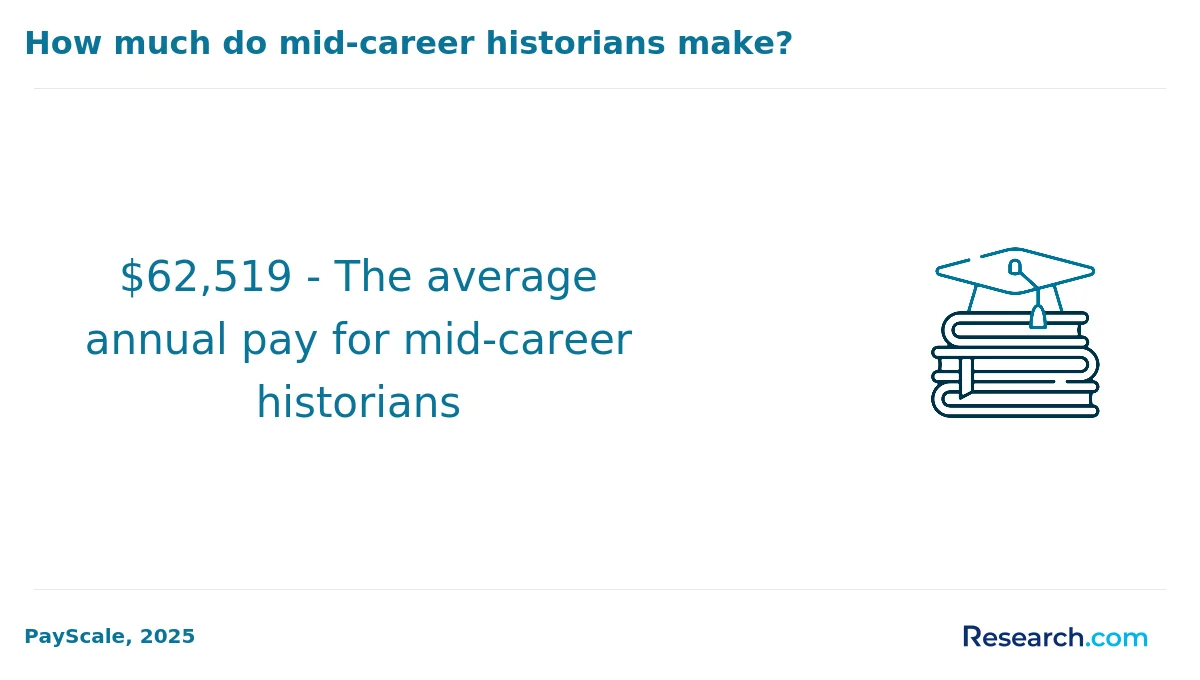
Graduates of online history programs from universities like the University of California or the University of Washington experience a salary landscape that invites exploration and growth across the Western states. Entry-level roles in museums, libraries, and research often start between $40,000 and $55,000 annually, offering a solid footing for those eager to dive into local history or cultural preservation.
As you gather experience or pursue further credentials, your journey might lead you to become a historical consultant or a postsecondary educator, roles where salaries rise beyond $80,000. The West's dynamic economy, coupled with large educational institutions, enhances these prospects, reflecting the real successes of many graduates who embraced internships and active involvement in state heritage projects.
Those who pursue K-12 teaching with a history specialty find median salaries ranging from $50,000 to $60,000 in places like Oregon and Arizona, making it rewarding to share passion for the past with younger generations. With additional skills like digital archiving or GIS mapping, your earning potential can widen, inviting you to shape stories both ancient and new across this vibrant region.
2027 Most Affordable Online Bachelor's in History Degree Programs Ranking in the West
How do we rank schools?
Investing in your education is a significant decision that can shape your future, and the Research.com team understands the importance of making informed choices. To assist prospective students seeking affordable history degrees in the Western United States, we have carefully developed the "2027 Most Affordable Online Bachelor's in History Degree Programs Ranking in the West." Our dedication to quality, credibility, and accuracy is evident through the rigorous research and analysis undertaken to compile this ranking.
We utilized the following reputable data sources to ensure a comprehensive evaluation of programs:
By exploring this ranking, readers will gain valuable insights into affordable online history programs, enabling well-informed educational decisions tailored to their goals. For more details on our methodology, please visit our Research.com methodology page.



Key Findings
- Online history degrees in the Western US typically cost between $25,000 and $45,000 for residents, with out-of-state tuition often exceeding $50,000.
- Graduates can expect entry-level salaries ranging from $40,000 to $50,000, which may grow to $60,000-$80,000 with experience and advanced roles.
- States like California, Washington, and Colorado offer the most job opportunities due to their large populations and cultural institutions.
- Many programs provide internships or practicums, important for gaining real-world experience, and most online degrees allow fully remote study.
- Financial aid and scholarships are commonly available, and some schools offer in-state tuition rates for online students from other states.
How long does it take to complete online history degree in the West?
Some graduates reminisce about stretching their studies over five or six years, managing part-time workloads while juggling jobs or family, savoring each lesson at their own pace. Others embraced accelerated tracks, packing summer sessions to finish in three years, fueled by curiosity and ambition.
Whether it's the University of Washington's rich online offerings or California State's flexible programs, these journeys blend rigorous writing assignments with vivid stories of historical discovery. The adventure isn't just in the grades but in molding a personalized timeline that fits your own life, making every credit earned a meaningful step toward unraveling history's mysteries from wherever you call home.
What's the difference between online and on-campus history degree?
Imagine diving into history from your cozy living room at California State University, accessing lectures and archives anytime you want-online history degrees make that possible. Graduates often share how this flexibility fits perfectly with busy lives, whether juggling work or family, all while exploring fascinating American and European history.
On the other hand, attending an on-campus program at a Western public university brings a different thrill. Picture yourself wandering museum halls or collaborating in lively study groups, the buzz of campus life adding layers to learning.
Both paths cover rich historical content with solid accreditation, but costs and experiences vary. Online degrees, like those at Cal State, can be more affordable-around $5,500 per year-compared to on-campus tuition that might exceed $7,300 locally. Yet, on-campus students treasure direct mentorship and hands-on projects.
While online learners rely on digital libraries and virtual discussions, they often feel a rewarding sense of independence. Completion rates vary but the adventurous spirit of remote learners keeps pushing boundaries in the West's historic academic landscape.
What is the average cost of online history degree in the West?
The average cost of an online history degree in the West is a fascinating balance between accessibility and quality. Graduates from popular public universities often report paying a median in-state total cost of about $64,980, while out-of-state students might expect closer to $72,432. These figures reflect a broad spectrum of experiences where some students find affordable online bachelor's history degrees western states programs that align perfectly with their budgets, especially at large public institutions. Imagine a student at a well-known university in Arizona or Nevada, diving into ancient civilizations while appreciating that their tuition stays within a manageable range.
This curiosity extends to many who explore the average cost of online history degree programs in the West and discover the adventures that come with financial planning. Online learners frequently share stories of benefiting from financial aid or scholarships tailored specifically for history majors, which often make these ambitions feel more attainable and exciting. For example, a graduate from a western public university recalls how reduced fees for digital materials and bundled resources eased the stress of extra expenses, much like a seasoned historian uncovering hidden treasures.
Opportunities for engaging in historical studies online can also be enriched by understanding how to navigate costs efficiently. Prospective students should consider exploring resources like history degree jobs to connect their academic journey with future career opportunities, making the entire pursuit feel like a meaningful expedition rather than just a financial commitment.
What financial aid is available to online history degree students in the West?
Venturing into an online history degree in the Western United States opens doors to financial aid treasures waiting to be uncovered. Many students attending renowned institutions like the University of California or the University of Washington eagerly apply for Pell Grants through FAFSA, unlocking up to $7,395 annually without the burden of repayment. This tangible support sparks excitement and relief, making tuition at these universities feel far less daunting.
Others embark on the journey with the steady support of state programs-imagine qualifying for California's Cal Grant, which offers up to $12,570 yearly, transforming dreams of studying from afar into affordable realities. Borrowing through federal student loans, capped at $31,000, adds a practical layer for those needing extra funds, balanced by manageable interest and flexible repayment plans.
Graduates recall how institutional scholarships tailored to history majors lightened their load, turning aspiring scholars into confident learners. Some even recount how employer tuition reimbursement bridged the gap between passion and paycheck. Veterans carry the pride of GI Bill® benefits, empowering military-affiliated students to pursue school with steadfast financial backing.
What are the prerequisites for enrolling in online history degree program in the West?
Financially, the Western region offers affordability in online options, helping future historians focus on exploration rather than costs. Applicants often share that writing personal essays lets them express their eagerness to unravel history's mysteries, sometimes supported by heartfelt recommendation letters. This blend of requirements sets the stage for curious minds ready to embark on their historical quests.
What courses are typically in online history degree programs in the West?
Diving into an online history degree in the West opens a world of captivating courses that bring the past to vibrant life. Graduates from popular universities often recall engaging deeply with American History, exploring movements like civil rights and political revolutions that shaped the nation's identity. Picture yourself analyzing archival documents from the Gold Rush era-common electives at Western colleges-connecting personally with the dynamic stories of the American West's rugged frontier.
Core offerings like World History allow students to journey globally, tracing the rise and fall of civilizations from ancient empires to modern societies. Meanwhile, courses in Historical Methods and Research build your skill set for investigating primary sources, a thrilling detective work that alumni describe as both challenging and rewarding.
Specialized subjects such as Ethnic and Cultural Histories open doorways into the diverse narratives of Indigenous peoples and Latino communities, enriching your understanding of the region's unique tapestry. Many students cherish the blend of broad themes and focused studies that prepare them for careers in museums, archives, and public history, taking history beyond books into real-world impact.
What types of specializations are available in online history degree programs in the West?
Diving into online history degree specializations in the West reveals exciting paths for curious minds eager to explore varied narratives. Many programs invite students to immerse themselves in American History, where they can relive colonial times or analyze modern political shifts - a favorite among those drawn to teaching or government careers. Others venture into World History, uncovering global tales of empire and culture, perfect for future diplomats and researchers.
Another popular choice is Public History, where history graduates find joy applying their knowledge in museums or historic preservation efforts, bringing stories alive for communities. Military History captivates those fascinated by strategy and societal impacts of warfare, while Social and Cultural History appeals to students passionate about everyday lives and social change. Graduates often share how studying at Western colleges, like Southern Oregon University, enhances their connection to regional histories and opens doors to unique electives, fueling their ambitions.
Exploring top history majors available online western US unveils personal journeys filled with discovery and growth, all while managing flexible schedules.
Many find that pairing these engaging specializations with minors in archival studies or digital humanities enriches their academic adventure. Curious students also check resources like the highest-paying jobs with a history degree to align their passions with promising careers.
How do you choose the best online history degree in the West?
Choosing the best online history degree in the West starts by exploring programs that balance quality and flexibility. Graduates from universities nestled in the Rocky Mountains or along the Pacific coast often praise programs rich with courses on American and Western history, taught asynchronously to fit their busy lives. Imagine diving into archives of the Old West or analyzing primary sources from Pacific trade routes-all from your living room.
Many students seek affordable online bachelor's degrees in history Western US, finding relief in public university tuition rates that keep education budgets manageable without sacrificing depth. These programs often come with vibrant online communities and career services, helping students connect with alumni who share their passion for history.
Don't overlook accreditation and graduation success rates-these signal strong faculty and curriculum standards. Plus, exploring history masters degree jobs reveals how your degree opens doors in education, research, and public history, rewarding your adventurous spirit with meaningful careers.
What career paths are available for online history degree students in the West?
Graduates with an online history degree in the West find themselves exploring dynamic career paths that go far beyond traditional classrooms. Many embrace teaching opportunities in public high schools across California and Washington, supported by alternative certification programs that simplify entry into education. Other graduates eagerly take on roles in renowned museums such as those affiliated with the Arizona State Museum, where they dive into digital preservation and curatorship-skills cultivated through hands-on projects at universities like the University of California, Berkeley. Those inspired to serve the community often find themselves working in government agencies, contributing to cultural resource management and urban planning informed by rich historical contexts.
Exciting job opportunities for history graduates West region also include creative pursuits in publishing and journalism, legal research, and leading nonprofit heritage initiatives-careers that flourish thanks to sharp research skills and deep historical insight. Many students share stories of how enrolling in affordable online degree programs history helped them access these diverse fields while balancing life in the vibrant Western states.
What is the job market for online history degree in the West?
The job market for online history degree graduates in the Western United States reveals a landscape full of dynamic opportunities that spark curiosity and growth. Graduates from popular colleges like UCLA and the University of Washington find themselves stepping into roles as archivists in bustling museums or as research analysts in innovative public agencies. The demand in states such as California and Oregon reflects a vibrant career scene where the skills learned online translate well into practical positions, especially in cultural resource management and education.
Many graduates share how their flexible online programs allowed them to balance life and study, preparing them for exciting roles in archives or as educational content developers. Career opportunities for history graduates in the West expand when paired with certifications in teaching or digital humanities, unlocking paths that feel both adventurous and rewarding.
Those curious about advancing their expertise may explore options like masters in history online, carefully designed for learners seeking to deepen their impact in this evolving field.
Frequently Asked Questions About history
Online history degree students in the West can maximize their learning by actively engaging with diverse digital resources. Utilizing primary sources from Western archives, such as the Online Archive of California, enhances research skills and contextual understanding. Participation in virtual discussion forums fosters critical thinking and peer interaction, essential elements in history education. Students should also balance asynchronous coursework with scheduled live sessions to deepen comprehension.
Complementing studies with local museum visits or historical sites-in states like California or Washington-can provide tangible connections to course material. According to the National Center for Education Statistics, online history programs in the West often emphasize interdisciplinary approaches, so exploring complementary subjects can improve overall academic performance.
Emerging niches within the history field reflect growing interests in specialized and interdisciplinary studies. Public history, which focuses on presenting history to broader audiences through museums, archives, and digital media, has expanded rapidly in the West. According to the American Historical Association, demand for public historians in the U.S. rose by over 15% from 2018 to 2023.
Environmental history is another rising area, exploring the interaction between humans and the natural world over time. This niche aligns with increasing concerns about climate change and sustainability.
Digital history uses technology to analyze and present historical data, offering opportunities for online students to engage with innovative research methods.
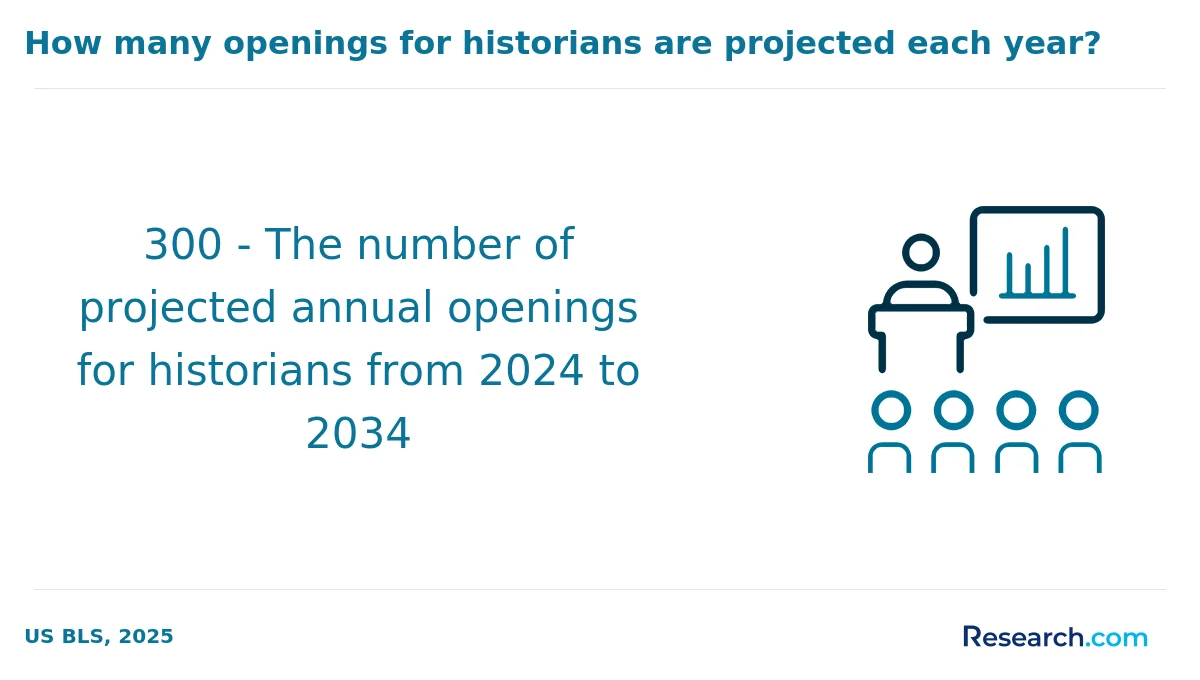
After earning an online history degree in the Western US, preparing for the job market involves building both academic and practical skills. Many graduates pursue internships with museums, archives, or historical societies to gain hands-on experience. According to the Bureau of Labor Statistics, historian jobs in the US are expected to grow by 6% from 2021 to 2031, emphasizing the importance of specialized skills.
Networking through professional organizations like the Western History Association can also improve job prospects. Additionally, graduates should consider developing technical skills such as digital archiving and data analysis, which are increasingly valued in this field.
Employers in the Western United States highly value history degree graduates who demonstrate strong critical thinking and research skills. According to the National Association of Colleges and Employers (NACE), 85% of employers seek candidates capable of analyzing complex information and drawing informed conclusions.
Communication skills are also essential. Graduates must clearly present historical arguments both in writing and verbally, which is why 78% of Western employers highlight written communication as a key skill. Digital literacy, including proficiency with online archives and databases, is increasingly demanded across sectors, correlating with growing reliance on technology in history-related roles.
Additionally, cultural awareness and the ability to evaluate diverse perspectives are vital as firms engage with broader global contexts. Data from the American Historical Association shows these competencies improve employability within museums, education, and public history fields throughout the West.
Finding internships relevant to a history degree in the Western US involves targeting local museums, archives, and historical societies. These organizations often offer internship programs that provide practical experience in research, curation, and preservation.
Universities with online history programs in the West usually have partnerships or career services that help students connect to internships. For example, institutions in California and Washington state report internship placement rates near 60% for history majors, according to the National Association of Colleges and Employers (NACE) 2023 data.
Online students should also explore digital archives and virtual internships, which are increasingly common in the West due to technological advancements in the field.
Online history degrees in the Western US increasingly support career mobility and advancement for many professionals. Accredited programs often provide flexible schedules, allowing students to balance work and study while gaining valuable credentials.
According to the Western Interstate Commission for Higher Education (WICHE), history graduates in the West see a median salary increase of 15-20% within five years after earning their bachelor's degree. This boost stems from qualifications valued in education, museums, archives, and public policy sectors.
Employers in these industries in Western states like California, Oregon, and Washington often recognize reputable online history degrees similarly to traditional ones, especially from regionally accredited institutions. The growing acceptance enhances opportunities for promotion and lateral moves.
Moreover, online history degrees develop critical thinking and research skills, which are essential for leadership roles, thus contributing significantly to professional growth.
Studying for an online history degree in the Western United States equips students with strong analytical and research skills applicable across many fields. Programs often emphasize critical thinking, writing, and interpreting diverse sources, which are essential in interdisciplinary roles.
Many Western universities integrate history studies with subjects like political science, sociology, and economics. This approach prepares graduates for careers in public policy, education, and cultural resource management.
According to the Western Interstate Commission for Higher Education, nearly 60% of history graduates in the West find roles outside traditional history fields, demonstrating the degree's versatility.
Online formats also teach digital literacy, enhancing readiness for interdisciplinary teamwork in various professional environments.
When choosing between a thesis and a non-thesis online history degree program in the West, consider your professional and academic goals. Thesis programs typically require original research and writing, suitable for students aiming to pursue graduate studies or careers in research and academia. Non-thesis options focus more on coursework and practical skills, ideal for those seeking teaching roles or government positions. According to the Western Association of Schools and Colleges, about 40% of history programs in the West offer thesis options, reflecting demand for research-intensive study. Cost and time commitment may also differ, with thesis paths often taking longer to complete.
Students based in the Western United States seeking to study history through online degrees have multiple options from regionally accredited institutions. Many public universities in states like California, Oregon, and Washington offer fully online bachelor's programs in history, combining flexibility with affordable tuition. For example, California State University and Oregon State University provide popular online history degrees tailored for working adults.
Additionally, military-friendly programs and community college transfer pathways expand access for Western students. According to the Western Interstate Commission for Higher Education, online enrollment in history and humanities programs continues to grow steadily, reflecting increasing student demand for remote learning in these fields.
Students pursuing online history degrees in the Western US can find several part-time jobs that enhance their education and build relevant skills. Museum assistants and archivists are popular options, offering hands-on experience with historical artifacts and documents. According to the Bureau of Labor Statistics, California and Washington have abundant opportunities in cultural institutions, often hiring part-time help.
Library assistants also provide valuable work, exposing students to research methods and historical materials. Additionally, research assistant roles at local universities or historical societies allow students to support academic projects, boosting their analytical skills.
These jobs typically offer flexible hours, accommodating online study schedules while providing practical experience aligned with history careers.
Online history students in the Western United States benefit from a variety of networking opportunities tailored to their unique educational format. Many Western universities offer virtual events, such as webinars and guest lectures, that connect students with historians, researchers, and alumni working in the field. According to the Western History Association, participation in its annual conferences is increasingly accessible through live-stream options, allowing online students to engage without travel.
Regional academic groups and local historical societies often provide membership discounts for students, fostering connections with professionals and peers. Additionally, platforms like LinkedIn host dedicated groups for history majors in the West, enabling students to build professional networks and find mentorship opportunities.
Alumni networks play a crucial role for online history degree students in the Western United States by offering ongoing academic and career support. Many universities in the West, such as those in California and Washington, boast large, active alumni communities that provide mentorship and job leads. According to the Western Interstate Commission for Higher Education (WICHE), nearly 60% of students from Western institutions find employment through alumni referrals.
These networks also host events, webinars, and professional development opportunities tailored to history majors, enhancing students' access to regional historical societies and museums. The connection to experienced graduates helps online students expand their professional network beyond their virtual classroom, improving job placement chances in the competitive historical field.
Customizing an online history degree program in the Western United States allows students to align their studies with specific career goals. Many accredited universities offer elective courses focused on areas such as Western American history, public history, archival research, or museum studies. Selecting these electives helps build expertise tailored to professions like education, curation, or historical consultancy.
Some programs offer concentrations or minors that deepen knowledge in niche fields relevant to local industries or government agencies. Additionally, students can take advantage of internships or virtual practicums to gain hands-on experience, which is crucial for competitive job markets.
According to the National Center for Education Statistics, around 45% of history bachelor's degree students in the West choose programs that allow for specialization, enhancing employment prospects. Researching each university's curriculum and career services is essential to maximize degree customization and secure desired career outcomes.
Online history students in the Western United States often face challenges related to engagement and resource access. Unlike traditional classrooms, remote learners may struggle with limited interaction with professors and peers, which can affect critical discussions vital for history studies. According to the National Center for Education Statistics (NCES), student engagement is a key factor in retention, yet 40% of online learners report feeling isolated.
Additionally, access to specialized archives and libraries remains a hurdle. Many historical research materials are still housed in physical locations or on-campus databases, restricting fully digital research capabilities. Time management is another common issue, as balancing coursework with personal and professional obligations requires strong discipline. These challenges highlight the importance of support services tailored for remote history students in the West.
Graduates with an online history degree in the Western United States can pursue various professional certifications to enhance their career prospects. Common certifications include the Certified Archivist credential offered by the Academy of Certified Archivists, which is valuable for those interested in managing historical records and archives. Another option is the Museum Studies certification, ideal for careers in curation and museum management. Additionally, teaching credentials are available for those aiming to become history educators in K-12 schools, often requiring state-specific certification.
According to the National Park Service, many history graduates in the West find value in certifications related to cultural resource management, which support work on historic preservation projects.
Writing a winning application for an online history program in the West requires clear focus and preparation. Begin by thoroughly researching programs accredited by recognized agencies like the WASC Senior College and University Commission. Admissions committees value applicants who demonstrate specific interest in Western history topics or related fields. Highlight your academic achievements, especially courses in history and writing, as GPA often plays a key role.
Craft a strong personal statement explaining your motivation for studying history online and your career goals. Use concrete examples to show your passion for the subject. Provide letters of recommendation from instructors familiar with your historical analysis skills. Be sure to meet all deadlines and submit complete applications, as the Western Undergraduate Exchange offers opportunities for affordable tuition for many residents.
Careers in history often attract individuals interested in understanding cultural, social, and political developments globally. Within the US higher education system, history graduates hold diverse roles that emphasize both local and international perspectives. According to the American Historical Association, around 7% of history bachelor's degree holders pursue jobs in education, archives, or public history sectors.
Globalization has increased the demand for historians with expertise in world affairs and cross-cultural studies. Many Western universities offer online history degrees that include courses focusing on global history and comparative analysis.
This broader outlook prepares students not only for traditional academic roles but also for careers in international relations, museums, and cultural resource management.
Furthermore, history graduates in the West often develop critical thinking and research skills valuable to employers worldwide, enhancing their adaptability in a global job market.
Gaining practical experience during an online history degree in the West is essential for applying classroom knowledge. Many programs encourage internships with local museums, archives, or historical societies. For example, California and Washington state have rich archival centers that welcome remote interns, offering hands-on skills in research and preservation (American Historical Association, 2023).
Students can also participate in virtual internships or volunteer for digital history projects. Engaging with primary sources and contributing to public history initiatives helps deepen understanding beyond theory.
Joining online history forums and attending virtual conferences allows networking with professionals and academics. According to the U.S. Bureau of Labor Statistics, practical experience significantly boosts job prospects in history-related careers.
Choosing the right concentration within an online history degree in the West involves considering your interests and career goals carefully. Many programs in Western U.S. universities offer specializations such as American history, Western U.S. history, indigenous studies, or global history. The Western Historical Association notes a growing interest in regional history due to rich local resources and archives available online.
Review course offerings and faculty expertise, as this varies significantly across programs. Some institutions also provide opportunities for research or internships connected to Western historical organizations, which can enhance practical skills.
Additionally, consider the demand for certain specializations in the job market. For example, expertise in public history or archival management is rising as museums and cultural sites seek professionals familiar with Western heritage. According to the U.S. Bureau of Labor Statistics, historian employment growth is projected to be about 8% through 2030, suggesting steady opportunities for informed choices.
Top Trending History Rankings
References
- Niche History Picks from EPOCH https://www.epoch-magazine.com/post/niche-history-picks-from-epoch
- History Programs Abroad: Degrees & Opportunities - AEC https://www.aecoverseas.com/history/
- Best Online History Degree Programs of 2025 - Intelligent https://www.intelligent.com/best-online-history-degree-programs/
- Best Online History Degrees of 2026 - smartcollegechoice.com https://smartcollegechoice.com/home-history/
- Master's History Application - Sample Letter (EN) https://ai.mystudies.com/blog/mystudies-writing-examples/application-for-master-program-history-20-06-2025.html
- GRADUATE CERTIFICATE AND INTERDISCIPLINARY PROGRAMS https://www.villanova.edu/university/liberal-arts-sciences/programs/history/graduate-programs/certificates.html
- Join the Alumni Network - National History Day https://nhd.org/en/get-involved/join-the-alumni-network/
- Top Niche Historical Topics for Deep-Dive High School Projects https://riseglobaleducation.com/blogs/top-niche-historical-topics-for-deep-dive-high-school-projects
- Finding Networking Opportunities as a Student | National Society of High School Scholars https://www.nshss.org/resources/blog/blog-posts/how-to-find-networking-opportunities-as-a-student/
- My Top 3 Recommendations on Networking in the History World | An Historian About Town https://anhistorianabouttown.com/recommendations-on-networking-in-the-history-world/