2027 Most Affordable Online Master's in History Degree Programs Ranking in the USA

Co-Founder and Chief Data Scientist
Exploring affordable options for an online master's degree can feel overwhelming, especially in a field as rich and rewarding as history. This article presents the 2027 Most Affordable Online Master's in History Degree Programs Ranking in the USA, thoughtfully created by the Research.com team of data scientists. It offers clear, data-driven insights to help students identify programs that provide real value without stretching budgets.
Whether you're passionate about understanding the past or aiming to advance your career, earning a history degree opens doors to new opportunities and personal growth. Reading this ranking will empower you with the knowledge needed to make a confident, informed decision about your education journey.
Key benefits of getting online history degree in America
- History degree graduates often pursue careers like archivists or museum workers, earning median annual wages around $50,000 to $60,000, offering a stable income while engaging with the past.
- Graduates from popular universities, such as the University of Michigan, find career paths in education, research, public history, and government roles, providing diverse opportunities to apply historical knowledge.
- Online history degrees, like those offered by Arizona State University, give students flexible schedules and lower costs, making it easier to balance studies with work or family commitments.
- Key benefits of getting online history degree in America
- What can I expect from online history degree in America?
- Where can I work with online history degree in America?
- How much can I make with online history degree in America?
- 2027 Most Affordable Online Master's in History Degree Programs Ranking in the USA
- Key Findings
- How long does it take to complete online history degree in America?
- What's the difference between online and on-campus history degree?
- What is the average cost of online history degree in America?
- What financial aid is available to online history degree students in America?
- What are the prerequisites for enrolling in online history degree program in America?
- What courses are typically in online history degree programs in America?
- What types of specializations are available in online history degree programs in America?
- How do you choose the best online history degree in America?
- What career paths are available for online history degree students in America?
- What is the job market for online history degree in America?
- Top Trending History Rankings
What can I expect from online history degree in America?
The average cost of an online history degree in America typically ranges from $15,000 to $40,000 for a full master's program, depending on the institution and residency status. For example, graduates from well-known public universities often report tuition costs closer to the lower end, around $15,000 to $25,000, while private universities may charge upwards of $35,000. These programs balance affordability with quality, allowing students to access reputable education without compromising career goals.
Graduates appreciate that universities like Arizona State University and University of Massachusetts offer competitive pricing paired with flexible schedules. Many find value in being able to work full-time while pursuing their degrees, reducing financial stress. The ability to study through interactive online platforms enhances engagement and gives a sense of connection, which benefits learners balancing family and job commitments.
Additionally, financial aid and scholarships tailored for online students in history are commonly available, lowering the net cost. The blend of affordability, recognized accreditation, and practical coursework appeals to those aiming for careers in education, public history, or research without pausing their professional lives.
Where can I work with online history degree in America?
Graduates with an online history degree from respected institutions such as Arizona State University or the University of Massachusetts Amherst often pursue careers in education, becoming high school teachers or college instructors. With many states requiring certification, a master's degree further opens doors to administrative roles in schools, supported by BLS data projecting an 8% growth in high school teacher employment through 2031.
Many alumni find enriching roles in museums and cultural institutions, working as archivists or curators. These positions leverage both their academic training and passion for heritage, as reflected in steady growth trends reported by the American Alliance of Museums. Universities like Georgetown and Indiana University frequently connect students to internships that lead to these jobs.
Government agencies, including the National Park Service, offer roles in historic preservation and policy research, allowing graduates to apply their skills in public service. This pathway is appreciated by those from Purdue or the University of Florida, who value meaningful contributions to cultural preservation.
In the private sector, graduates work in publishing, journalism, or legal consulting, drawing on their research expertise. Nonprofits also employ history majors for grant writing and program coordination, highlighting the degree's versatility and the rewarding feeling of making an impact in communities nationwide.
How much can I make with online history degree in America?
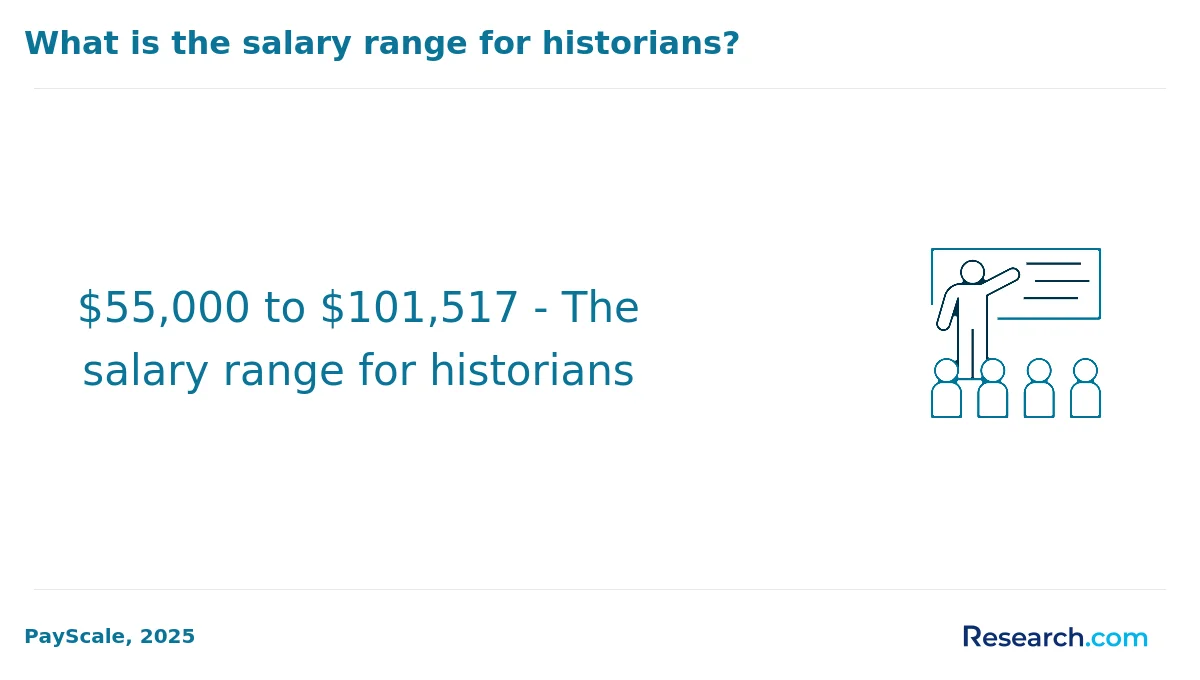
Graduates with an online history degree in America can typically expect median annual earnings around $63,680, based on national data for historians. Those who pursued their degrees from well-regarded institutions such as the University of Florida or Arizona State University have reported entering roles that align with this figure, finding it a realistic benchmark for their career outlook.
Many online graduates working as secondary history teachers earn between $45,000 and $65,000 per year, reflecting regional and district pay variations. Postsecondary instructors at universities, including those who earned online degrees from schools like Penn State World Campus, often see median salaries near $79,640 due to the specialized nature of their roles.
Federal historian positions provide higher earning potential, with median wages around $70,000. Alumni from online programs frequently secure government roles at agencies such as the National Archives or the National Park Service, where experience can elevate pay above $100,000 over time.
Graduates also find success in archives and curatorial positions, typically earning between $50,000 and $60,000. Combining history expertise with digital humanities or data analysis skills markedly increases employability and salary prospects, as reported by those from top online history programs nationwide.
2027 Most Affordable Online Master's in History Degree Programs Ranking in the USA
How do we rank schools?
Investing in one's education is a significant decision that requires careful consideration, and the Research.com team fully recognizes the importance of providing trustworthy information to prospective students. To support individuals seeking affordable and high-quality online master's degrees in history, we have diligently developed the "2027 Most Affordable Online Master's in History Degree Programs Ranking in the USA." Our dedication to quality, credibility, and accuracy is demonstrated through rigorous research and thorough analysis.
We utilized the following reputable data sources to create this ranking:
By exploring this ranking, readers will gain essential insights that can help guide their educational choices toward affordable and reputable online history master's programs. For a detailed explanation of how the ranking was created, please visit our Research.com methodology page.


Key Findings
- Tuition for online history degrees at public universities typically ranges from $15,000 to $30,000 per year, while private schools often charge more than $35,000 annually.
- Career options for history graduates include education, museums, public history, government, and research, with job growth around 5% expected through 2031.
- Entry-level salaries for history graduates generally range from $50,000 to $55,000, with experienced professionals earning between $70,000 and $90,000 annually.
- Degrees from regionally accredited institutions are preferred by employers and graduate schools, highlighting the importance of accreditation.
- Most bachelor's online history programs can be completed in two to four years, while master's degrees take one to two years, depending on enrollment status and course pacing.
How long does it take to complete online history degree in America?
Completing an online history degree in America typically takes about four years for a full-time undergraduate student. For example, graduates from institutions like Arizona State University or Oregon State University often report finishing their Bachelor of Arts in History within this timeframe by completing roughly 120 credit hours. However, the National Center for Education Statistics (NCES) notes an average of 4.5 years due to factors like transfer credits or course availability.
Graduate degrees, such as a Master of Arts in History offered by schools like the University of Massachusetts or University of North Texas, generally require two years of full-time study. These programs involve 30 to 36 credit hours and often include research projects like theses.
Many students balance work and family obligations, opting for part-time enrollment which can extend their completion time beyond four years for undergraduates or two years for graduate students. This flexibility is frequently cited as a positive by graduates, allowing them to progress steadily without sacrificing other responsibilities.
What's the difference between online and on-campus history degree?
Online and on-campus history degree programs in America primarily differ in delivery and student experience. Online programs offer flexibility, letting students at institutions like Arizona State University or University of Florida access lectures and assignments asynchronously. This benefits working professionals or parents managing busy schedules, enabling them to study without commuting stress.
Conversely, on-campus programs-common at schools such as the University of Michigan or Georgetown University-provide rich face-to-face interaction. Graduates often recall lively seminar discussions and immediate professor feedback, enhancing critical thinking and networking. Physical access to archives and libraries also deepens research capabilities.
Cost differences are notable but nuanced. Public universities typically charge around $12,000 annually for in-state graduate history programs, but online students may save on housing and transport. However, some campuses maintain equal tuition for both modes, with added fees for technology or campus services.
Students appreciate online programs for convenience and on-campus for immersive experiences, each backed by accredited quality standards recognized across the U.S.
What is the average cost of online history degree in America?
The average cost of an online history degree in America typically centers around a median total cost of $17,040, with in-state students often paying slightly less at about $14,781. These figures reflect tuition expenses alone and exclude additional fees like technology, registration, or textbooks. Graduates from notable public universities, such as the University of North Texas and the University of Nebraska, frequently report a positive experience balancing cost and educational value, paying per-credit rates between $350 and $600. This balance can make pursuing an online history degree more feasible for many students.
Many students find affordable online master's history programs 2027 options by targeting public institutions where tuition rates are lower, especially for in-state residents. The cost efficiency combined with flexible online delivery encourages students to maintain careers or family commitments while advancing their education. Several graduates emphasize the importance of researching financial aid and scholarships to mitigate the overall expense.
When considering what is a history degree in terms of investment, prospective students should also look at how median tuition costs relate to career goals and personal circumstances. The availability of programs with flat-rate tuition or discounts for online learners further supports affordability. Exploring program specifics and hidden fees proves essential to managing budgets effectively. A practical step is to compare programs and cost structures using reliable sources like what is a history degree guidance and data.
What financial aid is available to online history degree students in America?
Students pursuing online history degrees in America have access to multiple financial aid options that ease the burden of tuition costs, which average about $12,000 annually for public graduate programs and often exceed $25,000 at private institutions. Federal aid remains a primary resource; graduates at universities like the University of Florida routinely use the Free Application for Federal Student Aid (FAFSA) to qualify for Direct Unsubsidized Loans with fixed interest rates near 7.54%, allowing manageable repayment schedules.
Many history students also benefit from merit-based scholarships offered by schools such as Ohio State University, which reward academic excellence with awards ranging from $1,000 to $5,000. Additionally, federal grants like the Pell Grant support undergraduates, while graduate students might access low-interest federal loans or participate in the Federal Work-Study program for part-time employment opportunities.
Veterans enrolled in institutions like Texas A&M take advantage of the GI Bill and military tuition assistance, providing substantial financial relief. State-funded scholarships further supplement aid, with institutions encouraging students to consult their local higher education agencies for tailored support.
What are the prerequisites for enrolling in online history degree program in America?
To enroll in an online history degree program in America, students must meet specific academic and technical prerequisites. For undergraduate admission, a high school diploma or equivalent such as a GED is essential, along with a GPA typically around 2.5 to 3.0. Some universities, including well-known public institutions, may request SAT or ACT scores, though many programs waive these requirements for online applicants. Graduates from prominent colleges often report that meeting these baseline criteria felt straightforward and encouraged them to pursue their goals confidently.
Graduate programs generally require a bachelor's degree from an accredited university, with a preferred minimum GPA of 3.0. Applicants often need to submit letters of recommendation, statements of purpose, and sometimes analytical writing samples. These elements help admissions teams at top-tier history departments assess both academic preparation and genuine passion for the field.
Additionally, practical skills cannot be overlooked. Online students must be comfortable with digital platforms and possess reliable internet access. Graduates frequently highlight how mastering these tools early enhanced their learning experience and enabled seamless collaboration with peers and instructors at prominent history programs across the country.
What courses are typically in online history degree programs in America?
Online history degree programs in America typically include a range of courses designed to build both broad and specialized knowledge. Students at institutions like Arizona State University or the University of Florida often engage with core subjects such as American History, which covers the political, social, and economic evolution of the United States from colonial times to today. They also study World History, gaining global perspectives on civilizations and major international events that shape current affairs.
Graduates highlight the value of courses in Historiography and Research Methods, where they develop skills in analyzing primary sources and understanding how history is interpreted. Specialized courses, for example in African American history or women's history, commonly appear at schools like Penn State, helping students connect with underrepresented narratives.
Many emphasize the innovative Public History and Digital History classes that teach modern preservation and presentation techniques, making history relevant in today's digital age. Such courses prepare students for dynamic careers beyond academia, fostering enthusiasm and confidence in their historical expertise.
What types of specializations are available in online history degree programs in America?
Online history degree specializations USA typically include a variety of focused tracks designed to meet diverse academic and career goals. Common options include American history, which offers in-depth study of the United States' political and cultural evolution, popular among graduates from institutions like the University of Florida who pursue careers in education or public policy. Military history is another specialization, covering major conflicts such as the Civil War and World Wars, which appeals to students interested in strategy and diplomacy.
Other prevalent concentrations found in online history degrees at leading American colleges encompass world history, historical research and methodology, public history, women's and gender history, and cultural and social history. These tracks enable students to engage with global civilizations, archival work, and social movements. Graduates often express satisfaction with how these specializations prepare them for the practical demands reflected in jobs you can get with a history degree, reinforcing the value of aligning study focus with career aspirations.
How do you choose the best online history degree in America?
To choose the best online history degree in America, start by verifying regional accreditation recognized by the U.S. Department of Education or CHEA, ensuring your credits transfer and that the degree meets quality standards. Many graduates from popular universities like Arizona State University and University of Florida praise programs with diverse curricula covering American and world history as well as historiography, improving their engagement and knowledge.
Cost is a critical factor; for example, public online graduate programs average about $11,000 annually, while private institutions may exceed $25,000. Graduates from affordable public universities often highlight the value of balancing expenses with program quality, especially among the best affordable online history degrees USA. Online flexibility and accessible faculty support are essential for working adults, with many programs offering asynchronous courses and career services tailored to help students thrive.
Graduates frequently mention that programs focusing on post-degree success, including preparation for museum careers or doctoral studies, provide a clearer path forward. To understand actual outcomes, it helps to consult the College Scorecard. For those curious about career opportunities after finishing, exploring masters history jobs offers valuable insights into the landscape.
What career paths are available for online history degree students in America?
Graduates with an online history degree in America have diverse career options spanning education, public history, government, and beyond. Many pursue teaching roles at high schools or colleges, where postsecondary history instructors earn a median wage of $79,640, reflecting a 10% growth outlook through the next decade. For instance, graduates from universities with robust online history programs often find the flexibility advantageous when preparing for teaching credentials in busy schedules.
Alternatively, careers in public history and museum work attract many degree holders. Professionals curate exhibitions, manage archives, and contribute to cultural resource management, earning about $54,000 annually in average salary. Graduates report fulfilling experiences applying their research skills in institutions that value thoughtful historical interpretation.
Other job prospects with online history master's degree in America include roles in government agencies focusing on policy, intelligence, and preservation. The analytical and communication abilities honed through these programs position graduates well for complex problem-solving tasks.
Many alumni from popular colleges enjoy entering law, publishing, or journalism sectors. These fields appreciate the strong writing and critical thinking strengths developed in history studies. Tuition remains relatively affordable, especially when considering the lasting value of such skills, as reflected in the growing recognition of cheapest online degrees in history.
What is the job market for online history degree in America?
The job market for graduates with an online history degree in America is diverse yet competitive, requiring adaptability and strategic planning. Many graduates from renowned institutions like the University of Florida or Arizona State University find opportunities in education, research, museum work, and government sectors. These roles often leverage critical thinking and analytical skills gained during their studies. Those pursuing career opportunities for history graduates in America benefit from internships and networking in cultural organizations, enhancing their prospects significantly.
Entry-level salaries are generally modest; for instance, archivists and curators earned a median annual wage near $58,000 in 2022. However, graduates report fulfilling experiences applying their knowledge in interdisciplinary fields such as law and journalism, where their research and communication skills are prized. Cost-effective online programs, including popular options found among online masters history degrees, allow students to balance work and study, making them attractive pathways for those seeking flexible learning while entering a stable job market.
Frequently Asked Questions About history
Online history degree students in America can maximize their learning by engaging actively with course materials and instructors. Studies show that participation in discussion forums and virtual office hours improves comprehension and retention. According to the National Center for Education Statistics, nearly 35% of graduate students take some or all courses online, highlighting the importance of communication in remote learning.
Students should also take advantage of digital libraries and archives like the Library of Congress or National Archives for primary historical sources. Utilizing these resources enhances critical thinking and research skills.
Finally, balancing coursework with internships or virtual history projects can provide practical experience that enriches theoretical knowledge.
Emerging niches in the history field reflect evolving academic interests and societal needs. In American higher education, digital history has gained prominence, combining historical research with technological tools like GIS mapping and data visualization. According to the American Historical Association, over 40% of history departments now offer courses or specializations in digital history.
Environmental history is another growing area, focusing on the interaction between humans and nature throughout time. The Environmental History Society highlights increased enrollment in related programs nationwide.
History of race and ethnicity remains a vital niche, with programs emphasizing multicultural perspectives and social justice themes. These areas prepare students for careers in education, public history, and policy.
Graduates with an online history degree in America should focus on building relevant skills to improve their job prospects. Critical thinking, research, and strong writing abilities are essential in many history-related roles. Networking through professional associations such as the American Historical Association (AHA) can open doors to internships and job opportunities. According to the U.S. Bureau of Labor Statistics, historian roles are limited but growing by 6% between 2020 and 2030.
Gaining practical experience via internships or volunteering in museums, archives, or research institutions strengthens a resume. Additionally, learning digital tools like GIS mapping or data visualization can provide a competitive edge in a changing job market. Continuing education and certifications in specialized areas of history or public history also enhance employability.
Employers in America seek several key skills in graduates holding history degrees, especially those from online programs. Critical thinking is paramount, as history graduates analyze complex events and draw evidence-based conclusions. According to the American Historical Association, communication skills-both written and oral-are highly valued since historians must present research clearly to diverse audiences.
Research proficiency is another essential skill. Students learn to work with primary and secondary sources, which hones their ability to locate, evaluate, and synthesize information accurately. This capability is crucial in jobs ranging from education to public policy.
Additionally, employers appreciate adaptability and digital literacy. With rising use of digital archives and data tools, history graduates familiar with technology are better positioned for success. The U.S. Bureau of Labor Statistics notes a growing demand for workers with these competencies in history-related careers.
Finding internships relevant to a history degree in America involves a targeted approach. Start by exploring university career centers, which often provide listings and resources specific to history students. Many online programs collaborate with museums, archives, and historical societies that offer virtual or local internships.
Federal agencies like the National Archives and Records Administration (NARA) offer internship programs suited for history majors, providing access to valuable primary documents. According to the American Historical Association (AHA), nearly 30% of history students secure internships through academic partnerships or professional organizations.
Networking on platforms such as LinkedIn, joining historical associations, and attending virtual conferences can also open doors to opportunities. Applying early and tailoring your resume to highlight relevant skills improves chances in competitive fields, where internships often serve as gateways to careers in research, education, or preservation.
In America, earning an online history degree can significantly enhance career mobility and advancement. According to the U.S. Bureau of Labor Statistics, jobs related to history, such as archivists, curators, and historians, are projected to grow by 5% from 2021 to 2031. An online degree offers flexibility, allowing working professionals to improve their qualifications without career interruptions. This credential can open doors to roles in education, public history, government, and nonprofit sectors.
The specialized knowledge gained through a history degree also supports advancement into leadership and research positions. Additionally, employers increasingly recognize accredited online degrees, especially from regionally accredited U.S. institutions, making online study a practical pathway for career growth in history fields.
Studying for a history degree in America equips students with strong skills applicable across many fields. American history programs emphasize critical thinking, research, and written communication. These abilities prepare graduates for interdisciplinary roles in law, education, public policy, and business. According to the American Historical Association, about 70% of history graduates apply their skills outside academia, showing the versatility of the degree.
History courses often include training in analyzing diverse sources, fostering cultural awareness essential for roles in international relations and social services. Online programs expand access to diverse faculty expertise and resources, enhancing this interdisciplinary approach. This broad perspective makes history graduates valuable in varied professional environments.
When choosing between a thesis and a non-thesis online history degree in America, consider your career goals and learning preferences. A thesis program involves conducting original research and writing a substantial paper, which can be beneficial for students aiming for doctoral study or research-oriented careers.
Non-thesis programs usually require additional coursework and may include a comprehensive exam, appealing to those seeking professional roles like teaching or public history. According to the American Historical Association, roughly 60% of US history master's students opt for non-thesis tracks to accelerate graduation and focus on practical skills.
Cost and time commitment also differ; thesis programs typically take longer due to research demands.
Students based in America who wish to study history abroad have several online options through U.S. institutions with international partnerships or study-abroad components. Many accredited American universities offer online history degrees that include opportunities for virtual exchanges with foreign universities or short-term travel abroad, allowing students to gain a global perspective while completing most coursework remotely.
According to the National Center for Education Statistics (NCES), about 14% of graduate history students enrolled in online programs in 2023 leveraged such international learning opportunities. These programs often emphasize global history themes or regional specialties to complement the U.S.-focused curriculum.
Additionally, some American universities collaborate with foreign institutions to offer joint degrees or certificates, providing students access to resources and professors abroad without permanently relocating. This hybrid approach suits working professionals or those with personal commitments.
Part-time job opportunities that complement an online history degree in America are diverse and can enhance both academic learning and career prospects. Many students find roles such as museum docents, where they guide visitors and interpret historical artifacts, particularly valuable. According to the U.S. Bureau of Labor Statistics, positions in museums and historical sites are projected to grow about 5% through 2031.
Other options include research assistants for professors or historical organizations, which sharpen analytical skills and expose students to primary sources. Additionally, internships or part-time work with local archives or libraries offer practical experience in preserving and organizing historical documents.
Many history students also engage in freelance writing or content creation for educational websites focused on American history. These roles improve communication skills and deepen subject knowledge-key for careers in education, publishing, or public history.
Online history students in America have several networking opportunities to enhance their academic and professional growth. Many universities offer virtual events, such as guest lectures and workshops, where students can connect with historians and peers nationwide. According to the American Historical Association, over 70% of history graduate programs incorporate online discussion forums and collaborative projects, fostering meaningful interactions.
Additionally, students can join national organizations like the Phi Alpha Theta honor society or regional historical associations, which often provide online networking events and mentorship programs. Social media groups and LinkedIn communities dedicated to history scholars also serve as valuable platforms for discussion and job leads.
Alumni networks provide valuable support for online history degree students in America by offering professional connections and mentoring opportunities. Graduates often access job leads in museums, archives, education, and government roles, fields where history degrees are commonly applied.
These networks also facilitate collaboration on research projects, enhancing career prospects. According to the National Association of Colleges and Employers (NACE), 85% of jobs are filled through networking. For historians, this means a significant advantage in securing internships or entry-level positions.
Furthermore, alumni groups frequently host webinars and workshops tailored to history students, improving skills relevant to today's digital and public history markets.
Customizing an online history degree program in America allows students to align their studies with specific career goals. Many accredited universities offer electives or specialization tracks such as public history, archival studies, or museum studies. These options enable students to acquire skills relevant to careers in education, curation, or research.
Students can also choose programs with internship opportunities or partnerships with historical societies, enhancing practical experience. The American Historical Association highlights that combining coursework with hands-on projects significantly improves job prospects. Additionally, some programs allow tailored thesis topics to deepen expertise in a chosen era or theme.
Online history students in America often face challenges related to self-discipline and time management. Without the traditional classroom structure, staying motivated can be difficult, especially when balancing studies with work or family.
Another common issue is limited interaction with professors and peers, which can hinder rich discussions and critical thinking often vital in history courses. According to the National Center for Education Statistics, nearly 20% of online students report feeling isolated during their studies.
Additionally, accessing primary sources and archives digitally can be challenging, as some materials are only available in physical libraries.
Technical difficulties and inadequate internet access also present barriers, especially in rural areas.
With an online history degree in the United States, graduates can pursue various professional certifications to enhance their careers. Common options include the Certified Archivist credential offered by the Academy of Certified Archivists, which is valuable for those interested in managing historical records. Another option is the Museum Studies certification from the American Alliance of Museums, helpful for careers in curation or museum education.
History graduates may also consider teaching certifications, such as state-specific K-12 teaching licenses, which often require passing Praxis exams. Additionally, certifications in digital humanities and preservation technology are growing fields aligned with historical work. These credentials can improve employability and professional opportunities in academic and public history sectors.
When applying to an online history program in America, it is essential to clearly demonstrate your passion for history and your academic readiness. Start by crafting a focused personal statement that highlights relevant experience, such as previous research projects, work in archives, or related volunteer activities. Admissions committees look for candidates with strong writing skills and the ability to analyze historical events critically.
Include specific goals and explain why an online program suits your needs. According to the National Center for Education Statistics, about 30% of graduate history students enroll online, showing growing acceptance of this format.
Also, submit strong letters of recommendation from professors or employers familiar with your academic work. Finally, provide a detailed academic transcript emphasizing coursework in history and related disciplines to showcase your preparedness.
History careers in the United States offer valuable global perspectives by preparing graduates to understand diverse cultures and international contexts. According to the American Historical Association, history graduates often work in roles that engage with global issues, such as diplomacy, international policy, and cultural preservation. Many online history degree programs emphasize cross-cultural analysis and global historical trends, equipping students to contribute to international discussions.
In addition, employers increasingly value historians' strong research and critical thinking skills, which are applicable worldwide. The U.S. Bureau of Labor Statistics projects a steady demand for historians, especially in museums, research institutions, and education sectors that collaborate globally.
Gaining practical experience while studying for an online history degree in America is essential to building career-ready skills. Many programs encourage internships with museums, archives, or historical societies, often coordinated virtually to suit online learners. According to the American Historical Association, internships help students apply theoretical knowledge in real-world settings.
Additionally, online students can participate in research projects, frequently guided by faculty experts through digital platforms. Some universities also offer access to digital archives and databases, enabling hands-on historical research.
Engaging in such activities enhances critical thinking and job readiness, important in a competitive history-related job market in the U.S.
Choosing the right concentration within an online history degree program in America depends on your interests and career goals. Popular concentrations include American history, world history, public history, and museum studies. According to the American Historical Association, 38% of history graduates pursue specializations aligned with cultural heritage or archival work.
Examine the curriculum to see if it offers courses that match your passion, such as civil rights history or environmental history. Also, consider programs that provide practical experience through internships or research projects.
Accreditation matters; ensure the school is regionally accredited and recognized by organizations like the History Department of the American Historical Association.
Finally, reflect on the potential career paths connected with each concentration to align education with market demands.
Top Trending History Rankings
References
- Jobs for History Majors: 12 Career Paths That Use Your Skills | Extern https://www.extern.com/post/jobs-for-history-majors-career-guide
- Master's History Application - Sample Letter (EN) https://ai.mystudies.com/blog/mystudies-writing-examples/application-for-master-program-history-20-06-2025.html
- 5 Challenges of Teaching History in International Classrooms (and How https://millerskills.co.uk/blogs/teaching-overseas/5-challenges-of-teaching-history-in-international-classrooms-and-how-to-overcome-them
- History https://www.careerpilot.org.uk/job-sectors/subject/history
- 4 Steps to Find History Research Opportunities as an Undergraduate https://www.coltie.com/post/4-steps-to-find-history-research-opportunities-as-an-undergraduate
- 2025 Most Affordable Online History Degrees https://www.onlineu.com/most-affordable-colleges/history-degrees
- What Can You Do With a History Degree? https://willamette.edu/academics/college/history/career-options
- Niche History Picks from EPOCH https://www.epoch-magazine.com/post/niche-history-picks-from-epoch
- How to Apply to Graduate School | Canadian Historical Association | Société historique du Canada https://cha-shc.ca/publications/employing-history-a-guide-to-graduate-school-and-navigating-the-job-market/how-to-apply-to-graduate-school/
- Free Online History Courses https://www.openculture.com/history_free_courses