
2027 Most Valuable Healthcare Degree Programs Ranking in San Antonio

Co-Founder and Chief Data Scientist
Choosing the right healthcare degree program in San Antonio can shape your future career and open doors to rewarding opportunities. This article introduces the 2027 Most Valuable Healthcare Degree Programs Ranking in San Antonio, created by the Research.com team of data scientists. It's designed to guide you in making informed decisions about which programs truly stand out.
Exploring these rankings will help you find programs that offer strong career prospects and meaningful work. Whether you're starting your journey or seeking advancement, a healthcare degree is a valuable step toward a fulfilling professional life.
Key benefits of getting healthcare degree in San Antonio
- Salary for healthcare degree graduates: Graduates in San Antonio can expect strong earning potential, such as Patient Care Technicians making around $60,790 annually and Quality Improvement Coordinators earning about $103,150. These competitive salaries reflect the growing demand for skilled healthcare professionals.
- Career paths: A healthcare graduate from a popular San Antonio college can pursue varied roles, from Medical Assistant to Health Information Technician, each offering meaningful work and job stability. This diversity allows you to choose a path that truly fits your passion and skills.
- Benefits of online degrees: Earning a healthcare degree online from a respected San Antonio university offers flexibility and convenience without compromising quality. This option helps busy students balance work and studies while preparing for rewarding healthcare careers.
- Key benefits of getting healthcare degree in San Antonio
- What can I expect from healthcare degree in San Antonio?
- Where can I work with healthcare degree in San Antonio?
- How much can I make with healthcare degree in San Antonio?
- 2027 Most Valuable Healthcare Degree Programs Ranking in San Antonio
- Key Findings
- How long does it take to complete healthcare degree in San Antonio?
- Industry Trends and Future Outlook in Healthcare Education
- What's the difference between online and on-campus healthcare degree?
- Accelerated and Bridge Programs: Fast-Tracking Your Healthcare Career
- What is the average cost of healthcare degree in San Antonio?
- Return on Investment of Healthcare Degrees in San Antonio, TX
- What financial aid is available to healthcare degree students in San Antonio?
- Future Trends in San Antonio Healthcare Education
- What are the prerequisites for enrolling in healthcare degree program in San Antonio?
- Emerging Trends and Innovations in Healthcare Education
- What courses are typically in healthcare degree programs in San Antonio?
- What types of specializations are available in healthcare degree programs in San Antonio?
- How do you choose the best healthcare degree in San Antonio?
- What career paths are available for healthcare degree students in San Antonio?
- What is the job market for healthcare degree in San Antonio?
- Top Trending Healthcare Rankings
- See What Experts Have To Say About Studying Healthcare
What can I expect from healthcare degree in San Antonio?
The average cost for a healthcare degree in San Antonio varies based on the institution and program level, typically ranging from $10,000 to $30,000 per year for in-state students. For example, graduates from the University of Texas Health Science Center at San Antonio often reflect positively on the return on investment, citing hands-on clinical opportunities and research integration that justify tuition expenses. Community colleges offering Associate degrees usually require lower tuition, making them accessible for many local students aiming to enter nursing or allied health fields quickly.
Many students describe balancing coursework with clinical rotations at local hospitals as challenging yet rewarding, enhancing their readiness for the workforce in a city where healthcare employs over 100,000 people. Practical experiences at San Antonio's top medical centers add value beyond classroom learning, supporting salary prospects near a $70,000 median annual wage for registered nurses.
Financial aid and scholarships targeted at healthcare disciplines further ease costs, especially given the city's focus on addressing regional health issues like diabetes and veteran care, motivating students to pursue these impactful career paths.
Where can I work with healthcare degree in San Antonio?
Graduates with healthcare degrees in San Antonio find diverse employment opportunities across a robust local sector dominated by major employers like University Health System and CHRISTUS Santa Rosa Health System. Many graduates from institutions such as the University of Texas Health Science Center at San Antonio report securing roles as registered nurses, medical technologists, and respiratory therapists within large medical centers and hospitals, which form the backbone of the city's healthcare infrastructure.
Beyond clinical positions, healthcare graduates access roles in outpatient clinics, rehabilitation centers, and home health services spread throughout the metropolitan area. The expanding telehealth industry, particularly attractive to nursing and health informatics graduates, has generated new and flexible job options. Military medical centers including Brooke Army Medical Center also provide specialized career paths for those with advanced healthcare training.
Local workforce data anticipates a 16% growth in healthcare practitioners and technical occupations by 2030, reflecting strong demand. Graduates often share enthusiasm for public health roles in government and nonprofits focused on chronic disease prevention, supported by San Antonio's culturally diverse population needing health educators and culturally competent providers.
How much can I make with healthcare degree in San Antonio?
Graduates with healthcare degrees in San Antonio can expect competitive earning potential aligned with regional demand and cost of living. For example, medical assistants typically earn a mean annual wage around $43,350, reflecting entry-level roles often taken by recent graduates. Patient care technicians in the area make approximately $60,790 yearly, a solid step up that suits those building experience in hospitals or outpatient clinics tied to institutions like the University of the Incarnate Word.
Health information technicians, who support medical record management, earn similar wages to medical assistants, averaging about $43,380 annually. This profession offers graduates from local colleges like San Antonio College a stable career path with growth potential.
More advanced roles, such as clinical research coordinators, share similar income levels near $43,350 but may bring exciting opportunities to engage with cutting-edge studies at research centers connected to Baptist Health System. Meanwhile, quality improvement coordinators can expect higher salaries, around $103,150 annually, benefiting from their expertise in enhancing healthcare delivery.
Graduates describe feeling optimistic about the balance between salary and professional fulfillment, encouraged by San Antonio's expanding healthcare network and steady job opportunities.
2027 Most Valuable Healthcare Degree Programs Ranking in San Antonio
How do we rank schools?
Investing in your education is a significant decision that can shape your future, and the Research.com team understands the importance of making informed choices. To assist prospective students in San Antonio, we have meticulously crafted the "2027 Most Valuable Healthcare Degree Programs Ranking in San Antonio." Our commitment to quality, credibility, and accuracy is reflected in the extensive research and analysis conducted to compile this ranking.
We utilized the following reputable data sources to ensure a comprehensive evaluation of healthcare degree programs:
By exploring this ranking, readers will gain valuable insights into the most valuable healthcare degree programs in San Antonio, empowering them to make well-informed decisions about their educational and professional paths. For more details on our methodology, please visit our Research.com methodology page.


# 3 position
The University of Texas Health Science Center at San Antonio
Bachelor of Science in Medical Sciences

# 4 position
Galen College of Nursing-San Antonio
Bachelor of Science in Health Sciences

# 5 position
The University of Texas Health Science Center at San Antonio
Master of Science in Health Sciences
# 7 position
The University of Texas Health Science Center at San Antonio
Doctor of Public Health


Key Findings
- Annual in-state tuition for healthcare degrees at public universities in San Antonio ranges from $8,500 to $12,000.
- Private institutions typically charge between $20,000 and $30,000 per year for healthcare-related programs.
- Entry-level healthcare graduates in San Antonio earn between $50,000 and $65,000 annually, depending on specialization.
- Experienced healthcare professionals can earn from $80,000 to over $100,000 per year with advanced credentials.
- The healthcare job market in San Antonio is projected to grow by approximately 15% over the next decade.
- Major employers in the area include University Health System and Baptist Health System, emphasizing strong local job opportunities.
How long does it take to complete healthcare degree in San Antonio?
Completing a healthcare degree in San Antonio typically spans from two to four years, depending on the program level and school. For example, associate degrees like nursing (ADN) or medical assisting at San Antonio College usually take about two years of full-time study. Graduates from these programs often feel confident entering local healthcare settings swiftly, equipped with practical skills that employers value.
Bachelor's degrees, essential for roles such as registered nursing (BSN) or health administration, generally require four years at universities like the University of Texas at San Antonio (UTSA) or the University of the Incarnate Word. Many students appreciate accelerated BSN tracks, which reduce completion time to 12-18 months if they already hold an associate degree, balancing speed with rigorous training.
Graduate programs, such as a Master of Science in Nursing (MSN) or healthcare management, add roughly two years beyond the bachelor's level. Doctoral degrees like the Doctor of Nursing Practice (DNP) often demand three to four years full-time. Students often choose part-time or evening options, extending timelines but allowing them to continue working, making higher education feel achievable and rewarding amid busy lives.
Industry Trends and Future Outlook in Healthcare Education
The healthcare landscape is rapidly evolving, and understanding current industry trends is crucial for prospective students. Today’s advancements in telehealth, digital health records, and AI-driven diagnostics are reshaping the skills demanded by employers. As technology continues to drive innovation, graduates with healthcare degrees are expected to participate in transformative roles that prioritize patient-centric care and efficient system management. This evolving environment has led to a more competitive job market where continuous learning and adaptability are key. For instance, emerging roles in health informatics and remote patient monitoring are experiencing significant growth alongside traditional clinical positions. In this context, it’s important for students to consider not only current job prospects but also the long-term return on investment their education can offer. For those interested in exploring how top institutions are aligning their curricula with these trends, you might find insights from valuable healthcare schools in texas particularly useful. Embracing industry trends and understanding future outlooks can empower students to make well-informed decisions, ensuring they remain competitive and successful in a dynamic healthcare sector.
What's the difference between online and on-campus healthcare degree?
Online and on-campus healthcare degrees in San Antonio differ primarily in delivery and experience. On-campus students at institutions like the University of Texas Health Science Center benefit from direct access to labs, simulation centers, and in-person clinical rotations mandated by Texas regulations. Graduates describe the immersive, hands-on training as essential for building confidence in patient care skills.
Conversely, online programs appeal to working professionals balancing jobs or families by offering flexible access to coursework via digital platforms. Hybrid options at local colleges allow students to complete lectures online while attending scheduled clinical sessions in person, cutting commuting time and expenses. Online learners express pride in managing their studies independently while still gaining real-world practice through community-based clinical placements.
Cost differences also influence choices; in-state tuition in San Antonio ranges between $8,000 and $22,000 per year. Online programs can lower fees by reducing campus-associated costs, though students must consider technology needs and exam fees. Networking tends to be more spontaneous on campus, fostering friendships and mentorships that some online students seek to replicate virtually.
Accelerated and Bridge Programs: Fast-Tracking Your Healthcare Career
Many students in San Antonio seek pathways that shorten the time from enrollment to licensure, and accelerated and bridge programs deliver just that. These high-intensity tracks bundle prerequisite coursework with core curriculum-often allowing candidates to graduate in as little as 24–36 months-by leveraging year-round semesters and clinical residencies. For career changers, RN-to-BSN or paramedic-to-nursing bridges offer credit for prior healthcare experience, while master’s-entry pathways permit non-clinical undergraduates to earn advanced credentials swiftly. Prospective pharmacists can compare accelerated options through our fastest pharmd program overview, which highlights programs with condensed didactic semesters and integrated rotations. Before applying, review admission criteria closely: most accelerated tracks require a minimum GPA of 3.0, healthcare experience hours, and competitive entrance exam scores. Financial planning is also critical, as compressed schedules may limit part-time work opportunities; many institutions counterbalance this with stacked scholarship cohorts and bundled clinical fees. Networking remains a cornerstone-students report that early placement in hospital systems during bridge practicums not only accelerates skill mastery but also leads to job offers before graduation. By choosing an accelerated or bridge program in San Antonio, you’ll enter the workforce sooner, gain specialized credentials faster, and start earning a return on your educational investment in record time.
What is the average cost of healthcare degree in San Antonio?
The average cost of a healthcare degree in San Antonio varies notably by institution and residency status, with median total costs around $39,924 for out-of-state students, while in-state students typically pay closer to $24,577. For example, graduates from the University of Texas at San Antonio (UTSA) pursuing a healthcare-focused bachelor's degree often narrate a balance between affordable tuition and quality education, benefiting from in-district rates that keep expenses near the median in-state total cost. These figures reflect not only tuition but also additional fees and supplies that healthcare students often must budget for.
Community colleges such as San Antonio College provide pathways that align well with the financial expectations of many prospective students, given their associate degrees and certificate programs cost substantially less, making quicker entry into healthcare fields feasible. Many graduates appreciate the lower barrier to entry here, which can ease financial stress during studies, illustrating the pragmatic options available within San Antonio's educational landscape.
Those attending private institutions like the University of the Incarnate Word face higher tuition fees but often highlight smaller class sizes and extensive resources as justifications for the added cost. The financial aid landscape, including scholarships connected to local hospitals and clinics, frequently eases this burden, helping students feel optimistic about their investment in healthcare education.
Prospective students should consider how the healthcare degree tuition and fees San Antonio schools charge reflect a combination of affordability and quality, an important factor when reviewing valuable healthcare schools in texas and planning their education finances.

Return on Investment of Healthcare Degrees in San Antonio, TX
Understanding the true return on investment (ROI) of a healthcare degree is crucial when weighing tuition costs against future earnings. In San Antonio, the average total cost for a bachelor’s-level healthcare program hovers around $94,000, while associate degrees average $42,000. By comparing these figures with median starting salaries-approximately $61,000 for Registered Nurses and $45,000 for Health Information Technicians-you can estimate a break-even period of 2–3 years post-graduation for an associate degree and 3–4 years for a bachelor’s degree. Beyond raw numbers, debt-to-income ratio (DTI) is a key metric. Graduates carrying $50,000 in student loans at a 4.5% interest rate can expect monthly payments of about $520 over a 10-year repayment plan. When coupled with an entry-level nursing salary of $5,083 per month, this yields a DTI near 10%, well below the 20% threshold lenders consider healthy. Factoring in projected 13% industry growth and annual salary increases of 2–3%, the long-term financial outlook remains positive. To further enhance affordability without compromising quality, prospective students should explore alternative program formats and locations. For students exploring cost-effective options beyond Texas, our Cheapest Online Healthcare Degree Programs Ranking in the Northeast provides a comprehensive comparison that can inform decisions about tuition savings and potential quality trade-offs. Ultimately, evaluating ROI involves more than tuition and salary-it’s about aligning personal financial goals with career trajectories. By calculating your individual break-even point and comparing program costs nationwide, you can make an informed investment in your healthcare education.
What financial aid is available to healthcare degree students in San Antonio?
Students pursuing healthcare degrees in San Antonio have access to a range of financial aid options tailored to ease their educational expenses. Federal aid plays a key role, with Pell Grants providing up to $7,395 annually for eligible undergraduates, significantly reducing out-of-pocket costs at institutions like UT Health San Antonio. Many also benefit from federal Direct Subsidized Loans, which offer lower interest rates compared to private alternatives.
At the state level, the TEXAS Grant supports financially needy students enrolled at public universities such as Texas A&M San Antonio, covering tuition and fees essential for healthcare courses. Graduates often recall how these grants transformed their ability to afford intensive clinical training and lab fees.
Local scholarships, offered by entities like the San Antonio Area Foundation, target nursing and allied health students, reflecting the city's commitment to developing its healthcare workforce. Additionally, healthcare employers including University Health and Baptist Health System frequently provide tuition reimbursement, enabling employees to advance their education without financial strain.
This multifaceted aid landscape helps students manage the average $10,440 yearly tuition typical at Texas public universities, making healthcare degrees in San Antonio more attainable and encouraging perseverance through rigorous programs.
Future Trends in San Antonio Healthcare Education
As the healthcare landscape continues to evolve, emerging trends are reshaping how education prepares future professionals in San Antonio. Institutions are increasingly partnering with local healthcare providers to integrate cutting-edge technologies, such as telehealth and artificial intelligence, into their curriculum. These partnerships are driving experiential learning opportunities that bridge the gap between classroom theory and real-world application. For instance, students now benefit from internships and mentorship programs that offer hands-on experience with innovative diagnostic tools and patient care practices, ensuring they remain competitive in a dynamic job market. Moreover, educational institutions are embracing hybrid learning models that combine online flexibility with essential in-person training, thus addressing diverse learning needs while keeping pace with technological advancements. This shift not only enriches the student experience but also enhances career readiness, as graduates emerge more adaptable to industry changes. To better understand how these innovative approaches compare across the region, you can explore insights from valuable healthcare schools in texas. Looking ahead, the integration of sustainable practices and a focus on community health will continue to influence curriculum development and research priorities. By aligning academic programs with industry trends, San Antonio's healthcare education system is set to nurture a new generation of professionals equipped to address both current challenges and future needs.
What are the prerequisites for enrolling in healthcare degree program in San Antonio?
To enroll in healthcare degree programs in San Antonio, candidates must meet key academic and administrative prerequisites ensuring readiness for demanding coursework. Graduates from local universities emphasize that acquiring a high school diploma or equivalent is fundamental for entry-level programs, such as associate degrees or certificates in fields like medical assisting or nursing.
Bachelor's degree aspirants are advised to complete high school with strong performance in core science subjects including biology, chemistry, and math. Many programs in San Antonio's prominent institutions request or recommend standardized test scores like the SAT or ACT, though some operate with test-optional policies, providing flexibility to applicants.
Applicants typically need foundational coursework in human anatomy and physiology, general chemistry, biology, and algebra or statistics. These prerequisites prepare students for rigorous healthcare curricula and are verified with official transcripts-especially for competitive nursing or specialized graduate programs in physical therapy or healthcare administration.
Health students often gain clinical or volunteer experience at nearby San Antonio hospitals, enhancing their practical understanding and strengthening their applications. Local graduates report that early exposure to real patient care environments boosts confidence and motivation throughout their studies.
Additional requirements include criminal background checks and proof of immunizations like hepatitis B and TB screening, vital for patient safety during clinical practice phases at San Antonio's colleges and universities.

Emerging Trends and Innovations in Healthcare Education
In today’s rapidly evolving healthcare landscape, staying ahead means embracing emerging trends that reshape how education is delivered and how professionals prepare for their careers. With the increasing integration of digital tools and telemedicine, many institutions are now leveraging advanced simulation labs, virtual classrooms, and interactive online modules to complement traditional learning experiences. These innovations not only enhance classroom engagement but also prepare graduates for real-world challenges in a technology-driven healthcare environment. For instance, integrating online platforms with hands-on clinical experiences creates a hybrid learning model that reflects the evolving industry standards. Additionally, some programs now offer specialized tracks that incorporate digital health management and data analytics, empowering students to become proficient in both clinical and technological aspects of healthcare. If you’re evaluating various pathways, you might also explore opportunities within best online mph programs that focus on public health advancements and innovative research methods. Embracing these trends not only enhances academic outcomes but also positions graduates as agile professionals ready to lead and innovate in a dynamic healthcare setting.
What courses are typically in healthcare degree programs in San Antonio?
Healthcare degree programs in San Antonio generally include core courses such as anatomy and physiology, which provide a detailed understanding of the human body crucial for clinical proficiency. Medical terminology courses enable students to confidently communicate in fast-paced healthcare environments. Graduates from institutions like the University of Texas at San Antonio report that courses in healthcare ethics and law deepen their awareness of professional responsibilities, preparing them to handle real-world dilemmas effectively.
Students also engage in healthcare informatics, reflecting the region's push towards digital records and data-driven patient care. Hands-on clinical training is emphasized through labs and internships, where students develop patient care skills, pharmacology knowledge, and emergency response techniques. This practical experience mirrors the demands of San Antonio's diverse patient population, helping students feel ready and empowered for the workforce.
Public health courses tailored to local community needs, including chronic disease management and cultural competency, equip graduates to serve San Antonio's significant Hispanic population more effectively. Such targeted curriculum fosters a strong connection between students and the communities they will serve.
What types of specializations are available in healthcare degree programs in San Antonio?
Healthcare degree specializations San Antonio students often pursue include nursing, health information management, public health, medical laboratory science, physical therapy and rehabilitation sciences, and emergency medical services (EMS). Nursing programs at prominent institutions equip graduates to work within San Antonio's large hospital network, such as the University Health System, providing hands-on experience highly valued by employers. Health information management addresses the critical need for specialists managing electronic health records in modern medical facilities.
Public health programs focus on community health and epidemiology, reflecting the city's diverse demographics and emphasizing practical solutions for local challenges. Graduates of medical laboratory science and physical therapy programs often secure positions in research labs and rehabilitation centers throughout San Antonio, building rewarding careers. EMS and paramedicine degrees prepare students for rapid emergency response roles essential to the city's infrastructure.
Students balancing cost and quality might also explore the best online mph programs for flexibility. Many healthcare degree holders from San Antonio's colleges recall the strong local partnerships that enhanced their internships and job placement opportunities in these in-demand fields, reinforcing positive outcomes in their professional journeys.
How do you choose the best healthcare degree in San Antonio?
Choosing the best healthcare degree in San Antonio involves assessing workforce demand and program quality. Graduates from the University of the Incarnate Word and the University of Texas Health Science Center often highlight hands-on clinical experiences arranged locally, which prepare them well for roles in hospitals and clinics. Nursing remains a top choice, with registered nurses in San Antonio earning a median salary around $75,000 annually, reflecting strong employment prospects backed by Texas Workforce Commission data.
Cost efficiency is crucial; public universities typically charge $10,000 to $15,000 per year for in-state students, while private institutions offer different financial aid opportunities. Accredited programs, such as those recognized by the Commission on Collegiate Nursing Education, provide reliable preparation for licensure exams like the NCLEX-RN, with pass rates influencing graduate confidence and job entry.
Students balancing work and study benefit from flexible schedules including part-time and online classes available in local programs. Exploring affordable healthcare degrees San Antonio programs ensures your education fits your lifestyle. For career acceleration, consider options like the fastest pharmd program for specialized tracks.
What career paths are available for healthcare degree students in San Antonio?
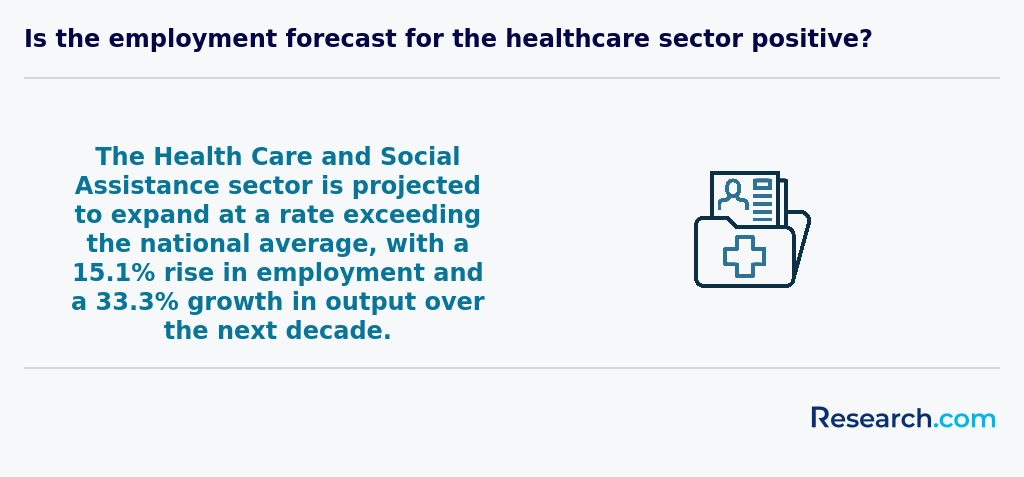
Healthcare degree graduates in San Antonio have access to a variety of career paths driven by the city's expanding medical infrastructure and a projected job growth of over 15% by 2030. Nursing remains prominent, with many graduates entering roles as Registered Nurses or Licensed Vocational Nurses within major employers like University Health System and Methodist Healthcare System. Entry-level nursing programs at local public colleges offer affordable tuition, enhancing accessibility.
Graduates also pursue allied health professions, including physical therapy assistants and radiologic technologists, buoyed by San Antonio's aging population increasing demand for rehabilitation and diagnostic services. Community colleges here provide affordable programs supporting these careers. Healthcare administration is another strong field, with graduates managing hospital operations or insurance companies and benefiting from median salaries near $104,000 nationwide.
Specialized fields such as respiratory therapy, occupational therapy, and health informatics are supported by institutions like Texas A&M University-San Antonio and the University of Texas Health Science Center, where tuition ranges from $15,000 to $40,000 dependent on degree level. Many local healthcare students appreciate the balance of quality and affordability found in San Antonio's educational offerings, reflecting positively on their career prospects in the region's healthcare degree job prospects. For insights on affordable options, see the Cheapest Online Healthcare Degree Programs Ranking in the Northeast.
What is the job market for healthcare degree in San Antonio?
The healthcare job market in San Antonio demonstrates strong potential for recent graduates holding healthcare degrees, driven by an 18% projected growth in healthcare occupations from 2020 to 2030. This growth rate is notably higher than many other sectors and provides ample opportunities across various roles. Graduates from institutions like The University of Texas at San Antonio often find rewarding positions within major employers such as University Health System and Baptist Health System, where competitive entry-level salaries for Registered Nurses hover around $70,000 annually, reflecting the local cost of living.
Healthcare students in San Antonio benefit from generally affordable in-state tuition fees ranging from $8,000 to $10,000 per year, enabling practical pathways into the workforce through comprehensive degree programs or shorter certifications. Community colleges further support students seeking cost-effective alternatives. For those exploring accelerated routes, programs featured in top paying 6 month certificate programs online offer viable options enhancing local healthcare job opportunities in San Antonio.
The presence of military medical centers, ongoing medical research, and a growing elderly population bolsters demand for healthcare professionals from diverse specializations, giving graduates confidence in a stable, expanding employment outlook within the region.
Frequently Asked Questions About healthcare
Healthcare degree students in San Antonio can enhance their learning by engaging deeply with local clinical opportunities. The city hosts a variety of renowned medical centers, such as the University Health System and Baptist Health, which provide hands-on training crucial for developing practical skills. According to the Texas Workforce Commission, healthcare jobs in San Antonio are projected to grow 16% through 2030, reflecting a strong demand for well-prepared professionals.
Students should also take advantage of San Antonio's numerous community health initiatives and research programs associated with institutions like UT Health San Antonio. Participation in internships, volunteering, and simulation labs can bridge theory and practice, improving both knowledge and employability. Networking with healthcare professionals locally is another key strategy, supported by organizations like the San Antonio Healthcare Council.
Emerging niches in the healthcare field are rapidly shaping educational opportunities in San Antonio. One significant area is telehealth, which has grown by over 60% since 2020, driven by technological advancement and increased demand for remote care. This shift calls for healthcare professionals skilled in digital communication and health informatics.
Another growing niche is geriatric care, reflecting San Antonio's aging population-20% of residents are over 65, according to the U.S. Census Bureau. Programs focusing on elder care, chronic disease management, and palliative care are expanding.
Precision medicine, involving genetic testing and individualized treatments, also offers new opportunities. Local research institutions, like UT Health San Antonio, emphasize this emerging field in their curriculum and clinical training.
Preparing for the job market after completing a healthcare degree in San Antonio involves a combination of practical experience and networking. Many institutions encourage students to participate in internships or clinical rotations, offering hands-on exposure to local healthcare settings. This real-world experience is crucial, as San Antonio's healthcare sector is one of the largest in Texas, employing over 150,000 people according to the Texas Workforce Commission.
Certification and licensing are essential next steps. Graduates should pursue relevant certifications such as Certified Nursing Assistant (CNA) or Registered Nurse (RN) credentials, which are often required by employers. Additionally, joining professional organizations like the San Antonio Healthcare Professionals Network can enhance connections in the local industry.
Job seekers should also leverage the city's robust healthcare job market, including world-class institutions such as University Health System and Methodist Healthcare. Utilizing career fairs and online job platforms focused on the San Antonio region can improve employment outcomes.
Employers in San Antonio highly value healthcare degree graduates with strong clinical skills and effective communication abilities. According to the Texas Workforce Commission, the demand for healthcare professionals such as registered nurses and medical assistants is expected to grow by over 15% from 2022 to 2032 in the region.
Problem-solving and critical thinking are essential, as graduates must adapt to rapidly changing healthcare environments. Familiarity with electronic health records (EHR) and healthcare technologies is also crucial due to the industry's digital transformation.
Additionally, cultural competence stands out in San Antonio's diverse population, enabling providers to deliver personalized care. Teamwork and empathy remain pivotal for patient-centered care, as emphasized by local healthcare employers.
Finding internships relevant to a healthcare degree in San Antonio involves leveraging local resources and institutions. The city hosts major healthcare providers like University Health System and Methodist Healthcare, which often offer internship programs for students. Additionally, San Antonio's numerous hospitals, clinics, and public health organizations frequently partner with nearby universities to provide hands-on experience.
Students can start by contacting their college's career services office, which usually maintains internship listings and relationships with healthcare employers in the region. Networking events and job fairs, commonly organized by schools like the University of Texas Health Science Center at San Antonio, are valuable for meeting potential internship supervisors.
Online job portals and specialized healthcare internship platforms may list opportunities available within San Antonio. Given that Texas has a growing healthcare sector with more than 300,000 workers in this field statewide, timely applications and professional outreach can improve chances of placement (Texas Workforce Commission, 2023).
Holding a healthcare degree in San Antonio significantly enhances career mobility and advancement opportunities. The city's healthcare sector is one of the largest employers, with over 200,000 jobs as of 2023, according to the Greater San Antonio Chamber of Commerce. Education credentials such as nursing, health administration, or allied health degrees are often required for higher-paying roles.
Graduates with healthcare degrees benefit from strong local demand for skilled professionals in hospitals, clinics, and research facilities like the Texas Biomedical Research Institute. This demand accelerates promotions and salary growth. Additionally, many employers in San Antonio prefer candidates with formal degrees to fulfill leadership or specialized clinical positions.
Healthcare degrees also enable career shifts within the field, such as moving from clinical work to healthcare management or education, increasing long-term job stability and growth potential. Certification and continuous education play a critical role in accessing these advanced roles in the region's competitive market.
Studying for a healthcare degree in San Antonio prepares students for interdisciplinary roles through integrated curricula emphasizing collaboration across medical, nursing, public health, and allied health fields. Local universities often partner with large healthcare providers such as University Health System and Methodist Healthcare, offering hands-on experiences in diverse clinical settings. This exposure helps students understand the importance of teamwork in patient care.
According to the Texas Higher Education Coordinating Board, San Antonio's healthcare programs increasingly include interdisciplinary coursework and simulation labs. These approaches improve communication skills necessary for coordinated care among doctors, nurses, pharmacists, and social workers.
The city's diverse patient population further enhances students' cultural competence, a vital component for effective interdisciplinary healthcare delivery in a multicultural environment.
Choosing between a thesis and a non-thesis healthcare degree program in San Antonio depends on your career goals and learning preferences. Thesis programs emphasize research, preparing students for doctoral studies or roles in medical research, which may benefit from the strong biomedical research presence at local institutions like the University of Texas Health Science Center. Non-thesis programs focus on practical skills and coursework, ideal for those seeking immediate employment in clinical or administrative healthcare roles. According to the Texas Higher Education Coordinating Board, the demand for healthcare practitioners in San Antonio is expected to grow by 19% through 2030, favoring hands-on experience. Consider your professional objectives and time commitment before deciding.
Students in San Antonio interested in studying healthcare abroad have several options through partnerships and exchange programs facilitated by local universities. Institutions like the University of Texas Health Science Center at San Antonio offer international opportunities focusing on global health and medical research.
Many programs include clinical rotations, research internships, or public health initiatives in countries with diverse healthcare systems, enhancing practical experience. Additionally, organizations such as the EducationUSA network provide guidance specifically for U.S. students exploring accredited healthcare degrees abroad.
According to the Texas Higher Education Coordinating Board, nearly 15% of healthcare students from San Antonio institutions engage in study abroad or international cooperative programs, reflecting growing interest. These options help students gain a broader understanding of global healthcare practices and prepare for careers in an interconnected world.
San Antonio offers several part-time job opportunities that can enhance healthcare degree education. Positions such as certified nursing assistants (CNAs), medical assistants, and pharmacy technicians provide practical experience alongside academic learning. According to the U.S. Bureau of Labor Statistics, healthcare support roles in San Antonio are expected to grow faster than the average for all occupations through 2030, making these jobs accessible for students.
Additionally, hospitals like University Health System and Baptist Health System often hire part-time workers for roles including patient care aides and administrative support. These positions allow students to develop clinical skills and understand healthcare operations firsthand.
Healthcare students in San Antonio benefit from a variety of networking opportunities that support their professional growth. The city hosts numerous events through the San Antonio Healthcare Consortium, which connects students with local hospitals, clinics, and healthcare organizations. Students can also join professional groups like the San Antonio chapter of the American Public Health Association, offering workshops and conferences tailored to healthcare careers.
San Antonio's large medical sector, including institutions such as the University Health System and Baptist Health System, provides internships and volunteer roles. These practical experiences help students build relationships with healthcare professionals. According to the Greater San Antonio Chamber of Commerce, healthcare jobs in the city are expected to grow by 19% through 2030, amplifying networking potential.
Alumni networks provide significant advantages to healthcare degree students in San Antonio by offering professional connections in a competitive job market. Many local hospitals and clinics value referrals from trusted alumni, enhancing students' chances of internships and employment. According to the Texas Higher Education Coordinating Board, over 60% of healthcare graduates in San Antonio find jobs within six months thanks to networking opportunities.
These networks also give access to mentoring from experienced professionals who understand the specific demands of healthcare in the region. This guidance helps students navigate certifications, clinical placements, and career advancement.
Through alumni events and online platforms tailored to San Antonio's healthcare community, students can stay informed about industry trends and job openings, boosting their long-term success.
Customizing a healthcare degree program in San Antonio involves selecting electives and specializations aligned with your career goals. Many local institutions offer flexible curricula allowing students to focus on areas such as nursing, health informatics, or public health. For example, pursuing a specialty like gerontology or emergency care can prepare you for specific workforce demands in San Antonio's growing healthcare sector.
Local hospitals and health systems often partner with colleges to provide internships and clinical rotations, giving practical experience tailored to your interests. According to the San Antonio Economic Development Foundation, the city's healthcare employment is projected to grow by 15% through 2030, increasing demand for specialized skills.
Students can also consider certificate programs or dual degrees, enhancing credentials and career options without extending study time significantly. Advisors at San Antonio colleges can help tailor your education path based on regional labor market data and your professional objectives.
Healthcare students in San Antonio face several notable challenges as they pursue their degrees. One major obstacle is balancing rigorous coursework with clinical practice hours, which are essential for hands-on experience. According to data from the Texas Higher Education Coordinating Board, many students report time management difficulties given the demanding schedules.
Additionally, the rising cost of tuition and associated fees creates financial stress. The average healthcare program in San Antonio can cost between $10,000 and $25,000 per year, not including living expenses. Limited access to affordable housing in the city further intensifies this challenge.
Another difficulty involves securing sufficient clinical placement opportunities. San Antonio's rapidly growing healthcare sector sometimes leads to competition among students, potentially delaying graduation timelines.
Finally, adapting to evolving healthcare technologies and maintaining mental well-being under pressure remain ongoing concerns for students.
With a healthcare degree, San Antonio students can pursue a variety of professional certifications that enhance career opportunities. Common certifications include Certified Nursing Assistant (CNA), Licensed Practical Nurse (LPN), and Registered Nurse (RN), each with specific state licensing requirements through the Texas Board of Nursing.
Other valuable certifications are in specialized fields, such as Medical Coding Certification (CPC) or Certified Medical Assistant (CMA). The Texas Workforce Commission reports growth in healthcare jobs by 15% from 2020 to 2030, reflecting rising demand for credentialed professionals.
For advanced roles, certifications like Certified Health Education Specialist (CHES) or Professional in Healthcare Quality (CPHQ) are respected nationally and support career progression.
Writing a winning application for a healthcare program in San Antonio requires clear preparation and attention to local educational standards. Start by researching the specific program requirements; many San Antonio institutions, such as the University of Texas Health Science Center, expect strong academic records and relevant healthcare experience.
Highlight practical experience, including volunteer work or internships in local hospitals or clinics, as these enhance your application. According to the Texas Workforce Commission, healthcare jobs in San Antonio are projected to grow by 20% by 2030, underscoring the importance of showing commitment to the field.
Strong personal statements illustrating your motivation and understanding of healthcare challenges in San Antonio can set you apart. Additionally, securing recommendation letters from professionals familiar with your work in local healthcare settings reflects well on your application.
The global perspective on a healthcare career highlights its increasing importance due to worldwide aging populations and rising chronic diseases. In the United States, healthcare remains one of the fastest-growing sectors, with employment projected to grow 16% from 2021 to 2031, according to the U.S. Bureau of Labor Statistics.
San Antonio, with its diverse population and large healthcare systems like Methodist and Baptist Health, offers valuable clinical experiences reflecting global health challenges. The city's growth fuels demand for skilled professionals trained in areas such as nursing, public health, and medical technology.
Internationally, healthcare careers emphasize cultural competence and adaptability, skills also emphasized by San Antonio programs to prepare graduates for both local and global health environments.
Gaining practical experience is essential when pursuing a healthcare degree in San Antonio. Many local colleges and universities partner with hospitals and clinics where students can complete internships or clinical rotations. Popular institutions like the University of Texas Health Science Center and San Antonio College offer access to facilities such as University Hospital and Christus Health. These experiences allow students to work directly with patients and healthcare professionals, strengthening skills and resumes.
Additionally, San Antonio's growing healthcare sector provides numerous volunteer and part-time work opportunities. Participating in community health programs or research projects is another effective way to gain hands-on experience while studying.
Choosing the right concentration within a healthcare degree program in San Antonio involves evaluating local industry needs and personal interests. San Antonio's healthcare sector is robust, employing over 90,000 individuals as of 2023, making fields like nursing, health information management, and allied health particularly valuable (Source: Texas Workforce Commission).
Students should consider program accreditation and speak with local healthcare employers to understand demand for specific skills. Areas such as gerontology and emergency medical services are growing due to the city's aging population and metropolitan challenges. Additionally, practical clinical experience opportunities in San Antonio's major hospital networks enhance employability.
Assessing long-term career goals alongside labor market trends supports an informed choice of concentration.
Related Healthcare Rankings for Nearby Cities
- 2027 Most Valuable Healthcare Degree Programs Ranking in Baton Rouge
- 2027 Most Valuable Healthcare Degree Programs Ranking in New Orleans
- 2027 Most Valuable Healthcare Degree Programs Ranking in Little Rock
- 2027 Most Valuable Healthcare Degree Programs Ranking in Jackson
- 2027 Most Valuable Healthcare Degree Programs Ranking in Hattiesburg
- 2027 Most Valuable Healthcare Degree Programs Ranking in Wichita
- 2027 Most Valuable Healthcare Degree Programs Ranking in Mobile
- 2027 Most Valuable Healthcare Degree Programs Ranking in Colorado Springs
- 2027 Most Valuable Healthcare Degree Programs Ranking in Birmingham
- 2027 Most Valuable Healthcare Degree Programs Ranking in Columbia
Top Trending Healthcare Rankings
See What Experts Have To Say About Studying Healthcare
Read our interview with Healthcare experts

References
- Networking in Medicine: Build Lasting Connections l Windsor https://www.windsor.edu/networking-in-medicine-building-relationships-from-day-one/
- 5 Allied Health Career That You Can Choose | SCI https://scitexas.edu/blog/what-allied-health-career-path-right/
- Search Jobs and Careers in Healthcare with University Health https://careers.universityhealth.com/
- Thesis vs. Non-Thesis Master's Programs: Which is Right for You? https://potomac.edu/thesis-vs-non-thesis-masters/
- Financial Assistance | Methodist Healthcare https://www.sahealth.com/patient-resources/patient-financial-resources/financial-assistance
- Health Management Careers https://www.ache.org/Career-Resources/Start-Your-Career/Health-Management-Careers
- Global Health Perspectives https://globalhealthperspectives.com/
- Health Sciences Study Abroad Programs - Healthcare Abroad https://www.ceastudyabroad.com/academic-discipline/health-sciences
- 20 healthcare investment niches and 3 things to know: The evolution of ... https://blackbookmarketresearch.com/20-healthcare-investment-niches-and-3-things-to-know-the-evolution-of
- Best Medical Specialties colleges in San Antonio https://www.universities.com/find/san-antonio/best/healthcare/medical-specialties


