2027 Most Valuable Healthcare Degree Programs Ranking in Laredo

Co-Founder and Chief Data Scientist
Choosing the right healthcare degree program is an important step toward a rewarding career, especially for students in Laredo. This article introduces the 2027 Most Valuable Healthcare Degree Programs Ranking in Laredo, created by the Research.com team of data scientists to help you make an informed decision.
Discover which programs offer the best value based on thorough analysis. Pursuing a healthcare degree opens many doors and provides opportunities to positively impact your community.
Explore the ranking to find the program that fits your goals and ambitions.
Key benefits of getting healthcare degree in Laredo
- Healthcare degrees in Laredo lead to rewarding salaries, such as a Patient Care Technician earning about $60,790 annually and Medical Assistants making around $43,350 per year.
- Graduates from local institutions often find diverse career paths, including roles like Clinical Research Coordinator or Health Information Technician, offering stability and growth.
- Online healthcare degrees provide flexibility and convenience, allowing students to balance work and study easily while still gaining valuable skills recognized by employers in Laredo.
- Key benefits of getting healthcare degree in Laredo
- What can I expect from healthcare degree in Laredo?
- Where can I work with healthcare degree in Laredo?
- How much can I make with healthcare degree in Laredo?
- 2027 Most Valuable Healthcare Degree Programs Ranking in Laredo
- Key Findings
- How long does it take to complete healthcare degree in Laredo?
- Accreditation and Licensing Requirements
- What's the difference between online and on-campus healthcare degree?
- Integrating Nutritional Science into Your Healthcare Career
- What is the average cost of healthcare degree in Laredo?
- Future Trends in Healthcare Education and Career Growth
- What financial aid is available to healthcare degree students in Laredo?
- ROI: Empower Your Future with a Healthcare Degree
- What are the prerequisites for enrolling in healthcare degree program in Laredo?
- Accreditation and Licensing Requirements for Healthcare Programs in Laredo, TX
- What courses are typically in healthcare degree programs in Laredo?
- What types of specializations are available in healthcare degree programs in Laredo?
- How do you choose the best healthcare degree in Laredo?
- What career paths are available for healthcare degree students in Laredo?
- What is the job market for healthcare degree in Laredo?
- Top Trending Healthcare Rankings
- See What Experts Have To Say About Studying Healthcare
What can I expect from healthcare degree in Laredo?
Students pursuing healthcare degrees in Laredo often find the cost to be surprisingly manageable, especially when compared to larger metropolitan areas. Graduates from places like Laredo Community College frequently mention that affordable tuition was a major factor in their ability to persist through rigorous programs without overwhelming debt. Community colleges here typically offer lower tuition rates, making it a practical choice for many local students aiming to enter healthcare fields such as nursing or medical technology.
Meanwhile, those attending Texas A&M International University experience slightly higher costs but benefit from strong financial aid options and scholarships tailored to healthcare students. Graduates recall that these resources not only eased financial stress but also allowed them to focus more fully on clinical experiences and certification preparation.
Many students appreciate how Laredo's educational institutions partner with nearby hospitals to offer internships, which sometimes come with stipends or part-time wages, adding financial relief and valuable hands-on experience. This balance of affordability and practical training makes studying healthcare in Laredo feel both attainable and rewarding.
Where can I work with healthcare degree in Laredo?
Graduates from healthcare programs at institutions like Laredo Community College often find themselves drawn to the city's vibrant hospital sector. Working at places such as Laredo Medical Center or Doctor's Hospital of Laredo offers hands-on experience alongside skilled professionals, allowing new healthcare workers to apply their classroom learning in real-world situations. Many graduates recall the rewarding moments of patient interaction that cemented their passion for nursing or medical technology.
Beyond hospitals, clinics and outpatient centers present fulfilling career paths. For those who studied at Texas A&M International University, community-based roles in the Family Health Center of Laredo are common. These settings emphasize empathy and patient education, which resonate deeply with graduates aiming to make a direct difference in family health and chronic disease management.
Home health care is another expanding field, especially given Webb County's aging population. Alumni frequently share how working with Laredo Home Care enabled them to build trusting relationships with patients in comfortable, familiar environments. Public health departments also attract graduates eager to influence community well-being through disease prevention and education strategies tailored to border-area challenges.
How much can I make with healthcare degree in Laredo?
Graduates from healthcare programs in Laredo often find promising salary opportunities right after completing their degrees. For example, those starting as medical assistants typically earn around $43,350 annually, a figure consistent with local salaries and offering a stable foundation for entry-level healthcare work. This makes the investment at popular institutions like Laredo Community College both practical and rewarding.
Patient care technicians, who enjoy a slightly higher mean wage near $60,790 per year, report feeling encouraged by the tangible impact they make while earning a competitive salary in the Laredo market. This balance of meaningful work and financial stability is a common theme among healthcare graduates here.
For graduates pursuing roles in health information technology or clinical research coordination, the annual salaries are similarly around $43,380 to $43,350. These roles can be especially satisfying for those who enjoy combining healthcare knowledge with administrative or research skills.
More experienced professionals, like quality improvement coordinators, benefit from higher wages averaging $103,150 annually. Graduates aiming for these positions often feel a strong sense of accomplishment, knowing their efforts directly contribute to better patient outcomes across Laredo's healthcare facilities.
These real-world examples from Laredo's top healthcare programs show that a healthcare degree here can open doors to a range of fulfilling careers with solid earnings, adapted to the regional economy and demand.
2027 Most Valuable Healthcare Degree Programs Ranking in Laredo
How do we rank schools?
Investing in your education is a significant decision that can shape your future, and the Research.com team is dedicated to helping you make well-informed choices. To support prospective students in Laredo, we have carefully developed the "2027 Most Valuable Healthcare Degree Programs Ranking in Laredo." Our commitment to quality, credibility, and accuracy is demonstrated through rigorous research and thorough analysis to compile this ranking.
We utilized the following reputable data sources to ensure a comprehensive evaluation of healthcare degree programs:
By exploring this ranking, readers will gain valuable insights into the most valuable healthcare degree programs in Laredo, enabling them to make confident decisions about their academic and professional futures. For more information on how this ranking was created, please visit our Research.com methodology page.

# 3 position
Laredo College
Bachelor of Science in Nursing (Rn to Bsn) Nursing

Key Findings
- Healthcare degrees in Laredo are offered mainly by Texas A&M International University and Laredo College with options in nursing, health sciences, and allied health fields.
- Tuition for an associate degree in nursing at Laredo College ranges from $5,000 to $7,000 for in-district students, while bachelor's programs at Texas A&M International University cost between $15,000 and $25,000 for residents.
- Laredo's healthcare sector is growing rapidly due to demand in both urban and rural areas near the US-Mexico border.
- Entry-level salaries for healthcare graduates typically fall between $45,000 and $55,000 annually, with experienced workers earning $60,000 to $75,000 after five to ten years.
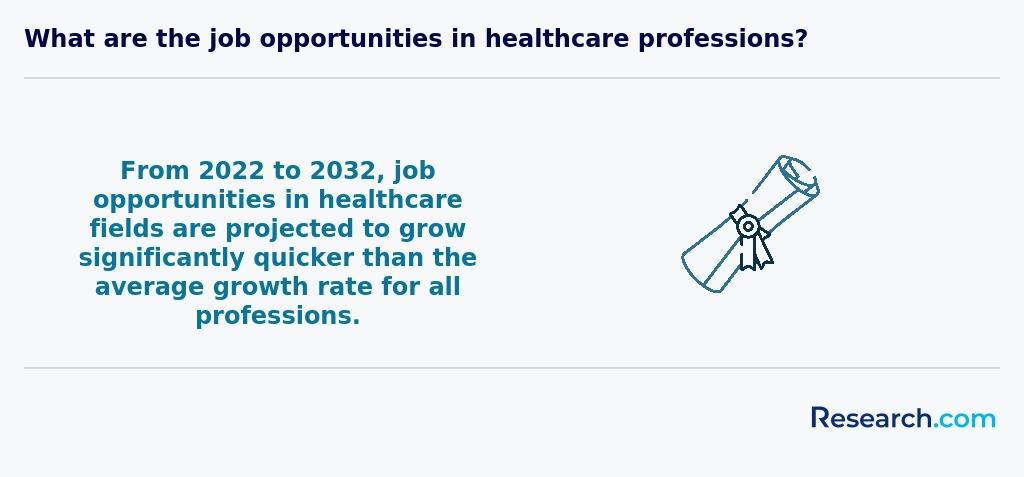
- The job market outlook is strong with healthcare occupations growing faster than the national average, driven by local population growth and an aging community.
How long does it take to complete healthcare degree in Laredo?
Completing a healthcare degree in Laredo often requires a focused commitment, but the timeline varies by program and individual pace. For many students attending Laredo College, finishing an associate degree in nursing or medical assisting typically takes about two years of full-time study. Graduates commonly recall balancing rigorous coursework with hands-on clinical hours, which enrich their learning and deepen their passion for patient care.
Bachelor's degrees, like the Bachelor of Science in Nursing offered at local universities, generally span four years. Some graduates share how accelerated options, available to those with prior degrees, allow finishing in as little as 12 to 18 months, offering a gratifying, fast-tracked pathway to licensure and employment.
For those pursuing advanced degrees, such as a master's or doctorate, the journey extends to two or more years, shaped by part-time or full-time attendance. Alumni report that while these longer programs demand dedication, the immersive clinical placements and faculty mentorship found in Laredo's healthcare programs transform the experience into insightful, career-defining moments.
Accreditation and Licensing Requirements
Ensuring your healthcare degree program in Laredo, TX is properly accredited is critical for both educational quality and eligibility for professional licensure. Accreditation bodies verify that curricula meet national standards and prepare graduates to sit for board exams. For nursing programs, look for accreditation from the Commission on Collegiate Nursing Education (CCNE) or the Accreditation Commission for Education in Nursing (ACEN). Allied health and medical technician programs should carry recognition from the Commission on Accreditation of Allied Health Education Programs (CAAHEP), while public health degrees benefit from Council on Education for Public Health (CEPH) accreditation-many students seeking cost-effective public health pathways compare the best affordable mph programs to balance quality with affordability. Graduates of accredited programs are eligible to take licensure exams such as the NCLEX-RN for registered nurses, the ASCP board exams for laboratory professionals, or the Certified Health Education Specialist (CHES) exam for health educators. Meeting state-specific requirements-such as background checks, clinical hours, and immunizations-is equally important; the Texas Board of Nursing and the Texas Department of State Health Services publish up-to-date licensure guidelines online. Completing an accredited program not only streamlines the path to certification but also enhances employability, as many Laredo healthcare employers require graduates to hold current licenses before hiring. Prospective students should verify accreditation status through the U.S. Department of Education’s database and confirm that their chosen program aligns with Texas licensure prerequisites, ensuring a smooth transition from campus to career.
What's the difference between online and on-campus healthcare degree?
Graduates from healthcare programs at institutions like Texas A&M International University in Laredo often reflect on the clear distinctions between online and on-campus experiences. Online programs offer the freedom to study around work and family commitments, an advantage many find invaluable. They appreciate the flexibility of engaging with video lectures and digital assignments from home, though they note the challenge of managing clinical placements locally, which demand extra coordination.
Conversely, on-campus students at local colleges enjoy the vibrant campus atmosphere, benefiting from direct access to simulation labs and face-to-face mentorship with faculty and healthcare professionals. Many cherish the camaraderie built through study groups and hands-on training, which is essential for fields like nursing that require practical skill mastery. The structured routine of in-person classes helps foster discipline and steady progress.
- Cost is another consideration: on-campus tuition in Texas public colleges ranges roughly from $8,000 to $15,000 yearly for residents, often higher than online programs due to facility fees.
- Despite format differences, all graduates share the same rigorous licensing standards, ensuring equal professionalism.
Integrating Nutritional Science into Your Healthcare Career
In today’s evolving healthcare landscape, understanding nutritional science is emerging as a vital component for enhancing patient outcomes and advancing professional careers. Incorporating nutrition-focused studies not only complements traditional healthcare programs but also equips graduates with the expertise to address chronic diseases, manage patient diets, and promote overall wellness. This interdisciplinary approach fosters a more holistic understanding of health, empowering professionals to offer comprehensive care and preventive strategies. Many healthcare educators are now encouraging students to delve into specialized nutritional studies, especially as research highlights the strong connection between diet, lifestyle, and long-term health outcomes. For those interested in broadening their expertise, integrating nutritional science can be a transformative career move. Additionally, exploring online options can offer flexible learning pathways; for example, you can discover what are the top online bachelors degrees in nutritional science to complement your healthcare education and open up further career opportunities. This integration of nutritional science into healthcare not only reinforces your clinical skills but also enhances your ability to support patient health in a more comprehensive manner, aligning with the increasing demand for innovative and preventive care solutions in the industry.
What is the average cost of healthcare degree in Laredo?
When considering the average cost of healthcare degrees in Laredo, it is clear that the investment varies significantly depending on the institution and residency status. Graduates from Texas A&M International University often recall the manageable tuition burden of around $7,894 for in-state students, which made pursuing their healthcare careers feel attainable without overwhelming debt. For those aiming at community colleges like Laredo College, the cost can be even more economical, with in-district tuition fees often much lower, easing the financial pressure while still receiving a quality education.
Many students reflect fondly on the balance they found between cost and quality when choosing where to study healthcare in Laredo. Although out-of-state tuition tends to be considerably higher, some graduates found that scholarships and financial aid made the various price points easier to navigate. The typical Laredo healthcare degree tuition and fees are offset by grants and federal aid that many are encouraged to explore. This financial support helps unlock opportunities, allowing students to focus on clinical training and coursework without constant worry about expenses.
It's valuable to imagine a healthcare career beginning with these realistic costs and the positive emotions tied to overcoming financial obstacles. Many healthcare students in Laredo have improved their prospects by wisely selecting affordable programs and seeking scholarships. Those interested in exploring specific pathways might start by reviewing options around medical training, for example, through programs related to medical assistant school admission Connecticut, which often have comparable financial frameworks and aid opportunities.
Future Trends in Healthcare Education and Career Growth
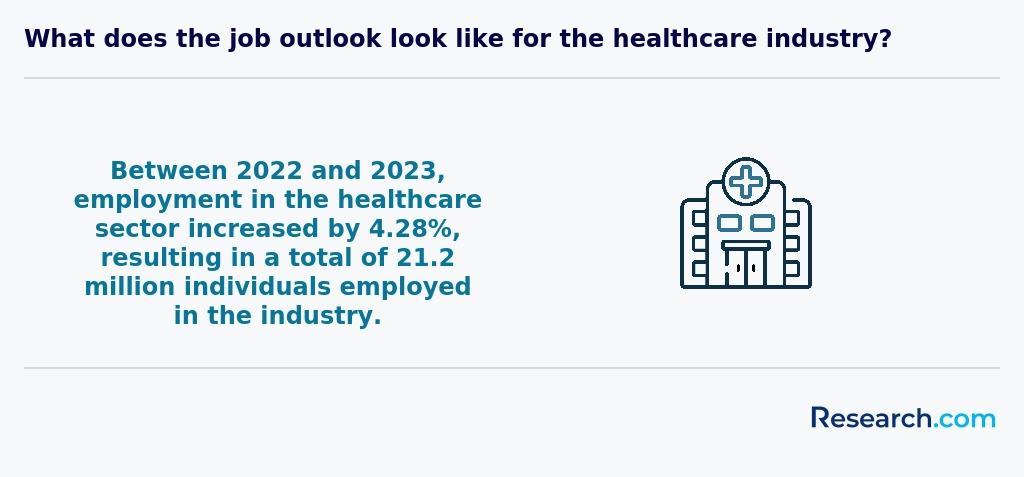
As the healthcare industry continues to evolve with advancements in technology and a growing emphasis on patient-centered care, students and professionals alike are looking ahead to emerging trends that will shape their educational and career trajectories. Recent developments, such as the integration of telemedicine, the use of artificial intelligence in diagnostics, and innovative simulation labs for clinical training, are redefining the way healthcare education is delivered. These innovations not only enhance the learning experience but also prepare graduates for a dynamic job market. Graduates who are proactive in exploring these future trends report that staying updated on new technologies and specialized training can significantly increase their competitiveness in the field. Many local institutions are updating their curricula to incorporate courses on digital health and data analytics, ensuring that students are well-equipped to meet modern healthcare challenges. Additionally, emerging certification programs in specialized areas, like patient safety and health informatics, further enhance career prospects. For those aiming to invest wisely in their education, exploring rankings and comprehensive analyses-such as those provided by a valuable healthcare school in texas-can be a key strategy in making an informed decision about where to study. By understanding both current offerings and future developments, prospective students can align their academic goals with the evolving demands of the healthcare sector, ensuring that their degree remains a valuable asset in the pursuit of long-term career success.
What financial aid is available to healthcare degree students in Laredo?
Students pursuing healthcare degrees in Laredo often find financial aid essential to managing tuition costs, which typically range from $5,000 to $15,000 annually. Many graduates recall how completing the FAFSA opened doors to federal aid such as the Pell Grant, offering up to $7,395 in 2024 without repayment obligations. This grant alone made a critical difference in their ability to focus on nursing or health information management studies at Texas A&M International University or Laredo College.
Federal student loans, both subsidized and unsubsidized, also play a role, with subsidized loans sparing students from accruing interest while enrolled. Graduates stress the importance of planning repayment carefully to avoid unnecessary debt after completing their healthcare training.
State programs like the Texas Grant provide additional support for residents, easing the burden for those meeting academic and financial criteria. Many have benefited from local scholarships offered by community groups and healthcare employers, which align well with Laredo's collaborative healthcare education environment.
Students working part-time appreciate work-study and clinical stipends that combine income with hands-on experience, enhancing both their education and financial stability.
ROI: Empower Your Future with a Healthcare Degree
Understanding the return on investment (ROI) of your healthcare education can be a game-changer as you plan your academic and career journey in Laredo, TX. Evaluating factors such as tuition costs, program duration, and potential salary outcomes is crucial in determining the long-term value of your degree. Many students find that investing in a healthcare education not only opens doors to rewarding career paths but also offers significant financial returns over time. For instance, graduates often see rapid payback through competitive salaries and a stable job market, even when accounting for initial debt. Comparing costs with earnings potential and career flexibility can help you assess the overall value of pursuing a healthcare degree in this region. Additionally, exploring rankings and insights from institutions like valuable healthcare school in texas can provide further guidance on which programs are designed to maximize your ROI. Taking a strategic approach to your education ensures that every dollar and every moment you invest works toward a successful, fulfilling future in the healthcare field.
What are the prerequisites for enrolling in healthcare degree program in Laredo?
Enrolling in a healthcare degree program in Laredo demands meeting foundational academic prerequisites that set the stage for success. Graduates from Laredo College often reflect on how having a high school diploma or GED was just the starting point before tackling essential courses like biology and chemistry. These classes aren't just academic hurdles-they build the confidence and knowledge needed to thrive in clinical settings.
Many students recall that demonstrating a solid GPA, usually between 2.5 and 3.0, was important to open doors at both community colleges and universities. Preparing for standardized tests such as the SAT or ACT also proved helpful in competitive programs.
Hands-on experience is key in healthcare, and programs at institutions like Texas A&M International University emphasize background checks, immunizations, and CPR certification. Graduates appreciate how these requirements connect theory with real-world responsibility, ensuring readiness for patient care environments.
Ultimately, these prerequisites feel less like barriers and more like stepping stones, crafting a path to a rewarding healthcare career in Laredo.
Accreditation and Licensing Requirements for Healthcare Programs in Laredo, TX
Choosing an accredited healthcare program ensures your education meets rigorous standards and qualifies you for licensure exams in Texas. Regionally accredited institutions like Texas A&M International University and Laredo College hold institutional accreditation from the Southern Association of Colleges and Schools Commission on Colleges (SACSCOC), while programmatic accreditation-such as the Commission on Collegiate Nursing Education (CCNE) for nursing or the Commission on Accreditation for Health Informatics and Information Management Education (CAHIIM) for health information management-validates specialized curricula. Graduates of CCNE-accredited nursing programs are eligible to sit for the NCLEX-RN exam, licensing them as Registered Nurses in Texas. Similarly, CAHIIM-accredited health information programs prepare students for the RHIA credential, a requirement for many health data roles. Before enrolling, verify your program’s approval by the Texas Higher Education Coordinating Board (THECB) and the relevant state licensing board, such as the Texas Board of Nursing or the Texas Department of State Health Services. Meeting these standards not only influences eligibility for federal financial aid but also impacts employer recognition and long-term career mobility. For those balancing cost with quality, our analysis of the Most Affordable Online Healthcare Degree Programs Ranking in Waco, TX highlights accredited online pathways that offer flexibility without compromising on licensure readiness. Ensuring both accreditation and licensing alignment will empower you to transition seamlessly from classroom to clinical practice in Laredo’s dynamic healthcare environment.
What courses are typically in healthcare degree programs in Laredo?
Healthcare degree programs in Laredo blend rigorous science courses with hands-on practice, creating a rich learning experience. Graduates often recall how foundational classes like anatomy, physiology, and microbiology became the backbone of their understanding, helping them confidently navigate patient care at Laredo Medical Center or local clinics.
Many students find that medical terminology and healthcare ethics courses enhance their communication and moral judgment, essential for interacting with Laredo's diverse community. One graduate shared how bilingual communication training felt invaluable-bridging cultural gaps in real healthcare settings near the US-Mexico border.
Classes focused on pharmacology, patient assessment, and healthcare technology bring theory into daily practice. For example, students from popular Laredo institutions describe feeling prepared to safely administer medications and use modern medical devices immediately after clinical rotations.
Specialized tracks like nursing or medical assisting deepen this learning. Nursing students, in particular, emphasize the impact of clinical nursing practice courses coupled with real patient care management, shaping their confidence as professionals passionate about serving the community.
What types of specializations are available in healthcare degree programs in Laredo?
Healthcare degrees in Laredo offer diverse specializations that allow students to build careers aligned with regional healthcare demands. Popular options include Nursing, where graduates from Texas A&M International University confidently step into roles as registered nurses or advanced practice nurses, addressing the growing community health needs. The affordability of nursing programs here makes pursuing this path both practical and rewarding.
Other graduates from institutions like Laredo College share how Health Information Technology programs equipped them with valuable skills in managing electronic health records, critical for the expanding digital healthcare landscape in Texas. This specialization blends technology and healthcare seamlessly, creating promising job prospects.
Many students also explore Allied Health fields such as Medical Laboratory Technology and Respiratory Therapy, praised for their hands-on learning and solid employment outlooks. Public Health draws those passionate about impacting community well-being, especially given Laredo's unique border city health challenges. For those interested in organizational roles, Healthcare Administration remains a key path.
Choosing among these programs reflects how the best healthcare programs Laredo Texas offers prepare students thoughtfully. Some graduates even consider roles with strong financial incentives, like the medical assistant salary opportunities, further motivating their educational journey.
How do you choose the best healthcare degree in Laredo?
Choosing the best healthcare degree in Laredo means weighing your career ambitions against practical factors like cost and flexibility. Graduates from Laredo College often share how the affordable healthcare degrees in Laredo TX gave them a strong start without overwhelming debt. The community college's in-district tuition rates make nursing or medical assisting programs accessible, while local hospitals provide valuable internship opportunities.
Many students appreciate programs that offer evening or online classes, allowing them to balance work and study effectively. Graduates who took hybrid courses found this helpful, combining hands-on clinical practice with online lectures to fit their busy lives. Thinking about your future role is key-those aiming to become registered nurses usually pursue a Bachelor of Science in Nursing, while others may choose shorter certifications. Clinical experience in Laredo's health facilities increases job prospects and confidence in skills.
Understanding what accreditation means is essential, as respected credentials influence licensure and employment. Exploring local options while keeping an eye on the 13% job growth projection encourages hopeful steps forward. For insights into other healthcare fields, check out counseling psychology job listings to broaden your perspective.
What career paths are available for healthcare degree students in Laredo?
Graduates holding healthcare degrees in Laredo find their career options both diverse and promising, reflecting the unique healthcare demands of this border city. Many alumni from popular institutions like Laredo Community College and Texas A&M International University enter clinical roles such as registered nurses, medical technicians, and respiratory therapists, where their skills directly impact patient care in local hospitals and clinics. This hands-on experience brings a rewarding sense of purpose and connection to their community, especially given Laredo's growing population.
Others pursue healthcare administration, managing operations within bustling healthcare centers. These roles leverage critical thinking and leadership skills fostered during their studies, enabling graduates to shape efficient healthcare delivery. Public health careers, focused on community initiatives and health education tailored to Laredo's largely Hispanic population, also attract graduates eager to make a difference beyond clinical settings.
For those interested in diagnostic specialties, programs often prepare students for roles such as radiologic technologists, and some follow X-ray technician specializations, which blend technology with patient care in exciting ways. These varied paths reflect the dynamic opportunities that healthcare degrees offer in Laredo, providing stability and purpose in a thriving local economy.
What is the job market for healthcare degree in Laredo?
The healthcare job opportunities in Laredo reflect a steadily growing sector shaped by the city's unique demographic and health challenges. Graduates from local colleges and universities frequently find that the demand for culturally competent care providers fuels a welcoming job market, especially for roles like registered nurses and medical assistants. Many who have completed healthcare programs here describe feeling both prepared and encouraged by the practical experience they gained, enabling a smoother transition into careers serving the local community.
Laredo healthcare degree employment outlook remains positive due to factors such as the area's high rates of chronic diseases and an expanding healthcare and social assistance sector, which accounts for a significant portion of local employment. Graduates appreciate that while salaries might be slightly below national averages, the opportunities for stable, meaningful work and professional growth are strong. Those balancing education and work often seek accessible options and sometimes enhance their credentials through online LVN classes.
Frequently Asked Questions About healthcare
Healthcare degree students in Laredo can maximize their learning by engaging in local clinical experiences. Laredo's proximity to several hospitals and community health centers offers valuable practical training, which is critical in healthcare education. According to the Texas Department of State Health Services, hands-on experience improves job readiness by up to 30% for allied health students.
Students should also utilize resources from institutions such as Texas A&M International University, which provides strong community health programs and access to bilingual healthcare practices, reflecting Laredo's unique demographic needs. Joining professional organizations and attending local health workshops can further deepen knowledge and professional networks.
Finally, leveraging online healthcare simulation tools and staying current with evidence-based guidelines enhances clinical decision-making skills essential for workforce success.
The healthcare field in Laredo, Texas, is evolving with several emerging niches gaining significance. Among these, telehealth services have expanded rapidly, driven by increased demand during the COVID-19 pandemic. Telehealth offers remote medical consultations, which is especially beneficial for Laredo's largely rural population. According to the Texas Department of State Health Services, telehealth usage in South Texas, including Laredo, grew by over 50% between 2020 and 2023.
Another growing area is health informatics, where professionals manage and analyze patient data using technology. This niche supports better care coordination and decision-making in local hospitals and clinics.
Additionally, community health workers focusing on chronic disease management are increasingly important due to Laredo's high rates of diabetes and obesity, as reported by the Webb County Public Health Department.
After earning a healthcare degree in Laredo, preparing for the job market involves several important steps. Begin by obtaining relevant certifications like the Certified Nursing Assistant (CNA) or Registered Health Information Technician (RHIT), which are highly valued locally. Job placement rates for healthcare graduates in Laredo show steady growth linked to the city's expanding medical facilities, including Texas A&M Laredo and local hospitals.
Networking plays a key role; attending local job fairs and joining professional organizations such as the Texas Medical Association can provide valuable connections. Gaining practical experience through internships or volunteer work enhances employability.
Employers in Laredo seek healthcare degree graduates with a combination of technical expertise and strong interpersonal skills. Critical skills include proficient clinical knowledge, familiarity with electronic health records (EHR) systems, and the ability to adhere to healthcare regulations. According to the Texas Workforce Commission, areas like patient care, data management, and safety protocols are essential.
Communication skills are highly valued, especially the ability to interact compassionately with Laredo's diverse patient population, including many bilingual Spanish-English speakers. Problem-solving and teamwork capabilities are also crucial in fast-paced healthcare environments.
Overall, mastering both practical healthcare skills and cultural competence significantly improves job prospects in Laredo's growing medical sector.
Finding internships in Laredo relevant to a healthcare degree involves utilizing local resources and networks strategically. Start by exploring partnerships between colleges such as Texas A&M International University and local hospitals including Laredo Medical Center, as these institutions often offer clinical internships aligned with healthcare studies.
Additionally, Laredo's status as a border city creates unique healthcare challenges, increasing demand for professionals in public health and emergency services. This environment provides diverse internship opportunities across clinics, community health organizations, and government health departments.
Students should also check platforms such as Handshake and local hospital career pages for updated internship listings. Networking with faculty and attending healthcare job fairs in Laredo can further enhance opportunities. According to the Texas Workforce Commission, healthcare continues to be one of the fastest-growing sectors in Laredo, making internships readily accessible for motivated applicants.
Holding a healthcare degree in Laredo significantly enhances career mobility and advancement opportunities. The Laredo area has seen steady growth in healthcare jobs, with a projected increase of over 15% in healthcare occupations by 2030, according to the Texas Workforce Commission. This growth creates demand for qualified professionals with degrees in nursing, health administration, or allied health fields.
Employers in Laredo often prefer candidates with formal healthcare education, which opens doors to higher-paying roles and leadership positions. Additionally, degree holders benefit from eligibility for professional certifications and licensure, which are essential for career progression in the U.S.
Overall, a healthcare degree provides a strong foundation to meet local workforce needs and adapt to evolving healthcare demands in Laredo's dynamic job market.
Healthcare degree programs in Laredo emphasize interdisciplinary training to prepare students for collaborative roles in medical settings. Many local institutions incorporate coursework that blends nursing, public health, and allied health disciplines, reflecting the integrated nature of modern healthcare teams. This approach aligns with national trends, where 70% of healthcare employers prefer graduates skilled in teamwork across fields (Bureau of Labor Statistics, 2023).
The proximity of Laredo to the US-Mexico border introduces unique public health challenges, which programs address through interdisciplinary practicum opportunities in diverse clinical environments. Students gain hands-on experience working alongside professionals from social work, medicine, and community health, enhancing their ability to coordinate patient care effectively.
Such comprehensive training equips graduates to meet the demands of Laredo's growing healthcare sector, which is expected to expand by over 15% through 2030 according to Texas Workforce Commission data.
When choosing between a thesis and a non-thesis healthcare degree program in Laredo, students should consider their career goals and time commitment. A thesis option typically involves original research and can prepare graduates for roles in clinical research or advanced studies. Non-thesis programs focus more on coursework and practical skills, appealing to those aiming to enter the workforce quickly.
The University of Texas Rio Grande Valley in Laredo offers both paths, reflecting trends in U.S. healthcare education where about 40% of graduate students opt for thesis-based degrees to enhance research skills. Selecting the right option depends on whether you prefer research or applied learning.
Students based in Laredo who wish to study healthcare abroad can consider several pathways within the U.S. higher education system that offer international healthcare experiences. Many universities partner with global institutions to provide study abroad programs focused on healthcare fields such as nursing, public health, and pre-medical studies. These programs often include clinical rotations or internships in diverse healthcare settings.
Laredo, Texas, benefits from proximity to major educational hubs with access to institutions offering exchange programs. According to the Texas Higher Education Coordinating Board, over 30% of Texas healthcare programs encourage international study components.
Additionally, students may enroll in U.S. universities that facilitate global research opportunities in healthcare, helping develop broader perspectives on medical practices and global health challenges.
In Laredo, several part-time job opportunities can effectively complement healthcare degree education. Students often find work as certified nursing assistants (CNAs) or medical assistants in local clinics and hospitals, gaining hands-on patient care experience. According to the Texas Workforce Commission, healthcare support roles in Laredo have grown by over 5% annually, reflecting strong demand. Additionally, positions like pharmacy technicians or medical receptionists help develop vital administrative and customer service skills important for healthcare careers. Volunteering at organizations such as the Laredo Medical Center can also provide valuable exposure while building professional networks within the community.
Healthcare students in Laredo benefit from a variety of networking opportunities that can enhance their education and career prospects. Local institutions like Texas A&M International University and Laredo College offer student organizations and health-focused clubs where students can meet peers and professionals. The city's proximity to major hospitals, such as Doctors Hospital of Laredo, provides access to internships and volunteer opportunities, crucial for building connections.
Additionally, regional events hosted by the South Texas organization chapters of national bodies, such as the American Nurses Association, promote networking and professional development. According to Laredo Economic Development Corporation, healthcare jobs in the city grew by 7% over recent years, increasing demand for local connections. Such growth creates a dynamic environment for students to connect with employers and mentors.
Alumni networks are valuable resources for healthcare degree students in Laredo. These networks provide mentorship opportunities, connecting current students with experienced professionals in local hospitals and clinics. Through such connections, students gain insights into job market trends and workplace culture within Laredo's healthcare system.
The City of Laredo's healthcare sector has grown steadily, with over 15,000 healthcare workers as of 2023, according to the Texas Department of State Health Services. Alumni networks help students tap into this expanding job market by sharing job leads and internship opportunities.
Moreover, these networks foster collaboration and knowledge-sharing, which are crucial in fields like nursing and medical technology. Networking events and alumni workshops support professional development beyond the classroom.
Customizing a healthcare degree program in Laredo allows students to align their education with specific career goals. Many local institutions offer flexible options such as selecting elective courses focused on specialties like nursing, public health, or medical technology. Students can also benefit from internship opportunities with nearby facilities such as Laredo Medical Center, gaining practical experience.
Advisors typically work with students to design plans that emphasize skills in demand locally, including bilingual healthcare services, reflecting Laredo's predominantly Hispanic population. According to the Texas Workforce Commission, healthcare jobs in Laredo are projected to grow by over 15% through 2030, increasing opportunities in tailored roles.
Additionally, some programs allow online coursework to accommodate working professionals while maintaining hands-on clinical training in Laredo-area hospitals or clinics. This hybrid approach supports personalized learning paths focused on students' long-term employment goals.
Healthcare students in Laredo often face several challenges throughout their education. One major difficulty is balancing demanding coursework with clinical rotations, which require significant time and commitment. Many students also encounter financial stress, as tuition and related expenses can be substantial, especially since healthcare programs often extend beyond two years.
Additionally, Laredo's status as a border city means students must prepare for diverse patient populations, including many Spanish-speaking individuals. This requires cultural competence and strong bilingual communication skills, which can be challenging to develop during studies.
According to the Texas Higher Education Coordinating Board, the demand for healthcare professionals in South Texas is increasing, heightening the pressure on students to succeed quickly to fill these roles.
With a healthcare degree in Laredo, you can pursue several professional certifications to enhance your career. Common certifications include Certified Nursing Assistant (CNA), Licensed Practical Nurse (LPN), and Registered Nurse (RN) credentials, essential for clinical roles. For those interested in specialized fields, becoming a Certified Medical Assistant (CMA) or a Certified Health Education Specialist (CHES) is also possible.
According to the Texas Workforce Commission, Laredo's healthcare sector is growing steadily, increasing demand for certified professionals. Additionally, certifications like Emergency Medical Technician (EMT) or Medical Billing and Coding Specialist are valuable for non-clinical healthcare roles.
The pursuit of these certifications helps meet regional healthcare needs and improves job prospects in Laredo's expanding healthcare system.
To write a winning application for a healthcare program in Laredo, start by thoroughly researching schools recognized by the Texas Higher Education Coordinating Board. Highlight relevant academic achievements, including science and math courses, as strong foundational knowledge is crucial in healthcare fields. Demonstrate experience or interest in healthcare through volunteering or work, as local employers such as Laredo Medical Center value practical exposure. Personalize your essay to reflect Laredo's unique community health needs, such as addressing local public health challenges documented by the Webb County Health Department. Finally, prepare for interview questions by practicing clear communication of your motivation and goals within healthcare.
The global perspective on a healthcare career emphasizes the growing demand for skilled professionals across many countries, including the United States. In Laredo, Texas, healthcare remains a critical sector due to its location near the U.S.-Mexico border, requiring culturally competent care providers.
According to the Bureau of Labor Statistics, healthcare occupations in Texas are projected to grow by 16% from 2021 to 2031, faster than the national average, which indicates strong job security for graduates. This growth is driven by aging populations and increased access to medical services.
Internationally, healthcare careers are valued for their stability and impact. A degree in healthcare from an accredited institution in Laredo can offer a foundation for diverse roles, including nursing, health administration, and allied health fields.
Gaining practical experience while studying for a healthcare degree in Laredo is crucial for career readiness. Many institutions in Laredo partner with local hospitals, clinics, and public health organizations to offer internships and clinical rotations. These hands-on opportunities allow students to apply classroom knowledge in real healthcare settings.
For example, Texas A&M International University collaborates with local healthcare providers to support student placements. Additionally, community health centers in Laredo often seek student volunteers, providing exposure to diverse patient populations.
Some programs also include simulation labs, which use high-tech mannequins to mimic clinical scenarios safely. According to the Texas Workforce Commission, healthcare jobs in Laredo grew by 7% between 2019 and 2023, making practical experience increasingly valuable for graduates entering the job market.
Choosing the right concentration within a healthcare degree program in Laredo requires careful consideration of local healthcare demands and your personal interests. According to the Texas Workforce Commission, fields like nursing, medical assisting, and respiratory therapy show strong growth in the Laredo area through 2030.
Research the healthcare facilities and employers around Laredo to see which specialties are in highest demand. For example, University Medical Center of Laredo often hires nurses and allied health professionals, signaling job opportunities in these fields.
Consider your strengths and the type of patient interaction you prefer. Some concentrations, like public health, focus on community work, while others, such as clinical laboratory sciences, are more technical and lab-based.
Lastly, verify program accreditation and licensing requirements for your desired concentration to ensure eligibility for certification and employment in Texas.
Related Healthcare Rankings for Nearby Cities
- 2027 Most Valuable Healthcare Degree Programs Ranking in Baton Rouge
- 2027 Most Valuable Healthcare Degree Programs Ranking in New Orleans
- 2027 Most Valuable Healthcare Degree Programs Ranking in Jackson
- 2027 Most Valuable Healthcare Degree Programs Ranking in Little Rock
- 2027 Most Valuable Healthcare Degree Programs Ranking in Hattiesburg
- 2027 Most Valuable Healthcare Degree Programs Ranking in Wichita
- 2027 Most Valuable Healthcare Degree Programs Ranking in Mobile
- 2027 Most Valuable Healthcare Degree Programs Ranking in Tucson
- 2027 Most Valuable Healthcare Degree Programs Ranking in Colorado Springs
- 2027 Most Valuable Healthcare Degree Programs Ranking in Tempe
Top Trending Healthcare Rankings
See What Experts Have To Say About Studying Healthcare
Read our interview with Healthcare experts

References
- Global Health Perspectives https://globalhealthperspectives.com/
- Challenges for Medical Students - Health Action Research Group https://www.healthactionresearch.org.uk/mental-health/challenges-for-medical-student/
- The Value of Healthcare Organization Alumni Associations https://consultqd.clevelandclinic.org/the-value-of-healthcare-organization-alumni-associations
- Pre-Med Study Abroad Programs | Go Overseas https://www.gooverseas.com/study-abroad/pre-med
- Interdisciplinary Education and Practice https://www.aacnnursing.org/news-data/position-statements-white-papers/interdisciplinary-education-and-practice
- Networking and Mentorship During Clinical Rotations https://rotatingroom.com/blog/medical-students-the-importance-of-networking-mentorship-during-your-clinical-rotations
- Health Management Careers https://www.ache.org/Career-Resources/Start-Your-Career/Health-Management-Careers
- How to Write Your Cover Letter | NQRTH https://www.nqrth.edu.au/career-planning/how-to-write-your-cover-letter/
- How to choose a bachelor's in healthcare administration | edX https://www.edx.org/resources/how-to-choose-a-bachelors-in-healthcare-administration
- Trends and opportunities in healthcare across emerging markets - Inizio https://inizio.com/insights/trends-and-opportunities-in-healthcare-across-emerging-markets/