
2027 Easiest Online Master's in Healthcare Degree Programs Ranking in the Midwest

Co-Founder and Chief Data Scientist
Exploring healthcare degree options can feel overwhelming, especially with so many programs available. This article presents the 2027 Easiest Online Master's in Healthcare Degree Programs Ranking in the Midwest, created by the Research.com team of data scientists to help guide your decision-making.
By reviewing this ranking, you can discover accessible, quality programs that fit your lifestyle and career goals. Pursuing a healthcare degree opens many doors and offers rewarding opportunities to make a real difference. Dive in to find the best path for your future success.
Key benefits of getting online healthcare degree in the Midwest
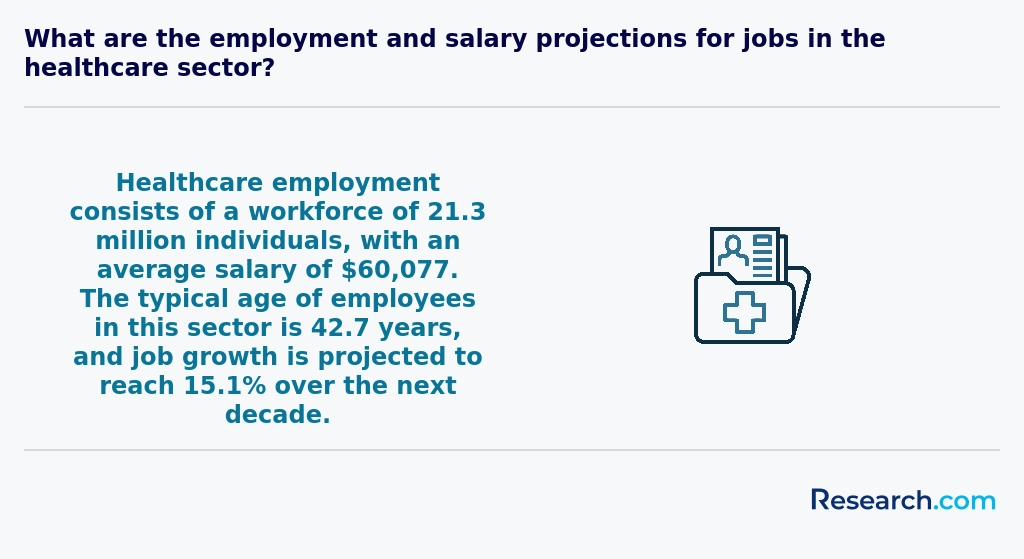
- Healthcare degree graduates in the Midwest can earn competitive salaries, such as Healthcare Consultants earning a mean annual wage of $115,530 and Healthcare Compliance Managers making around $80,190 per year.
- Career paths include roles in consulting, compliance management, and project management, offering a range of fulfilling opportunities for healthcare graduates from prominent Midwest universities like the University of Michigan.
- Online healthcare degrees provide flexibility and convenience, allowing graduates from schools like the University of Illinois online program to balance work and study while still gaining valuable credentials that help advance their careers.
- Key benefits of getting online healthcare degree in the Midwest
- What can I expect from online healthcare degree in the Midwest?
- Where can I work with online healthcare degree in the Midwest?
- How much can I make with online healthcare degree in the Midwest?
- 2027 Easiest Online Master's in Healthcare Degree Programs Ranking in the Midwest
- Key Findings
- How long does it take to complete online healthcare degree in the Midwest?
- Building Your Career with Certifications and Professional Development
- What's the difference between online and on-campus healthcare degree?
- Accreditation and Professional Certification
- What is the average cost of online healthcare degree in the Midwest?
- Accreditation and Professional Recognition
- What financial aid is available to online healthcare degree students in the Midwest?
- Career Pathways & Professional Growth After Graduation
- What are the prerequisites for enrolling in online healthcare degree program in the Midwest?
- Career Paths and Future Opportunities in Healthcare
- What courses are typically in online healthcare degree programs in the Midwest?
- What types of specializations are available in online healthcare degree programs in the Midwest?
- How do you choose the best online healthcare degree in the Midwest?
- What career paths are available for online healthcare degree students in the Midwest?
- What is the job market for online healthcare degree in the Midwest?
- Top Trending Healthcare Rankings
- See What Experts Have To Say About Studying Healthcare
What can I expect from online healthcare degree in the Midwest?
The average cost of an online healthcare degree in the Midwest often surprises students who expect sky-high tuition. Many graduates from public universities like those in Illinois or Ohio share how affordable their education was thanks to in-state tuition rates extended to online learners. One graduate recalls balancing evening shifts as a caregiver while appreciating how the manageable tuition allowed them to avoid excessive debt.
Financial aid and scholarships also play a crucial role; students frequently find unexpected relief through partnerships between local health organizations and their colleges. This creates a win-win scenario where financial barriers feel less daunting, and practical exposure becomes more accessible.
Consider a student from a Michigan university who describes how the relatively low cost enabled them to focus on complex topics like health informatics and telehealth rather than worrying about finances. This blend of affordability and quality cultivates excitement and determination, proving that a Midwest online healthcare degree can be both a valuable and attainable investment in your future.
Where can I work with online healthcare degree in the Midwest?
Graduates from online healthcare programs at Midwest institutions like the University of Illinois or Ohio State University often find themselves stepping into roles that defy traditional expectations. Instead of the typical hospital floor jobs, many are leading healthcare administration teams at major systems such as the Mayo Clinic or working remotely with telehealth startups in Missouri, blending clinical knowledge with cutting-edge technology.
Others discover a sense of purpose in public health agencies, managing community health initiatives in rural areas of Wisconsin or Michigan-efforts that directly improve lives far beyond city centers. These roles demand adaptability and a broad skill set, which online programs uniquely cultivate through flexible, real-world curricula.
Many online graduates share how their degrees opened doors to innovative sectors like health informatics and policy analysis at St. Louis insurance firms, turning data into strategies that save lives. Their journeys reveal that in the Midwest, an online healthcare degree is not just a credential-it's a catalyst for impactful, diverse, and evolving careers.
How much can I make with online healthcare degree in the Midwest?
Graduates holding online healthcare degrees from respected Midwestern institutions like the University of Illinois or Ohio State University often find themselves entering a job market with tangible financial rewards. For example, those stepping into roles as healthcare consultants in the region can anticipate mean annual wages around $115,530, a figure that significantly challenges the notion that online degrees limit earning potential.
A healthcare compliance manager, another common career path, commands a strong median salary near $80,190 annually. These figures reflect how the Midwest's evolving healthcare landscape, with its mix of urban hubs and growing suburban networks, supports lucrative opportunities for graduates.
Imagine a recent graduate who completed a nursing administration program online at Michigan State University, now overseeing regulatory compliance while earning a salary that surpasses many peers in traditional settings. This blend of education, flexibility, and solid compensation highlights the often-underestimated value of online healthcare degrees earned within this vibrant region.
2027 Easiest Online Master's in Healthcare Degree Programs Ranking in the Midwest
How do we rank schools?
Investing in your education is a significant decision that requires careful consideration, and the Research.com team fully recognizes the importance of providing trustworthy and accurate information. To support those seeking to advance their careers in healthcare, we have meticulously developed the "2027 Easiest Online Master's in Healthcare Degree Programs Ranking in the Midwest." Our dedication to quality, credibility, and precision is evident through the rigorous research and data analysis that underpin this ranking.
We utilized the following reputable data sources to ensure a comprehensive evaluation of healthcare master's programs:
By referencing this ranking, readers will gain valuable insights into the most accessible online healthcare master's programs in the Midwest, enabling informed decisions tailored to their educational goals. For more information on how we developed this ranking, please visit our Research.com methodology page.






# 20 position
Walden University
Master of Healthcare Administration

Key Findings
- Online healthcare degrees in the Midwest cover fields like nursing, healthcare administration, public health, and health informatics with regional accreditation.
- The cost for a full master's degree ranges from $15,000 to $30,000, with public universities typically more affordable than private ones.
- Entry-level healthcare professionals with master's degrees earn between $60,000 and $75,000 annually, with salaries growing to $90,000-$110,000 after 5-10 years.
- The job market is growing faster than average for roles like nurse practitioners and healthcare managers due to aging populations and rural healthcare needs.
- Programs often include local clinical placements or internships and offer part-time and asynchronous options for working adults.
How long does it take to complete online healthcare degree in the Midwest?
Completing an online healthcare degree in the Midwest often defies the straightforward timelines many expect. While full-time students at institutions like the University of Illinois or Ohio State University typically finish a bachelor's program in about four years, the reality for many part-time learners stretches to six years or more. One graduate recalls juggling a 40-hour workweek and family responsibilities, extending their program but gaining invaluable real-world insight alongside coursework.
Graduate degrees add complexity: a master's in healthcare administration from a Midwest college might take anywhere from 18 months to three years. Accelerated options invite driven students to finish within a year, but such intensity demands significant sacrifice. Others appreciate pacing their studies more slowly, balancing clinical hours with local healthcare partnerships, as found at universities like Michigan State.
Flexibility is key in the Midwest's online programs. Transfers from previous college credits can shrink timelines, but the choice to study part-time often reflects practical needs rather than delay. The layered experiences of these students reveal that completion time hinges less on a fixed schedule and more on personal circumstances and commitments.
Building Your Career with Certifications and Professional Development
In today’s rapidly evolving healthcare environment, further professional development through industry-recognized certifications can significantly enhance your degree’s value and accelerate your career trajectory. Earning targeted certifications not only demonstrates your commitment to excellence but also bridges the gap between academic preparation and real-world expertise. Many healthcare professionals complement their online degree with specialized credentials that can lead to higher compensation and favorable job prospects. For instance, pursuing medical certifications that pay well can open doors to roles in clinical management, health informatics, and advanced patient care, thereby reinforcing your competitive edge in the job market. Additionally, these certifications serve as a testament to your ability to stay updated with current practices, making you an attractive candidate for employers seeking both academic achievement and practical proficiency. By integrating certification programs into your career development plan, you create opportunities for mentorship, networking, and continuous learning-essential components for long-term success in the healthcare industry.
What's the difference between online and on-campus healthcare degree?
The core difference between online and on-campus healthcare degrees in the Midwest lies in how students engage with their education. On-campus learners at institutions like the University of Michigan or Ohio State savor the immediate buzz of campus life-connecting face-to-face with professors and peers fosters real-time collaboration that many find energizing. Imagine gathering in a lab at the University of Illinois, hands-on with medical equipment, reinforcing lessons through direct practice.
Meanwhile, online students from schools such as the University of Minnesota appreciate unmatched flexibility. They attend lectures via video streams and discuss coursework through forums, allowing them to balance family, work, and study in rural areas where commuting to Minneapolis or Chicago isn't practical. A graduate often shares how this access transformed their career path, making higher education achievable without uprooting their life.
Cost differences mirror this shift: online learners typically save 20-30% by avoiding housing and travel expenses, a meaningful relief especially in regions like Illinois or Ohio. Yet, both paths demand equally rigorous accreditation and clinical experiences, with online students securing local placements that tap into community hospitals, preserving hands-on training despite digital delivery.
Accreditation and Professional Certification
Accreditation is your first indicator of academic rigor and industry recognition for an online healthcare master’s program. Ensure your institution holds regional accreditation-often granted by bodies like the Higher Learning Commission (HLC)-to guarantee transferability of credits and federal financial aid eligibility. Programmatic accreditation from organizations such as the Commission on Accreditation of Healthcare Management Education (CAHME), the Commission on Accreditation for Health Informatics and Information Management Education (CAHIIM), or the Commission on Accreditation of Allied Health Education Programs (CAAHEP) further validates that specific curriculum components meet professional standards. Key considerations: • Regional Accreditation: Verify listings on the U.S. Department of Education or the Council for Higher Education Accreditation (CHEA). • Programmatic Accreditation: Confirm CAHME for healthcare management, CAHIIM for informatics, and CAAHEP for clinical specialties. • Certification Pathways: Accredited programs often qualify graduates to sit for credentials like the Certified Professional Coder (CPC), Certified Health Data Analyst (CHDA), or other relevant certifications-mirroring the pathways of respected medical billing and coding schools. Accredited graduates report seamless transitions to certification exams, increased employer confidence, and enhanced career mobility. Before applying, consult CHEA.org or the program’s accreditation page to confirm status-ensuring your degree investment leads to trusted credentials and tangible career advantages.
What is the average cost of online healthcare degree in the Midwest?
The average cost of an online healthcare degree in the Midwest sits around $26,250, a figure that often surprises those expecting prices closer to national averages. Students pursuing these programs at well-regarded institutions like Indiana University or Ohio State can expect median total costs near $18,879 for in-state learners and about $26,954 for out-of-state enrollees. These numbers challenge the assumption that quality healthcare education is unaffordable for Midwestern residents.
Graduates from these programs often reflect on how the balance between tuition fees and the flexibility of online study positively impacted their education journey. They share stories of managing coursework alongside family and work without the burden of costly housing or daily commuting expenses, making affordable online healthcare master's programs Midwest an enticing reality rather than a distant dream.
Even with these competitive tuition rates, students frequently note additional expenses that accompany degree programs, such as technology fees or textbooks. Yet, many find these manageable when compared with traditional campus programs. Plus, some universities offer financial aid or employer tuition reimbursement, adding another layer of support.
Midwestern students eager to advance their careers while minimizing debt often explore medical certifications that pay well as supplementary options or stepping stones before committing fully to a master's degree.
Accreditation and Professional Recognition
Accredited online master’s in healthcare degree programs ensure rigorous academic standards and seamless transferability of credits, boosting both employer trust and eligibility for professional certifications. In the Midwest, top schools typically hold regional accreditation from bodies like the Higher Learning Commission (HLC) and specialized accreditation from agencies such as the Commission on Accreditation of Healthcare Management Education (CAHME) or the Council on Education for Public Health (CEPH). These endorsements signal that curricula meet industry benchmarks, preparing graduates for roles that require licensure or certification, such as Certified Healthcare Executive (FACHE), Certified Professional in Healthcare Quality (CPHQ), and Registered Health Information Administrator (RHIA). Choosing an accredited program also affects your ability to sit for national exams and secure funding; many employers and federal aid programs mandate attendance at accredited institutions. For those planning to advance beyond a master’s degree, our Most Affordable Online Doctorate in Healthcare Degree Programs Ranking in St. Louis, MO highlights affordable, high-quality doctorate options that maintain these crucial accreditations. Always verify both regional and specialized accreditation status on the U.S. Department of Education’s database to ensure your degree meets professional and academic goals.
What financial aid is available to online healthcare degree students in the Midwest?
Many online healthcare students in the Midwest find financial aid isn't just abstract help-it's a lifeline that transforms their educational journey. Graduates from universities like the University of Illinois or Ohio State report critical support from federal loans, including Direct Unsubsidized and Grad PLUS Loans, which ease immediate financial pressures with manageable repayment options. These are not just numbers; they represent opportunity unlocked, asking students to focus on learning, not just budgeting.
State-specific grants, especially in Illinois and Ohio, create real impact-targeting nurses willing to commit to underserved rural communities. This isn't charity; it's a strategic partnership shaping Midwest healthcare futures. One graduate shared how such aid meant pursuing their nursing master's without abandoning their family responsibilities.
Institutional scholarships from popular Midwest colleges often reward merit or professional experience, offering a morale boost and financial breathing room. Employers' tuition reimbursements further fuel ambition, reflecting a healthcare ecosystem investing in its workforce's growth. When you combine professional organization scholarships, the financial aid landscape feels less daunting and increasingly personal.
Career Pathways & Professional Growth After Graduation
Graduates from top accredited online healthcare master’s programs in the Midwest enjoy diverse career trajectories that blend academic expertise with real-world practice. This section outlines a strategic roadmap for career advancement, supported by alumni success stories and actionable insights: • Certifications & Specializations: Enhancing your degree with additional credentials-such as Nurse Practitioner certification, Healthcare Quality Management, or Health Informatics-can open doors to advanced roles within regional health systems. Obtaining these certifications often translates into higher responsibilities and improved long-term salary prospects. • Networking and Mentorship: Midwestern healthcare communities are known for their strong professional networks. Engaging with alumni groups, joining professional associations, and participating in mentorship programs can provide invaluable industry contacts. These connections frequently lead to exclusive job opportunities and career guidance from established professionals. • Continuing Education: To stay ahead in a rapidly evolving field, many successful graduates invest in ongoing education through webinars, workshops, and specialized courses. This commitment to lifelong learning not only reinforces clinical competencies but also prepares professionals for leadership roles in administration, research, and technology-driven healthcare innovations. • Regional Opportunities: The Midwest offers a unique advantage with its collaborative work environment and community-based healthcare networks. Whether transitioning into clinical leadership, healthcare policy, or research roles, professionals can leverage localized partnerships and initiatives to excel in a competitive market. Real-life examples include an alumnus who transitioned from a clinical support role to hospital administration by supplementing their degree with targeted certifications, and another who advanced into public health management through active mentorship and continuing education. By aligning academic achievements with practical career strategies, graduates are well-prepared to contribute significantly to the evolving healthcare landscape while achieving their personal and professional milestones.
What are the prerequisites for enrolling in online healthcare degree program in the Midwest?
Think you're ready to enroll in an online healthcare degree in the Midwest? Most programs expect you to hold a bachelor's degree-even if it's not directly related to healthcare. Graduates from well-known Midwestern universities have shared how degrees in biology or psychology gave them confidence when starting their online master's, while others without a healthcare background found success by completing prerequisite courses in anatomy and physiology first.
GPA requirements tend to hover between 2.5 and 3.0, but some programs welcome applicants with diverse academic histories who bring relevant healthcare experience instead-like certified nursing assistants or medical office workers. One graduate from a top Ohio university cites their clinical experience as the key factor in admission, showing Midwest programs value real-world skills alongside transcripts.
While standardized tests like the GRE are fading, many schools ask for letters of recommendation and proof you can manage tech demands-because reliable internet and a quiet space matter just as much as grades. Ultimately, these prerequisites reflect a blend of academic readiness and practical adaptability unique to healthcare education in the Midwest.
Career Paths and Future Opportunities in Healthcare
Earning an online Healthcare degree in the Midwest opens doors to a wide spectrum of career pathways that blend clinical expertise, administrative leadership, and technological innovation. Graduates can explore roles such as Clinical Manager, Health Informatics Specialist, and Telehealth Coordinator, as well as positions in healthcare policy, research, and community health management. Many alumni report that their online studies not only provided a robust theoretical foundation but also delivered hands-on virtual experiences that translate seamlessly into workplace success. Additionally, shifting industry trends toward digital health solutions offer exciting opportunities in areas like remote patient monitoring, medical data analysis, and health IT administration. Each pathway builds on the key competencies developed during the program-including critical thinking, problem-solving, and effective communication-empowering graduates to adapt and thrive in an evolving healthcare landscape while fulfilling the growing demand for innovative professionals across the Midwest.
What courses are typically in online healthcare degree programs in the Midwest?
Online healthcare degrees in the Midwest often immerse students in courses that reflect the region's unique healthcare landscape. Graduates from prominent institutions like the University of Illinois or Ohio State share how foundational classes such as Introduction to Healthcare Systems helped them grasp the intricate workings of rural hospitals and urban clinics alike, revealing challenges that textbooks alone can't capture.
Ethical dilemmas and legal standards come to life in Healthcare Ethics and Law, where students debate real scenarios faced by Midwest providers, fostering a sense of responsibility beyond compliance. The rise of technology isn't ignored either-courses on Health Informatics prepare students for digital transformations they've witnessed firsthand in regional health centers upgrading to electronic records.
Leadership skills are sharpened with Health Policy and Management, crucial for making impactful decisions amid ongoing efforts to improve rural access and quality. Public health and epidemiology topics resonate deeply, as learners connect theory to community health issues they see around them every day.
Specialized classes like Healthcare Finance and Budgeting and Patient Care Coordination round out a curriculum designed to build both expertise and empathy. This holistic approach encourages students to view healthcare not just as a profession but as a vital community service in the Midwest.
What types of specializations are available in online healthcare degree programs in the Midwest?
The diversity of online healthcare degree specializations Midwest universities offer goes beyond the traditional expectations of simply nursing or administration. Graduates from popular Midwestern colleges report how Healthcare Administration courses enabled them to navigate complex hospital systems, blending leadership with financial savvy-skills critical amid the region's unique healthcare challenges. Meanwhile, those who pursued Nursing Specializations like Nurse Practitioner roles often reflect on how these programs respond to the 15% increase in regional demand, transforming their career trajectory with confidence.
Others pursuing Public Health focus on real-world epidemiology and environmental health issues that resonate deeply with Midwestern communities, addressing rural health disparities they personally witnessed. Health Informatics students discuss transforming heaps of data into actionable insights, seizing tech-driven opportunities shaping the future of patient care. Rehabilitation-focused graduates appreciate how programs cater to the aging population, preparing them to improve quality of life in their own neighborhoods.
For prospective students exploring Midwest healthcare master's degree options, affordability paired with specialization variety is key. Some students even combine their degrees with medical billing and coding schools knowledge to broaden job prospects in healthcare administration and technology.
How do you choose the best online healthcare degree in the Midwest?
Choosing the best online healthcare degree in the Midwest demands more than just scanning rankings or tuition costs. Graduates from well-known state universities often reflect on how accreditation and program-specific quality shaped their success, emphasizing that regional recognition coupled with respected credentials like CAHME or ACEN is non-negotiable. It's not merely about affordability but ensuring your investment leads to real opportunities in a growing job market where healthcare roles are expanding fast.
Students pursuing the best affordable online healthcare degrees Midwest often find themselves balancing career flexibility with rigorous curriculum. For example, some Midwestern public colleges offer asynchronous classes that empower working professionals to adapt studies around family or job demands, while others integrate clinical practice tailored to rural healthcare challenges-a vital niche in many communities here.
Consider programs known for strong support services and graduate outcomes. Many reflect that having accessible academic advising or career counseling changed their trajectory. If budget is a concern, researching options through rankings like the Most Affordable Online Doctorate in Healthcare Degree Programs Ranking in St. Louis, MO can illuminate pathways to high-quality yet economical education.
Pursuing the top accredited Midwest healthcare master's programs means carefully matching your professional goals with program strengths, not just chasing prestige. The right choice both challenges and supports you, offering a personalized journey in a sector that urgently needs skilled leaders.
What career paths are available for online healthcare degree students in the Midwest?
Graduates of online healthcare degree programs in the Midwest discover career paths that challenge traditional roles, merging flexibility with high demand. From bustling universities in Ohio to reputable colleges in Illinois, many find themselves drawn to healthcare administration, managing complex hospital operations where leadership skills meet real-world impact. Others embrace nursing, specifically advanced roles like nurse practitioners, addressing critical shortages throughout rural Midwest communities with rewarding salaries surpassing $110,000. These paths offer more than jobs; they offer purpose, echoing stories from recent graduates who balanced full-time work and studies through some of the region's top programs.
Public health careers also stand out, with graduates collaborating on projects that tackle opioid addiction or chronic disease management within Midwestern communities. The vigorous growth in healthcare informatics speaks to a future where data transforms care delivery, a field where students from Michigan's and Illinois' online programs excel. For those weighing options, exploring the best accelerated online degrees for working adults can reveal even more adaptable routes into this evolving sector. The Midwest healthcare career opportunities online are as diverse as they are promising.
What is the job market for online healthcare degree in the Midwest?
Graduates holding online healthcare degrees in the Midwest encounter a dynamic job market shaped by both urban hospital hubs and expanding rural telehealth networks. Those completing programs at popular institutions like the University of Illinois or Ohio State University often find that their qualifications open doors not only in traditional roles but also in emerging fields such as health information management. The Midwest healthcare degree employment outlook suggests robust growth, with graduates frequently sharing stories of quickly securing rewarding positions where flexibility and remote work options enhance their professional satisfaction.
For many, affordability and accessibility of online programs provide an invaluable pathway-allowing working adults in states like Michigan and Minnesota to upgrade skills without leaving their communities. This reality sharpens the appeal of online healthcare job opportunities Midwest, especially as roles like nurse practitioners and healthcare administrators expand. Reflecting on their journeys, several graduates praise the focused curriculum and regional relevance that prepare them to meet local healthcare demands effectively.
Students curious about navigating this landscape might explore what is the best open enrollment college to attend to find programs that match their career ambitions and lifestyle. The promise of solid employment prospects aligns well with the practical, cost-conscious approach many Midwestern learners prioritize.
Frequently Asked Questions About healthcare
Students pursuing online healthcare degrees in the Midwest can maximize their learning by actively engaging in virtual class discussions and utilizing campus resources available remotely. According to the National Center for Education Statistics, participation in online forums improves comprehension and retention. Additionally, seeking local healthcare internships or practicums helps build practical skills essential for career advancement in the region's growing healthcare sector, which employs over 1.5 million people as reported by the Illinois Department of Employment Security in 2023. Time management and setting a dedicated study space are also critical for success in self-paced online courses.
The healthcare field is evolving rapidly, with new niches emerging that offer promising career opportunities. In the Midwest, growing demand exists for professionals in telehealth, driven by expanded rural access and supported by state policies. According to the Great Lakes Health Connect, telemedicine usage increased by over 40% between 2020 and 2023.
Another expanding area is healthcare informatics, where data management and electronic health records play a critical role in improving patient care. The U.S. Bureau of Labor Statistics projects a 17% job growth rate for health information specialists through 2030.
Additionally, gerontology is gaining importance due to the aging Midwestern population, requiring specialists focused on elder care and chronic disease management.
Graduates with online healthcare degrees in the Midwest should focus on building practical experience alongside their academic credentials. Internships and clinical placements offered through online programs help develop hands-on skills and establish professional networks. According to the Bureau of Labor Statistics, healthcare employment in Midwest states like Illinois, Ohio, and Michigan is projected to grow by 13% through 2031, increasing demand for qualified professionals.
Certifications relevant to your field, such as Certified Professional in Healthcare Quality (CPHQ), can boost job prospects. Additionally, engaging with regional healthcare associations provides networking and continuing education opportunities. Preparing a strong resume reflecting both online coursework and clinical experience is essential for standing out in a competitive job market.
Employers in the Midwest seek healthcare graduates with strong clinical and technical skills, reflecting the region's growing demand for qualified professionals. According to the Bureau of Labor Statistics, the fastest-growing healthcare roles here require expertise in patient care and health information technology.
Besides medical knowledge, communication skills are critical. Employers value graduates who can effectively collaborate with diverse teams and communicate clearly with patients, as nearly 40% of Midwest healthcare workers report frequent teamwork challenges (Midwest Healthcare Workforce Report, 2023).
Data literacy and proficiency with electronic health records (EHR) systems are also essential, given the region's rapid adoption of digital health platforms. Problem-solving ability and adaptability remain key, ensuring new graduates can thrive in dynamic clinical environments.
Finding internships in the Midwest relevant to a healthcare degree often starts with exploring partnerships between online universities and local health systems. Many Midwestern states, including Illinois and Ohio, have over 70 major hospitals that frequently offer paid or unpaid internships in fields like nursing, public health, and healthcare administration (American Hospital Association, 2023).
Students should utilize their institution's career center, which often lists regional internship opportunities. Additionally, networking through professional organizations such as the Midwest Healthcare Executives Network can connect students to local healthcare employers.
Online job boards specialized in healthcare, like those from the National Healthcareer Association, also feature internships in the Midwest, improving access for remote students.
An online healthcare degree significantly enhances career mobility and advancement opportunities for professionals in the Midwest. With nearly 20% growth projected for healthcare occupations in the region by 2030, according to the U.S. Bureau of Labor Statistics, acquiring advanced credentials online allows workers to meet expanding employer demands conveniently.
Employers increasingly value online degrees from accredited Midwest institutions as evidence of expertise and self-discipline, especially in fields like healthcare administration and nursing. Such degrees can qualify graduates for leadership roles that offer higher salaries and greater responsibilities.
Moreover, online education reduces geographic barriers common in the Midwest, enabling students to balance work, family, and study while accessing quality programs. This flexibility supports professionals aiming to transition into emerging healthcare sectors or pursue certifications tied to career growth.
Studying for a healthcare degree online in the Midwest equips students with skills to work across multiple healthcare disciplines. Many Midwestern programs emphasize collaboration among nursing, public health, and health administration fields.
The region's strong network of healthcare systems fosters practical experience in interdisciplinary settings. According to the Midwestern Higher Education Compact, 65% of healthcare graduates engage in roles requiring teamwork across specialties.
Curricula often include courses on health informatics, policy, and management, reinforcing an integrated approach. This prepares graduates to address complex health challenges combining clinical and administrative expertise.
Online formats allow students to connect with diverse professionals, enhancing communication skills vital for interdisciplinary work in hospitals and community health organizations.
When choosing between a thesis and a non-thesis healthcare degree program in the Midwest, consider your career goals. A thesis option typically suits those aiming for research or doctoral studies, requiring original research and strong writing skills. Non-thesis programs often focus on practical skills and coursework, ideal for professionals seeking immediate workforce advancement.
Midwestern universities like the University of Illinois and Ohio State University offer both options, reflecting regional demand for versatile healthcare professionals. According to the National Center for Education Statistics, thesis programs can take longer but may enhance critical thinking skills valuable in healthcare leadership roles.
Additionally, consider your time availability; thesis tracks may require more time and faculty mentoring, while non-thesis options often appeal to working adults needing flexible schedules.
Students in the Midwest interested in studying healthcare abroad through online degrees have several options. Many U.S. institutions partner with foreign universities to offer dual-degree or exchange programs that combine online coursework with international experience. These programs allow students to gain global healthcare perspectives without relocating permanently. For example, some Midwestern universities collaborate with Canadian and European institutions recognized for their healthcare education.
Data from the National Center for Education Statistics shows that about 15% of healthcare graduate students in the Midwest engage in study-abroad or international collaborative programs.
Such opportunities are especially valuable given the Midwest's diverse healthcare needs and the growing demand for global competence among healthcare professionals.
Students pursuing online healthcare degrees in the Midwest can benefit from numerous part-time job opportunities that enhance their education and experience. Common roles include medical assistants, patient care technicians, and pharmacy technicians, which offer practical exposure to healthcare settings.
The Bureau of Labor Statistics reports a steady growth in these occupations across states like Illinois, Ohio, and Michigan, reflecting regional healthcare demand. Additionally, jobs in medical billing and coding provide valuable insight into healthcare administration, often available with flexible hours.
Volunteering or internships in local clinics and hospitals also supplement learning and networking. These positions help develop skills crucial for advanced healthcare roles while accommodating students' schedules.
Online healthcare students in the Midwest have access to several valuable networking opportunities despite distance learning. Many Midwestern universities partner with local healthcare organizations, allowing students to join professional groups and attend virtual career fairs. For example, the Midwest Healthcare Executives Network offers events tailored for healthcare management students.
The American Hospital Association reports that over 70% of healthcare job placements in the Midwest result from professional connections, underscoring the importance of networking. Students can also join LinkedIn groups focused on Midwestern healthcare sectors, enabling regional engagement.
Additionally, associations like the Illinois Health Information Management Association host webinars and conferences that welcome online learners, giving students direct contact with industry professionals and peers.
Alumni networks provide significant benefits to online healthcare degree students in the Midwest by fostering professional connections that can lead to job opportunities. Many Midwestern healthcare employers value graduates from regional programs, making a strong alumni network a vital resource for career advancement. According to the Lumina Foundation, nearly 60% of healthcare jobs in the Midwest are locally sourced, increasing the importance of smart networking. Alumni also offer mentorship, sharing insights about clinical practice and navigating licensure requirements specific to states like Illinois and Ohio. These networks keep students connected to regional healthcare trends, improving their chances of successful employment upon graduation.
Customizing an online healthcare degree program in the Midwest allows students to align their education with career objectives. Many Midwestern universities offer concentration options such as healthcare administration, informatics, or public health, enabling focused skill development. According to the Midwest Center for Healthcare Innovation, over 60% of regional programs emphasize flexible coursework and practicum placements tailored to industry demand.
Students can often choose elective courses, participate in local internships, or pursue certifications alongside their degree to boost employability. Online formats provide access to faculty experts and networking opportunities within Midwestern healthcare systems, known for their expanding telehealth services and aging populations. This adaptability helps graduates meet diverse employer needs across states like Illinois and Michigan.
Online healthcare students in the Midwest face several common challenges that impact their academic progress. One major issue is access to reliable high-speed internet, especially in rural areas where over 22% of residents lack broadband connectivity, according to the Federal Communications Commission (FCC). This can disrupt online classes and access to digital resources.
Another challenge is scheduling clinical placements. Many healthcare programs require hands-on experience, but rural and underserved areas often struggle to offer enough quality sites for students, complicating completion timelines.
Additionally, balancing work, family, and study commitments is a frequent difficulty, given the region's strong ties to farming and shifting healthcare demands documented by the Midwest Health Organization.
With an online healthcare degree, especially from a Midwest institution, students can pursue various professional certifications that enhance career opportunities. Common certifications include Certified Health Education Specialist (CHES), Project Management Professional (PMP), and Registered Health Information Technician (RHIT). These credentials are recognized nationwide and valued in the Midwest's growing healthcare market, which employs over 1.5 million people according to the Midwest Healthcare Workforce Report 2023.
For those interested in administration, Certified Medical Manager (CMM) is popular. Clinical roles might pursue certifications like Certified Professional in Healthcare Quality (CPHQ). Earning such certifications can increase salary potential and job security in this expanding sector.
Writing a winning application for an online healthcare degree in the Midwest starts with thorough research. Highlight your understanding of regional healthcare challenges, as the Midwest faces unique issues such as rural health disparities, according to the CDC. Strong academic records and relevant experience in healthcare or related fields boost your chances significantly. Emphasize skills like critical thinking and communication, which are vital for online learning success. Tailoring your personal statement to reflect your commitment to improving Midwestern healthcare demonstrates genuine motivation. Additionally, securing strong recommendation letters from professionals familiar with your healthcare background can improve your application.
The global perspective on healthcare careers highlights increasing demand driven by aging populations and chronic disease management. In the United States, healthcare employment is expected to grow 13% from 2021 to 2031, according to the Bureau of Labor Statistics. This growth reflects trends seen worldwide, where healthcare professionals are essential for improving patient outcomes and public health.
Midwestern states like Illinois and Ohio show strong regional growth in healthcare jobs, with Illinois expecting over 53,000 new healthcare jobs by 2030 (Illinois Department of Commerce). Online healthcare degrees offer flexibility to meet this demand, aligning education with global workforce needs.
As health systems modernize, skills in telehealth and data management are increasingly valuable, reflecting global shifts in healthcare delivery methods and creating broad career opportunities.
Gaining practical experience while pursuing an online healthcare degree in the Midwest is essential for building skills and improving job prospects. Many accredited programs partner with local hospitals, clinics, and health organizations to offer clinical placements or internships near you. You can often complete these hours at approved facilities close to your home, allowing flexibility alongside your online coursework.
In states like Illinois and Michigan, healthcare employers actively collaborate with universities to support student externships. According to the Midwest Healthcare Workforce Center, over 60% of online healthcare students complete hands-on training locally. This real-world exposure is crucial for mastering patient care, medical technology, and healthcare management.
Additionally, some programs provide virtual simulations to supplement clinical practice, helping develop critical decision-making skills remotely.
Choosing the right concentration within an online healthcare degree program in the Midwest starts with understanding regional healthcare needs. The Midwest faces unique challenges, such as rural health care shortages. According to the Health Resources & Services Administration, many Midwestern rural areas are designated as Health Professional Shortage Areas (HPSAs).
Identify concentrations that address these gaps, such as rural health management, public health, or health informatics. Also, consider career goals and employer demand in states like Illinois, Ohio, or Minnesota, where healthcare jobs are growing faster than the national average. Reviewing program curricula and faculty expertise can further guide you toward the best fit for your ambitions.
Top Trending Healthcare Rankings
See What Experts Have To Say About Studying Healthcare
Read our interview with Healthcare experts

References
- Health Careers Institute - IL https://www.midwestern.edu/community-media/HCI-IL
- How Long Does It Take to Earn a Healthcare Administration ... https://campus.edu/blog/hash-campus/how-long-does-it-take-to-earn-a-healthcare-administration-degree-online
- Healthcare Students Learning https://www.unlvhealth.org/article/healthcare-students-learning
- Online & Blended Medical Programs Missouri https://www.midwestinstitute.edu/online-programs/
- Online Bachelor of Science in Health Care Management https://www.ic.edu/healthcare-mgmt/online
- Top Colleges for Health & Medicine in the Midwest https://www.collegexpress.com/interests/health-medicine/articles/life-health-science-major/great-health-and-medicine-colleges-midwest/
- A multimodal education, including community partnerships, ... https://www.dovepress.com/a-multimodal-approach-to-education-at-a-rural-midwestern-physical-ther-peer-reviewed-fulltext-article-AMEP
- Midwestern Career College | Career-Focused Education ... https://mccollege.edu/
- Online MHA Programs Ranked by Affordability (2026) https://www.mhaonline.com/blog/affordable-online-mha-programs-ranked
- Reaching Out into the Community at High School of Health ... https://www.fullscalelearning.org/cw/reaching-out-into-the-community-at-high-school-of-health-sciences/


