
2027 Most Popular Healthcare Degree Programs Ranking in University

Co-Founder and Chief Data Scientist
Choosing the right healthcare degree program can shape your future career and open doors to rewarding opportunities. This article presents the 2027 Most Popular Healthcare Degree Programs Ranking in University, created by the Research.com team of data scientists.
Designed to help you make an informed choice, the ranking highlights programs worth considering based on thorough analysis. Whether you're passionate about patient care, research, or healthcare management, this guide offers valuable insights.
Explore the options that align with your goals and take a confident step toward a fulfilling career in healthcare.
Key benefits of getting healthcare degree in University
- Healthcare degree graduates in University can expect competitive salaries, such as $43,350 annually for Medical Assistants and Clinical Research Coordinators, up to $103,150 for Quality Improvement Coordinators, reflecting strong financial rewards for their skills.
- Graduates from popular University programs often find diverse career paths, including roles in patient care, health information technology, and clinical research, offering exciting opportunities to make a real difference in healthcare.
- Completing a healthcare degree online through recognized University programs provides flexibility and convenience, allowing students to balance studies with personal commitments while gaining valuable skills recognized by employers.
- Key benefits of getting healthcare degree in University
- What can I expect from healthcare degree in University?
- Where can I work with healthcare degree in University?
- How much can I make with healthcare degree in University?
- 2027 Most Popular Healthcare Degree Programs Ranking in University
- Key Findings
- How long does it take to complete healthcare degree in University?
- Accreditation and Licensing Requirements
- What's the difference between online and on-campus healthcare degree?
- Essential Tips for Succeeding in Your Healthcare Degree Program
- What is the average cost of healthcare degree in University?
- Emerging Trends and Future Opportunities in Healthcare Education
- What financial aid is available to healthcare degree students in University?
- Certification and Licensure Requirements
- What are the prerequisites for enrolling in healthcare degree program in University?
- Integrating Nutrition and Wellness into Healthcare Education
- What courses are typically in healthcare degree programs in University?
- What types of specializations are available in healthcare degree programs in University?
- How do you choose the best healthcare degree in University?
- What career paths are available for healthcare degree students in University?
- What is the job market for healthcare degree in University?
- Top Trending Healthcare Rankings
- See What Experts Have To Say About Studying Healthcare
What can I expect from healthcare degree in University?
The average cost of a healthcare degree in University can vary widely, but students pursuing degrees at renowned institutions often report tuition and fees ranging from $20,000 to $50,000 per year for public and private universities. Graduates from popular healthcare programs in University describe navigating expenses that include not only tuition but also lab fees and clinical placement costs, which are essential for gaining hands-on experience.
Many healthcare students balance these costs with financial aid or scholarships, making the investment feel rewarding rather than overwhelming. For example, students from well-known universities specializing in nursing or health administration emphasize how the quality of simulation labs and internship partnerships justify the expense by preparing them for successful careers.
Looking ahead, universities may incorporate more digital tools and virtual clinical experiences, potentially lowering costs while enhancing learning flexibility. Graduates envision a future where emerging technologies reduce financial burdens and expand access, helping more aspiring healthcare professionals achieve their goals without sacrificing quality education.
Where can I work with healthcare degree in University?
Graduates from healthcare programs at universities in University often find themselves stepping into dynamic roles right after graduation. For instance, many who studied at universities known for strong healthcare departments secure positions as registered nurses in bustling hospitals or community health centers, where their hands-on training at school directly translates to real-world impact. The excitement of applying simulated clinical skills in critical environments energizes these new professionals.
Others take paths into healthcare administration, managing departments or improving patient services at major University hospitals or local health agencies. Their ability to navigate healthcare policies, honed through rigorous coursework and internships, empowers them to lead positive changes in healthcare delivery.
Graduates specializing in healthcare informatics or public health often collaborate with University research centers or nonprofit organizations, analyzing data to predict health trends or planning community wellness programs. These roles tap into their passion for tech and community engagement learned during their studies.
Allied health roles like physical therapy or radiologic technology offer rewarding careers filled with direct patient interaction, which many University-trained graduates cherish as meaningful and fulfilling experiences.
Finally, some remain in academia or campus health services at well-known University colleges, blending research and education roles that keep them connected to innovative healthcare advancements while supporting student wellbeing.
How much can I make with healthcare degree in University?
Graduates from healthcare programs at prominent universities in University find promising earning potential right after finishing their degrees. For example, medical assistants typically start with a mean annual wage of around $43,350, while patient care technicians earn closer to $60,790, reflecting a strong entry point for those just embarking on their careers. Health information technicians, also common graduates from University programs, make roughly $43,380 annually, which many find encourages a stable and rewarding path early on.
Those aiming higher might pursue roles like quality improvement coordinators, where salaries jump significantly to an average of $103,150 per year. Many graduates from University's respected health science departments share stories of quickly moving into such positions, energized by the prospect of impacting healthcare quality while enjoying substantial financial rewards.
These figures inspire optimism among students who appreciate how their specialized training translates to real-life success. Whether working in bustling hospitals or innovative research centers in University, recent graduates feel confident their degrees open doors to growth and competitive pay in evolving healthcare fields.
2027 Most Popular Healthcare Degree Programs Ranking in University
How do we rank schools?
Investing in your education is a significant decision that can shape your future, and the Research.com team understands the importance of making informed choices. To assist prospective students, we have meticulously crafted the "2027 Most Popular Healthcare Degree Programs Ranking in University." Our commitment to quality, credibility, and accuracy is demonstrated by the extensive research and analysis undertaken to compile this ranking.
We utilized the following reputable data sources to ensure a comprehensive evaluation of healthcare degree programs:
By exploring this ranking, readers will gain valuable insights to make well-informed decisions about their educational paths in healthcare. For more information about how this ranking was created, please visit our Research.com methodology page.

Key Findings
- The total cost for a bachelor's degree in healthcare ranges from $40,000 to $120,000, varying by public or private school and residency status.
- Entry-level salaries average around $60,000 for nurses with a BSN and $50,000 for health administration graduates.
- The median annual wage for healthcare practitioners and technical jobs is approximately $69,870, with higher earnings for specialized roles.
- Employment in healthcare occupations is projected to grow 13% from 2021 to 2031, faster than most other fields.
- Many programs require clinical experience or internships, and some healthcare careers need graduate degrees or professional licenses.
How long does it take to complete healthcare degree in University?
Completing a healthcare degree at universities like the University of Michigan or the University of North Carolina often takes about four years for an undergraduate program. Many graduates describe their journey as both challenging and rewarding, appreciating the balance of classroom learning and hands-on clinical experiences. This typical timeframe lets students build strong foundations in nursing, health sciences, or healthcare administration.
For those aiming higher, pursuing specialized roles often means extending study durations. Graduates from programs at institutions such as Johns Hopkins or Duke report committing six to eight years when including medical school or advanced degrees like a Master of Public Health. These paths require dedication but open doors to impactful careers and leadership in healthcare.
Emerging trends hint at growing availability of accelerated and bridge programs that could reduce timeframes, making education more flexible without sacrificing quality. Students juggling work or family obligations find these options hopeful, enabling them to pursue their goals with greater ease and enthusiasm in dynamic university settings.
Accreditation and Licensing Requirements
Choosing an accredited healthcare program in University, MS ensures you meet industry standards and qualify for licensure exams. Most institutions hold regional accreditation from the Southern Association of Colleges and Schools Commission on Colleges (SACSCOC), while specific programs-such as nursing-often carry additional approval from bodies like the Commission on Collegiate Nursing Education (CCNE) or the Accreditation Council for Education in Nutrition and Dietetics (ACEND). Before enrolling, verify that your chosen degree satisfies the Mississippi State Board of Nursing or relevant licensing authority. For example, bachelor’s-prepared nurses must pass the NCLEX-RN exam, and health information technicians may need certification from the American Health Information Management Association (AHIMA). Employers increasingly prefer candidates with both a degree and industry credentials, so confirm whether clinical hours, internships, or capstone projects align with state requirements. Financially, prospective students balancing costs and accreditation can explore our Affordable Online Healthcare Degree Programs Ranking in the Midwest, which highlights budget-friendly, fully accredited options. Additionally, keep in mind that maintaining licensure often requires continuing education units (CEUs)-plan for these expenses and renewal deadlines to ensure seamless career progression. By prioritizing accredited programs and understanding licensing prerequisites, you’ll be better positioned to launch a compliant, respected healthcare career in University, MS.
What's the difference between online and on-campus healthcare degree?
Graduates from leading healthcare programs in University often describe their on-campus experiences as deeply immersive, highlighting the direct, hands-on training in labs and clinical settings that bring theory to life. Imagine walking through the halls of a well-known University hospital, collaborating face-to-face with professors and peers, which fosters rich professional relationships and immediate feedback during clinical practicums.
Meanwhile, those from top online healthcare programs in University praise the flexibility to balance studies with personal or work commitments. One graduate shares how remote learning allowed them to manage childcare while completing coursework through digital platforms. However, they emphasize the need for strong self-discipline and proactive effort to secure local clinical placements, which remain a vital component regardless of delivery format.
Cost differences between these formats can influence choices, with online learners saving on housing and commute, while on-campus students value the vibrant learning environment and networking possibilities unique to University campuses known for healthcare education.
Essential Tips for Succeeding in Your Healthcare Degree Program
Preparing for a rigorous healthcare degree requires proactive planning and a commitment to personal growth both inside and outside the classroom. Students can enhance their academic performance by establishing a consistent study routine, participating in study groups, and utilizing available campus resources like tutoring services and career counseling. Emphasize hands-on learning by seeking out internship opportunities and attending workshops or seminars related to the latest advancements in healthcare technology. Moreover, building strong professional networks through alumni associations and mentorship programs can provide invaluable insights and open doors to future career opportunities. For instance, many successful students attribute their accomplishments to early career planning and continuous engagement with peers and professionals in the field. Be sure to research various program options to find one that aligns with your career goals, such as exploring the best popular healthcare degree available in your area. These strategies not only prepare you for the academic challenges ahead but also position you to thrive in a rapidly evolving healthcare landscape.
What is the average cost of healthcare degree in University?
The average healthcare degree cost in University currently centers around $43,500 in total tuition, offering a clear benchmark for aspiring students. Those attending as in-state students often experience lower fees, with median costs around $9,772, making degrees more accessible locally. Out-of-state students, however, typically face the full $43,500, which can feel substantial but reflects the broader value of the education they receive.
Graduates from well-known colleges in University frequently share how the investment feels worthwhile, given the hands-on training and resources available. One common story involves nursing students across top programs who highlight how clinical placements and state-of-the-art labs enhance their learning, despite added expenses. These vivid experiences showcase the balance between cost and quality, a crucial factor when considering healthcare degree tuition and fees in university programs.
Looking ahead, evolving educational models and financial aid options could shift these figures, potentially reducing the overall burden while maintaining quality. Meanwhile, practical expenses like textbooks, licensing exams, and health-related requirements remain part of the equation. Students actively planning their journey often explore how to combine aid and scholarships effectively, reinforcing positivity through careful budgeting and support.
For those intrigued by broader impacts, understanding public health promotion impact helps connect their future careers to community well-being, enriching the value of their degree beyond tuition costs alone.
As healthcare education continues to evolve, prospective students weighing the average healthcare degree cost 2027 will find that both local and statewide factors shape their financial and academic pathways considerably.
Emerging Trends and Future Opportunities in Healthcare Education
As the healthcare landscape continues to evolve at an unprecedented pace, staying informed about emerging trends is crucial for prospective students in University, MS. In today’s dynamic environment, innovations such as telemedicine, artificial intelligence, and data analytics are reshaping how healthcare services are delivered and managed. These advancements not only open new avenues for graduates but also call for enhanced educational programs that incorporate state-of-the-art technology and innovative teaching methodologies. Forward-thinking institutions are now integrating interdisciplinary approaches-merging traditional healthcare studies with digital tools and business management strategies-to prepare students for a more connected future. This transformation allows graduates to be more agile in the job market, accessing a broader spectrum of career opportunities ranging from clinical roles to leadership positions in healthcare settings. For those exploring higher education options, investing in the best popular healthcare degree can be a strategic decision, given the robust demand for professionals who can navigate both patient care and technological innovation. Furthermore, current trends indicate that continuous professional development and micro-credentialing are becoming vital. These flexible learning options ensure that alumni can keep pace with rapid industry changes and maintain their expertise long after graduation. Ultimately, understanding and adapting to these emerging trends can significantly enhance career prospects and ensure long-term success in the healthcare sector.
What financial aid is available to healthcare degree students in University?
Students pursuing healthcare degrees at universities such as those in University often rely on a mix of federal student aid, scholarships, and work-study options to ease financial pressures. For example, many graduates recall how Pell Grants, offering up to $6,895 annually, were vital in bridging gaps where tuition reached beyond the average $10,940 for public institutions. This grant's impact feels especially meaningful when navigating the higher costs of specialized healthcare programs.
Scholarships targeted at nursing, public health, or medical technology disciplines often come from organizations like the American Nurses Foundation, offering essential support that many healthcare students vividly remember as a turning point in their education journey. Work-study roles tied to healthcare not only provide income but also hands-on experience, something graduates from University colleges often highlight as boosting both their finances and confidence.
Looking forward, increased access to loan forgiveness programs such as Public Service Loan Forgiveness provides hopeful prospects for those who commit to underserved communities, making the dream of serving others more attainable and inspiring for future healthcare professionals.
Certification and Licensure Requirements
Upon completing a healthcare degree in University, MS, graduates must pursue state and national certifications to ensure they meet professional standards and legal requirements. For example, registered nurses (RNs) are required to pass the NCLEX-RN exam to secure licensure from the Mississippi Board of Nursing, while advanced practice roles such as nurse practitioners must obtain additional credentials through the American Nurses Credentialing Center (ANCC). Similarly, medical assistants often aim for the Certified Medical Assistant (CMA) designation administered by the American Association of Medical Assistants (AAMA). Many students seeking affordability and quality exam preparation turn to the cheapest cma program, which combines online coursework with hands-on clinical experience. Key steps to navigate certification and licensure include:
- Reviewing state board requirements: Each healthcare profession in Mississippi has specific educational prerequisites, background checks, and continuing education mandates.
- Exam preparation: Utilize official study guides, practice tests, and review courses offered by accredited institutions.
- Application submission: Compile transcripts, proof of clinical hours, and application fees; submit these materials early to avoid delays.
- Maintaining credentials: Complete required continuing education units (CEUs) and renew licenses per state guidelines, typically every one to two years. Understanding these processes early in your academic journey not only ensures a smooth transition into the workforce but also demonstrates commitment to patient safety and professional excellence.
What are the prerequisites for enrolling in healthcare degree program in University?
To enroll in a healthcare degree program at a university in the United States, students typically need a solid foundation in sciences such as biology, chemistry, and physics, along with math skills including algebra and sometimes statistics. Graduates from well-known universities often recount how mastering these subjects before college gave them the confidence to excel during their rigorous coursework.
Many programs expect applicants to hold a high school diploma or GED, and some popular schools in University require standardized test scores like the SAT or ACT, though this is shifting toward test-optional policies. For those entering graduate programs, a relevant undergraduate degree and strong GRE or MCAT scores are often crucial, a hurdle many graduates describe as challenging but rewarding once overcome.
Real-life experiences like volunteering in hospitals or completing internships also weigh heavily. Students from leading healthcare colleges describe how these hands-on experiences not only enhanced their understanding but fueled their passion, making academic challenges feel purposeful and inspiring.
Applicants must also prepare for background checks and immunizations, critical steps ensuring safety in clinical settings that students find reassuring, knowing they contribute to trustworthy patient care environments.

Integrating Nutrition and Wellness into Healthcare Education
In today’s evolving healthcare landscape, integrating nutrition and wellness into traditional healthcare education is becoming increasingly vital. Students and professionals alike are recognizing that a strong foundation in nutrition not only enhances patient care but also supports preventative health measures, leading to improved long-term outcomes. Emphasizing nutrition concepts in coursework and practical experiences prepares graduates to offer comprehensive patient support-from advising on dietary changes to collaborating with interdisciplinary teams focused on holistic wellness. This integrated approach can set a healthcare professional apart in the competitive job market by aligning with current industry trends and evidence-based practices. Moreover, students interested in expanding their expertise may benefit from exploring additional learning avenues, such as the best nutrition programs online, which further reinforce the critical connection between diet, health, and patient recovery. By blending nutrition education with clinical training, institutions are fostering a new generation of healthcare professionals equipped to meet diverse patient needs and drive future innovations in wellness and preventative care.
What courses are typically in healthcare degree programs in University?
Healthcare degrees at universities in the United States typically blend foundational sciences like anatomy, physiology, and microbiology with specialized courses tailored to evolving industry needs. Graduates from prominent institutions often describe their early semesters as eye-opening, navigating through biology labs at colleges known for strong healthcare programs, gaining hands-on experience that cements complex concepts.
As students advance, their coursework shifts toward healthcare ethics, pharmacology, and health informatics-fields increasingly vital with the surge of digital health technologies. For instance, those studying at universities with cutting-edge simulation labs find themselves confidently managing patient care scenarios that mirror real clinical settings, enhancing their readiness for future healthcare roles.
Additionally, healthcare administration and public health classes provide insight into systemic challenges, preparing students to lead policy changes. Many students reflect on internships during their studies, where applying classroom knowledge to practical situations at local hospitals or community health centers instills both confidence and a sense of meaningful contribution.
This blend of rigorous science and practical application creates a dynamic learning experience, equipping students to innovate in a rapidly advancing healthcare landscape.
What types of specializations are available in healthcare degree programs in University?
Healthcare degree specializations in 2027 are evolving to meet the dynamic needs of medical fields taught at universities across the country. Students pursuing popular healthcare degree programs in university often find themselves choosing between Nursing pathways such as nurse practitioner, nurse anesthetist, or nurse midwifery-roles that graduates describe as deeply fulfilling due to their hands-on clinical impact.
Others are drawn to public health, focusing on community wellness and epidemiology, inspired by real-world global challenges. Healthcare administration remains a sought-after specialization, with graduates recounting how programs at top colleges sharpen their business acumen to effectively manage healthcare systems. Allied health fields like respiratory therapy and physical therapy provide tangible patient recovery experiences that many find rewarding.
Innovative students often explore pharmacy or medical laboratory science, where technology and precision take center stage. Those interested in direct patient care frequently seek nurse practitioner degrees wisconsin clinical hours to gain invaluable practical exposure early on.
How do you choose the best healthcare degree in University?
Choosing the best healthcare degree in University increasingly means looking beyond traditional factors. Graduates from well-known colleges in University often emphasize how aligning a program with emerging healthcare technologies and interdisciplinary skills can open doors in this rapidly evolving field. For example, students passionate about both patient care and data analytics find combined programs especially rewarding.
Financial considerations remain crucial; hence, comparing tuition through a top university healthcare degrees cost comparison can help avoid excessive debt. Recent graduates share that practical training opportunities, such as internships in local hospitals, greatly enhanced their confidence and job readiness. These hands-on experiences often differentiate the best programs from merely good ones.
Exploring programs with strong online options is also a growing trend. Prospective students interested in nursing should check out the best online nursing programs in new york, which offer flexibility without compromising quality. Such programs usually maintain high accreditation standards, which is vital for certification and career growth.
Ultimately, focusing on career alignment and market demand helps future-proof your education so you're prepared for 2027 and beyond.
What career paths are available for healthcare degree students in University?
Graduates with a healthcare degree from a university in University find career opportunities expanding beyond traditional roles. Many step into clinical positions as registered nurses or physician assistants, enjoying strong job security and personal fulfillment from patient care. Others explore allied health professions, such as respiratory therapists or radiologic technicians, often finding rewarding careers with specialized skills. Students from popular colleges in University report excitement about healthcare administration roles, where they apply both healthcare knowledge and management expertise to improve hospital operations.
Emerging trends also point toward public health careers focused on community well-being and epidemic prevention, fields growing increasingly important. Graduates interested in research or pharmaceuticals collaborate with universities and government agencies to push medical innovation forward. For a practical glimpse, those considering nursing often consult resources about nursing schools dallas class size to understand training environments.
These diverse paths illustrate the robust healthcare degree career opportunities in 2027, reflecting strong university healthcare degree job prospects tied to evolving healthcare demands and technological advancements.

What is the job market for healthcare degree in University?
The healthcare degree job market 2027 in University remains vibrant, with graduates finding rewarding roles in hospitals, clinics, and community health centers around the state. Those completing nursing programs at well-regarded University colleges often share how their clinical rotations helped them build confident patient-care skills, making the transition to registered nursing positions smoother and more competitive.
Graduates pursuing physician assistant or therapy-related degrees experience exciting opportunities, especially in metropolitan areas near University, where technological advances and expanded healthcare coverage drive demand. These students highlight supportive faculty and hands-on internships as key factors that prepare them for roles with median salaries well above the national average.
Costs to earn these degrees at University institutions may be higher than average, but many find that financial aid and scholarships help bridge the gap. Students interested in specialized areas benefit from programs designed to align with future workforce needs.
A growing number of those exploring accessible alternatives also research online nursing degrees new jersey job prospects to balance education with life commitments while maintaining strong career trajectories in healthcare fields.
Frequently Asked Questions About healthcare
Healthcare degree students in the United States can maximize their learning by engaging actively in both coursework and practical experiences. According to the National Center for Education Statistics (NCES), over 70% of healthcare programs incorporate clinical placements, which are crucial for applying theoretical knowledge in real-world settings. Participating in internships and volunteering alongside professionals provides valuable hands-on skills.
Additionally, students should take advantage of campus resources like tutoring centers and study groups. Networking with faculty and attending healthcare seminars or conferences enhances understanding of current industry trends. Time management and staying updated on new medical research are other important strategies.
The healthcare field is rapidly evolving, creating new opportunities for students pursuing degrees in the United States. Emerging niches include telehealth, where technology improves patient care remotely, and healthcare informatics, which blends IT skills with medical knowledge. According to the Bureau of Labor Statistics, jobs in healthcare informatics are expected to grow 36% from 2021 to 2031, much faster than average.
Precision medicine is another growing area, focusing on customized treatments based on patients' genetics. Universities like Johns Hopkins and University of California offer specialized programs in this discipline. Additionally, population health management and mental health services are expanding to meet increasing public needs.
Preparing for the job market after completing a healthcare degree in University requires strategic planning and practical experience. According to the National Association of Colleges and Employers (NACE), over 60% of employers prefer candidates with relevant internships or clinical experience. Engaging in internships, volunteer work, or part-time jobs in healthcare settings during studies increases employability and builds essential skills.
Networking is crucial; joining professional organizations such as the American Public Health Association or the American Medical Association provides access to job boards, mentorship, and industry events. Additionally, obtaining relevant certifications, like CPR or specialized licenses, enhances a graduate's marketability.
Employers in the US healthcare sector prioritize a blend of technical and interpersonal skills when hiring graduates from healthcare degree programs. Critical thinking and clinical competence rank highest, as these skills directly impact patient care quality. According to the National Center for Education Statistics, over 75% of employers seek strong problem-solving abilities in new graduates.
Communication skills are also essential. Healthcare professionals must clearly convey complex information to patients and colleagues. A 2023 survey by the American Association of Colleges of Nursing emphasizes communication as a top skill for successful clinical practice.
Additionally, adaptability and teamwork remain vital. The healthcare environment is fast-paced and continually evolving, requiring professionals who can collaborate effectively and adjust to new protocols. These competencies prepare graduates to meet the demands of modern healthcare settings with confidence.
Finding internships relevant to a healthcare degree at University involves proactive research and leveraging campus resources. Many US universities partner with local hospitals, clinics, and healthcare organizations to offer internship opportunities tailored for healthcare students. According to the National Association of Colleges and Employers (NACE), approximately 55% of healthcare students secure internships through university career centers.
Students should regularly visit their university's career services office and attend health-related career fairs. These events often feature employers specifically looking for healthcare interns. Online platforms like Handshake, widely used by US universities, also list healthcare internships.
Networking with professors and joining healthcare student organizations can provide valuable connections for internships that enhance practical experience, a critical factor highlighted by the Bureau of Labor Statistics for employment in healthcare careers.
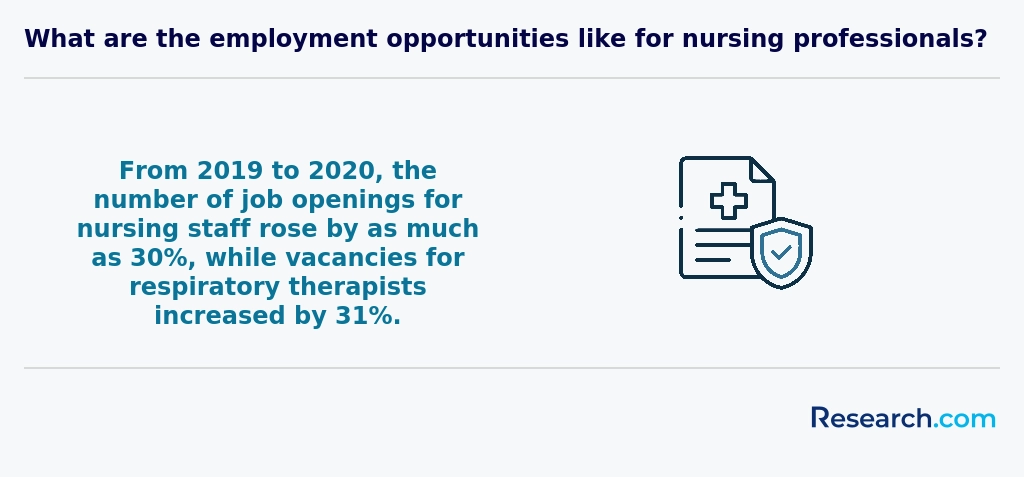
A healthcare degree in the US often significantly enhances career mobility and advancement opportunities within the medical and health services industries. According to the Bureau of Labor Statistics (BLS), healthcare occupations are projected to grow 13% from 2021 to 2031, faster than the average for all occupations. This growth creates a dynamic job market where degree holders have access to diverse roles, from clinical positions to healthcare administration.
Graduates with healthcare degrees typically qualify for higher starting salaries and more leadership roles. For example, obtaining a Bachelor of Science in Nursing (BSN) can lead to management positions and specialized certifications, boosting career advancement.
Additionally, many universities offer programs with strong clinical partnerships, improving graduates' practical skills and networking, which further supports upward mobility. Credentials obtained through accredited institutions also meet employer standards, enhancing job security and promotion prospects.
Studying for a healthcare degree in the US university system equips students with a broad understanding of medical, social, and technological aspects critical to interdisciplinary roles. Healthcare programs emphasize collaboration among professionals such as doctors, nurses, pharmacists, and social workers, preparing graduates to work effectively in diverse teams. According to the National Center for Education Statistics, over 60% of healthcare degree students participate in interdisciplinary coursework or clinical experiences.
These programs also incorporate communication skills and ethical training, essential for coordinating patient care across different specialties. Many universities partner with hospitals and clinics to provide real-world practice in teamwork and problem-solving, enhancing readiness for complex healthcare environments.
When choosing between a thesis and a non-thesis healthcare degree program at a US university, consider your career goals first. Thesis programs typically require original research and are suited for students aiming for academic or research careers. According to the National Center for Education Statistics, about 40% of master's healthcare degrees include a thesis option, commonly in fields like public health or nursing research.
Non-thesis programs focus more on practical skills and coursework, ideal for professionals seeking advanced clinical or administrative roles. These programs often require internships or capstone projects instead of formal theses. Understanding these differences helps students align their choice with future employment or further education plans.
Students based in University seeking healthcare degrees have multiple options for studying abroad through U.S. higher education programs. Many universities participate in exchange programs that allow study at partner institutions worldwide, providing exposure to diverse healthcare systems.
Popular destinations include Europe, Canada, and Australia, known for strong healthcare education frameworks. According to NAFSA, over 30% of U.S. healthcare students opt for international experiences to improve clinical skills and cultural competence.
Some programs offer summer internships or short-term clinical placements abroad, focusing on global health challenges. Additionally, accredited online courses provide flexible international curricula tailored to healthcare professions, expanding study abroad possibilities without leaving home.
These options enhance professional development and global awareness critical for healthcare careers.
Students pursuing healthcare degrees in University often seek part-time jobs that enhance their practical knowledge and resume. Common roles include medical scribing, where students assist doctors by documenting patient visits, improving understanding of clinical workflows. According to the American Medical Association, scribing positions can boost retention of medical terminology and procedures.
Other opportunities include roles as certified nursing assistants (CNAs) or emergency medical technicians (EMTs), which offer hands-on patient care experience. Universities also offer research assistant positions in healthcare labs, allowing engagement with scientific methods and data analysis.
These roles not only supplement academic learning but also improve job prospects post-graduation.
Networking opportunities for healthcare students at universities in the US are diverse and essential for career development. Many institutions offer access to professional organizations such as the American Medical Student Association (AMSA) and the National Student Nurses' Association (NSNA), where students can connect with peers and experienced professionals. Clinical internships and practicums also provide hands-on experience and direct contact with healthcare workers and administrators.
Campus career fairs often feature prominent healthcare employers, allowing students to learn about job openings and build relationships. According to the National Association of Colleges and Employers (NACE), 85% of healthcare graduates secure jobs through networking and internship opportunities.
Alumni networks play a crucial role in supporting healthcare degree students within universities across the United States. They provide access to mentorship opportunities from experienced professionals who have navigated the healthcare field successfully. According to the National Association of Colleges and Employers (NACE), 70% of students find their first job through networking, highlighting alumni connections as a valuable resource.
These networks often offer exclusive internships, job placements, and workshops tailored to healthcare disciplines such as nursing, public health, and allied health. They also help students stay updated on industry trends and licensure requirements, which vary by state and specialization. Active alumni participation can enhance career readiness and open doors to competitive positions.
Customizing a healthcare degree program in University allows students to align their education with specific career goals. Many universities offer elective courses and specialization tracks, such as public health, health informatics, or nursing leadership, enabling tailored learning paths. According to the National Center for Education Statistics, about 70% of healthcare degree programs in the US provide flexibility through electives or minors. Students can also pursue internships and clinical experiences focused on their interests, which enhances practical skills and employability. Additionally, collaborating with academic advisors ensures the chosen courses meet both graduate school prerequisites and workforce demands.
Healthcare students in university often face several significant challenges that can impact their academic and personal lives. One major difficulty is the intense workload; many programs require extensive memorization, clinical hours, and practical skills, which can lead to stress and burnout. According to the American Association of Colleges of Nursing (2023), nearly 30% of nursing students report high levels of stress during their studies.
Another common challenge is balancing clinical placements with academic requirements. These placements often demand long hours in healthcare settings, leaving limited time for study and self-care. Additionally, students must develop strong communication skills to work effectively with patients and healthcare teams, which can be daunting for newcomers.
Financial strain is also a concern, as healthcare degrees can be costly, and students may accumulate debt. Many universities offer resources, but navigating these can add extra pressure during an already demanding course. Addressing these challenges is essential for student success and well-being in healthcare education.
With a healthcare degree from a university in the US, graduates can pursue various professional certifications that enhance career prospects. Common options include Certified Nursing Assistant (CNA), Registered Nurse (RN), and Licensed Practical Nurse (LPN) certifications, which are essential in clinical settings.
For those interested in administrative roles, certifications such as Certified Healthcare Administrator (CHA) or Registered Health Information Technician (RHIT) are popular. These credentials focus on management, healthcare policies, and medical data management.
Other specialized certifications include Certified Medical Assistant (CMA) and certifications in health informatics or public health, which can lead to roles in emerging healthcare fields. According to the Bureau of Labor Statistics, these certifications often correlate with faster job placement and higher salaries.
Writing a winning application for a healthcare program in a U.S. university starts with understanding the program's prerequisites and tailoring your documents accordingly. Most healthcare programs, such as nursing or public health, require strong academic records in science and math, demonstrated by your GPA and coursework.
Personal statements should highlight your passion for healthcare, relevant experiences like volunteering or internships, and clear career goals. According to the National Association of Advisors for the Health Professions (NAAHP), applicants with clinical exposure have a 30% higher acceptance rate.
Letters of recommendation from professionals in healthcare or academia strengthen your application by validating your skills and character. Finally, ensure your application is error-free and submitted before deadlines, as timeliness is crucial in competitive programs.
Healthcare careers hold significant value worldwide, reflecting diverse challenges and opportunities across countries. In the United States, the demand for healthcare professionals continues to grow rapidly. According to the U.S. Bureau of Labor Statistics, healthcare occupations are projected to grow 13% from 2021 to 2031, much faster than the average for all jobs. This growth is driven by an aging population and advances in medical technology.
Globally, healthcare systems vary, but the emphasis on skilled professionals remains universal. Many universities in the U.S. offer healthcare degrees that are recognized internationally, preparing students for careers that can adapt to different health environments and regulations.
Additionally, U.S. institutions foster research and innovation, positioning graduates to contribute to global health improvements. Students interested in healthcare careers should consider these global trends alongside U.S. opportunities to maximize their impact.
Gaining practical experience during a healthcare degree is essential for career readiness. Many US universities incorporate clinical rotations or internships into their programs, allowing students to work in hospitals, clinics, or community health settings. According to the American Association of Colleges of Nursing, over 80% of nursing programs require clinical hours.
Students can also join university-affiliated simulation labs, which use advanced mannequins and virtual reality to mimic real-life medical situations. Volunteer opportunities at local health centers provide additional hands-on experience without course credit.
Furthermore, some institutions offer partnerships with healthcare employers for part-time work or externships, enhancing skills and networking prospects. These experiences are critical for licensure and certification exams across disciplines such as nursing, physical therapy, and public health.
Choosing the right concentration within a healthcare degree program requires understanding both your interests and career goals. In the US, healthcare degrees often offer specializations such as nursing, public health, health informatics, or biomedical sciences. According to the National Center for Education Statistics (NCES), nursing remains the most popular concentration, reflecting strong job growth projected by the Bureau of Labor Statistics (BLS) at 9% through 2031.
Students should consider the specific skills and licensure requirements associated with each concentration. For example, nursing programs often require passing the NCLEX exam, while health informatics focuses on data management and technology.
Exploring university curricula and seeking advice from academic advisors and professionals in the field can clarify which concentration aligns best with your strengths and future employment opportunities.
Related Healthcare Rankings for Nearby Cities
- 2027 Most Popular Healthcare Degree Programs Ranking in Memphis
- 2027 Most Popular Healthcare Degree Programs Ranking in Jackson
- 2027 Most Popular Healthcare Degree Programs Ranking in Nashville
- 2027 Most Popular Healthcare Degree Programs Ranking in Baton Rouge
- 2027 Most Popular Healthcare Degree Programs Ranking in Springfield
- 2027 Most Popular Healthcare Degree Programs Ranking in Saint Louis
- 2027 Most Popular Healthcare Degree Programs Ranking in New Orleans
- 2027 Most Popular Healthcare Degree Programs Ranking in Louisville
- 2027 Most Popular Healthcare Degree Programs Ranking in Columbia
- 2027 Most Popular Healthcare Degree Programs Ranking in Cincinnati
Top Trending Healthcare Rankings
See What Experts Have To Say About Studying Healthcare
Read our interview with Healthcare experts

References
- Pre-Med Study Abroad Programs | Go Overseas https://www.gooverseas.com/study-abroad/pre-med
- 6 Tips On Networking For Medical Professionals https://aaams.net/blog/how-to-network-in-the-medical-field-nurses/
- 20 healthcare investment niches and 3 things to know: The evolution of ... https://blackbookmarketresearch.com/20-healthcare-investment-niches-and-3-things-to-know-the-evolution-of
- The Healthcare Student’s Guide to Internships | EduMed.org https://www.edumed.org/resources/student-online-guide-to-internships/
- Global Health Perspectives https://globalhealthperspectives.com/
- Networking in Medicine: Build Lasting Connections l Windsor https://www.windsor.edu/networking-in-medicine-building-relationships-from-day-one/
- Trends and opportunities in healthcare across emerging markets - Inizio https://inizio.com/insights/trends-and-opportunities-in-healthcare-across-emerging-markets/
- Experiential Learning to Enhance Global Health Collaboration and Student Opportunity https://annalsofglobalhealth.org/articles/10.5334/aogh.4537
- Pre-Med, Foundation Medicine Courses to Help You Meet Med School Requirements - Medlink Students https://www.medlinkstudents.com/blog/pre-med-foundation-medicine-courses-to-help-you-meet-med-school-requirements/
- Alumni Reconnect - Poznan University of Medical Sciences https://pums.edu.pl/alumni-friends/alumni-reconnect/


