2027 Most Popular Education Degree Programs Ranking in Wyoming

Co-Founder and Chief Data Scientist
Choosing the right education degree program can shape your future career and personal growth. If you're a student in Wyoming, this article offers valuable guidance tailored just for you.
Here, we present the 2027 Most Popular Education Degree Programs Ranking in Wyoming, developed by Research.com's skilled data scientists. This ranking helps you discover which programs are currently most sought after and worth considering.
Exploring these options will inspire confidence and provide clarity as you take steps toward a rewarding career in education.
Key benefits of getting education degree in Wyoming
- Salary for education degree graduates: Graduates in Wyoming can expect competitive salaries, such as $76,000 annually for Special Education Teachers and $77,200 for Instructional Designers, providing strong financial stability.
- Potential career paths: An education degree graduate from a popular Wyoming university can pursue rewarding roles in teaching, instructional design, and early childhood education, opening doors to diverse job opportunities.
- Benefits of online education degrees: Earning your degree online offers flexibility and convenience, allowing you to balance studies with personal life, as seen with successful Wyoming online education graduates.
- 2027 Most Popular Education Degree Programs Ranking in Wyoming
- What can I expect from education degree in Wyoming?
- Where can I work with education degree in Wyoming?
What can I expect from education degree in Wyoming?
The average cost of pursuing an education degree in Wyoming is notably manageable, especially compared to national rates. At the University of Wyoming, the flagship institution for education studies, in-state undergraduate tuition is around $5,760 per year as of the 2023-2024 academic year. This affordability means you can focus more on developing your teaching skills and less on overwhelming debt. Many graduates recall the relief they felt knowing their investment was practical and aligned with their career goals.
Studying in Wyoming also offers a unique blend of theory and practice. Education students often share how hands-on experiences in local schools made their learning come alive. Whether placing in a small rural classroom or a community school in Laramie, these field opportunities provide a real sense of purpose and connection to the state's educational fabric.
When you think about the cost, remember that Wyoming's smaller class sizes and personalized instruction reflect a system committed to quality education. The financial investment here supports a tightly-knit community where student-teacher relationships flourish and future educators are truly prepared to make an impact.
Where can I work with education degree in Wyoming?
If you earn an education degree in Wyoming, you'll find rewarding opportunities waiting throughout the state. Many graduates step into classrooms in public and private schools, bringing lessons to life for students from elementary to high school levels. These roles often require state licensure, but they offer the chance to make a direct impact on young minds. For example, graduates from the University of Wyoming frequently begin as certified teachers, ready to shape the future right in their local communities.
Others pursue leadership roles like principals or curriculum coordinators, where their influence grows beyond the classroom. These positions, often seen among alumni from colleges like Casper College, allow educators to guide school policies and foster positive environments for all students.
Wyoming's expanding preschool and childcare programs also present meaningful careers, supporting early development from birth to age eight. Graduates find joy in nurturing children's growth through state-approved programs.
Additionally, education degree holders work in special education, instructional coordination, and at colleges themselves, where they train future teachers and support academic success. These paths, rich with collaboration and community impact, reflect Wyoming's steady demand for dedicated educators like those emerging from local institutions.
Graduates with education degrees in Wyoming can expect rewarding salaries that reflect their dedication and impact in the community. For example, elementary school teachers typically earn around $70,740 annually, a figure that aligns with Wyoming's commitment to supporting quality education. Special education teachers often see salaries closer to $76,000, providing both financial stability and a fulfilling career working with diverse learners.
Many graduates from well-known institutions like the University of Wyoming or Casper College share how their starting wages-such as $41,410 for early childhood educators-allowed them to confidently launch their careers while making a difference in children's lives. Those pursuing roles as instructional designers report earnings around $77,200, highlighting opportunities beyond traditional classroom teaching.
ESL teachers can anticipate salaries averaging $65,430, offering chances to connect with and empower Wyoming's diverse student populations. These real numbers demonstrate that investing in an education degree here not only leads to meaningful work but also a reliable income path within the state's welcoming educational landscape.
- Tuition at public universities in Wyoming ranges from $5,000 to $7,500 per year for in-state students.
- Starting salaries for education graduates typically range between $40,000 and $46,000 annually.
- Experienced teachers can earn between $55,000 and $60,000 per year, with higher salaries in urban areas like Cheyenne and Casper.
- There is a demand for teachers in specialized subjects such as special education, science, and mathematics, especially in rural areas.
- Educators must complete an accredited teacher preparation program and pass Praxis exams to obtain a license, which requires renewal every five years.
Completing an education degree in Wyoming typically takes four years if you're pursuing a bachelor's degree. Many students at the University of Wyoming find this timeframe rewarding as they immerse themselves in courses on teaching methods and gain hands-on experience through student teaching. This journey equips them with the confidence to step into classrooms ready to inspire.
If you're aiming for a master's, expect one to two years of focused study. Graduates from Wyoming colleges often balance work and life by choosing part-time options, which extends this period but keeps dreams on track. Those passionate about leadership or special education appreciate this flexible pacing.
Alternative certification programs provide a faster path, usually 12 to 18 months, ideal for those eager to start or advance their teaching careers quickly. Doctoral candidates, meanwhile, dedicate three to six years to deep research and impactful leadership roles, shaping Wyoming's future education landscape.
In Wyoming, aspiring educators must choose programs accredited by the Wyoming Professional Teaching Standards Board (PTSB) to ensure eligibility for state licensure. Accreditation confirms that a program meets rigorous quality standards, including qualified faculty, comprehensive curricula, and effective assessment methods. Key steps and considerations include: 1. Program Accreditation - Verify PTSB approval: Only PTSB-accredited institutions qualify graduates for initial certification. - Regional accreditation: Ensure your college or university holds regional accreditation (e.g., HLC), which bolsters transferability and financial aid eligibility. 2. Certification Exams - Praxis Core: Most programs require passing the Praxis Core Academic Skills for Educators (reading, writing, math) before admission or during early coursework. - Praxis Subject Assessments: After completing subject-area coursework, candidates take content-specific Praxis exams (for example, Elementary Education, Special Education, or ESL). 3. Student Teaching and Clinical Practice - Complete a supervised student teaching placement, typically lasting 12–16 weeks, under a certified mentor teacher. - Submit performance evaluations and reflective portfolios to demonstrate classroom competence. 4. Application for Initial Certification - Gather official transcripts showing degree completion and PTSB-approved coursework. - Submit fingerprinting and background check as mandated by Wyoming law. - Apply online via the PTSB portal, paying the required application fee. 5. Continuing Education and Renewal - Wyoming’s initial teaching certificate is valid for five years. Renewal requires 180 professional development hours or completion of advanced coursework, such as a master’s degree. - Explore affordable pathways to advanced credentials, including the Low Cost Online Doctorate in Education Degree Programs Ranking in Texas for ideas on balancing cost and career advancement. Understanding these accreditation and licensure requirements ensures that graduates not only earn a respected degree but also smoothly transition into certified teaching roles across Wyoming’s schools.
Choosing between an online and an on-campus education degree in Wyoming often comes down to your personal needs and lifestyle. Online programs bring incredible flexibility, perfect for those juggling jobs, family, or distant locations. Graduates from the University of Wyoming who took the online route frequently mention how they could study around their busy schedules, accessing lectures and assignments from anywhere in the state.
On the other hand, the traditional on-campus experience offers rich interaction with instructors and peers. Those who studied on campus at institutions like Laramie County Community College treasure the hands-on practice they gained through face-to-face labs and local student teaching placements. This immersion helps build strong professional networks-essential in Wyoming's close-knit educational communities.
Both paths ultimately prepare you for certification and a rewarding teaching career, but reflecting on how you learn best-and your daily commitments-will guide you to the option where you'll thrive most.
1. University of Wyoming – Bachelor of Arts in Elementary Education • Format: On-campus, online hybrid options • In-State Tuition: $9,750/year • Highlights: Accredited by the Wyoming PTSB, extensive student-teaching placements in local districts, dedicated career services that report a 92% job placement rate within six months of graduation. 2. Northwest College – Associate of Science in Early Childhood Education • Format: Fully online or evening classes • Tuition: $3,500/year • Highlights: Small cohort sizes, practicum partnerships with Head Start programs, transfer articulation agreements with four-year institutions. 3. Casper College – Bachelor of Science in Special Education • Format: On-campus with online coursework in upper-division • In-State Tuition: $8,200/year • Highlights: Emphasis on inclusive classroom strategies, hands-on IEP development, mentorship from experienced special educators. 4. Laramie County Community College – Certificate in Educational Support Technician • Format: Fully online accelerated • Tuition: $4,200/year • Highlights: Fast-track credential for paraprofessionals, guaranteed internships in Laramie County School District #1, 100% pass rate on state support technician exams. 5. Wyoming Catholic College – Master of Arts in Curriculum and Instruction • Format: On-campus residential program • Tuition: $15,000/year • Highlights: Blends classical education philosophy with modern pedagogy, summer practicum in rural schools, robust alumni network in private and charter schools. For graduate students seeking advanced, cost-effective doctoral options, you may also review our Low Cost Online Doctorate in Education Degree Programs Ranking in Texas to compare program affordability and flexibility.
The average cost of obtaining an education degree in Wyoming is quite manageable compared to many other states. Graduates from popular institutions like the University of Wyoming often report that the median in-state total cost hovers around $7,768. This figure includes tuition, fees, and essential educational expenses, which makes the overall investment feel achievable and worthwhile for many students pursuing their teaching dreams.
When you consider the average cost of education degree in Wyoming, it's encouraging to know that costs are kept relatively low thanks to the state's commitment to accessible education. For instance, students often balance their budget by taking advantage of affordable tuition and supplementing their cost of living with modest expenses due to Wyoming's lower housing and material costs. Many graduates reflect on how this affordability allowed them to focus more on their studies and gaining classroom experience rather than worrying nonstop about finances.
While out-of-state tuition can nearly double the expense, Wyoming students find strong financial support through state scholarships, federal aid, and specialized grants that reward those committed to teaching in local schools. Prospective teachers who want to explore cost-effective options can also discover affordable online special education degrees, making the path to becoming an educator more flexible and accessible than ever.
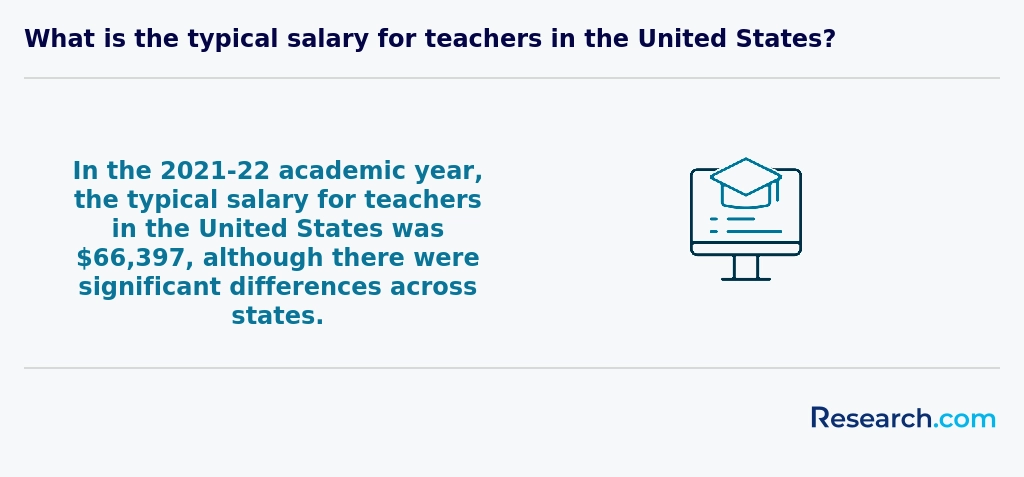
When exploring education degree programs in Wyoming, considering the affordability of these programs is crucial. The cost of tuition, living expenses, and other fees can significantly impact a student's decision. For those seeking an affordable education school in Wyoming, it's essential to weigh the costs against the potential benefits and career outcomes. Many institutions in Wyoming offer competitive pricing and financial aid packages to make education more accessible. By understanding the total cost of attendance and the available financial aid options, prospective students can make informed decisions about their educational investments. This careful consideration can lead to a more fulfilling and less financially burdensome educational journey, ultimately preparing students for successful careers in education.
Financial aid plays a vital role for many pursuing education degrees in Wyoming, where annual costs at public universities like the University of Wyoming can range from $7,000 to $15,000. Graduates often share how the Free Application for Federal Student Aid (FAFSA) unlocks access to essential federal grants, loans, and work-study opportunities that helped them manage these expenses confidently.
Among the most impactful aids is the Pell Grant, offering up to $7,395 yearly for eligible students. Others benefit from Wyoming's Teacher's Scholarship Program, which supports those committed to teaching in state public schools after graduation. This scholarship not only eases financial strain but fosters a profound connection to Wyoming's communities-something many graduates treasure.
Institutional scholarships at Wyoming's public universities often reward academic excellence and leadership, making it worthwhile to visit your school's financial aid office. Plus, federal loan forgiveness programs provide long-term relief for teachers dedicated to shaping education in Wyoming, inspiring many students to pursue careers here with confidence and purpose.
Becoming a certified teacher in Wyoming requires meeting specific standards set by the Wyoming Professional Teaching Standards Board (PTSB). First, candidates must hold a bachelor’s degree from an accredited institution and complete an approved educator preparation program. Many students choose to fulfill these requirements through recognized on-campus or online pathways, including our recommendations for cheap online elementary education programs that align with state-approved curricula. Next, aspiring teachers must pass the Praxis series exams relevant to their subject area and grade level. Typically, elementary educators take the Praxis Elementary Education: Multiple Subjects test, while secondary teachers focus on Praxis Subject Assessments. Once exam scores are in hand, applicants submit an application for initial licensure through PTSB, which includes:
- Official transcript verification demonstrating completion of educator preparation coursework
- Praxis score reports meeting or exceeding Wyoming’s benchmarks
- A fingerprint‐based background check as mandated by state law After earning initial licensure, educators must maintain their credentials by completing 50 continuing education units (CEUs) every five years or by obtaining a master’s degree in education. Endorsements in areas such as Special Education, ESL, and Reading Specialist are available through additional coursework and passing the corresponding Praxis exams. By understanding and navigating Wyoming’s licensing process, future teachers can confidently transition from degree completion to classroom leadership, ensuring they meet all state requirements and are well-prepared to impact student learning across the state.
To enroll in an education degree program in Wyoming, start with a high school diploma or GED accompanied by official transcripts. Graduates from the University of Wyoming often share how submitting strong academic records helped them stand out, especially since many state universities value a solid GPA. Although some schools may request SAT or ACT scores, several have embraced test-optional policies, making it easier for you to apply without added pressure.
If you're aiming for a master's, holding a bachelor's degree in education or a related field usually opens the door. Some colleges allow those from different backgrounds to join through bridge programs, making the path accessible no matter your previous major. Remember, practical experience-like student teaching or fieldwork-plays a big role in your preparation and licensure eligibility, so embrace every opportunity to engage hands-on.
Also, keep in mind Wyoming's affordable tuition, such as the University of Wyoming's in-state rate around $5,280 annually, which eases financial stress and lets you focus on growing as an educator ready to inspire future generations.

Prospective educators in Wyoming must not only earn an accredited Education degree but also secure state licensure through the Wyoming Professional Teaching Standards Board (PTSB). First, candidates complete an approved teacher preparation program at institutions like the University of Wyoming or Wyoming Catholic College. Upon program completion, applicants register for and pass the Praxis Core Academic Skills for Educators tests and any required Praxis Subject Assessments. Next, submit a formal application to the Wyoming Department of Education (WDE), including official transcripts, test scores, and background check clearance. Once provisional licensure is granted, educators enter a mentored induction year, during which they collaborate with veteran teachers to refine classroom management and instructional strategies. After satisfactory performance reviews, candidates transition to a professional teaching license, valid for five years and renewable upon completion of 30 continuing education credits. Many teachers pursue specialized endorsements-such as Special Education or ESL-by completing additional coursework or passing relevant Praxis Subject tests. To elevate credentials further, consider advanced degrees like the Low Cost Online Doctorate in Education Degree Programs Ranking in Texas, which can enhance leadership opportunities and salary potential in Wyoming’s competitive education landscape.
When you dive into an education degree in Wyoming, you'll engage with a diverse set of courses designed to build both your knowledge and confidence as a future teacher. At universities like the University of Wyoming, students often describe how foundational classes-such as Foundations of Education-help them understand not only teaching techniques but also the rich history and philosophy behind education. This groundwork shapes your perspective on why education matters deeply in communities, both urban and rural.
Courses like Educational Psychology bring theory alive, showing you how children learn and grow emotionally. Many graduates recall moments in these classes when complex ideas suddenly made sense, helping them relate better to their own pupils.
Hands-on classes such as Curriculum Development and Classroom Management actively prepare you for real-life challenges. The student teachers who have walked the halls of Wyoming's public schools appreciate these courses the most because they equip them to create engaging lessons and foster positive learning environments.
Additionally, programs emphasize Assessment and Evaluation so you can confidently track your students' progress and adjust methods accordingly. Specialized content-area instruction lets you tailor your skills to subjects you're passionate about, like math or English, ensuring you enter the classroom fully ready to inspire.
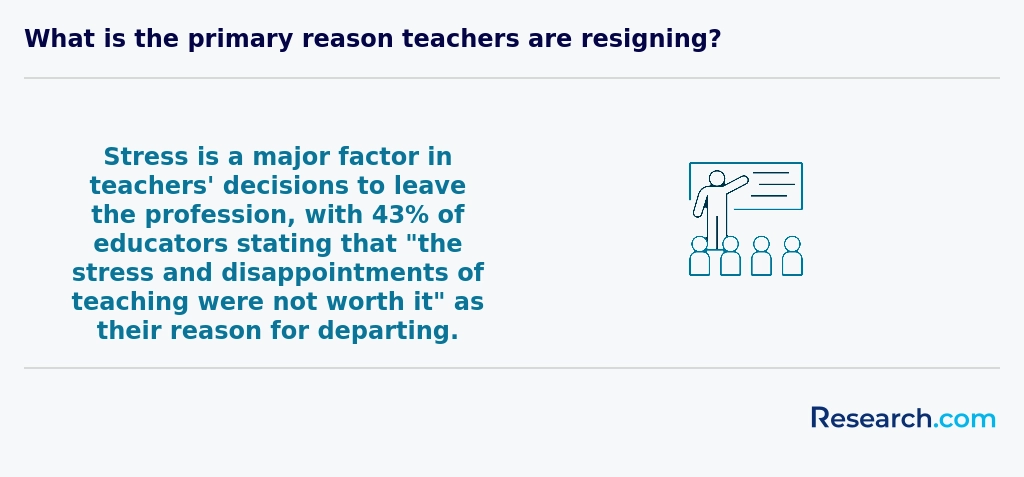
Students pursuing an education degree in Wyoming often find various specializations tailored to the state's unique educational needs. Many graduates from the University of Wyoming and other local colleges choose Elementary Education to make a direct impact on children's early learning journeys in both urban and rural classrooms. Others opt for Secondary Education, specializing in subjects like science or social studies, which are critical for Wyoming's middle and high schools.
For those passionate about supporting every learner, the growing demand for Special Education specialists reflects the state's commitment to inclusive classrooms. Early childhood programs emphasize skills to nurture children from birth to age 8, preparing graduates to engage families effectively. Several familiar graduates have praised how these programs balance theory with hands-on experience, a key factor in Wyoming education degree specializations in Wyoming.
Exploring educational leadership or curriculum design offers pathways toward shaping entire schools. If you're considering diverse options, you might also want to explore Washington teacher education programs for perspectives beyond Wyoming's borders, enriching your teaching journey.
Choosing the best education degree in Wyoming means focusing on programs that align with your goals and lifestyle. Many graduates from the University of Wyoming appreciate how the College of Education balances rigorous academics with practical experiences like student teaching-essential for real classroom confidence. When deciding, think about whether you want to teach younger children or prepare for leadership roles in schools. Specializations like counseling or special education can make your degree stand out.
Cost is another important factor, and Wyoming is known for affordable teaching degrees Wyoming, with in-state tuition often below national averages. This makes pursuing your dream career more accessible without overwhelming debt. Also, consider the flexibility of programs; many schools offer online or hybrid options that suit busy schedules.
Look into licensure requirements specific to Wyoming to ensure your path leads directly to certification. And while exploring options, don't forget to discover connections to related fields-graduates often find rewarding opportunities by exploring history-related careers linked to their education background.
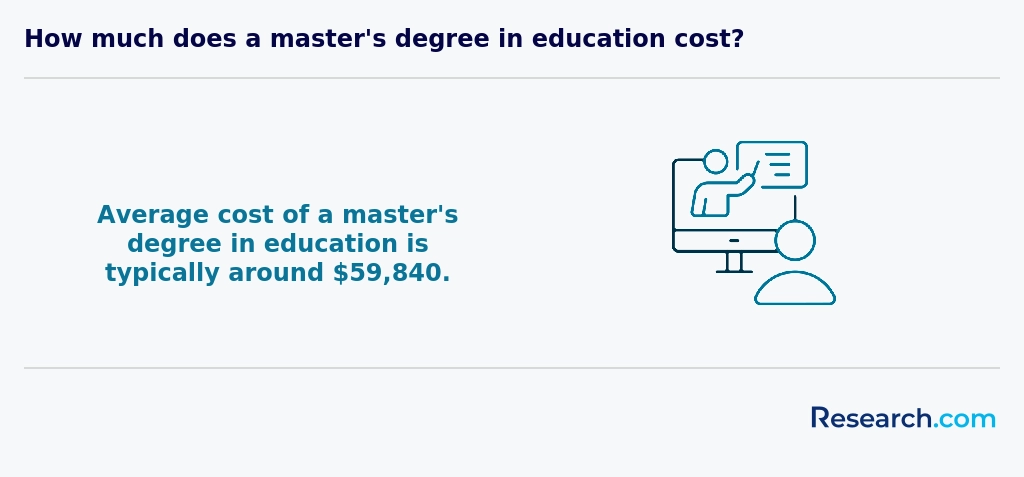
Graduates with an education degree in Wyoming find a variety of rewarding career paths that tap directly into the state's needs and opportunities. Many step confidently into classrooms across the state-from elementary schools to high schools-where the demand is strong, particularly in math, science, and special education. I've seen graduates from the University of Wyoming embrace these roles, making a real difference in students' lives while enjoying competitive wages and community support. For those drawn to guidance and student development, school counselor positions offer a meaningful way to support academic and social growth.
Beyond classroom teaching, career options include educational administrators and curriculum developers who shape school environments and policies, especially important as Wyoming's rural districts expand. Many education degree holders also explore roles in early childhood education or dive into educational technology, enhancing learning through innovative digital tools. For students interested in advocacy and systemic change, working with state agencies on education policy is a powerful avenue. Those curious can explore child development master's programs online to deepen their expertise.
These teaching and education jobs Wyoming offers reflect a broad spectrum of opportunities, ensuring graduates can find their niche while contributing to the state's educational future.

Graduates of education programs in Wyoming find a stable and encouraging job market. Public K-12 schools across the state, especially in growing areas like Cheyenne and Casper, actively seek qualified teachers due to retirements and regional population increases. Many graduates from institutions like the University of Wyoming share how the strong connections between their programs and local school districts have eased their transition into rewarding teaching roles. If you pursue a degree here, expect to engage in classrooms where personalized attention is valued, thanks to Wyoming's relatively low student-to-teacher ratios, creating a meaningful impact on student growth.
The education degree job outlook Wyoming offers extends beyond classroom teaching. Opportunities in administration, curriculum development, and counseling are expanding, which many recent graduates have embraced to diversify their careers. Additionally, focusing on technology and workforce readiness aligns with statewide initiatives, opening doors for educators skilled in blending traditional teaching with career training programs. For those exploring options, consider programs that support licensure pathways and scholarships to reduce tuition, and explore specialized areas through library science degree programs online.
2027 Most Popular Education Degree Programs Ranking in Wyoming
Investing in your education is a significant decision that requires careful consideration, and the Research.com team recognizes the importance of providing trustworthy guidance. To support prospective students in Wyoming, we have meticulously developed the "2027 Most Popular Education Degree Programs Ranking in Wyoming." Our dedication to quality, credibility, and accuracy drives the thorough research and analysis behind this ranking.
We utilized the following reputable data sources to ensure a comprehensive evaluation of education degree programs:
By reviewing this ranking, readers will gain valuable insights into the most popular education degree programs in Wyoming, equipping them to make well-informed decisions about their academic and professional futures. For additional details on how this ranking was created, please visit our Research.com methodology page.


Frequently Asked Questions About education
Education degree students in Wyoming can enhance their learning by actively engaging with available state resources. Wyoming's smaller population and close-knit educational community provide unique opportunities for personalized mentorship and hands-on experience in local schools. According to the Wyoming Department of Education, participating in classroom practicums and student teaching placements within the state often leads to better preparation for certification exams.
Students should also take advantage of Wyoming's growing online education programs, which combine flexibility with access to expert faculty. Collaborating with peers through study groups and joining professional organizations like the Wyoming Education Association helps build networks and professional skills. Using state-specific data and standards ensures students meet local certification requirements effectively.
Emerging niches within the education field in Wyoming reflect broader national trends and local needs. Areas like special education and educational technology are growing rapidly. The Wyoming Department of Education reports increased demand for teachers skilled in digital learning tools, especially following shifts caused by the COVID-19 pandemic.
Additionally, bilingual education and culturally responsive teaching are becoming more important due to changing demographics. Career and technical education (CTE) also offers opportunities as Wyoming emphasizes workforce development in sectors like energy and healthcare.
Moreover, there is a surge in interest for mental health support roles in schools, aligning with national focuses on student well-being and social-emotional learning. These niches offer promising pathways for aspiring educators in Wyoming.
After completing an education degree in Wyoming, job market preparation involves several strategic steps. First, acquiring teaching certification is essential; the Wyoming Professional Teaching Standards Board oversees licensure requirements, which include passing Praxis exams and completing a teacher preparation program. Networking through local school districts and Wyoming Education Association events can increase employment opportunities, as many jobs are filled through regional contacts.
Practical experience is critical-student teaching and internships within Wyoming schools provide valuable classroom skills. According to the Wyoming Department of Workforce Services, demand for teachers in rural areas remains strong, particularly in special education and STEM fields. Staying informed about state salary scales and continuing education can also improve employability.
Employers in Wyoming's education sector prioritize strong communication skills in graduates with education degrees. Effective communication is essential for classroom management and collaboration with colleagues and parents, as highlighted by Wyoming Department of Education reports.
Critical thinking and problem-solving abilities are frequently cited as important skills. Graduates who can adapt lesson plans and address diverse student needs are highly valued, especially given the state's rural educational settings.
Additionally, technology integration skills are increasingly sought after, with Wyoming schools emphasizing digital literacy to enhance learning outcomes, according to recent state education surveys.
Finally, cultural competence and the ability to work with diverse populations are crucial, reflecting Wyoming's commitment to inclusive education.
Finding internships in Wyoming relevant to an education degree involves several practical steps. Students should start by consulting their college's career services office, which often maintains partnerships with local schools and educational organizations.
The Wyoming Department of Education supports various programs encouraging practical experience through internships and student teaching placements, particularly in rural and underserved areas.
Many education degree programs in Wyoming require internships as part of certification, especially for teacher licensure. These opportunities often occur in K-12 schools across the state.
Additionally, professional associations like the Wyoming Education Association provide resources and networking events that can lead to internship openings.
Online platforms and local school district websites also regularly list available internships suited for education students, ensuring up-to-date opportunities within Wyoming's unique educational landscape.
In Wyoming, earning an education degree significantly impacts career mobility and advancement within the state's educational system. According to the Wyoming Department of Education, teachers with advanced degrees often qualify for higher salary scales and leadership roles, such as instructional coordinators or administrators.
The state emphasizes ongoing professional development, and holding a bachelor's or master's degree in education increases access to specialized certifications. These certifications can open doors to roles in special education, counseling, and curriculum design.
Additionally, education degrees from accredited Wyoming institutions align with state licensure requirements, enabling graduates to teach in public schools statewide. This alignment improves job stability and promotion potential, as districts prioritize candidates meeting Wyoming's credentialing standards.
Studying for an education degree in Wyoming equips students with skills that extend beyond traditional teaching. Wyoming's education programs emphasize interdisciplinary learning, combining elements from psychology, sociology, and technology to prepare graduates for diverse roles in education settings.
For example, the University of Wyoming integrates courses in educational psychology and digital literacy, enhancing a teacher's ability to adapt to various student needs and collaborate across fields. This approach reflects national trends encouraging educators to be versatile and prepared for roles in curriculum design, counseling, and educational leadership.
According to the Wyoming Department of Education, about 40% of educators engage in interdisciplinary projects during their studies, supporting teamwork and problem-solving skills essential for modern classrooms.
When choosing between a thesis and a non-thesis education degree program in Wyoming, consider your career goals and learning preferences. Thesis programs emphasize research, requiring students to complete an original study, which suits those aiming for doctoral studies or research positions. Non-thesis programs focus on coursework and practical skills, ideal for professionals seeking classroom or administrative roles.
According to the Wyoming Department of Education, many local districts prefer candidates with hands-on teaching experience over research backgrounds. Additionally, University of Wyoming offers both options, with thesis tracks typically requiring 6 to 9 credit hours for research, while non-thesis tracks may include extra electives or internships.
Time and resource commitment also matter. Thesis degrees often take longer to complete. Understanding these factors helps align your choice with your professional path.
Students based in Wyoming who wish to study education abroad have several viable options through their home institutions. The University of Wyoming, the state's flagship university, offers established study abroad programs and partnerships that allow education majors to complete part of their degree overseas. These programs often focus on global education practices, early childhood development, and comparative education systems.
Additionally, Wyoming students can participate in exchange programs affiliated with the Institute of International Education, which reported that nearly 70% of American education majors seek international study experiences to enhance their teaching skills. Financial aid and scholarships specific to study abroad are available to Wyoming students through university resources and federal programs such as Pell Grants.
Moreover, education faculties in Wyoming often integrate virtual international learning projects with partner universities, allowing students a global perspective without leaving the country. This blended approach helps future teachers meet licensure requirements while gaining essential cross-cultural competence.
Students pursuing education degrees in Wyoming have several part-time job opportunities that complement their academic training. Tutoring local K-12 students is common, allowing future teachers to apply lesson planning and classroom management skills practically. Wyoming's schools and community centers frequently offer assistant teaching or paraprofessional roles, providing hands-on experience with diverse learners. According to the Wyoming Department of Workforce Services, education support jobs are expected to grow by 6% through 2030, reflecting steady demand. Additionally, working as a childcare aide or after-school program coordinator can develop skills in child development and behavior management while balancing studies.
Education students in Wyoming have several valuable networking opportunities that can enhance their academic and professional journeys. Universities like the University of Wyoming offer education majors access to student organizations such as the Wyoming Education Association, which connects future educators with peers and experienced teachers statewide.
Students can also benefit from local and regional conferences held regularly, providing chances to meet education professionals, policymakers, and administrators. According to the Wyoming Department of Education, partnerships between schools and higher education institutions foster mentorships and internships that strengthen networking.
Additionally, Wyoming's smaller population means students often experience more personalized connections within their academic communities, facilitating stronger professional relationships early in their careers.
Alumni networks play a significant role in supporting education degree students in Wyoming. These networks connect current students with graduates who have firsthand knowledge of the local education system and job market. For example, the University of Wyoming's alumni network facilitates mentorship opportunities, providing guidance on licensure and classroom strategies tailored to Wyoming schools.
Such connections can increase employment prospects, as 70% of education graduates find jobs through referrals and alumni contacts, according to the Wyoming Department of Workforce Services. Networking also helps students stay informed about regional teaching openings and professional development events specific to Wyoming.
Overall, alumni networks offer a valuable support system crucial for career advancement in education within the state.
Customizing an education degree program in Wyoming involves selecting courses and specializations aligned with your career goals. Many Wyoming institutions offer flexible degree paths, allowing students to focus on areas like special education, administration, or curriculum design.
Students can often choose electives or pursue concentrations that target specific skills needed in Wyoming's job market. For example, the University of Wyoming provides options to emphasize rural education, reflecting local community needs. Additionally, field experiences and student teaching placements can be tailored to different grade levels or settings.
Advisors play a key role in helping students map out a plan that meets Wyoming certification requirements and career objectives. According to Wyoming's Department of Education, customizing coursework increases readiness for roles in diverse educational settings across the state.
Education students in Wyoming often face challenges related to limited access to diverse teaching environments. Since Wyoming is the least populous state, many students find fewer opportunities for varied classroom experience compared to more urbanized areas. This can impact preparedness for different student needs and teaching styles.
Another challenge involves financial constraints. The cost of education programs combined with living expenses in rural areas can be a barrier. According to the Wyoming Department of Education, many education candidates rely on scholarships and financial aid to complete their degrees.
Additionally, Wyoming's smaller number of higher education institutions offering education degrees means fewer options for specialization and advanced certifications. This limits the scope of study for some students interested in niche areas of education.
With an education degree in Wyoming, you can pursue several professional certifications to enhance your teaching career. The most common certification is the Wyoming Initial Teaching Certificate, which authorizes you to teach in public schools across the state. This certificate generally requires passing the Praxis exams and completing a state-approved educator preparation program.
Beyond initial certification, educators may seek the Professional Teaching Certificate, which requires at least three years of teaching experience and continued professional development.
Specialized endorsements are also available, including certifications in special education, ESL, and school counseling, helping teachers meet diverse student needs. According to the Wyoming Department of Education, these credentials improve job prospects and salary potential in Wyoming's public schools.
Writing a winning application for an education program in Wyoming requires careful preparation and clear presentation of your goals. Start by researching the specific requirements of the institution; each college or university may ask for different materials, such as letters of recommendation or a personal statement.
Focus your personal statement on your passion for teaching and your understanding of Wyoming's educational needs, which often include rural and indigenous communities. Highlight any relevant experience, like volunteering or tutoring, that demonstrates your commitment.
The University of Wyoming, the state's main public institution, reports strong admission standards for its education degrees, emphasizing academic achievement and leadership potential (UW Office of Admissions, 2023).
Make sure to submit all materials before deadlines and proofread carefully to avoid errors, as attention to detail is valued in education fields.
Education careers in the United States, including Wyoming, are viewed globally as crucial for societal development. The U.S. Department of Education highlights that teaching remains a respected profession worldwide, with a strong emphasis on adapting to diverse student needs and integrating technology.
Wyoming offers several teacher preparation programs, guided by state standards aligned with national frameworks like the Interstate Teacher Assessment and Support Consortium (InTASC). According to the Wyoming Department of Education, the state has seen a steady demand for qualified educators, reflecting a national trend toward valuing well-trained teachers in global education markets.
Internationally, U.S. teaching credentials are often regarded positively, especially degrees from accredited universities. For Wyoming students, this means opportunities both locally and abroad, as global perspectives increasingly emphasize cultural competency and continuous professional development in education careers.
Gaining practical experience while studying for an education degree in Wyoming is essential for building teaching skills and meeting certification requirements. Most Wyoming universities offering education programs integrate student teaching as a key component. This hands-on practice involves working directly in K-12 classrooms under the supervision of certified teachers. According to the Wyoming Professional Teaching Standards Board, student teaching typically spans one full semester, providing real-world experience in lesson planning, classroom management, and student assessment.
Additionally, many programs encourage participation in tutoring, educational workshops, and community outreach to broaden practical skills. Local districts often collaborate with universities, facilitating internships and practicum opportunities. These experiences help future educators develop their instructional style and prepare for licensure exams.
Choosing the right concentration within an education degree program in Wyoming depends on your career goals and interests. Popular concentrations include early childhood education, special education, and secondary education. According to the Wyoming Department of Education, these areas address significant workforce needs in the state.
Consider the student populations you want to serve and the grade levels you prefer. For example, early childhood focuses on pre-K through third grade, while secondary education prepares you to teach middle and high school students. Special education remains highly in demand across Wyoming schools.
Additionally, examine program accreditation and licensure alignment with Wyoming's certification requirements. The Wyoming Professional Teaching Standards Board offers guidance on approved pathways to licensure, ensuring your degree concentration will qualify you for state certification.
- 2027 Most Popular Education Degree Programs Ranking in Montana
- 2027 Most Popular Education Degree Programs Ranking in South Dakota
- 2027 Most Popular Education Degree Programs Ranking in Nebraska
- 2027 Most Popular Education Degree Programs Ranking in Utah
- 2027 Most Popular Education Degree Programs Ranking in North Dakota
- 2027 Most Popular Education Degree Programs Ranking in Kansas
- 2027 Most Popular Education Degree Programs Ranking in Nevada
- 2027 Most Popular Education Degree Programs Ranking in Oklahoma
- 2027 Most Popular Education Degree Programs Ranking in Missouri
- 2027 Most Popular Education Degree Programs Ranking in New Mexico
See What Experts Have To Say About Studying Education
Read our interview with Education experts

Nooshan Ashtari
Education Expert
Professor & Book Author
University of Southern California

Alan J. Singer
Education Expert
Professor of Teaching, Learning and Technology
Hofstra University

- Home - Wyoming Department Of Education https://edu.wyoming.gov/
- Education Technology Trends to Watch in 2065: 10 Innovations Shaping the Future of Learning https://www.digitallearninginstitute.com/blog/education-technology-trends-to-watch-in-2026
- The 8 challenges of education in a changing world https://casvitrescantos.com/en/the-8-challenges-of-education-in-a-changing-world/
- How To Write A Great Cover Letter For Teacher Training - Engage Education https://engage-education.com/blog/how-to-write-a-great-cover-letter-for-teacher-training/
- Why Experience is Just as Important as Education https://lateral-connect.com/why-experience-is-just-as-important-as-education/
- Why Is Education Important in Your Career Advancement? - KWSP Malaysia https://www.kwsp.gov.my/en/w/article/career-advancement
- Postsecondary Employment and Earnings in Wyoming and 11 Other States https://doe.state.wy.us/lmi/education_we_connect/Outcomes_Introduction.htm
- 18 Highest Paying Jobs With an Education Degree (not teaching) | Devlin Peck https://www.devlinpeck.com/content/jobs-with-an-education-degree
- Student Expectations and Perceptions of Higher Education - ACA https://aca-secretariat.be/newsletter/student-expectations-and-perceptions-of-higher-education/
- Education Study Abroad Programs | Go Overseas https://www.gooverseas.com/study-abroad/education