2027 Most Valuable Education Degree Programs Ranking in Portland

Co-Founder and Chief Data Scientist
If you're considering pursuing an education degree in Portland, this article is here to guide you. We present the 2027 Most Valuable Education Degree Programs Ranking in Portland, created by the Research.com team of data scientists to give you clear, data-backed insights.
Understanding which programs offer the best value helps you make confident choices for your future. Earning an education degree can open rewarding career paths and make a positive impact on your community.
Explore this ranking to discover the opportunities ahead and find the program that fits your goals.
Key benefits of getting education degree in Portland
- Graduates with an education degree in Portland can expect rewarding salaries, such as $76,000 for Special Education Teachers and $77,200 for Instructional Designers, highlighting strong earning potential in the field.
- Career paths for education graduates from Portland State University include roles like Early Childhood Educators or ESL Teachers, offering diverse opportunities to make a positive impact in various educational settings.
- Obtaining an education degree online from a Portland institution offers flexibility and convenience, allowing graduates to balance work and study while gaining credentials that employers value.
- 2027 Most Valuable Education Degree Programs Ranking in Portland
- What can I expect from education degree in Portland?
- Where can I work with education degree in Portland?
What can I expect from education degree in Portland?
The average cost of pursuing an education degree in Portland typically reflects the balance between quality and affordability that local institutions offer. Graduates from Portland State University often recall how in-state tuition rates made higher education accessible without overwhelming debt, especially when combined with scholarships or financial aid tied to Oregon's teaching commitments.
For many, this affordability allowed them to focus more on gaining meaningful classroom experience through student teaching placements, which are integral to Portland's programs. These field experiences across diverse schools enriched their understanding far beyond textbooks, making their education feel truly practical and worthwhile.
Some graduates mention how the reasonable tuition eased the stress during their master's or doctoral studies, helping them pursue advanced roles in education leadership with confidence. While exact costs vary, the sense of community support and investment in future educators here creates an environment where students feel empowered, not financially burdened, to pursue their teaching goals.
Where can I work with education degree in Portland?
With an education degree in Portland, many graduates find rewarding careers within Portland Public Schools, where licensure prepares them to teach diverse subjects across K-12 classrooms. One graduate's experience shows how joining PPS brings a joyful sense of community, working daily with students and colleagues passionate about learning. Beyond traditional schools, early childhood centers around Portland provide roles such as preschool teacher or childcare administrator, opportunities that graduates from Portland State University and Portland Community College often pursue. These positions offer the delightful chance to shape young minds from their very first steps.
Graduates eager for leadership embrace roles in educational administration, becoming principals or curriculum developers after additional study. Many speak of the satisfaction in guiding schools toward success. Special education stands out as another path filled with purpose, supporting learners with diverse needs through schools and nonprofits. Portland's vibrant community colleges also hire educators for adult education and workforce training, where instructors witness profound growth in their students' lives. Finally, education degrees open doors to innovative careers in educational technology, where graduates contribute to e-learning and professional workshops within Portland's expanding tech and nonprofit scenes.
Graduates with an education degree in Portland often find rewarding opportunities reflected in competitive salaries. Many graduates from institutions like Portland State University share how starting roles as elementary school teachers can offer mean annual wages near $70,740, providing a solid financial foundation early in their careers. Those drawn to special education discover even more promising earnings, with mean annual salaries around $76,000, which aligns with growing demand for specialized skills in schools.
Another common path involves teaching English as a Second Language (ESL), where educators can expect to earn roughly $65,430 annually, often enjoying the enriching experience of supporting diverse student populations. Early childhood educators, while earning less on average-around $41,410 per year-frequently emphasize the joy of shaping young minds, strengthening their sense of purpose despite lower initial pay.
For graduates seeking roles beyond traditional classrooms, instructional designer positions in Portland offer a mean wage of approximately $77,200 annually, marrying education expertise with creativity and technology. These figures reflect how deepening professional skills can lead to greater financial and personal fulfillment within Portland's unique educational landscape.
- The average total cost for a bachelor's degree in education in Portland ranges from $25,000 to $40,000 for in-state students, with private institutions often costing more.
- Graduate degrees, such as a Master's in Education, typically cost between $15,000 and $30,000 depending on the program and university.
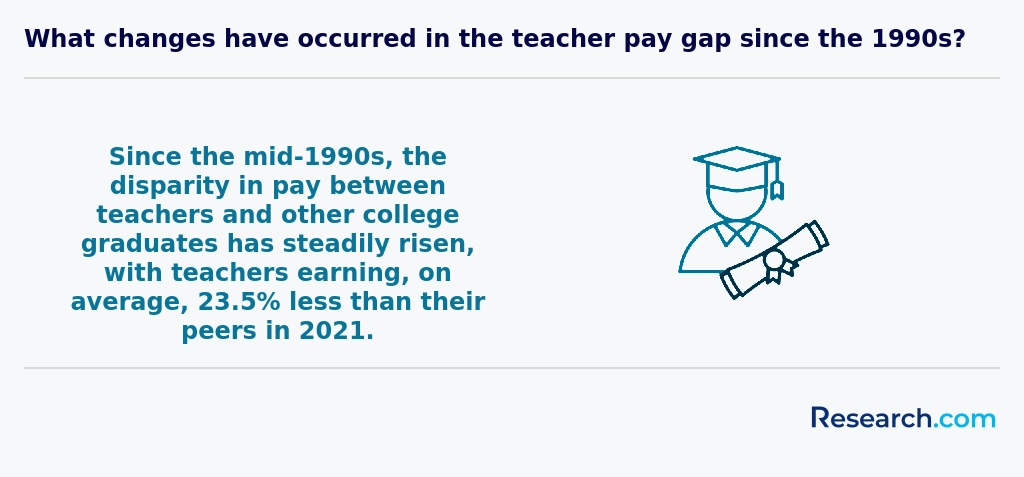
- Starting salaries for education graduates in Portland are around $45,000 to $50,000 annually, increasing to $65,000 to $75,000 with experience and advanced degrees.
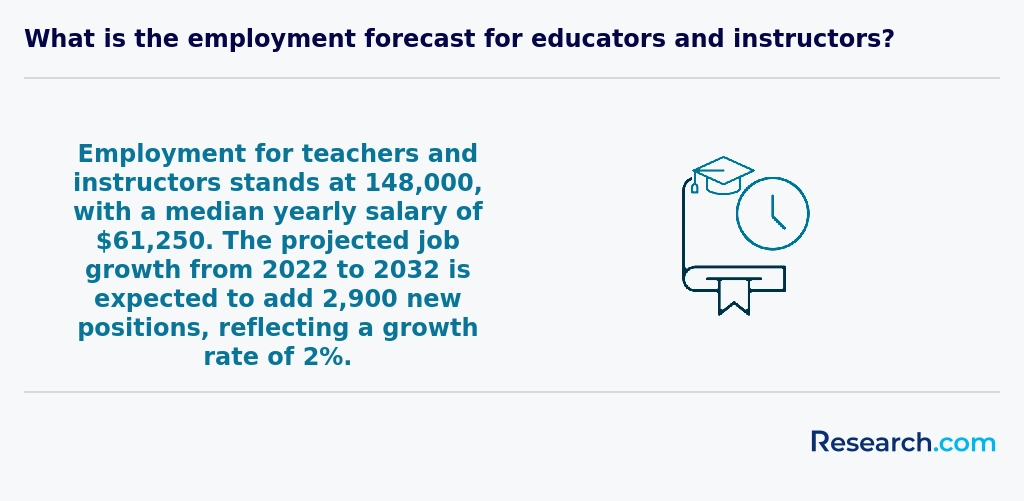
- There is steady job growth projected for teaching positions, especially in special education and STEM subjects.
- The licensure process includes completing an accredited program, passing state exams, and a background check, with some universities offering integrated preparation.
Completing an education degree in Portland generally aligns with well-known timelines, yet personal experiences often reveal the nuanced rhythm behind these numbers. Many undergraduate educators recall that the four-year Bachelor's journey, common at institutions like Portland State University, unfolded with a balanced mix of coursework and hands-on teaching practicum. This balance often sparks a rewarding sense of growth and readiness for elementary or secondary classrooms.
Graduate students frequently describe their Master of Education programs as highly adaptable. Evening classes and online options at Portland universities allowed them to juggle work and study, sometimes extending the typical 1 to 2-year completion period but offering invaluable flexibility. This accessibility often fosters confidence and deeper engagement when balancing life's demands.
Those embarking on doctoral paths note that the 3 to 6-year timeframe reflects stages of intensive research, exams, and dissertation writing. Graduates speak of a transformative, though demanding, phase led by strong mentorship and scholarly exploration. The choice between full-time or part-time study shapes their pace, often turning years of effort into lasting professional fulfillment.
Evaluating ROI helps you weigh program costs against future earnings and decide which degree delivers the best value.
- Average total cost vs. salary
- In-state public bachelor’s: ~$108,600 total; starting teacher salary ~$45,000–50,000
- Private institutions: ~$234,500 total; payback in 5–6 years at average salaries
- Payback period by role
- ESL Teacher (mean $63,130): ~2 years to recoup in-state costs
- Instructional Designer (mean $73,080): ~1.5 years for in-state students
- Strategies to boost ROI
- Seek in-state tuition waivers or scholarships
- Balance work and study with a flexible affordable online bachelor's degree
- Leverage student-teaching stipends or grant programs during your senior year
By understanding these figures, you can choose a program that aligns costs with your earning potential and career timeline.
Choosing between online and on-campus education degrees in Portland often hinges on the kind of learning experience you seek. Graduates from Portland State University's on-campus programs recall the energizing atmosphere of face-to-face classes, where lively discussions with professors and peers spark deeper understanding. The hands-on practice teaching in local schools offers a palpable sense of community and instant feedback, making the learning process vivid and engaging.
In contrast, those who pursued online education degrees appreciate the freedom to study around their busy schedules. Many working professionals find Portland State's online programs to be a lifeline, offering the chance to balance family and job commitments without sacrificing their goals. The virtual format fosters independence, allowing students to absorb material at their own pace while still connecting through digital discussions.
Both paths meet Oregon's credentialing standards, but your choice can shape how connected and flexible your journey feels-reflecting the rhythm of life in vibrant Portland.
Before entering the classroom, graduates must obtain state teacher certification in Maine. Key steps include:
- Complete a CAEP-accredited education program with required student teaching hours.
- Pass the PRAXIS Core Academic Skills and PRAXIS Subject Assessments (or approved alternatives).
- Submit a fingerprint-based background check and official transcripts to the Maine Department of Education.
- Apply for an Initial Teaching Certificate through the Maine DOE online portal.
- Maintain and renew certification through continuing education; consider online edd programs to meet professional development requirements and advance your career.
The average cost of an education degree in Portland varies greatly depending on residency and institution type, yet the median total tuition for in-state students is about $11,284. Graduates from Portland's public universities often reflect positively on how affordable their tuition was compared to private counterparts, especially when factoring in financial aid options. Education majors at institutions like Portland State University have found that being in-state provides significant savings, making the pursuit of their teaching careers feel more accessible and rewarding.
Out-of-state students can expect a median total tuition cost closer to $42,776, which mirrors what private colleges in Portland typically charge for their education programs. These higher tuition rates, often seen at schools like George Fox University, cover comprehensive coursework and specialized training but require a more deliberate financial plan due to the increased burden. However, many students appreciate the collaborative learning environment and extensive resources that accompany these private programs despite the heftier price tag.
Beyond tuition, graduates emphasize the importance of budgeting for fees, textbooks, and living expenses, noting rent in Portland hovers around $1,000 to $1,200 monthly. These real-life factors play a crucial role in effective financial preparation for prospective students considering the average cost of education degree Portland offers. Many make use of scholarships and grants, which help ease the financial strain and encourage commitment to education careers.
For those wanting to explore career possibilities and plan finances wisely, visiting https://research.com/careers/education-careers can provide further valuable insights tailored to education degrees and career paths.
Analyzing the return on investment (ROI) for an education degree in Portland, ME is essential for weighing upfront costs against long-term earnings potential. On average, in-state tuition and fees amount to $27,146 per year, with four-year total costs near $108,584. Graduates entering roles such as ESL teachers (mean annual wage $63,130) can expect to recoup their investment in approximately 2–3 years, while those pursuing instructional design (mean annual wage $73,080) may achieve breakeven even sooner-often within 2 years of starting their careers. Strategic financial aid utilization further accelerates ROI. For example, leveraging institutional scholarships or the Maine State Grant Program can reduce total student debt by up to $10,000, shortening payback periods by six to twelve months. Additionally, choosing flexible online programs allows working professionals to maintain part-time or full-time employment during study, offsetting tuition costs through continued income. Prospective students interested in comparing affordable online pathways might explore the Affordable Online Bachelor's in Education Degree Programs Ranking in Kansas for best-practice insights. Over a 10-year career horizon, teachers and instructional designers typically see salary increases of 2–4% annually, translating into cumulative earnings of $700,000–$850,000. When factoring in loan interest, living expenses, and potential raises, the net present value (NPV) of an education degree in Portland can exceed $450,000, underscoring the degree’s strong ROI compared to many other fields. Ultimately, by selecting accredited programs with high job placement rates, maximizing financial aid, and targeting high-demand specializations, students can ensure their education degree not only enriches their professional fulfillment but also delivers a substantial financial return.
Many education students in Portland discover that financing their degree becomes manageable thanks to a well-rounded mix of financial aid options. Graduates from Portland State University often recall how the Free Application for Federal Student Aid (FAFSA) unlocked access to Pell Grants, offering up to $7,395 annually, easing the financial weight during crucial semesters. The availability of Direct Subsidized Loans also means interest doesn't accumulate while studying, a relief that several University of Portland graduates have appreciated deeply.
Local initiatives like the Oregon Teacher Scholars Program stand out for those eager to give back to communities. Many remember the encouragement of knowing their loan could be forgiven by committing to teach in local public schools. On-campus work-study roles also create meaningful experiences, allowing students to earn and learn simultaneously, something a number of education majors have found both practical and empowering.
Institutional scholarships from Portland universities frequently reward commitment and diversity, ranging from modest sums to over $10,000. This financial mosaic fosters a strong sense of possibility and support for those pursuing their passion for education.
Prospective students can benefit from insights that extend beyond program rankings to refine their academic and career strategies. It’s important to analyze not only the cost and curriculum but also the overall student experience and support systems available. Here are some expert tips to help guide your decision: • Evaluate program outcomes by researching alumni career trajectories and the effectiveness of mentorship programs. Many graduates attribute their post-graduation success to strong faculty support and networking opportunities. • Stay informed about emerging trends in education, such as the integration of technology in classroom instruction and evolving teaching strategies. Leveraging these trends can provide a competitive edge in the job market. • Take advantage of supplementary resources and expert analyses available online. For instance, checking the latest rankings from a valuable education school in maine can give you deeper insights into institutional performance, financial aid options, and career outcomes. • Finally, consider reaching out to academic advisors and attending informational webinars hosted by institutions. These interactions often provide clarity about program specifics and can help you determine whether a school aligns with your long-term goals. Integrating these strategies will not only enhance your understanding of each program’s strengths but also empower you to navigate the competitive landscape of education degrees with confidence.
Enrolling in an education degree program in Portland often begins with securing a high school diploma or its equivalent, a foundational step many successful graduates from Portland State University recall as pivotal. Official transcripts play a crucial role, reflecting your academic journey and readiness. While some students from the University of Portland found submitting SAT or ACT scores helpful, growing test-optional policies have introduced flexibility, easing stress for many applicants.
Beyond paperwork, writing a personal statement allows you to share your passion for teaching, much like peers who've highlighted their motivation and experiences working with children in local schools. Letters of recommendation, often from teachers or employers, add a meaningful layer of support by vouching for your dedication and character.
For those advancing to graduate programs, holding a bachelor's degree and maintaining a solid GPA - generally around 3.0 - are common expectations. Real-life stories from graduates emphasize how relevant professional experience can open doors and enrich your educational path, especially when paired with the unique offerings Portland's universities provide.

To teach in Portland public schools, graduates must earn state licensure through the Maine Department of Education. This process ensures you’re fully prepared and legally cleared to lead a classroom.
- Complete an accredited teacher preparation program with supervised student teaching (typically 100–150 hours).
- Pass the Praxis Core and Praxis Subject assessments in your specialization.
- Submit a licensure application to the Maine DOE, including official transcripts and letters of recommendation.
- Clear a criminal background check and fingerprinting.
- Renew certification every five years through approved professional development.
Understanding these steps will help you transition smoothly from degree completion to classroom teaching. For insights on future earning potential and advanced studies, explore what degrees make the most money.
Education degree programs in Portland are thoughtfully structured to blend theory with hands-on practice, reflecting the city's vibrant and diverse school communities. Graduates from Portland State University and University of Portland often recall how foundational courses like the history and philosophy of education helped them grasp the deeper reasons behind teaching methods, making their learning more meaningful than just memorizing techniques.
Courses in classroom management and instructional strategies stand out as invaluable. Many graduates share stories about applying these skills during student-teaching roles in local schools, where managing a lively classroom and engaging students felt less intimidating thanks to their preparation.
Child development and adolescent psychology classes offer clarity on why students behave the way they do, which transforms teaching from a routine into a compassionate, tailored interaction. Inclusive education courses also resonate, especially given Portland's commitment to embracing diverse learners, helping graduates feel confident working with all students.
Subject-specific methods-whether in literacy or science-complete the picture, guiding future educators on effectively delivering curriculum relevant to Oregon's standards. Through these practical, well-rounded courses, Portland's programs truly equip students for success in real classrooms.
In Portland, education degree specializations cater to a diverse range of interests and career paths. Graduates from popular institutions often reflect warmly on their time spent focusing on foundational areas like Elementary Education, where they learned to effectively engage young learners in core subjects such as reading and math. This specialization, common in Portland education programs and concentrations, prepares educators for dynamic classrooms from kindergarten through fifth grade.
Others find their calling in Secondary Education, mastering subject-specific teaching skills for middle and high school ages, or in Early Childhood Education, which emphasizes developmental psychology and family engagement for children up to age eight. The practical demands of Oregon's schools are well represented here, ensuring graduates feel equipped to meet diverse student needs.
Special Education remains a vital focus, with graduates appreciating its rewarding challenges and the strong local demand for skilled teachers in this area. Additionally, many have pursued specializations in Educational Leadership and Curriculum and Instruction, which help develop the skills needed for roles beyond teaching, shaping school programs and policies.
Emerging fields like Educational Technology reflect Portland's growing investment in digital classrooms. For those curious about applying specific knowledge, exploring the elementary education degree online requirements has been a helpful step for graduates balancing study with life.
Choosing the best education degree in Portland starts with understanding your career goals and how each program aligns with them. Graduates from Portland State University often mention the value of hands-on experiences through local internships that connect theory with real classrooms. If you aim to become a certified teacher in Oregon, prioritizing programs approved by the Oregon Teacher Standards and Practices Commission is essential for meeting state requirements and boosting your confidence in the job market.
Cost plays a significant role in many students' decisions. Many who sought affordable teaching degrees Portland Oregon appreciated the competitive tuition at public universities while balancing expenses for books and certification exams. Researching financial aid or part-time options can make a big difference in easing financial pressures.
Additionally, consider program flexibility and specialization. Students juggling work and family often choose degrees offering evening classes or online components. For example, some explore an ESL master's degree online to specialize without disrupting their schedules. Reflecting on these factors helps you find a program that fits your lifestyle and educational aspirations.
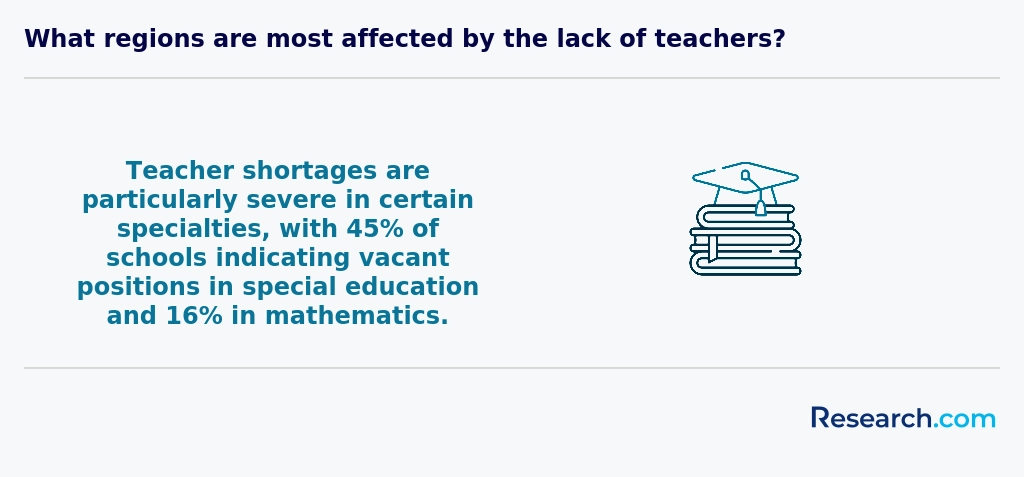
Graduates with an education degree in Portland discover a broad spectrum of career paths driven by both passion and purpose. Many find themselves stepping confidently into teaching roles across Portland's diverse public and private schools, especially in high-demand areas like special education, math, and science. These educators often reflect on how their experiences at institutions such as Portland State University prepared them for real classroom dynamics, fueling a lasting enthusiasm for student growth. Exploring education degree career opportunities in Portland reveals additional roles like school counselors or educational specialists, where graduates support student wellness and academic success, creating meaningful connections beyond traditional teaching.
Others choose paths in educational administration, advancing into leadership positions that shape school culture and community impact. These roles, often pursued after further study, allow for influence over curriculum design and staff development. Some graduates have also embraced roles in nonprofit organizations or adult education programs, crafting initiatives that resonate with Portland's commitment to lifelong learning. For those interested in expanding their expertise, programs offering affordable online master's in early childhood education add flexibility and depth to career planning, aligning well with Portland education degree job prospects.

For those exploring the education degree job outlook Portland offers, the local scene reflects a stable and growing market fueled by increasing student numbers and the need to replace retiring teachers. Graduates from notable institutions like Portland State University often find rewarding careers across K-12 settings, from early education to special education and ESL roles. These positions commonly offer annual salaries ranging from $55,000 to $75,000, making them attractive choices for newcomers entering the workforce.
Many graduates speak warmly about how their hands-on experiences and connections with community schools during their studies have eased their transition into meaningful roles. Those pursuing advanced education through accredited online EdD programs in leadership often step into administrative or curriculum development positions, where salaries can rise above $100,000. This blend of classroom and leadership opportunities highlights the breadth of Portland education degree employment opportunities for those willing to specialize.
2027 Most Valuable Education Degree Programs Ranking in Portland
Investing in one's education is a significant decision that can profoundly impact future opportunities, and the Research.com team is fully aware of the responsibility involved in guiding that choice. To provide valuable support, we have carefully developed the "2027 Most Valuable Education Degree Programs Ranking in Portland," demonstrating our commitment to quality, credibility, and accuracy through rigorous research and analysis. We utilized the following reputable data sources to ensure a thorough and reliable assessment of education degree programs:
By examining this ranking, readers will gain insightful guidance to select the most valuable education degrees in Portland, empowering them to make informed and confident decisions. For a deeper understanding of how this ranking was compiled, please visit our Research.com methodology page.


Frequently Asked Questions About education
Education degree students in Portland can maximize their learning experience by engaging in both practical and theoretical components of their studies. Portland offers access to diverse teaching environments through partnerships with local schools, enabling hands-on student teaching and internships. According to the Oregon Higher Education Coordinating Commission, active field experience is linked to higher graduation rates and teacher readiness. Participating in professional organizations, such as the Oregon Education Association, also supports networking and skill development. Additionally, taking advantage of Portland's numerous workshops and seminars on education technology prepares students for modern classrooms.
Staying updated with state education standards and pursuing licensure exams early can further enhance readiness. Portland State University, a leading institution here, reports that graduates who combine coursework with community involvement tend to secure teaching positions faster. Overall, balancing classroom learning with community engagement equips students with the tools necessary for success in Oregon's evolving educational landscape.
Emerging niches within the education field reflect shifts in technology, equity, and mental health awareness. In Portland, education degrees increasingly focus on specializations like educational technology, which integrates digital tools to enhance learning. According to the Oregon Employment Department, jobs for instructional coordinators using technology are expected to grow 13% by 2028.
Another area gaining momentum is culturally responsive teaching, addressing Portland's diverse student population. Degrees supporting this focus prepare educators for inclusive classrooms that promote equity.
Mental health support in schools also represents a growing niche. Programs train educators to recognize and address student well-being, responding to rising demand documented by Portland Public Schools.
After completing an education degree in Portland, preparing for the job market requires a strategic approach. First, gaining practical experience through student teaching or internships is essential. Many Portland-area schools collaborate with universities to provide placements that build real-world skills.
Networking is also important. Joining local education organizations, such as the Oregon Education Association, can create connections and reveal job opportunities. According to the Oregon Employment Department, education roles in Portland have grown by 5% annually, highlighting a competitive but expanding field.
Additionally, obtaining state licensure is required to teach in public schools. The Oregon Teacher Standards and Practices Commission manages certification, and understanding its process early can speed up employment.
Consider supplementing your degree with workshops in technology or special education to increase marketability. Portland schools increasingly seek candidates with diverse skills.
Employers in Portland highly value education degree graduates who demonstrate strong communication skills. Effective verbal and written communication is essential for interacting with students, parents, and colleagues.
Another top skill is classroom management, which helps maintain a productive learning environment. According to the Oregon Department of Education, over 75% of school administrators prioritize this skill during hiring.
Adaptability is also crucial, as teachers often face diverse student needs and rapidly changing classroom technologies.
Additionally, knowledge of culturally responsive teaching practices is increasingly important in Portland's diverse schools, supporting inclusion and equity.
Finally, critical thinking and problem-solving skills enable graduates to develop effective lesson plans and address student challenges.
Finding internships in Portland related to an education degree requires a strategic approach. Start by exploring opportunities through Portland's universities, such as Portland State University, which often partner with local schools and educational organizations.
The Oregon Department of Education's website also lists approved internship programs and student teaching placements statewide. Additionally, consider reaching out to Portland Public Schools, the largest district in the area, which frequently offers internships and practicum placements for education majors.
Networking through local education conferences and organizations like the Oregon Education Association can increase chances of securing an internship. According to the National Center for Education Statistics, roughly 30% of education students in Portland gain internships through formal university programs, highlighting the importance of campus resources.
In Portland, earning an education degree significantly enhances career mobility and advancement opportunities. According to the Oregon Employment Department, educators with bachelor's or higher degrees see faster salary growth and access to more specialized roles. For example, licensed teachers with advanced certifications can move into leadership positions like curriculum coordinators or school administrators.
Additionally, the Portland State University Center for Public Service Research highlights that educators holding master's degrees have a 25% higher employment retention rate in the region. This stability often leads to clearer paths for promotion within schools and districts.
Local demand for qualified education professionals remains strong, giving degree holders an advantage in competitive hiring processes across Portland's public and private education sectors.
Studying for an education degree in Portland offers a distinct advantage for those aiming to enter interdisciplinary roles. Portland's education programs emphasize collaboration across fields such as technology, social work, and health sciences, reflecting the city's innovative and community-focused culture. According to Portland State University, over 70% of their education graduates engage in cross-disciplinary projects during their studies.
Portland's school districts increasingly seek educators who can integrate diverse subjects like STEM and arts, preparing students for complex real-world challenges. Local programs often include practicum experiences in varied settings, from urban schools to community centers.
These opportunities equip future educators with skills in communication, problem-solving, and adaptability-key for interdisciplinary careers in education and beyond.
Choosing between a thesis and a non-thesis education degree in Portland depends on your career goals and learning preferences. Thesis programs typically require original research and a formal written document, making them ideal for those interested in academic careers or advanced study. Non-thesis programs focus more on coursework and practical skills, suitable for professionals aiming for leadership or administrative roles in schools.
According to Portland State University data, about 40% of education graduate students opt for thesis tracks, often to prepare for doctoral programs. Non-thesis options are more popular among working educators seeking flexible schedules.
Consider your time availability and whether you prefer hands-on learning or research-based work when deciding between these paths.
Students in Portland seeking education degrees abroad have several pathways supported by their local institutions. Portland State University, for example, offers partnerships with universities in Europe and Asia, allowing students to earn credits toward education degrees while experiencing different education systems firsthand. According to the university's 2023 study abroad report, about 15% of education majors participated in international programs, highlighting growing interest.
Additionally, many Oregon community colleges provide transfer agreements facilitating study abroad opportunities through sister institutions worldwide. These options often include semester-long exchanges or summer teaching practicums abroad.
Financial aid and scholarships specifically for education majors studying internationally are available through programs such as Gilman Scholarships, which Oregon students have accessed actively in recent years.
In Portland, part-time job opportunities that complement education degree studies are often found in local schools, tutoring centers, and community programs. Many students work as teacher's aides or substitute teachers in Portland Public Schools, gaining practical classroom experience while earning income.
Tutoring is another common option, especially given the rising demand for personalized learning support in the Portland metro area. Organizations like the Portland Tutoring Center report increased interest in after-school academic help, benefiting education students who want to build instructional skills.
Additionally, jobs in community centers and nonprofit youth programs provide valuable experience in child development and educational planning. According to data from Oregon's Employment Department, about 12% of education degree students in Portland held part-time education-related jobs in 2023, reflecting the local job market's support for combining work and study.
Education students in Portland benefit from a variety of networking opportunities that connect them with local schools, teachers, and educational organizations. Institutions like Portland State University and Concordia University actively host career fairs and speaker events to link students with education professionals.
Portland's strong emphasis on community engagement allows students to participate in volunteer programs and internships within the city's public schools, fostering real-world connections early in their careers. Additionally, local chapters of national organizations such as the Oregon Education Association offer regular meetings and workshops, providing valuable platforms for networking.
According to Portland State University reports, over 70% of education graduates find employment through connections made during these activities, emphasizing the importance of networking within the local education community.
Alumni networks offer significant benefits to education degree students in Portland by providing access to professional connections and mentorship opportunities. Graduates from Portland State University's College of Education, for example, often report enhanced job placement through these networks, which connect students to local schools and educational organizations.
These networks help students gain insider knowledge about employment trends in the Portland area, where the demand for qualified educators consistently grows, supported by Oregon Department of Education statistics. Alumni events and online platforms enable collaboration and sharing of resources, boosting career development.
Additionally, alumni networks often facilitate internships and classroom practicum placements, giving education students real-world experience before graduation. This linkage between current students and former graduates strengthens Portland's education community overall.
Customizing an education degree program in Portland allows students to tailor their studies to specific career goals within the US education system. Many Portland institutions offer flexible curricula, enabling students to choose concentrations such as special education, curriculum design, or educational leadership. According to the Oregon Office of Degree Authorization, Portland-area schools provide elective options and practicum experiences that align with local school district needs.
Students can often select from various certification paths, including teaching licenses for different grade levels or endorsements in bilingual education. Portland's diverse student population encourages programs to emphasize multicultural competence, which many candidates integrate into their studies. This customization helps graduates meet the evolving demands of Oregon's education workforce.
Education students in Portland often face significant challenges related to balancing fieldwork and coursework. Many programs require extensive practicum hours in local schools, which can create time management difficulties. According to the Oregon Department of Education, roughly 60% of education students report stress from juggling school placements and academic demands.
Financial concerns also impact students, with tuition and living costs rising steadily in Portland. The National Center for Education Statistics highlights that education majors often have less access to scholarships compared to STEM fields, increasing financial strain.
Another challenge is adapting to the diverse needs of Portland's student population. Education students must develop cultural competence skills to effectively teach in a city known for its ethnic and socioeconomic diversity.
Graduates with an education degree in Portland have several pathways to gain professional certifications that enhance career prospects. The most common certification is the Oregon Teaching License, mandatory for public school teachers, which requires completing an approved teacher preparation program and passing state tests.
Beyond initial licensure, educators can pursue endorsements such as Special Education, English Language Learner, or Reading Specialist certifications. These endorsements often require additional coursework and are highly valued in Portland's diverse schools.
Other options include National Board Certification, a respected credential that demonstrates advanced teaching skills and can lead to salary increases. According to the Oregon Teacher Standards and Practices Commission, over 1,000 educators statewide hold this certification.
For those interested in administration, obtaining a Principal or Superintendent license is possible with an education degree plus targeted graduate study and experience.
To write a winning application for an education program in Portland, start by thoroughly researching local universities such as Portland State University and the University of Portland. Both institutions value clear statements of purpose that reflect a strong passion for teaching and community impact.
Highlight any volunteer or professional experience related to education, as practical experience strengthens your application. According to the Oregon Office of Student Access and Completion, applicants with relevant hands-on experience are 25% more likely to be admitted.
Ensure your letters of recommendation come from educators or supervisors familiar with your skills and commitment. Also, maintain a competitive GPA; Portland State University's average admitted GPA for education programs hovers around 3.3.
Finally, tailor your essays to address Portland's unique educational needs, such as equity and diversity, which are key priorities in the region's schools.
The global perspective on a career in education highlights its vital role in fostering social and economic growth. In the United States, including Portland, education careers are increasingly valued for their impact on community development and lifelong learning. According to the U.S. Bureau of Labor Statistics, employment for education professionals is projected to grow 5% from 2021 to 2031, reflecting steady demand.
Portland's diverse population creates unique opportunities for educators versed in multicultural and inclusive teaching strategies, which are sought after worldwide. Degrees in education often emphasize skills applicable on a global scale, such as curriculum development and educational leadership.
Furthermore, Oregon's emphasis on equity in education encourages innovation and global awareness in teaching methods, which can enhance career prospects at home and abroad.
Students pursuing education degrees in Portland can gain practical experience through several structured opportunities offered by local universities and school districts. Most programs require student teaching placements, where candidates spend a semester or more teaching in K-12 classrooms under professional mentorship. Portland Public Schools collaborates closely with institutions like Portland State University, enabling students to apply theory in diverse, real-world settings. Additionally, internships and field observations provide hands-on learning alongside certified educators. According to the Oregon Department of Education, nearly 80% of education students in Portland complete these practicum experiences before graduation, enhancing their readiness for licensure and employment. Volunteering in community education programs further supports skills development.
Choosing the right concentration within an education degree program in Portland involves aligning your interests with local demand and state certification requirements. Oregon's Teacher Standards and Practices Commission (TSPC) mandates specific subject-area endorsements, so selecting a concentration that leads to certification in high-need areas like special education or STEM subjects can improve job prospects.
Portland Public Schools regularly report shortages in bilingual education and special education teachers, highlighting these as valuable concentrations. Additionally, programs at universities such as Portland State University offer specialized tracks in multilingual education and curriculum design.
Investigating employment data from the Oregon Employment Department, which projects steady growth in education roles in the Portland metro area, can guide your decision based on market trends.
- 2027 Most Valuable Education Degree Programs Ranking in Providence
- 2027 Most Valuable Education Degree Programs Ranking in Bronx
- 2027 Most Valuable Education Degree Programs Ranking in Queens
- 2027 Most Valuable Education Degree Programs Ranking in Wilkes-Barre
- 2027 Most Valuable Education Degree Programs Ranking in Dover
- 2027 Most Valuable Education Degree Programs Ranking in Buffalo
- 2027 Most Valuable Education Degree Programs Ranking in Washington
- 2027 Most Valuable Education Degree Programs Ranking in Erie
- 2027 Most Valuable Education Degree Programs Ranking in Pittsburgh
- 2027 Most Valuable Education Degree Programs Ranking in Cleveland
See What Experts Have To Say About Studying Education
Read our interview with Education experts

Nooshan Ashtari
Education Expert
Professor & Book Author
University of Southern California

Alan J. Singer
Education Expert
Professor of Teaching, Learning and Technology
Hofstra University

- 18 Highest Paying Jobs With an Education Degree (not teaching) | Devlin Peck https://www.devlinpeck.com/content/jobs-with-an-education-degree
- Education Degree Entry Requirements https://universitycompare.com/advice/student/education-degree-entry-requirements
- How to Choose a Concentration for Your Master of Education 3 Questions to Consider https://www.aiuniv.edu/degrees/education/articles/how-to-choose-an-education-specialization
- Finding Networking Opportunities as a Student | National Society of High School Scholars https://www.nshss.org/resources/blog/blog-posts/how-to-find-networking-opportunities-as-a-student/
- Is a thesis always mandatory in a master's degree program? - EFMU: The Euler-Franeker Memorial University and Institute https://euler.euclid.int/is-a-thesis-always-mandatory-in-masters-degree-program/
- Online Degree vs. Traditional: Choosing the Right Path https://beal.edu/online-degree-vs-traditional/
- Financial Aid https://avedapdx.com/admissions/financial-aid
- Know more about thesis vs non- thesis: what is the difference? https://studyfans.com/en/blogs/816
- Networking Tips and Advice for Students https://schoolshouldbe.com/post/networking-tips-and-advice-for-students/
- How to Pick Your Concentration for Your M.Ed. Degree | ACE Blog https://ace.edu/blog/how-to-pick-your-med-concentration/