
2027 Best Education Degree Programs Ranking in Wingate

Co-Founder and Chief Data Scientist
Choosing the right education degree program can shape your future and open doors to rewarding career opportunities. This article features the 2027 Best Education Degree Programs Ranking in Wingate, carefully crafted by the Research.com team of data scientists to guide you in making an informed decision.
Whether you're just starting your journey or looking to advance your skills, exploring top programs ensures you invest in quality education that fits your goals.
Reading this ranking will help you confidently navigate your options and take a positive step toward a fulfilling career in education.
Key benefits of getting education degree in Wingate
- Graduates with an education degree can expect strong earning potential, such as special education teachers earning around $76,000 annually and instructional designers making about $77,200 per year.
- A graduate from Wingate University might explore diverse career paths including elementary or special education teaching, instructional design, or early childhood education, offering exciting opportunities to impact young learners positively.
- Completing an education degree online from a Wingate-based program allows for flexible study schedules and the chance to balance work and family life, making it easier to advance your career without pausing your responsibilities.
- 2027 Best Education Degree Programs Ranking in Wingate
- What can I expect from education degree in Wingate?
- Where can I work with education degree in Wingate?
What can I expect from education degree in Wingate?
The average cost of earning an education degree in Wingate typically reflects the region's commitment to accessible, quality teacher preparation. Graduates from Wingate University, the leading local institution, often describe balancing tuition expenses with the value of hands-on learning that prepares them for real classrooms. Many report that tuition costs, while an investment, feel justified when considering small class sizes, personalized mentorship, and the strong licensure outcomes associated with the program.
For undergraduate education degrees, students generally encounter tuition rates in line with comparable private universities in North Carolina, with costs varying based on residency status and financial aid opportunities. Graduate programs, such as the Master of School Administration, often come at higher tuition fees but offer flexible class schedules to support working professionals.
Looking ahead, students in Wingate's education programs may benefit from emerging financial support options linked to workforce demand in teaching roles. Graduates often recall how scholarships and state grants alleviated costs, making their path to becoming educators more attainable and emotionally rewarding.
Where can I work with education degree in Wingate?
Graduates with an education degree from Wingate University often find rewarding careers as K-12 teachers within Union County Schools, where a growing student population creates steady demand. Many recall their practicum experiences in local classrooms, which built confidence to engage students and adapt to diverse learning needs.
Others leverage their degree to enter early childhood education at Wingate's array of preschools and childcare centers. These graduates enjoy shaping developmental milestones for young learners, often sharing stories of joyful breakthroughs when children grasp new concepts.
Special education remains a standout path, with many alumni working directly with students facing unique challenges. The sense of fulfillment here is palpable, driven by the chance to make meaningful impacts in students' lives amidst supportive county recruitment efforts.
Beyond schools, education graduates from Wingate also pursue adult education roles at community colleges, where they help teach literacy and vocational skills-connecting with a diverse range of learners eager to advance their futures.
Finally, some step into educational administration or nonprofit sectors, where their studies prepare them to innovate curriculum or lead programs that support the broader Wingate educational community. These career paths highlight exciting, evolving opportunities for education graduates in the region.
Graduates with an education degree from universities or colleges in Wingate often find rewarding career paths with promising salaries. For instance, many who start as early childhood educators earn around $41,410 annually, reflecting the growing demand for quality education at foundational levels.
Teachers specializing in elementary education commonly make about $70,740 yearly. These figures encourage graduates to envision teaching younger students, bringing energy and passion into classrooms across Wingate's school districts.
Special education teachers command higher earnings, averaging $76,000, showing how expertise in addressing diverse student needs can translate into both professional fulfillment and financial stability. Those with skills in instructional design might expect around $77,200 per year, opening doors to creative roles developing educational materials.
Graduates often share excitement about how pursuing advanced certifications or endorsements locally has boosted their earning potential, reinforcing the view that Wingate's educational community supports continuous growth. Imagine shaping young minds while steadily advancing your career and salary within this nurturing environment.
- Tuition for a bachelor's degree in education in Wingate ranges from $10,000 to $18,000 per year for in-state students.
- Entry-level salaries for recent graduates typically start around $40,000 per year, rising to $55,000-$65,000 with experience and certifications.
- Employment growth for teachers in North Carolina is projected at about 4% over the next decade.
- Education programs offer student teaching opportunities that help meet state licensure requirements and improve job prospects.
- Licensure in North Carolina requires completing an approved teacher preparation program and passing standardized exams.
In Wingate, completing an education degree often aligns with familiar timelines, yet the experience feels personalized and achievable for many students. Graduates from local institutions like Wingate University report that a Bachelor of Science in Education generally takes about four years of dedicated full-time study, filled with engaging coursework and meaningful student teaching moments that prepare them emotionally and professionally.
For those balancing work and study, part-time and online options offered by these colleges provide flexibility, though they may extend the calendar time to degree completion. Many graduates emphasize how this balance allowed them to stay motivated and confident, even when progress felt slow.
Graduate degrees, such as Master's programs, typically add one to two years, while doctoral candidates might spend three to six years delving deeply into research, often reflecting on their own teaching experiences in Wingate classrooms.
With costs influencing pacing, students often find creative ways to manage tuition and fees while integrating essential practical components like internships, making the journey both challenging and rewarding.
Aspiring educators in Wingate, NC, must navigate North Carolina’s comprehensive licensure process to ensure they are fully qualified to enter the classroom. First, candidates need to pass the Praxis Core Academic Skills for Educators exams (Reading, Writing and Mathematics) as well as the appropriate Praxis Subject Assessment for their intended teaching area. Many graduates recommend setting a study schedule six months in advance, using practice tests and review courses offered through local education centers or online providers. In addition to exam requirements, the North Carolina Department of Public Instruction (NCDPI) mandates a completed background check and fingerprinting through the State Bureau of Investigation (SBI) and the Federal Bureau of Investigation (FBI). Applicants must submit official transcripts showing completion of an accredited teacher preparation program and a minimum GPA of 2.7. For those who earned their degree out of state, North Carolina offers reciprocal licensure pathways, provided the candidate holds equivalent certification in their home state. Once all requirements are met, candidates apply for an initial North Carolina Standard Professional 2 (SP-2) license through the NCDPI eLicensing portal. This license is valid for five years and requires completion of a performance-based assessment, such as the edTPA, and induction into a school district mentoring program. Teachers seeking to advance their credentials can pursue an M-level license by earning a master’s degree in education, which enhances both classroom effectiveness and salary prospects. For candidates exploring alternative or supplemental certification routes, many professionals compare traditional licensure with accelerated or online certificate programs-often weighing cost and flexibility. To evaluate such options beyond North Carolina, you may find the Most Affordable Online Education Degree Programs Ranking in Texas a valuable resource for planning a cost-effective path to certification.
Students pursuing education degrees in Wingate face a clear divide between traditional on-campus programs and flexible online formats. Graduates from Wingate University often describe the richness of in-person classes where lively discussions with professors and hands-on practicum in local schools create lasting connections and confidence. Imagine walking through campus libraries after engaging seminars, feeling fully immersed in a learning community.
On the other hand, online education students appreciate the freedom to balance work, family, and studies without commuting. Interactive video lectures and virtual collaboration simulate a classroom experience while fitting into busy lives. Many praise the ability to revisit recorded lessons, deepening their understanding at their own pace.
Looking ahead, hybrid models blending these strengths might become the norm in Wingate, fostering both community and flexibility. As more education students choose paths that suit their unique needs, the future promises personalized learning journeys anchored in the supportive environments that Wingate's programs are known for.
As students in Wingate, NC weigh the benefits of local degree programs against their budgets, it’s crucial to consider online education pathways that combine quality with cost savings. Accredited online programs often provide the same rigorous curriculum, engaging student-teaching opportunities, and career support services as on-campus degrees, while eliminating commuting and campus fees. Many online Education degree offerings feature asynchronous lectures, interactive discussion boards, and digital resource libraries-allowing working professionals to advance at their own pace without sacrificing income. When comparing tuition rates, prospective students should examine per-credit costs, technology fees, and any residency requirements that might affect overall expenses. It’s also wise to verify that the online program’s accreditation aligns with North Carolina licensure standards to ensure eligibility for state teaching credentials. Student testimonials frequently highlight the convenience of virtual simulations and the ability to network with peers across multiple regions, enriching their teaching philosophies with diverse perspectives. Financial aid and scholarship opportunities extend to online learners as well, with some institutions offering specialized grants for distance-education students. Prioritizing programs that provide built-in practicum placements or partnerships with local schools can help bridge the gap between virtual coursework and hands-on classroom experience-ensuring graduates are well-prepared for real-world teaching roles upon completion. For those seeking more cost-effective online pathways, explore the Most Affordable Online Education Degree Programs Ranking in Texas to compare tuition rates, student support structures, and accreditation standards-empowering you to choose an Education degree option that fits both your career goals and your budget.
The average cost of an education degree in Wingate reflects a balance between opportunity and investment, with median total costs around $41,636 for in-state students and $55,682 for out-of-state students. Graduates from well-known local institutions have shared that while the financial commitment is significant, the value of their education resonates throughout their careers. One graduate mentioned how careful financial planning and leveraging scholarships turned what initially seemed a steep price into a manageable and rewarding experience.
Tuition for education degrees in Wingate typically covers rigorous coursework designed to prepare future educators, and many students appreciate the comprehensive support systems offered by local universities-including hands-on teaching practicums and personalized mentorship. Prospective students often find these experiences invaluable, making the investment feel purposeful and empowering as they move toward licensure and employment.
Considering the average cost of education degree in Wingate includes not only tuition but also living expenses and materials, many students benefit greatly from exploring financial aid options. Popular colleges often provide merit scholarships and grants specifically for education majors, reducing out-of-pocket expenses significantly. Furthermore, practical financial tools like federal student loans and work-study programs help maintain positive morale during studies.
For students envisioning a future in education, these costs and the exciting career paths that follow align closely with their goals. Those interested in exploring career opportunities and the evolving landscape of education can visit https://research.com/careers/education-careers for detailed insights on potential pathways and challenges ahead. The broad figure for education degree tuition and fees Wingate 2027 will likely continue evolving with educational trends and financial aid innovations, making now an exciting time to plan ahead.
To ensure a smooth and financially stable educational journey, prospective students should consider exploring financial resources such as grants, scholarships, and loans. Understanding the costs associated with pursuing an education degree, including tuition fees, living expenses, and supplies, is crucial for making informed decisions. For instance, students can check out the most affordable education programs in north carolina to find options that fit their budget. Additionally, being aware of the potential return on investment, including career prospects and salary expectations, can help students plan their financial future effectively. By taking these factors into account, students can make thoughtful decisions about their educational path and set themselves up for long-term financial stability and success in their future careers.
For education degree students in Wingate, navigating financial aid often begins with federal options like the FAFSA, which many graduates credit for making their goals achievable without overwhelming debt. Imagine a future educator at Wingate University receiving a Pell Grant that covers a significant part of their tuition-this tangible support transforms ambition into reality and relieves financial stress early on.
State-funded programs, such as the North Carolina Teaching Fellows Program, open doors for those committed to addressing teacher shortages in high-need fields. Alumni frequently reflect on how these scholarships not only reduced costs but also motivated them to serve their communities with confidence and purpose.
Universities in Wingate also increasingly award merit scholarships that reward academic excellence and leadership, fostering a sense of pride and accomplishment among recipients. Prospective students may soon see expanded partnerships with nonprofits offering loan forgiveness, especially for those aiming to teach in underserved schools, bridging financial gaps and promoting social impact careers.
While private loans remain an option, the growth of flexible payment plans and work-study opportunities suggest a promising trend toward making education degrees in Wingate even more accessible and affordable for diverse learners.
Ensuring your education degree program is properly accredited and aligned with North Carolina licensure standards is vital for a successful teaching career. Accredited programs, such as those recognized by the Council for the Accreditation of Educator Preparation (CAEP) and approved by the NC State Board of Education, guarantee that you meet state-quality benchmarks and qualify for certification exams. Key Accreditation Highlights:
- State Board Approval: Programs must be approved by the North Carolina Department of Public Instruction (NCDPI) to prepare candidates for Standard Professional educator certificates.
- CAEP Accreditation: Look for national accreditation by CAEP or its predecessor, NCATE, ensuring rigorous program reviews and continuous improvement.
- Regional Accreditation: Institutions accredited by SACSCOC (Southern Association of Colleges and Schools Commission on Colleges) demonstrate institutional integrity and access to resources. North Carolina Licensure Pathway: 1. Complete an approved teacher preparation program. 2. Pass required Praxis exams (e.g., Praxis Core, Praxis II subject assessments). 3. Apply for the Standard Professional 2 (SP2) license through NCDPI. 4. Fulfill continuing education requirements to maintain certification. Prospective students often explore easy teaching degrees to compare program options and understand which paths align best with their career goals. By choosing an accredited, licensure-ready program in Wingate, NC, you ensure eligibility for student teaching placements, classroom assignments, and future job opportunities.
To enroll in an education degree program in Wingate, prospective students typically start with a high school diploma or GED, a requirement shared by many local institutions. Graduates from popular colleges here often recall the reassurance of submitting strong transcripts highlighting English, math, and social studies-courses that paved their way into education. Some programs encourage or require foundational classes like psychology or communication, helping students gain early insights into diverse classrooms they'll soon teach in.
Many education students describe feeling empowered when schools adopt test-optional policies, removing barriers like the SAT or ACT during application. This trend, visible in Wingate's colleges, allows a broader range of applicants to showcase their promise beyond test scores. For graduate degrees, alumni often emphasize the value of a solid bachelor's GPA and heartfelt recommendation letters that reflect both academic readiness and passion for teaching.
Applicants ready to work in K-12 settings prepare for background checks, an essential step that students appreciate as a safeguard for their future classrooms. Financially, many feel relief upon discovering scholarships and aid specific to Wingate education majors, easing concerns about tuition costs around $7,500 annually for in-state enrollment.

Understanding the financial return on an education degree is crucial for prospective students weighing tuition costs against future earnings. In Wingate, NC, the average four-year total cost at a public institution is approximately $108,584, while private nonprofit programs can reach $234,512. Given mean annual salaries-$63,130 for ESL Teachers and $73,080 for Instructional Designers-graduates can expect to recoup their investment in roughly 3–5 years, depending on role and cost of attendance. • Payback Period Calculation: – ESL Teacher: $108,584 ÷ $63,130 ≈ 1.7 years (public) – Instructional Designer: $234,512 ÷ $73,080 ≈ 3.2 years (private) • Lifetime Earnings Comparison: Over a 30-year career, an Education graduate earning the median $63,130 could generate nearly $1.9 million in gross income, whereas a bachelor’s degree in a lower-paying field might yield 15–20% less. This long-term perspective highlights the stability and growth potential of education careers. • Cost Mitigation Strategies: – Accelerated or hybrid programs may reduce tuition by up to 10%. – State and federal aid, including the North Carolina Forgivable Education Loans for Service, can lower net costs by $5,000–$15,000 annually. – Exploring alternative pathways, such as highly ranked but lower-cost online degrees, can further optimize ROI. For instance, students seeking budget-friendly options may compare local programs with the Most Affordable Online Education Degree Programs Ranking in Texas to identify transferable credits or tuition benchmarks. By evaluating payback periods, lifetime earnings, and cost-saving measures, prospective educators in Wingate can make data-driven decisions that align financial investment with career advancement.
Education degree programs in Wingate typically include courses such as Foundations of Education, Educational Psychology, Curriculum Development, and Classroom Management, all designed to ground students in core teaching principles. Graduates from popular colleges here often share how these courses helped them confidently manage diverse classrooms and understand student development in practical ways.
Many also highlight the importance of hands-on training through student-teaching placements within local schools, which provide invaluable real-world experience. For example, one recent graduate recalls adapting lesson plans on-site at a Wingate elementary school, a moment that truly solidified their passion and skills for teaching.
Emerging trends show an increasing emphasis on Instructional Technology, which equips students to integrate digital tools effectively in classrooms. Special Education courses also remain vital, preparing future educators to support students with diverse learning needs-a growing priority in Wingate's inclusive educational landscape.
Looking ahead, education degrees in Wingate continue evolving, blending traditional theory with innovative practices to prepare passionate educators for tomorrow's classrooms.

Education degree specializations in Wingate offer diverse pathways designed to fit evolving career ambitions. Graduates from well-regarded colleges in the area often recount how focusing on Elementary Education gave them confidence to engage young learners with innovative reading and math techniques tailored for early childhood classrooms. Others who chose Secondary Education found themselves thriving by mastering subject-specific methods, such as science experiments or literature analysis, that connect meaningfully with middle and high school students.
Many education degree program options in Wingate now emphasize adaptive learning, especially within Special Education. Graduates cherish the hands-on practicum experiences where they crafted individualized plans for students with unique needs, feeling empowered to truly make a difference. Meanwhile, Educational Leadership and Administration prepares future school managers to navigate changing policy landscapes with vision, while those pursuing School Counseling develop empathy and practical skills to support student well-being.
For prospective students weighing costs and benefits, exploring the best online education degrees can offer additional flexibility without compromising quality or connection to local education trends.
Choosing the best education degree in Wingate involves imagining how your future teaching career could evolve with the right foundation. Graduates from local colleges often emphasize the value of programs that balance theory with hands-on experience, pointing to student teaching placements in nearby school districts as key to building confidence. An affordable education degrees in Wingate typically offer both in-person and flexible online formats, allowing busy adults to continue working while earning credentials without undue stress. Many find that programs with strong regional accreditation and state teacher certification prepare them better for the realities of classroom life and career advancement.
Consider how a program's practical components, like internships, simulate real challenges, helping you develop skills beyond textbooks. Reflecting on these experiences, some graduates felt energized stepping into leadership roles or specializing, inspired by their initial degree pursuit. Exploring advanced pathways such as a doctorate in education benefits can unlock even more possibilities, especially in Wingate's evolving educational landscape.
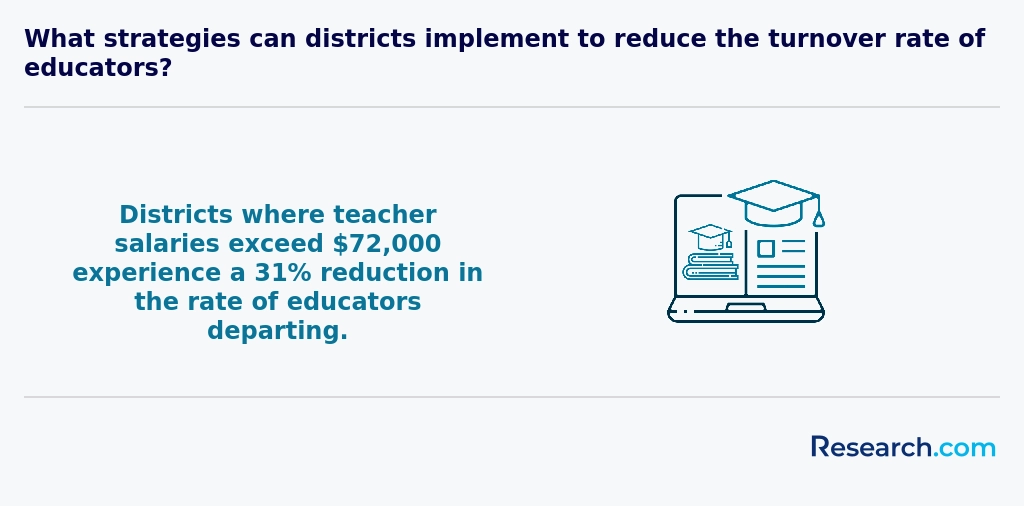
Graduates holding an education degree in Wingate have access to a variety of rewarding career paths that go beyond traditional classroom teaching. Many find fulfilling jobs as licensed teachers in local elementary, middle, or high schools, benefiting from the growing demand for educators around 2027 in the region. Others explore specialized roles such as school counselors or curriculum coordinators, contributing to student well-being and instructional development. Those studying education in Wingate often share positive experiences about how nearby universities foster hands-on learning, preparing them effectively for these varied roles.
Additionally, education degree career options in Wingate are expanding into emerging areas like educational technology and policy-making. Graduates might work with local school boards or state departments, influencing future education reform and funding. Some pursue advanced degrees to enter senior administrative or university teaching positions, supported by gateways available at colleges in Wingate. The practical opportunities and supportive environments encourage students to envision impactful careers locally while engaging with evolving trends nationwide.
For those looking to broaden their horizons, exploring the best online teaching programs allows flexibility and access to innovative instructional methods that complement in-person experiences, making education degrees in Wingate both versatile and future-ready.

The job market for education degree holders in Wingate is shaped by a steadily growing demand for skilled educators, especially in K-12 settings. Graduates from popular colleges in Wingate often share their excitement about entering classrooms where enrollment is rising, reflecting a promising Wingate teaching career market outlook. Many find themselves well-prepared for licensure requirements that open doors to public school roles and specialized areas like special education, which shows even faster employment growth. This local growth parallels national trends and creates positive momentum for newcomers eager to impact their communities.
Beyond traditional teaching roles, education graduates in Wingate explore diverse opportunities in educational administration and curriculum development. These paths allow for meaningful contributions off the classroom, appealing to those wanting multifaceted careers. Several graduates recommend exploring online elementary education courses to enhance skills and increase versatility in this evolving field.
In essence, education degree job opportunities in Wingate offer a hopeful outlook supported by real growth and multiple career avenues. This dynamic landscape encourages students to envision fulfilling futures where their passion for education meets tangible, local needs.
2027 Best Education Degree Programs Ranking in Wingate
Investing in your education is a significant decision that can profoundly impact your future, and the Research.com team recognizes the importance of supporting you in making well-informed choices. To provide clarity and guidance, we have carefully developed the "2027 Best Education Degree Programs Ranking in Wingate." Our dedication to quality, credibility, and accuracy is demonstrated through thorough research and rigorous analysis conducted to compile this ranking.
We utilized the following reputable data sources to ensure a comprehensive evaluation of education degree programs:
By exploring this ranking, readers will obtain valuable insights into the top education degree programs available in Wingate, empowering them to make informed decisions about their academic and professional journeys. For more information about how this ranking was created, please visit our Research.com methodology page.

Frequently Asked Questions About education
Education degree students in Wingate can enhance their learning by actively engaging with local school districts through internships and practicum experiences. Wingate University, for example, partners with area schools to provide practical training, which studies show improves job placement rates by up to 20% nationally, according to the National Center for Education Statistics.
Utilizing campus resources such as tutoring centers and faculty office hours is also crucial. Research confirms that students who regularly meet with advisors see higher retention and graduation rates.
Joining education-related student organizations in Wingate offers networking benefits and leadership skills critical for future educators. Continuous reflection on teaching practices during field experiences strengthens understanding and effectiveness in the classroom.
The field of education is evolving rapidly, and several emerging niches offer promising opportunities for students pursuing education degrees in Wingate. One notable area is educational technology integration, where teachers are trained to use digital tools effectively in classrooms. This niche is growing due to increasing use of e-learning platforms nationwide.
Another expanding specialty is special education, particularly focusing on inclusive strategies for students with diverse learning needs. According to the U.S. Department of Education, demand for special education teachers is projected to grow by 8% from 2021 to 2031.
Additionally, bilingual education and English as a Second Language (ESL) teaching are vital in regions with diverse populations like Wingate, responding to the rising number of multilingual students.
Preparing for the job market after completing an education degree in Wingate involves strategic steps tailored to the local and national landscape. Graduates should prioritize obtaining state-required teaching certifications, as North Carolina mandates licensure to work in public schools. Wingate University and nearby institutions often provide support through job fairs and career counseling services focused on education careers. Networking with local school districts can increase opportunities, since many districts in Union County actively recruit from Wingate's programs. According to the Bureau of Labor Statistics, the demand for K-12 teachers in North Carolina is projected to grow by 5% through 2031, signaling steady job prospects for well-prepared graduates.
Internships and student teaching experiences are crucial; they offer practical skills and connections that employers value. Additionally, graduates should develop strong skills in digital learning tools, as schools increasingly integrate technology into classrooms. Continuing education and professional development, such as workshops offered by the North Carolina Department of Public Instruction, can also boost employability.
Employers in Wingate prioritize several key skills when hiring graduates with education degrees. Strong communication abilities rank highly, as effective interaction with students and parents is crucial. Additionally, classroom management skills are essential, reflecting the need to maintain a productive learning environment. According to data from the North Carolina Department of Public Instruction, adaptability and problem-solving skills are increasingly valued due to evolving educational standards and diverse student needs.
Technological proficiency also stands out. With digital tools becoming integral to teaching, graduates must demonstrate competence in educational software and virtual learning platforms. Finally, a deep understanding of curriculum development and assessment strategies remains a core requirement for teaching positions throughout Wingate's public schools.
Finding internships related to an education degree in Wingate involves leveraging local resources and university partnerships. Wingate University's School of Education maintains connections with nearby K-12 schools, offering students placement opportunities for hands-on experience. These internships help students meet state certification requirements, which is crucial in North Carolina's teacher licensure process.
Students can also explore placements in public and private schools within Union County, which has a growing demand for qualified educators. According to the North Carolina Department of Public Instruction, districts around Wingate have increased internship collaborations by 15% over recent years.
Networking through university career services and attending local education job fairs further increases internship prospects. Utilizing online platforms focused on education roles in North Carolina can also be beneficial.
An education degree significantly enhances career mobility and advancement opportunities in Wingate. According to the North Carolina Department of Public Instruction, educators with a bachelor's or advanced degree in education typically qualify for higher salary scales and leadership roles within the school system.
In Wingate, teachers holding a master's degree or credential often access specialized positions such as curriculum coordinators or instructional coaches, which are less available to those without advanced qualifications. Data from the Wingate City Schools district shows that educators with advanced certifications experience a 15% higher promotion rate over five years.
Moreover, education degrees prepare graduates for licensure requirements in North Carolina, a crucial step for employment stability and growth. The degree also supports transitions into related fields like educational administration and counseling, broadening career pathways.
Studying for an education degree in Wingate offers strong preparation for interdisciplinary roles by focusing on diverse teaching methods and collaboration across subjects. Programs emphasize integrating knowledge from psychology, sociology, and technology to address varied learning needs.
Wingate University, a notable institution in the area, incorporates practical experiences through partnerships with local schools, allowing students to work in real-world environments with diverse populations. This hands-on approach builds skills essential for interdisciplinary teamwork.
According to data from the North Carolina Department of Education, educators trained in Wingate's programs show increased adaptability in curriculum development, an important factor for interdisciplinary success.
Furthermore, coursework often includes strategies for inclusive education and technology integration, preparing graduates to work effectively in multiple fields within education.
Choosing between a thesis and a non-thesis education degree program in Wingate depends largely on your career goals and learning preferences. Thesis programs typically involve original research and are suited for students interested in academic or research careers. Non-thesis programs focus more on practical skills and coursework, ideal for those aiming for classroom teaching or administrative roles.
According to data from the National Center for Education Statistics, many U.S. education master's programs, including those near Wingate, offer these options to accommodate different professional paths. Thesis programs often take longer to complete due to research requirements.
Consider your readiness for independent research and your long-term plans. Discuss options with advisors at Wingate-area colleges, as institutions may have specific expectations or advantages for each track.
Students based in Wingate who wish to study education abroad have several options through partnerships with U.S. universities. Many institutions in the region participate in exchange programs allowing students to spend a semester or year at overseas universities.
Wingate University itself offers study abroad opportunities in education-related fields, often in collaboration with universities in Europe and Asia. These programs provide exposure to diverse educational systems and teaching methods.
Additionally, federal data from the Institute of International Education (IIE) shows that demand for education degrees with international experience is growing nationwide. Students can also explore accredited online programs with international components, which are flexible and increasingly popular.
In Wingate, students pursuing education degrees can benefit from a variety of part-time job opportunities that complement their academic progress. Common roles include teacher assistants, tutoring positions, and after-school program aides. These jobs allow students to gain practical classroom experience while balancing coursework.
Teacher assistants often help with lesson preparation and individualized student support, valuable for those aiming to become certified educators. According to the North Carolina Department of Public Instruction, Wingate falls within a region emphasizing practical teaching experience alongside formal education, enhancing job prospects upon graduation.
Additionally, tutoring roles in Wingate schools or community centers provide opportunities to develop instructional skills in a low-pressure environment. Many education students find these positions enrich their understanding of diverse learning needs and teaching techniques.
Education students in Wingate benefit from various networking opportunities that support their professional growth. Local universities, such as Wingate University, often host career fairs and education-focused events connecting students with nearby K-12 schools and community organizations. Participating in student teaching placements within the region also allows future educators to build valuable contacts with school administrators and mentors.
Additionally, students can join state and regional education associations, including the North Carolina Association of Educators (NCAE), which offers conferences and workshops. These platforms enable networking with experienced teachers and education leaders, fostering collaboration and job prospects.
According to NCAE reports, about 70% of education graduates in the region find employment through such professional connections within six months after completion of their programs.
Alumni networks play a crucial role in supporting education degree students in Wingate by connecting them with experienced graduates. These networks provide access to mentorship opportunities, helping students navigate the challenges of teacher certification and classroom management. According to the National Education Association, mentorship can improve teacher retention by up to 50%, an important factor in Wingate's local schools facing teacher shortages.
Additionally, alumni connections often lead to internships and job placements within school districts around Wingate. With about 15% of education graduates securing positions through alumni referrals, this network is an essential resource. Networking events and online platforms help students engage with professionals, broadening their career prospects in education.
Customization of education degree programs in Wingate typically involves selecting specializations or concentrations that align with your career goals. Many institutions offer tracks in areas such as early childhood education, special education, or educational leadership.
Students can often tailor their curriculum by choosing electives that match their interests, such as curriculum design, technology integration, or counseling. This flexibility helps prepare graduates for specific roles in the education sector.
In addition, Wingate-based programs may include practical field experiences or internships, allowing hands-on learning in local schools. According to the National Center for Education Statistics, experiential learning improves employment prospects in education fields by up to 20%.
Advising services are also key; academic advisors assist students in aligning their courses with career objectives through personalized degree planning.
Students pursuing education degrees in Wingate often face several challenges affecting their academic progress and professional development. One common issue is balancing coursework with student teaching assignments, which can be demanding and time-consuming. According to data from the North Carolina Department of Public Instruction, student teachers in the region report an average of 20-25 hours per week in classroom practice, making time management essential.
Another challenge involves adapting to evolving educational standards and technologies. Many students find integrating digital tools into lesson planning difficult, especially when schools require proficiency in various tech platforms. Additionally, funding constraints in some local districts limit access to resources, creating disparities in student experiences.
Finally, navigating certification requirements and passing state licensure exams pose significant hurdles. Wingate education students must stay current with North Carolina's licensure regulations, which periodically update subject-area competencies and testing criteria.
With an education degree in Wingate, you can pursue several professional certifications that enhance your teaching credentials. Common certifications include state licensure for K-12 teaching, which is necessary to work in public schools across North Carolina. The North Carolina Department of Public Instruction offers certifications in areas like elementary education, special education, and secondary subject-specific teaching.
Additionally, educators may seek National Board Certification, recognized nationwide for higher teaching standards and professional growth. Wingate graduates can also pursue specialized credentials such as Reading Specialist or ESL (English as a Second Language) certification. These certifications typically require additional coursework and passing relevant exams, supporting career advancement in the education sector.
Writing a winning application for an education program in Wingate requires clarity and careful preparation. Start by researching the specific program's requirements, as many programs ask for a strong personal statement explaining your motivation and teaching philosophy. Highlight any relevant experience, such as volunteering or working with children, which Wingate's education programs value highly.
Include official transcripts and standardized test scores if requested. Wingate University, for example, emphasizes a minimum GPA of 3.0 for education applicants according to recent admissions data.
Letters of recommendation from education professionals or professors strengthen your application by providing insight into your abilities and character.
Lastly, proofread your application carefully to avoid errors and demonstrate professionalism, increasing your chances in Wingate's competitive education programs.
The global view of an education career emphasizes the need for cultural awareness, adaptability, and lifelong learning. In the U.S., including areas like Wingate, education professionals are expected to prepare students for a diverse and interconnected world. According to the National Center for Education Statistics, over 75% of education degree graduates engage in roles that require understanding global perspectives.
International collaboration is increasingly valued, with many U.S. certification programs incorporating global teaching standards. Awareness of international educational challenges can enhance teaching strategies and student outcomes, especially in multicultural classrooms found in Wingate's institutions.
Moreover, educators often participate in exchange programs or global conferences, reflecting a commitment to evolving best practices worldwide. Understanding global educational trends supports career growth and helps meet the needs of diverse learners.
Students pursuing an education degree in Wingate can gain practical experience through local school partnerships and classroom internships. Many programs require students to complete supervised fieldwork in nearby public and private schools. For example, Wingate University's education department collaborates with Union County schools to offer hands-on teaching experiences.
Additionally, volunteering or substitute teaching in Wingate-area schools provides valuable exposure to real-world classroom environments. According to the National Center for Education Statistics, nearly 50% of education students engage in practicum placements before graduation, which is critical for licensure.
Participating in workshops, student teaching, and mentorship programs helps build essential skills and enhances employability after earning the degree.
Choosing the right concentration within an education degree program in Wingate requires understanding your career goals and the local job market. Wingate University offers several education tracks including Elementary, Secondary, and Special Education, each with specific certification pathways recognized by North Carolina's Department of Public Instruction.
Research shows that Special Education majors in North Carolina have a strong demand, with projected growth of 10% through 2030 according to the NC Department of Commerce. If you prefer working with diverse learners or in inclusive classrooms, this concentration may offer more job stability.
Consider your interests as well-whether you want to teach early childhood, middle school, or high school students-as this shapes your concentration choice. Reviewing program curricula and speaking with academic advisors at Wingate can help clarify which path aligns best with your goals.
- 2027 Best Education Degree Programs Ranking in Macon
- 2027 Best Education Degree Programs Ranking in Atlanta
- 2027 Best Education Degree Programs Ranking in Jacksonville
- 2027 Best Education Degree Programs Ranking in Washington
- 2027 Best Education Degree Programs Ranking in Baltimore
- 2027 Best Education Degree Programs Ranking in Louisville
- 2027 Best Education Degree Programs Ranking in Birmingham
- 2027 Best Education Degree Programs Ranking in Montgomery
- 2027 Best Education Degree Programs Ranking in Gainesville
- 2027 Best Education Degree Programs Ranking in Tallahassee
See What Experts Have To Say About Studying Education
Read our interview with Education experts

Nooshan Ashtari
Education Expert
Professor & Book Author
University of Southern California

Alan J. Singer
Education Expert
Professor of Teaching, Learning and Technology
Hofstra University

- Education Study Abroad Programs | Go Overseas https://www.gooverseas.com/study-abroad/education
- Wingate University School of Pharmacy https://www.careereco.com/OrganizationRegistration/ModalProfile
- Get Into Teaching with an internship https://www.youthemployment.org.uk/getintoteaching-with-an-internship/
- 5 Tips on Choosing the Right Course or Study Program - Edunation https://www.edunation.co/5-tips-on-choosing-the-right-course-or-study-program/
- Teacher of Global Perspectives (IGCSE) https://www.scie.com.cn/jobs-global-perspectives/
- Cost - Wingate University, Tuition https://www.wingate.edu/admissions/financial-aid/cost
- Wingate University Reviews https://www.gradreports.com/colleges/wingate-university
- Admission Requirements https://www.ualberta.ca/en/education/programs/undergraduate-programs/admission-requirements.html
- The 8 challenges of education in a changing world https://casvitrescantos.com/en/the-8-challenges-of-education-in-a-changing-world/
- Bachelor of Education Degree (Here's What To Expect) https://www.alleducationschools.com/teaching-degrees/bachelors-in-education/


