
2027 Best Education Degree Programs Ranking in Boulder

Co-Founder and Chief Data Scientist
Are you considering pursuing an education degree in Boulder? Choosing the right program can be overwhelming, but this article will guide you through the 2027 Best Education Degree Programs Ranking in Boulder. Created by the Research.com team of data scientists, the ranking offers clear, trustworthy insights to help you find programs that match your goals.
Reading this article will empower you with knowledge to make confident decisions about your future. An education degree opens doors to rewarding careers and meaningful impact. Explore your options with ease and excitement.
Key benefits of getting education degree in Boulder
- Graduates with an education degree in Boulder can expect competitive salaries, such as $76,000 annually for special education teachers and $77,200 for instructional designers, offering financial stability and rewarding career options.
- Degree holders often pursue diverse career paths, from teaching various grade levels to curriculum design, reflecting the broad opportunities available to graduates from Boulder's respected universities.
- Online education degrees provide flexibility and convenience, allowing Boulder students to balance work and study while gaining valuable credentials recognized by local employers and educators.
- Key benefits of getting education degree in Boulder
- What can I expect from education degree in Boulder?
- Where can I work with education degree in Boulder?
- How much can I make with education degree in Boulder?
- 2027 Best Education Degree Programs Ranking in Boulder
- Key Findings
- How long does it take to complete education degree in Boulder?
- Return on Investment for Education Degrees in Boulder, CO
- What's the difference between online and on-campus education degree?
- Return on Investment for Education Degrees in Boulder, CO
- What is the average cost of education degree in Boulder?
- Estimating Return on Investment for an Education Degree in Boulder, CO
- What financial aid is available to education degree students in Boulder?
- Most Affordable Education Options in Boulder, CO
- What are the prerequisites for enrolling in education degree program in Boulder?
- Accreditation and Program Quality Assurance
- What courses are typically in education degree programs in Boulder?
- What types of specializations are available in education degree programs in Boulder?
- How do you choose the best education degree in Boulder?
- What career paths are available for education degree students in Boulder?
- What is the job market for education degree in Boulder?
- Top Trending Education Rankings
- See What Experts Have To Say About Studying Education
What can I expect from education degree in Boulder?
The average cost of pursuing an education degree in Boulder varies but generally aligns with the tuition rates at the University of Colorado Boulder, the city's primary institution for education degrees. Graduates often share that managing costs involves balancing tuition, living expenses, and additional fees, which can be higher than the national average due to Boulder's cost of living. Tuition for undergraduate education programs at CU Boulder can range from moderate to high depending on residency status, with additional expenses for books, materials, and student teaching placements.
Many students highlight the importance of securing financial aid and scholarships offered through CU Boulder's School of Education or local education foundations. These financial supports help significantly reduce the overall cost burden, making the degree more accessible.
Graduates describe budgeting for housing near campus, transportation, and food while using campus resources like affordable student housing and meal plans. This practical approach, combined with strategic financial planning, allows many to complete their degrees without overwhelming debt.
In short, planning ahead for both tuition and living costs, leveraging scholarships, and utilizing campus services are key strategies to managing the investment in an education degree in Boulder.
Where can I work with education degree in Boulder?
Graduates with an education degree in Boulder often find rewarding careers within the Boulder Valley School District (BVSD), which employs educators across elementary, secondary, and special education roles. Many graduates from the University of Colorado Boulder appreciate the regular hiring by BVSD, allowing them to impact local students directly while enjoying a supportive community environment.
Private and charter schools like Shining Mountain Waldorf and Boulder Country Day offer alternatives for those seeking smaller class sizes and innovative teaching methods. These schools attract graduates who value close-knit classrooms and progressive education.
Early childhood education is another popular path. Many education degree holders work at places like Boulder Journey School, where they lead developmentally focused classrooms, putting their specialized training into immediate practice.
Graduates also benefit from roles in higher education institutions, nonprofit organizations, and local government programs. Engaging in program development or youth services allows them to create meaningful community impact beyond traditional classrooms, further broadening career options in Boulder's vibrant education sector.
How much can I make with education degree in Boulder?
Graduates with an education degree in Boulder can expect competitive salaries that reflect both the local demand and cost of living. For example, elementary school teachers often earn around $70,740 annually, which aligns well with the Boulder Valley School District's standards. Those specializing in special education enjoy even higher earnings, with mean annual wages near $76,000. Early childhood educators typically start at about $41,410, providing a solid foundation for new graduates from institutions like the University of Colorado Boulder.
Many graduates pursuing roles such as ESL teachers find opportunities averaging $65,430 per year, benefiting from growing diversity in Boulder schools. Instructional designers, who apply education skills more broadly, see salaries around $77,200, offering appealing career flexibility.
Graduates often mention how studying in Boulder helps build strong networks and real-world classroom experience, boosting confidence and job readiness. Exploring additional certifications and advanced degrees can significantly increase earning potential, with some experienced educators earning upwards of $75,000 to $90,000 in leadership roles within local districts.
2027 Best Education Degree Programs Ranking in Boulder
How do we rank schools?
Investing in your education is a significant decision that can profoundly impact your future, and the Research.com team is committed to helping you make informed choices. To support prospective students in Boulder, we have carefully developed the "2027 Best Education Degree Programs Ranking in Boulder." Our dedication to quality, credibility, and accuracy is demonstrated through rigorous research and thorough analysis. We relied on the following authoritative data sources to ensure a comprehensive and trustworthy evaluation:
By consulting this ranking, readers will receive valuable insights into Boulder's top education degree programs, enabling them to choose the best path for their academic and professional goals. For further information about our process, please visit our Research.com methodology page.

Key Findings
- Tuition for education degrees in Boulder ranges from about $12,000 to $35,000 per year for in-state students, with higher costs at private and out-of-state schools.
- Students should also budget for materials, fees, and living expenses, as Boulder has a higher cost of living than many U.S. cities.
- Starting salaries for education graduates average around $44,000 per year, with experienced educators earning closer to $60,000 annually.
- The job market is stable with demand for teachers in early childhood, secondary, special education, and administrative roles within public, private, and charter schools.
- Colorado teacher licensure requires completing an approved program and passing exams, and many Boulder schools offer pathways to meet these requirements.
- Financial aid, scholarships, and internships are commonly available for students pursuing education degrees in Boulder.
How long does it take to complete education degree in Boulder?
Completing an education degree in Boulder typically takes about four years for a bachelor's, aligning with most students who enroll full-time at institutions like the University of Colorado Boulder. Graduates often describe balancing coursework on pedagogy and real-world teaching experiences as rewarding, building confidence through hands-on practice in local schools.
Master's degrees generally require around two years of full-time study, but many students appreciate part-time options that extend this to three or four years to accommodate work or personal commitments. For example, working professionals find these flexible programs ideal for advancing careers without sacrificing income.
Doctoral candidates expect a commitment ranging from three to six years, often involving intensive research and a dissertation. Boulder's collaborative environment helps students sustain motivation, with faculty support and community partnerships making the demanding years feel purposeful and connected to real educational leadership challenges.
Return on Investment for Education Degrees in Boulder, CO
Investing in an Education degree in Boulder requires a clear understanding of costs, expected earnings, and payback timelines. On average, in-state students at public four-year institutions spend around $27,146 per year on total attendance, while private nonprofit costs can reach $58,628 annually. When comparing these expenses to median salaries-$63,130 for ESL teachers, $38,640 for Early Childhood Educators, and $73,080 for Instructional Designers-students can estimate a break-even point of approximately 4–6 years after graduation. Beyond traditional roles, exploring alternative career paths can accelerate your ROI. For instance, positions in educational consulting or curriculum design often command starting salaries 10–20% higher than entry-level teaching, shortening payback periods. To discover a wider array of options, including roles that leverage your pedagogical skills in non-classroom environments, check out these HTML anchor: jobs for teachers outside of education. Students should also factor in financial aid and scholarship packages to lower upfront costs. Programs like the College Opportunity Fund (COF) can reduce public university tuition by up to 30%, while numerous institutional scholarships at CU Boulder can cover up to 50% of fees. Ultimately, calculating ROI involves balancing tuition, living expenses, and projected earnings across diverse career trajectories to ensure your Boulder education investment yields both professional fulfillment and financial stability.
What's the difference between online and on-campus education degree?
Choosing between an online and on-campus education degree in Boulder depends largely on your lifestyle and learning preferences. Graduates from the University of Colorado Boulder often highlight the value of face-to-face interactions, citing opportunities to engage directly with professors and peers in campus libraries and during student teaching placements. This hands-on approach can make mastering classroom techniques feel more natural and immediate.
Conversely, many online students appreciate the flexibility to balance work and family while pursuing their degree. For example, education students at local community colleges who studied online mentioned the ease of accessing coursework from home, fitting study around busy schedules without commuting hassles. Online programs foster a sense of independence and self-motivation, which some find empowering.
Tuition costs also differ; on-campus programs typically average about $12,500 annually for in-state students in Boulder, while online options sometimes offer more affordable, technology-inclusive fees. Considering how you learn best and your financial situation will help you make a confident choice between these two paths.
Return on Investment for Education Degrees in Boulder, CO
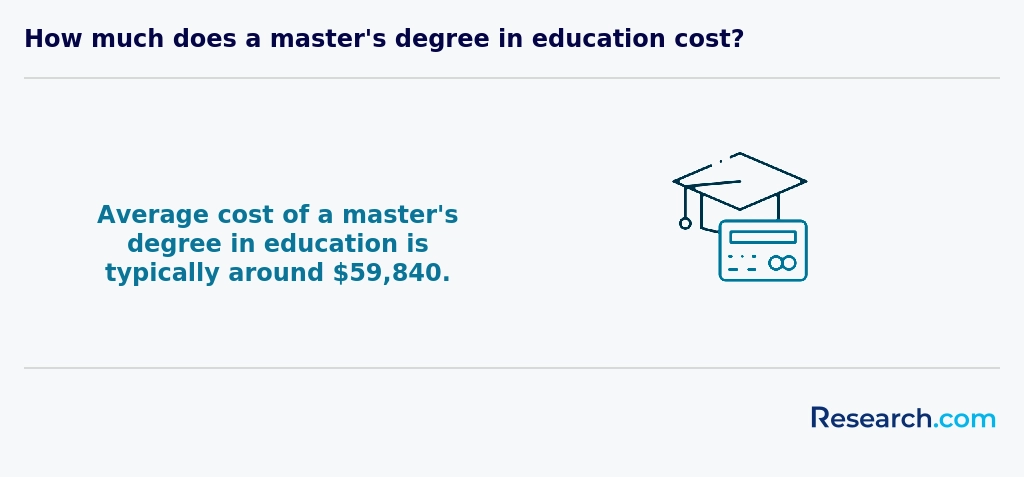
Calculating the return on investment (ROI) for an education degree in Boulder, CO involves comparing the total cost of attendance with expected starting salaries and career wage growth. On average, in-state tuition and fees at public universities in Boulder amount to $9,750 per year, with total annual costs (including room, board, and supplies) reaching approximately $27,146. Out-of-state students face tuition of $27,457 plus similar living expenses, while private nonprofit programs can total $58,628 annually. Considering that entry-level ESL teachers earn around $63,130 and instructional designers average $73,080, most graduates recoup their educational investment within three to five years of full-time employment. For those pursuing advanced degrees, master’s programs in education average $59,840 in tuition and fees. Graduates often report salary increases of 15–20% upon obtaining a master’s, translating to mean annual wages of $75,000–$85,000 in administrative or specialized roles. When factoring in federal loan interest rates (around 5–6%), paying off graduate debt typically takes four to six years, depending on repayment plans and additional financial aid. To boost ROI, prospective students can explore cost-saving pathways such as starting at Front Range Community College or selecting accredited online programs that reduce living expenses. For example, educators seeking low-cost graduate options can refer to our Low Cost Online Master's in Education Degree Programs Ranking in Texas, which highlights competitive tuition rates and flexible formats to accelerate degree completion and minimize debt.
What is the average cost of education degree in Boulder?
The average cost of education degree programs in Boulder typically centers around $15,666 for in-state students and can reach upwards of $63,902 for out-of-state students. This range reflects tuition and related academic fees, which many graduates recount balancing with part-time jobs or campus assistantships during their time at popular universities like the University of Colorado Boulder. Understanding the average cost of education degree in Boulder is essential for planning finances effectively, especially given that housing and living expenses in the area are higher than in many other regions.
Students enrolled in Boulder education degree programs often highlight how scholarships and financial aid can make a significant difference in managing these costs. Many institutions offer targeted support to education majors, which makes budgeting for tuition and living expenses more manageable. For those unfamiliar with local opportunities, exploring options such as teaching assistant roles or university awards can provide both experience and financial relief.
Beyond tuition, it's important to remember additional expenses like books, supplies, and living costs, which add approximately $1,200 to $1,500 per month. Graduates appreciate practical budgeting strategies and lifestyle adjustments that align with these expenses, helping them maintain focus on achieving their academic goals.
For students considering routes into education, it also helps to research regional programs carefully. Those looking beyond Boulder might explore south carolina teaching degree programs to compare tuition costs and financial aid options available in other states.
When assessing Boulder education degree program tuition fees, planning ahead and seeking guidance from university admissions and financial aid offices can create a more confident and successful academic journey.
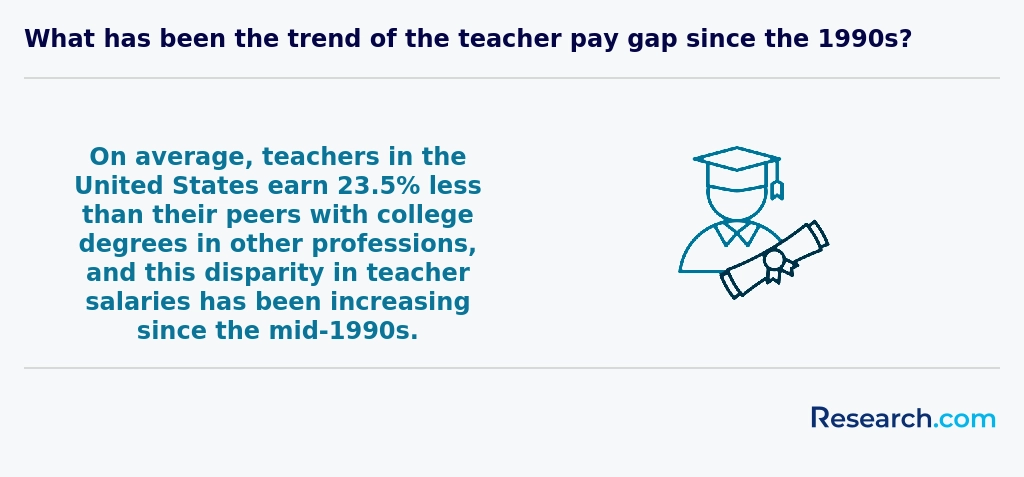
Estimating Return on Investment for an Education Degree in Boulder, CO
Investing in an education degree requires balancing tuition costs against long-term earning potential. In Boulder, CO, the average annual in-state tuition for a public four-year institution is $9,750, while private nonprofit programs can reach $38,768. To estimate your return on investment (ROI), consider the mean salaries of common roles: ESL teachers earn $63,130/year, instructional designers $73,080, and early childhood educators $38,640. First, calculate total program cost: multiply annual tuition by program length (e.g., four years for a bachelor’s). Then divide expected post-graduation earnings by that figure to determine your payback period. For instance, an instructional designer making $73,080 could recoup a $39,000 total tuition in under seven months of full-time work. Next, factor in financial aid and scholarships. Approximately 65% of Boulder students leverage federal grants, state aid, and institutional awards, reducing net costs by up to 30%. If you’re weighing online options, compare Boulder’s ROI with other low-cost programs-our Low Cost Online Master's in Education Degree Programs Ranking in Texas offers insight into budget-friendly alternatives. Finally, consider non-monetary returns: networking opportunities within Boulder’s thriving educational community, hands-on practicum experiences, and access to innovative research at CU Boulder can accelerate career growth and job satisfaction. By combining quantitative ROI calculations with qualitative benefits, prospective students can select a program that delivers both financial stability and professional fulfillment.
What financial aid is available to education degree students in Boulder?
Education students in Boulder benefit from various financial aid options designed to ease the burden of tuition and living costs. By completing the FAFSA, students can access federal support like Pell Grants and low-interest loans, which many graduates appreciated for making their programs at the University of Colorado Boulder affordable. These federal loans often come with flexible repayment plans tailored for those pursuing public service careers, such as K-12 teaching in Boulder schools.
State aid is another vital resource. Colorado's Graduate Grant provides targeted funding for education majors committed to public service, while the Teacher Loan Forgiveness Program rewards those who teach in underserved Colorado districts by reducing loan balances. Graduates often recall how these programs motivated them to serve their communities.
Local scholarships from CU Boulder and Boulder school districts offer additional financial relief, sometimes amounting to thousands annually. Working professionals also commonly leverage employer tuition assistance programs, which several Denver-Boulder area districts provide, making it easier to advance their degrees without financial strain.
Exploring private scholarships through resources like College Board or Fastweb has helped many Boulder students find unique funding opportunities tailored to education majors in Colorado.
Most Affordable Education Options in Boulder, CO
For students seeking to pursue their education degree in Boulder, CO, without accumulating significant debt, exploring the most affordable education programs is essential. When considering the financial aspect of education, it's crucial to look into programs that offer quality education at a lower cost. Students can find more information on most affordable education programs in Colorado, which can provide valuable insights into budget-friendly options. Many institutions in Boulder, such as community colleges, offer associate degrees in education that can be completed at a fraction of the cost of traditional four-year universities. Additionally, some universities provide online or hybrid programs that can help reduce living expenses and tuition fees. By researching and comparing the costs of different programs, students can make informed decisions about their educational investments and find a path that aligns with their financial situation and career aspirations.
What are the prerequisites for enrolling in education degree program in Boulder?
To enroll in an education degree program in Boulder, you must first have a high school diploma or GED for undergraduate studies. Many graduates share that successfully meeting this basic requirement made the application process feel manageable and motivating. For those aiming for graduate programs like the M.Ed. at institutions such as the University of Colorado Boulder, holding a bachelor's degree is essential. Interestingly, the degree doesn't always need to be in education, though some programs recommend relevant coursework or experience in teaching or child development.
Standardized test scores, like the GRE, are less emphasized now, easing the stress for many applicants. Instead, Boulder colleges often focus more on your academic record and practical experience. Graduates emphasize how submitting strong letters of recommendation and a heartfelt personal statement helped them stand out.
- A GPA between 2.5 and 3.0 is usually required, depending on the program's competitiveness.
- Volunteer or work experience in educational settings is often favored, especially for specialized credentials.
These prerequisites ensure you're well-prepared and confident as you start your education journey in Boulder.
Accreditation and Program Quality Assurance
Ensuring your education degree program is properly accredited not only guarantees academic rigor but also streamlines the path to state licensure and enhances employability. In Boulder, CO, most reputable institutions hold regional accreditation through the Higher Learning Commission (HLC) and programmatic approval from the Colorado Department of Education. Additionally, many master’s and teacher preparation tracks pursue specialized accreditation from the Council for the Accreditation of Educator Preparation (CAEP), signaling adherence to national standards for curriculum, clinical practice, and faculty qualifications. Key accreditation considerations:
- Regional Accreditation (HLC): Validates overall institutional quality and eligibility for federal financial aid.
- State Approval: Colorado Department of Education approval ensures alignment with licensure requirements for K–12 teaching and specialist roles.
- CAEP Accreditation: Demonstrates a program’s commitment to continuous improvement, research-based instruction, and effective field experiences.
- Renewal Cycles and Reporting: Accredited programs undergo periodic reviews, including site visits and data-driven assessments such as graduation rates, job placement, and candidate satisfaction. For students exploring flexible delivery models, many CAEP-accredited programs offer hybrid and online formats. If cost is a primary concern, consider our Low Cost Online Master's in Education Degree Programs Ranking in Texas to compare accredited, budget-friendly alternatives beyond Colorado.
What courses are typically in education degree programs in Boulder?
Education degree programs in Boulder typically include foundational courses like Foundations of Education, where graduates learn about historical and social perspectives that shape teaching today. Students often highlight how Educational Psychology courses helped them understand diverse learning styles in real classrooms.
Key practical courses such as Curriculum Design and Instructional Methods prepare students to create engaging lesson plans, with many graduates appreciating the hands-on approach taught at institutions like the University of Colorado Boulder. Courses on Assessment and Evaluation teach future teachers to measure progress effectively, an essential skill in real-world school settings.
Classroom Management classes train students to handle diverse, bustling classrooms confidently, while Technology Integration introduces digital tools that graduates found invaluable for modern teaching. Special Education courses focus on inclusive practices, allowing graduates to support students with diverse needs successfully.
Many Boulder programs include fieldwork or student teaching, providing irreplaceable hands-on experience that helps students transition smoothly into professional roles. This practical blend of coursework and experience makes Boulder education degrees well-rounded and impactful.
What types of specializations are available in education degree programs in Boulder?
Education degree specializations in Boulder offer practical pathways tailored to individual teaching goals. Graduates from local universities often highlight the Elementary Education track, which prepares them to engage young learners effectively through foundational skills and classroom management strategies. This specialization aligns well with Boulder's community focus on strong early education.
Many students choose Secondary Education, focusing on subjects like math or science, where they develop expertise to inspire middle and high school students. Experiences shared by education graduates emphasize the rewarding challenge of connecting with adolescent learners and mastering both subject knowledge and teaching methods.
Special education is another key option, where students train to support learners with disabilities using individualized education plans and adaptive techniques. Such specialization fits Boulder's inclusive educational environment and growing awareness of diverse learning needs.
For those interested in advancing beyond the classroom, Boulder institutions also provide Educational Leadership and Administration tracks. Students gain skills for roles like principals or curriculum coordinators, with courses covering leadership and school management fundamentals. Those exploring career growth can also consider online master's in organizational leadership programs to complement their education degree program options in Boulder.
How do you choose the best education degree in Boulder?
Start by defining the specific field of education you're passionate about, such as early childhood or educational leadership. Graduates from the University of Colorado Boulder often emphasize how choosing a specialization aligned with their career goals made their studies more engaging and rewarding. When comparing the best education degree programs in Boulder, accreditation is essential-programs accredited by CAEP ensure quality teaching standards and smoother certification processes in Colorado.
Consider affordability carefully since Boulder's living costs are relatively high. Look for affordable education degrees Boulder Colorado offers by checking tuition fees and available financial aid; many local students appreciate how programs here balance quality with cost-effectiveness. Flexible program formats, including hybrid and online classes, help manage work and life commitments. These often include practical components like student teaching in Boulder-area schools, offering real-world experience.
Finally, focus on career outcomes. Graduates attest that programs with strong alumni networks and high certification success rates led them to satisfying jobs. For those interested, exploring careers with a music degree can also open unexpected education pathways.
What career paths are available for education degree students in Boulder?
Graduates with an education degree in Boulder have diverse career paths to explore. Many pursue licensure to teach in the Boulder Valley School District, thriving in specialized areas like STEM or special education, which are in high demand. Others advance into educational administration, taking leadership roles such as principals or district administrators, benefiting from competitive salaries and influencing local school policies. Some choose counseling or school psychology positions, addressing student wellness and social-emotional needs in both public and private schools.
Graduates from popular Boulder institutions often find rewarding roles in higher education, including academic advising and curriculum development, leveraging proximity to the University of Colorado. Many also venture into non-traditional careers like educational technology, nonprofits, or government agencies that shape education policy. For students targeting specialized fields, exploring child development master's programs online can broaden opportunities. These job opportunities with education degree Boulder allow graduates to build stable, meaningful careers while contributing positively to their community.
What is the job market for education degree in Boulder?
The education degree job outlook Boulder graduates face is promising, with diverse opportunities in public schools, private academies, and higher education institutions like the University of Colorado Boulder. Graduates often find roles as elementary and secondary teachers, special education instructors, or educational coordinators within dynamic school districts. One graduate shared how the demand for STEM and special education teachers opened doors quickly, making their transition from study to a fulfilling career smooth.
Salaries in Boulder tend to reflect the city's higher living costs, with median wages above the national average, rewarding experienced professionals and certified educators. Graduates benefit from state-backed loan forgiveness and scholarships, easing the financial burden of obtaining advanced education degrees. For those balancing work and study, exploring teaching degree programs for older students presents a practical path forward without sacrificing career progress.
To maximize success, new educators should engage in local professional development workshops offered by entities such as the Boulder Valley School District, which cultivates job retention and career advancement. The Boulder teacher employment opportunities extend beyond classrooms, including administrative and administrative roles that align with education degrees, illustrating a broad and supportive job market.
Frequently Asked Questions About education
Education degree students in Boulder can maximize their learning experience by engaging actively with both their coursework and the local community. The University of Colorado Boulder, a leading institution in the region, offers hands-on practicum opportunities in nearby schools, allowing students to apply theory in real classrooms. According to the Colorado Department of Education, practical experience boosts teacher preparedness by 30%. Additionally, students benefit from leveraging the city's rich educational resources, including workshops hosted by the Boulder Valley School District and local non-profits focused on innovative teaching methods.
Networking with peers and faculty through campus organizations dedicated to education also enhances learning. Furthermore, taking advantage of Boulder's diverse population enables future educators to gain valuable cultural competency, a skill emphasized in 91% of Colorado's teacher preparation programs. Overall, combining practical experience with active community involvement forms a strong foundation for success in education degrees.
Emerging niches within the education field in Boulder reflect broader national trends emphasizing technology integration and diversity. One area gaining attention is educational technology, where teachers specialize in digital tools to enhance learning. According to the Colorado Department of Higher Education, programs focused on instructional design and technology have grown by 15% statewide since 2020.
Another developing field is culturally responsive teaching, which prepares educators to support diverse student populations. Boulder's schools report increasing demand for teachers trained in equity and inclusion strategies, aligning with national efforts to reduce achievement gaps.
Additionally, special education continues to expand, particularly with an emphasis on autism spectrum disorders and behavioral interventions. These specialties provide professionals with skills needed to address evolving student needs in inclusive classrooms.
Preparing for the job market after completing an education degree in Boulder involves strategic planning and leveraging local resources. Graduates should gain practical experience through student teaching placements, often coordinated by Boulder's universities, to build classroom skills. Networking with local school districts, such as Boulder Valley School District, can increase job opportunities; they occasionally host career fairs targeting new educators. According to the National Center for Education Statistics, about 75% of education graduates secure jobs within six months nationally, and local initiatives aim to improve this rate in Boulder. Additionally, obtaining Colorado state licensure is essential for teaching careers.
Continuing professional development through workshops and certifications in areas like special education or ESL enhances employability. Boulder's education community also offers mentorship programs to support new teachers. Utilizing online platforms to showcase teaching portfolios and engaging with education-focused organizations can help graduates stand out in the job market. Staying informed about local demand for teachers-particularly in STEM and bilingual education-allows graduates to target high-need areas effectively.
Employers in Boulder highly value education degree graduates who demonstrate strong communication skills. Effective verbal and written communication is essential for fostering relationships with students, parents, and colleagues. According to the Boulder Valley School District, 87% of hiring managers prioritize this skill when evaluating candidates.
Another critical competency is classroom management. Graduates who can create an engaging and orderly learning environment are in high demand. The Colorado Department of Education reports that schools in Boulder seek teachers capable of adapting to diverse student needs.
Additionally, technology integration skills have become increasingly important. Employers look for educators proficient in digital tools to support remote and hybrid learning environments.
Finding internships in Boulder related to an education degree involves multiple steps aligned with U.S. higher education practices. Start by consulting your university's career services, which often list local K-12 schools and community organizations seeking education interns. For example, the University of Colorado Boulder offers resources to connect students with Boulder Valley School District, a major local employer.
Networking through local education events and volunteer opportunities can increase your chances. According to the Boulder Chamber of Commerce, partnerships between universities and schools have grown by 15% in recent years, enhancing internship availability.
Additionally, exploring online platforms like Handshake, commonly used by Colorado institutions, helps locate paid and unpaid internships focused on teaching and educational support. These experiences provide practical skills essential for licensure and future employment.
Holding an education degree in Boulder notably impacts career mobility and advancement within the local education sector. According to the Colorado Department of Higher Education, educators with bachelor's or master's degrees in education typically experience a 15-20% higher likelihood of career advancement within five years compared to those without formal degrees.
Boulder's school districts prioritize candidates with specialized certifications and advanced degrees for leadership roles, such as curriculum coordinators and principals. The city's commitment to professional development means possessing an education degree often opens doors to higher salaries and expanded responsibilities.
Furthermore, the presence of institutions like the University of Colorado Boulder aids graduates through strong alumni networks and local partnerships, facilitating smoother transitions into the workforce and promotional opportunities.
Studying for an education degree in Boulder offers unique preparation for interdisciplinary roles by integrating diverse fields such as psychology, sociology, and technology into the curriculum. Universities like the University of Colorado Boulder emphasize collaborative learning and practical experience, which equips students with skills to address complex educational challenges.
According to the National Center for Education Statistics, programs in Boulder often include coursework in special education, educational technology, and multicultural education, fostering a broad understanding crucial for interdisciplinary duties.
Additionally, Boulder's strong connections with local schools and community organizations provide hands-on experiences, allowing students to apply theoretical knowledge in real-world settings. This experiential learning sharpens critical thinking and adaptive skills necessary for diverse educational environments.
When choosing between a thesis and a non-thesis education degree program in Boulder, consider your career goals and time commitment. Thesis programs typically require original research and a detailed written project, suited for students aiming for academic or research careers. Non-thesis options often focus on coursework and practical skills, appealing to those planning to work directly in education settings.
In Boulder, universities like the University of Colorado offer both paths, with about 40% of education graduate students choosing the thesis option according to recent enrollment data (CU Boulder Academic Affairs, 2023). Thesis tracks usually take longer but may provide an advantage for doctoral preparation.
Assess your interest in research, available faculty support, and job market trends in Colorado's education sector before deciding. Both routes can lead to certification or advancement, but the choice impacts workload and learning style.
Students based in Boulder who wish to study education abroad have several pathways through US higher education systems. Many Boulder institutions, including the University of Colorado Boulder, offer study abroad programs specifically focused on education, allowing students to gain global perspectives while earning credits. These programs often partner with universities in Europe, Asia, and Latin America, providing practical teaching experiences and exposure to diverse educational methodologies.
In addition, Boulder students can participate in exchange programs facilitated by education networks accredited in the US. These options enable them to explore international education systems while maintaining progress toward their degree. According to the Institute of International Education, nearly 10% of education majors engage in study abroad annually, a trend also reflected among Boulder students.
In Boulder, part-time job opportunities that complement education degree studies are plentiful and support practical skill development. Many students work as teacher assistants in Boulder Valley School District, gaining classroom experience while earning between $15 and $20 per hour, according to local job listings. Tutoring positions, both independently and through centers like the Boulder Public Library, are also common and enhance instructional skills.
Additional roles in after-school programs and summer camps offer valuable experience in child development and classroom management. Schools often seek candidates familiar with current educational technology tools, which aligns with many education degrees focused on modern teaching methods. These jobs provide practical exposure alongside academic learning.
Boulder offers robust networking opportunities for education students through institutions like the University of Colorado Boulder. The School of Education provides access to local school districts for internships and practicum experiences, which are crucial for forming professional connections. Additionally, Boulder hosts regular education-focused events and conferences that draw educators and administrators from across Colorado.
Students can join professional organizations such as the Colorado Education Association, which often holds networking mixers and workshops in Boulder. According to the university's 2023 data, over 75% of education graduates found employment within six months, highlighting the effectiveness of these connections.
Local libraries and community centers also facilitate networking by organizing educational seminars and volunteer opportunities.
Alumni networks provide valuable support for education degree students in Boulder by offering connections to experienced professionals in the field. These networks often facilitate mentorship opportunities, which can improve student success rates during and after their studies. According to the University of Colorado Boulder, active alumni engagement has been linked to higher employment rates for graduates within six months of completing their degrees.
Through alumni events and online platforms, students gain access to job openings and internships often not advertised publicly. This insider knowledge can be crucial in the competitive education sector. Furthermore, alumni frequently collaborate with educational institutions in Boulder, contributing to curriculum development and community outreach initiatives, thereby enriching current students' learning environments.
Customizing your education degree program in Boulder often involves selecting specific concentrations or endorsements that align with your career goals. Many local institutions, including the University of Colorado Boulder, offer flexible curricula allowing students to focus on areas such as special education, curriculum development, or educational technology. This approach helps tailor your skills to meet demands in K-12 schools or administrative roles.
Skills-based electives and field experiences are commonly integrated into programs, providing practical training in real-world settings. According to the Colorado Department of Higher Education, Boulder students benefit from diverse internship opportunities in nearby districts, which can enhance employability.
Additionally, pursuing graduate certificates or dual degrees may further specialize your credentials to better fit emerging education fields like ESL or counseling.
Education students in Boulder face several common challenges during their studies. One significant difficulty is balancing rigorous coursework with field experiences. Many programs require extensive practice teaching in local schools, which demands substantial time and effort outside the classroom.
Another challenge is adapting to evolving educational policies and technologies. With Colorado emphasizing inclusive education and bilingual competency, students must stay updated on these trends to be effective teachers.
Additionally, financial constraints are notable. Tuition and living costs in Boulder can be high, making it difficult for some students to manage expenses while dedicating time to their studies. According to the University of Colorado Boulder, education program enrollment has grown, intensifying competition for resources and placements.
With an education degree in Boulder, you can pursue several professional certifications to enhance your career opportunities. Common certifications include state teaching licensure, which is required to teach in public schools in Colorado. The Colorado Department of Education offers licensure for various grade levels and specializations.
Additionally, many graduates seek certification in specialized areas like special education, literacy, or English as a Second Language (ESL). These certifications often require additional coursework and passing specific exams.
National certifications, such as the National Board for Professional Teaching Standards (NBPTS), are also valued and can boost salary potential. According to local education reports, Boulder's strong K-12 system supports ongoing professional development for certified teachers.
Writing a winning application for an education program in Boulder requires attention to detail and understanding local academic expectations. Start by clearly stating your career goals related to education, aligning them with Boulder's progressive teaching initiatives and community engagement priorities.
Highlight any relevant experience, such as volunteer work in local schools or tutoring, which demonstrates your commitment. Boulder's University of Colorado Boulder often emphasizes practical experience and leadership potential in prospective students.
Strong academic records matter; most education programs in Boulder look for at least a 3.0 GPA. Additionally, carefully craft your personal statement to reflect your passion for education and knowledge of Boulder's unique educational environment.
Including letters of recommendation from educators familiar with your work will strengthen your application. Finally, ensure you meet all deadlines and submission guidelines found on official program websites.
Education careers in Boulder reflect broader global trends emphasizing adaptability and cultural competence. The U.S. Department of Education highlights the growing demand for educators skilled in diverse and multilingual environments, mirroring international priorities. In Boulder, institutions offer programs that prepare students to address global challenges such as equity and inclusion in classrooms.
According to the National Center for Education Statistics, education employment in Colorado is projected to grow by 7% through 2030, underscoring stable career prospects. Boulder's emphasis on innovative teaching methods aligns with global shifts toward technology integration and lifelong learning.
Understanding global perspectives equips Boulder graduates to excel both locally and abroad, reflecting a comprehensive education approach.
Gaining practical experience while pursuing an education degree in Boulder is essential for career readiness. Many universities in Boulder, such as the University of Colorado Boulder, offer field placements and student teaching opportunities within local public schools. These experiences allow students to apply theory in real classrooms under supervision.
Additionally, service-learning programs and partnerships with Boulder Valley School District provide valuable exposure to diverse student populations. According to the Colorado Department of Education, these hands-on activities enhance teaching skills and improve job prospects.
Internships, tutoring, and educational workshops organized by community centers also contribute to practical learning during studies. Students are encouraged to engage actively in these opportunities to build confidence and expertise.
Choosing the right concentration within an education degree program in Boulder begins with understanding local school needs and your career goals. Boulder's diverse K-12 system values specializations such as early childhood education, bilingual education, and STEM teaching. According to the Colorado Department of Education, bilingual education demand in the region has grown by 12% over the last five years. Researching program curricula at Boulder-based institutions can reveal how concentrations align with state licensure requirements and job market trends.
Consider your strengths and interests alongside regional labor statistics from the Colorado Workforce Development Council, which forecast steady growth in special education and administration roles. Additionally, internships and practicum opportunities within Boulder schools provide practical insight into each concentration's focus.
Related Education Rankings for Nearby Cities
- 2027 Best Education Degree Programs Ranking in Denver
- 2027 Best Education Degree Programs Ranking in Colorado Springs
- 2027 Best Education Degree Programs Ranking in Wichita
- 2027 Best Education Degree Programs Ranking in Kansas City
- 2027 Best Education Degree Programs Ranking in Phoenix
- 2027 Best Education Degree Programs Ranking in Des Moines
- 2027 Best Education Degree Programs Ranking in Columbia
- 2027 Best Education Degree Programs Ranking in Minneapolis
- 2027 Best Education Degree Programs Ranking in Saint Paul
- 2027 Best Education Degree Programs Ranking in Riverside
Top Trending Education Rankings
See What Experts Have To Say About Studying Education
Read our interview with Education experts

Nooshan Ashtari
Education Expert
Professor & Book Author
University of Southern California


References
- Putting theory into practice: The value of an interdisciplinary approach to teaching https://my.chartered.college/impact_article/putting-theory-into-practice-the-value-of-an-interdisciplinary-approach-to-teaching/
- Career Goals: 17 Inspirational Examples for you in 2026 https://www.imd.org/blog/learning-and-development/career-goals/
- Skills Employers Look for in Business Graduates – EU Business School https://www.euruni.edu/blog/skills-employers-look-for-in-business-graduates/
- What Can I Do With a Teaching Degree (Besides Teach)? https://www.alleducationschools.com/blog/what-can-i-do-with-a-teaching-degree-besides-teach/
- Finding Networking Opportunities as a Student | National Society of High School Scholars https://www.nshss.org/resources/blog/blog-posts/how-to-find-networking-opportunities-as-a-student/
- The importance of networking in the education sector https://www.tlclive.com/blog/the-importance-of-networking-in-the-education-sector
- How to Write a Great Letter of Intent for a Teaching Job | Zen Educate https://www.zeneducate.com/us/resources/becoming-a-teacher/how-to-write-letter-of-intent-teaching-job/
- Student Expectations and Perceptions of Higher Education - ACA https://aca-secretariat.be/newsletter/student-expectations-and-perceptions-of-higher-education/
- The 8 challenges of education in a changing world https://casvitrescantos.com/en/the-8-challenges-of-education-in-a-changing-world/
- Differences in Majors, Minors, Concentrations, and Certificates - Goldey-Beacom College https://www.gbc.edu/academics/differences-in-majors-minors-concentrations-and-certificates/


