2027 Most Valuable Counseling Degree Programs Ranking in Arkansas

Co-Founder and Chief Data Scientist
Choosing the right counseling degree program can shape your future and open doors to meaningful careers. This article introduces the 2027 Most Valuable Counseling Degree Programs Ranking in Arkansas, developed by the Research.com team of data scientists. It is designed to help you navigate your options with clarity and confidence.
Whether you're just starting or looking to advance your education, understanding which programs offer the best value is essential. Reading this article will give you insights to make a well-informed decision that aligns with your goals and passions.
Investing in a counseling degree means committing to a rewarding path that impacts lives positively. Let this guide support your journey toward success.
Key benefits of getting counseling degree in Arkansas
- Graduates with a counseling degree in Arkansas can earn competitive salaries, such as $76,000 annually for Intervention Specialists and $60,080 for Addiction Counselors, offering financial stability and rewarding career opportunities.
- Career paths vary widely, from roles like Community Outreach Coordinator to Family Support Worker, allowing graduates from Arkansas universities to find fulfilling positions that match their passions and skills.
- Completing a counseling degree online from institutions in Arkansas provides flexibility and convenience, helping students balance work and study while gaining the same respected credentials as traditional programs.
- Key benefits of getting counseling degree in Arkansas
- What can I expect from counseling degree in Arkansas?
- Where can I work with counseling degree in Arkansas?
- How much can I make with counseling degree in Arkansas?
- 2027 Most Valuable Counseling Degree Programs Ranking in Arkansas
- Key Findings
- How long does it take to complete counseling degree in Arkansas?
- What's the difference between online and on-campus counseling degree?
- Licensure and Certification Requirements in Arkansas
- What is the average cost of counseling degree in Arkansas?
- What financial aid is available to counseling degree students in Arkansas?
- What are the prerequisites for enrolling in counseling degree program in Arkansas?
- What courses are typically in counseling degree programs in Arkansas?
- What types of specializations are available in counseling degree programs in Arkansas?
- How do you choose the best counseling degree in Arkansas?
- What career paths are available for counseling degree students in Arkansas?
- What is the job market for counseling degree in Arkansas?
- Related Counseling Rankings for Nearby States
- Top Trending Counseling Rankings
- See What Experts Have To Say About Studying Counseling
What can I expect from counseling degree in Arkansas?
Crunching numbers on a counseling degree in Arkansas often paints a surprisingly approachable picture. Graduates from institutions like the University of Arkansas or Henderson State share stories of balancing tuition bills that typically hover around $20,000 to $30,000 for the entire master's program, depending on residency and course load. Picture yourself navigating those semesters-juggling work, life, and the gratifying challenge of clinical hours-while your wallet stretches just enough to cover essentials.
Some grads recall the relief of scholarship surprises or financial aid that lightened the tuition burden, making the dream feel less like a distant mountain and more like a climbable hill. Those hybrid and online formats? Not just convenience; they're strategic lifelines for many working Arkansans.
Imagine a counseling student in Little Rock, logging 700 supervised clinical hours, hands deep in real-world learning, knowing their investment isn't just tuition-it's a doorway to community impact. This blend of cost and opportunity creates a degree experience where passion and practicality intersect in Arkansas's evolving mental health landscape.
Where can I work with counseling degree in Arkansas?
Graduates stepping out of counseling programs at the University of Arkansas or Arkansas State often find their skills welcomed in community mental health centers, where each day becomes a mission to guide individuals wrestling with anxiety or addiction toward hope. Imagine walking into a center buzzing with purpose, where your words spark beginnings of recovery, deeply rooted in Arkansas's expanding mental health networks.
Others discover their calling behind school doors, shaping young minds and hearts as school counselors in Little Rock or Fayetteville. Picture yourself as the trusted guide for students navigating social and academic storms, helping to build resilience amid changing classroom landscapes, driven by the state's push for better counselor-to-student connections.
Hospital corridors and rehab centers also hum with opportunity, where licensed professional counselors blend clinical expertise with compassionate care during tough medical journeys. Meanwhile, some alumni embrace the entrepreneurial spirit, opening private practices that blend therapy with Arkansas's rich community vitality, turning passion into a flexible, client-centered career.
Beyond these, social service agencies and nonprofits invite counselors to champion causes like trauma recovery and youth support, echoing statewide efforts to confront complex social challenges with empathy and action.
How much can I make with counseling degree in Arkansas?
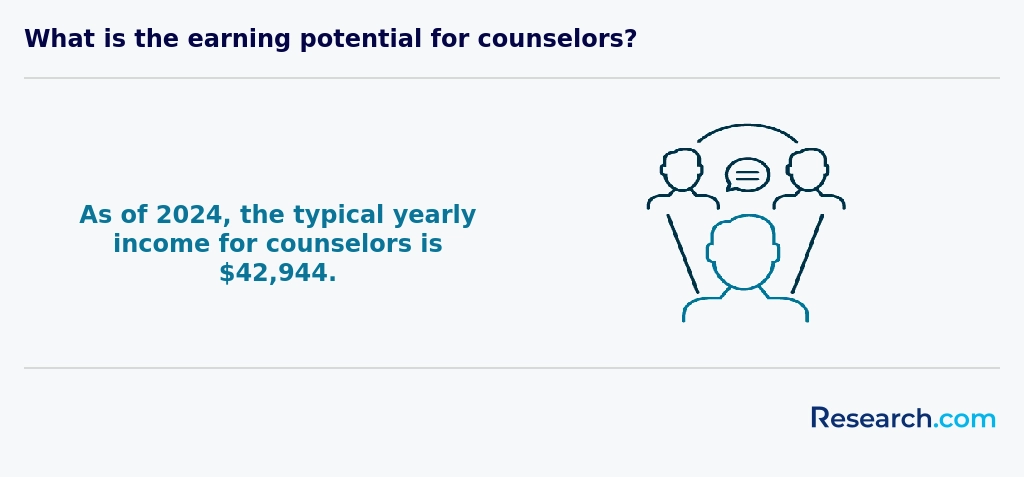
Graduates from counseling programs in Arkansas, like those from the University of Arkansas or Arkansas State University, often step into careers with vibrant earning potential. Imagine starting as a Rehabilitation Specialist, pulling in an average of $48,430 yearly-enough to feel stable while gaining precious hands-on experience. Or picture yourself as an Addiction Counselor, where the pay rises to about $60,080, reflecting both your expertise and the profound impact you have on lives.
Others find fulfillment and a solid wage in roles like Community Outreach Coordinator or Family Support Worker, each averaging $54,020 annually. These positions blend meaningful work with financial reward, ideal for counselors who want their paycheck to match their passion.
Arkansas graduates often share stories of moving from classrooms at institutions like Harding University into communities in Little Rock or Fayetteville, where licensed professionals command higher incomes. With each client helped, their earnings grow, mirroring their increasing skills and certifications, creating a promising runway for career and income advancement.
2027 Most Valuable Counseling Degree Programs Ranking in Arkansas
How do we rank schools?
Investing in your education is a significant decision that can shape your future, and the Research.com team understands the importance of making informed choices. To assist prospective students in Arkansas, we have meticulously crafted the "2027 Most Valuable Counseling Degree Programs Ranking in Arkansas." Our commitment to quality, credibility, and accuracy is reflected in the extensive research and analysis conducted to compile this ranking.
We utilized the following reputable data sources to ensure a comprehensive evaluation of counseling programs:
By exploring this ranking, readers will gain valuable insights into the best counseling degree programs available in Arkansas, helping them make informed decisions about their educational paths. For more details on our methodology, please visit our Research.com methodology page.


# 7 position
Southern Arkansas University Main Campus
Master of Science in Mental Health and Clinical Counseling


Key Findings
- The cost of graduate counseling programs in Arkansas ranges from about $7,000 to $10,000 per year for in-state public universities and can exceed $20,000 annually for private schools.
- There is steady demand for licensed professional counselors in Arkansas, especially in schools, mental health clinics, and underserved rural areas.
- Starting salaries for counselors in Arkansas average between $45,000 and $50,000 annually, with experienced professionals earning around $60,000 or more.
- Licensure requires completing a CACREP-accredited graduate program, finishing approximately 3,000 supervised clinical hours, and passing the LPC exam.
- Universities like the University of Arkansas and Arkansas State University offer counseling programs in school counseling, clinical mental health, and marriage and family therapy.
How long does it take to complete counseling degree in Arkansas?
In Arkansas, chasing a counseling degree feels like weaving a story of growth and discovery wrapped in enduring dedication. Most graduates from the University of Arkansas or Henderson State University find themselves investing about two to three years for a master's degree, where vibrant classrooms blend with hands-on internship hours-600 to 700-mandated by the state to step into real counseling shoes. Imagine the thrill of navigating both theory and the raw emotions of counseling sessions, all while feeling the unique Arkansas spirit supporting you.
Undergrads often spend four years planting seeds of knowledge in psychology and communication before stepping into graduate programs that sharpen their skills. For the brave souls pursuing doctoral degrees, the journey is even more epic-four to seven years filled with deep research, clinical training, and countless "aha" moments that shape their professional path.
Part-time students juggling work and school find flexible options at Arkansas State University, transforming long nights into fulfilling progress. The time it takes hinges on your rhythm but always leads to a vibrant career helping others.
What's the difference between online and on-campus counseling degree?
Imagine juggling a full-time job in Little Rock while completing a counseling degree from Arkansas State University - that's the magic of online programs. Graduates rave about the freedom to dive into lectures after bedtime, sipping coffee in their cozy nook without rushing through traffic. Online study molds itself around life's chaos, making it a trusted ally for those balancing family or work commitments.
On the flip side, picture wandering through the University of Arkansas campus, exchanging nods with professors between classes, and soaking up the buzzing energy of study groups. Those on-campus graduates cherish the face-to-face mentorship and spontaneous hallway conversations that spark new ideas, fueling their professional passion and support network.
Both paths converge on one crucial point: hands-on clinical hours. Whether it's arranged in the bustling heart of Fayetteville or near your hometown, these supervised experiences are the bridge to becoming a licensed counselor in Arkansas. Tuition dollars might sway from $6,000 to $10,000 annually, but the choice shapes how you live your learning adventure.
Licensure and Certification Requirements in Arkansas
To practice counseling in Arkansas, graduates must secure licensure through the Arkansas Board of Examiners in Counseling by completing these key steps:
- Earn a CACREP-accredited master’s degree with at least 48 credit hours in counseling coursework.
- Complete a minimum of 3,000 supervised post-graduate clinical hours over 100 weeks, under board-approved supervision.
- Pass the National Counselor Examination (NCE) or the National Clinical Mental Health Counseling Examination (NCMHCE).
- Submit an application to the Arkansas Board, including official transcripts, supervision logs and examination results, plus the required fee.
- Fulfill 20 hours of continuing education every two years to maintain active licensure.
For those interested in specializing in Marriage and Family Therapy, see how to become a licensed marriage and family therapist.
What is the average cost of counseling degree in Arkansas?
Imagine beginning your counseling journey at a well-known Arkansas university where the median in-state total expense for this degree hovers around $10,032. Many graduates from such institutions recall the mix of excitement and deep commitment that comes with investing in a career aimed at helping others heal and grow. For these students, the average cost of counseling degree in Arkansas isn't just a number - it's an investment in countless future lives they'll impact.
Out-of-state students face a higher financial threshold, with costs rising close to $27,936, reflecting the broader expense of moving to a vibrant academic community known for its excellent counseling programs. Those attending universities like the University of Arkansas or Hendrix College have found that these figures, combined with scholarships and assistantships, ease the journey. They also cherish the enriching social fabric and practical experiences within local counseling clinics, where classrooms meet real-world challenges.
Graduates often share how Arkansas counseling degree total expenses feel more manageable when factoring in flexible schedules and part-time options. Many highlight how such choices allowed them to work while advancing their degrees, balancing passion with everyday responsibilities. For those wondering about pathways beyond tuition, exploring how to become a licensed marriage and family therapist in Arkansas is a natural next step toward professional fulfillment.

What financial aid is available to counseling degree students in Arkansas?
Imagine navigating the vibrant corridors of the University of Arkansas or Henderson State University while your financial worries ease thanks to federal aid. Counseling students often rely on FAFSA to unlock Pell Grants and federal loans like Direct Unsubsidized or Grad PLUS Loans, cushioning their educational journey with manageable repayment options.
Picture a graduate assistantship at Arkansas State University, where not only tuition is less daunting but professional growth flourishes through teaching or research roles. These coveted spots frequently reward dedication and academic excellence, transforming hard work into hands-on experience and income.
Beyond campus gates, state programs like the Arkansas Academic Challenge Scholarship quietly support undergraduate steps into counseling pathways, and work-study jobs provide a steady rhythm of income intertwined with academic life. Meanwhile, counseling students often discover hidden treasures in scholarships offered by the Arkansas Counseling Association, fueling licensure dreams.
Each of these financial aids acts like a trusted guide, turning the dream of a counseling degree in Arkansas into an accessible, exciting reality for many graduates.
What are the prerequisites for enrolling in counseling degree program in Arkansas?
Imagine stepping onto the campus of the University of Arkansas at Fayetteville, hopeful and prepared-this is where many counseling hopefuls begin their journey. To qualify for a counseling master's here, and at institutions like Arkansas State University, you need a bachelor's degree, ideally with courses in human development or sociology. One graduate recalls how the foundation in abnormal psychology courses became her secret weapon during interviews and practica.
Transcripts showcasing a solid GPA around 3.0 open doors, reflecting the school's trust in your academic grit. Letters of recommendation from professors or supervisors who've witnessed your growth add a personal touch, narrating your readiness for the emotional landscape of counseling.
At Hendrix College, future counselors often submit personal essays that become more than just words-they're heartfelt stories explaining why this path matters. GRE scores? Some see them as hurdles, but many Arkansas programs now treat them as optional, easing the pressure on applicants.
Beyond paperwork, expect background checks and licensing prerequisites, especially for clinching those vital supervised clinical hours. It's a mix of ambition, preparation, and heart that shapes your stepping stone into Arkansas's counseling world.

What courses are typically in counseling degree programs in Arkansas?
Diving into a counseling degree at places like the University of Arkansas or Arkansas State University feels like stepping into a world where theory meets life's many colors. Graduates often reminisce about courses like Human Growth and Development, where understanding the journey from childhood to senior years became a lens for real client stories they'd soon face. Imagine sitting in a classroom discussing Counseling Theories, then instantly connecting those approaches to the struggles of someone navigating a mental health crisis in Little Rock.
Professional Orientation and Ethics classes serve as a compass, grounding students in Arkansas-specific laws and a deep sense of responsibility-one graduate described it as learning how to "carry trust like a sacred weight." Group Counseling courses simulate dynamic therapy sessions with peers, creating a safe space to practice facilitation skills before stepping into the field. Meanwhile, Career Counseling classes equip students with tools to guide Arkansans through vocational crossroads, a skill praised by those who interned in local rehabilitation centers.
The hands-on vibe extends to Assessment and Testing, sharpening students' abilities to decode client needs through psychological tools, while Research and Program Evaluation nurture analytical minds ready to innovate counseling practices across communities. Each class stitches theory and practice uniquely tailored for Arkansas's diverse population, setting students on a rewarding path.
What types of specializations are available in counseling degree programs in Arkansas?
Imagine walking the corridors of one of Arkansas's well-regarded universities, where counseling degree specializations in Arkansas bloom like vivid pathways tailored to diverse hearts and minds. Graduates from these programs often share tales of immersing themselves in Mental Health Counseling, where they learn to light a flicker of hope for those wrestling with emotional storms in community clinics or private practices.
Others find their calling within Arkansas counseling program concentration options such as School Counseling, navigating the challenges of guiding K-12 students through academic twists and social turns-training that's deeply tied to the state's certification standards. Then there are those immersed in Marriage and Family Therapy, mastering the art of weaving healing into the fractured fabric of relationships, a critical skill given Arkansas's shortage of such specialists.
One graduate fondly recalls focusing on Clinical Rehabilitation Counseling, supporting rural Arkansans with chronic health struggles, bringing independence back into their lives. Some even embrace Substance Abuse Counseling, stepping into the frontlines of the opioid crisis with renewed purpose. If you're eager to explore these paths while balancing life's other demands, check out these quickest online bachelor degree programs for working adults.
How do you choose the best counseling degree in Arkansas?
Choosing the best counseling degree programs in Arkansas starts by stepping into the shoes of those who've walked the path before you-graduates from popular institutions like the University of Arkansas or Arkansas State University often talk about the relief of finding CACREP-accredited programs that lock you into smooth licensure journeys. Imagine sitting in a cozy campus café, discussing with peers how their clinical hours shaped confidence and empathy in real Arkansas communities. It's not just about credits; it's about programs designed with the Arkansas licensing board's 48-to-60 credit-hour journalism, ensuring each clinical supervision hour is a golden ticket to future success.
Picture balancing your studies with part-time work, boosted by affordable counseling degrees Arkansas 2027 income projections, especially at in-state public universities where tuition feels like an investment, not a burden. For the multitaskers, online degrees offer flexibility but make sure those virtual internships still meet the hands-on demands of Arkansas licensure. Some grads describe this as a dance-online convenience matched with brick-and-mortar rigor.
Financial savvy meets resourcefulness when you explore programs comparing costs and support. Plus, exploring paths beyond counseling, like the easiest online bachelor's degree programs, can complement your counseling journey with versatile skills. The key is choosing a program where faculty passion meets real-world preparation, lighting a spark that turns learning into lasting impact.
What career paths are available for counseling degree students in Arkansas?
Graduates armed with counseling degrees from places like the University of Arkansas or Henderson State often step into vibrant roles that ripple through the fabric of Arkansas communities. Imagine a mental health counselor in Little Rock, guiding clients through storms of anxiety with steady compassion, or a school counselor weaving hope and resilience into the daily lives of students in Fayetteville's classrooms. These Arkansas counseling degree job prospects bloom beyond traditional paths-substance abuse counselors become beacons of second chances, marriage and family therapists mend fractured relationships with patient wisdom, and rehabilitation counselors empower people with disabilities to rediscover independence.
These career avenues burst with meaningful impact, especially for students who love dynamic, human-centered work. Arkansas's affordable tuition helps open these doors, and as graduate counselors from local universities share inspiring stories of transformation, it's clear this state cultivates caregivers who thrive. For those wondering which college majors make the most money, counseling in Arkansas offers both heart and sustainable livelihood, blending passion with purpose through each path explored.
Counseling career opportunities in Arkansas also stretch into community outreach roles and nonprofit ventures, where graduates use their skills to build bridges for underserved populations. From educational settings to clinics, these versatile careers nurture growth in surprising, fulfilling ways.
What is the job market for counseling degree in Arkansas?
Graduates who earn a counseling degree in Arkansas often find themselves stepping into a dynamic job market shaped by unique local needs. From bustling campuses at the University of Arkansas to smaller colleges across the state, counseling alumni often share stories of landing roles that deeply connect them to their communities-whether it's guiding students through emotional hurdles in rural schools or offering solace at community health centers. The job market for counseling degrees in Arkansas thrives on this personalized touch, especially where mental health resources are scarce.
Many find their calling addressing substance abuse at rehabilitation facilities or building private practices-a path made smoother by the state's push for Licensed Professional Counselors. Beyond emotional rewards, students appreciate Arkansas's affordability, with access to low tuition schools online that accept financial aid helping reduce financial worries. Arkansas counseling degree employment opportunities Arkansas reflect a hopeful picture for those eager to make a tangible difference in education, public health, and addiction treatment, particularly in underserved rural areas.
Frequently Asked Questions About counseling
Counseling degree students in Arkansas can maximize their learning experience by actively engaging in both academic coursework and practical training. Arkansas requires counseling students to complete supervised clinical hours-typically between 1,500 and 2,400 hours-before licensure, making internships and practicum placements essential. Participating in these hands-on experiences helps students apply theoretical knowledge in real-world settings, increasing job readiness.
Networking with licensed professionals and joining state organizations like the Arkansas Counseling Association provides access to mentorship and professional development opportunities. Arkansas universities often partner with local clinics and schools, so students should seek programs with strong community ties. Utilizing available resources like workshops and seminars enhances skills beyond the classroom.
The counseling field in Arkansas is expanding into several emerging niches that reflect broader social and health trends. One growing area is trauma-informed counseling, which addresses the increasing awareness of adverse childhood experiences and their lifelong impact. According to the Arkansas Department of Health, nearly 60% of adults in the state report at least one adverse childhood experience, creating demand for specialists in this area.
Another niche gaining momentum is substance abuse and addiction counseling. Arkansas has one of the highest opioid prescription rates in the country, fueling a need for counselors skilled in addiction recovery.
Additionally, school counseling roles are evolving to include focus on mental health and social-emotional learning, especially as Arkansas expands support services in K-12 education. Finally, gerontological counseling, which supports aging populations facing mental health challenges, is becoming vital, with Arkansas's growing senior demographic increasing steadily.
After completing a counseling degree in Arkansas, job market preparation involves multiple practical steps. First, obtaining licensure is critical. Arkansas requires counselors to earn the Licensed Professional Counselor (LPC) credential, which includes completing supervised experience and passing the National Counselor Examination according to the Arkansas Board of Examiners in Counseling.
Networking with local counseling associations like the Arkansas Mental Health Counselors Association can provide valuable professional connections. Additionally, gaining internships or practicum experience during studies enhances employability by demonstrating hands-on skills.
Job seekers should also focus on regional job trends. The U.S. Bureau of Labor Statistics projects a 17% growth in mental health counselor positions in Arkansas from 2020 to 2030, indicating a healthy demand.
Finally, continuous education and specialization in areas like substance abuse or school counseling can increase job opportunities in the state's diverse mental health fields.
Employers in Arkansas highly value counseling degree graduates who demonstrate strong communication and interpersonal skills. Effective listening, empathy, and the ability to build trust are essential, as these skills enable counselors to support diverse clients effectively. Analytical thinking and problem-solving also rank highly, allowing counselors to assess client needs and develop appropriate treatment plans.
Additionally, knowledge of ethical standards and state regulations is crucial. According to the Arkansas Counseling Association, professionals must navigate legal and cultural considerations in the state carefully. Familiarity with Arkansas's licensure requirements further strengthens a graduate's employability. Finally, adaptability and proficiency in technology are increasingly important as telehealth expands in the region.
Finding internships in Arkansas relevant to a counseling degree involves several strategic steps. First, students should explore partnerships between their university counseling programs and local mental health agencies, hospitals, or schools. Many Arkansas universities, such as the University of Arkansas, have established internship placement supports tailored for counseling students.
The Arkansas Department of Education and Arkansas Counseling Association frequently list internship opportunities and can be valuable resources. Given that counseling internships often require supervision by licensed professionals, students should verify state licensure requirements. As of recent data, Arkansas requires supervised clinical hours for licensure, making internships a critical step.
Additionally, networking through local counseling conferences and joining professional groups can increase access to internships. Online job boards focused on Arkansas health services also frequently post relevant openings.
A counseling degree significantly enhances career mobility and advancement opportunities in Arkansas. With a growing demand for mental health services statewide, professionals holding degrees in counseling find broader access to roles such as licensed professional counselors (LPC), school counselors, and clinical therapists. According to the Arkansas Department of Workforce Services, the employment of counselors in the state is projected to grow by 12% between 2020 and 2030, faster than the average for all occupations.
Holding a counseling degree is often a prerequisite for obtaining state licensure, which is essential for career progression in Arkansas. Licensed counselors tend to earn higher salaries and qualify for specialized roles in healthcare, education, and social services. Additionally, advanced degrees, such as a Master's or Doctorate, enable counselors to pursue leadership positions or work in private practice, further enhancing upward mobility.
Studying for a counseling degree in Arkansas equips students with skills essential for interdisciplinary roles. Programs emphasize collaboration with professions such as social work, education, and healthcare, reflecting the state's growing demand for integrated mental health services. According to the Arkansas Department of Higher Education, many counseling curricula include practical training in diverse settings like schools, clinics, and community organizations, fostering teamwork across fields.
Arkansas counseling students often learn to navigate complex systems, addressing multiple client needs through coordinated care. This prepares graduates for roles involving cooperation with doctors, educators, and social service providers. The focus on evidence-based practices and state licensure standards, including those for Licensed Professional Counselors, further supports interdisciplinary competence.
When choosing between a thesis and a non-thesis counseling degree program in Arkansas, consider your career goals and time commitment. A thesis program involves conducting original research and writing a detailed paper, which is ideal for students interested in clinical research or pursuing a doctoral degree.
Non-thesis programs typically focus more on coursework and practical training, appealing to students who want to enter the counseling workforce quickly. According to the Arkansas Department of Higher Education, most counseling licenses require supervised experience but do not mandate a thesis.
Additionally, thesis programs usually take longer to complete, affecting your overall costs and study duration. Evaluate whether your long-term ambitions justify the extra research workload before deciding.
Students in Arkansas interested in studying counseling abroad have several pathways to consider. Many U.S. universities with counseling programs offer study-abroad or exchange options, typically through partner institutions in countries such as the United Kingdom, Canada, and Australia. These programs provide experiences in diverse cultural counseling practices while ensuring credits transfer back to Arkansas universities.
Additionally, Arkansas students can enroll directly in accredited international counseling programs. However, they must verify that these programs meet the licensure requirements of the Arkansas Board of Examiners in Counseling and Therapy.
According to the Arkansas Department of Higher Education, nearly 60% of counseling students express interest in international experiences, highlighting the growing demand for global perspectives in this field.
Careful planning and early consultation with academic advisors are essential to align foreign coursework with Arkansas licensure standards and degree requirements.
Students pursuing counseling degrees in Arkansas can benefit from several part-time job opportunities that complement their education. One common position is a behavioral health technician, assisting licensed counselors with client care in clinics or mental health facilities. This role provides practical experience in patient interaction and treatment planning.
Working as a crisis line volunteer is another valuable opportunity. Organizations like the Arkansas Crisis Center offer training, helping students develop skills in active listening and crisis intervention.
Many counseling students also find roles as academic tutors or research assistants in psychology departments, enhancing their understanding of counseling theories and data analysis.
Data from the Arkansas Department of Workforce Services shows growing demand for mental health aides, highlighting strong employment prospects for students gaining relevant experience.
Counseling students in Arkansas benefit from various networking opportunities through professional organizations and university programs. The Arkansas Counseling Association (ArCA) is a key resource, hosting annual conferences and workshops where students connect with licensed counselors and employers. These events help students build relationships and learn about internships or job openings.
Many Arkansas universities with counseling degrees encourage students to join ArCA and participate in student chapters. Additionally, regional meetings and online forums offer informal networking options.
Clinical practicum placements also serve as valuable networking avenues, providing real-world contacts within Arkansas's mental health community.
Alumni networks play a crucial role for counseling degree students in Arkansas by providing access to professional connections and career opportunities. These networks often include graduates currently working in local clinics, schools, and hospitals, which can help students find internships and job placements relevant to Arkansas's mental health landscape.
Active alumni associations also offer mentorship programs, guiding students through licensure processes mandated by the Arkansas Board of Examiners in Counseling. Such mentorship improves students' chances of passing certification exams and fulfilling continuing education requirements.
Moreover, alumni networks foster collaboration and sharing of resources, which is vital in a state where mental health services face growing demand and workforce shortages.
Customizing a counseling degree program in Arkansas to fit your career goals involves choosing the right specialization and coursework. Many Arkansas universities offer tracks such as clinical mental health, school counseling, or marriage and family therapy, allowing you to focus on your desired counseling field.
Arkansas requires specific coursework and supervised hours for licensure, so aligning your program with licensing board standards is essential. You can also select electives or internships that match your career interests, gaining practical experience in local settings.
Consulting academic advisors and checking the Arkansas LPC Board guidelines helps ensure your education meets professional requirements and personal goals.
Counseling students in Arkansas often face challenges related to limited access to diverse clinical placements. According to the Arkansas Department of Higher Education, many programs struggle to place students in practicum and internship sites due to the state's rural nature and workforce shortages.
Another common difficulty is navigating the state's licensure requirements. Arkansas mandates specific supervised hours and exams for Licensed Professional Counselors (LPC), which can be complex for students to manage alongside coursework.
Financial concerns also impact many students, with fewer scholarships available for counseling degrees compared to other fields. This can increase debt and extend time to completion.
Lastly, balancing work, study, and family obligations is frequently cited as a stressor for Arkansas counseling students. These factors combine to create a challenging educational environment.
With a counseling degree in Arkansas, graduates can pursue several professional certifications to enhance their career opportunities. The most common path is to become a Licensed Professional Counselor (LPC), which requires completing graduate education, supervised clinical experience, and passing the National Counselor Examination (NCE). The Arkansas Board of Examiners in Counseling regulates this licensing.
Other certifications include the National Certified Counselor (NCC), offered by the National Board for Certified Counselors, recognized nationwide and boosting credibility. Counselors may also pursue certifications in specialized areas such as addiction counseling, school counseling, or marriage and family therapy.
According to the Arkansas Department of Labor, demand for licensed counselors is projected to grow by 15% through 2030, underlining the value of certification for job prospects and professional growth.
To write a winning application for a counseling program in Arkansas, start by researching accredited schools recognized by the Council for Accreditation of Counseling and Related Educational Programs (CACREP). Arkansas requires counselors to earn a master's degree from such programs to qualify for licensure.
Highlight your academic background and emphasize relevant experience like volunteering or internships in mental health settings. Strong personal statements should clearly express your commitment to counseling and your understanding of Arkansas's diverse populations.
Submit all required documents on time, including transcripts, letters of recommendation, and GRE scores if required. Demonstrating knowledge of Arkansas's licensure requirements and career goals can strengthen your application.
According to the Arkansas Department of Health, the state expects a growing demand for licensed counselors, making a focused and well-prepared application essential.
Globally, counseling is recognized as a vital profession addressing mental health, personal development, and social well-being. In the United States, including Arkansas, the career outlook is positive, with the Bureau of Labor Statistics projecting a 22% growth in mental health counselor jobs from 2020 to 2030. This growth reflects rising awareness and demand for mental health services.
Arkansas offers accredited counseling degree programs that meet professional standards required nationwide, supporting graduates who may seek licensure or work across state lines.
Internationally, counseling roles vary but share core skills in empathy and ethical practice, making U.S.-trained counselors competitive globally.
Sources: U.S. Bureau of Labor Statistics, Arkansas Department of Health.
Gaining practical experience is essential when pursuing a counseling degree in Arkansas because real-world skills complement academic knowledge. Most Arkansas counseling programs require supervised fieldwork or internships as part of the curriculum. These placements often occur in hospitals, schools, mental health clinics, or community agencies.
Students typically complete between 600 and 1,000 hours of supervised clinical experience, which state licensure boards mandate for professional counselors. The Arkansas Board of Examiners in Counseling oversees these requirements, ensuring students meet practice standards before becoming licensed.
Additionally, universities may assist students in securing internships through partnerships with local organizations. Volunteering or part-time work in counseling-related roles can also provide valuable experience during studies.
Choosing the right concentration within a counseling degree program in Arkansas depends on your career goals and interests. Common concentrations available include clinical mental health, school counseling, and marriage and family therapy. Arkansas requires specific licensure for these fields, so selecting a concentration aligned with state licensing rules is important.
Clinical mental health counselors in Arkansas often focus on treating individuals with a wide range of mental health issues, while school counselors work in K-12 settings. Research from the Arkansas Department of Education shows demand for school counselors has grown by 8% over the past five years.
Consider the population you want to serve and review program accreditation. Accredited programs meeting Council for Accreditation of Counseling and Related Educational Programs (CACREP) standards are preferred for licensure. Also, evaluate curriculum topics, practicum opportunities, and faculty expertise to ensure they fit your aspirations.
Related Counseling Rankings for Nearby States
- 2027 Most Valuable Counseling Degree Programs Ranking in Missouri
- 2027 Most Valuable Counseling Degree Programs Ranking in Oklahoma
- 2027 Most Valuable Counseling Degree Programs Ranking in Texas
- 2027 Most Valuable Counseling Degree Programs Ranking in Alabama
- 2027 Most Valuable Counseling Degree Programs Ranking in Illinois
- 2027 Most Valuable Counseling Degree Programs Ranking in Indiana
- 2027 Most Valuable Counseling Degree Programs Ranking in Georgia
- 2027 Most Valuable Counseling Degree Programs Ranking in Florida
- 2027 Most Valuable Counseling Degree Programs Ranking in Ohio
- 2027 Most Valuable Counseling Degree Programs Ranking in Virginia
Top Trending Counseling Rankings
See What Experts Have To Say About Studying Counseling
Read our interview with Counseling experts

Charles Figley
Counseling Expert
Kurzweg Distinguished Chair in Disaster Mental Health
Tulane University

References
- Best Online Counseling Degree Programs 2025 https://www.psychology.org/rankings/best-online-counseling-programs/
- What Degree Do I Need to Be a Counselor? | University of Bridgeport https://www.bridgeport.edu/news/degree-needed-to-be-a-counselor/
- Internship Opportunities at Momentum https://momentumcac.com/internship/
- University of Central Arkansas | UCA https://uca.edu/psychology/mental-health-counseling-ms/
- Mindful Career : Career Coaching https://mindful-career.com/student-career-guidance
- Paid Clinical Internship https://www.pathwaysmhs.org/internship-program.html
- How To Attract Ideal Therapy Clients - Owl Practice https://owlpractice.ca/blog/therapy-niche-how-to-attract-ideal-clients/
- Networking for Therapists: Building Connections for Career Success & Client Care https://www.mentalyc.com/blog/networking-for-therapists
- School Counseling https://www.saumag.edu/school-counseling/
- How do I Gain Practical Experience as a Counselling Student? https://www.firstpsychologytraining.co.uk/blog-detail