2027 Most Valuable Counseling Degree Programs Ranking in North Dakota

Co-Founder and Chief Data Scientist
Choosing the right counseling degree program in North Dakota can shape your future career and personal growth. This article introduces the 2027 Most Valuable Counseling Degree Programs Ranking in North Dakota, created by the Research.com team of data scientists to help you make an informed decision.
By exploring this ranking, you'll discover programs that offer strong value, quality education, and promising career prospects. Pursuing a counseling degree opens doors to meaningful work, allowing you to support others and build a rewarding profession.
Take this opportunity to find the best program that fits your goals and ambitions.
Key benefits of getting counseling degree in North Dakota
- Salary for counseling degree graduates: Graduates in North Dakota can expect competitive salaries such as $76,000 annually for Intervention Specialists and around $60,080 for Addiction Counselors, offering financial stability and rewarding career options.
- Career paths: Counseling degree holders from universities like the University of North Dakota often pursue rewarding roles in community outreach, addiction counseling, or family support, allowing for meaningful work in helping others.
- Benefits of online degrees: Earning a counseling degree online offers flexible schedules and accessibility, making it easier for busy students or working professionals in North Dakota to advance their education without sacrificing current commitments.
- 2027 Most Valuable Counseling Degree Programs Ranking in North Dakota
- What can I expect from counseling degree in North Dakota?
- Where can I work with counseling degree in North Dakota?
What can I expect from counseling degree in North Dakota?
Diving into a counseling degree in North Dakota means embracing both a rich academic experience and a well-rounded financial plan. Graduates from universities like the University of North Dakota often share that while the cost of earning a master's in counseling typically ranges from around $10,000 to $20,000 per year for in-state students, this investment feels worthwhile when balanced with the hands-on learning and licensure preparation offered.
Many find the blend of coursework and supervised clinical hours truly fulfilling, with real moments of growth during internships at local clinics or schools. These experiences, paired with accessible tuition rates, help students stay grounded while advancing professionally.
State grants and scholarships further ease the financial commitment, turning a potentially daunting cost into an achievable adventure. Exploring counseling in North Dakota becomes not just about numbers, but a journey paved with practical learning, supportive communities, and hopeful futures.
Where can I work with counseling degree in North Dakota?
Graduates from counseling programs at places like the University of North Dakota or Minot State University often find themselves stepping into diverse roles across the state. Many jump into mental health clinics or community centers, offering compassionate therapy to individuals struggling with emotional or behavioral challenges. Imagine helping a local family navigate addiction recovery or guiding youth through tough life transitions-these real-world experiences spark both fulfillment and growth.
School counseling in North Dakota's public schools is another vibrant path. Many graduates recall moments of pride supporting students' academic and emotional journeys, empowered by the state's certification requirements that ensure they're well-prepared for these impactful roles. Whether it's counseling a shy middle schooler or coordinating social-emotional programs, the work feels meaningful every day.
Others find rewarding careers in hospitals or rehab centers, often as Licensed Professional Counselors, where they specialize in addiction or trauma therapy. For those drawn to autonomy, private practice calls-graduates treasure the chance to create specialized services tailored to their passions, all while meeting licensure standards unique to North Dakota's supportive professional community.
Government agencies and nonprofits also beckon, especially in rural areas with high demand for mental health support. Here, counselors are heroes bridging gaps in care, making every counseling session an opportunity to transform lives across North Dakota's diverse communities.
Graduates from counseling programs at institutions like the University of North Dakota often find exciting salary possibilities awaiting them in the state. For instance, stepping into roles such as Addiction Counselor can mean earning around $60,080 annually, a rewarding figure that reflects both dedication and specialized skills. Meanwhile, Rehabilitation Specialists earn an average of $48,430, offering solid opportunities for those passionate about helping individuals regain independence and wellness.
Community Outreach Coordinators and Family Support Workers, roles frequently pursued by counseling graduates, see average wages near $54,020. These careers show how diverse and impactful counseling paths can be across North Dakota's communities. Imagine starting a counseling career with a salary that supports your lifestyle while you build meaningful connections and grow professionally.
Graduates recall how practical experiences during their studies, combined with internships in local agencies, helped them confidently approach these salary figures. The state's steady demand and the welcoming professional environment make North Dakota an adventurous place to launch a counseling career with promising earning potential.
- Master's degrees in counseling are required to become licensed in North Dakota, with programs focusing on mental health, school, and clinical rehabilitation counseling.
- Tuition for full-time graduate counseling programs ranges from $10,000 to $20,000 per year for in-state students, with public universities generally being more affordable than private ones.
- Employment for mental health counselors in North Dakota is expected to grow by about 10% over the next decade, matching the national average.
- Entry-level counselor salaries range from $40,000 to $45,000 annually, increasing to $55,000 to $65,000 with experience and licensure.
- Licensure requires completing 3,000 supervised clinical hours over two years and passing the National Counselor Examination or an equivalent approved exam.
Imagine balancing evening classes and weekend internships, where many graduates share stories of how part-time study stretched their journey but enriched their experience. Full-time students often find steady momentum, completing the 48 to 60 credit hours in about two years and moving swiftly toward licensure.
Bachelor's degree seekers start with a solid four-year foundation, yet many eagerly discover that stepping into graduate programs is where real transformation happens. For those adventurous souls ready for even deeper knowledge, doctoral paths at North Dakota institutions can extend from four to six years-offering rich research and immersive internships.
Factors like flexible online courses and transfer credits add layers of personalization, making each student's journey uniquely rewarding and a true exploration of their passion in counseling.
Before practicing independently in North Dakota, counseling graduates must navigate state licensure steps:
- Graduate from a CACREP-accredited master’s program in counseling.
- Complete 3,000 hours of supervised post-degree experience under an approved supervisor.
- Pass the National Counselor Examination (NCE) and the North Dakota Jurisprudence Exam.
- Submit a completed application, official transcripts, supervisor verification, and a background check to the North Dakota Board of Counselor Examiners.
- Renew licensure every two years by earning 40 hours of approved continuing education.
For those interested in family-focused practice, see how to become a marriage and family therapist.
Choosing between an online and on-campus counseling degree in North Dakota feels like setting out on two exciting paths. Imagine a graduate from the University of North Dakota who juggled family and work while embracing the freedom of remote learning, completing coursework on their own schedule, and still feeling connected through virtual discussions. This flexible approach suits those who crave adventure without uprooting their lives.
On the flip side, picture a graduate from Minot State University thriving in the bustling campus environment-engaging in hands-on clinical practicum, role-playing sessions, and face-to-face mentorship. The energy of live supervision and peer interaction creates a rich learning tapestry not easily replicated online.
Costs can nudge decisions, too. While online students save on commuting and living expenses, tuition remains an important factor. Both routes demand rigorous preparation for North Dakota's licensure, emphasizing accredited programs and supervised clinical hours, ensuring graduates confidently step into their counseling careers.
The average cost of a counseling degree in North Dakota reflects a balanced blend of affordability and quality education. For many students pursuing counseling degrees at institutions like North Dakota State University or the University of North Dakota, the median in-state total cost hovers around $11,110, making it a feasible option for those eager to embark on this rewarding career path. Graduates often share how investing in these programs felt like stepping into a community that valued their growth and professional dreams.
Out-of-state students, although facing higher tuition, still find value in the comprehensive training and practical experiences offered in North Dakota. The median total cost for these students is approximately $27,760, aligning with the broader costs of graduate counseling programs nationwide. Many counseling students in the state mention that understanding these financial commitments early on allowed them to seek scholarships and financial aid tailored specifically for North Dakota counseling degree tuition and fees, which lightened their journey.
One graduate recalls the excitement of navigating practicum placements while balancing the costs, knowing that the investment was fueling their future capacity to support others. It's this blend of personal dedication and manageable expenses that gives prospective students a clear view of what to expect. If you're curious about practical next steps, exploring how to become a marriage and family therapist can be an inspiring part of your adventure in the counseling field.
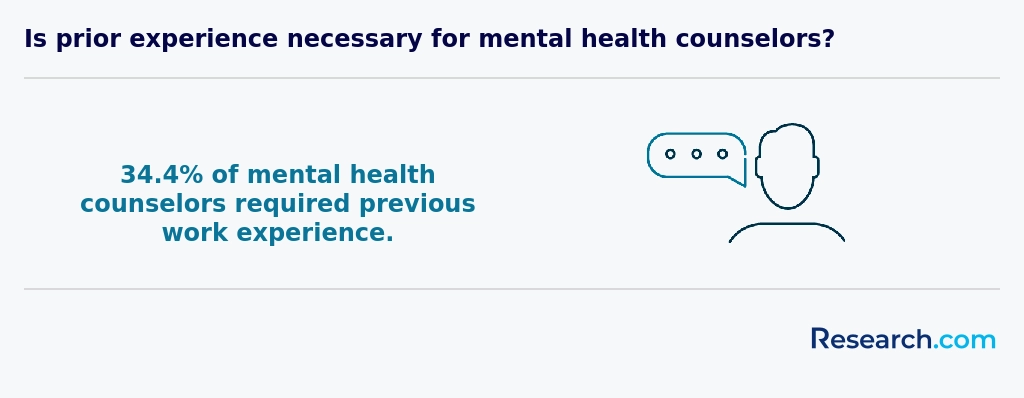
Imagine starting your counseling journey at the University of North Dakota and discovering that federal financial aid opens a door to possibilities. Many students have eagerly applied for the FAFSA, unlocking access to Pell Grants, which, though primarily for undergraduates, sometimes extend to select graduate counseling programs. Graduate students often find relief with Federal Direct Loans, offering steady, fixed interest rates to manage tuition and living costs without unexpected surprises.
At North Dakota State University, for example, graduate counseling students have embraced Federal Work-Study opportunities, balancing part-time jobs that not only provide income but also valuable departmental experience. State scholarships tailored to health and human services also boost motivation, making the hefty tuition feel more manageable.
Many graduates recall gaining assistantships that waived tuition fees and offered stipends, transforming their academic workload into a rewarding collaboration. Some even cherished employer tuition reimbursement programs, turning career dreams into tangible realities in a state thirsty for skilled counselors.
Official transcripts, demonstrating solid academic standing with GPAs usually around 2.5 to 3.0, are your ticket through the door. Some programs might request GRE scores, but many are dropping this hurdle, making the path smoother.
Letters of recommendation and heartfelt personal statements add color to your application, revealing the passion and empathy essential in counseling roles. Imagine yourself, like recent graduates, preparing for clinical placements-where background checks and immunizations ensure you're ready to make a real difference in people's lives.
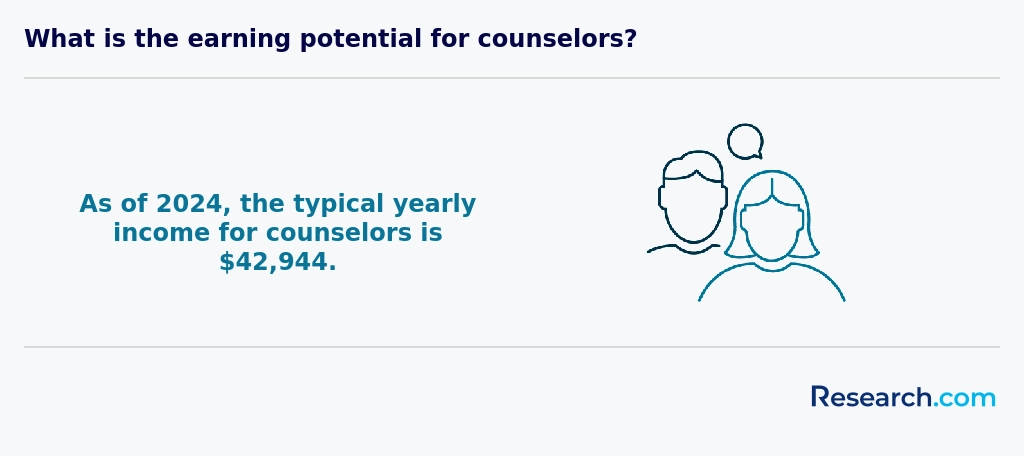
Embarking on a counseling degree journey in North Dakota means diving into a rich variety of courses that prepare you for real-world challenges with empathy and skill. Graduates from universities like the University of North Dakota often recall the excitement of exploring Human Growth and Development, where they learn about the intricate changes people experience across their lifespan-insights that feel personal and deeply human.
The hands-on learning continues through Counseling Techniques and Theories, where students eagerly practice evidence-based methods, imagining themselves guiding clients through their toughest moments. Picture yourself leading a session in a bustling community center after mastering Group Counseling, fostering genuine connection among diverse individuals.
Courses such as Multicultural Counseling spark awareness and curiosity about cultural differences, essential for effective therapy in North Dakota's varied communities. Graduates often find the Assessment and Testing classes eye-opening, equipping them to evaluate client needs with professional confidence.
Other essential studies include Career Counseling, helping people map vocational pathways, and Ethics and Professional Orientation, where students grasp the moral compass guiding their future careers. Many cherish the challenge of Research Methods and Program Evaluation, which empowers them to shape evidence-driven counseling practices right here in North Dakota.
Exploring counseling degree specializations North Dakota offers an exciting journey through varied paths like Clinical Mental Health Counseling, where graduates from institutions such as the University of North Dakota share how working with individuals facing mental health challenges in both urban and rural settings creates deeply rewarding connections. School Counseling is another vibrant track, beloved by many at North Dakota State University, who describe the joy of supporting children and adolescents to thrive academically and emotionally within bustling K-12 schools across the state. Marriage and Family Therapy graduates often express pride in helping families navigate complex dynamics, strengthening community bonds that feel uniquely North Dakotan. Other adventurous students gravitate toward Addiction Counseling, passionately addressing substance use disorders prevalent in the region, or Rehabilitation Counseling, enabling clients with disabilities to unlock new potentials. For those eager to dive fast into these impactful careers, those curious might explore best one year masters programs to accelerate their learning journey.
Choosing the best counseling degree in North Dakota begins with exploring programs that offer CACREP accreditation-this was a game changer for many graduates from popular universities across the state. Imagine stepping into classes where the curriculum is aligned precisely with licensing requirements, giving you confidence as you navigate your journey. Many find themselves drawn to master's degrees with concentrations like clinical mental health counseling or marriage and family therapy, tailored to their passions and career ambitions.
Cost realities shape decisions, too. Graduates often share how understanding tuition-around $8,000 annually for in-state public universities-helped them balance dreams with budgets. Affordable counseling degrees in North Dakota can also be found by considering online or hybrid programs, which offer flexibility without compromising quality. For those curious about starting college with ease, checking out what is the easiest bachelor degree can illuminate the path forward.
Practical experience matters greatly; students love programs linked to strong community partnerships because those internships kickstart the 3,000 supervised hours needed for LPC licensure. Hearing from graduates who walked this path makes the process feel achievable and exciting, turning education into an adventure rather than a chore.

Earning a counseling degree in North Dakota opens exciting career options for counseling degree holders in North Dakota, ranging from mental health counseling to addiction recovery support. Graduates from popular institutions like the University of North Dakota discover rewarding roles where they help individuals cope with anxiety or trauma in community health centers or private practices. Others find joy as school counselors in local K-12 schools, guiding students through academic and life challenges.
North Dakota's vibrant counseling programs attract individuals eager to explore fields such as marriage and family therapy or career counseling, where they assist clients in building stronger relationships or achieving professional goals. Graduates often share how engaging with diverse communities across the state fosters a deep sense of fulfillment and growth. Those passionate about addiction counseling contribute to vital recovery efforts at rehabilitation centers, making a tangible difference.
For students considering advancing their education beyond a typical path, several explore options like a doctoral degree online no dissertation to expand opportunities. With such a range of North Dakota counseling degree job opportunities, students are inspired to embrace their futures with curiosity and purpose.
The counseling job outlook North Dakota offers an inviting landscape for recent graduates eager to start their careers. Graduates from well-regarded universities in the state often find roles in Fargo or Bismarck, where population centers create vibrant job markets with stronger salaries and abundant opportunities. Imagine stepping into a community health center where your skills directly influence lives-this real-world impact fuels the passion many graduates share.
North Dakota counseling degree employment opportunities extend across hospitals, schools, and private practices. Many counseling graduates celebrate the balance between fulfilling work and manageable living costs. The licensing process, including obtaining an LPC, is a rite of passage that opens doors nationwide but feels especially rewarding in the supportive local environment. Students often remark how affordability of graduate programs here, ranging from $10,000 to $20,000, encourages them to stay and grow professionally within the state.
Exploring career options within North Dakota reminds some graduates that expanding telehealth services is reshaping access to counseling everywhere, making remote work a reality. For those seeking speedy returns, considering quickest degrees that make the most money alongside counseling can provide added career flexibility and income potential.
2027 Most Valuable Counseling Degree Programs Ranking in North Dakota
Investing in your education is a significant decision that can shape your future, and the Research.com team understands the importance of making informed choices. To assist prospective students in North Dakota, we have meticulously crafted the "2027 Most Valuable Counseling Degree Programs Ranking in North Dakota." Our commitment to quality, credibility, and accuracy is reflected in the extensive research and analysis conducted to compile this ranking.
We utilized the following reputable data sources to ensure a comprehensive evaluation of counseling programs:
By exploring this ranking, readers will gain valuable insights into the best counseling degree programs available in North Dakota, helping them make informed decisions about their educational paths. For more details on our methodology, please visit our Research.com methodology page.


Frequently Asked Questions About counseling
Counseling degree students in North Dakota can maximize their learning experience by combining academic coursework with practical fieldwork. Most accredited programs require supervised internships, which are vital for hands-on skill development and meeting state licensure criteria. North Dakota's Behavioral Health Workforce Center highlights the importance of completing practicum hours in diverse clinical settings to improve adaptability.
Engaging with local professional organizations, such as the North Dakota Counseling Association, offers networking and mentorship opportunities, enhancing career readiness. Utilizing university resources, including counseling labs and research projects, also deepens understanding of evidence-based practices. Staying informed about North Dakota's licensure requirements and continuing education helps maintain professional growth and compliance after graduation.
The counseling field in North Dakota is expanding with several emerging niches that reflect growing societal needs. One such niche is telebehavioral health counseling, which has gained momentum following increased demand for remote mental health services. According to the North Dakota Board of Counselor Examiners, licenses related to telehealth counseling have risen steadily since 2020.
Another growing specialty is substance abuse and addiction counseling, driven by the opioid crisis impacting rural areas. The U.S. Bureau of Labor Statistics projects a 12% growth in demand for substance abuse counselors nationally through 2032, a trend reflected locally.
School counseling in rural North Dakota also remains vital, addressing unique challenges students face. Additionally, trauma-informed counseling is emerging, given increased awareness around mental health after natural disasters common in the region.
After completing a counseling degree in North Dakota, preparing for the job market involves meeting both educational and licensure requirements. Graduates typically pursue licensure as Licensed Professional Counselors (LPC), which requires passing the National Counselor Examination and completing supervised clinical hours. The North Dakota Board of Licensed Professional Counselors regulates this process.
Networking through local counseling associations, such as the North Dakota Counseling Association, can provide job leads and professional development opportunities. According to the U.S. Bureau of Labor Statistics, the demand for mental health counselors in North Dakota is projected to grow by 11% from 2020 to 2030, indicating strong job prospects.
Gaining experience through internships or residencies during your degree program can significantly enhance employability. Additionally, familiarity with telehealth practices is increasingly valuable in the state's rural areas.
Employers in North Dakota seeking counseling degree graduates prioritize strong communication skills. Effective listening and clear verbal interaction are essential, allowing counselors to understand client needs and provide appropriate guidance. Additionally, empathy and cultural competence are highly valued due to the state's diverse rural and urban populations.
Critical thinking and problem-solving abilities stand out, enabling counselors to assess complex situations and develop tailored treatment plans. Knowledge of ethical standards and confidentiality, grounded in state licensing requirements, is also crucial.
According to the North Dakota Board of Behavioral Health, successful candidates demonstrate professionalism and adaptability in various clinical environments.
Finding internships relevant to a counseling degree in North Dakota involves targeting local mental health agencies, school districts, and healthcare providers. Many universities in the state, such as the University of North Dakota, have partnerships with these organizations to facilitate student placements.
The North Dakota Department of Human Services offers resources and listings for internships focused on behavioral health services. According to recent state data, internships in this sector often include supervised clinical hours critical for licensure.
Additionally, students can explore opportunities through the American Counseling Association's career center, which features internship postings nationwide, including North Dakota.
Networking with professionals and attending local counseling conferences also enhances internship prospects.
A counseling degree in North Dakota significantly enhances career mobility and advancement opportunities within the state's mental health field. The North Dakota Behavioral Health Workforce Report (2023) highlights a growing demand for licensed professional counselors, driven by expanding healthcare access and mental health awareness initiatives.
Holding a counseling degree, particularly a master's or higher, qualifies graduates for licensure as Licensed Professional Counselors (LPC), a critical credential for career progression. Licensed counselors in North Dakota earn a median annual wage of around $55,000-$65,000, with opportunities for advancement into supervisory or specialized clinical roles.
Educational background also expands prospects outside traditional counseling roles, such as program management or policy advocacy. The degree aligns with state requirements and increases chances of securing competitive positions in healthcare facilities, schools, and community organizations.
Studying for a counseling degree in North Dakota equips students with strong interdisciplinary skills essential for diverse professional settings. Programs often integrate coursework in psychology, social work, and healthcare, fostering collaboration across fields. This approach reflects the state's emphasis on holistic care, particularly in rural communities where counselors work closely with educators, medical providers, and social services.
North Dakota's accreditation standards, overseen by bodies like the Council for Accreditation of Counseling and Related Educational Programs (CACREP), ensure curricula include training in ethics, communication, and cultural competence. These elements prepare graduates to participate effectively in multidisciplinary teams. According to the North Dakota Department of Career and Technical Education, counselors often engage with mental health, education, and human services sectors, underscoring the need for broad-based expertise.
When choosing between a thesis and a non-thesis counseling degree program in North Dakota, consider your career goals and learning preferences. Thesis programs require original research and are ideal if you plan to pursue a doctorate or a research-focused career. Non-thesis options emphasize practical skills and often include additional coursework or internships, suitable for those aiming to enter counseling practice directly.
North Dakota's counseling licensure board requires supervised clinical hours regardless of the program type, so practical experience is essential. According to the North Dakota Department of Public Instruction, counseling roles grew by 8% from 2019 to 2022, emphasizing applied skills. Consulting program advisors can clarify these options based on individual needs.
Students based in North Dakota who wish to study counseling abroad have several options, though such opportunities often require careful planning. According to the U.S. Department of Education, many institutions offer study abroad programs that include counseling courses, typically as part of broader psychology or social work curricula. However, North Dakota universities like the University of North Dakota and North Dakota State University have limited direct agreements with foreign schools for specialized counseling degrees.
In general, students may consider enrolling in international universities with strong counseling programs, but must verify accreditation to ensure credits transfer back home. The Council for Accreditation of Counseling and Related Educational Programs (CACREP) offers a useful directory of accredited global programs to consult. Graduates returning to North Dakota should be mindful of state licensure requirements, which hinge on completing specific supervised clinical hours and passing relevant exams outlined by the North Dakota Board of Counseling.
Students pursuing counseling degrees in North Dakota can find several part-time job opportunities that complement their education while gaining practical experience. Roles such as behavioral health technicians, peer support specialists, or mental health aides are common and align closely with counseling studies. According to the North Dakota Department of Career and Technical Education, these positions often provide hands-on exposure to client interaction and therapeutic environments.
Additionally, jobs in community mental health centers or nonprofit organizations can offer valuable insights into counseling practices. Working part-time in school counseling offices or crisis intervention teams is another option. These roles support skill development in real-world settings beneficial for future licensed counselors.
Counseling students in North Dakota benefit from several networking opportunities through local and state organizations. The North Dakota Counseling Association (NDCA) plays a central role by hosting annual conferences and workshops, allowing students to connect with licensed professionals and potential employers. Universities like the University of North Dakota often facilitate student memberships to these groups, enhancing career prospects.
Additionally, internships and practicum placements arranged through university programs provide hands-on experiences and networking with clinics and schools statewide. According to the North Dakota Department of Commerce, engaging in such professional settings improves job placement rates for counseling graduates. Regional events and webinars organized by the American Counseling Association's local chapters also offer virtual networking options.
Alumni networks provide valuable support for counseling degree students in North Dakota by offering connections to experienced professionals in the field. These networks often facilitate mentorship opportunities, allowing students to learn practical skills and navigate licensure requirements, such as those set by the North Dakota Board of Addiction Counselor Examiners and the Board of Counselor Examiners.
Networking through alumni also helps students discover local job openings and internships, which is crucial in North Dakota's smaller, rural communities. According to the North Dakota University System, active alumni engagement can increase employment rates for counseling graduates by linking them directly with state mental health agencies and private practices.
Participation in alumni events keeps students informed about trends in counseling, including evolving licensure standards and continuing education options. This ongoing connection enhances professional growth beyond graduation.
In North Dakota, students can tailor their counseling degree programs to align with specific career goals by selecting specialized tracks or concentrations offered by many universities. Popular areas include school counseling, mental health counseling, and marriage and family therapy. Customization often involves choosing electives that focus on these specialties as well as participating in supervised clinical internships relevant to the desired field.
The North Dakota Board of Counseling requires specific coursework and practicum hours for licensure, so students should ensure their program meets these criteria. This approach helps graduates meet both educational and state licensure requirements efficiently. According to the North Dakota Department of Career and Technical Education, internships and hands-on experience improve employability in the state's counseling professions.
Additionally, some institutions offer options to integrate research methods or trauma counseling into their degrees, providing broader skill sets. Students should review program flexibility and state guidelines to design a curriculum that supports their professional ambitions within North Dakota's regulatory framework.
Counseling students in North Dakota often face challenges related to limited access to specialized programs. The state has fewer counseling degree options compared to larger states, which can restrict choices for students seeking specific fields such as school counseling or mental health counseling. Additionally, rural geography poses logistical difficulties; many students must travel long distances for internships or practicum placements, which are essential for licensure. According to the North Dakota Board of Counselor Examiners, students may also encounter delays securing supervisors due to a relatively small pool of licensed professionals in the state. Financial constraints and balancing work with study are common nationwide challenges that apply here as well.
With a counseling degree in North Dakota, graduates can pursue professional certifications to enhance their career opportunities. The most common credential is the Licensed Professional Counselor (LPC), regulated by the North Dakota Board of Counselor Examiners. This certification requires a master's degree, supervised experience, and passing a national exam.
Other certifications include the National Certified Counselor (NCC), awarded by the National Board for Certified Counselors (NBCC), which demonstrates a nationally recognized standard in counseling.
Specialized certifications like Licensed Addiction Counselor (LAC) are also available for those interested in substance abuse counseling. These credentials are essential for licensure and employment within the state's mental health field.
Crafting a strong application for a counseling program in North Dakota begins with thorough research. Identify programs accredited by the Council for Accreditation of Counseling and Related Educational Programs (CACREP), which ensures high-quality education recognized statewide. North Dakota's licensing board typically requires a master's degree from an accredited institution, so highlight your academic preparedness in your application.
Emphasize relevant experience, such as volunteering or working in community mental health settings, which is highly valued. Personal statements should clearly convey your motivation for counseling and how you plan to contribute to North Dakota's unique rural and tribal communities. Including specific career goals aligned with local needs can strengthen your application.
Strong letters of recommendation from professionals familiar with your interpersonal skills and dedication add credibility. Finally, pay close attention to deadlines and required materials; missing documentation can result in automatic rejection. The North Dakota Board of Higher Education website provides updated application guidelines for prospective counseling students.
The counseling profession is increasingly recognized worldwide for its vital role in mental health and well-being. In the United States, including North Dakota, counselors are trained to address diverse needs, from mental health therapy to career guidance. According to the Bureau of Labor Statistics, the demand for mental health counselors in North Dakota is expected to grow about 20% through 2031, reflecting a global trend toward better mental health support.
Globally, many countries emphasize culturally competent counseling, encouraging practitioners to understand international perspectives. For students in North Dakota, this means their education can prepare them to work in diverse settings, reflecting global best practices while meeting regional needs.
Furthermore, U.S. counseling programs often include standards set by the Council for Accreditation of Counseling and Related Educational Programs (CACREP), which influence global counseling education models, promoting high-quality professional preparation across borders.
Gaining practical experience while studying for a counseling degree in North Dakota is essential for licensure and career readiness. Most accredited programs require supervised internships or practicum hours, typically ranging from 700 to 1,000 hours, in clinical or community settings. These experiences allow students to work directly with clients under professional supervision.
Universities often partner with local schools, hospitals, and mental health clinics to provide placement opportunities. The North Dakota Board of Counseling mandates specific fieldwork to ensure students meet state licensing requirements. Additionally, joining professional organizations such as the North Dakota Counseling Association can help students find mentorship and networking opportunities.
When choosing a concentration within a counseling degree program in North Dakota, consider your career goals and the populations you wish to serve. Common concentrations include clinical mental health, school counseling, and marriage and family therapy. Each focuses on different skills and licensure paths regulated by the North Dakota Board of Addiction Counseling Examiners or the North Dakota Board of Counseling.
Research local demand: for example, school counselors are in steady need due to state education mandates, while mental health counselors address growing public health concerns. The Bureau of Labor Statistics reports that North Dakota expects a 12% growth in counseling jobs through 2031, signaling opportunities in various specialties.
Review program accreditation and supervised clinical experiences, important for licensure in the state. This ensures your degree meets North Dakota's educational standards and prepares you for exams. Finally, consider faculty expertise and connections within North Dakota's counseling community to enhance practical learning and job prospects.
- 2027 Most Valuable Counseling Degree Programs Ranking in Minnesota
- 2027 Most Valuable Counseling Degree Programs Ranking in Illinois
- 2027 Most Valuable Counseling Degree Programs Ranking in Missouri
- 2027 Most Valuable Counseling Degree Programs Ranking in Indiana
- 2027 Most Valuable Counseling Degree Programs Ranking in Michigan
- 2027 Most Valuable Counseling Degree Programs Ranking in Oklahoma
- 2027 Most Valuable Counseling Degree Programs Ranking in Ohio
- 2027 Most Valuable Counseling Degree Programs Ranking in Texas
- 2027 Most Valuable Counseling Degree Programs Ranking in Alabama
- 2027 Most Valuable Counseling Degree Programs Ranking in Georgia
See What Experts Have To Say About Studying Counseling
Read our interview with Counseling experts

Charles Figley
Counseling Expert
Kurzweg Distinguished Chair in Disaster Mental Health
Tulane University

- How to Become a Counselor in North Dakota (ND): Licensure & Degrees https://www.counselingschools.com/licenses/north-dakota
- Bringing the benefits of career counselling/guidance to youth https://euroguidance.eu/to-bring-the-benefits-of-career-counseling-guidance-to-the-youth
- How to Choose a Niche in Private Practice (and Why It Matters) https://www.coastlinecounselingassociation.com/blog/how-to-choose-a-niche-in-private-practice-and-why-it-matters
- How To Become A Licensed Counselor: A Step-by-Step Guide | Psychology.org https://www.psychology.org/careers/counseling/
- Interdisciplinary Training: Preparing Counselors for Collaborative Practice - The Professional Counselor https://tpcjournal.nbcc.org/interdisciplinary-training-preparing-counselors-for-collaborative-practice/
- Student Counselor Cover Letter Sample https://www.kickresume.com/en/help-center/student-counselor-1-cover-letter-sample/
- How to Write a School Counselor Cover Letter | VocoVision https://www.vocovision.com/resources/uncategorized/how-to-write-a-strong-school-counselor-cover-letter/
- Alternative Careers for Counselors Who Are Burnt Out [2025 Update] - The Bad Therapist https://www.thebadtherapist.coach/blog/alternative-careers-for-counselors
- Home https://www.husson.edu/online/blog/2025/10/benefits-of-alumni-networks
- Internship Opportunities | PCS https://pacounseling.com/internships/