
2027 Fastest Online Counseling Degree Programs Ranking in the West

Co-Founder and Chief Data Scientist
Choosing the right counseling degree program can shape your future and open doors to rewarding careers. If you're in the West and looking for efficient pathways, this article is here to help.
Our 2027 Fastest Online Counseling Degree Programs Ranking in the West was created by the Research.com team of data scientists. It offers clear insights to guide your decision-making process.
Explore top programs that balance speed and quality, helping you start your journey toward making a positive impact in people's lives.
Key benefits of getting online counseling degree in the West
- Counseling degree graduates in the West can expect rewarding salaries, such as Addiction Counselors earning around $60,080 annually and Community Outreach Coordinators making about $54,020 per year.
- Graduates from popular Western universities often pursue diverse careers like Rehabilitation Specialists or Family Support Workers, enjoying meaningful roles that positively impact communities.
- Completing a counseling degree online offers flexible scheduling and accessibility, allowing busy students to balance work and study while still gaining quality education from reputable programs.
- Key benefits of getting online counseling degree in the West
- What can I expect from online counseling degree in the West?
- Where can I work with online counseling degree in the West?
- How much can I make with online counseling degree in the West?
- 2027 Fastest Online Counseling Degree Programs Ranking in the West
- Key Findings
- How long does it take to complete online counseling degree in the West?
- Key Benefits of an Online Counseling Degree in the West
- What's the difference between online and on-campus counseling degree?
- Licensing and Certification for Online Counseling Graduates in the West
- What is the average cost of online counseling degree in the West?
- Licensure and Certification Requirements for Counselors in the West
- What financial aid is available to online counseling degree students in the West?
- Licensure and Certification Requirements
- What are the prerequisites for enrolling in online counseling degree program in the West?
- Common Challenges Faced by Online Counseling Students in the West
- What courses are typically in online counseling degree programs in the West?
- What types of specializations are available in online counseling degree programs in the West?
- How do you choose the best online counseling degree in the West?
- What career paths are available for online counseling degree students in the West?
- What is the job market for online counseling degree in the West?
- Top Trending Counseling Rankings
- See What Experts Have To Say About Studying Counseling
What can I expect from online counseling degree in the West?
The average cost of an online counseling degree in the West usually falls between $8,000 and $15,000 per year at public universities, especially if you're an in-state student. Many graduates from well-known schools in California or Oregon tell stories about juggling work and family while appreciating how affordable their tuition was compared to private colleges. Private institutions can charge quite a bit more, but they sometimes offer helpful scholarships or financial aid to lighten the load.
One thing students often mention is the flexibility of these programs-being able to watch lectures when it fits their schedule is a huge bonus. For example, a recent graduate from a top Western college said that balancing live video sessions with her part-time job made the whole experience feel manageable and even fun. Since practicum hours must be completed locally, students find they can gain hands-on experience right in their communities without long-distance travel, which keeps costs and stress down.
Where can I work with online counseling degree in the West?
If you earn an online counseling degree in the West, you're stepping into a world full of meaningful job options. Plenty of grads from popular programs at places like Arizona State University or the University of Washington find themselves working in community mental health centers. These spots are amazing because they let you make a real difference for people who might not have easy access to care.
Many others head into school counseling, especially in California or Oregon, where schools really need skilled pros to support students facing emotional or social challenges. Imagine helping a teen navigate stress or family issues while being part of their growth - that's the kind of rewarding work grads love.
Plus, healthcare settings like hospitals and clinics in places like Colorado are hiring counselors more and more to tackle mental health and substance abuse. Some grads even jump into private practice in big cities like Seattle or San Francisco, enjoying the freedom to create their own client schedules. It's all about finding your own path while helping people heal.
And don't forget nonprofits and government jobs that let you support vets or homeless populations, roles that grads from these Western universities often find really fulfilling.
How much can I make with online counseling degree in the West?
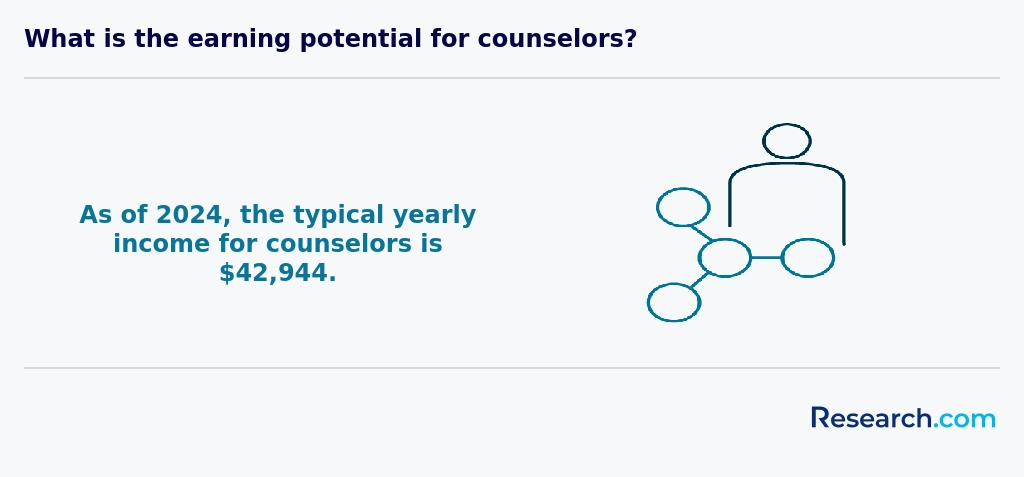
If you're earning an online counseling degree in the West, especially from popular schools like the University of Washington or California State University, you can expect some pretty solid pay. For example, graduates working as Addiction Counselors often make around $60,080 a year, which is a nice middle ground between starting out and seasoned pros. If you lean toward being a Rehabilitation Specialist, you might see about $48,430 annually, with an hourly rate of $23.28-a good fit for those who enjoy hands-on support roles.
Community Outreach Coordinators in the West often report salaries close to $54,020, matching Family Support Workers' earnings. Many grads tell stories of landing jobs where they feel truly impactful and satisfied, all while earning a stable income. And remember, in places like California and Washington, salaries can be even better thanks to demand and cost of living.
Overall, these figures give you a real sense that with the right focus and some experience, your counseling degree can open doors to rewarding jobs with competitive pay out West.
2027 Fastest Online Counseling Degree Programs Ranking in the West
How do we rank schools?
Investing in your education is a significant decision that can shape your future, and the Research.com team is keenly aware of the importance of making informed choices. To support individuals seeking counseling degrees in the West, we have carefully developed the "2027 Fastest Online Counseling Degree Programs Ranking." Our dedication to quality, credibility, and accuracy is demonstrated through rigorous research and analysis behind this ranking.
We utilized the following reputable data sources to ensure a comprehensive evaluation of online counseling programs:
By exploring this ranking, readers will gain valuable insights into the fastest online counseling degree programs in the West, enabling them to make well-informed decisions about their educational journey. For further information on our methodology, please visit our Research.com methodology page.


# 7 position
Western Governors University
Bachelor of Psychology


Key Findings
- Tuition for a master's in counseling in the Western U.S. ranges from $15,000 to $35,000, with public universities offering lower rates for in-state residents.
- Mental health counselor jobs in the West are expected to grow by about 22% from 2022 to 2032, faster than the national average.
- Starting salaries for counseling graduates typically range from $45,000 to $55,000, increasing to $70,000 or more with experience and licensure.
- Licensure usually requires a master's degree, 2,000 to 3,000 supervised clinical hours, and passing a state exam, with many online programs meeting these standards.
- Programs often include coursework in psychology, counseling techniques, ethics, and may require virtual internships or local clinical hours.
How long does it take to complete online counseling degree in the West?
If you're thinking about an online counseling degree in the West, the time it takes really depends on your goal. Most grads aiming for a bachelor's degree usually wrap it up in about 3 to 4 years if they're studying full time. For example, students at popular schools like Arizona State University or Portland State University often share how juggling online classes with work feels doable because the pacing is steady yet flexible.
Going for a master's? Expect around 2 to 3 years full time. Lots of Western grads tell stories about how their programs include internships and practicum experiences-key for licensure in states like California or Washington. These hands-on moments make the coursework feel real and rewarding, even if it adds some time.
If you're shooting for a doctorate, it's a bigger commitment-think 4 to 7 years. People at universities with strong counseling psych programs, like the University of Oregon, highlight the balance of research, clinical hours, and dissertation work that stretch out the timeline but really deepen expertise.
Key Benefits of an Online Counseling Degree in the West
An online counseling degree in the Western U.S. combines flexibility with rigorous training, helping you launch a rewarding career in diverse settings.
- Study on your own schedule to balance work, family, and education.
- Gain supervised practicum experiences in urban and rural Western communities.
- Enroll in CACREP-accredited curricula like those found among accredited online counseling programs to meet licensure requirements.
- Reduce costs with in-state tuition rates, financial aid, and scholarship opportunities.
- Prepare for high-demand roles in telehealth, schools, and community mental health centers.
What's the difference between online and on-campus counseling degree?
Online counseling degrees in the West are all about flexibility. Imagine a graduate from a well-known university in California juggling family and a full-time job, yet still earning their counseling master's online without ever stepping foot on campus. They can watch lectures at midnight or join group chats during lunch breaks, making education fit their hectic lives.
On the flip side, graduates from traditional on-campus programs at colleges like those in Oregon enjoy face-to-face talks with professors and peers, which often leads to stronger connections and hands-on experiences. It's that buzz of campus life that many students love, especially if they live nearby and want to fully immerse themselves.
Cost-wise, online programs tend to save money by cutting out commuting and housing, which is a big win for folks living in rural Western areas. Both paths require clinical hours, but online students usually find local placements, keeping it practical and personal.
Overall, whether you're in Washington or Arizona, it's about what fits your lifestyle best while still meeting top-notch standards everyone expects.
Licensing and Certification for Online Counseling Graduates in the West
After earning an online counseling degree, obtaining state licensure is the critical next step to practice professionally. Licensing requirements vary across Western states, but most share common elements: 1. Education and Accreditation • Hold a master’s degree from a CACREP-accredited program or one that meets equivalent state standards. Many of the easiest counseling degree programs streamline their curricula to align directly with licensure coursework. • Complete specific coursework in ethics, assessment, and human development as mandated by state boards. 2. Supervised Clinical Experience • Accumulate 1,700–3,000 supervised hours (depending on the state) under a board-approved supervisor. • Document practicum and internship experiences, ensuring they meet both the number of hours and types of counseling settings required. 3. National Examination • Pass the National Counselor Examination (NCE) or the National Clinical Mental Health Counseling Examination (NCMHCE). • Some states also require state-specific jurisprudence exams covering local laws and regulations. 4. State Board Application • Submit official transcripts, supervisor evaluations, exam scores, and background checks to the state licensing board. • Pay application and renewal fees, typically ranging from $100 to $300 per cycle. 5. Continuing Education and Renewal • Complete 20–40 continuing education units (CEUs) every 2–3 years to maintain licensure. • CEUs often cover ethics updates, telehealth best practices, and cutting-edge therapeutic techniques. By understanding these steps and aligning your online program selection with state requirements, you can navigate the licensure process efficiently and begin practicing as a Licensed Professional Counselor (LPC), Licensed Mental Health Counselor (LMHC), or Marriage and Family Therapist (MFT) in the Western United States.
What is the average cost of online counseling degree in the West?
The average cost of an online counseling degree in the West can feel like a big question mark, but the numbers give us a clearer picture. On average, you're looking at about $37,647 if you're an in-state student, while out-of-state students might see prices closer to $52,803. The median total cost for many students lands around $54,180, which includes tuition, fees, and other expenses. Graduates from popular schools like those in California's university systems often talk about the balance between quality and cost-especially since these programs tend to be more affordable for in-state residents.
One graduate shared how choosing a public university in Oregon made a big difference, keeping expenses manageable while still receiving great practical training. But private universities in Washington or California can push costs higher, sometimes hitting the upper end of that range. Additional fees for things like tech or internship supervision can add a few thousand extra, so budget-wise it helps to plan ahead.
Funding options like scholarships and employer tuition assistance really come in handy, so many students suggest starting the financial aid search early in your journey. If you're curious about easier routes and less expensive choices, it's smart to browse easiest counseling degree programs for some ideas. Knowing the average cost of online counseling degree programs in the West can help you realistically plan and stay motivated on your path to becoming a counselor.
Many find comfort in the fact that with some smart planning, the total tuition and fees for online counseling degrees western US remain within reach, allowing plenty of room for celebrations when you finally graduate!
Licensure and Certification Requirements for Counselors in the West
Before practicing as a professional counselor, graduates must obtain state licensure, which ensures compliance with regional regulations and protects client safety. Requirements vary by state, but most Western jurisdictions follow these core steps: 1. Accredited Degree Completion • Hold a master’s degree in counseling or a related field from a CACREP-accredited program. • If your program lacks CACREP accreditation, verify state board approval to sit for licensure exams. • For cost-conscious students, compare tuition rates using our Inexpensive Counseling Degree Programs Ranking in Connecticut for benchmark pricing. 2. Supervised Clinical Experience • Accumulate 2,000–4,000 postgraduate clinical hours under a board-approved supervisor. • Document practicum and internship hours during your online program to streamline post-graduation supervision requirements. • Confirm your state’s hourly minimum and acceptable supervision ratio (e.g., 1 supervisor per 8 interns). 3. National and State Exams • Pass the National Counselor Examination (NCE) or National Clinical Mental Health Counseling Examination (NCMHCE), as mandated by your licensing board. • Some states require supplemental jurisprudence tests covering local statutes and ethics. 4. Application and Background Check • Submit official transcripts, exam results, supervision logs, and a fingerprint-based background check to the state board. • Pay application and licensing fees (typically $100–$300). 5. Continuing Education and Renewal • Complete 20–40 hours of continuing education every 1–2 years, including ethics and cultural competence units. • Stay updated on telehealth regulations and evolving best practices for online counseling. By understanding these licensure steps early-ideally during program selection-students can align coursework, internships, and supervised experiences to meet Western state requirements, ensuring a seamless transition from graduation to clinical practice.
What financial aid is available to online counseling degree students in the West?
When you're going after an online counseling degree in the West, there's a good chance you'll find some solid financial help along the way. Lots of students at popular schools like those in California or Washington rely on federal aid through FAFSA. Pell Grants are a favorite since they don't have to be paid back, which is a real relief when tuition can be up to $25,000 a year. One graduate shared that getting a Pell Grant made a huge difference in managing costs without drowning in debt.
Besides that, federal loans with decent interest rates are another common route, and some states even offer loan forgiveness if you plan to work in underserved communities. Graduates from universities in Oregon have talked about how these programs helped them commit to counseling careers without worrying about crushing student debt.
Institutional scholarships and grants are also pretty popular in the West. Many students get awards ranging from $1,000 to $10,000, especially at schools that really want to support online learners. And don't forget about private scholarships from groups like the American Counseling Association-these can be a real boost for students showing promise and dedication.
Working students have options too, with payment plans or employer tuition reimbursement making life easier. Basically, the key is to apply early and explore all these options so you can focus more on your studies and less on stressing over money.
Licensure and Certification Requirements
Understanding state licensure is essential for practicing as a professional counselor in the West.
Most Western states follow these general steps:
- Earn a graduate degree from a CACREP-accredited program; for affordable options, see our accredited online counseling programs.
- Complete required supervised clinical hours (often 2,000–3,000), typically through practicums and internships.
- Pass the National Clinical Mental Health Counseling Examination (NCMHCE) or state-specific exam.
- Submit application, transcripts, supervision logs, and exam scores to your state licensing board.
- Fulfill continuing education units (CEUs) every licensing cycle (usually 20–40 hours biennially).
Check your state board’s website for exact hour requirements, application fees, and exam deadlines to ensure a smooth path to licensure.
What are the prerequisites for enrolling in online counseling degree program in the West?
If you're thinking about enrolling in an online counseling degree in the West, like at one of the popular universities in California or Oregon, you'll need to meet a few key prerequisites. Most programs expect you to have a bachelor's degree from an accredited school, which is pretty standard. Graduates often share how having that solid undergrad foundation made jumping into the online master's coursework feel manageable and less stressful.
Another common requirement is maintaining a minimum undergraduate GPA-usually around 3.0. Some schools might bend the rules a bit if you've got strong work experience or great GRE scores, but these days many programs in Washington and surrounding states are even making the GRE optional to help busy professionals get started faster.
Letters of recommendation and a personal statement also come up a lot. Many grads mention how writing that statement helped them clarify their passion for counseling, which gave their application a nice boost. Plus, having some volunteer or work experience in mental health settings can really strengthen your chances-it's a great way to prove you're ready for the real-world side of the field.

Common Challenges Faced by Online Counseling Students in the West
Common challenges faced by online counseling students in the West include balancing academic responsibilities with work and family obligations, navigating technological issues, and maintaining motivation in a remote learning environment. Many students also struggle with feelings of isolation and disconnection from peers and instructors, which can impact their ability to build a strong support network. Additionally, online counseling students may face challenges related to internship and practicum experiences, such as finding suitable placements and developing professional relationships with supervisors. To overcome these challenges, students can utilize strategies such as creating a dedicated study space, setting regular goals and deadlines, and engaging in online communities and forums to connect with peers and instructors. Moreover, institutions can provide support services such as academic advising, technical support, and career counseling to help online counseling students succeed. By acknowledging and addressing these challenges, online counseling students in the West can better navigate their educational journey and achieve their career goals.
What courses are typically in online counseling degree programs in the West?
When you dive into an online counseling degree in the West, expect courses that really get you ready for real-life counseling. Graduates from well-known Western universities often talk about how courses like Introduction to Counseling Theories helped them understand different approaches, from cognitive-behavioral to humanistic styles, which they found super useful when working with real clients.
Another popular course is Human Development across the Lifespan, where you'll explore how people grow and change over time-something graduates say made it easier to connect deeply with clients at different stages of life.
Practical stuff like Counseling Techniques and Skills trains you in active listening and communication, so you feel confident stepping into sessions, even if you're studying remotely.
Plus, courses on Ethics and Multicultural Counseling prepare you to handle tricky situations with professionalism and cultural understanding, which is crucial in diverse Western communities.
What types of specializations are available in online counseling degree programs in the West?
If you're looking into online counseling degrees in the West, you'll find a bunch of cool specializations to choose from. The usual favorites include clinical mental health counseling, school counseling, marriage and family therapy, and substance abuse counseling. Graduates from popular universities in the region often share how clinical mental health counseling helped them land gigs at local hospitals or community centers, especially with the job market booming out here. School counseling is another big one, where you get to work with kids and teens right in your neighborhood schools-super rewarding if you enjoy supporting students through all the ups and downs.
Marriage and family therapy is gaining traction too, with programs in Oregon and Colorado offering that specialized buzz. Addiction counseling is a real need in many Western states, thanks to the focus on battling the opioid crisis. Plus, you can find niche options like trauma and gerontological counseling, perfect if you want to help veterans or the aging population. Lots of students check out programs known for quality and also browse the Inexpensive Counseling Degree Programs Ranking in Connecticut to balance budget with goals. Exploring online counseling degree specializations in the West really lets you find something that fits your vibe and career dreams.
How do you choose the best online counseling degree in the West?
When choosing the best online counseling degree programs in the West, make sure the school is CACREP accredited-graduates from popular Western universities often say it made licensure much smoother, especially in states like California and Oregon. Also, consider affordability; many students find that public universities strike a nice balance between cost and quality, making affordable counseling degrees with high earning potential West a real possibility. One graduate shared how a hybrid program allowed her to juggle work and family while earning her degree without sacrificing hands-on practicum experience nearby.
Look closely at faculty qualifications and student support too; grads often rave about programs where instructors are licensed pros who bring real-world insights. Don't forget to check for local internship options, since practical experience is key for licensing exams like the NCE. And if you want a sneak peek at other career paths after graduation, explore this handy list of trade school careers for more ideas that might complement your counseling goals.
What career paths are available for online counseling degree students in the West?
If you're considering an online counseling degree career opportunities West really offer a bunch of exciting paths. Graduates from well-known universities in the region often mention how they found rewarding roles as Licensed Professional Counselors, working in clinics or private practices where they guide people through tough times. Others step into school counseling, supporting students' emotional and academic growth-a path that feels especially meaningful when you see firsthand how your advice helps kids thrive. Mental health counseling is another big draw in states like Washington and Colorado, with lots of job openings and a solid growth outlook.
Some grads also become Marriage and Family Therapists, helping couples and families navigate challenges, while others become Substance Abuse Counselors, making a real difference in people's lives battling addiction. The flexibility of online programs at popular West Coast colleges makes balancing life and study doable, and the real-world impact feels amazing. If you want to learn more about the fastest growing college majors or how counseling fits into that, check out this helpful resource on fastest growing college majors.
West counseling degree job prospects online truly reflect growing demand for compassionate professionals ready to support their communities.
What is the job market for online counseling degree in the West?
The job market for online counseling jobs in the West is looking pretty bright. Graduates from popular schools like UCLA or the University of Washington often find themselves snapped up by hospitals, community centers, and even school districts eager for more mental health support. One graduate shared how their online degree made balancing family and work easier while still landing a great role in a Seattle clinic.
In states like California and Oregon, there's growing demand thanks to increased awareness about mental health, especially in cities like San Francisco and Portland. Plus, online programs often come with more flexible schedules and affordable tuition compared to on-campus options. Some grads mention how they chose schools with lower in-state costs or picked easy masters degrees online that fit their budget and pace.
When you're considering the career outlook for counseling degrees Western US schools offer, keep in mind that licensing requirements vary but most programs meet these standards through supervised hours and master's coursework-all accessible online. It's a solid path if you want that balance between quality education and a thriving job scene.
Frequently Asked Questions About counseling
Students pursuing online counseling degrees in the Western US can maximize their learning by actively engaging with digital course materials and participating in virtual discussions. Research shows that 70% of successful online students dedicate at least 15 hours per week to study and reflection (National Center for Education Statistics, 2023).
Additionally, seeking out accredited programs recognized by bodies like the Council for Accreditation of Counseling and Related Educational Programs (CACREP) ensures quality education aligned with licensure requirements in Western states.
Networking with peers and professionals through online forums and regional counseling associations enhances practical knowledge and job opportunities.
Finally, taking advantage of available internships or practicum placements in local communities provides essential hands-on experience.
The counseling field is evolving rapidly, with several emerging niches gaining traction among online counseling degree students in the West. One notable area is telehealth counseling, which grew by over 30% in Western states from 2020 to 2023, driven by increased demand for remote mental health services (American Psychological Association, 2023). Specialized trauma counseling is another expanding field, addressing needs related to natural disasters common in the region, such as wildfires and earthquakes.
Additionally, there is growing interest in multicultural counseling, reflecting the West's diverse populations. Substance abuse counseling, particularly targeting opioid addiction, remains critical. Career counseling focused on the tech industry is also becoming more prominent, aligning with the region's economic shifts.
After completing an online counseling degree in the West, preparing for the job market involves several key steps. First, ensure you meet state licensure requirements, which vary but commonly include supervised clinical hours and a passing score on the National Counselor Examination. For example, California and Washington have distinct protocols that must be followed carefully.
Networking is crucial; connect with professionals through state counseling associations like the California Association for Licensed Professional Clinical Counselors. Additionally, gaining experience through internships or volunteer roles strengthens your resume.
Stay updated on job trends in regions like California, Oregon, and Washington, where demand for counselors is growing faster than the national average, according to the Bureau of Labor Statistics.
Employers in the Western US prioritize several key skills when hiring graduates with counseling degrees. Strong communication abilities are essential, enabling counselors to effectively engage clients from diverse backgrounds. According to the American Counseling Association, cultural competence is increasingly valued due to the region's multicultural population.
Critical thinking and problem-solving skills help counselors develop tailored treatment plans. Additionally, proficiency in ethical decision-making is crucial, as governed by state licensure requirements. Data from the Bureau of Labor Statistics notes that employers often seek familiarity with telehealth technologies to accommodate online and remote sessions.
Finally, empathy and emotional intelligence remain foundational, fostering trust and rapport in therapeutic relationships.
Finding internships in the Western United States relevant to counseling degrees involves strategic planning and resource use. Many universities with counseling programs offer centralized internship placements through their career services or academic departments, connecting students with local clinics, schools, and community agencies.
Students should also explore state licensing board websites, such as the California Board of Behavioral Sciences, which provide guidance on approved internship sites meeting licensure requirements. Networking through professional organizations like the Western Association for Counselor Education and Supervision (WACES) is another valuable step.
According to the National Board for Certified Counselors, internships often require about 100 to 600 supervised hours depending on licensure goals, so verifying site eligibility early is essential.
Obtaining an online counseling degree in the Western United States can significantly enhance career mobility and advancement opportunities. According to the Bureau of Labor Statistics, counseling employment in the West is projected to grow by about 15% from 2021 to 2031, faster than the national average. Many Western states recognize accredited online degrees for licensure, opening doors to roles such as licensed professional counselors and school counselors.
Online programs often provide flexibility for working professionals, allowing them to balance work and study, which supports quicker advancement. Employers in the region increasingly value digital learning credentials, especially those tied to evidence-based coursework.
Graduates with online counseling degrees also benefit from expanding telehealth services, which surged by over 50% in western states recently, creating new job niches for licensed counselors.
Studying for a counseling degree in the Western United States equips students with skills that extend beyond traditional therapy roles. Programs emphasize interdisciplinary collaboration, preparing graduates to work alongside social workers, healthcare providers, and educators. This approach reflects the region's integrated mental health model, promoted by organizations like the California Association of Marriage and Family Therapists.
Curricula often include courses on psychology, social justice, and healthcare systems, encouraging a well-rounded understanding of client needs. In 2023, the Western Interstate Commission for Higher Education reported that online counseling degrees from Western schools have a 15% higher focus on interdisciplinary training compared to national averages.
Such training enhances careers in diverse settings, from schools to hospitals, supporting versatile professional roles.
When choosing between a thesis and a non-thesis counseling degree program in the West, consider your career goals and time commitment. A thesis option typically involves conducting original research, ideal for students who want to pursue a doctorate or work in research-intensive roles. The Western Association of Schools and Colleges notes that thesis programs can take 6 to 12 months longer to complete.
Non-thesis programs focus more on practical skills and coursework, which suits professionals aiming to enter counseling practice quickly. According to the Council for Accreditation of Counseling & Related Educational Programs (CACREP), many Western schools offer accredited non-thesis tracks geared toward licensure preparation.
Cost and personal preference for research versus applied learning also influence this choice.
Students based in the Western United States seeking online counseling degrees have access to numerous accredited programs offered by regional universities and colleges. These institutions often provide flexible formats for bachelor's, master's, and doctoral levels, catering to working professionals and full-time students. According to the Council for Accreditation of Counseling & Related Educational Programs (CACREP), over 150 programs nationwide meet rigorous quality standards, with many located in Western states like California, Oregon, and Washington.
Programs typically include specialties such as clinical mental health counseling, marriage and family therapy, and school counseling. Some universities offer accelerated tracks, allowing students to complete degrees faster without sacrificing quality. Online students benefit from interactive platforms, supervised practicums available in local settings, and access to experienced faculty. The availability of licensed professional counselor (LPC) preparatory courses aligns with state licensure requirements, facilitating smoother professional entry in the region.
Students pursuing online counseling degrees in the Western United States often seek part-time jobs that enhance their education and resume. Common opportunities include roles as mental health aides, peer support specialists, and crisis hotline counselors. These positions provide practical experience in communication and client interaction, critical for counseling careers.
According to the California Employment Development Department, mental health aide positions are expected to grow by about 15% through 2028, reflecting regional demand. Working in community centers or nonprofit organizations also helps build skills related to cultural competency and ethical practices.
Such jobs offer flexible hours, ideal for balancing coursework and gaining relevant experience simultaneously.
Online counseling students in the Western US have various networking opportunities despite the remote nature of their programs. Many universities offer virtual career fairs, alumni groups, and online forums dedicated to counseling students. These platforms connect students with local and regional professionals, enhancing job prospects and mentorship possibilities.
The California Association for Licensed Professional Clinical Counselors and the Washington Counseling Association provide virtual events, workshops, and conferences which online students can attend to expand their professional network.
According to the Western Interstate Commission for Higher Education, approximately 70% of online counseling students in the West engage in at least one professional organization.
Alumni networks play a crucial role for online counseling degree students in the Western United States. These networks provide access to mentorship opportunities, where experienced graduates offer guidance on licensure, job searches, and career development.
According to a 2023 report by the Western Association of Schools and Colleges (WASC), 68% of counseling graduates in the West found their first job through alumni connections. Networking events, both virtual and in-person, help students build professional relationships that can lead to internships and practicum placements required for state licensure.
Additionally, alumni groups often share resources such as industry research, continuing education opportunities, and job openings specific to regional counseling practices, which enhances students' professional growth.
Customizing an online counseling degree program in the Western US starts with selecting specializations aligned with your career goals. Many accredited programs offer tracks such as school counseling, marriage and family therapy, or clinical mental health counseling.
Choosing electives that develop specific skills, like trauma-informed care or substance abuse counseling, helps tailor your expertise. Some universities also provide flexible practicum placements suited to local regulations or populations.
Since Western states often require state-specific licensure, it is important to verify that your program's curriculum meets these criteria. According to the Council for Accreditation of Counseling and Related Educational Programs (CACREP), many Western schools maintain accreditation, facilitating licensure applications.
Overall, carefully researching program offerings and state requirements ensures your online counseling degree supports your unique career path.
Online counseling students in the Western United States face several common challenges as they pursue their degrees. One key issue is maintaining consistent motivation and time management while balancing personal and professional responsibilities. According to the National Center for Education Statistics, roughly 30% of adult learners report difficulty with self-discipline in online programs.
Another challenge is ensuring access to high-quality practicum experiences, essential for licensure. Western states often require in-person clinical hours, which can be difficult for remote students to arrange.
Technical barriers and lack of direct peer interaction may also hinder student engagement and learning.
With an online counseling degree, graduates in the Western U.S. can pursue numerous professional certifications to advance their careers. Common credentials include the Licensed Professional Counselor (LPC), Licensed Marriage and Family Therapist (LMFT), and Licensed Clinical Social Worker (LCSW), depending on the state's requirements.
These certifications often require passing state exams and completing supervised clinical hours, typically between 2,000 and 4,000 hours. According to the California Board of Behavioral Sciences, LPCs must complete 3,000 hours of supervised experience before licensure. Oregon and Washington have similar requirements.
Additional certifications include Certified Addiction Counselor (CAC) and National Certified Counselor (NCC), both recognized in many Western states. These credentials enhance career flexibility and credibility in various counseling specialties.
When applying to an online counseling program in the West, a clear and focused personal statement is essential. Admissions committees value applicants who articulate their passion for counseling and their career goals effectively.
Highlight any relevant experience, such as volunteer work or internships in mental health, to demonstrate commitment. Include specific reasons for choosing online study to show preparedness for remote learning challenges.
Ensure all transcripts and prerequisite coursework, especially in psychology or human services, meet program requirements. Western states often expect applicant familiarity with regional counseling laws and ethics, so referencing this can be beneficial.
According to the Western Association of Schools and Colleges, programs also weigh letters of recommendation strongly, so select recommenders who know your academic and interpersonal skills well.
The counseling profession is recognized globally for its vital role in mental health and wellbeing. In the United States and the broader Western region, counseling careers are growing rapidly, with the Bureau of Labor Statistics projecting a 22% growth rate from 2020 to 2030-much faster than average. This growth reflects increased awareness of mental health challenges and the value placed on professional support.
In Western countries, online counseling degree programs have expanded access to education, making it easier for students to enter the field without relocating. Licensure requirements vary but often include a master's degree and supervised clinical hours. According to the Council for Accreditation of Counseling and Related Educational Programs (CACREP), accreditation ensures that programs meet high educational standards, essential for career success.
Globally, the U.S. is seen as a standard-bearer in counseling education quality, influencing training models worldwide. Students pursuing counseling degrees online in the West benefit from flexible learning options and strong professional networks.
Gaining practical experience while studying for an online counseling degree in the West is critical for career readiness. Many accredited programs require students to complete supervised internships or practicum hours as part of their curriculum. These placements often occur in local clinics, hospitals, or community organizations near the student's residence.
According to the California Board of Behavioral Sciences, students must complete at least 3,000 hours of supervised experience to become licensed professional counselors. Online programs typically assist in coordinating these opportunities to meet state requirements.
Additionally, some universities partner with regional agencies to provide remote counseling internships using telehealth platforms. This approach allows students to develop skills while maintaining flexibility.
Choosing the right concentration within an online counseling degree program in the Western United States depends on your career goals and local demand for specialties. Common concentrations include clinical mental health, school counseling, marriage and family therapy, and addiction counseling. The U.S. Bureau of Labor Statistics projects a 15% growth in mental health counseling jobs by 2031, particularly in California and Washington.
Consider accreditation, such as CACREP, since it affects licensure options. Research state-specific licensure requirements, as Western states often vary in accepted concentrations and clinical hours.
Evaluate your personal interests and career setting preferences, whether schools, private practice, or healthcare.
Top Trending Counseling Rankings
See What Experts Have To Say About Studying Counseling
Read our interview with Counseling experts

Meredith A. Rausch
Counseling Expert
Associate Professor
University of Alabama

References
- How to Choose a Niche in Private Practice (and Why It Matters) https://www.coastlinecounselingassociation.com/blog/how-to-choose-a-niche-in-private-practice-and-why-it-matters
- The Challenges of Guidance Counselors in Supporting Students’ Mental Health https://theaspd.com/index.php/ijes/article/view/2406
- Best Online Master's In Mental Health Counseling 2025 https://www.psychology.org/rankings/best-mental-health-counseling-programs/
- Alternative Careers for Counselors Who Are Burnt Out [2025 Update] - The Bad Therapist https://www.thebadtherapist.coach/blog/alternative-careers-for-counselors
- Study Counseling Abroad - Top Universities for Masters, MBA, PhD Degree Programs https://studee.com/degree/abroad/counseling
- Becoming An International School Counselor https://iscainfo.com/becoming-an-international-school-counselor/
- Interdisciplinary Training: Preparing Counselors for Collaborative Practice https://nexusipe.org/informing/resource-center/interdisciplinary-training-preparing-counselors-collaborative-practice
- Counselor Salary https://onlinecounselingprograms.com/become-a-counselor/salary/
- How to Find Therapist Jobs https://agentsofchangeprep.com/blog/how-to-find-therapist-jobs/
- 11 Challenges That Counselors & Therapists Face - Talkspace https://www.talkspace.com/blog/counselor-challenges/


