
2027 Most Popular Counseling Degree Programs Ranking in Rhode Island

Co-Founder and Chief Data Scientist
Choosing the right counseling degree program is a big step toward a rewarding career in Rhode Island. This article presents the 2027 Most Popular Counseling Degree Programs Ranking in Rhode Island created by the Research.com team of data scientists. It's designed to help you navigate your options with confidence.
By exploring this ranking, you'll discover programs that align with your goals and aspirations. Pursuing a counseling degree opens doors to meaningful work, personal growth, and making a positive impact in your community.
Take advantage of this guide to make an informed decision for your future success.
Key benefits of getting counseling degree in Rhode Island
- Graduates with a counseling degree in Rhode Island can expect promising salaries, such as Addiction Counselors earning around $60,080 annually and Community Outreach Coordinators earning about $54,020 per year.
- Counseling graduates from institutions like Rhode Island College often pursue diverse careers, including roles as Rehabilitation Specialists and Family Support Workers, opening doors to meaningful work across various community and healthcare settings.
- Completing a counseling degree online through programs offered by universities like the University of Rhode Island provides flexibility and convenience, allowing students to balance studies with personal and professional responsibilities while gaining valuable skills.
- Key benefits of getting counseling degree in Rhode Island
- What can I expect from counseling degree in Rhode Island?
- Where can I work with counseling degree in Rhode Island?
- How much can I make with counseling degree in Rhode Island?
- 2027 Most Popular Counseling Degree Programs Ranking in Rhode Island
- Key Findings
- How long does it take to complete counseling degree in Rhode Island?
- What's the difference between online and on-campus counseling degree?
- What is the average cost of counseling degree in Rhode Island?
- What financial aid is available to counseling degree students in Rhode Island?
- What are the prerequisites for enrolling in counseling degree program in Rhode Island?
- Licensure Requirements in Rhode Island
- What courses are typically in counseling degree programs in Rhode Island?
- What types of specializations are available in counseling degree programs in Rhode Island?
- How do you choose the best counseling degree in Rhode Island?
- What career paths are available for counseling degree students in Rhode Island?
- What is the job market for counseling degree in Rhode Island?
- Related Counseling Rankings for Nearby States
- Top Trending Counseling Rankings
- See What Experts Have To Say About Studying Counseling
What can I expect from counseling degree in Rhode Island?
Students pursuing counseling degrees in Rhode Island typically encounter tuition costs averaging between $15,000 and $30,000 per year for master's programs. Graduates from institutions like the University of Rhode Island often reflect on how this investment, while significant, was balanced by available financial aid and scholarships. Many appreciate that the tuition prices correspond to rigorous CACREP-accredited programs which ensure quality education and prepare them thoroughly for their careers.
Envision a graduate navigating the demanding but rewarding experience of 60 credit hours, including hands-on practicum work involving 700 supervised hours. These students often describe the financial commitment as a stepping stone toward lifetime career fulfillment, especially given Rhode Island's growing need for mental health professionals. The cost includes access to experienced faculty and comprehensive clinical training, which graduates credit as essential in their readiness to pass licensure exams and meet state requirements for Licensed Professional Counselors.
Though the financial aspect can feel daunting, the consensus among recent grads is one of pride and confidence, knowing their education equips them to make a meaningful community impact.
Where can I work with counseling degree in Rhode Island?
Graduates with a counseling degree in Rhode Island often find rewarding roles across healthcare, education, and social services. Many from local institutions like the University of Rhode Island and Rhode Island College share how their internships at community health centers or mental health clinics became the first step in meaningful careers addressing anxiety, depression, and addiction.
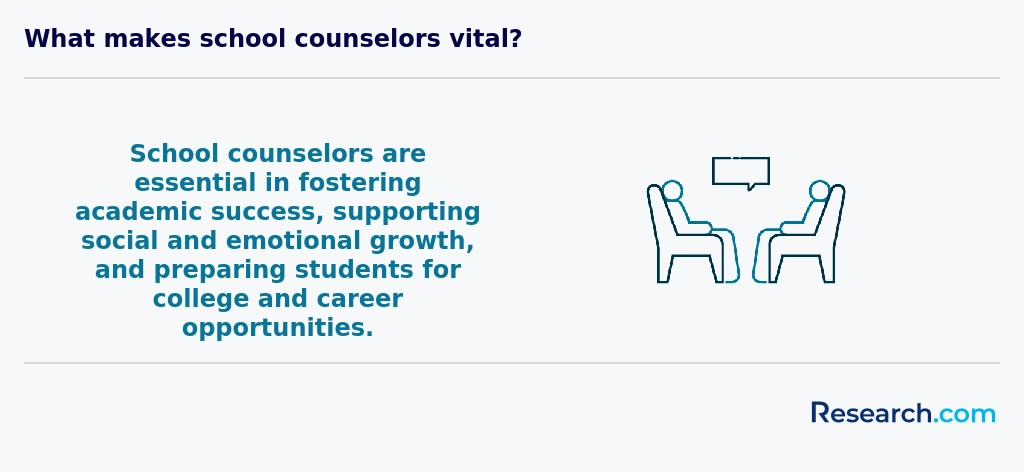
Some graduates recall their work as school counselors within K-12 settings, guiding students through academic challenges and personal growth. These positions draw on skills honed during practicum experiences and offer a strong sense of fulfillment by supporting young people's futures.
Others have forged paths in social service agencies or private practices, often citing the joy of helping vulnerable populations or the independence that comes from owning a counseling practice. Working in correctional facilities or rehabilitation centers is another avenue, where compassionate counseling plays a vital role in recovery and reintegration.
Rhode Island's steady demand for licensed counselors creates opportunities rooted in real community impact, making this degree a gateway to a career that resonates deeply with both professional purpose and personal satisfaction.
How much can I make with counseling degree in Rhode Island?
Graduates with counseling degrees in Rhode Island often find rewarding roles with salaries that reflect their dedication and specialization. For instance, those stepping into positions as Addiction Counselors can expect a mean annual wage of about $60,080, which offers a solid foundation for those passionate about supporting others through recovery.
Many counseling graduates from institutions like Rhode Island College or the University of Rhode Island share how roles such as Community Outreach Coordinators and Family Support Workers provide meaningful work along with average annual wages near $54,020. These positions allow new professionals to engage directly with their communities, fostering growth while earning a stable income.
More experienced specialists, such as Intervention Specialists, can earn significantly more, with mean salaries around $76,000 annually, reflecting the advanced skills and responsibility these roles demand. This upward path encourages ongoing education and certification, which many local graduates pursue to increase their impact and earnings.
For those beginning their careers, Rehabilitation Specialist roles offer starting salaries around $48,430, providing a reachable step toward both experience and financial security in Rhode Island's evolving counseling landscape.
2027 Most Popular Counseling Degree Programs Ranking in Rhode Island
How do we rank schools?
Investing in your education is a significant decision that can shape your future, and the Research.com team understands the importance of making informed choices. To assist prospective students in Rhode Island, we have meticulously created the "2027 Most Popular Counseling Degree Programs Ranking in Rhode Island." Our commitment to quality, credibility, and accuracy is evident in the thorough research and analysis behind this ranking.
We utilized the following reputable data sources to ensure a comprehensive evaluation of counseling programs:
By exploring this ranking, readers will gain valuable insights into the top counseling degree programs in Rhode Island, empowering them to make well-informed decisions about their education and career paths. For more details on our methodology, please visit our Research.com methodology page.


Key Findings
- The cost of a master's degree in counseling in Rhode Island ranges from $20,000 to $30,000 at public institutions and $40,000 to $50,000 at private colleges.
- Counseling programs include clinical practicum or internships to meet licensing requirements set by the Rhode Island Board of Mental Health Counselors and Marriage and Family Therapists.
- The counseling field in Rhode Island is projected to grow about 15% between 2020 and 2030, which is higher than the national average.
- Starting salaries for counseling graduates typically range from $45,000 to $55,000, with experienced counselors earning $65,000 to $75,000 annually.
- Licensure requires completing a graduate degree, 2,000 to 3,000 supervised clinical hours, and passing national or state-approved exams.
How long does it take to complete counseling degree in Rhode Island?
In Rhode Island, completing a counseling degree typically requires patience and dedication, often spanning four to six years. Graduates from institutions like Rhode Island College reflect on their journey, starting with a four-year bachelor's in psychology or social work before moving on to a master's program in counseling. Many recall the two to three years spent immersed in coursework, supervised clinical practice, and internships that truly solidified their skills.
For those balancing life commitments, part-time study options extend this timeline to four or five years, allowing steady progress without overwhelming pressure. These students appreciate the flexibility, finding fulfillment in the hands-on experiences that prepare them well for licensure. The master's degree typically demands around 60 credit hours and often culminates in a thesis or project that deepens understanding.
Graduates also emphasize the importance of the additional supervised hours required by the Rhode Island Department of Health, which can add months but ultimately build confidence and competence. This thoughtful pacing ensures readiness for meaningful, impactful counseling careers.
What's the difference between online and on-campus counseling degree?
Graduates from Rhode Island College often share how on-campus counseling programs deeply enriched their learning through face-to-face interaction and access to campus resources like counseling labs. This hands-on environment fosters immediate feedback and builds strong professional networks, which some find invaluable for developing confidence in clinical skills.
In contrast, those pursuing online degrees appreciate the flexibility of remote coursework, allowing them to juggle family or work responsibilities while still meeting rigorous academic requirements. Students enrolled in state-approved online programs, often affiliated with the University of Rhode Island, note the convenience of studying from home without sacrificing accreditation quality, as both formats meet CACREP standards.
Practical training remains a shared focus; graduates emphasize that while on-campus programs integrate supervised internships within campus facilities, online students arrange local placements in their communities. Many reflect positively on this adaptability, highlighting how it helped them gain real-world experience tailored to their environments.
What is the average cost of counseling degree in Rhode Island?
The average cost of a counseling degree in Rhode Island typically centers around $43,418 for in-state students and approximately $57,103 for out-of-state students, reflecting the financial commitment required to pursue this meaningful path. Graduates from public institutions like Rhode Island College often recall appreciating the balance between affordable tuition and comprehensive training, which helped them manage expenses while gaining valuable counseling skills. Private universities, such as Salve Regina University, while often higher in cost, provide specialized resources and smaller class sizes that many graduates found valuable for their professional growth.
Understanding Rhode Island counseling degree tuition and fees means looking beyond just tuition. Many graduates share how budgeting for additional expenses-like fees, textbooks, and clinical practicum costs-is essential. One student remembered the challenge but also the rewarding feeling of successfully navigating these financial demands through scholarships and assistantships. This process, though sometimes daunting, is part of the rewarding journey toward becoming a skilled counselor.
For those curious about the full trajectory, exploring options on how to become a marriage and family therapist provides practical insights on combining education with experiential learning. Engaging fully with financial aid opportunities and understanding the cost structure helps future counseling professionals prepare thoughtfully for their careers and personal development.

What financial aid is available to counseling degree students in Rhode Island?
Graduate students pursuing counseling degrees in Rhode Island often find valuable support through a mix of federal, state, and institutional financial aid options. For example, those enrolled in master's programs at Rhode Island College or Salve Regina University frequently rely on FAFSA to access federal grants and loans like the Direct Unsubsidized and Grad PLUS Loans. This federal assistance helps many ease the burden of tuition costs that typically range between $12,000 and $25,000 annually.
Many graduates recall how institutional scholarships and assistantships proved essential-offering not only partial or full tuition coverage but also stipends in exchange for teaching or research duties. The hands-on experience gained through assistantships often becomes a cornerstone of their academic journey.
Additionally, state grants such as the Rhode Island Student Grant provide some relief, although primarily for undergraduates. Employer tuition reimbursement is another hopeful path, especially for students working in the healthcare and social service sectors common in Rhode Island's communities. Veterans and active-duty members further benefit from military education programs like the GI Bill, which aligns well with graduate counseling studies.
What are the prerequisites for enrolling in counseling degree program in Rhode Island?
Enrolling in a counseling degree program in Rhode Island requires a clear foundation, beginning with a high school diploma or GED for undergraduate paths like a Bachelor of Science in Psychology. Graduates from Rhode Island College and the University of Rhode Island often reflect on how crucial this step was-it's the starting block for building essential skills.
For graduate programs such as a Master of Education or Master of Science in Counseling, a completed bachelor's degree is non-negotiable. Many graduates recall that having a background in psychology or social work made the transition smoother, yet some found success entering from diverse fields by completing required prerequisite courses. Achieving a minimum GPA close to 3.0 and preparing for potential GRE exams challenged them but also laid a solid groundwork.
Beyond academics, practical experience through internships or volunteer work was often the turning point for students, helping them connect theory with real-world counseling scenarios. These experiences fueled a genuine passion and increased confidence, enhancing their readiness for graduate studies.
Financially, understanding Rhode Island's tuition rates helped many plan effectively. The in-state average costs, hovering around $11,825 annually, guided students in managing expectations and securing funding for their counseling journey.
Overall, the process is rigorous but rewarding, and verifying specific prerequisites with Rhode Island institutions ensures a tailored and achievable path toward a fulfilling counseling career.
Licensure Requirements in Rhode Island
To practice as a professional counselor in Rhode Island, you must meet state licensure criteria before seeing clients independently:
- Graduate from a CACREP-accredited master’s program in counseling or a closely related field.
- Complete at least 3,000 hours of supervised clinical experience under a licensed supervisor.
- Pass the National Counselor Examination (NCE) or the National Clinical Mental Health Counseling Examination (NCMHCE).
- Submit your application, official transcripts and exam scores, and required fees to the Rhode Island Department of Health’s Board of Mental Health Counselors, Marriage and Family Therapists, and Psychoeducational Specialists.
Marriage and Family Therapists follow similar steps; learn more about how to become a marriage and family therapist.
What courses are typically in counseling degree programs in Rhode Island?
Graduates from counseling programs at institutions like the University of Rhode Island often reflect on how foundational courses shaped their understanding of human growth and change. Classes on human development help future counselors appreciate every stage of life, making it easier to connect with clients from various backgrounds. These courses are not just theory; students recall case studies where knowing developmental stages made a real difference during sessions.
Counseling theories are another cornerstone, introducing approaches such as cognitive-behavioral and psychodynamic therapy. One graduate shared how exposure to diverse methods helped them tailor interventions to individuals' unique needs, building confidence in their practice.
Ethics and professional standards taught through Rhode Island's alignment with the American Counseling Association guidelines also receive high praise. Understanding confidentiality and boundaries creates a trustworthy foundation essential for effective counseling.
Practical skills courses, including group counseling and multicultural competence, prepare students to work thoughtfully within Rhode Island's diverse communities. Graduates often express pride in gaining tools to support Hispanic and Portuguese populations sensitively, reflecting the state's rich cultural tapestry.
What types of specializations are available in counseling degree programs in Rhode Island?
In Rhode Island, counseling degree specializations offer students purposeful paths tailored to meaningful careers. Graduates from institutions like the University of Rhode Island often reflect on how Clinical Mental Health Counseling prepared them to confidently support individuals facing mental health challenges, whether in hospitals or community centers. This specialization is particularly valuable given the state's growing need for skilled counselors aligned with national certification standards.
Others who pursued school counseling appreciated how Rhode Island's state licensure requirements guided their training toward assisting K-12 students, helping them thrive academically and emotionally within local schools. Marriage and Family Therapy is another sought-after focus, where graduates describe rewarding experiences helping couples and families rebuild relationships under state licensure regulations. Rehabilitation Counseling appeals to those passionate about empowering people with disabilities to reach personal goals, often through internships connecting with Rhode Island agencies.
Exploring these options is crucial in Rhode Island counseling graduate programs, ensuring students find their ideal fit. For those seeking a flexible and efficient route, 6 month online certificate programs high paying jobs may also complement their training and career advancement.
How do you choose the best counseling degree in Rhode Island?
Choosing the best counseling degree in Rhode Island often begins with reflecting on your personal career goals and the type of counseling you envision practicing. Graduates from popular programs at Rhode Island institutions frequently emphasize the value of attending CACREP-accredited schools, which not only ensure rigorous training but also ease the path toward becoming a Licensed Professional Counselor (LPC) in the state. Many students share how programs with strong local internship connections provided meaningful hands-on experiences in clinics and schools, reinforcing their confidence and practical skills.
Cost and program format are equally important; several graduates praise the flexibility offered by part-time or hybrid courses, allowing them to balance work and study effectively. While affordability is a concern, research into the best counseling degree programs Rhode Island offers can help students identify programs that align well with both their financial means and academic aspirations. For those interested in advancing swiftly, exploring easy doctoral programs elsewhere may also complement your pursuit of higher qualifications.
Ultimately, choosing a program with accessible faculty, solid licensure preparation, and strong job placement records makes the journey rewarding and hopeful, as shared by many recent alumni who feel empowered to make a difference in their communities.
What career paths are available for counseling degree students in Rhode Island?
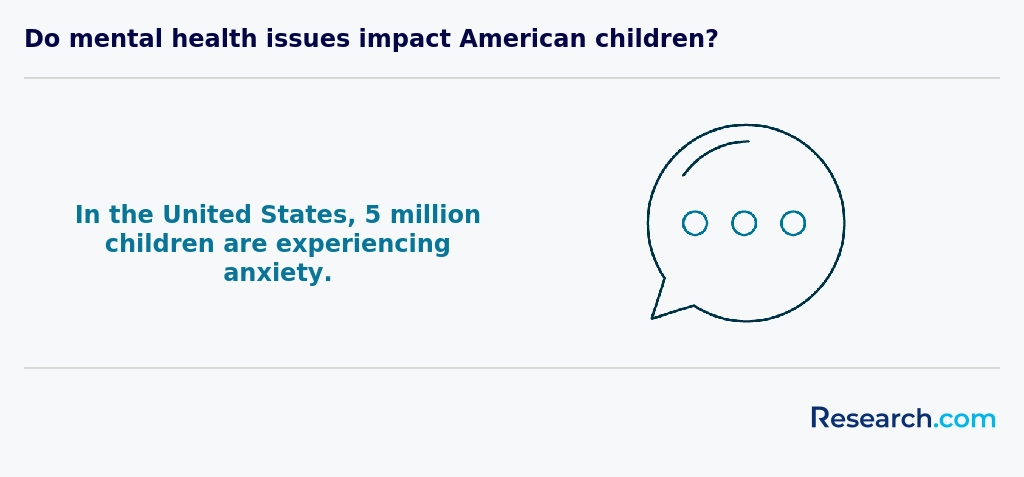
Graduates holding a counseling degree in Rhode Island often find themselves stepping into deeply rewarding roles across mental health and community support fields. Many report working as Mental Health Counselors in clinical settings, helping individuals navigate crises and emotional struggles with compassion. Others feel fulfilled as School Counselors within local schools, guiding students through academic and social challenges-experiences common among graduates from respected Rhode Island colleges known for their counseling programs. These career paths demonstrate how Rhode Island counseling degree job opportunities extend beyond therapy rooms into schools and community centers, reflecting the broader impact counselors have on well-being.
Some graduates pursue specialization as Substance Abuse Counselors or Marriage and Family Therapists, tackling addiction recovery or family dynamics with empathy and skill. The path to becoming a Licensed Professional Counselor (LPC) in Rhode Island, requiring rigorous supervised experience and examination, often leads to independent practice and greater professional autonomy. For those considering advanced education, exploring a doctoral degree without dissertation can open new horizons in research or leadership within counseling careers in Rhode Island.
What is the job market for counseling degree in Rhode Island?
The counseling degree job outlook Rhode Island offers is encouraging, especially for graduates who emerge from well-regarded local institutions. Many graduates from universities in the state find themselves warmly welcomed into community mental health centers, schools, and private practices, where their skills are in steady demand. One graduate shared how internships at Providence-based clinics not only enriched their learning but directly led to job offers, illustrating how Rhode Island's close-knit professional community supports new counselors.
Rhode Island counseling career opportunities especially thrive in areas like substance abuse treatment and school counseling, where demand continues to rise. The state's commitment to expanding mental health programs aligns with the growing awareness among residents seeking support, creating a welcoming environment for new professionals. Students pursuing counseling in Rhode Island often reflect on both the rigorous academic preparation and the meaningful hands-on experience they gain, fueling their confidence to enter the workforce in this compassionate field.
For those considering cost-effective options to pursue such careers, many look to the best affordable online colleges that accept fafsa to complement their education, making the path more accessible while maintaining quality. This blend of practical training, financial planning, and robust job prospects paints a hopeful picture for anyone drawn to a counseling degree in Rhode Island.
Frequently Asked Questions About counseling
Counseling degree students in Rhode Island can enhance their learning by engaging deeply with both academic and practical experiences. Regional schools often offer internships or practicum placements with local agencies, which are essential for hands-on training and meeting licensure requirements established by the Rhode Island Department of Health.
Students should also seek programs accredited by the Council for Accreditation of Counseling and Related Educational Programs (CACREP), as such accreditation ensures curriculum quality and is favored by employers and licensing boards.
Networking through professional organizations like the Rhode Island Counseling Association can provide access to workshops, conferences, and mentorship, further supporting skill development.
Finally, staying informed about state-specific licensure laws and continuing education opportunities helps students align their education with career goals in Rhode Island's counseling field.
Emerging niches within the counseling field in Rhode Island reflect broader national trends, emphasizing specialized care to meet diverse community needs. One rapidly growing area is trauma-informed counseling, addressing the rise in demand for support services related to mental health crises and adverse experiences. According to the Rhode Island Department of Health, mental health concerns increased significantly over the past five years, driving this specialty.
Another developing niche is gerontological counseling, as Rhode Island's population ages. Counselors trained to support older adults with issues like dementia and end-of-life planning are increasingly sought after. Additionally, substance abuse counseling remains critical due to ongoing opioid challenges in the state.
Career counseling for veterans and military families also presents expanding opportunities, supported by local veteran services collaborations and state programs encouraging specialized training.
After completing a counseling degree in Rhode Island, preparing for the job market involves several key steps. First, obtaining state licensure is essential. Rhode Island requires counselors to be licensed through the Department of Health as Licensed Mental Health Counselors (LMHC). This generally means passing the National Counselor Examination (NCE) and completing supervised clinical hours, often around 2,000.
Networking with local professionals and joining organizations like the Rhode Island Counseling Association can open job opportunities. The state's healthcare sector and school systems regularly seek qualified counselors, supported by a Bureau of Labor Statistics projection of 16% job growth for mental health counselors nationwide through 2031.
Additionally, gaining experience through internships or volunteer work within Rhode Island's community health centers enhances employability. Staying current with continuing education and specializations, such as substance abuse counseling, can further improve job prospects in this competitive market.
Employers in Rhode Island value counseling degree graduates who demonstrate strong communication and interpersonal skills. According to the Rhode Island Department of Labor and Training, effective listening and empathy are critical for success in counseling roles statewide. Graduates must also show proficiency in ethical decision-making, as licensed counselors adhere to strict state and national guidelines.
Analytical thinking and problem-solving abilities are essential for addressing diverse client needs. Familiarity with evidence-based counseling techniques, such as cognitive-behavioral therapy, is often expected. Employers increasingly prioritize cultural competence due to Rhode Island's growing demographic diversity, enabling counselors to work effectively with various populations.
Additionally, organizational skills and adaptability rank highly, given the range of settings including schools, clinics, and community agencies where counselors practice.
Finding internships in Rhode Island for counseling degrees involves several practical steps. Start by connecting with local universities that offer counseling programs, such as the University of Rhode Island or Rhode Island College, which often share internship opportunities with enrolled students. Additionally, many counseling internships are available through hospitals, mental health clinics, and community service organizations statewide.
The Rhode Island Department of Health and Rhode Island Mental Health Services also provide resources for students seeking placements. According to the National Center for Education Statistics, internships are crucial for meeting licensure requirements, especially in clinical counseling fields.
Networking through professional associations like the Rhode Island Counseling Association can open doors to internships in diverse settings.
Obtaining a counseling degree in Rhode Island significantly enhances career mobility and advancement within the state's growing mental health sector. Licensed counselors in Rhode Island must hold at least a master's degree in counseling or a related field to qualify for professional licensure through the Rhode Island Board of Mental Health Counselors and Marriage and Family Therapists.
This degree serves as a critical gateway to roles such as Licensed Professional Counselor (LPC), which opens opportunities in schools, healthcare settings, and private practice. According to the U.S. Bureau of Labor Statistics, employment for substance abuse, behavioral disorder, and mental health counselors in Rhode Island is projected to grow by 15% through 2030, outpacing many other professions.
Additionally, higher qualifications correlate with increased salary potential and eligibility for leadership or specialized clinical roles. For example, counselors with advanced credentials may pursue supervisory positions or certifications in areas like trauma or addiction counseling, facilitating upward professional movement within Rhode Island's healthcare system.
Studying for a counseling degree in Rhode Island equips students with a broad skill set crucial for interdisciplinary roles. Programs often integrate coursework in psychology, social work, and healthcare, reflecting the collaborative nature of modern counseling professions. This approach helps graduates communicate effectively with professionals from various fields.
Rhode Island's counseling programs emphasize experiential learning, including internships in diverse settings like schools, hospitals, and community organizations. According to the Rhode Island Department of Education, these opportunities foster teamwork skills and adaptability.
The state's counseling degrees also require training in ethical standards and cultural competence, preparing students to navigate complex interdisciplinary environments responsibly.
When choosing between a thesis and a non-thesis counseling degree program in Rhode Island, consider your career goals and learning preferences. A thesis option typically involves original research and is suited for those interested in pursuing a PhD or working in academia. It can take more time and requires strong writing skills.
Non-thesis programs focus more on practical skills and coursework, ideal for students aiming for immediate clinical work or licensure as a Licensed Professional Counselor (LPC) in Rhode Island. According to the Rhode Island Department of Health, LPC licensure requires supervised experience and passing the National Counselor Exam, not research.
Research published by the National Board for Certified Counselors shows that practical experience often leads to quicker employment in counseling roles across Rhode Island. Evaluate your time availability, interest in research, and future plans before deciding.
Students based in Rhode Island who wish to study counseling abroad have various pathways and considerations. Many U.S. institutions encourage exchange programs or partnerships with universities overseas, allowing students to gain international experience without losing progress toward their degree. While Rhode Island itself does not have a large number of direct study-abroad counseling programs, students often look to larger institutions or organizations that specialize in international education.
The Council for Accreditation of Counseling and Related Educational Programs (CACREP) offers guidance on maintaining accreditation standards, which is crucial for licensure. Students should ensure that foreign programs meet similar accreditation to avoid challenges when returning to the U.S. for certification and employment.
Financial aid and scholarships for studying counseling abroad are limited but growing; students can explore options through the Rhode Island Office of Postsecondary Commissioner or federal programs. According to the National Center for Education Statistics, about 15% of U.S. graduate students engage in some form of study abroad, reflecting increasing interest in global perspectives within counseling.
Overall, planning with academic advisors and verifying international program accreditation remains essential for Rhode Island students aiming to study counseling overseas.
Part-time job opportunities in Rhode Island that complement counseling degree education include roles such as behavioral health technician, peer support specialist, and case manager assistant. These positions provide practical experience working with clients in mental health, addiction recovery, and social services, which align closely with counseling skills.
Rhode Island's Department of Behavioral Healthcare, Developmental Disabilities & Hospitals (BHDDH) supports various community programs offering part-time roles beneficial to counseling students. Additionally, local non-profits and school systems often seek part-time aides or interns in counseling-related fields.
These jobs help students build critical communication, crisis intervention, and documentation skills, enhancing their academic training.
Counseling students in Rhode Island benefit from several strong networking opportunities throughout their educational journey. The state hosts active professional organizations like the Rhode Island Counseling Association (RICA), which offers students access to conferences, workshops, and local events. These gatherings allow students to connect with licensed counselors, supervisors, and potential employers in the region.
Many universities in Rhode Island collaborate with local clinics and schools to provide internships, facilitating real-world experience and professional contacts. Research by the Council for Accreditation of Counseling and Related Educational Programs (CACREP) highlights that accredited programs often include networking as a key component.
Additionally, Rhode Island's small size encourages close-knit professional communities, making it easier for students to establish meaningful relationships early in their careers.
Alumni networks provide valuable support for counseling degree students in Rhode Island by offering connections to experienced professionals in the field. These networks help students access internships and job opportunities, which is crucial in a competitive statewide market. According to the Rhode Island Department of Labor and Training, the counseling profession is expected to grow 11% through 2030, highlighting the importance of strong professional relationships.
Furthermore, alumni often mentor current students, sharing insights on licensure requirements and continuing education specific to Rhode Island. This guidance helps students navigate the state's counseling licensure process more smoothly. Through events and online platforms, alumni networks foster a sense of community and ongoing professional development.
Customizing a counseling degree program in Rhode Island allows students to align education with their career goals effectively. Many local institutions offer specialized tracks such as clinical mental health, school counseling, or marriage and family therapy. Selecting electives tailored to these fields enables students to build relevant skills.
Additionally, Rhode Island schools often provide practicum and internship opportunities within the state's healthcare and educational systems. These experiences help students gain hands-on expertise and build professional networks essential for licensure and employment.
Some programs also offer flexible scheduling, allowing working professionals to pursue degrees part-time or online. Consulting academic advisors early can help tailor course selection based on licensure requirements set by the Rhode Island Department of Health and the Department of Education.
Counseling students in Rhode Island often face several challenges throughout their education. One common difficulty is securing adequate clinical placement sites, as the state has a limited number of agencies offering supervised practicum opportunities. This can delay hands-on experience necessary for licensure. Additionally, balancing coursework with fieldwork demands can be stressful, particularly for students who work or manage family responsibilities. According to the Rhode Island Department of Health, the state requires 2,400 hours of supervised clinical experience for Licensed Professional Counselors, increasing time commitments. Financial constraints also present hurdles, as tuition and living costs in Rhode Island tend to be higher than the national average.
With a counseling degree in Rhode Island, you can pursue several professional certifications that enhance your career opportunities. The most common is the Licensed Professional Counselor (LPC), regulated by the Rhode Island Department of Health, which requires a master's degree, supervised clinical hours, and passing a national exam. Another option is becoming a Licensed Mental Health Counselor (LMHC), offering specialized practice in mental health. Additionally, certifications like National Certified Counselor (NCC) are available through national bodies such as the National Board for Certified Counselors (NBCC). These credentials increase employment prospects and are recognized across state lines.
Rhode Island's emphasis on mental health has increased demand for certified counselors, with job growth projected to rise by 12% through 2030, according to the U.S. Bureau of Labor Statistics. Obtaining certification also qualifies counselors for positions in schools, hospitals, and private practice, expanding professional versatility and income potential.
Applying to counseling programs in Rhode Island involves careful preparation to stand out among candidates. Start by thoroughly researching accredited programs, such as those approved by the Council for Accreditation of Counseling and Related Educational Programs (CACREP), which is important for licensure in Rhode Island.
Craft a clear, focused personal statement that highlights your motivation, relevant experiences, and understanding of counseling ethics. Emphasize your commitment to serving diverse populations, as Rhode Island's counseling workforce values cultural competence.
Include strong letters of recommendation from professors or professionals familiar with your skills in communication and empathy. Also, maintain a competitive GPA; most Rhode Island counseling programs prefer applicants with at least a 3.0 GPA.
Completing prerequisites and showcasing relevant volunteer or work experience can strengthen your application. According to the Rhode Island Department of Health, licensure requires supervised clinical hours, so demonstrating early familiarity with clinical environments can be beneficial.
Counseling careers have gained importance worldwide, reflecting increasing awareness of mental health. In the US, including Rhode Island, counseling is viewed as a vital profession with a growing job market. According to the US Bureau of Labor Statistics, employment of mental health counselors is projected to grow 23% from 2021 to 2031, faster than average for all occupations.
Globally, approaches to counseling vary, but the common goal is to support individuals' well-being. Rhode Island's counseling programs align with national standards, preparing graduates for licensure such as Licensed Mental Health Counselor (LMHC).
Additionally, Rhode Island's diverse population highlights the importance of multicultural competence in counseling education. This reflects a broader trend emphasizing ethical practice and cultural sensitivity internationally.
Gaining practical experience is essential when pursuing a counseling degree in Rhode Island. Most accredited programs require students to complete supervised internships or practicum hours. These placements often happen at local community agencies, hospitals, or school counseling centers, offering valuable real-world exposure.
Rhode Island's counseling students typically complete 600 to 1,000 hours of clinical experience, aligning with state licensure requirements. Institutions like Rhode Island College and the University of Rhode Island have established partnerships with area providers to support these opportunities.
Additionally, volunteering or part-time work in mental health settings can enhance skills during study. Students are advised to consult their program advisors for tailored guidance on securing such roles.
Choosing the right concentration within a counseling degree program in Rhode Island depends largely on your career goals and interests. Common concentrations include clinical mental health, school counseling, and marriage and family therapy. Each has specific licensure requirements based on state guidelines, so reviewing Rhode Island's licensing board standards is essential.
Consider job demand in Rhode Island: the Bureau of Labor Statistics shows continued growth in mental health counselor roles, especially in clinical settings. School counseling is another in-demand field due to state initiatives supporting student mental health.
Research individual Rhode Island institutions to compare faculty expertise, practicum opportunities, and partnerships with local agencies, which are key for hands-on experience.
Related Counseling Rankings for Nearby States
- 2027 Most Popular Counseling Degree Programs Ranking in Massachusetts
- 2027 Most Popular Counseling Degree Programs Ranking in Connecticut
- 2027 Most Popular Counseling Degree Programs Ranking in New York
- 2027 Most Popular Counseling Degree Programs Ranking in New Jersey
- 2027 Most Popular Counseling Degree Programs Ranking in Pennsylvania
- 2027 Most Popular Counseling Degree Programs Ranking in Maryland
- 2027 Most Popular Counseling Degree Programs Ranking in Virginia
- 2027 Most Popular Counseling Degree Programs Ranking in Ohio
- 2027 Most Popular Counseling Degree Programs Ranking in West Virginia
- 2027 Most Popular Counseling Degree Programs Ranking in Tennessee
Top Trending Counseling Rankings
See What Experts Have To Say About Studying Counseling
Read our interview with Counseling experts

Meredith A. Rausch
Counseling Expert
Associate Professor
University of Alabama

References
- Mental Health, Counseling & Therapy Internships https://www.counselingschools.com/blog/preparing-for-a-mental-health-internship
- How to Find Therapist Jobs https://agentsofchangeprep.com/blog/how-to-find-therapist-jobs/
- Where therapists work and what they do https://www.bacp.co.uk/careers/counselling-and-therapy-as-a-career/where-therapists-work-and-what-they-do/
- 6 Therapy Niches to Consider for Your Practice - Talkspace https://www.talkspace.com/blog/therapy-niches/
- Counseling + Individual Learning Plans (ILP) - PrepareRI https://www.prepare-ri.org/ilp
- Mental Health Counseling MS Salary Guide | University of Bridgeport https://www.bridgeport.edu/news/masters-in-counseling-salary-guide/
- Online Degrees https://onlinecounselingprograms.com/online-counseling-degrees/
- How Can a Graduate Degree Advance Your Career in Counseling? https://paloaltou.edu/resources/blog/how-can-graduate-degree-advance-your-career-counseling
- Home https://www.husson.edu/online/blog/2025/10/benefits-of-alumni-networks
- Networking: Are You Connected? https://www.apaservices.org/practice/business/marketing/building/networking


