Research.com is an editorially independent organization with a carefully engineered commission system that’s both transparent and fair. Our primary source of income stems from collaborating with affiliates who compensate us for advertising their services on our site, and we earn a referral fee when prospective clients decided to use those services. We ensure that no affiliates can influence our content or school rankings with their compensations. We also work together with Google AdSense which provides us with a base of revenue that runs independently from our affiliate partnerships. It’s important to us that you understand which content is sponsored and which isn’t, so we’ve implemented clear advertising disclosures throughout our site. Our intention is to make sure you never feel misled, and always know exactly what you’re viewing on our platform. We also maintain a steadfast editorial independence despite operating as a for-profit website. Our core objective is to provide accurate, unbiased, and comprehensive guides and resources to assist our readers in making informed decisions.

2027 Most Popular Counseling Degree Programs Ranking in Ohio

Imed Bouchrika, PhD

by Imed Bouchrika, PhD

Co-Founder and Chief Data Scientist

What can I expect from counseling degree in Ohio?

The average cost of pursuing a counseling degree in Ohio typically ranges from $8,000 to $15,000 per year at public universities, depending on the institution and whether the student qualifies for in-state tuition. For example, graduates from Ohio University and the University of Cincinnati have noted that the relatively affordable tuition helped them focus more on mastering counseling techniques and gaining valuable practicum experience without excessive financial stress.

This price range aligns with the demands of rigorous programs that usually require 48 to 60 credit hours over two to three years. Students attending CACREP-accredited programs, such as those offered at Kent State University, benefit not only from quality education but also from smoother paths toward licensure as Licensed Professional Clinical Counselors (LPCC).

Many students emphasize the positive impact of federal aid and scholarships available in Ohio, which substantially reduce out-of-pocket expenses. This financial support allows them to immerse fully in coursework involving psychology, ethics, and counseling diverse populations, making their academic journey both manageable and rewarding.

Where can I work with counseling degree in Ohio?

Graduates from counseling programs at Ohio State University and the University of Cincinnati often find employment in mental health agencies across Ohio, where they help individuals manage emotional and psychological challenges. These roles are plentiful, as thousands of licensed professional counselors operate statewide in community mental health centers and nonprofits.

Many graduates recall rewarding experiences working as school counselors within Ohio's K-12 public and private school systems. These positions involve supporting students with academic planning and social-emotional development, fulfilling critical roles reported by the Ohio Department of Education.

Healthcare settings, such as hospitals and rehab centers, also employ counseling degree holders. For instance, clinical counselors collaborate with medical staff to treat patients facing substance abuse or trauma-industries that employ around 5,000 mental health counselors statewide, according to the Bureau of Labor Statistics.

Graduates pursuing licensure often open private practices, enjoying flexible schedules while meeting Ohio's licensure standards including supervised hours and exams. Others contribute to Ohio's corrections system or join employee assistance programs, military services, and faith-based organizations, reflecting the degree's diverse and meaningful career paths.

How much can I make with counseling degree in Ohio?

Graduates from counseling programs at institutions like Ohio State University or University of Cincinnati can anticipate varied salary outcomes based on their chosen career path within the state. For instance, Intervention Specialists report a mean annual wage of about $76,000, reflecting strong demand and specialized expertise.

Other related roles show competitive earnings as well: Rehabilitation Specialists average $48,430 yearly, while Community Outreach Coordinators and Family Support Workers both earn approximately $54,020 annually. Addiction Counselors see even higher pay, with mean wages around $60,080, highlighting the value of specialization in areas like substance use treatment.

These figures align with graduates' experiences, many of whom note that securing licensure and gaining real-world clinical experience in Ohio's urban centers boosts earning potential. Graduates employed in Columbus or Cleveland particularly appreciate the balance of rewarding salaries with meaningful community impact, often sharing satisfaction in supporting diverse populations while maintaining financial stability.

Table of Contents

# 1 position

College logo

The Ohio State University offers a Master's program focused on counseling. It has a less selective acceptance rate of 61%, with 72,829 applicants competing each year. The total program cost is $54,866. Approximately 80% of students receive financial aid, indicating a high level of support available to help manage expenses. This program is suited for students seeking advanced education in counseling within a large applicant pool.

# 2 position

College logo

Miami University-Oxford offers a Master's program focused on counseling, with a total cost of $59,221. The acceptance rate is 75%, indicating a less selective admission process. Approximately 98% of students benefit from high levels of financial aid. The program receives 39,580 applications, making it a considerable option for those seeking advanced education in counseling at a moderately accessible institution.

Case Western Reserve University offers a Master's program focused on counseling with a total cost of $78,588. The program is moderately selective, accepting 37% of its 37,082 applicants. A high level of financial aid is available, with 90% of students receiving assistance. This combination of affordability support and admissions selectivity provides a clear view for prospective students.

# 4 position

College logo

The University of Cincinnati offers a Master's program focused on counseling with a total cost of $48,136. The program admits students with an acceptance rate of 85%, indicating an open admission policy. Out of 34,285 applicants, 88% receive financial aid, reflecting a high level of support to enrolled students.

# 5 position

College logo

The University of Cincinnati offers a Bachelor program focused on counseling, welcoming a large pool of 34,285 applicants annually. With an open admission policy at an 85% acceptance rate, it provides accessible opportunities for prospective students. The total cost of the program is $48,136. Notably, 88% of enrolled students receive financial aid, indicating high levels of support to help manage education expenses.

# 6 position

College logo

The University of Cincinnati offers a Doctoral program focused on counseling, with a total cost of $48,136. The program has an open admission policy, accepting 85% of applicants, which is 34,285 in total. A high level of financial aid is available, with 88% of students receiving support, making it an accessible option for many prospective students seeking advanced counseling education.

# 7 position

College logo

Ohio University offers a Master's program focused on counseling with an open admission policy, accepting 85% of applicants. The program has a total cost of $38,546. Of the 27,486 applicants, a large majority-97%-receive high levels of financial aid, making it accessible for many students. This combination of affordable cost and financial support presents valuable opportunities for prospective counseling graduates.

# 8 position

College logo

Ohio University offers a bachelor's degree program focused on counseling, with a total cost of $38,546. The program has an open admission policy with an 85% acceptance rate, making it accessible to most applicants. Annually, it receives 27,486 applications. A significant 97% of students receive financial aid, indicating a high level of support available for enrolled students.

# 9 position

College logo

Kent State University at Kent offers a Master's program focused on counseling, with a total cost of $35,692. The school has an open admission policy, accepting 86% of applicants, which totals 24,611 each year. A very high percentage of students, 97%, receive financial aid, indicating strong support opportunities for those enrolled.

# 10 position

College logo

The University of Dayton offers a Master's program focused on counseling, with a total cost of $66,940. The program has a less selective acceptance rate of 65%, admitting a significant number of applicants out of 21,981. Financial aid is highly accessible, with 97% of students receiving some form of assistance. This makes the program financially supportive while being moderately accessible for prospective students.

# 11 position

College logo

The University of Dayton offers a Bachelor program focused on counseling with a total cost of $66,940. The acceptance rate is 65%, indicating a less selective admission process. Of the 21,981 applicants, 97% receive financial aid, reflecting high aid levels for students enrolled in this program.

# 12 position

College logo

Bowling Green State University offers a Master's program focused on counseling. The program has an open admission policy with an acceptance rate of 81%, welcoming a large number of applicants annually, totaling 21,153. Tuition for the full program amounts to $35,398. Financial aid is widely available, with 99% of students receiving some form of assistance, indicating strong support for enrolled candidates.

# 13 position

College logo

The University of Akron Main Campus offers a Master's program focused on counseling with a total cost of $33,919. The program has a less selective acceptance rate of 60%, admitting a large number of applicants, totaling 18,025. Additionally, a high level of financial aid is available, with 97% of students receiving assistance, making it a financially supportive option for prospective students interested in counseling.

# 14 position

College logo

The University of Akron Main Campus offers a Doctor level program focused on counseling. The program has a less selective acceptance rate of 60%, welcoming a large applicant pool of 18,025 students. Tuition costs for the full program total $33,919. A high percentage of students, 97%, receive financial aid, making it easier to afford the education for most enrolled students.

# 15 position

College logo

Xavier University offers a Master's program focused on counseling with a total cost of $65,760. The program has an open admission policy, accepting 86% of its 14,631 applicants. Students benefit from a high level of financial aid, as 100% of enrolled students receive assistance, easing the overall expense burden for potential candidates.

# 16 position

College logo

The University of Toledo offers a Bachelor's program focused on counseling with a total cost of $35,105. Admission is open, with a high acceptance rate of 92%, welcoming 11,067 applicants. The program supports students extensively, as 92% receive financial aid, indicating strong financial assistance opportunities for enrollees.

# 17 position

College logo

The Master's program in counseling at Cleveland State University has an open admission policy with a 91% acceptance rate, accommodating a large applicant pool of 11,050. The total cost of the program is $34,600. Students benefit from high financial aid availability, with 90% of enrollees receiving assistance, making it a financially accessible option for many prospective candidates.

# 18 position

College logo

Cleveland State University offers a Bachelor's program focused on counseling with a total cost of $34,600. The program has an open admission policy, accepting 91% of its 11,050 applicants. A high level of financial aid is available, with 90% of students receiving aid. This accessibility and support make the program a notable option for students seeking a counseling degree.

# 19 position

College logo

Wright State University offers a Master's program focused on counseling with a total cost of $33,872. The program has an open admission policy, accepting 96% of its 8,855 applicants. High levels of financial aid are available, with 96% of students receiving support. This makes the program accessible and affordable for many prospective students interested in advancing their counseling education.

# 20 position

College logo

Wright State University offers a Bachelor's program focused on counseling with a total cost of $33,872. The program has an open admission policy, accepting 96% of its 8,855 applicants. A high percentage of students, 96%, receive financial aid, indicating strong support for those enrolled. This makes the program accessible and financially manageable for most students pursuing a counseling degree.

What counseling degree graduates have to say

  • Alex: Pursuing my counseling degree at Ohio University was transformative. The faculty's dedication, combined with hands-on clinical experience, truly prepared me for real-world challenges. The supportive environment made learning enjoyable and built my confidence to help others effectively.
  • Rachel: Studying counseling at Kent State University exceeded my expectations. The diverse course offerings and community engagement opportunities enriched my education. I felt empowered to grow both personally and professionally in a vibrant academic setting that values student success.
  • David: My time at Miami University was invaluable. The small class sizes and collaborative spirit allowed me to connect deeply with professors and peers. This close-knit learning experience shaped my counseling skills and ignited my passion for making a difference in people's lives.

How long does it take to complete counseling degree in Ohio?

Completing a counseling degree in Ohio takes a clearly defined timeframe based on the education level pursued. Graduates from institutions like Ohio State University or University of Cincinnati report that earning a bachelor's degree in counseling or psychology typically requires about four years of full-time study. This foundational step equips students with essential knowledge to advance in the field.

Most aspiring Licensed Professional Clinical Counselors (LPCC) find that pursuing a master's degree in counseling is the next critical step, generally lasting two to three years. Students undertaking master's programs at Wright State University or Kent State University describe this period as intensive but rewarding, combining rigorous coursework with clinical practicum experience.

After the master's, approximately two years of supervised clinical hours-around 3,000 total-are mandatory. Many graduates emphasize the satisfaction of translating their classroom learning into meaningful client interactions during this phase, which is essential for full professional licensure in Ohio.

Licensure Requirements in Ohio

To practice as a Licensed Professional Clinical Counselor (LPCC) in Ohio, you must complete specific education, supervised experience, and examination steps:

  1. Earn a CACREP-accredited master’s degree, such as through the best online cacrep counseling programs.
  2. Complete 3,000 hours of supervised clinical experience under an LPCC supervisor.
  3. Pass the National Clinical Mental Health Counseling Examination (NCMHCE) or equivalent state exam.
  4. Apply to the Ohio Counselor, Social Worker & Marriage and Family Therapist Board, submitting official transcripts, exam scores, and application fees.
  5. Fulfill 30 hours of continuing education every two years to maintain active licensure.

What's the difference between online and on-campus counseling degree?

Online and on-campus counseling degrees in Ohio differ mainly in delivery and experience. On-campus programs, such as those at Ohio University and Kent State, offer direct interaction with faculty and peers, fostering strong connections and practical learning through campus resources. Graduates often appreciate the hands-on clinical labs and face-to-face networking, which they found invaluable when preparing for licensure.

Conversely, online degrees provide greater flexibility, ideal for working adults or students managing family commitments. Ohio-based online students typically engage in virtual lectures and discussions but must independently secure local clinical placements to meet Ohio's licensure requirements. This commuter flexibility often reduces living expenses but requires self-discipline to arrange real-world practice hours.

Tuition costs for both formats in Ohio public universities are relatively comparable, generally ranging from $7,000 to $20,000 annually, while private institutions may charge more. Online students save on commuting and housing, yet they may face technology fees. This trade-off influences decisions alongside learning preferences and lifestyle demands.

Licensure Requirements and Process in Ohio

Becoming a Licensed Professional Counselor (LPC) in Ohio requires a clear understanding of the state’s regulatory framework and a structured pathway from graduation to licensure. Key steps include:

  • Completed Education: Earn a master’s degree in counseling from a regionally accredited institution—ideally one with CACREP recognition and at least 60 graduate credit hours covering core counseling competencies, ethics, and human development.
  • Supervised Clinical Experience: Accumulate 3,000 hours of post–master’s supervised experience over a minimum of 24 months, with at least 100 hours of direct client contact under the supervision of an approved LPC-S or LMFT-S supervisor.
  • National Examination: Pass the National Counselor Examination (NCE) or the National Clinical Mental Health Counseling Examination (NCMHCE) administered by the National Board for Certified Counselors (NBCC).
  • State Jurisprudence Assessment: Successfully complete Ohio’s jurisprudence exam on state laws, rules, and ethical practices governing professional counseling.
  • Application and Fees: Submit official transcripts, supervisor verification forms, and the application fee to the Ohio Counselor, Social Worker, and Marriage and Family Therapist Board.
  • Continuing Education: Maintain licensure by completing 30 clock hours of board-approved continuing education every two years, including ethics, cultural competency, and clinical best practices. For professionals comparing licensure pathways across different states, our resource on how to become a therapist in tennessee offers valuable insights into alternative requirements and accelerated pathways. By following this step-by-step process, counseling graduates can transition smoothly from academic programs to fully licensed professionals, positioning themselves for a successful career in Ohio’s growing mental health landscape.

What is the average cost of counseling degree in Ohio?

The average cost of a counseling degree in Ohio reflects a range of factors including residency status and institution type. Based on the most recent data, in-state students pursuing counseling degrees can expect median total costs near $14,460, which aligns closely with tuition rates at reputable public universities such as Ohio State University. Graduates from these programs often describe their investment as worthwhile, citing strong clinical training and supportive faculty that help them confidently enter the counseling profession. For out-of-state students, the total median cost rises significantly, approaching $44,970, reflecting higher tuition and related expenses.

Private colleges in Ohio, known for specialized counseling tracks or unique therapeutic approaches, typically charge higher tuition fees, contributing to this elevated total cost figure. Beyond just tuition, counseling students also manage essential expenses like textbooks, licensing exam fees, and malpractice insurance, which can add several thousand dollars to the overall financial picture. These costs are important to consider when calculating the average cost of counseling degree Ohio residents pursue.

Financial aid options, including scholarships and assistantships, are commonly accessed by Ohio counseling students to ease the financial burden. Additionally, many programs offer clinical placements or internships that may provide stipends or reduce training costs, adding value to the educational experience. Those interested in an affordable counseling school in Ohio should explore state resources and direct institutional contacts for updated tuition and aid information.

What is the average cost of counseling degree in Ohio?

Licensure Requirements in Ohio

To practice as a professional counselor in Ohio, you must meet state board standards for education, experience, testing and ongoing learning:

  • Earn a CACREP-accredited master’s degree, such as those featured in our best online cacrep counseling programs
  • Complete at least 3,000 hours of supervised clinical experience under a board-approved supervisor
  • Pass the National Counselor Examination (NCE) and the National Clinical Mental Health Counseling Examination (NCMHCE)
  • Submit an application, official transcripts, background check and fees to the Ohio Counselor, Social Worker & Marriage and Family Therapist Board
  • Fulfill 40 hours of continuing education every two years to renew your license

What financial aid is available to counseling degree students in Ohio?

Students pursuing counseling degrees in Ohio have access to several key financial aid options that help manage tuition costs, which can range from $10,000 to over $30,000 annually. Federal aid, accessed through the FAFSA, offers grants like the Pell Grant (occasionally for graduate students) and loans such as Federal Direct Unsubsidized and Grad PLUS Loans. These are vital resources for many Ohio counseling students seeking graduate support.

State-level aid includes the Ohio College Opportunity Grant and various scholarships, some targeting counseling students committed to serving Ohio communities. Graduates from Ohio State University and the University of Cincinnati often share how these state scholarships eased their financial burden, enabling them to focus on internships and clinical work.

Employer tuition reimbursement is another prominent aid source, especially for those employed in local school districts or healthcare providers, often requiring a post-graduation service commitment. Additionally, program-specific assistantships and fellowships at major Ohio universities offer stipends or tuition waivers in exchange for research or teaching duties, a relief many recipients describe as a significant boost toward completing their degrees smoothly.

Finding the Most Affordable Counseling Program in Ohio

To navigate the complexities of higher education in Ohio, particularly when considering the financial aspects of pursuing a counseling degree, it's essential to have a comprehensive understanding of what options are available. Prospective students often find themselves at a crossroads, trying to balance their desire for quality education with the need for affordability. One crucial step in this decision-making process is researching institutions that offer a blend of academic excellence and financial viability. For instance, exploring options like an affordable counseling school in Ohio can provide valuable insights into programs that are not only budget-friendly but also equipped to provide students with the skills and knowledge necessary to succeed in the counseling field. By delving into the specifics of these programs, including their curriculum, faculty expertise, and available resources, students can make informed decisions that align with their professional aspirations and financial realities. This approach ensures that the pursuit of a counseling degree in Ohio is both fulfilling and sustainable, setting the stage for a successful and impactful career in mental health support.

What are the prerequisites for enrolling in counseling degree program in Ohio?

Applicants aiming to enroll in counseling degree programs in Ohio must meet clear academic and experiential prerequisites. For bachelor's programs at institutions like Ohio State University or Xavier University, a high school diploma with strong performance in psychology or health sciences is essential. Graduates from these schools often recall the confidence their solid academic background gave them during admissions.

At the graduate level, such as master's programs at University of Cincinnati or Kent State University, applicants usually need a bachelor's degree from an accredited college, ideally with coursework in psychology or human services. Many programs require a minimum GPA around 3.0, alongside letters of recommendation and personal statements that express genuine commitment. Graduates typically speak positively about how their volunteer or internship experience, gained at local clinics or social service agencies, was critical in strengthening their applications.

Clinical practicum or internships are commonly mandatory, offering real-world counseling exposure crucial for Ohio's Licensed Professional Counselor (LPC) licensure. This hands-on training deeply resonates with students, helping them feel prepared and motivated to enter the profession.

What are the prerequisites for enrolling in counseling degree program in Ohio?

How to Apply to Counseling Programs in Ohio: Admissions Process and Tips

Navigating the admissions process for counseling programs in Ohio begins with careful planning and attention to detail. First, research each university’s prerequisites—most master’s programs require a bachelor’s degree in psychology or a related field, a minimum GPA of 3.0, and completion of foundational courses such as abnormal psychology and human development. Next, compile official transcripts, request three letters of recommendation (ideally from academic mentors or professional supervisors), and craft a compelling personal statement that highlights your passion for counseling, relevant experience, and career goals. Application deadlines typically fall between December and February for fall enrollment, though some schools offer rolling admissions; always verify dates on each program’s website. Prepare for potential interviews by practicing responses to common questions about clinical experience, ethical dilemmas, and your approach to client engagement. If required, schedule and complete the GRE at least six weeks before your earliest deadline, unless you choose programs that waive score requirements. Many applicants underestimate the importance of a well-structured resume—highlight internships, volunteer work, and any certifications in mental health or crisis intervention. Pay application fees (ranging from $50–$100) promptly and follow up with admissions offices to confirm receipt of all materials. Finally, compare financial aid packages and scholarship offers; for those seeking cost-effective alternatives outside Ohio, consider our Low Cost Counseling Degree Programs Ranking in Philadelphia, PA, which showcases programs that balance quality training with affordability. By adhering to these steps and starting your application at least four months in advance, you’ll position yourself for success and reduce last-minute stress.

What courses are typically in counseling degree programs in Ohio?

Counseling degree programs in Ohio, such as those at Ohio State University and University of Cincinnati, typically include a core set of courses designed to build a solid foundation in the field. Graduates often reflect on how courses like human growth and development helped them understand psychological changes across lifespans, making client interactions more empathetic and insightful.

Theories of counseling and psychotherapy courses cover essential models like cognitive-behavioral and psychodynamic approaches, which students find practical when applying different techniques during internships. Group counseling classes train students to confidently facilitate therapy sessions, an experience many state was transformative in their professional readiness.

Assessment and testing teach how to evaluate clients effectively, while multicultural counseling addresses working respectfully within Ohio's diverse population. Additionally, ethics and professional standards courses emphasize the legal responsibilities critical for licensure through the Ohio Counselor, Social Worker, and Marriage and Family Therapist Board. Practical research methods also prepare students to use data-driven approaches in clinical settings.

What types of specializations are available in counseling degree programs in Ohio?

In Ohio, counseling degree specializations reflect both the state's workforce demands and the diverse needs of students. Popular specializations include Clinical Mental Health Counseling, where graduates often speak about the rewarding challenge of supporting individuals with emotional and behavioral issues in local hospitals and community agencies. Another key area is School Counseling, vital for boosting student wellness in Ohio's public schools, where graduates appreciate their role in fostering positive academic and social outcomes.

Marriage and Family Therapy (MFT) prepares students for licensure with a strong focus on systemic approaches, helping couples and families address interpersonal dynamics. Rehabilitation Counseling trains students to assist those with disabilities in achieving independence, while Substance Abuse Counseling responds to Ohio's ongoing opioid crisis, equipping counselors to deliver impactful intervention and treatment services.

Students at popular institutions highlight the benefit of Ohio counseling graduate program options that are closely aligned with state licensure requirements. For those curious about professional pathways, resources such as how to become a therapist in tennessee offer actionable insights based on state standards and career outcomes.

How do you choose the best counseling degree in Ohio?

Choosing the best counseling degree programs Ohio requires evaluating the accreditation status, especially looking for programs endorsed by CACREP. Graduates from Ohio universities that maintain this accreditation report smoother licensing experiences with the Ohio Counselor, Social Worker, and Marriage and Family Therapist Board. This accreditation aligns training with state licensure paths like Licensed Professional Clinical Counselor (LPCC) or Licensed Professional Counselor (LPC), critical for career progress.

Cost considerations are pivotal; in-state tuition at public Ohio institutions often reduces expenses, with average graduate counseling tuition nationally ranging between $10,000 and $25,000 annually. Affordable counseling degrees in Ohio can be found by exploring financial aid, scholarships, or assistantships enacted by the schools. Graduates frequently highlight how practical curriculum components and community-based practicum placements at well-regarded Ohio colleges build confidence and readiness for real-world counseling roles.

Flexibility matters to students balancing work or family commitments. Programs offering online or hybrid formats have garnered praise for accommodating diverse lifestyles. Faculty expertise and strong student support networks enhance academic satisfaction and employment outcomes, aspects valued by graduates. For budget-conscious students, resources like the Low Cost Counseling Degree Programs Ranking in Philadelphia, PA can also provide perspective on affordable options outside Ohio while comparing quality standards.

How do you choose the best counseling degree in Ohio?

What career paths are available for counseling degree students in Ohio?

Graduates holding a counseling degree in Ohio can pursue a variety of in-demand roles aligned with the state's evolving mental health landscape. Key career paths include Licensed Professional Clinical Counselors (LPCCs), who typically work in private practices, hospitals, community agencies, and schools providing therapy and support to individuals navigating mental health challenges. The Ohio counseling degree job opportunities also extend to school counselors, who play a crucial role in academic and personal student support-a need emphasized by the Ohio Department of Education to enhance overall student well-being.

Other prominent roles are substance abuse counselors working in rehab centers, mental health counselors collaborating with social workers in hospitals, and career counselors in colleges or career centers guiding educational and occupational choices. Graduates from well-regarded Ohio institutions often express satisfaction with the practical clinical experience these programs offer, preparing them for licensure and successful careers. Students interested in maximizing their prospects can explore details on top college majors for the future through resources like top college majors for the future.

What is the job market for counseling degree in Ohio?

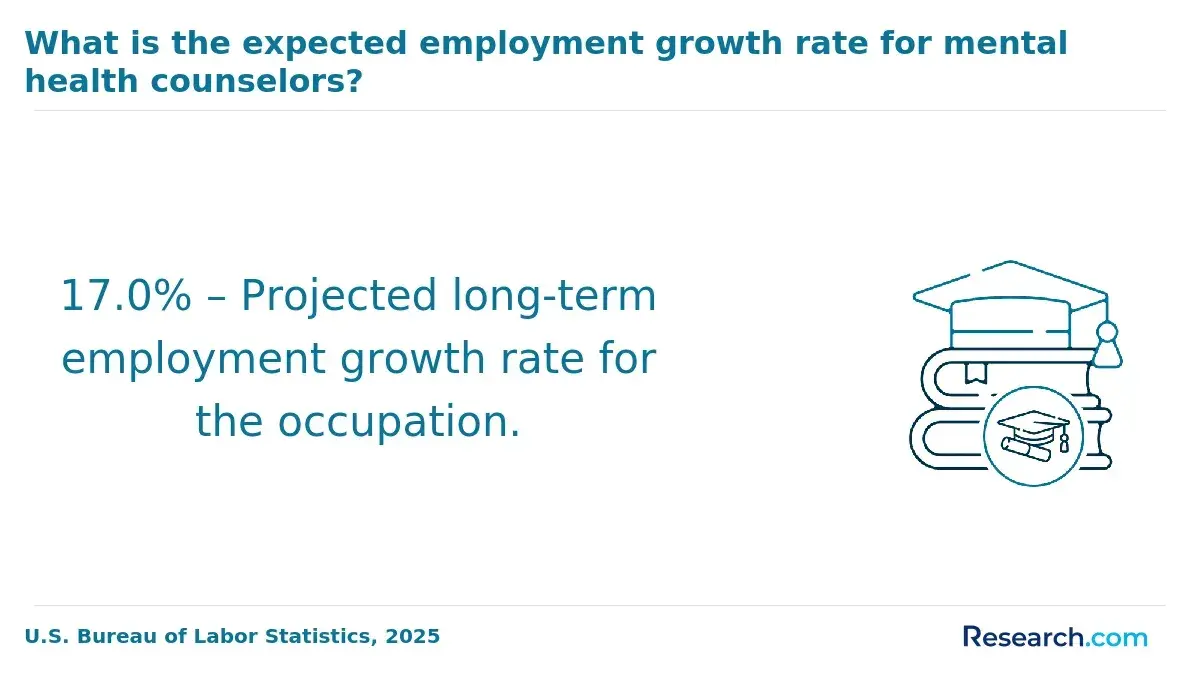
The counseling degree job outlook Ohio shows robust growth, with employment for mental health counselors and marriage and family therapists projected to increase by around 15% from 2022 to 2032. Graduates from well-regarded institutions in Ohio often find positions in diverse settings such as hospitals, community mental health centers, and school districts. Many report positive experiences transitioning into the workforce because demand remains strong, fueled by state initiatives to expand mental health services. This demand creates favorable conditions, especially for those earning their Licensed Professional Clinical Counselor (LPCC) credentials.

Ohio counseling career opportunities 2027 are promising, with entry-level salaries ranging between $50,000 to $60,000 depending on the employer and specialization. Graduates from popular Ohio colleges appreciate the manageable tuition costs, which often fall between $8,000 and $15,000 annually for public universities. They frequently emphasize that earning a counseling degree here is a wise investment for future job stability. For those exploring educational paths, an easiest online college degree option may complement traditional studies while ensuring career readiness.

Frequently Asked Questions About counseling

How can counseling degree students in Ohio maximize their learning experience?

Counseling degree students in Ohio can maximize their learning by engaging actively in both coursework and practical experiences. Ohio requires a substantial number of supervised clinical hours-typically 3,000 post-master's-for licensure as a Licensed Professional Clinical Counselor (LPCC), so gaining early fieldwork is crucial.

Many Ohio universities offer internships or practicum placements that provide hands-on experience with diverse populations. Students should seek these opportunities to build skills and professional networks.

Additionally, joining organizations such as the Ohio Counseling Association connects students to regional resources and continuing education.

Utilizing state board resources and staying updated on Ohio's licensure requirements also enhances readiness for certification exams and successful careers.

What are the emerging niches within the counseling field?

Emerging niches within the counseling field in Ohio reflect evolving societal needs and workforce demands. One notable growth area is telehealth counseling, which has expanded significantly since 2020 and remains popular across rural Ohio, improving access to mental health services. Another rising specialty is trauma-informed counseling, responding to increased awareness of the impact of trauma on mental health.

Additionally, substance abuse counseling continues to be critical as Ohio faces opioid-related challenges; the Ohio Department of Mental Health and Addiction Services reports ongoing demand for qualified counselors in this sector. Career counseling with a focus on diverse populations and multicultural competence is also becoming increasingly important.

How to prepare for the job market after completing counseling degree in Ohio?

After earning a counseling degree in Ohio, graduates should focus on obtaining licensure to enter the job market. The Ohio Counselor, Social Worker, and Marriage and Family Therapist Board requires passing the National Counselor Examination (NCE) and completing supervised clinical hours, typically 3,000 hours over two years. This licensure process is crucial for securing professional counseling jobs.

Networking is also vital in Ohio's mental health field. Joining organizations like the Ohio Counseling Association can connect candidates to job leads and professional development.

Ohio's demand for counselors is projected to grow 14% by 2030, emphasizing the value of internship experience and continuing education.

What are the top skills employers look for in counseling degree graduates in Ohio?

Employers in Ohio prioritize several key skills when hiring graduates with counseling degrees. Strong communication abilities are essential, as counselors must effectively engage with clients from diverse backgrounds. Active listening and empathy rank highly, helping professionals build trust and understand client needs deeply.

Moreover, critical thinking and problem-solving skills enable counselors to develop personalized treatment plans. Ethical decision-making is another vital quality, ensuring adherence to state and national guidelines. According to the Ohio Board of Credentialed Counselors, proficiency in cultural competence is increasingly important due to Ohio's diverse population.

Finally, organizational skills and familiarity with documentation requirements are crucial for maintaining client records and meeting regulatory standards.

How to find internships in Ohio relevant to a counseling degree?

Finding internships in Ohio related to a counseling degree involves a combination of research, networking, and utilizing university resources. Many Ohio universities with counseling programs have partnerships with local clinics, schools, and mental health agencies that offer internship opportunities. The Ohio Counselor, Social Worker, and Marriage and Family Therapist Board provide licensure requirements that often include supervised clinical hours, making internships a critical part of training.

Students should explore local hospitals, nonprofit organizations, and community mental health centers such as those affiliated with the OhioMHAS (Ohio Department of Mental Health and Addiction Services). Additionally, job and internship listings on platforms like Handshake and LinkedIn often feature relevant positions.

How does a counseling degree influence career mobility and advancement in Ohio?

In Ohio, earning a counseling degree significantly enhances career mobility and opportunities for advancement. According to the Ohio Counselor, Social Worker, and Marriage and Family Therapist Board, licensure requires a relevant graduate degree, ensuring that degree holders meet essential educational standards for practice.

With a counseling degree, professionals can pursue licensure as Licensed Professional Counselors (LPC), which opens doors to diverse roles in mental health agencies, schools, and private practice. The U.S. Bureau of Labor Statistics reported Ohio's counselor employment growth at about 10% from 2020 to 2030, reflecting expanding job prospects.

Additionally, higher qualifications increase eligibility for leadership positions and specialized counseling fields, such as addiction or school counseling. Overall, a counseling degree in Ohio is a critical step toward career growth within the state's mental health workforce.

How does studying for a counseling degree in Ohio prepare for interdisciplinary roles?

Studying for a counseling degree in Ohio equips students with the skills necessary to collaborate across various professional fields. Ohio's counseling programs commonly emphasize interdisciplinary training, combining psychology, social work, and healthcare perspectives. This approach reflects the realities of modern counseling, where professionals often work alongside medical providers, educators, and social service agencies.

According to the Ohio Counselor, Social Worker, and Marriage and Family Therapist Board (OCSWMFT), accredited programs include coursework and practicum experiences in diverse settings to foster teamwork skills. This training prepares graduates to engage effectively in multidisciplinary teams, crucial in both clinical and community environments.

Additionally, Ohio's licensure requirements promote understanding of ethical and legal standards across professions, reinforcing interdisciplinary collaboration. Students also learn to adapt counseling strategies to varied populations, enhancing their role in integrated care systems.

How to choose between a thesis and a non-thesis counseling degree program in Ohio?

When choosing between a thesis and a non-thesis counseling degree program in Ohio, students should consider their career goals and learning preferences. A thesis option typically involves original research and writing, which is ideal for those interested in continuing to doctoral studies or engaging in counseling research. Non-thesis programs focus more on practical skills and coursework, often allowing quicker completion and more hands-on experience.

A 2023 report from the Ohio Board of Regents notes that around 60% of counseling master's students in the state opt for non-thesis tracks, reflecting a preference for applied learning. Candidates aiming for academic or research careers may prefer thesis programs for stronger preparation.

What options do students based in Ohio have for studying counseling abroad?

Students based in Ohio who wish to study counseling abroad have several pathways to consider. While Ohio offers numerous accredited counseling programs domestically, studying internationally can provide unique cultural perspectives and broaden clinical experience. Many students opt for exchange programs or partnerships between Ohio universities and foreign institutions, often facilitated through study abroad offices.

Options include completing part of a master's degree overseas or enrolling in specialized counseling certifications recognized in the U.S. However, students should verify that foreign programs align with Ohio's licensure requirements, typically overseen by the Ohio Counselor, Social Worker, and Marriage and Family Therapist Board.

According to the Ohio Department of Higher Education, participation in study abroad has grown steadily, with around 7% of Ohio students engaging in international education opportunities annually.

What part-time job opportunities in Ohio can complement counseling degree education?

Ohio offers various part-time job opportunities that complement counseling degree education. Many students find work as behavioral health technicians or mental health aides in local clinics or hospitals, gaining practical experience while earning income. According to the Ohio Department of Job and Family Services, these roles often require a high school diploma or some college experience, making them accessible for students.

Additionally, part-time positions in school settings as teacher assistants or guidance office aides allow students to observe counseling methods in educational environments. Community organizations and nonprofits also hire support staff to assist counselors with case management and outreach efforts.

These roles enhance practical skills important for licensure requirements in Ohio's counseling profession, which include supervised hours of clinical experience as noted by the Ohio Counselor, Social Worker, and Marriage and Family Therapist Board.

What are the networking opportunities for counseling students in Ohio?

Counseling students in Ohio have numerous networking opportunities to support their professional growth. Many universities offer access to Ohio counseling associations, such as the Ohio Counseling Association (OCA), which hosts events, workshops, and conferences annually. These gatherings provide chances to meet licensed professionals and peers.

Internships and practicum placements arranged through Ohio schools often connect students with local clinics and mental health organizations. Additionally, seminars held by Ohio's Board of Licensed Professional Counselors create spaces for interaction with experienced practitioners.

The state's growing demand for mental health services encourages community networking through nonprofit organizations and support groups focused on counseling practice.

How do alumni networks benefit counseling degree students in Ohio?

Alumni networks offer significant benefits for counseling degree students in Ohio by providing access to professional connections and career opportunities. Graduates from Ohio counseling programs often join these networks to share job leads, internships, and licensure advice. The Ohio Counseling Association highlights that 65% of recent graduates found employment through alumni referrals.

These networks also facilitate mentorship, helping students navigate Ohio's licensure requirements, such as supervised clinical hours and the LPC exam. Moreover, alumni events and online platforms strengthen community ties, encouraging collaborative learning and professional growth.

Active alumni connections can enhance job placement rates, a key success indicator promoted by many Ohio universities offering counseling degrees.

How can I customize my counseling degree program in Ohio to fit my career goals?

Customizing a counseling degree program in Ohio allows students to align their education with specific career goals. Many Ohio universities offer concentrations within their counseling degrees, including school counseling, mental health counseling, and rehabilitation counseling. Selecting a specialization helps tailor coursework and practicum experiences to the desired field.

Students can also choose electives focusing on areas such as substance abuse, trauma, or marriage and family therapy. Ohio's licensure requirements, overseen by the Ohio Counselor, Social Worker, and Marriage and Family Therapist Board, influence program choices, especially for those aiming to become Licensed Professional Counselors (LPCs).

Additionally, internships and supervised clinical hours completed at local agencies or schools in Ohio provide practical experience and networking opportunities suitable to individual career paths.

What are the typical challenges that counseling students in Ohio are facing?

Counseling students in Ohio often face challenges related to balancing demanding academic workloads with fieldwork requirements. The Ohio Counselor, Social Worker, and Marriage and Family Therapist Board mandates a minimum of 3,000 supervised clinical hours for licensure, which can be difficult to complete alongside coursework. Additionally, the cost of education remains a significant barrier, with in-state tuition for counseling programs averaging around $10,000 per year at public universities, according to the Ohio Department of Higher Education.

Students also navigate varying licensing laws and exam preparation, as the National Counselor Examination demands thorough study and practice. Access to quality internship placements, particularly in rural areas of Ohio, is another common issue, potentially limiting hands-on experience critical to career readiness. These factors collectively shape the educational journey of counseling students in the state.

What professional certifications can I pursue with a counseling degree?

With a counseling degree in Ohio, graduates can pursue several professional certifications that enhance their career opportunities. The most common certification is the Licensed Professional Clinical Counselor (LPCC), which allows individuals to provide clinical counseling services independently. To qualify, candidates must complete supervised experience and pass the Ohio Counselor, Social Worker, and Marriage and Family Therapist Board exam.

Other certifications include the Licensed School Counselor (LSC) credential, which is essential for working in K-12 educational settings. This requires a master's degree and passing the Praxis exam.

According to the Ohio Board of Regents, over 3,500 counselors held active licenses in 2023, reflecting strong demand for certified professionals in the state.

How to write a winning application for a counseling program in Ohio?

To write a winning application for a counseling program in Ohio, start by thoroughly researching the specific program requirements, as these vary across institutions. Most programs expect a strong academic record, emphasizing psychology or related coursework. Including relevant volunteer or work experience in mental health can significantly strengthen your application.

A well-crafted personal statement is crucial; clearly articulate your motivation to pursue counseling and how you plan to contribute to the community. Ohio has a growing demand for licensed counselors, with a 12% job growth forecast from 2020 to 2030 according to the U.S. Bureau of Labor Statistics, making your career goals particularly relevant.

Letters of recommendation should come from professionals who can attest to your interpersonal skills and dedication. Finally, make sure to meet all deadlines and provide complete documentation to avoid disqualification.

What are the global perspectives on a counseling career?

Counseling careers in Ohio reflect broader global trends emphasizing mental health and well-being. According to the Bureau of Labor Statistics, the demand for counselors in the U.S. is expected to grow 22% from 2020 to 2030, much faster than average. Ohio's counseling programs prepare students for roles that align with international standards, including licensure requirements shaped by the American Counseling Association.

Globally, mental health awareness is increasing, which expands job opportunities for counselors trained in Ohio. The state's programs often incorporate multicultural competencies, responding to diverse populations, a critical skill worldwide.

Ohio schools frequently emphasize evidence-based practices and ethical standards widely recognized across countries, making their graduates competitive both locally and internationally.

How can I gain practical experience while studying for a counseling degree in Ohio?

Gaining practical experience is essential when pursuing a counseling degree in Ohio. Most accredited programs require students to complete supervised internships or practicum hours. These placements often occur in community mental health centers, schools, or hospitals, allowing students to work directly with clients under professional supervision.

Ohio mandates a minimum of 2,000 hours of post-master's supervised experience to become a Licensed Professional Clinical Counselor (LPCC), so students should seek programs facilitating early clinical exposure. According to the Ohio Counselor, Social Worker, and Marriage and Family Therapist Board, quality internships improve job readiness and networking opportunities.

Some universities also partner with local agencies, streamlining access to fieldwork. Additionally, attending workshops and joining counseling organizations like the Ohio Counseling Association can further enhance practical skills during study.

How do I choose the right concentration within a counseling degree program in Ohio?

Choosing the right concentration within a counseling degree program in Ohio depends on your career goals and the populations you want to serve. Ohio offers various specializations such as school counseling, clinical mental health counseling, and marriage and family therapy, each meeting different state licensure requirements. According to the Ohio Counselor, Social Worker, and Marriage and Family Therapist Board, clinical mental health counselors currently have high demand due to increasing mental health needs. Researching licensing criteria and job outlooks from sources like the U.S. Bureau of Labor Statistics Ohio data can guide your decision.

Consider your personal interests, internship opportunities, and the curriculum focus. Many Ohio universities provide detailed concentration descriptions and practicum placements, which are crucial for hands-on experience. Aligning your concentration with local workforce demands improves employment chances after graduation.

See What Experts Have To Say About Studying Counseling

Read our interview with Counseling experts

Meredith A. Rausch

Meredith A. Rausch

Counseling Expert

Associate Professor

University of Alabama

Charles Figley

Charles Figley

Counseling Expert

Kurzweg Distinguished Chair in Disaster Mental Health

Tulane University

Do you have any feedback for this article?

Related Articles
2026 How to Become a School Counselor in Mississippi thumbnail
Careers AUG 19, 2026

2026 How to Become a School Counselor in Mississippi

by Imed Bouchrika, PhD
2026 How to Become a Licensed Therapist (LPC) in Orlando, FL: Counselor License Requirements thumbnail
2026 How to Become a School Counselor in Florida thumbnail
Careers AUG 19, 2026

2026 How to Become a School Counselor in Florida

by Imed Bouchrika, PhD
2026 How to Become a Licensed Counselor (LPC) in Georgia thumbnail
Careers AUG 19, 2026

2026 How to Become a Licensed Counselor (LPC) in Georgia

by Imed Bouchrika, PhD
2026 How to Become a Licensed Counselor (LPC) in Michigan thumbnail
Careers AUG 19, 2026

2026 How to Become a Licensed Counselor (LPC) in Michigan

by Imed Bouchrika, PhD
2026 Pros and Cons of Being a Mental Health Therapist: Is It Worth It? thumbnail