2027 Most Popular Counseling Degree Programs Ranking in Indiana

Co-Founder and Chief Data Scientist
Choosing the right counseling degree program in Indiana can shape your future career and personal growth. This article presents the 2027 Most Popular Counseling Degree Programs Ranking in Indiana, created by Research.com's team of data scientists to guide you toward informed decisions.
Whether you're starting fresh or advancing your education, knowing which programs are valued helps you focus your efforts wisely. A counseling degree opens doors to rewarding opportunities where you can make a real difference in people's lives.
Explore the ranking to discover programs that fit your goals and aspirations confidently.
Key benefits of getting counseling degree in Indiana
- Graduates with a counseling degree in Indiana can expect competitive salaries, such as $60,080 for Addiction Counselors and $54,020 for Family Support Workers, offering financial stability and career growth.
- Potential career paths include becoming a Rehabilitation Specialist or Community Outreach Coordinator, reflecting the diverse opportunities available to counseling graduates from universities like Indiana University.
- Completing a counseling degree online, as from Purdue Global, offers flexibility and convenience, allowing students to balance education with personal life while still accessing quality training and career support.
- Key benefits of getting counseling degree in Indiana
- What can I expect from counseling degree in Indiana?
- Where can I work with counseling degree in Indiana?
- How much can I make with counseling degree in Indiana?
- 2027 Most Popular Counseling Degree Programs Ranking in Indiana
- Key Findings
- How long does it take to complete counseling degree in Indiana?
- Indiana Counseling Licensure Requirements
- What's the difference between online and on-campus counseling degree?
- Affordability and Financial Considerations for Counseling Degree Programs in Indiana
- What is the average cost of counseling degree in Indiana?
- Licensure Requirements and Accreditation for Counselors in Indiana
- What financial aid is available to counseling degree students in Indiana?
- Accreditation & Licensure Requirements
- What are the prerequisites for enrolling in counseling degree program in Indiana?
- Licensure Requirements in Indiana
- What courses are typically in counseling degree programs in Indiana?
- What types of specializations are available in counseling degree programs in Indiana?
- How do you choose the best counseling degree in Indiana?
- What career paths are available for counseling degree students in Indiana?
- What is the job market for counseling degree in Indiana?
- Related Counseling Rankings for Nearby States
- Top Trending Counseling Rankings
- See What Experts Have To Say About Studying Counseling
What can I expect from counseling degree in Indiana?
Costing a counseling degree in Indiana often feels like balancing dreams with dollars, yet many grads from schools like Indiana State University or Ball State find the investment surprisingly manageable. Public universities tend to offer in-state tuition rates that ease financial anxiety, drifting well below the national graduate program average. Imagine walking through campus, knowing your wallet won't buckle under soaring fees-this is reality for many local students.
Beyond sticker price, aspiring counselors often tap into scholarships, financial aid snuggled within university programs, or assistantships that weave education with valuable, paid experience. A graduate from a CACREP-accredited program shares how financial support let them focus more on clinical hours than worrying about bills, turning rigorous coursework into a journey filled with encouragement rather than stress.
Think of it as a community investment: Indiana's universities not only cultivate compassionate minds but also lighten economic burdens, making the path to licensure both attainable and inspiring for future counselors.
Where can I work with counseling degree in Indiana?
Graduates from counseling programs at popular Indiana institutions often find themselves stepping into vibrant roles that shape communities and heal lives. Imagine walking through the halls of a bustling mental health clinic in Indianapolis or lending a steady voice at a community agency in Bloomington-these are common realities for many.
School counselors emerge from Indiana State University and Ivy Tech prepared to champion students' success, balancing academic guidance with heartfelt social-emotional support in K-12 settings. One graduate shared how their work directly impacted a high schooler's confidence, embodying the state's new counselor-to-student ratio standards.
The path to private practice-open to licensed professionals-is a treasured route for many who studied at Purdue University Northwest, offering a chance to specialize in areas like marriage therapy or addiction counseling. Meanwhile, some find themselves providing crisis intervention for veterans or children through social service agencies spread across the state.
Hospitals in Fort Wayne and other urban centers welcome counselors who weave mental health care seamlessly into medical teams, a fulfilling experience highlighted by graduates who relish collaborative healing.
Indiana's counseling careers pulse with promise, fueled by growth and a community eager for compassionate, skilled voices.
How much can I make with counseling degree in Indiana?
Graduates from counseling programs at Indiana universities like Indiana University or Ball State often find themselves stepping into roles with compelling salary prospects. Imagine starting as a Rehabilitation Specialist earning around $48,430 annually-enough to live comfortably in Indiana's vibrant college towns. Or picture yourself as a Community Outreach Coordinator, bringing in about $54,020 a year, making meaningful community impacts while enjoying financial stability.
Graduates eager to tackle addiction challenges might become Addiction Counselors earning roughly $60,080 annually, turning passion into a paycheck that grows with experience. Those navigating family dynamics as Family Support Workers also see promising earnings near $54,020, allowing them to sustain a fulfilling lifestyle close to the campuses where their careers began.
The robust salary figures echo the positive stories from Hoosier graduates who balance their call to help others with the real benefit of solid income, especially in urban hubs like Indianapolis or Fort Wayne. With a counseling degree from Indiana's respected programs, you step into a world where your compassion and expertise are recognized-in your heart and your paycheck.
2027 Most Popular Counseling Degree Programs Ranking in Indiana
How do we rank schools?
Investing in your education is a significant decision that can shape your future, and the Research.com team understands the importance of making informed choices. To assist prospective students in Indiana, we have meticulously crafted the "2027 Most Popular Counseling Degree Programs Ranking in Indiana." Our commitment to quality, credibility, and accuracy is reflected in the extensive research and analysis conducted to compile this ranking.
We utilized the following reputable data sources to ensure a comprehensive evaluation of counseling programs:
By exploring this ranking, readers will gain valuable insights into the most popular counseling degree programs available in Indiana, helping them make well-informed decisions about their educational paths. For more details on our methodology, please visit our Research.com methodology page.


Key Findings
- Indiana offers accredited master's programs in counseling focusing on clinical mental health, school counseling, and marriage and family therapy.
- Tuition for counseling master's degrees typically ranges from $20,000 to $40,000, with public universities generally being more affordable.
- Entry-level counseling jobs pay around $45,000 to $50,000 annually, with experienced professionals earning between $60,000 and $75,000.
- The job market for counselors in Indiana is expected to grow by about 12% over the next decade.
- Licensure requires a master's degree, 4,000 supervised clinical hours, passing the National Counselor Examination, and completing continuing education.
- Programs accredited by CACREP are recommended to meet Indiana's licensure requirements effectively.
How long does it take to complete counseling degree in Indiana?
Imagine stepping into a bustling classroom at Indiana University or the University of Indianapolis, where counseling students embark on a journey typically spanning two to three years for a master's degree. This timeframe perfectly fits full-time students eager to immerse themselves in around 60 credit hours, balancing lectures with hands-on supervised fieldwork - often between 700 to 900 hours of real-world client interaction. Graduates often share how this intensive yet rewarding period shapes them both personally and professionally, fueling excitement about their future in mental health.
For some, like those attending Purdue University or Ball State, the path begins earlier with a four-year bachelor's program laying foundational knowledge, a crucial springboard despite not leading directly to licensing. Then there are the doctoral candidates, often at institutions offering counselor education, who embrace a longer, more intricate voyage of four to six years, weaving research, exams, and dissertations into their growth.
Part-time students tell stories of balancing coursework with families or jobs, extending their master's completion to about four to six years. This flexibility brings relief and motivation, proving that the degree can adapt to life's rhythms while still opening doors.
Indiana Counseling Licensure Requirements
Earning a counseling degree in Indiana is only the first step-state licensure is required to practice independently. The Indiana Behavioral Health and Human Services Licensing Board oversees the Licensed Professional Counselor (LPC) credential. Key requirements include: • Education: Completion of a CACREP-accredited master’s degree in counseling or a closely related field, with at least 48 semester hours covering core content areas such as human growth and development, counseling theories, assessment, and ethics. • Supervised Experience: A minimum of 2,000 post-degree supervised clinical hours under a Board-approved supervisor. These hours must include both direct client contact and related activities (e.g., case conceptualization, record keeping). • Examination: Passing the National Counselor Examination for Licensure and Certification (NCE) or the National Clinical Mental Health Counseling Examination (NCMHCE). • Application and Fees: Submission of a licensure application to the Indiana Professional Licensing Agency (IPLA), including official transcripts, supervisor verification of practicum/internship hours, and payment of current licensing fees. • Continuing Education: Renewal every two years requires 40 clock hours of approved continuing education, including at least 3 hours in ethics and 2 hours in cultural competency. For those seeking flexible study paths that complement Indiana licensure timelines, consider exploring the Cheapest Online Counseling Degree Programs Ranking in Fort Lauderdale, FL, which may offer transferable coursework and practicum placements recognized by the IPLA. Understanding these licensure steps ensures you align your academic choices with professional requirements, accelerating your journey to becoming a credentialed counselor in Indiana.
What's the difference between online and on-campus counseling degree?
Imagine juggling a full-time job and family in Indianapolis while pursuing your counseling degree-online programs at Indiana University or Purdue University Fort Wayne make this dance possible. Graduates often share how the freedom to study anytime from a cozy nook at home transformed their stressful days into empowering milestones. The asynchronous classes mean you don't miss out on life's moments, and the 10-30% cost savings on commuting and housing are a welcome bonus that keeps wallets happy.
Meanwhile, on-campus students at these Indiana institutions weave their educational journey through lively classroom debates and spontaneous hallway chats. They describe the energy of face-to-face mentorship and hands-on labs where therapeutic skills come alive-priceless for feeling truly prepared. The clinical practicum feels more immediate and accessible here, thanks to local partnerships that ease arranging internships.
Both paths require grit and commitment to Indiana's licensing hoops, but whether online or on-site, counselors in training find unique ways to thrive in the Hoosier State's supportive educational landscape.
Affordability and Financial Considerations for Counseling Degree Programs in Indiana
When considering a counseling degree program in Indiana, affordability is a crucial factor. Prospective students should research programs that offer a balance of quality education and financial feasibility. For instance, finding an affordable counseling school in Indiana can significantly impact one's ability to pursue their educational and career goals without Shouldering excessive debt. Many institutions in Indiana offer competitive pricing, scholarships, and financial aid to help make counseling education more accessible. By exploring these options and understanding the total cost of attendance, including tuition, fees, and living expenses, students can make informed decisions about their educational investments. Ultimately, choosing a counseling program that aligns with one's budget and career aspirations is vital for success in this field.
What is the average cost of counseling degree in Indiana?
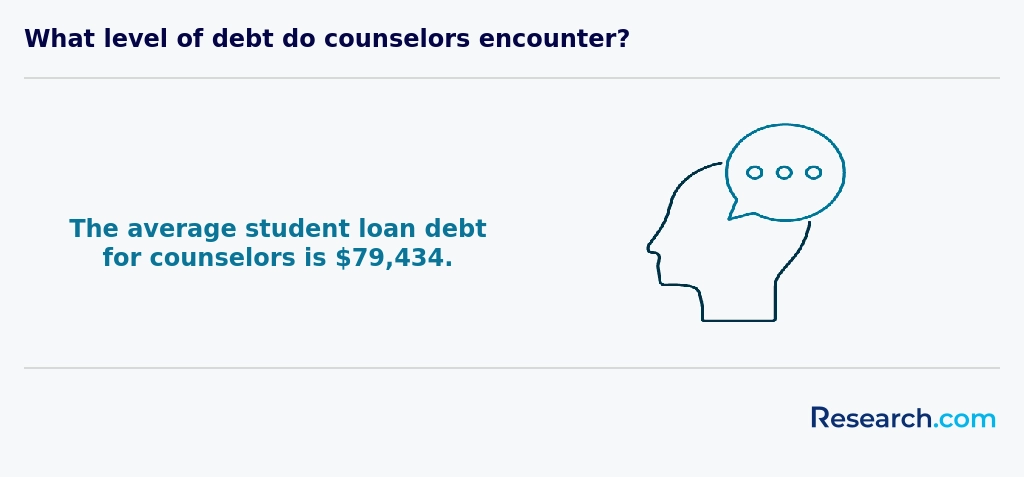
On average, earning a counseling degree in Indiana carries a median total cost of around $43,364, blending tuition, fees, and essential extras into one tangible figure. For those in-state students who attend beloved institutions known for counseling-like those nestled in Indianapolis or Bloomington-the journey costs closer to $12,144, reflecting a more affordable path. Graduates often recall balancing evening shifts with study sessions and cherishing the vibrant mentorship found on these campuses, making every dollar feel worthwhile.
Imagining the path of an out-of-state student arriving in Indiana, the investment nearly quadruples the emotional and financial stakes. Navigating the higher tuition often sparks stories of determination, with many finding creative ways to ease tuition strains through scholarships and campus assistantships. This financial reality paints the picture of the Indiana counseling degree tuition and fees landscape-sometimes steep, yet paired with rewarding personal growth.
The collective experience at private institutions might vary, frequently hovering at a higher price tag but delivering rich networks and resources few would trade. Many who once weighed prices delighted in their choice after thriving in hands-on clinical settings and supportive faculty environments. These tales echo a crucial point for prospective learners: weighing cost against opportunity is key when seeking an affordable counseling school in Indiana.
Licensure Requirements and Accreditation for Counselors in Indiana
Pursuing a counseling degree in Indiana is just the first step; understanding state licensure requirements ensures you can legally practice and advance in your career. In Indiana, aspiring Licensed Professional Counselors (LPCs) must complete a CACREP-accredited master’s program, accumulate 3,000 hours of supervised clinical experience, and pass the National Counselor Examination (NCE) or the National Clinical Mental Health Counseling Examination (NCMHCE). Many programs integrate practicum and internship placements, giving students hands-on exposure to diverse client populations. After initial licensure, Indiana’s Professional Licensing Agency mandates 24 hours of continuing education every two years to maintain and renew credentials. To streamline your journey, explore the quickest way to become a therapist, which outlines accelerated pathways and exam preparation tips. Additionally, verify your program’s regional accreditation and state board approval before enrolling to avoid delays in your licensing process. By meeting these requirements early, you set a solid foundation for a successful counseling career in Indiana.
What financial aid is available to counseling degree students in Indiana?
Imagine receiving a call that your FAFSA application unlocked a Pell Grant-up to $7,395-lifting a hefty weight off your shoulders while you pursue a counseling degree in Indiana. Many Hoosier students at Indiana University or Purdue Fort Wayne experience precisely this relief. While Pell Grants lean toward undergraduates, federal Direct Loans offer graduate counseling students manageable repayment plans with low interest, turning financial stress into a manageable puzzle.
State programs, like Indiana's Frank O'Bannon Grant or the 21st Century Scholars, sprinkle extra financial magic early on, easing undergrads' paths before they plunge into advanced counseling studies. One graduate recalls how these grants kept their focus on learning rather than bills during tough semesters.
Inside universities themselves, institutions offer merit-based scholarships and assistantships, often pairing tuition remission with stipends-real lifelines that transform late-night study marathons at Indiana State University into moments of hope, not hardship.
Professional organizations, such as the Indiana Counseling Association, churn out awards ranging from hundreds to thousands of dollars, while employer tuition reimbursement programs invite working students in social services to expand their expertise without breaking the bank. This mosaic of aid makes Indiana's counseling degrees not just possible, but inspiringly attainable.
Accreditation & Licensure Requirements
Accreditation ensures your degree meets industry standards and streamlines the path to licensure in Indiana. For flexible program options, consider exploring cacrep accredited online masters counseling programs.
Key licensure steps in Indiana:
- Complete a CACREP-accredited program with at least 60 credit hours and 700 supervised clinical hours
- Pass the National Counselor Examination (NCE) or National Clinical Mental Health Counseling Examination (NCMHCE)
- Apply through the Indiana Professional Licensing Agency and submit official transcripts and exam scores
- Complete 2,000 post-master’s supervised hours over at least two years to earn your Licensed Mental Health Counselor (LMHC) credential
What are the prerequisites for enrolling in counseling degree program in Indiana?
To step into a counseling degree program in Indiana, imagine yourself first holding a high school diploma or GED-your ticket to unlocking undergraduate pathways at places like Indiana University or Ball State. Graduates from these institutions often reflect on how that simple credential was their foundation for diving deep into human behavior.
For those aiming higher, like a master's in counseling-essential for licensure-the journey requires a completed bachelor's degree, often in psychology, social work, or a related field. Many graduates recall balancing their transcripts with solid GPAs near 3.0, while crafting heartfelt personal statements that captured their drive to support others.
Volunteer hours or work in mental health settings add color to your application canvas, much like a former student from Purdue's counseling program who found hands-on experience opened doors to richer classroom discussions.
Though GRE scores are fading from requirements, letters of recommendation remain powerful testaments to your readiness, reflecting stories of dedication that resonate deeply within Indiana's counseling community.
The financial commitment ranges between $10,000 and $25,000 yearly, making it vital to plan wisely so your dreams of making a difference in Hoosier lives can thrive.
Licensure Requirements in Indiana
Becoming a Licensed Professional Clinical Counselor (LPCC) in Indiana involves completing specific education, supervised practice, and examination steps:
- Select a CACREP-accredited program-such as cacrep accredited online masters counseling programs-to ensure your degree meets state standards.
- Complete 48–60 credit hours with at least 700 direct client practicum hours.
- Accrue 3,000 hours of postgraduate supervised experience (minimum two years).
- Pass the National Clinical Mental Health Counseling Examination (NCMHCE).
- Apply and pay fees through the Indiana Professional Licensing Agency, including a background check.
- Renew licensure with 40 hours of continuing education every two years.
What courses are typically in counseling degree programs in Indiana?
Imagine diving into a counseling program at Ball State University, where you start with Introduction to Counseling Theories, unraveling the secrets behind various approaches that shape real-life healing moments. You'll explore Human Growth and Development, understanding how emotions evolve from childhood to adulthood-like piecing together a complex but beautiful puzzle of human experience. Graduates from Indiana State University often share how Multicultural Counseling opened their eyes, preparing them to support Indiana's richly diverse communities with empathy and cultural savvy.
Courses like Ethics and Professional Issues ground you in making tough, genuine decisions that affect real lives, while Group Counseling Techniques transform your approach to managing a roomful of personalities with grace. Many students find Career Development invaluable, learning how to guide clients through daunting career crossroads with confidence.
Hands-on classes, such as Assessment and Testing and Research Methods and Program Evaluation, sharpen practical skills-turning abstract knowledge into powerful tools that graduates carry proudly into internships and beyond.
What types of specializations are available in counseling degree programs in Indiana?
Indiana's counseling degree specializations weave together vibrant paths that graduates often describe as deeply transformative. At universities like Indiana University Bloomington, Clinical Mental Health Counseling emerges as a powerful journey, preparing students to navigate emotional storms with licensed expertise. Imagine sitting in a practicum room, learning to ease the minds of those battling anxiety or addiction-graduates recall this as life-changing. Meanwhile, School Counseling concentrations offered at Ball State University invite future counselors to become champions of student success, from bullying prevention to college readiness, crafting a nurturing school atmosphere.
Exploring further, Indiana counseling program concentration options extend into the realms of Marriage and Family Therapy, where students dive into the delicate dance of relationship dynamics, often sharing heartfelt stories from their fieldwork. Rehabilitation Counseling fosters a spirit of resilience, equipping students to empower individuals facing disabilities to reclaim their independence. For those eager to embark on the quickest way to become a therapist, Indiana's offerings provide hands-on, community-rooted experiences full of optimism and purpose.
How do you choose the best counseling degree in Indiana?
Choosing the best counseling degree in Indiana feels like crafting your own mental wellness masterpiece. Graduates from Purdue and Indiana State rave about how the CACREP-accredited programs not only polished their skills but opened doors to licensure and meaningful careers. Imagine walking through campus halls knowing you're part of a program that aligns perfectly with Indiana's licensing rules-a certainty that turns dreams into tangible practice.
Visualize diving into clinical mental health counseling or school counseling, with faculty who mentor you like trusted guides. Some grads recall juggling costs-Indiana's public universities hover around $10,000 yearly, but private options climb higher-yet found paths balancing tuition with flexible, sometimes part-time schedules. For affordable counseling degrees Indiana offers, it's wise to explore every funding twist and turn. And for students wanting more freedom, the Cheapest Online Counseling Degree Programs Ranking in Fort Lauderdale, FL reveals creative routes beyond traditional brick-and-mortar walls.
Hands-on experience colors the journey vividly; many recall their field placements weaving them deeply into Indiana's healthcare fabric, fulfilling the 3,000 supervised hours requirement while building confidence. Graduates attest to how well these placements ripple positively into their careers, underlining why internship opportunities matter.
What career paths are available for counseling degree students in Indiana?
Graduates with a counseling degree in Indiana leap into a mosaic of vibrant career paths, from the quiet corners of private practices to the dynamic halls of Indiana's public universities where many have honed their skills. Imagine supporting a student in a bustling K-12 school in Indianapolis, steering them through academic and emotional storms-a common calling for those drawn to school counseling roles. Others find their rhythm in rehabilitation centers, helping individuals reclaim their lives, while graduates who trained at institutions like Butler University or Indiana State University often share heartfelt stories of guiding clients through the shadows of addiction in substance abuse treatment centers.
The allure of becoming a Licensed Mental Health Counselor also beckons, where Indiana's stringent yet rewarding standards prepare graduates to counsel clients wrestling with anxiety or trauma. This spectrum of possibilities captures the essence of counseling career opportunities in Indiana, a landscape where personal growth meets profound community impact. For those eager to explore faster educational routes, many opt for quick college degrees to embark on these transformative journeys sooner.
What is the job market for counseling degree in Indiana?
The job market for counseling degree graduates in Indiana is buzzing with opportunity, especially for those stepping out of popular programs at universities like Indiana University-Bloomington or Ball State University. These graduates frequently share how their hands-on internships in local clinics or schools translate into solid job offers, riding the wave of rising demand fueled by increasing mental health awareness statewide. The career opportunities for counseling graduates Indiana present paths ranging from vibrant school counselor positions to roles in community health settings, where their impact feels both immediate and profound.
In fact, the state's proactive mental health initiatives create a nurturing environment where licensed counselors find themselves welcomed by organizations eager for qualified professionals. Salaries align encouragingly with the workload and location, often ranging from $45,000 to $55,000 for entry-level roles. With this promising job outlook, coupled with affordable in-state tuition, it's easy to see why many Indiana students dive into counseling degrees, often wondering about the easiest phd options to further their education and boost their credentials.
Frequently Asked Questions About counseling
Counseling degree students in Indiana can maximize their learning experience by engaging actively in both academic and practical settings. Indiana requires counseling programs to be accredited by the Council for Accreditation of Counseling and Related Educational Programs (CACREP), ensuring high-quality education.
Students should seek internships and practicum opportunities licensed by the Indiana Behavioral Health and Human Services Licensing Board. These hands-on experiences develop essential skills for real-world counseling.
Networking through local professional organizations, such as the Indiana Counseling Association, provides valuable mentorship and career guidance.
Maintaining a strong GPA is crucial, as state licensure exams often require proof of competency backed by academic performance (Indiana Professional Licensing Agency, 2023).
The counseling field is rapidly evolving, with several emerging niches gaining importance in Indiana and across the United States. One notable area is trauma-informed counseling, addressing the increasing demand for professionals trained to help clients recover from adverse experiences. Substance abuse and addiction counseling also continues to grow, reflecting Indiana's focus on combating opioid and alcohol misuse.
Another expanding niche involves career counseling, particularly as job markets shift due to technological advancements and economic changes. Additionally, counselors specializing in gerontology are in higher demand as Indiana's aging population requires mental health support tailored to older adults. According to the Indiana Department of Workforce Development, these specialized roles are set to increase by nearly 15% over the next decade.
After completing a counseling degree in Indiana, preparing for the job market involves several key steps. First, obtaining licensure is essential. Most counseling jobs require candidates to become a Licensed Mental Health Counselor (LMHC) or Licensed Clinical Mental Health Counselor (LCMHC), which involves passing the National Counselor Examination and accumulating supervised clinical hours-the Indiana Professional Licensing Agency mandates 3,000 hours over at least two years.
Networking is also critical. Joining state organizations like the Indiana Counseling Association can offer valuable connections and continuing education opportunities. Practicing professional interviewing and resume skills tailored to counseling roles improves job prospects.
Additionally, exploring internships or residencies in Indiana's diverse settings, from schools to healthcare facilities, helps build relevant experience. According to the U.S. Bureau of Labor Statistics, the regional demand for counselors in Indiana is expected to grow by 14% through 2031, signaling strong career opportunities.
Employers hiring counseling degree graduates in Indiana prioritize a blend of interpersonal and technical skills. Effective communication stands out as essential, enabling professionals to build trust and clearly convey strategies to clients. Active listening is crucial, as counselors must accurately interpret client needs and emotions.
Indiana's workforce reports also emphasize cultural competence, reflecting the state's growing diversity. Counselors who demonstrate empathy and the ability to work with varied populations are in high demand. Additionally, strong ethical judgment and adherence to Indiana's counseling licensure regulations are vital for professional success.
Graduates with skills in crisis intervention and evidence-based therapy techniques tend to have an advantage. The Indiana Professional Licensing Agency highlights these as key components for licensure preparedness, making them valuable to employers statewide.
Finding internships in Indiana for counseling students involves several strategic steps. Start by contacting the counseling program at your university, as many have partnerships with local agencies offering internship opportunities. The Indiana Association for Counselor Education and Supervision (IACES) can also be a helpful resource for networking and internship listings.
State licensure requirements often include supervised clinical experience, so seek placements at mental health clinics, hospitals, or community centers approved by the Indiana Professional Licensing Agency. The Indiana Department of Health reports that internships in community mental health settings are common and crucial for gaining hands-on experience.
Additionally, websites like Indiana Career Connect provide listings of internships relevant to counseling. Planning early to secure these opportunities is essential, as competitive placements are often limited.
In Indiana, earning a counseling degree significantly enhances career mobility and advancement opportunities. According to the Indiana Professional Licensing Agency, a master's degree in counseling is required for licensure as a Licensed Mental Health Counselor (LMHC), which opens doors to higher-paying positions and specialized roles.
The Indiana Department of Workforce Development reports that counselors with advanced degrees often experience faster job placement and salary growth, with median wages around $49,000 annually. Holding a counseling degree also enables professionals to pursue certifications and leadership roles in clinical and educational settings.
Further education often correlates with access to supervisory positions and expanded client services, making a counseling degree a critical step for long-term career development in Indiana.
Studying for a counseling degree in Indiana equips students with skills essential for interdisciplinary collaboration. Programs often emphasize integration with fields such as social work, education, and healthcare. This prepares graduates to work alongside professionals in diverse settings like schools, hospitals, and community agencies.
Indiana's counseling curricula include training in areas like mental health assessment, crisis intervention, and ethical practices, aligning with licensure requirements from the Indiana Professional Licensing Agency. Many programs encourage practical experience through internships, fostering teamwork with varied specialists.
According to the Indiana Commission for Higher Education, counseling graduates increasingly fill roles requiring cross-disciplinary knowledge, reflecting workforce demands in the state's growing healthcare and human services sectors.
When choosing between a thesis and a non-thesis counseling degree program in Indiana, consider your career goals and learning preferences. Thesis programs typically require original research, which can prepare students for doctoral studies or research-oriented roles. Non-thesis options focus more on practical skills and coursework, often appealing to those pursuing licensure and clinical practice.
Indiana's counseling programs align with national standards from the Council for Accreditation of Counseling and Related Educational Programs (CACREP). According to the Indiana Commission for Higher Education, about 60% of counseling graduates seek clinical licensure, favoring non-thesis tracks for timely completion.
Cost and time commitment also differ; thesis tracks may extend study duration. Review program details carefully to ensure alignment with licensure requirements set by the Indiana Professional Licensing Agency.
Students based in Indiana who wish to study counseling abroad have several viable options. Many universities in Indiana participate in exchange programs or partnerships with institutions worldwide, offering opportunities for semester or year-long study. These programs enable students to gain international perspectives on counseling theories and practices.
Indiana students can also enroll in online counseling programs offered by accredited foreign universities, allowing for flexibility while earning a recognized degree. It's important to verify that foreign degrees meet Indiana's licensure requirements, governed by the Indiana Professional Licensing Agency (IPLA).
According to the Indiana Commission for Higher Education, approximately 6% of graduate students engage in study abroad programs annually, indicating growing interest. Students should consult their academic advisors to identify approved programs that align with Indiana's counseling licensure standards.
Students pursuing counseling degrees in Indiana can benefit from part-time jobs that enhance their practical skills. Common roles include working as behavioral health technicians or support staff in mental health clinics. These positions offer direct experience with patient care and counseling environments.
Indiana's Department of Workforce Development reports steady growth in mental health support jobs, predicting a 15% increase by 2030. Additionally, roles such as case management assistants or crisis intervention workers allow students to apply classroom knowledge in real-world settings.
Some students find complementary opportunities in community outreach programs or nonprofit organizations focused on mental wellness. These jobs help develop communication and empathy skills essential for a professional counseling career.
Overall, selecting part-time jobs linked to counseling provides valuable exposure and networking within Indiana's mental health sector.
Counseling students in Indiana have several valuable networking opportunities that can enhance their education and career prospects. Many universities with counseling programs encourage participation in professional organizations, such as the Indiana Counseling Association (ICA). The ICA hosts annual conferences and local chapter events, attracting licensed counselors, faculty, and students statewide. These gatherings allow students to connect with established professionals and peers.
Additionally, internships and practicum placements required by degree programs often provide direct contact with experienced counselors working in various settings, from schools to mental health clinics.
Indiana's close-knit counseling community also benefits from partnerships between universities and healthcare providers, facilitating mentorship and job shadowing. According to the Indiana Commission for Higher Education, nearly 70% of counseling graduates report that these connections helped them secure employment after graduation.
Alumni networks play a significant role in supporting counseling degree students in Indiana. These networks offer mentoring opportunities with experienced professionals who understand the unique challenges of Indiana's mental health field. According to the Indiana Commission for Higher Education, graduates connected through alumni groups report higher employment rates within six months of graduation.
Networking events hosted by universities provide chances to build professional relationships crucial for internships and job placements. In a state where 1 in 5 adults experiences mental illness, these connections help students access local agencies and counseling centers.
Furthermore, alumni networks often share resources, job leads, and continuing education opportunities that are tailored to Indiana's regulations and licensing requirements, enhancing students' career readiness.
In Indiana, students can customize their counseling degree programs by choosing specializations aligned with their career goals. Common focuses include clinical mental health, school counseling, and marriage and family therapy. Many Indiana universities offer electives and practicum opportunities tailored to these areas.
Additionally, Indiana's licensure requirements vary by counseling specialty, influencing program choices. For example, becoming a licensed professional clinical counselor (LPCC) requires specific coursework and supervised hours recognized by the Indiana Behavioral Health and Human Services Licensing Board.
Applicants should also consider programs accredited by the Council for Accreditation of Counseling and Related Educational Programs (CACREP), as such accreditation often better prepares students for licensure and employment.
By selecting a program with diverse course options and guaranteed practicum placements in Indiana communities, students can effectively match education with local workforce needs and personal career ambitions.
Counseling students in Indiana often face several notable challenges throughout their education. One significant issue is meeting state licensure requirements, which can be complex and require extensive supervised clinical hours, typically around 1,000 post-degree hours as outlined by the Indiana Professional Licensing Agency. This can extend the time and financial commitment needed to become a licensed counselor. Additionally, students frequently encounter limited availability of practicum and internship placements, especially in rural areas, making hands-on experience harder to obtain.
Financial strain is another common challenge since counseling programs can be costly and scholarships limited. According to the Indiana Commission for Higher Education, average graduate tuition in the state has steadily increased over recent years, affecting many students' ability to complete their degrees on time. Furthermore, counseling students often manage heavy workloads alongside personal responsibilities, which adds stress during their training period.
With a counseling degree in Indiana, graduates can pursue several professional certifications to enhance their careers. The Licensed Mental Health Counselor (LMHC) credential is among the most common, allowing practice in clinical settings. To obtain LMHC licensure, candidates must complete supervised experience hours and pass the National Counselor Exam (NCE).
Another popular credential is the Licensed Clinical Addiction Specialist (LCAS), which focuses on substance abuse counseling. This certification requires additional training in addiction treatment and passing a specific examination.
Indiana also recognizes the National Certified Counselor (NCC) certification, offered by the National Board for Certified Counselors (NBCC). Holding an NCC credential demonstrates adherence to high ethical standards and professional knowledge.
The Indiana Professional Licensing Agency provides updated details on certification requirements and maintains statistics showing a steady increase in LMHC professionals since 2018, reflecting growing demand.
Writing a winning application for a counseling program in Indiana requires clear demonstration of your commitment and qualifications. Many programs, such as those accredited by the Council for Accreditation of Counseling and Related Educational Programs (CACREP), expect applicants to highlight relevant experience and academic preparation.
Start by crafting a personal statement that explains why you want to pursue counseling in Indiana, emphasizing any local volunteer or work experience. Indiana's demand for licensed counselors is growing, with the Indiana Professional Licensing Agency reporting a 12% increase in counseling licenses since 2019.
Include strong letters of recommendation from professionals who can attest to your skills and character. Finally, ensure your transcripts and test scores meet program requirements. Some schools may also require an interview to assess your communication skills and readiness.
Counseling careers have a broad global relevance, but in the US, and specifically Indiana, their roles are shaped by local educational standards and licensure. Counseling professionals often address mental health issues, substance abuse, and career guidance in various settings. Globally, the demand for skilled counselors is increasing due to rising awareness of mental health, but in the US, programs align with the Council for Accreditation of Counseling and Related Educational Programs (CACREP) standards.
In Indiana, the Bureau of Labor Statistics reports a steady 12% job growth for counselors from 2020 to 2030, reflecting national trends.
Many countries differ in credentialing and scope of practice, but US degrees like the Master's in Counseling are recognized for their rigor and clinical training requirements. Understanding this helps Indiana students appreciate how their qualifications might translate internationally.
Gaining practical experience while studying for a counseling degree in Indiana is essential for skill development and licensure readiness. Most Indiana counseling programs incorporate supervised internships or practicum hours, often ranging from 600 to over 1,000 hours, as required by the Indiana Behavioral Health and Human Services Licensing Board.
Students can complete these hours in various settings such as mental health clinics, schools, or community organizations. Indiana universities typically assist with placements to ensure students meet state requirements for clinical experience.
Additionally, joining local counseling associations like the Indiana Counseling Association offers networking and volunteer opportunities, further enriching practical knowledge.
Choosing the right concentration within a counseling degree program in Indiana involves careful consideration of your career goals and personal interests. Indiana offers various concentrations such as clinical mental health counseling, school counseling, and marriage and family therapy, each meeting specific licensure requirements set by the Indiana Professional Licensing Agency.
Research the demand for counselors in your chosen area. For instance, the Indiana Department of Workforce Development projects a 10% growth in mental health counseling jobs through 2031, reflecting strong opportunities.
Review program curricula and confirm the concentration aligns with the Indiana Clinical Mental Health Counselor or School Counselor licensure pathways. Accredited programs, such as those recognized by CACREP, ensure you meet educational standards necessary for certification and employment.
Consider internships and practicum placements within Indiana communities to gain relevant experience. Networking with local counseling professionals and faculty can also provide valuable insights into specialization and career outcomes.
Related Counseling Rankings for Nearby States
- 2027 Most Popular Counseling Degree Programs Ranking in Ohio
- 2027 Most Popular Counseling Degree Programs Ranking in Illinois
- 2027 Most Popular Counseling Degree Programs Ranking in Michigan
- 2027 Most Popular Counseling Degree Programs Ranking in Wisconsin
- 2027 Most Popular Counseling Degree Programs Ranking in Missouri
- 2027 Most Popular Counseling Degree Programs Ranking in Tennessee
- 2027 Most Popular Counseling Degree Programs Ranking in Iowa
- 2027 Most Popular Counseling Degree Programs Ranking in West Virginia
- 2027 Most Popular Counseling Degree Programs Ranking in Minnesota
- 2027 Most Popular Counseling Degree Programs Ranking in Pennsylvania
Top Trending Counseling Rankings
See What Experts Have To Say About Studying Counseling
Read our interview with Counseling experts

Meredith A. Rausch
Counseling Expert
Associate Professor
University of Alabama

References
- For Students - CACREP https://www.cacrep.org/for-students/
- Mental Health, Counseling & Therapy Internships https://www.counselingschools.com/blog/preparing-for-a-mental-health-internship
- How to Choose a Niche in Private Practice (and Why It Matters) https://www.coastlinecounselingassociation.com/blog/how-to-choose-a-niche-in-private-practice-and-why-it-matters
- 11 Challenges That Counselors & Therapists Face - Talkspace https://www.talkspace.com/blog/counselor-challenges/
- Licensed Clinician Opportunity at Deer Oaks https://www.indianacounseling.org/Job-Postings
- Utilize Your Alumni Networks https://www.keg.com/news/ways-to-use-your-alumni-networks-for-the-better
- How to Become an Indiana School Counselor - IN - 2022 https://www.school-counselor.org/counselor/indiana-become-school-counselor/
- LPC Requirements In Indiana | How To Become A Counselor https://www.psychology.org/counseling/licensure/indiana/
- Graduate Programs https://education.iusb.edu/academic-departments/counseling-and-human-services/chs-grad-page.html
- How to Write a School Counselor Cover Letter | VocoVision https://www.vocovision.com/resources/uncategorized/how-to-write-a-strong-school-counselor-cover-letter/