2027 Most Popular Counseling Degree Programs Ranking in Missouri

Co-Founder and Chief Data Scientist
Considering a counseling degree in Missouri? This article introduces the 2027 Most Popular Counseling Degree Programs Ranking in Missouri, created by the Research.com team of data scientists. It's designed to guide you through the best programs available, making your decision easier and well-informed.
Whether you're just starting or looking to advance your career, discovering top-ranked counseling programs can open doors to meaningful opportunities. Pursuing a counseling degree can be deeply rewarding, helping you support others while building a strong professional future.
Explore the ranking and find the path that suits your goals and aspirations.
Key benefits of getting counseling degree in Missouri
- Counseling degree graduates in Missouri can expect competitive salaries, such as $76,000 annually for Intervention Specialists and around $60,080 for Addiction Counselors, reflecting rewarding financial prospects.
- Graduates often pursue diverse careers including rehabilitation, family support, and community outreach, illustrating the degree's versatility through examples from popular Missouri universities like the University of Missouri.
- Obtaining a counseling degree online offers flexibility and convenience, allowing students like those from Missouri State University to balance work and study while gaining the same respected credentials as traditional programs.
- Key benefits of getting counseling degree in Missouri
- What can I expect from counseling degree in Missouri?
- Where can I work with counseling degree in Missouri?
- How much can I make with counseling degree in Missouri?
- 2027 Most Popular Counseling Degree Programs Ranking in Missouri
- Key Findings
- How long does it take to complete counseling degree in Missouri?
- Missouri Licensure Requirements
- What's the difference between online and on-campus counseling degree?
- Licensing Requirements for Professional Counselors in Missouri
- What is the average cost of counseling degree in Missouri?
- Most Affordable Counseling Programs in Missouri
- What financial aid is available to counseling degree students in Missouri?
- Accreditation and Licensure Requirements
- What are the prerequisites for enrolling in counseling degree program in Missouri?
- Missouri Counseling Licensure Requirements and Accreditation
- What courses are typically in counseling degree programs in Missouri?
- What types of specializations are available in counseling degree programs in Missouri?
- How do you choose the best counseling degree in Missouri?
- What career paths are available for counseling degree students in Missouri?
- What is the job market for counseling degree in Missouri?
- Related Counseling Rankings for Nearby States
- Top Trending Counseling Rankings
- See What Experts Have To Say About Studying Counseling
What can I expect from counseling degree in Missouri?
Students pursuing counseling degrees in Missouri generally find tuition costs at public universities like Missouri State University and the University of Missouri to be reasonable compared to national averages. Graduates often share how managing expenses felt achievable by applying for financial aid, scholarships, and graduate assistantships offered on campus.
Master's programs, the typical path to licensure, usually take about two years of full-time study. Tuition varies depending on the institution, but many students report total costs ranging from moderate to affordable levels, especially when benefiting from in-state rates at public universities.
One graduate described balancing coursework and supervised counseling hours while effectively using financial support opportunities to keep costs low. This practical approach allowed them to focus on gaining real-life clinical experience without overwhelming debt.
Ultimately, students should research specific programs, explore funding options early, and connect with advisors at Missouri's CACREP-accredited schools to create a sustainable financial plan for their counseling education.
Where can I work with counseling degree in Missouri?
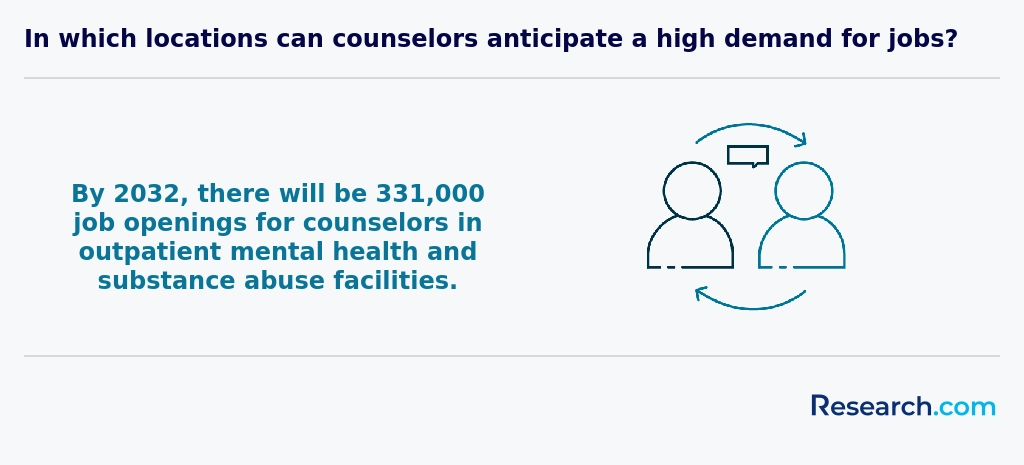
Graduates with counseling degrees from Missouri universities often find rewarding careers in mental health clinics, where they support individuals dealing with emotional or substance use disorders. For example, those trained at institutions like the University of Missouri frequently secure positions in state-operated outpatient facilities, responding to the high demand reflected by over 18,000 patients seen in 2022 statewide.
Many also pursue employment in public schools across Missouri, assisting students with academic and social challenges. Graduates report satisfaction working as school counselors in districts throughout the state, directly influencing young lives while meeting state-mandated counselor ratios.
Private practices, community agencies, and hospitals offer diverse career paths. Experienced counselors from colleges like Missouri State University often build thriving private practices or join behavioral health departments at hospitals, addressing complex mental health needs.
Specialized roles in correctional institutions and veteran support centers also provide meaningful opportunities. Counselors help inmates reintegrate or assist veterans coping with PTSD, fostering hope and resilience.
Holding a Missouri Licensed Professional Counselor (LPC) license enhances job prospects by validating skills and ensuring high standards of care.
How much can I make with counseling degree in Missouri?
Graduates with counseling degrees in Missouri can expect varied earning potentials tied to their chosen career path. For example, Intervention Specialists report a mean annual wage around $76,000, reflecting opportunities in specialized support roles. Rehabilitation Specialists earn approximately $48,430 per year, showcasing steady income particularly in healthcare settings.
Community Outreach Coordinators and Family Support Workers, common roles for counseling graduates, bring in similar salaries near $54,000 annually. These positions often provide engaging environments where graduates from institutions like the University of Missouri or Missouri State University apply their skills working with diverse populations, fostering rewarding career growth.
Addiction Counselors enjoy slightly higher pay, with a mean wage near $60,080 yearly, highlighting the growing demand in this specialty. Many graduates share that gaining state licensure and clinical experience in Missouri's urban centers boosts both earning potential and job satisfaction.
Focusing on certifications and hands-on practice while studying in Missouri helps graduates navigate these salary ranges effectively and build fulfilling careers.
2027 Most Popular Counseling Degree Programs Ranking in Missouri
How do we rank schools?
Investing in your education is a significant decision that can shape your future, and the Research.com team understands the importance of making informed choices. To assist prospective students in Missouri, we have meticulously crafted the "2027 Most Popular Counseling Degree Programs Ranking in Missouri." Our commitment to quality, credibility, and accuracy is reflected in the extensive research and analysis conducted to compile this ranking.
We utilized the following reputable data sources to ensure a comprehensive evaluation of counseling programs:
By exploring this ranking, readers will gain valuable insights into the most popular counseling degree programs available in Missouri, empowering them to make well-informed decisions about their educational journey. For more details on our methodology, please visit our Research.com methodology page.


Key Findings
- Master's degrees in counseling in Missouri typically take two to three years to complete at accredited institutions.
- Annual tuition for in-state students at public universities ranges from $8,000 to $12,000, while private schools can cost over $15,000.
- Licensure as a Licensed Professional Counselor requires completing 1,500 hours of supervised clinical work after graduation.
- Job growth for mental health counselors in Missouri is projected at around 15% over the next decade.
- Starting salaries for graduates usually range from $40,000 to $48,000 annually, with experienced counselors earning $55,000 to $65,000 or more.
- Counseling programs often include internships and clinical experiences required for licensure and offer specializations like school counseling and marriage and family therapy.
How long does it take to complete counseling degree in Missouri?
Completing a counseling degree in Missouri varies by the level of education and program demands. Undergraduate degrees at institutions like the University of Missouri or Missouri State University typically take about four years of full-time study, providing a strong foundation in psychology and counseling principles. Graduates often mention feeling well-prepared to continue into graduate-level work or entry-level roles.
A Master's in Counseling, required for LPC licensure, usually takes two to three years full-time. Programs at schools such as Webster University integrate around 60 credit hours with 700 to 1,000 supervised practicum hours, ensuring students gain intensive hands-on experience. Many graduates value this immersive training for boosting their confidence and readiness for licensure exams and real-world counseling.
Doctoral programs, like those at Saint Louis University, range from four to seven years depending on full-time or part-time enrollment and research commitments. Flexible options, including part-time or online courses, help students balance work and study but may extend completion time. Embracing these pathways can help maintain motivation while managing life's demands effectively.
Missouri Licensure Requirements
After earning your counseling degree in Missouri, follow these steps to become a Licensed Professional Counselor (LPC):
- Earn a master's degree from a CACREP-accredited program such as cacrep accredited online masters counseling programs or an equivalent institution.
- Complete a minimum of 3,000 supervised clinical hours under the guidance of an LPC supervisor.
- Pass the National Counselor Examination (NCE) and the Missouri jurisprudence exam.
- Apply to the Missouri Division of Professional Registration, submitting all required forms and fees.
- Renew your license every two years by completing 40 hours of continuing education and paying renewal fees.
What's the difference between online and on-campus counseling degree?
Online counseling degrees in Missouri provide flexibility ideal for students juggling work or family, especially those enrolled at schools like the University of Missouri or Missouri State University. Graduates often share how the convenience of video lectures and digital assignments allowed them to study without disrupting their daily routines. However, this format demands strong self-discipline to keep up with less direct supervision.
In contrast, on-campus programs at institutions such as Saint Louis University offer immersive, in-person learning experiences. Many students appreciate the immediate access to professors and hands-on practice through role-playing or group therapy exercises. These opportunities help build confidence in counseling techniques and foster stronger peer connections.
Cost is another factor. While average tuition for Missouri public universities ranges from $9,000 to $11,000 annually for in-state students, on-campus learners must consider additional expenses like housing. Online students often save money here, which many find encouraging as they manage budgets.
Lastly, both formats require supervised clinical hours for Missouri licensure, but on-campus students sometimes secure practicum placements more quickly due to local partnerships. Understanding these practical differences helps prospective students choose a path that suits their lifestyle and career goals.
Licensing Requirements for Professional Counselors in Missouri
To practice as a licensed professional counselor in Missouri, graduates must complete specific educational, experiential, and examination benchmarks set by the Missouri Committee for Professional Counselors. Below is an overview of the key steps: 1. Educational Credentials • Earn a CACREP-accredited master’s degree in counseling or equivalent (minimum 60 credit hours). • Include coursework in ethics, assessment, human growth and development, and group counseling. 2. Supervised Experience • Accumulate at least 3,000 hours of supervised clinical practice over a minimum of 24 months. • Ensure 100 hours of direct supervision by an LPC-S (supervisor certified by the Board). 3. Examination • Pass the National Counselor Examination (NCE) or the National Clinical Mental Health Counseling Examination (NCMHCE). • Submit official score reports directly to the Missouri Division of Professional Registration. 4. Application Process and Fees • Complete the online application via the Missouri Licensure Portal, including official transcripts and supervisor verification forms. • Pay the non-refundable application fee (currently $140) and examination processing fees as required. 5. Post-Licensure Requirements • Renew the LPC credential every two years with 40 hours of continuing education, including 3 hours in ethics. • Maintain documentation of client contact hours and supervisor evaluations. For those comparing pathways across states, you may find additional insights in how to become a therapist in michigan, which outlines parallel licensure processes and best practices for accelerated licensure routes.
What is the average cost of counseling degree in Missouri?
On average, the total cost of earning a counseling degree in Missouri is about $14,837 for in-state students, making it a more affordable choice compared to national rates. Graduates from popular Missouri universities, like those in the University of Missouri system, often share how this reasonable investment allowed them to focus on their studies without overwhelming debt. Meanwhile, out-of-state students can expect higher expenses closer to $33,539, reflecting the difference in tuition and fees.
Many students pursuing counseling degrees in Missouri find that starting their education at community colleges helps reduce initial costs significantly before transferring to four-year institutions. This practical approach supports managing expenses while progressing toward degree requirements. Those looking for more options and tailored advice should explore the most affordable counseling programs in Missouri, which highlight cost-effective routes and financial aid opportunities.
The average counseling degree cost in Missouri reflects the state's balance between quality education and value. For example, private universities such as Webster University may have higher tuition, but many students secure scholarships or assistantships, making their goals achievable. Investing time in financial aid applications and connecting with the Missouri Department of Higher Education's resources can create a pathway toward affordable tuition and fees.
Understanding Missouri counseling degree tuition and fees helps prospective students anticipate the financial commitment needed. By focusing on institutions with supportive payment plans and utilizing community college credits early on, students often feel more confident and prepared to embark on a rewarding counseling career.
Most Affordable Counseling Programs in Missouri
. For students seeking to pursue a counseling degree without accumulating significant debt, exploring the most affordable counseling programs in Missouri is crucial. Many institutions in the state offer competitive pricing for their counseling programs, making higher education more accessible. By considering factors such as tuition fees, financial aid options, and scholarship availability, prospective students can make informed decisions about their educational investment. For instance, online counseling programs can offer lower tuition rates compared to traditional on-campus programs, providing an attractive option for those looking to balance their budget with their academic aspirations. To find more details about affordable options, you can explore most affordable counseling programs in Missouri, which can guide you in selecting a program that aligns with your financial situation and career goals.
What financial aid is available to counseling degree students in Missouri?
Students pursuing counseling degrees in Missouri can access multiple financial aid options to help ease the costs. Many graduates recall applying for federal aid first by completing the FAFSA, unlocking Pell Grants and federal loans like Direct Unsubsidized and Grad PLUS Loans with reasonable interest rates. At the University of Missouri, for instance, assistantships stand out as a practical means to offset tuition, offering both stipends and valuable experience as teaching or research assistants.
State scholarships, such as those from the Missouri Department of Higher Education & Workforce Development, also support counseling students. Programs like Access Missouri and the A+ Scholarship Program have helped many graduates reduce their expenses while attending community colleges before transferring to four-year institutions.
Professional organizations play a vital role too. Mental health counseling graduates often benefit from scholarships awarded by the Missouri Mental Health Counselors Association, which directly lowers out-of-pocket costs.
Working students appreciate employer tuition reimbursement programs available in healthcare and education sectors around Missouri, making it easier to balance work and studies while advancing their careers.
Accreditation and Licensure Requirements
Ensuring your counseling degree meets Missouri’s licensing standards starts with attending a CACREP-accredited program. Many students balance quality and cost by researching options like the cheapest cacrep-accredited programs online. After graduation, follow these key steps to become a Licensed Professional Counselor (LPC):
- Graduate from a CACREP-accredited master’s program in counseling.
- Complete 3,000 supervised clinical hours under an approved supervisor.
- Pass the National Counselor Examination (NCE) or an equivalent state exam.
- Apply for LPC licensure through the Missouri Division of Professional Registration.
- Renew your license every two years with at least 40 continuing education hours.
What are the prerequisites for enrolling in counseling degree program in Missouri?
To enroll in a counseling degree program in Missouri, you generally need a high school diploma for undergraduate programs and a completed bachelor's degree for master's programs. Graduates from Missouri universities pursuing a Master's in Counseling often share that having a background in psychology, social work, or education made the transition smoother, though many found success by completing prerequisite courses in human development or statistics if their degrees were in other fields.
Many Missouri programs expect a minimum GPA around 3.0 on a 4.0 scale, which aligns with experiences of students from well-known state colleges. Some programs request GRE scores, but several have waived this to ease entry.
Strong applications usually include letters of recommendation, a clear statement of purpose, and relevant volunteer or work experience in counseling or human services. Missouri students benefit from preparing these documents thoughtfully, reflecting their passion and readiness.
Additionally, a background check is typically required, especially when the program includes hands-on fieldwork or internships, ensuring you're well-prepared for professional practice.

Missouri Counseling Licensure Requirements and Accreditation
Becoming a licensed professional counselor (LPC) in Missouri requires careful navigation of education standards, supervised experience, and examination protocols to ensure you meet state board expectations. First, candidates must earn a master’s or doctoral degree in counseling from a regionally accredited institution; programs accredited by CACREP (Council for Accreditation of Counseling and Related Educational Programs) are highly recommended, as they streamline the licensure process and satisfy core curriculum mandates. Next, applicants must complete at least 3,360 hours of supervised clinical experience over a minimum of 24 months, with a qualified supervisor approved by the Missouri Committee for Professional Counselors. This hands-on training typically involves counseling individuals, groups, and families across diverse settings, emphasizing ethical practice and cultural competence. After fulfilling education and supervision requirements, prospective counselors must pass the National Counselor Examination (NCE) or the National Clinical Mental Health Counseling Examination (NCMHCE), administered by the National Board for Certified Counselors (NBCC). A passing score demonstrates proficiency in areas such as human growth and development, assessment techniques, and counseling ethics. Once exam results are submitted, candidates apply to the Missouri Division of Professional Registration, providing official transcripts, supervisor verification forms, and a criminal background check. Upon approval, the LPC credential grants the authority to diagnose and treat mental health concerns independently. Maintaining licensure in Missouri involves biennial renewal and completion of 40 hours of continuing education (CE), including at least 3 hours focused on ethics. CE opportunities range from webinars hosted by professional associations to in-person workshops at local universities. Staying current with best practices not only satisfies regulatory requirements but also enhances your clinical skills and network-consider exploring specialized training or cost-effective program options such as Cheapest Counseling Degree Programs Ranking in District of Columbia to expand your knowledge base affordably. Adhering to these licensure and accreditation standards ensures that Missouri counselors deliver high-quality, ethically grounded care to their communities.
What courses are typically in counseling degree programs in Missouri?
Counseling degree programs in Missouri commonly include courses that build a strong foundation in counseling theory and practice. Graduates from programs at well-known institutions like the University of Missouri often highlight how classes such as Introduction to Counseling Theories helped them understand approaches like cognitive-behavioral therapy and psychodynamic models, which are crucial when addressing clients' diverse needs.
Courses like Counseling Techniques and Skills provide hands-on experience, enabling students to practice real-life client interactions before entering internships. This practical approach is praised by graduates from colleges like Missouri State University, who felt confident applying skills during their supervised practicums.
Additional courses such as Human Growth and Development and Abnormal Psychology deepen understanding of client backgrounds and mental health conditions. Ethics training, aligned with Missouri's licensing standards, ensures students are prepared for professional responsibilities.
Many find Multicultural Counseling especially meaningful, as it fosters empathy and competence in working with Missouri's diverse communities, making graduates ready to serve varied populations with respect and effectiveness.
What types of specializations are available in counseling degree programs in Missouri?
Typical counseling degree specializations in Missouri cater to a range of career paths. Clinical Mental Health Counseling is popular among graduates from universities like the University of Missouri, where students learn to support clients facing mental health challenges and prepare for LPC licensure. School Counseling programs at colleges such as Missouri State University focus on helping K-12 students with academic and emotional issues, equipping graduates for Missouri's specific school counselor requirements.
Other common specializations include Marriage and Family Therapy, where students focus on family dynamics and relationship counseling, and Rehabilitation Counseling, which serves individuals with disabilities-an area with growing job prospects in Missouri due to its aging population. Addiction Counseling is also critical here, addressing substance abuse through specialized certification preparation, reflecting local public health priorities.
Students often find that aligning their program selection with Missouri counseling program focus areas helps them gain practical experience and licensure readiness. Those unsure about their path can explore how to become a therapist in michigan for insight into licensure steps that can complement Missouri training.
How do you choose the best counseling degree in Missouri?
When choosing the best counseling degree programs in Missouri, prioritize accreditation and licensure requirements. Graduates from CACREP-accredited programs at schools like the University of Missouri report confidence in meeting Missouri's licensing standards, which require passing the National Counselor Examination. Considering program format is essential-working professionals often prefer hybrid or online options such as those offered by Webster University, providing flexibility without sacrificing quality. Affordability also plays a key role; average in-state tuition at public universities ranges from $8,000 to $15,000, while private institutions can exceed $25,000 annually, so budgeting carefully is crucial.
Look for programs with strong local internship opportunities and faculty actively engaged in Missouri's counseling community, which help students gain hands-on experience and feel connected to the field. Many counseling graduates express satisfaction with programs offering specialized tracks like clinical mental health or school counseling tailored to Missouri's licensure pathways. To explore affordable options, consider reviewing the Cheapest Counseling Degree Programs Ranking in District of Columbia for comparative insights.

What career paths are available for counseling degree students in Missouri?
Graduates with a counseling degree in Missouri find diverse career paths that allow them to make meaningful impacts. Many pursue mental health counseling, offering support for anxiety and depression in clinical or community settings. In larger cities, graduates from universities like the University of Missouri experience fulfilling roles in mental health centers, enjoying steady demand and an average annual wage of around $51,000.
School counseling is another thriving option. Those working in K-12 schools across Missouri help students overcome academic and emotional challenges, with strong job stability reported by the Department of Elementary and Secondary Education. Graduates from popular programs in St. Louis or Kansas City often share how rewarding it is to guide young people's development daily, illustrating a positive counseling degree job outlook Missouri.
Marriage and family therapy appeals to graduates seeking specialized work in relationships and family dynamics, usually requiring extra licensure but offering rewarding roles in private practice or clinics across the state. Substance abuse counseling also presents critical opportunities-with Missouri's public health focus on addiction, certified counselors actively engage in prevention and recovery programs.
Many students researching these pathways start with an online accelerated bachelor's as a flexible, cost-effective entry point, helping them step confidently into Missouri's counseling career opportunities in Missouri.
What is the job market for counseling degree in Missouri?
The counseling degree job outlook Missouri shows strong growth, driven by rising demand in mental health services across urban and rural areas alike. Graduates from popular universities such as the University of Missouri and Webster University share that practical internships at local hospitals and community centers often lead directly to job offers in hospitals, private practices, or school districts. Entry-level counselors generally start at around $46,000 annually, but those with licenses like LPC or LCSW see higher earnings and more diverse opportunities.
Missouri's broad need for counselors in specialties like substance abuse and clinical mental health enables graduates to work in varied settings, including nonprofit organizations and government agencies. Employment prospects improve significantly when candidates complete supervised clinical hours and pass state licensure exams. Costs remain manageable at in-state public universities, making degree completion feasible. For those curious about advanced education, exploring what's the easiest phd to get can guide further career planning with minimal hassle.
Frequently Asked Questions About counseling
Counseling degree students in Missouri can maximize their learning experience by engaging deeply with both academic coursework and practical training opportunities. Missouri requires at least 48 credit hours for a master's in counseling, ensuring comprehensive instruction in theory and applied techniques (Missouri Department of Higher Education).
Students should seek programs accredited by CACREP to guarantee quality education and eligibility for licensure. Additionally, gaining supervised clinical experience in diverse settings is vital. Missouri mandates 3,000 hours of supervised work for Licensed Professional Counselors (LPC), emphasizing the importance of internships and practicum placements.
Active participation in campus organizations and networking with professionals through Missouri Counseling Association events can further enhance learning and career prospects.
The counseling field in Missouri is evolving, with several emerging niches gaining attention. One significant area is trauma counseling, driven by increased awareness of mental health impacts from events like the COVID-19 pandemic. According to the Missouri Behavioral Health Council, demand for trauma-informed care has risen sharply in recent years.
Another growing specialization is addiction counseling. Missouri faces opioid and substance abuse challenges, increasing the need for trained counselors. The Missouri Department of Mental Health reports a 15% increase in clients seeking addiction support between 2020 and 2023.
Additionally, school counseling remains crucial, with emphasis on social-emotional learning and crisis intervention amid rising youth mental health needs. Overall, professionals who focus on these targeted areas are more likely to find job opportunities in Missouri's expanding counseling workforce.
After completing a counseling degree in Missouri, preparing for the job market involves several key steps. First, ensure you meet the licensing requirements set by the Missouri Committee for Professional Counselors, which typically include supervised clinical hours and passing the National Counselor Examination. According to the Missouri Department of Labor, demand for mental health counselors is expected to grow by 10% through 2030, highlighting strong job prospects.
Networking with local counseling organizations, such as the Missouri Counseling Association, can provide valuable connections and job leads. Internships or supervised practicum experiences during your studies also enhance practical skills and employability. Lastly, staying updated with continuing education helps maintain licensure and ensures competitiveness in the field.
Employers hiring counseling degree graduates in Missouri prioritize a mix of technical and interpersonal skills. Strong communication abilities are essential, as counselors must effectively listen and convey support to diverse clients. The Missouri Department of Elementary and Secondary Education highlights cultural competence as a key skill, ensuring graduates can work well with individuals from varied backgrounds.
Additionally, critical thinking and ethical decision-making are highly valued. Counseling professionals in Missouri must navigate complex situations while adhering to state regulations and professional codes of conduct.
Finally, employers favor candidates with practical experience, such as internships, demonstrating readiness to apply counseling techniques in real-world settings.
Finding internships in Missouri related to counseling degrees involves exploring several key resources. Universities offering counseling programs often have dedicated career services that connect students with local agencies and clinics. Missouri hosts various mental health organizations such as the Missouri Department of Mental Health and community health centers that regularly offer internships.
Students should also visit the Missouri Counseling Association's website, which frequently posts internship opportunities tailored to counseling students. Networking through professional events and conferences within the state can further expand internship options. Additionally, the Council for Accreditation of Counseling and Related Educational Programs (CACREP) lists accredited Missouri programs that often facilitate clinical placements.
Obtaining a counseling degree in Missouri significantly improves career mobility and advancement opportunities. The state requires licensure for most counseling roles, including Licensed Professional Counselors (LPC), which mandates at least a master's degree in counseling or a related field. This credential allows professionals to expand their practice areas, including private practice, school counseling, and clinical mental health counseling.
According to the Missouri Division of Professional Registration, holding an LPC credential increases earning potential and job stability. Counselors with advanced degrees often qualify for supervisory or administrative roles within healthcare and educational settings.
Furthermore, Missouri's growing demand for mental health professionals-projected to grow by 14% through 2030 according to the U.S. Bureau of Labor Statistics-makes degree holders more competitive for emerging opportunities.
Studying for a counseling degree in Missouri equips students with skills essential for interdisciplinary collaboration. Programs often include coursework in psychology, social work, and healthcare, fostering a broad understanding of diverse professional roles. This approach is vital since many counselors work alongside educators, medical professionals, and social service providers.
Missouri's counseling curricula emphasize practical experience through internships and supervised clinical hours, which enhance teamwork abilities in real-world settings. According to the Missouri Department of Higher Education, over 60% of counseling graduates engage in interdisciplinary teams within the first year of employment.
Additionally, state licensure requirements encourage knowledge of various mental health practices, ensuring counselors can function in multidisciplinary environments effectively.
When choosing between a thesis and a non-thesis counseling degree program in Missouri, consider your career goals first. A thesis option often suits students interested in research, academic roles, or pursuing a doctorate later. Missouri public universities like the University of Missouri offer both choices, with thesis tracks emphasizing original research and writing. Non-thesis programs typically focus more on practical skills and counseling techniques, which may better prepare you for licensure and immediate clinical work.
According to the Missouri Department of Higher Education, around 60% of counseling graduates aim for direct practice, favoring non-thesis paths. Research requirements vary but expect thesis completion to extend your program by a semester or more. Choose a program aligned with your future plans and learning preferences.
Students based in Missouri who wish to study counseling abroad often explore exchange programs and international partnerships offered by their Missouri colleges. Many universities in Missouri, such as the University of Missouri system, maintain links with institutions overseas that allow students to complete part of their counseling coursework abroad while earning credits toward their degree. This option helps students gain global perspectives in mental health practices while maintaining progress in their Missouri-accredited programs.
Missouri students should also consider programs approved by the Council for Accreditation of Counseling and Related Educational Programs (CACREP), which ensures that their international studies align with U.S. licensure requirements. According to the Missouri Department of Higher Education & Workforce Development, about 70% of counseling graduates in the state pursue CACREP-accredited programs, emphasizing the importance of accreditation in both domestic and abroad studies.
In choosing an overseas counseling program, Missouri students must verify that the curriculum meets Missouri's licensing criteria, especially for clinical mental health counseling or school counseling tracks. Some programs offer short-term study abroad options, internships, or research opportunities focused on global mental health, which can complement traditional degree paths.
Students pursuing counseling degrees in Missouri can enhance their education through several part-time job opportunities. Working as a mental health technician or behavioral aide in local clinics and hospitals provides practical experience. According to the Missouri Division of Professional Registration, these roles allow students to observe therapy sessions and support patient care.
Additionally, roles such as peer counselors or crisis hotline volunteers offer valuable communication and listening experience. Many non-profits in Missouri employ part-time case managers or social work assistants, giving hands-on exposure to client assessment and resource coordination.
These jobs complement academic learning and improve skills necessary for licensing exams and future counseling careers.
Counseling students in Missouri have access to various networking opportunities essential for professional growth. Many universities collaborate with local agencies, offering internships that connect students to practicing counselors. For example, the Missouri Counseling Association (MCA) is a prominent statewide organization hosting conferences and workshops that attract hundreds of counseling professionals annually. This provides students a chance to build contacts, learn industry trends, and gain mentorship.
Additionally, Missouri's Department of Higher Education promotes student engagement through events that highlight licensure requirements and job placements. Universities also facilitate student chapters of national groups like the American Counseling Association, creating valuable peer and professional networks. These resources enhance career readiness and licensure support within the state.
Alumni networks offer significant advantages to counseling degree students in Missouri by creating professional connections essential for career growth. Graduates can access a supportive community of experienced counselors who provide guidance, mentorship, and job referrals. According to the Missouri Counseling Association, networking through alumni increases employment opportunities in a state where licensed professional counselors are in growing demand, with job openings projected to rise by 22% through 2031.
These networks also help students stay updated on licensing requirements specific to Missouri, such as those from the Missouri Division of Professional Registration. Alumni often share insights about internship placements and continuing education events, enhancing practical learning.
Overall, participation in an active alumni network can improve a student's chances of successful licensure and job placement after graduation in Missouri's counseling field.
Customizing a counseling degree program in Missouri involves selecting courses and specializations that align directly with your career goals. Many Missouri universities offer concentrations such as school counseling, clinical mental health, or marriage and family therapy. These options enable students to gain specific skills relevant to their intended profession.
In Missouri, accredited programs by the Council for Accreditation of Counseling and Related Educational Programs (CACREP) provide strong preparation, ensuring licensure eligibility upon graduation. Completing supervised internships or practicum placements in settings like schools or community agencies is another way to tailor your training to real-world environments.
Additionally, some programs incorporate flexible formats, including evening, weekend, or online classes, catering to working professionals. Reviewing state licensure requirements published by the Missouri Committee for Professional Counselors can help you choose coursework that fulfills necessary criteria for your desired counseling license.
Counseling students in Missouri often face several challenges during their education. One common difficulty is balancing rigorous coursework with required supervised clinical hours, which can demand significant time management skills. According to the Missouri Department of Higher Education & Workforce Development, students must complete at least 600 supervised hours for licensure, which can be stressful alongside academic responsibilities.
Another challenge is securing quality practicum placements. Due to limited availability in certain regions, especially rural areas, students may struggle to find sites that meet state accreditation standards. Financial strain is also notable, as counseling programs can be costly, and financial aid options are sometimes limited for graduate students.
Lastly, the complexity of Missouri's licensure process requires careful navigation. Staying updated on changing rules from the Missouri Committee for Professional Registration is essential to avoid delays in certification.
With a counseling degree earned in Missouri, graduates can pursue several professional certifications to advance their careers. The most common certification is the Licensed Professional Counselor (LPC) credential, which requires completing a master's degree, supervised clinical hours, and passing the National Counselor Examination (NCE).
Additionally, counselors may seek certification as Licensed Clinical Professional Counselors (LCPC), allowing for independent practice and mental health diagnosis. Some also pursue certifications in specialty areas like addiction counseling or school counseling.
According to the Missouri Division of Professional Registration, over 3,000 LPCs are licensed statewide as of 2023, reflecting strong demand for credentialed counselors.
Applying to counseling programs in Missouri requires a clear and focused approach. Start by researching accredited schools; many are accredited by the Council for Accreditation of Counseling & Related Educational Programs (CACREP), which ensures quality education. Missouri Department of Higher Education reports that CACREP-accredited programs often have higher acceptance rates.
Prepare a strong personal statement that highlights your commitment to counseling, relevant experience, and specific goals. Missouri programs value applicants who demonstrate cultural competence and community engagement. Including volunteer or work experience in social services can strengthen your application.
Be sure to request recommendation letters from professionals familiar with your academic or counseling-related skills. Finally, meet all deadlines and submit all required documents, including transcripts and test scores, often the GRE, as some Missouri programs require them for admission.
Counseling careers in Missouri reflect broader global trends emphasizing mental health awareness and professional support services. Worldwide, the demand for skilled counselors is increasing as societies recognize the importance of mental well-being. In the United States, including Missouri, counseling professionals are expected to hold advanced degrees and obtain licensure, ensuring quality and ethical standards in care.
Globally, counseling roles vary but share common educational foundations similar to Missouri's requirements. According to the Missouri Department of Higher Education & Workforce Development, the state requires completion of a master's degree in counseling and supervised clinical hours for licensure, paralleling international practices. This standardization supports mobility for professionals seeking global opportunities.
Research from the Bureau of Labor Statistics forecasts a 25% growth in counseling jobs nationwide between 2021 and 2031, reflecting global investment in mental health services. Missouri's specific growth in mental health counseling aligns with this, emphasizing the career's promising future within international and local contexts.
Gaining practical experience while studying for a counseling degree in Missouri is essential for licensure and skill development. Many universities require students to complete supervised internships or practicum placements, which provide hands-on experience working with clients under professional supervision.
The Missouri Department of Elementary and Secondary Education and Missouri Division of Professional Registration set clear internship hours requirements for licensure. For example, Licensed Professional Counselors (LPCs) must complete a minimum of 2,000 hours of supervised post-graduate experience, often starting with practicum hours during the degree program.
Students can find placements in community mental health centers, hospitals, schools, and private practices. Missouri universities often partner with local organizations to facilitate these opportunities.
Additionally, attending workshops and joining professional groups like the Missouri Counseling Association can enhance practical learning through networking and mentorship.
Choosing the right concentration within a counseling degree program in Missouri depends on your career goals, interests, and the population you wish to serve. Missouri offers common concentrations such as clinical mental health counseling, school counseling, and marriage and family therapy. According to the Missouri Department of Higher Education & Workforce Development, clinical mental health counseling is in high demand due to rising mental health needs statewide.
Consider licensure requirements when selecting a concentration. For example, school counselors in Missouri must follow specific state certification guidelines distinct from licensed professional counselors. Research local job markets to understand which specialties have better employment prospects. Networking with professionals and attending Missouri Counseling Association events can also provide valuable insights.
Related Counseling Rankings for Nearby States
- 2027 Most Popular Counseling Degree Programs Ranking in Iowa
- 2027 Most Popular Counseling Degree Programs Ranking in Oklahoma
- 2027 Most Popular Counseling Degree Programs Ranking in Illinois
- 2027 Most Popular Counseling Degree Programs Ranking in Tennessee
- 2027 Most Popular Counseling Degree Programs Ranking in Indiana
- 2027 Most Popular Counseling Degree Programs Ranking in Minnesota
- 2027 Most Popular Counseling Degree Programs Ranking in Wisconsin
- 2027 Most Popular Counseling Degree Programs Ranking in Louisiana
- 2027 Most Popular Counseling Degree Programs Ranking in Ohio
- 2027 Most Popular Counseling Degree Programs Ranking in Michigan
Top Trending Counseling Rankings
See What Experts Have To Say About Studying Counseling
Read our interview with Counseling experts

Charles Figley
Counseling Expert
Kurzweg Distinguished Chair in Disaster Mental Health
Tulane University

References
- How To Become A Licensed Counselor: A Step-by-Step Guide | Psychology.org https://www.psychology.org/careers/counseling/
- How to Find Therapist Jobs https://agentsofchangeprep.com/blog/how-to-find-therapist-jobs/
- Home https://www.husson.edu/online/blog/2025/10/benefits-of-alumni-networks
- For Students - CACREP https://www.cacrep.org/for-students/
- How Can I Gain Counselling Work Experience? https://oxbridgehomelearning.uk/blog/how-can-i-gain-counselling-work-experience/
- How do I Gain Practical Experience as a Counselling Student? https://www.firstpsychologytraining.co.uk/blog-detail
- Bringing the benefits of career counselling/guidance to youth https://euroguidance.eu/to-bring-the-benefits-of-career-counseling-guidance-to-the-youth
- How to Choose a Niche in Private Practice (and Why It Matters) https://www.coastlinecounselingassociation.com/blog/how-to-choose-a-niche-in-private-practice-and-why-it-matters
- How Can a Graduate Degree Advance Your Career in Counseling? https://paloaltou.edu/resources/blog/how-can-graduate-degree-advance-your-career-counseling
- Becoming An International School Counselor https://iscainfo.com/becoming-an-international-school-counselor/