2027 Best Counseling Degree Programs Ranking in Missouri

Co-Founder and Chief Data Scientist
Choosing the right counseling degree program is an important step for students in Missouri looking to make a meaningful impact in their communities. This article introduces the 2027 Best Counseling Degree Programs Ranking in Missouri, created by the Research.com team of data scientists.
Designed to help you make an informed choice, this ranking highlights top programs worth considering. Pursuing a counseling degree can open doors to rewarding careers, personal growth, and the chance to support others. Reading this guide will give you valuable insights to confidently take the next step on your educational journey.
Key benefits of getting counseling degree in Missouri
- Counseling degree graduates in Missouri can expect competitive salaries, such as Intervention Specialists earning around $76,000 annually and Addiction Counselors making approximately $60,080 yearly.
- Graduates often explore diverse careers like Family Support Workers or Community Outreach Coordinators, offering fulfilling roles in helping communities and individuals heal and grow.
- Online counseling degrees from Missouri universities provide flexible learning, allowing students to balance work or family while gaining valuable skills, enhancing convenience and accessibility.
- Key benefits of getting counseling degree in Missouri
- What can I expect from counseling degree in Missouri?
- Where can I work with counseling degree in Missouri?
- How much can I make with counseling degree in Missouri?
- 2027 Best Counseling Degree Programs Ranking in Missouri
- Key Findings
- How long does it take to complete counseling degree in Missouri?
- Licensure Requirements in Missouri
- What's the difference between online and on-campus counseling degree?
- Key Benefits of a Counseling Degree in Missouri
- What is the average cost of counseling degree in Missouri?
- Financial Considerations for Counseling Students in Missouri
- What financial aid is available to counseling degree students in Missouri?
- Understanding Missouri Counseling Licensure Requirements
- What are the prerequisites for enrolling in counseling degree program in Missouri?
- Licensing and Certification Requirements in Missouri
- What courses are typically in counseling degree programs in Missouri?
- What types of specializations are available in counseling degree programs in Missouri?
- How do you choose the best counseling degree in Missouri?
- What career paths are available for counseling degree students in Missouri?
- What is the job market for counseling degree in Missouri?
- Related Counseling Rankings for Nearby States
- Top Trending Counseling Rankings
- See What Experts Have To Say About Studying Counseling
What can I expect from counseling degree in Missouri?
The average cost of earning a counseling degree in Missouri varies, but many students feel the investment is worthwhile as they prepare for meaningful careers. Graduates from institutions like the University of Missouri and Missouri State University often share how financial planning and scholarships made their journey affordable while accessing top-tier education. These universities, offering CACREP-accredited programs, typically have in-state tuition rates ranging from approximately $8,000 to $12,000 per year for master's degrees, which most students complete in two to three years.
Many students describe feeling inspired by their hands-on experiences during supervised clinical hours, where learning translates into real impact in community counseling, schools, or healthcare environments. This practical training, coupled with a strong theoretical foundation, helps graduates step confidently into their roles as licensed counselors.
With career growth and the chance to positively change lives, students recognize that the cost of their counseling degree in Missouri is an investment in a fulfilling and socially vital profession.
Where can I work with counseling degree in Missouri?
Graduates with a counseling degree from universities like the University of Missouri or Missouri State University find a wide range of fulfilling career paths awaiting them across the state. Many step into roles at community mental health centers where they make real differences, supporting individuals through life's toughest moments. Imagine working alongside compassionate teams in Kansas City or St. Louis, providing hope and healing every day.
Others thrive as school counselors, guiding students in Jefferson City or Springfield to achieve their academic and emotional goals. The rewarding moments come from seeing young people grow stronger and more confident with each session.
Hospitals and healthcare facilities also welcome graduates, where licensed counselors support patients coping with trauma or chronic illness. Fellow graduates often describe feeling proud knowing their expertise brings comfort during critical times.
For those drawn to independence, private practice or corporate wellness programs offer the chance to customize care and foster healthier workplaces. The counseling degree in Missouri truly opens doors to meaningful work, inspiring graduates to create positive change in diverse communities.
How much can I make with counseling degree in Missouri?
Graduates with counseling degrees from Missouri institutions like the University of Missouri or Webster University are stepping into a rewarding career path with encouraging salary prospects. For example, those working as Addiction Counselors can anticipate earning an average annual wage of around $60,080, reflecting the growing demand for behavioral health expertise in the state.
Others find meaningful roles as Rehabilitation Specialists, with an average salary near $48,430, or as Community Outreach Coordinators and Family Support Workers, both earning about $54,020 annually. These figures show that Missouri not only invests in mental health but also values professionals who support community wellness.
Many graduates reflect on their journey from classroom to career, sharing how their degrees opened doors to roles that make a real difference while providing financial stability. The competitive salaries motivate new counselors to pursue advanced credentials and grow within their specialties, inspiring hope and confidence for those starting out in Missouri's vibrant counseling field.
2027 Best Counseling Degree Programs Ranking in Missouri
How do we rank schools?
Investing in your education is a significant decision that can shape your future, and the Research.com team understands the importance of making informed choices. To assist prospective students in Missouri, we have meticulously crafted the "2027 Best Counseling Degree Programs Ranking in Missouri." Our commitment to quality, credibility, and accuracy is reflected in the extensive research and analysis conducted to compile this ranking.
We utilized the following reputable data sources to ensure a comprehensive evaluation of counseling programs:
By exploring this ranking, readers will gain valuable insights into the best counseling degree programs available in Missouri, helping them make informed decisions about their educational paths. For more details on our methodology, please visit our Research.com methodology page.


# 17 position
Central Methodist University-College of Graduate and Extended Studies
Master of Science in Clinical Counseling


Key Findings
- Annual tuition for counseling degrees in Missouri ranges from $8,000 to over $20,000 depending on whether the institution is public or private.
- Additional costs like textbooks, fees, and clinical practicum can add several thousand dollars to the total education expense.
- Entry-level salaries for counseling graduates average between $44,000 and $50,000 per year in Missouri.
- Experienced counselors with advanced certifications can earn $60,000 or more annually.
- Counselor employment in Missouri is expected to grow by about 10% from 2020 to 2030, outpacing the national average.
- Licensure requires passing a national exam and completing 3,000 hours of supervised clinical experience after graduation.
How long does it take to complete counseling degree in Missouri?
Completing a counseling degree in Missouri is a rewarding journey that typically takes focused dedication but is entirely achievable. Many graduates from universities like the University of Missouri or Webster University find that earning a master's degree in counseling usually takes about 2 to 3 years of full-time study. This timeline includes both enriching coursework and hands-on clinical experience, providing the practical skills needed to thrive as a professional counselor in the state.
Bachelor's degree programs take approximately 4 years, offering a strong foundation and opening doors to various supportive roles or further graduate study. Graduates often describe their experience as transformative, gaining confidence with each semester and clinical hour. For those pursuing a doctoral degree, such as a Ph.D. or Psy.D., the commitment extends to 4 to 6 years after the bachelor's, combining deep research and advanced practice that can profoundly impact communities.
Many students balancing work and life choose part-time options, which may stretch their master's studies up to 6 years but offer flexibility and steady progress. This pathway emphasizes perseverance and passion, turning motivation into meaningful career success in Missouri's caring communities.
Licensure Requirements in Missouri
Becoming a Licensed Professional Counselor (LPC) in Missouri involves clear, state-mandated steps to ensure competence and public safety. Many students pursue cheapest online lpc programs to meet education requirements affordably.
- Complete a CACREP-accredited master’s program in counseling (48–60 credit hours)
- Accumulate at least 600 practicum hours and 1,200–1,800 internship hours under supervised clinical training
- Pass the National Counselor Examination (NCE) or the National Clinical Mental Health Counseling Examination (NCMHCE)
- Submit an LPC application to the Missouri Division of Professional Registration and pay the required fee
- Fulfill post-master’s supervised experience (1,500–3,000 hours, depending on your program) before full licensure
- Earn 20 continuing education units (CEUs) every two years for license renewal
Understanding and meeting these requirements early in your degree program can streamline your path to licensure and launch your counseling career in Missouri.
What's the difference between online and on-campus counseling degree?
Choosing between an online or on-campus counseling degree in Missouri opens two exciting paths tailored to your lifestyle and goals. Online programs, like those offered by popular Missouri universities, give you the freedom to study from home or anywhere, perfect for busy professionals balancing work and family. Graduates often share how flexible scheduling empowered them to learn at their own pace without sacrificing quality, with coursework designed to meet Missouri's strict licensure standards.
On the other hand, on-campus students treasure the lively campus life at institutions in St. Louis or Kansas City, where face-to-face interactions build meaningful connections and sharpen counseling skills through hands-on role-plays. Many graduates recall how dynamic class discussions and immediate faculty feedback boosted their confidence and prepared them for real-world practice. Both paths require impactful fieldwork, with local practicum placements helping you engage deeply in Missouri's diverse communities.
The choice ultimately celebrates your unique journey-whether through digital classrooms or vibrant campus halls, Missouri's counseling programs inspire growth and professional success.
Key Benefits of a Counseling Degree in Missouri
- Clear career pathway with Missouri LPC licensure support and defined supervision requirements
- Competitive salaries, with average LPC earnings of $50,000–$60,000 annually across the state
- Affordable tuition at public universities and targeted scholarships; explore cheapest online lpc programs for cost-effective options
- Diverse specializations-school counseling, clinical mental health, substance abuse-tailored to regional workforce needs
- Robust practicum placements through partnerships with local schools, clinics, and community agencies for hands-on experience
What is the average cost of counseling degree in Missouri?
The average cost of a counseling degree in Missouri varies, but students can expect the median total cost to be around $33,539, with in-state students enjoying a significantly lower median cost near $14,837. Many students pursuing their degrees at well-known institutions such as the University of Missouri experience this affordability while benefiting from quality education and support services that make the journey rewarding. Missouri counseling degree tuition and fees reflect this balance between value and academic rigor, enabling hopeful counselors to confidently invest in their futures.
Graduates from private universities boasting strong counseling programs often share how the experience transformed their lives despite higher tuition, usually ranging between $18,000 and $25,000 annually. These dedicated students find that the cost is a meaningful step toward fulfilling their calling to help others through mental health support and guidance. With practical training and internships integrated into programs, the investment feels truly worthwhile when stepping into a career that changes lives.
Aside from tuition, prospective students also consider expenses such as textbooks, clinical placement fees, and exam preparation, all of which contribute to the overall financial picture of earning a counseling degree. Missouri students who thoughtfully plan and explore scholarships, grants, and employer reimbursement reports glowing success stories of crossing this milestone. For those curious about affordable options, exploring the cheapest counseling programs in Missouri can uncover great opportunities that align with personal and financial goals.

Financial Considerations for Counseling Students in Missouri
When considering a counseling degree in Missouri, one of the most crucial factors to weigh is the financial aspect. The cost of tuition, fees, and living expenses can vary significantly between institutions and programs. However, there are also numerous financial aid options available to help mitigate these costs. For those looking to pursue a counseling degree on a budget, exploring the cheapest counseling programs in Missouri can be a practical first step. This approach not only helps in managing expenses but also ensures that the chosen program aligns with one's financial situation, reducing potential financial stress and allowing students to focus on their studies and future careers in counseling.
What financial aid is available to counseling degree students in Missouri?
Students pursuing counseling degrees in Missouri can access a wide range of financial aid options that make their educational dreams achievable. Graduates from popular institutions like the University of Missouri and Missouri State University often share how federal aid, such as FAFSA-funded Direct Unsubsidized Loans and Grad PLUS Loans, provided essential support through flexible repayment plans that allowed them to focus on their studies without overwhelming debt.
State programs, including the Access Missouri Financial Assistance Program, open doors for many to attend local public universities with less financial strain. Imagine receiving a merit-based scholarship or assistantship at a Missouri university-several counseling students recall how these awards not only eased tuition costs but also offered valuable hands-on experience as teaching or research assistants, boosting both their skills and confidence.
Furthermore, many find encouragement through professional organizations like the Missouri Counseling Association, which offer dedicated scholarships. Employers in Missouri's healthcare and nonprofit sectors also increasingly support tuition reimbursement, creating pathways for working adults to advance in counseling. These options embody a supportive community rallying behind your success.
Understanding Missouri Counseling Licensure Requirements
Navigating Missouri’s path to licensure ensures you meet all state standards for practice and opens doors to professional recognition. First, aspiring counselors must earn a master’s degree in counseling from a program accredited by the Council for Accreditation of Counseling and Related Educational Programs (CACREP), which guarantees a curriculum aligned with national standards and includes essential practicum and internship hours. Many students seeking flexibility and cost savings opt for an affordable cacrep accredited counseling online program that delivers rigorous training while accommodating work or family commitments. After graduation, candidates must complete a supervised clinical experience-typically 2,000 to 3,000 hours under a board-approved supervisor-covering individual, group, and crisis counseling. This post-graduate requirement, often spanning two years of full-time practice, develops your hands-on skills and ensures competence across diverse populations. Next, you’ll apply to the Missouri Committee for Professional Counselors, submitting official transcripts, verification of supervised hours, and passing scores on the National Counselor Examination (NCE) or National Clinical Mental Health Counseling Examination (NCMHCE). Once approved, you’ll receive your Licensed Professional Counselor (LPC) credential. Maintaining licensure in Missouri involves completing 40 hours of continuing education every two years, with at least half focusing on counseling methods and ethics. Engaging in workshops, professional conferences, and peer supervision not only fulfills these requirements but also keeps you at the forefront of emerging best practices in mental health care.
What are the prerequisites for enrolling in counseling degree program in Missouri?
To enroll in a counseling degree in Missouri, you'll need a solid foundation that sets you up for success. Most programs welcome applicants who have completed a high school diploma for undergraduate paths or hold a bachelor's degree for graduate studies, often from schools like the University of Missouri or Lindenwood University. Many graduates reflect that having a degree in psychology or social work made their journey smoother, though diverse academic backgrounds are also embraced.
Some universities require GRE test scores, while others have moved toward waiving them to support accessibility. Letters of recommendation and personal statements are your chance to shine-sharing your passion and any experience gained through volunteering or internships in local community centers can truly make your application stand out.
Background checks ensure you meet Missouri's ethical standards, which many alumni found reassuring, knowing the profession values integrity deeply. These prerequisites are designed not just as hurdles, but as stepping stones toward becoming a confident, compassionate counselor ready to make a difference.
Licensing and Certification Requirements in Missouri
Graduates of counseling programs in Missouri must navigate rigorous licensing requirements to practice professionally. The Missouri State Committee for Professional Counselors oversees licensure, which comprises two main levels: the Licensed Professional Counselor-Intern (LPC-Intern) and the Licensed Professional Counselor (LPC). To qualify for LPC-Intern status, applicants need:
- A master’s or doctoral degree in counseling from a CACREP-accredited program
- Completion of 48 semester hours of graduate coursework, including core areas such as ethics, human growth and development, group counseling, and assessment techniques
- Submission of official transcripts, background checks, and application fees Once approved as an LPC-Intern, candidates must accumulate 3,000 supervised clinical hours under a board-approved supervisor over no fewer than 18 months. These hours must include at least 1,200 direct client contact and 100 hours of clinical supervision. To advance to full LPC licensure, interns must pass the National Counselor Examination (NCE) or the National Clinical Mental Health Counseling Examination (NCMHCE) administered by the National Board for Certified Counselors (NBCC). Additional requirements include:
- Verification of supervised hours by the supervising counselor
- Completion of any state-mandated jurisprudence or ethics exams
- Payment of licensing fees and renewal every two years LPCs in Missouri must complete 40 hours of continuing education (CE) during each renewal cycle, with at least 6 hours in ethics. CE opportunities are offered by the Missouri Counseling Association and accredited training providers. While Missouri’s licensure pathway is tailored to state-specific standards, prospective students looking for cost-effective programs in other regions might explore the Most Affordable Counseling Degree Programs Ranking in Washington, DC for comparative insights on program affordability and certification support.
What courses are typically in counseling degree programs in Missouri?
In Missouri, counseling degree programs offer a rich variety of courses designed to inspire and equip you for a meaningful career. Graduates from popular institutions like the University of Missouri and Webster University often share how courses such as Human Growth and Development helped them understand the emotional journeys people experience throughout life, deepening their empathy and connection with clients.
Many students find Counseling Theories and Techniques especially empowering, as it introduces practical methods they eagerly apply in real-life counseling sessions during internships. Courses like Career Development and Counseling open doors to guiding individuals through pivotal life decisions, enhancing your ability to make a positive impact.
Missouri's programs also emphasize cultural sensitivity through Multicultural Counseling, helping you embrace diversity with confidence. Graduates often recall how learning ethical practices and research skills prepared them for trustworthy, informed practice. This blend of theory and hands-on learning at schools across Missouri creates a supportive path toward becoming a skilled, compassionate counselor.
What types of specializations are available in counseling degree programs in Missouri?
Missouri's counseling degree specializations prepare students to make meaningful impacts in diverse settings, from bustling schools to compassionate therapy offices. Graduates of popular universities across the state often reflect on their rewarding experiences in fields like Mental Health Counseling, where they support individuals coping with emotional challenges and life transitions. Others find their passion in School Counseling, guiding young minds toward academic and personal success within Missouri's vibrant K-12 communities. The focus on Missouri counseling program focus areas extends to Marriage and Family Therapy, where students learn to strengthen relationships and healing family dynamics, or Rehabilitation Counseling, helping people with disabilities unlock new opportunities.
Many aspiring counselors appreciate how these specializations align with Missouri's workforce needs and licensure pathways. Addiction Counseling, for example, equips graduates to combat substance abuse with hope and resilience-a vital service in today's world. Students aiming for flexible, quality education often explore options such as the affordable cacrep accredited counseling online program, blending convenience with excellence, and turning dreams of helping others into vibrant careers.
How do you choose the best counseling degree in Missouri?
Choosing the best counseling degree in Missouri means focusing on programs that truly prepare you for success. Graduates from well-known institutions like the University of Missouri often highlight how CACREP-accredited programs gave them confidence to pass licensure exams and launch rewarding careers. Prioritizing schools with strong support for Missouri's supervised clinical hours requirement ensures you get hands-on experience where it matters most. Many students appreciate the affordable counseling degrees Missouri 2027 offers at public universities like Missouri State University, where tuition rates are competitive and financial aid options help ease the journey.
Imagine yourself balancing work and study through flexible online or hybrid courses, while still meeting the state's requirements. Graduates from these programs often share how this adaptable approach energized their learning and fit perfectly with their busy lives. To explore cost-effective options that uphold high standards, consider checking out the Most Affordable Counseling Degree Programs Ranking in Washington, DC for comparative insights.
Ultimately, a program's faculty expertise and proven graduate success foster a supportive environment that turns ambition into achievement. This focus will help you confidently choose from the many best counseling degree programs in Missouri available today.

What career paths are available for counseling degree students in Missouri?
Graduates with a counseling degree in Missouri enjoy a wealth of career opportunities for counseling graduates in Missouri, ranging from becoming Licensed Professional Counselors (LPCs) to specializing in substance abuse or marriage and family therapy. Many find rewarding roles in hospitals, schools, and private practices, where they offer vital support through individual or group therapy. Those who studied at well-known institutions like the University of Missouri or Saint Louis University often share stories of making a real difference while supporting individuals through life's challenges, bringing hope and healing to their communities.
School counseling remains a popular and impactful choice, with professionals working directly with students in K-12 settings to foster academic and emotional growth. Certification through the Missouri Department of Elementary and Secondary Education (DESE) is essential here, and graduates praise the strong demand reflected in Missouri counseling degree job prospects across the state. For those aiming higher, advanced degrees can unlock leadership roles in program administration or clinical supervision.
Many counseling graduates find flexible ways to balance work and study by pursuing a 1 year online masters degree, enhancing their credentials without pausing their career. Ultimately, Missouri's diverse settings-from community centers to veteran services-offer a vibrant landscape for heartfelt service and professional growth.
What is the job market for counseling degree in Missouri?
The counseling job opportunities in Missouri reflect vibrant growth and rewarding prospects for graduates. Those who have earned their degrees from institutions like the University of Missouri often find themselves stepping confidently into roles across schools, healthcare centers, and community organizations. Graduates share stories of making tangible differences in student well-being or supporting individuals through behavioral health challenges in both urban hubs and smaller towns. This positive economic environment, combined with Missouri's affordable in-state tuition rates for counseling programs, inspires many to pursue these fulfilling careers.
In Missouri, job seekers encounter a landscape where the Missouri counseling degree employment outlook is bright, with average salaries ranging from $45,000 to $60,000 and steady demand in public health and education sectors. Many graduates express satisfaction knowing their work meets state licensure standards, ensuring professionalism and trust. Prospective students may also explore options tailored to their life stage, like college degrees for older adults online, which support diverse pathways into the field.
Frequently Asked Questions About counseling
Counseling degree students in Missouri can maximize their learning experience by engaging in hands-on training through internships and practicums. Many Missouri programs require these supervised experiences, which help students apply theory to real-world settings. According to the Missouri Professional Counselor Association, gaining diverse clinical placements enhances skill development and increases job readiness. Students should also actively participate in workshops, conferences, and networking events offered by regional organizations like the Missouri Counseling Association. Additionally, choosing programs accredited by the Council for Accreditation of Counseling and Related Educational Programs (CACREP) ensures a curriculum aligned with national standards, supporting licensure and career advancement.
Emerging niches within the counseling field in Missouri reflect broader national trends addressing diverse community needs. One growing area is gerontological counseling, focusing on older adults facing mental health challenges and life transitions. Missouri's aging population, which increased by 17% over the past decade according to the U.S. Census Bureau, drives demand for these specialists.
Another expanding niche is substance abuse and addiction counseling. The Missouri Department of Mental Health reports a rising need for professionals trained to support individuals dealing with opioid and alcohol dependency. Specialized licensure paths, such as Licensed Addiction Counselor (LAC), are available to meet this demand.
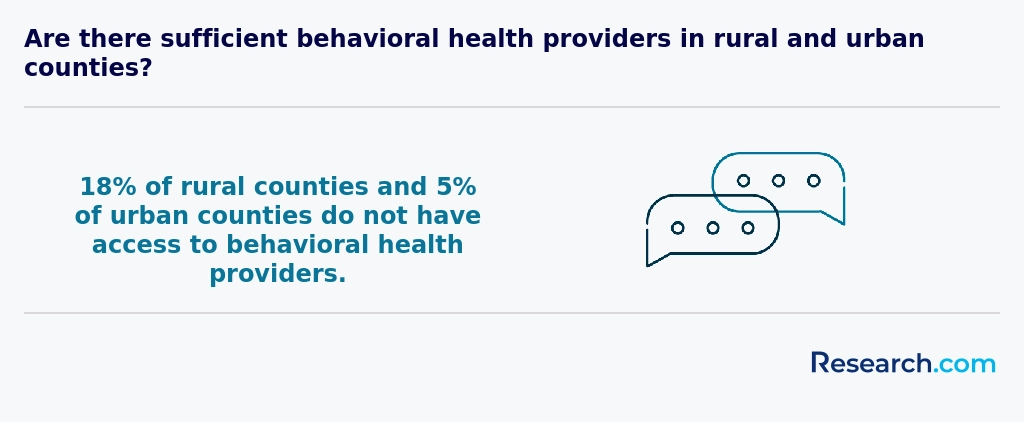
Additionally, school and career counseling remain critical, especially in underserved rural areas where access to mental health services is limited. Emerging focus areas include trauma-informed counseling and telehealth services, which gained prominence due to COVID-19.
After completing a counseling degree in Missouri, graduates should focus on meeting state licensure requirements to enhance job prospects. Missouri requires aspiring professional counselors to obtain the Licensed Professional Counselor (LPC) credential, which includes completing 3,000 hours of supervised clinical experience after graduation, according to the Missouri Division of Professional Registration.
Networking through local organizations like the Missouri Counseling Association can connect graduates to job opportunities and mentorship. Additionally, gaining experience through internships during studies increases employability. Missouri's growing demand for mental health professionals, projected to grow by 12% through 2030 as per the Bureau of Labor Statistics, offers encouraging job market potential. Staying updated with continuing education credits is also vital for license renewal and career advancement.
Employers in Missouri seek counseling degree graduates with a strong foundation in communication skills. Effective listening and empathy are crucial for understanding client needs and building trust. According to the Missouri Department of Higher Education, these interpersonal skills improve client outcomes significantly.
Problem-solving abilities and critical thinking are also highly valued. Counselors often work with diverse populations facing complex challenges, so adaptability and cultural competence are essential. Missouri's workforce reports increasing demand for counselors skilled in evidence-based practices and ethical decision-making.
Finally, proficiency in documentation and familiarity with state counseling laws help graduates meet licensure requirements and maintain professional standards in Missouri's healthcare system.
Finding internships in Missouri relevant to counseling degrees typically involves leveraging university resources and local organizations. Many Missouri colleges with counseling programs offer dedicated internship placement services or career centers that assist students in securing field experience required for graduation and licensure.
Students should explore partnerships between their schools and mental health clinics, hospitals, nonprofit organizations, and government agencies. The Missouri Department of Mental Health and the Missouri Psychological Association often list internship opportunities tailored for counseling students.
Online platforms and state job boards may also advertise internships related to counseling. According to Missouri's licensing board, practical experience accumulated through internships is essential for licensed professional counselor (LPC) eligibility.
Proactively networking at counseling conferences and joining student chapters of professional bodies can improve access to quality internships within Missouri's counseling field.
Obtaining a counseling degree in Missouri significantly enhances career mobility and advancement opportunities. Licensed professional counselors (LPCs) in Missouri must hold at least a master's degree in counseling or a related field, as defined by the Missouri Committee for Professional Counselors. This credential opens doors to diverse roles in mental health, schools, and community agencies.
Missouri's Department of Economic Development reports a steady growth in demand for counseling professionals, projecting an 11% rise in related jobs through 2030. Advanced degrees can lead to supervisory or specialized positions, such as clinical supervisors or licensed clinical professional counselors (LCPCs), which often come with higher salaries and leadership responsibilities.
Moreover, a counseling degree supports eligibility for national certifications and licensure reciprocity, enabling professionals to expand their practice across other states if desired, fostering broader career flexibility.
Studying for a counseling degree in Missouri equips students with skills essential for interdisciplinary roles by emphasizing collaboration across various healthcare and social service fields. Missouri programs integrate coursework in psychology, social work, and healthcare ethics to prepare counselors for teamwork in diverse settings like hospitals, schools, and community agencies.
According to the Missouri Department of Higher Education & Workforce Development, many counseling programs require supervised internships that expose students to real-world interdisciplinary environments. This hands-on experience fosters communication and problem-solving skills with other professionals.
Such preparation addresses the growing need in Missouri for mental health providers who can work alongside doctors, educators, and social workers to deliver comprehensive care.
When choosing between a thesis and a non-thesis counseling degree program in Missouri, consider your career goals first. Thesis programs often appeal to students interested in research or pursuing doctoral studies, as they involve producing original research under faculty supervision. Non-thesis programs typically focus more on practical skills and coursework, offering a quicker path to licensure and clinical work.
In Missouri, counseling licensure requires supervised clinical hours rather than research, making non-thesis options popular for those seeking timely entry into the workforce. According to the Missouri Department of Higher Education & Workforce Development, many accredited counseling programs provide both tracks to adapt to diverse student needs.
Cost and time commitment can differ, as thesis options may extend your study duration. Reviewing faculty expertise and available resources at each institution can help ensure the chosen path matches your educational and professional aims.
Students based in Missouri interested in studying counseling abroad have several pathways through U.S. universities with international exchange programs. Many Missouri institutions offer study abroad opportunities in partnership with universities worldwide, allowing students to complete portions of their counseling degree overseas while securing credits toward their degree at home. Programs often include destinations in Europe, Asia, and Australia, emphasizing cross-cultural counseling practices.
The Council for Accreditation of Counseling and Related Educational Programs (CACREP) accredits many Missouri counseling programs, which helps ensure that coursework completed abroad aligns with U.S. licensure requirements. Missouri students should consult their university's study abroad office and counseling department to confirm credit transfer policies and licensure compatibility.
According to the Missouri Department of Elementary and Secondary Education, approximately 50% of counselors in the state hold master's degrees. Exposure to international counseling perspectives through study abroad can enhance competitiveness in Missouri's growing mental health field. Students interested in these options should explore scholarships and grants specifically supporting study abroad for counseling majors.
Missouri offers several part-time job opportunities that can enhance counseling degree education. Positions such as mental health technician, case manager assistant, or behavioral health aide provide practical experience in clinical environments. According to the Missouri Department of Mental Health, these roles often involve supporting licensed counselors by monitoring client behavior and facilitating group activities.
Additionally, working as a crisis hotline counselor can develop essential communication skills and crisis intervention techniques valuable for future counselors. Many non-profits and community mental health centers in Missouri recruit part-time volunteers or staff for these roles.
Gaining experience in school-based support positions, like paraeducators or guidance aide, also complements counseling studies by exposing students to youth mental health needs and school systems.
Counseling students in Missouri have access to a variety of networking opportunities that support their professional growth. Many universities, such as the University of Missouri and Missouri State University, host student chapters of the American Counseling Association (ACA), providing access to conferences, workshops, and local events.
Additionally, the Missouri Counseling Association (MCA) offers statewide networking, continuing education, and mentorship programs. Participation in these events allows students to connect with practicing professionals and potential employers.
Internship placements and practicum sites commonly facilitate connections with local counseling agencies, clinics, and schools, which help students build practical relationships within the Missouri counseling community.
Alumni networks offer significant benefits for counseling degree students in Missouri by providing access to professional connections and mentorship opportunities. These networks connect current students with graduates working in diverse counseling fields across the state, which can improve job placement rates. According to the Missouri Department of Higher Education, institutions with active alumni associations report higher employment outcomes within six months post-graduation.
Through alumni connections, students gain firsthand insights into licensure processes and regional job markets specific to Missouri, such as licensure by the Missouri Committee for Professional Counselors. Additionally, alumni often share resources for continuing education and professional development, key for maintaining licensure.
Many Missouri universities facilitate alumni-student networking events, which help build supportive professional communities. This support is especially valuable in counseling careers, known for requiring strong interpersonal and community ties.
In Missouri, customizing your counseling degree involves selecting concentrations and electives that align with your career goals. Many universities offer specializations such as school counseling, mental health counseling, or marriage and family therapy. These options enable you to gain targeted skills for specific populations.
You can also tailor your practicum and internship experiences by choosing sites relevant to your interests, such as community centers or hospitals. This hands-on training is vital for licensure in Missouri, where practicum hours must meet state board requirements.
Additionally, consider programs that offer flexible part-time or online courses to accommodate working professionals. Research from the Missouri Department of Higher Education highlights that targeted coursework and practical experience greatly improve job readiness in counseling fields.
Counseling students in Missouri often face several notable challenges during their education. One common difficulty is balancing demanding coursework with required clinical hours. Missouri's licensure process mandates a minimum of 2,000 supervised hours, which can be time-consuming and stressful for students managing jobs or family responsibilities. Additionally, access to quality practicum sites varies across the state, especially in rural areas where counseling resources are limited, complicating students' ability to complete necessary fieldwork.
Financial strain is another concern. According to the Missouri Department of Higher Education, the average graduate tuition for counseling programs ranges widely, and many students report needing additional funding or loans to cover expenses. Furthermore, adapting to evolving state licensing requirements and maintaining awareness of policy changes adds pressure on students preparing for the National Counselor Examination (NCE) and state-specific credentials.
With a counseling degree in Missouri, graduates can pursue several professional certifications to advance their careers. The most common credential is the Licensed Professional Counselor (LPC), which requires completing a master's degree, 3,000 hours of supervised experience, and passing the National Counselor Examination. This license allows counselors to provide mental health services independently.
Other certifications include Licensed Clinical Social Worker (LCSW) for those with a social work background and Credentialed Alcoholism and Substance Abuse Counselor (CASAC) for specialists in addiction treatment. The Missouri Division of Professional Registration oversees these licenses, ensuring rigorous standards. According to the Missouri Department of Higher Education, demand for LPCs is expected to grow 19% by 2030, reflecting a strong job market.
When applying to counseling programs in Missouri, it is essential to present a clear and focused application. Start with a strong personal statement that explains your motivation for pursuing counseling, highlighting any relevant experiences such as volunteer work or internships. Missouri programs often look for evidence of interpersonal skills and commitment to the field.
Maintain a competitive GPA; most accredited Missouri counseling programs require at least a 3.0. Prepare for the Graduate Record Examination (GRE) if required by your chosen institution.
Additionally, secure strong letters of recommendation from professional or academic sources who can attest to your suitability for counseling work. Missouri's Department of Higher Education recommends tailoring each application to program-specific values and specialization areas.
Counseling as a career has gained recognition worldwide for its vital role in mental health and well-being. In the United States, including Missouri, the field emphasizes licensed professional counselors who meet educational and clinical standards set by state boards. Globally, approaches to counseling vary, but the demand for trained professionals is increasing due to rising awareness of mental health issues.
Missouri follows national standards, requiring a master's degree in counseling and supervised clinical hours for licensure. According to the Missouri Division of Professional Registration, the state expects a 25% growth in counselor jobs by 2030, reflecting a broader national trend.
These global and local dynamics highlight counseling as a growing, respected profession with diverse opportunities for those who complete accredited degree programs.
Gaining practical experience while studying for a counseling degree in Missouri is essential for developing key skills. Many programs incorporate supervised internships or practicum placements as graduation requirements. These hands-on opportunities allow students to work directly with clients under professional supervision.
Missouri's counseling degrees typically require a minimum of 600 clock hours of supervised experience, aligning with licensure standards set by the Missouri Committee for Professional Counselor Registration (MCPCR). Students often find placements in community mental health centers, hospitals, schools, or nonprofit organizations.
Additionally, some universities in Missouri partner with local agencies to provide fieldwork opportunities, helping students build networks and gain diverse clinical exposure. These practical experiences not only satisfy academic requirements but also prepare students for licensure exams and future employment.
Choosing the right concentration within a counseling degree program in Missouri involves understanding your career goals and the state's licensure requirements. Missouri offers various tracks such as clinical mental health, school counseling, and marriage and family therapy. Each specialization prepares students for different roles governed by the Missouri Department of Professional Registration.
Consider local demand and job outlook: According to the Missouri Economic Research and Information Center, employment for mental health counselors is projected to grow steadily in the state through 2030. Accreditation is also crucial-programs should hold CACREP accreditation to meet licensure standards efficiently.
Research the curriculum and practicum opportunities to ensure alignment with your interests and future workplace settings.
Related Counseling Rankings for Nearby States
- 2027 Best Counseling Degree Programs Ranking in Oklahoma
- 2027 Best Counseling Degree Programs Ranking in Illinois
- 2027 Best Counseling Degree Programs Ranking in Indiana
- 2027 Best Counseling Degree Programs Ranking in Minnesota
- 2027 Best Counseling Degree Programs Ranking in Ohio
- 2027 Best Counseling Degree Programs Ranking in Michigan
- 2027 Best Counseling Degree Programs Ranking in Alabama
- 2027 Best Counseling Degree Programs Ranking in Georgia
- 2027 Best Counseling Degree Programs Ranking in Texas
- 2027 Best Counseling Degree Programs Ranking in Florida
Top Trending Counseling Rankings
See What Experts Have To Say About Studying Counseling
Read our interview with Counseling experts

Charles Figley
Counseling Expert
Kurzweg Distinguished Chair in Disaster Mental Health
Tulane University

References
- Interdisciplinary Training: Preparing Counselors for Collaborative Practice - The Professional Counselor https://tpcjournal.nbcc.org/interdisciplinary-training-preparing-counselors-for-collaborative-practice/
- Best Online Counseling Degree Programs 2025 https://www.psychology.org/rankings/best-online-counseling-programs/
- Home https://www.husson.edu/online/blog/2025/10/benefits-of-alumni-networks
- 5 Ways Counselling Skills Can Boost Career Prospects - Open Colleges https://www.opencolleges.edu.au/blogs/articles/how-counselling-skills-can-boost-your-employability-and-help-you-excel
- 6 Therapy Niches to Consider for Your Practice - Talkspace https://www.talkspace.com/blog/therapy-niches/
- Missouri School Job Listings - Guidance Counselor jobs https://www.moreap.net/school_jobs/instructional_support_guidance_counselor.php
- Student Counselor Cover Letter Sample https://www.kickresume.com/en/help-center/student-counselor-1-cover-letter-sample/
- How Can a Graduate Degree Advance Your Career in Counseling? https://paloaltou.edu/resources/blog/how-can-graduate-degree-advance-your-career-counseling
- Paid Clinical Internship https://www.pathwaysmhs.org/internship-program.html
- How To Attract Ideal Therapy Clients - Owl Practice https://owlpractice.ca/blog/therapy-niche-how-to-attract-ideal-clients/