2027 Most Affordable Counseling Degree Programs Ranking in Missouri

Co-Founder and Chief Data Scientist
Choosing the right counseling degree program in Missouri can be a daunting task. To help you make an informed decision, this article features the 2027 Most Affordable Counseling Degree Programs Ranking in Missouri, created by the Research.com team of data scientists.
By exploring this ranking, you'll discover quality programs that offer value without compromising education. A counseling degree opens doors to meaningful careers that make a real difference in people's lives.
Stay encouraged-your path to becoming a skilled counselor starts here, with trusted information tailored just for you.
Key benefits of getting counseling degree in Missouri
- Graduates with a counseling degree in Missouri can earn competitive salaries, such as $76,000 annually for Intervention Specialists and $60,080 for Addiction Counselors, offering financial stability in meaningful careers.
- Counseling degree holders from institutions like the University of Missouri have diverse career options, including roles such as Family Support Workers or Community Outreach Coordinators, which provide fulfilling opportunities to help others.
- Obtaining a counseling degree online through schools like Missouri State University allows flexible scheduling and the ability to balance work and study, making education more accessible and convenient for busy students.
- Key benefits of getting counseling degree in Missouri
- What can I expect from counseling degree in Missouri?
- Where can I work with counseling degree in Missouri?
- How much can I make with counseling degree in Missouri?
- 2027 Most Affordable Counseling Degree Programs Ranking in Missouri
- Key Findings
- How long does it take to complete counseling degree in Missouri?
- Licensing and Certification Requirements for Missouri Counselors
- What's the difference between online and on-campus counseling degree?
- Optimizing Your Counseling Degree Experience in Missouri
- What is the average cost of counseling degree in Missouri?
- Accreditation and Licensure Requirements
- What financial aid is available to counseling degree students in Missouri?
- Missouri Counseling Licensure Requirements
- What are the prerequisites for enrolling in counseling degree program in Missouri?
- Licensure and Certification Requirements in Missouri
- What courses are typically in counseling degree programs in Missouri?
- What types of specializations are available in counseling degree programs in Missouri?
- How do you choose the best counseling degree in Missouri?
- What career paths are available for counseling degree students in Missouri?
- What is the job market for counseling degree in Missouri?
- Related Counseling Rankings for Nearby States
- Top Trending Counseling Rankings
- See What Experts Have To Say About Studying Counseling
What can I expect from counseling degree in Missouri?
The average cost of a counseling degree in Missouri varies, but many students find it more affordable compared to national averages. Graduates from universities like the University of Missouri-Columbia and Lindenwood University often mention feeling relief and gratitude at manageable tuition rates, especially when combined with scholarships or in-state tuition benefits. For example, a graduate who balanced part-time online courses appreciated the financial flexibility this format provided, allowing them to work while gaining clinical experience.
However, costs can fluctuate depending on the program's format and whether additional fees, such as for supervised clinical practice, apply. Some graduates express initial concern over the lengthy licensure process, which requires 3,000 post-graduate supervised hours, potentially adding to overall expenses indirectly. Nonetheless, many find that accredited programs-particularly those with CACREP recognition-justify their cost by improving job prospects and confidence in ethical practice across settings.
Considering the nuanced experiences of counseling students in Missouri, prospective learners should weigh tuition costs with program benefits, format flexibility, and licensure pathways when planning their education.
Where can I work with counseling degree in Missouri?
Graduates from counseling programs at well-known Missouri institutions often find themselves working in mental health clinics, where they support individuals coping with anxiety or depression. This practical experience frequently shapes their confidence and professional identity. For example, those who studied at universities with strong ties to community health centers often enter public mental health agencies, aligning with Missouri's growing demand for counselors.
Others pursue school counseling careers, working directly with students on academic and emotional challenges in local districts. Schools value counselors trained at Missouri colleges that partner with public education systems, offering hands-on internships that graduates recall as transformative moments.
Some graduates choose substance abuse and addiction counseling, drawn by personal stories of recovery and driven by specific certification opportunities available in Missouri. This path can feel deeply rewarding, as professionals witness meaningful change in rehabilitation settings.
Healthcare facilities also provide roles where counselors collaborate closely with medical teams, a growing trend in Missouri's integrated care model. Private practice attracts those seeking autonomy and flexibility, requiring licensure through the Missouri Division of Professional Registration, a step that graduates often describe as challenging yet empowering.
Additional workplaces include social service agencies and corrections facilities-settings that demand resilience and specialized skills, often honed during rigorous Missouri-based training programs.
How much can I make with counseling degree in Missouri?
Graduates with counseling degrees from Missouri institutions like the University of Missouri or Webster University often find salaries that vary widely based on their chosen career path and experience. For example, entry-level counselors in roles like Rehabilitation Specialist earn about $48,430 annually, while Addiction Counselors can expect around $60,080. These figures provide a hopeful outlook for new graduates starting their careers locally.
More specialized positions, such as Intervention Specialists, command higher wages, averaging $76,000 per year, reflecting advanced skills and responsibilities. Community Outreach Coordinators and Family Support Workers also present solid earning potentials around $54,020 annually, demonstrating the diverse opportunities for counseling degree holders in Missouri.
Graduates often share positive experiences about how their schooling in Missouri helped connect them to practical roles through internships and supervised clinical hours. This hands-on experience is crucial, especially since salary can increase notably with licensure and specialization.
While metropolitan areas like St. Louis and Kansas City typically offer higher salaries, many counselors appreciate the chance to work in rural settings, where demand is growing and community impact is deeply felt. Overall, Missouri counseling degree graduates can anticipate stable, rewarding careers with financial growth tied closely to experience and licensure progress.
2027 Most Affordable Counseling Degree Programs Ranking in Missouri
How do we rank schools?
Investing in your education is a significant decision that can shape your future, and the Research.com team understands the importance of making informed choices. To assist prospective students in Missouri, we have meticulously crafted the "2027 Most Affordable Counseling Degree Programs Ranking in Missouri." Our commitment to quality, credibility, and accuracy is reflected in the extensive research and analysis conducted to compile this ranking.
We utilized the following reputable data sources to ensure a comprehensive evaluation of counseling programs:
By exploring this ranking, readers will gain valuable insights into the most affordable and credible counseling degree programs available in Missouri, helping them make well-informed decisions about their educational journeys. For more details on our methodology, please visit our Research.com methodology page.
# 1 position
City Vision University
Bachelor of Addiction Counseling

# 2 position
Central Methodist University-College of Graduate and Extended Studies
Master of Science in Clinical Counseling


# 8 position
Midwestern Baptist Theological Seminary
Master of Science in Counseling

# 9 position
Midwestern Baptist Theological Seminary
Bachelor of Science in Counseling
# 10 position
Mission University
Bachelor of Science in Counseling

# 11 position
Mission University
Master of Science in Counseling


# 16 position
Central Christian College of the Bible
Bachelor of Arts in Christian Counseling


Key Findings
- Master's degrees are the most common level for professional counseling careers in Missouri.
- Tuition for a master's counseling program ranges from $7,000 to $15,000 per year at public universities and $20,000 to $35,000 at private institutions.
- The average starting salary for mental health counselors in Missouri is about $43,000, with potential to increase to $60,000 or more with experience and licensure.
- Employment for mental health counselors in Missouri is expected to grow by 22% between 2021 and 2031.
- Licensure requires a master's degree, approximately 3,000 hours of supervised experience, and passing a state licensing exam.
How long does it take to complete counseling degree in Missouri?
Completing a counseling degree in Missouri usually takes around 2 to 3 years of full-time study for a Master's degree, which is the key qualification for licensure. Graduates from universities such as the University of Missouri or Missouri State University often share how the blend of intensive coursework and supervised clinical practice created a demanding yet rewarding experience. Many describe the final practicum or internship as a pivotal moment where theory truly met real-world challenges, reinforcing their passion for counseling.
For those balancing work or family, part-time options extend the timeframe to 4 years or more, reflecting a practical choice that still builds strong competencies. Some schools offer accelerated pathways, allowing students to combine undergraduate and graduate work in about 5 years, appealing to those eager to enter the profession sooner. Yet, the educational timeline is only part of licensing-post-degree supervised clinical hours, required in Missouri, add 1 to 2 years, emphasizing that becoming a licensed counselor is both a commitment and a journey.
Licensing and Certification Requirements for Missouri Counselors
Before you begin practicing as a professional counselor in Missouri, you must navigate a multi-step licensing process designed to protect clients and ensure high standards of care. First, candidates must earn a master’s degree in counseling (or a closely related field) from a regionally accredited institution. For those seeking flexibility, students can explore our most affordable online school counseling degrees to meet this requirement without sacrificing quality. After graduation, aspiring counselors must complete 3,000 hours of supervised clinical experience-commonly undertaken through internships, practicum placements, or post-master’s supervised work. These hours must span at least 24 months under the guidance of a board-approved supervisor. During this period, you’ll refine essential skills in individual therapy, group facilitation, and ethical decision-making. Upon fulfilling supervised practice, candidates must pass the National Counselor Examination (NCE) or the National Clinical Mental Health Counseling Examination (NCMHCE), both administered by the National Board for Certified Counselors (NBCC). Successful completion qualifies you to apply for the Licensed Professional Counselor (LPC) credential with the Missouri Committee for Professional Counselors. Maintaining licensure in Missouri involves 40 hours of continuing education every two years, including specific coursework in ethics and clinical supervision. Options range from in-person workshops to online seminars, ensuring you stay current with evidence-based practices. By understanding and completing each step-degree, supervision, examination, and CE-you’ll secure your LPC credential and join Missouri’s community of trusted counseling professionals.
What's the difference between online and on-campus counseling degree?
Choosing between online and on-campus counseling degrees in Missouri often hinges on how students want to balance life with learning. Graduates from the University of Missouri who took the on-campus route frequently recall the energizing face-to-face discussions and role-playing exercises that shaped their skills. These moments, they say, fostered strong connections with peers and faculty, enriching their professional journey.
In contrast, graduates from Missouri State University who pursued online counseling degrees highlight the flexibility to study around work and family life. They appreciated accessing lectures and assignments on their own schedule, often feeling relieved by saving time and costs linked to commuting. However, nearly all emphasize that hands-on internship hours required by Missouri licensure rules must still be completed in person, grounding their online learning in real-world practice.
Both formats meet Missouri standards, but individual preferences about interaction and convenience shape the experience. These nuances make the choice deeply personal, tied to how a student envisions their ideal learning environment and professional preparation.
Optimizing Your Counseling Degree Experience in Missouri
To maximize the benefits of pursuing a counseling degree in Missouri, it's essential to consider various factors that can enhance your educational journey. One crucial aspect is selecting a program that aligns with your career goals and financial situation. For instance, exploring the best counseling programs in Missouri can provide valuable insights into affordable and reputable options. By doing so, you can ensure a smoother transition into your desired role, whether it's as a school counselor, mental health counselor, or another specialized field within counseling. This proactive approach enables you to leverage your degree effectively, contributing to a fulfilling career and personal growth.
What is the average cost of counseling degree in Missouri?
The average cost of obtaining a counseling degree in Missouri varies but generally reflects a median in-state total cost of about $14,837, while out-of-state students might see a median total cost closer to $33,539. For students attending popular counseling programs at well-known Missouri universities, these figures resonate with experiences shared by graduates who often emphasize balancing quality education against financial investment. Many appreciate the affordability of public universities, noting that in-state tuition and fees substantially reduce the financial burden compared to private or out-of-state options.
Affordability is a key concern for those exploring an affordable counseling degree programs Missouri offers. Graduates from institutions with CACREP-accredited programs report that while tuition might be slightly higher, the robust training and licensure preparation justify the expense, especially in campuses located within or near urban centers where additional living costs apply. These students frequently highlight the value of programs that combine strong academic support with practical internships and technology access, which form an essential part of total costs beyond just tuition.
Additional expenses, such as textbooks, practicum fees, and licensing exam charges, often add a few thousand dollars to the overall investment. However, Missouri's Access Missouri Financial Assistance and other tuition savings programs can alleviate these costs for eligible students. Those researching their options will benefit from carefully reviewing expenses while considering the quality of education and post-graduation opportunities. For guidance on selecting the right program, many turn to rankings like the best counseling programs in Missouri, which help clarify the cost-benefit balance of different schools and degrees.

Accreditation and Licensure Requirements
Attending a CACREP-accredited program ensures your curriculum meets Missouri’s licensing standards. If you plan to specialize in marriage and family therapy, look for COAMFTE-accredited options and consider exploring mft programs online.
To become a Licensed Professional Counselor (LPC) in Missouri:
- Earn a CACREP-accredited master’s degree (minimum 60 semester hours).
- Complete at least 3,000 supervised clinical hours.
- Pass the National Counselor Examination for Licensure and Certification (NCE).
- Submit your application and official transcripts to the Missouri Board for Counselors.
- Fulfill continuing education requirements every two years to maintain active status.
Meeting these accreditation and licensure benchmarks is crucial for a smooth transition from student to practicing professional.
What financial aid is available to counseling degree students in Missouri?
Financial aid for counseling degrees in Missouri comes from multiple sources, each with its own criteria and challenges. Graduates from universities like the University of Missouri and Lindenwood University often start by applying for federal aid through FAFSA, unlocking access to Direct Unsubsidized Loans and Grad PLUS Loans with annual borrowing limits around $20,500. These loans, while helpful, require careful consideration of repayment plans.
State-specific programs such as the Access Missouri Financial Assistance Program (MAP) provide crucial supplements to federal aid for Missouri residents attending accredited counseling programs. Many graduates recall how institutional scholarships and assistantships at these universities alleviate tuition costs but emphasize the competitive nature and need for maintaining strong GPAs.
Professional bodies like the Missouri Counseling Association (MCA) offer smaller, targeted scholarships that support diversity and professional growth, which some students find motivating and rewarding. Private scholarships through local foundations, although less predictable, can sometimes fill gaps unexpectedly. Navigating these options involves persistence, but graduates frequently report a sense of achievement and reduced financial stress when combining multiple aid sources effectively.
Missouri Counseling Licensure Requirements
To become a Licensed Professional Counselor (LPC) in Missouri, follow these key steps:
- Graduate from a CACREP-accredited master’s degree program in counseling.
- Complete 3,000 hours of supervised clinical experience under an approved supervisor.
- Pass the National Counselor Examination (NCE) administered by the National Board for Certified Counselors.
- Submit your licensure application, transcripts and fee to the Missouri Division of Professional Registration, including a background check.
- Maintain your license with 30 hours of continuing education every two years, including ethics training.
Many candidates streamline this process through flexible, accredited tracks-consider exploring mft programs online to meet CACREP standards and fulfill supervised practicum requirements.
What are the prerequisites for enrolling in counseling degree program in Missouri?
To enroll in counseling degree programs in Missouri, applicants must typically hold a bachelor's degree from a regionally accredited institution, which does not always need to be in psychology or counseling. For instance, graduates from University of Missouri or Webster University often share how having a social sciences background helped them feel confident in tackling foundational courses. A minimum GPA near 3.0 is generally expected, though some programs may accept slightly lower GPAs if other parts of the application demonstrate strong potential.
Beyond academics, practical requirements such as background checks and submitting transcripts, letters of recommendation, and a statement of purpose are standard. Graduates frequently mention that preparing these documents thoroughly made the application process less intimidating.
Some programs may ask for GRE scores, but many Missouri institutions waive this to improve accessibility. Additional prerequisite courses in areas like statistics or human development can also be required, especially if the undergraduate degree was unrelated. These steps ensure students are ready for the challenges ahead while fostering a positive and motivated learning experience.
Licensure and Certification Requirements in Missouri
After earning your counseling degree, obtaining licensure in Missouri is essential to practice legally and build a credible career. The Missouri Committee for Professional Counselors (MCPC) mandates the following steps: 1. Accredited Degree • Hold a master’s or higher in counseling from a CACREP-accredited institution. • Ensure your transcript reflects at least 60 semester hours of graduate coursework in core counseling areas. 2. Supervised Practice • Complete a minimum of 3,000 post-graduate supervised hours over at least 24 months. • Include 100 hours of direct supervision by a board-approved supervisor. 3. Examination Requirements • Pass the National Counselor Examination (NCE) or the National Clinical Mental Health Counseling Examination (NCMHCE). • Register through the National Board for Certified Counselors (NBCC) and schedule your exam at an approved testing center. 4. Application and Fees • Submit a licensure application to the MCPC with official transcripts, verification of supervised hours, and exam scores. • Pay the application fee (currently $150) and annual renewal fees ($100). 5. Continuing Education • Complete 40 credit hours of continuing education every two years to maintain active status. • Courses must be approved by the MCPC and cover ethics, diversity, and clinical skills. Navigating Missouri’s licensure process can be streamlined by planning internships and supervision early in your graduate program. For those weighing online versus on-campus paths, you can also explore affordability in neighboring states by checking out the 2025 Most Affordable Online Counseling Degree Programs Ranking in Texas, which highlights flexible, cost-effective options that meet rigorous accreditation standards.
What courses are typically in counseling degree programs in Missouri?
Counseling degree programs in Missouri often center on courses that blend theory with hands-on practice, essential for becoming a Licensed Professional Counselor. Graduates from popular institutions like the University of Missouri or Webster University frequently highlight how courses such as Counseling Theories and Techniques gave them practical frameworks to understand clients better, using approaches like cognitive-behavioral and humanistic methods.
Many students value the Human Growth and Development course, which explores emotional and social changes across life stages-a foundation often recalled vividly when working with clients of varying ages. Practicum and Internship courses provide real-world experience where students support mental health in schools or community agencies, deepening empathy and professional confidence.
Courses on Multicultural Counseling and Professional Ethics also resonate strongly, especially given Missouri's diverse population and state-specific regulations. Some graduates emphasize that these classes challenged them to think critically about inclusion and ethical dilemmas in ways that felt both demanding and rewarding, preparing them for the complex realities of counseling locally.
What types of specializations are available in counseling degree programs in Missouri?
Among the counseling degree specializations in Missouri, students often find options such as Clinical Mental Health Counseling, School Counseling, Marriage and Family Therapy (MFT), Addiction Counseling, and Rehabilitation Counseling. Each path has its nuances and professional requirements. For instance, graduates from Missouri State University pursuing Clinical Mental Health Counseling frequently share how engaging with real clients during supervised hours enriched their understanding beyond theory, especially knowing they are on track for LPC licensure. Meanwhile, those focused on School Counseling at the University of Missouri-Columbia emphasize the fulfillment of supporting K-12 students emotionally and academically, aligning their preparation with state licensing standards through the Department of Elementary and Secondary Education.
Some graduates explore Addiction Counseling to address community needs around substance use disorders, citing a strong sense of purpose in their work. Others choose Rehabilitation Counseling to assist individuals with disabilities, reflecting Missouri's vocational rehabilitation priorities. Students weighing these options benefit from exploring Missouri counseling degree program options that balance specialization depth with licensure requirements. For those mindful of cost, programs highlighted among the most affordable online school counseling degrees offer practical routes without sacrificing quality.
How do you choose the best counseling degree in Missouri?
Choosing the best counseling degree in Missouri demands attention to accreditation, cost, and program fit. Graduates from well-known Missouri universities often emphasize the importance of enrolling in CACREP-accredited programs to ensure eligibility for LPC licensure. Without this accreditation, even passionate students may face unexpected barriers during licensure exams or job placement. For example, a graduate from a popular university shared relief in gaining access to robust practicum placements locally, which enhanced their confidence and readiness to work in Missouri's clinical settings.
Affordability also shapes decision-making. Many aspiring counselors balancing work rely on affordable counseling degree programs Missouri offers, especially at public universities where tuition averages about $8,500 annually. Some students find private institutions cost-prohibitive but discover scholarships or financial aid as vital support, helping them maintain motivation and focus on learning instead of debt.
Location and flexibility matter, too. Graduates juggling family or jobs highlight that flexible scheduling and online options at renowned schools make a tangible difference in persistence and well-being. Exploring programs with promising career support, internship placements, and licensure pass rates can make your journey smoother. For a broader perspective, consider reviewing the 2025 Most Affordable Online Counseling Degree Programs Ranking in Texas as a comparative benchmark.

What career paths are available for counseling degree students in Missouri?
Graduates from counseling programs at popular Missouri institutions often find themselves pursuing diverse career paths reflecting the state's broad mental health needs. Many enter mental health counseling, addressing issues like anxiety and trauma in settings such as clinics, hospitals, or private practices. These roles offer a deeply rewarding experience, as graduates frequently share stories of profound client transformations. Other graduates choose school counseling, supporting students' social and emotional growth within K-12 systems across Missouri, a field growing due to increased focus on student mental health.
Recent graduates from flagship universities highlight marriage and family therapy as another viable and fulfilling path. This specialization involves working closely with families to improve communication, requiring licensure as an LMFT, which entails rigorous supervised hours. Substance abuse counseling also remains critical in Missouri, with certified counselors employed in rehab centers and governmental programs, a path offering meaningful impact amid addiction challenges.
While these career options are promising, prospective students should consider the affordable counseling degree career options Missouri offers relative to national costs, especially when weighing programs at well-known colleges or exploring alternatives like a quickest associates degree for foundational preparation.
What is the job market for counseling degree in Missouri?
The job market for counseling degree graduates in Missouri shows promising growth, driven by increased demand for mental health professionals. Those pursuing a counseling degree job outlook Missouri can expect opportunities particularly in expanding community health initiatives and rural outreach programs. Graduates from popular institutions such as the University of Missouri report positive experiences entering the workforce, with many securing positions in school districts or outpatient care centers where mental health services are actively growing.
However, potential students should consider that Missouri requires 3,000 supervised clinical hours post-graduation to obtain licensure, which can extend the timeline before full professional practice. Salaries for mental health counselors in Missouri typically range from $45,000 to $55,000, slightly above the national median, though urban areas tend to offer higher compensation than rural settings. For those weighing affordability, Missouri's public universities offer in-state tuition rates below the national average, making the state a favorable option for those looking for the easiest associates degree to get online or advanced counseling studies.
While mental health counseling career opportunities Missouri grow steadily, graduates must navigate licensure requirements and consider geographic salary variations to fully leverage their education.
Frequently Asked Questions About counseling
Counseling degree students in Missouri can maximize their learning experience by engaging in both academic and practical opportunities. Missouri houses several accredited programs, including those certified by the Council for Accreditation of Counseling and Related Educational Programs (CACREP), which ensure high educational standards. Choosing a CACREP-accredited program can improve licensure prospects.
Participating in internships or practicum placements within Missouri's diverse community mental health centers offers valuable hands-on experience. According to the Missouri Department of Mental Health, practical training correlates strongly with readiness for the Licensed Professional Counselor (LPC) exam.
Students should also take advantage of Missouri Counseling Association events and workshops to network and stay informed about local licensure requirements and professional trends. Combining formal coursework with real-world exposure enhances skill development and career readiness.
The counseling field in Missouri is evolving with the rise of several emerging niches, reflecting broader social and healthcare trends. One notable growth area is telehealth counseling, which expanded rapidly due to COVID-19 and remains a vital service in rural Missouri, where access to mental health professionals is limited. According to the Missouri Department of Mental Health, remote counseling services increased by over 40% between 2020 and 2023.
Another niche gaining traction is substance abuse counseling, especially in response to Missouri's opioid crisis. The Missouri Department of Health reported a 25% increase in demand for addiction counselors over the past five years. Additionally, trauma-informed counseling is becoming essential as awareness of mental health impacts from adverse childhood experiences grows statewide.
Finally, school counseling continues to be a vital specialty, with Missouri counseling licensure data indicating steady growth in educational roles tied to increasing attention on student mental health and social-emotional learning programs.
After earning a counseling degree in Missouri, it is crucial to build a strong professional foundation to enter the job market effectively. Start by obtaining necessary licensure, such as the Licensed Professional Counselor (LPC) credential, which Missouri requires to practice independently. This process includes completing supervised clinical hours, passing the National Counselor Examination, and meeting state-specific requirements outlined by the Missouri Division of Professional Registration.
Networking within local counseling associations like the Missouri Counseling Association can provide valuable connections and job leads. Additionally, gaining experience through internships or volunteer roles enhances employability. Missouri's Department of Labor reports steady growth in mental health counseling jobs, emphasizing the need for relevant experience and licensure.
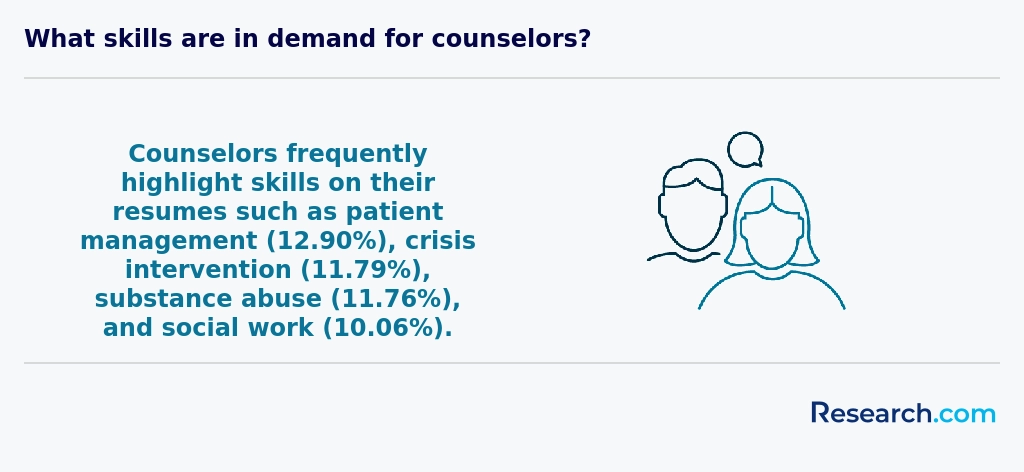
Employers seeking counseling degree graduates in Missouri prioritize strong communication skills. Graduates must effectively listen and respond to clients, ensuring clarity and empathy in diverse settings. According to the Missouri Department of Mental Health, cultural competence is essential due to the state's varied population.
Critical thinking and problem-solving abilities are also highly valued. Counselors frequently face complex cases requiring analytical skills to develop effective treatment plans. Moreover, knowledge of Missouri's counseling laws and ethics enhances a graduate's readiness for professional practice.
Finally, resilience and emotional stability rank among the top soft skills. The Missouri Behavioral Health Council highlights that employers look for graduates who manage stress well while maintaining client-centered focus.
Finding internships in Missouri for counseling degrees involves leveraging local resources and state guidelines. Many students begin by consulting their university's counseling department, which often partners with mental health clinics, schools, and community organizations in Missouri. These partnerships provide structured internship opportunities aligned with degree requirements.
Missouri's Division of Professional Registration stresses the importance of supervised clinical experience for licensure, so internships must meet state standards. You can explore placements at agencies like the Missouri Mental Health Association or the St. Louis Counseling Center, known for supporting counseling students.
Additionally, websites like Missouri Career Center list internship openings, offering a range of counseling roles. Networking with professionals through Missouri Counseling Association events can also open doors to relevant internships. According to the National Board for Certified Counselors, approximately 1,500 counseling internships are available statewide annually, reflecting a healthy demand for trainees.
In Missouri, obtaining a counseling degree significantly enhances career mobility and advancement opportunities. A master's or doctoral degree in counseling is often required for licensure as a Licensed Professional Counselor (LPC), which enables practice across diverse clinical settings. According to the Missouri Division of Professional Registration, licensed counselors earn an average salary 15-25% higher than those without credentials, reflecting improved job prospects.
Furthermore, degree holders can specialize in areas like addiction, school, or career counseling, which expands career options. Missouri's Department of Higher Education highlights that advanced degrees correlate with greater access to supervisory and administrative roles, promoting upward mobility in the counseling field.
Studying for a counseling degree in Missouri equips students with skills that extend beyond traditional counseling roles, preparing them for interdisciplinary collaboration. Missouri's accredited counselor education programs emphasize integrating knowledge from psychology, social work, and education, which fosters a broad understanding of client needs.
The Missouri Counselor Education and Supervision program curriculum often includes courses on teamwork, ethics, and communication, training students to work effectively with healthcare providers, educators, and social service professionals.
According to the Missouri Department of Higher Education, over 70% of counseling graduates report working in settings requiring interdisciplinary cooperation, such as schools, hospitals, and community organizations. This focus helps students adapt to diverse professional environments.
The state's licensure standards, including those for Licensed Professional Counselors (LPC), encourage competencies in multidisciplinary approaches to ensure comprehensive client care.
When choosing between a thesis and a non-thesis counseling degree program in Missouri, consider your career goals and time commitment. Thesis programs require original research, which suits students aiming for clinical work, teaching, or doctoral studies. Non-thesis tracks often focus on practical skills through coursework and internships, fitting those who prefer direct entry into counseling professions.
Missouri's counseling programs must meet the Council for Accreditation of Counseling and Related Educational Programs (CACREP) standards, ensuring both paths prepare students for licensure.
On average, completing a thesis may add several months to your degree timeline compared to non-thesis options. According to the Missouri Department of Higher Education, thesis programs can provide deeper expertise valuable for future research roles.
Students based in Missouri interested in studying counseling abroad have several pathways to consider. Many Missouri universities with counseling programs offer study abroad partnerships, especially in countries like Ireland, Australia, and the United Kingdom, where counseling practices align closely with U.S. standards. These programs often include clinical experience components approved by Missouri licensing boards.
Additionally, students can explore international universities accredited by bodies recognized in Missouri, ensuring credits transfer and meet licensure requirements. The Missouri Department of Higher Education emphasizes that any foreign coursework must align with the Council for Accreditation of Counseling and Related Educational Programs (CACREP) standards to facilitate licensure after returning.
While direct enrollment in foreign institutions is possible, students should verify licensing reciprocity and plan for additional U.S.-based internships. Missouri's counseling workforce has grown by over 15% in recent years, highlighting the value of diverse educational experiences in the global mental health landscape.
Students pursuing counseling degrees in Missouri can benefit from various part-time job opportunities that complement their education. Working as a mental health technician or behavioral health aide provides practical experience in clinical settings. These roles often involve assisting licensed professionals, offering exposure to patient care and therapeutic techniques.
Another option is becoming a crisis hotline worker, which helps develop crisis intervention skills critical for counseling careers. According to the Missouri Department of Mental Health, the demand for such roles continues to grow due to increased awareness of mental health issues statewide.
Additionally, positions such as school paraprofessionals or tutor programs help build communication and support skills useful in counseling.
Counseling students in Missouri have access to various networking opportunities that can enhance their educational and professional development. Many universities in the state host chapters of national organizations such as the American Counseling Association (ACA), allowing students to attend conferences and workshops. Missouri also supports state-level groups like the Missouri Counseling Association, which provides local events and networking forums specifically for counseling professionals and students.
Additionally, internships and practicum placements facilitated by Missouri's accredited counseling programs connect students with practicing counselors and agencies. This practical exposure often leads to mentorship and job opportunities.
According to the Missouri Department of Higher Education, these organized networks play a crucial role in licensing and career advancement for counselors within the state.
Alumni networks provide valuable support for counseling degree students in Missouri by connecting them with experienced professionals and recent graduates. These networks facilitate mentorship opportunities, career advice, and job leads, which are crucial in a field requiring licensure and professional development.
Missouri counseling graduates benefit from alumni events and online groups that promote knowledge-sharing about state-specific licensure requirements, such as those outlined by the Missouri Committee for Professional Counselors. According to the Missouri Department of Higher Education, strong alumni engagement can improve employment outcomes, with approximately 85% of counseling graduates finding jobs within six months through such connections.
Additionally, alumni networks often offer resources for continuing education and workshops, helping students stay updated on best practices and emerging counseling techniques relevant to Missouri's diverse communities.
In Missouri, customizing a counseling degree program begins with choosing a specialization aligned to your career goals. Programs often offer tracks such as mental health counseling, school counseling, or marriage and family therapy. Selecting a specialization helps tailor your coursework and practicum experiences. Missouri colleges typically require practicum or internship hours ranging from 600 to 1,000, which can be completed in settings that match your desired work environment.
Many institutions allow elective courses targeting specific populations or issues, providing flexibility. Additionally, you can pursue certification or licensure preparation through Missouri's Board of Professional Counselors, guiding your focus toward areas like Licensed Professional Counselor (LPC).
Counseling students in Missouri often face several challenges during their academic journey. One significant difficulty is meeting the extensive clinical hour requirements needed for licensure. Missouri mandates at least 3,000 supervised hours for Licensed Professional Counselors (LPC), which can be time-consuming and costly.
Another common challenge is balancing rigorous coursework with fieldwork and personal responsibilities. Many students juggle jobs or family commitments alongside demanding schedules, potentially impacting their academic performance.
Financial concerns also weigh heavily. Tuition rates vary, and while some programs offer affordable options, students may struggle with expenses, including fees for supervision and licensure exams. Missouri's rising demand for mental health professionals underscores the importance of training quality, yet finding placements in underserved areas remains difficult.
With a counseling degree in Missouri, graduates can pursue several professional certifications to advance their careers. The most common certification is the Licensed Professional Counselor (LPC), which requires completion of a master's degree, 3,000 hours of supervised experience, and passing the National Counselor Examination. The LPC credential is regulated by the Missouri Division of Professional Registration.
Other options include the Licensed Marriage and Family Therapist (LMFT) and Licensed Social Worker (LSW), depending on your degree focus and coursework. These licenses require specific educational standards and supervised clinical hours.
Nationally, some counselors also pursue certifications from the National Board for Certified Counselors (NBCC), such as the National Certified Counselor (NCC), which enhance professional credibility.
When applying for a counseling program in Missouri, it is important to present a clear, well-organized application. Start by ensuring your academic transcripts meet the program's minimum GPA requirements, typically around 3.0 for graduate counseling degrees, according to the Missouri Department of Higher Education. Highlight any relevant volunteer work or internships related to mental health or social services.
Personal statements should reflect your motivation and understanding of counseling ethics and Missouri licensure requirements as outlined by the Missouri State Committee for Social Workers. Letters of recommendation from supervisors or professors familiar with your work in helping professions add strong support. Prepare for possible interviews by reviewing core counseling concepts and local community needs. Carefully following each program's application checklist increases your chance of acceptance.
The counseling profession holds a significant global presence, with increasing demand in countries including the United States. In Missouri, counseling careers are shaped by national standards but also influenced by international practices emphasizing cultural competence and ethical care. According to the Bureau of Labor Statistics, Missouri had about 6,820 mental health counselors employed in 2022, reflecting steady growth aligned with global mental health awareness.
Many countries prioritize advanced degrees and licensure, similar to Missouri's requirement for a master's degree and supervised clinical hours. Internationally, collaboration through organizations like the International Association for Counselling supports shared best practices, benefiting local professionals.
For Missouri students, understanding these global connections highlights potential career opportunities and the importance of adaptive skills in diverse cultural settings. Awareness of global perspectives can enhance the value of Missouri's counseling degrees in a competitive, worldwide job market.
Gaining practical experience while studying for a counseling degree in Missouri is essential for licensure and building professional skills. Many Missouri universities require students to complete supervised internships or practicum hours as part of their degree programs. For example, the Missouri Department of Professional Registration mandates at least 3,000 hours of post-graduate supervised experience for Licensed Professional Counselors (LPC).
Students often gain this experience through partnerships with local clinics, schools, and community organizations. These placements provide real-world settings to apply counseling theories under licensed supervisor guidance. Additionally, joining Missouri's professional counseling associations can offer networking opportunities and workshops that enhance practical learning.
Choosing the right concentration within a counseling degree program in Missouri depends on your career goals and interests. Common concentrations include clinical mental health, school counseling, and marriage and family therapy. Each prepares you for different licensure and job opportunities. For example, clinical mental health counselors in Missouri must earn a license through the Missouri Committee for Professional Counselors, which requires specific coursework and supervised hours.
Consider the demand for counselors in your preferred field; the Missouri Department of Economic Development highlights growth in school counseling due to statewide mental health initiatives. Research program curricula carefully to ensure they meet Missouri licensure requirements. Visiting program websites or contacting admissions advisors can provide valuable insights tailored to your goals.
Related Counseling Rankings for Nearby States
- 2027 Most Affordable Counseling Degree Programs Ranking in Oklahoma
- 2027 Most Affordable Counseling Degree Programs Ranking in Illinois
- 2027 Most Affordable Counseling Degree Programs Ranking in Indiana
- 2027 Most Affordable Counseling Degree Programs Ranking in Minnesota
- 2027 Most Affordable Counseling Degree Programs Ranking in Ohio
- 2027 Most Affordable Counseling Degree Programs Ranking in Michigan
- 2027 Most Affordable Counseling Degree Programs Ranking in Alabama
- 2027 Most Affordable Counseling Degree Programs Ranking in Georgia
- 2027 Most Affordable Counseling Degree Programs Ranking in Texas
- 2027 Most Affordable Counseling Degree Programs Ranking in Florida
Top Trending Counseling Rankings
See What Experts Have To Say About Studying Counseling
Read our interview with Counseling experts

Meredith A. Rausch
Counseling Expert
Associate Professor
University of Alabama

References
- Online Degrees https://onlinecounselingprograms.com/online-counseling-degrees/
- Student Counselor Cover Letter Sample https://www.kickresume.com/en/help-center/student-counselor-1-cover-letter-sample/
- Professional Networking For Psychologists | Psychology.org https://www.psychology.org/resources/professional-networking/
- Internship Opportunities | PCS https://pacounseling.com/internships/
- Therapy Group of Charlotte How Career Counseling Boosts Professional Growth - Therapy Group of Charlotte https://therapistsincharlotte.com/therapists-charlotte-blog/how-career-counseling-boosts-professional-growth/
- Know more about thesis vs non- thesis: what is the difference? https://studyfans.com/en/blogs/816
- How Can I Gain Counselling Work Experience? https://oxbridgehomelearning.uk/blog/how-can-i-gain-counselling-work-experience/
- Encourage Your Student to Use the Campus Counseling Center | CollegiateParent https://collegiateparent.com/health-safety/encourage-your-student-to-use-campus-counseling-center/
- Utilize Your Alumni Networks https://www.keg.com/news/ways-to-use-your-alumni-networks-for-the-better
- Alternative Careers for Counselors Who Are Burnt Out [2025 Update] - The Bad Therapist https://www.thebadtherapist.coach/blog/alternative-careers-for-counselors