2027 Most Affordable Counseling Degree Programs Ranking in Montana

Co-Founder and Chief Data Scientist
Choosing the right counseling degree program in Montana can feel overwhelming, but it doesn't have to be. This article provides a helpful 2027 Most Affordable Counseling Degree Programs Ranking in Montana developed by the Research.com team of data scientists to guide you through the best options available.
Whether you're starting your educational journey or looking to advance your career, this ranking highlights affordable programs that deliver quality and value. Discover programs that fit your budget and ambitions, making your dream of becoming a skilled counselor more achievable and rewarding.
Key benefits of getting counseling degree in Montana
- Counseling degree graduates in Montana can earn competitive salaries, such as $76,000 annually for Intervention Specialists and $60,080 for Addiction Counselors, reflecting strong financial benefits.
- Career paths are diverse, with graduates often working as Family Support Workers or Community Outreach Coordinators, offering rewarding roles that make a real difference in local communities.
- Online counseling degrees from Montana universities provide flexibility and convenience, allowing students to balance work and study while gaining the skills needed to succeed in meaningful helping professions.
- Key benefits of getting counseling degree in Montana
- What can I expect from counseling degree in Montana?
- Where can I work with counseling degree in Montana?
- How much can I make with counseling degree in Montana?
- 2027 Most Affordable Counseling Degree Programs Ranking in Montana
- Key Findings
- How long does it take to complete counseling degree in Montana?
- What's the difference between online and on-campus counseling degree?
- What is the average cost of counseling degree in Montana?
- What financial aid is available to counseling degree students in Montana?
- What are the prerequisites for enrolling in counseling degree program in Montana?
- What courses are typically in counseling degree programs in Montana?
- What types of specializations are available in counseling degree programs in Montana?
- How do you choose the best counseling degree in Montana?
- What career paths are available for counseling degree students in Montana?
- What is the job market for counseling degree in Montana?
- Related Counseling Rankings for Nearby States
- Top Trending Counseling Rankings
- See What Experts Have To Say About Studying Counseling
What can I expect from counseling degree in Montana?
Curiosity often leads students to wonder about the average cost of earning a counseling degree in Montana. Graduate programs like those at the University of Montana typically require 48 to 60 credit hours, and tuition can range widely depending on residency and program specifics. Many graduates recall weighing the investment against the invaluable hands-on experience, such as completing 700 hours of supervised clinical work that feels like stepping into a real counseling office for the first time. This practical training is often included in tuition but sometimes involves additional fees for supervision or materials.
Students report that public universities in Montana usually offer more affordable rates for residents, making the path accessible without overwhelming debt. Balancing tuition with part-time work or scholarships becomes part of the adventure. Those who dive into these programs find that the cost is an investment in growth and meaningful future careers, where every dollar spent up front helps build a foundation for trusted and licensed counseling practice in vibrant Montana communities.
Where can I work with counseling degree in Montana?
Graduates from counseling programs at universities like the University of Montana and Montana State University often find themselves stepping into roles that truly transform lives. Imagine working in a vibrant community health center or busy hospital in Billings, where your counseling skills help individuals navigate mental health challenges every day. Many alumni share how rewarding it is to support families in private practice or collaborate with passionate colleagues in group therapy sessions across the state.
Others discover their calling within schools, supporting students' emotional and academic growth in Missoula or Bozeman. The process of becoming a licensed school counselor in Montana, guided by the Office of Public Instruction, opens doors to rich, fulfilling careers impacting young lives. For those drawn to addiction recovery, positions at Montana's detox centers or rehab facilities offer a powerful mission to combat the opioid crisis firsthand.
Careers extend even to correctional facilities or tribal health services, where counselors engage with unique populations eager for guidance and growth. The vibrant possibilities reflect a thriving demand, inviting you to explore a path filled with purpose and connection.
How much can I make with counseling degree in Montana?
If you're stepping out of a counseling program at a Montana university like the University of Montana or Montana State, you're likely curious about what your potential earnings might be. Imagine starting as a Rehabilitation Specialist earning around $48,430 yearly-this is a common early-career path that feels rewarding not only financially but emotionally, as you support people's journeys to wellness.
For those diving into addiction counseling, the adventure gets even more promising with mean wages near $60,080 a year. Graduates have shared how the dynamic work environment and growing demand in cities like Missoula make these roles feel both impactful and energizing.
Others might explore roles like Community Outreach Coordinator or Family Support Worker, both averaging about $54,020 annually. These jobs often bring vibrant opportunities to engage directly with communities, turning each workday into a meaningful experience filled with real human connections.
So, while newly minted counselors in Montana start around $35,000 to $42,000, many find their earnings blossoming above $60,000 as they gain licensure and specialize. Picture walking through corridors of a campus in Helena, feeling confident that your degree unlocks these exciting, well-paying paths.
2027 Most Affordable Counseling Degree Programs Ranking in Montana
How do we rank schools?
Investing in your education is a significant decision that can shape your future, and the Research.com team understands the importance of making informed choices. To assist prospective students in Montana, we have meticulously crafted the "2027 Most Affordable Counseling Degree Programs Ranking in Montana." Our commitment to quality, credibility, and accuracy is reflected in the extensive research and analysis conducted to compile this ranking.
We utilized the following reputable data sources to ensure a comprehensive evaluation of counseling programs:
By exploring this ranking, readers will gain valuable insights into the most affordable and credible counseling degree programs available in Montana, empowering them to make well-informed decisions about their educational paths. For more details on our methodology, please visit our Research.com methodology page.

# 2 position
Montana State University Billings
Master of Science in Counseling


Key Findings
- The cost of in-state tuition and fees for a master's in counseling in Montana ranges from $12,000 to $20,000 per year, which is below the national average.
- Most counseling master's programs take two to three years of full-time study and include supervised clinical hours required for licensure.
- Montana's job market for counselors is growing, with a 23% national employment growth rate projected for mental health counselors and family therapists between 2021 and 2031.
- Entry-level counseling salaries in Montana range from $35,000 to $45,000 annually, increasing to $50,000 to $60,000 with experience and licensure.
- Licensed professional counselors must complete about 2,000 supervised hours after graduation and pass a national exam to become licensed in Montana.
How long does it take to complete counseling degree in Montana?
Diving into a counseling degree in Montana is a journey that varies widely depending on your academic path. Many graduates from the University of Montana or Montana State University share how earning their bachelor's degree took around four years, which laid a solid foundation but wasn't enough to jump into clinical counseling right away. The real adventure begins with the master's degree-typically a thrilling two to three years of immersive coursework, practicum, and internships that bring theory to life. Students recall feeling rewarded as they accumulated the required 3,000 supervised clinical hours mandated by the Montana Board of Behavioral Health, transforming classroom knowledge into hands-on experience.
For those who crave deeper expertise, doctoral programs add another three to five years, filled with intense research and advanced clinical training. Graduates often reflect on this phase as both challenging and enriching, preparing them for specialized roles or academic careers in Montana's counseling landscape.
What's the difference between online and on-campus counseling degree?
Choosing between online and on-campus counseling degrees in Montana is like setting off on two unique adventures. Graduates from the University of Montana rave about the buzz of campus life-chatting directly with professors, collaborating in lively group projects, and gaining hands-on experience through local internships. This face-to-face connection not only sharpens communication skills but also builds a strong network within the Montana counseling community.
Meanwhile, alumni from Montana State University embrace the freedom that online programs offer. Balancing jobs and family, they appreciate the ability to study anytime, anywhere, guided by engaging video lectures and digital resources. Yet, coordinating supervised clinical hours independently outside campus can be a test of self-discipline, forging resilience and time management skills that feel rewarding in the end.
Both paths demand passion and dedication, with tuition costs often similar, but living expenses and commuting paint very different daily experiences. For anyone eager to explore counseling in Montana, these choices reflect vibrant lifestyles shaped by personal rhythms and goals.
What is the average cost of counseling degree in Montana?
The journey to earning a counseling degree in Montana is as much about embracing the adventure of learning as it is about managing the financial investment. On average, the cost of obtaining a counseling degree in Montana hovers around $45,092 in total, with in-state students benefiting from lower rates near $8,506 annually. Graduates from institutions like Montana State University-Bozeman often recall balancing the excitement of hands-on training with mindful budgeting, making their education feel both achievable and rewarding.
For those exploring affordable counseling degrees Montana tuition fees provide a welcoming landscape, especially for residents who can tap into in-state tuition savings. The costs here invite students to focus on immersing themselves fully in their studies and field experiences, rather than stressing over overwhelming tuition fees. Private schools may offer appealing programs but often come with higher tuition, creating a trade-off some students find worth the flexibility or specialization.
To extend your educational adventure without breaking the bank, many students explore financial aid options like scholarships and assistantships available across these Montana institutions. Taking a page from these graduates' stories, pairing your tuition awareness with targeted financial support can transform the cost challenge into a manageable step in your counseling career path. Additionally, exploring the best accelerated bachelor's degree programs can streamline your journey and reduce overall expenses.
What financial aid is available to counseling degree students in Montana?
Imagine starting your counseling journey at the University of Montana, where federal financial aid opens doors through Pell Grants and low-interest loans after submitting your FAFSA. These grants don't need to be repaid, easing the pressure as you focus on mastering counseling skills. Many graduates recall how these grants made a real difference during their studies.
Montana-specific opportunities add another layer of support. Picture receiving a Montana Indian Scholarship, designed to uplift Native American students pursuing counseling degrees, or tapping into merit-based awards from Montana State University rewarding academic and leadership excellence. These scholarships often fuel motivation and deepen commitment to the field.
Loan forgiveness programs like those from the National Health Service Corps feel like a safety net, especially for those eager to serve rural Montana communities. Graduates happily share how up to $50,000 in loan repayment helped them step confidently into their counseling careers.
And let's not forget work-study jobs that blend income with hands-on learning, making every paycheck a step closer to a rewarding profession in counseling.
What are the prerequisites for enrolling in counseling degree program in Montana?
Diving into a counseling degree in Montana means you'll need a bachelor's degree from a regionally accredited institution-no surprise there-but the exciting part is how flexible that requirement can be. Many graduates from the University of Montana and Montana State University share that their undergraduate majors weren't always psychology, yet their passion for helping others paved their way into counseling programs. It's like setting sail with a solid foundation but steering toward your unique purpose.
Official transcripts with a GPA around 3.0 usually open the door, though some programs show understanding if life experiences have shaped you differently. Letters of recommendation become your cheerleaders, highlighting your potential to thrive in graduate-level counseling, while personal essays allow you to share your story-the "why" behind your journey.
Many hopefuls find that having hands-on experience, like volunteering at local Yellowstone or Missoula community centers, fuels their confidence and readiness for Montana's required clinical hours. This blend of academic proof and real-world commitment makes the path to enrollment feel like an adventurous challenge worth embracing.
What courses are typically in counseling degree programs in Montana?
Imagine diving into courses that open doors to understanding people deeply-Montana's counseling degree programs, offered at popular institutions like the University of Montana and Montana State University, equip students with essential tools through immersive classes. Graduates often recall the excitement of exploring Introduction to Counseling Theories, where they learned diverse therapeutic models, each revealing new ways to connect and support others.
Courses such as Human Growth and Development help students traverse the human lifespan, from childhood through elder years, making every counseling session rich with empathy and insight. Many find Multicultural Counseling particularly rewarding, as it emphasizes embracing Montana's growing diversity-encouraging counselors to approach clients with genuine cultural understanding.
Hands-on experiences in Practicum and Internship prepare students for real-world challenges. Graduates speak of the thrill they felt facilitating group sessions and conducting assessments, knowing these moments built the confidence needed for their future careers. This step-by-step journey through ethics, assessment, and group techniques feels like an empowering adventure tailored for Montana's unique counseling landscape.
What types of specializations are available in counseling degree programs in Montana?
Discovering counseling degree specializations in Montana feels like unlocking a treasure chest of unique pathways. Graduates from universities such as the University of Montana share how focusing on Mental Health Counseling allowed them to engage deeply with individuals facing mental health challenges right in their communities. Meanwhile, those drawn to School Counseling found joy working in local K-12 schools, crafting academic and emotional support plans that truly make a difference in young lives. Exploring Montana counseling programs specialties also includes options like Marriage and Family Therapy, where professionals navigate the delicate art of healing relationships, often through programs at colleges offering flexible online elements.
One graduate recalls how specializing in Substance Abuse Counseling opened doors to meaningful work in addiction recovery centers, where their skills were essential in transforming lives. The sense of adventure and purpose felt by Montana students pursuing these specializations is echoed everywhere, making the journey exciting and deeply rewarding. For those curious about accessible options, considering a college open enrollment can provide the flexibility to start this transformative educational experience alongside personal commitments.
How do you choose the best counseling degree in Montana?
Choosing the best counseling degree in Montana feels like embarking on a journey tailored just for you. Graduates from the University of Montana often share how the CACREP accreditation of their program gave them confidence and smoother paths to licensure. Tuition here and other local schools offer some of the best affordable counseling degrees Montana, making quality education accessible without breaking the bank. Imagine balancing your studies with Montana's stunning outdoors, while knowing your clinical training includes vital supervised practicum and internships essential for state licensing.
Picture students who thrive in hybrid formats, combining in-person connection with online flexibility due to Montana's rural expanses. Delving into the curriculum, you might find a focus aligning perfectly with your passion-be it addiction counseling or school counseling. For those craving advanced paths, exploring an online doctorate without dissertation could spark new excitement. Ultimately, comparing top counseling programs Montana cost and curriculum will help you find a degree that fits your adventurous spirit and career goals.

What career paths are available for counseling degree students in Montana?
Graduates from popular Montana universities with counseling degrees often discover a rich landscape of counseling career opportunities in Montana that spark excitement and purpose. Many find themselves drawn to becoming Licensed Professional Counselors, offering therapy and crisis support across private clinics and hospitals, energized by the direct impact they make on individuals' lives. Others thrive in school counseling roles, guiding students through academic and emotional challenges in K-12 settings, feeling rewarded by the tangible difference in youth development.
Montana counseling degree job prospects also extend to substance abuse and behavioral disorder counseling, where graduates actively confront pressing issues like opioid addiction in communities with limited healthcare access. Those who studied in Montana appreciate how their training allows them to serve rural areas with compassion and skill. Additionally, career paths such as rehabilitation counseling and marriage and family therapy invite graduates to explore dynamic roles that enrich relationships and independence, often reflecting the support found during their own education journey.
Adventurous students who seek shorter routes to this vibrant field can explore options like the shortest degree with highest pay, balancing cost and career growth while making a meaningful impact in Montana's diverse social fabric.
What is the job market for counseling degree in Montana?
The job market for counseling degree job opportunities Montana is blossoming, especially in rural communities where mental health services are scarce. Graduates from popular institutions in Montana often find themselves stepping into diverse roles-whether in community mental health clinics, schools, or veteran support organizations-each offering unique chances to make real, heartfelt impacts. Many recent graduates recall their rewarding internships filled with hands-on experiences, which paved the way for employment and licensure pathways.
Those pursuing Montana counseling degree employment outlook appreciate that while salaries range from $47,000 to $55,000 annually, the true value lies in the meaningful work and steady demand. Students at Montana colleges often share how the supervised clinical experience required before full licensure deepened their skills and confidence as they prepared for the professional world.
For prospective students eyeing counseling degrees, considering financial investment is key. Public graduate programs here typically charge between $6,000 and $10,000 annually, offering a more accessible option compared to national averages. Some also explore online schools with national accreditation to broaden their options without sacrificing quality.
Frequently Asked Questions About counseling
Students pursuing counseling degrees in Montana can maximize their learning by combining academic coursework with practical experience. Montana requires candidates seeking licensure as Licensed Professional Clinical Counselors (LPCC) to complete supervised clinical hours-typically 3,000 hours over two years-so gaining early exposure to internships or practicum placements is essential.
Montana's universities often partner with local agencies, facilitating hands-on training in diverse settings such as schools, hospitals, and community centers. Engaging in research projects related to Montana's unique rural and Native American populations can deepen understanding of regional mental health needs.
Additionally, networking through state organizations like the Montana Mental Health Counselors Association offers valuable mentorship and professional development opportunities.
Counseling is expanding into several new and specialized areas, particularly in Montana. One emerging niche is rural mental health counseling, addressing the unique challenges faced by Montana's widely dispersed populations. According to the Montana Department of Labor & Industry, demand for mental health professionals in rural areas is increasing by over 15% annually. Another growing field is substance abuse counseling, which is critical due to Montana's elevated rates of opioid and alcohol use disorders as reported by the National Institute on Drug Abuse.
Additionally, school counseling with a focus on trauma-informed practices is gaining importance given rising awareness of student mental health needs. Military and veteran counseling is also notable in Montana, home to numerous veterans.
After completing a counseling degree in Montana, preparing for the job market involves several key steps. First, earning licensure is crucial. Most counseling roles require the Licensed Professional Counselor (LPC) credential, which involves passing the National Counselor Examination and completing supervised clinical hours, typically around 3,000 hours in Montana.
Networking within local organizations such as the Montana Counseling Association can help graduates connect with employers and mentors. Additionally, gaining experience through internships or practicum placements during studies strengthens resumes.
Montana's Department of Labor projects a steady 10% growth for mental health counselors through 2030, indicating positive employment prospects.
Continuing education to stay updated on best practices is also necessary to remain competitive and fulfill state renewal requirements.
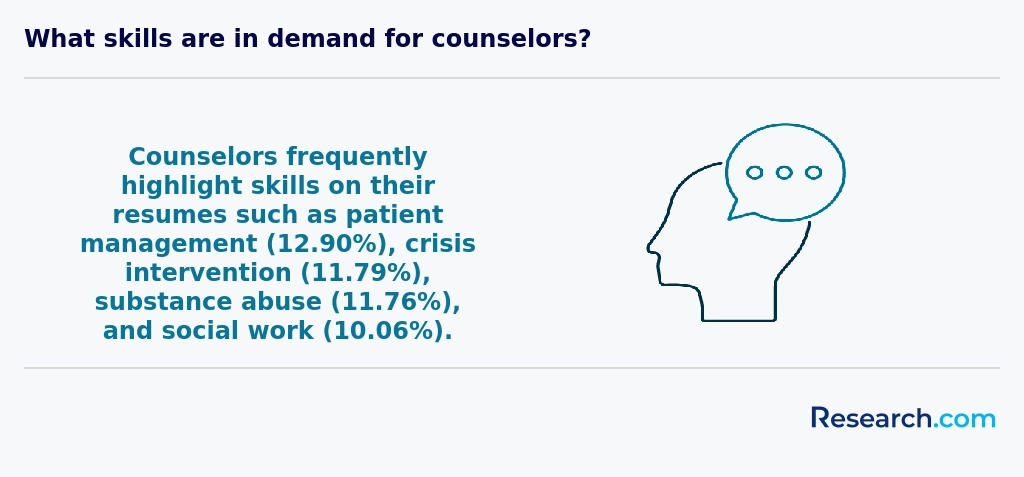
Employers in Montana seeking counseling degree graduates emphasize strong communication skills as essential. Effective listening and the ability to build trust with clients are fundamental in diverse settings such as schools, clinics, and community programs.
Graduates must also demonstrate cultural competence, reflecting Montana's growing diversity. According to the Montana Board of Behavioral Health, practitioners who understand regional demographics and Indigenous mental health needs are highly valued.
Problem-solving and critical thinking skills are critical, enabling counselors to develop tailored treatment plans. Additionally, ethical judgment and knowledge of state counseling laws ensure compliance and professional standards.
Familiarity with evidence-based therapies and technology use, including telehealth, is increasingly important due to Montana's vast rural areas. These skills collectively enhance employability across the state's healthcare landscape.
Finding internships in Montana related to counseling degrees involves leveraging multiple resources within the state's educational and healthcare networks. Many counseling programs in Montana require supervised internship hours as part of degree completion. Students should start by contacting their university's career services or counseling department for partnerships with local mental health clinics, hospitals, and community organizations.
Montana's Department of Labor and Industry often posts internship opportunities in behavioral health. Additionally, organizations such as the Montana Mental Health Counselors Association provide networking opportunities that can lead to internships. According to the Bureau of Labor Statistics, counseling jobs in Montana grew 5% from 2019 to 2029, increasing internship chances.
Students may also consider state government sites like Montana's Department of Public Health and Human Services, which offers internships in various mental health programs. Early application and professional communication are key to securing competitive internships in this field.
Obtaining a counseling degree in Montana significantly enhances career mobility and advancement opportunities within the mental health field. According to the Montana Department of Labor & Industry, individuals with a Master's degree in counseling or related fields tend to qualify for licensure as Licensed Professional Counselors (LPC), a credential often required for clinical roles. This licensure expands job options beyond entry-level positions to include private practice, school counseling, and substance abuse treatment.
Counseling degrees also meet criteria for supervisory roles, increasing earning potential. Montana's projected 12% growth in mental health counseling jobs through 2030, per the U.S. Bureau of Labor Statistics, favors degree holders who are licensed and specialized. Employers prioritize formal education combined with practical experience for advancement.
Studying for a counseling degree in Montana equips students with skills necessary for interdisciplinary roles by integrating training from psychology, social work, and healthcare fields. Montana's counseling programs emphasize collaboration with professionals in education, healthcare, and community services. This approach reflects the state's need for counselors who can navigate diverse systems to support individuals effectively.
Montana's universities often partner with local agencies to provide field experiences involving teams of educators, medical staff, and social workers. According to the Montana Board of Behavioral Health, such exposure increases graduates' ability to work in complex real-world settings.
Students also learn to apply culturally sensitive methods, addressing rural community needs and diverse populations, which enhances their interdisciplinary competence.
Choosing between a thesis and a non-thesis counseling degree in Montana primarily depends on your career goals and learning preferences. A thesis program typically involves conducting original research, which suits students aiming for research roles or doctoral studies. Non-thesis options focus more on practical skills and coursework, ideal for those seeking immediate clinical work.
Montana's counseling programs often align with state licensure requirements, emphasizing practical training for Licensed Professional Counselors (LPC). According to the Montana Board of Behavioral Health, over 60% of applicants prefer non-thesis paths due to their direct applicability in clinical settings.
Consider your long-term plans, time commitment, and interest in research when deciding between the two options.
Students based in Montana who wish to study counseling abroad have several pathways to consider. Many Montana institutions partner with foreign universities to offer exchange programs or dual degrees, allowing students to gain international experience while meeting U.S. accreditation standards. According to the Council for Accreditation of Counseling and Related Educational Programs (CACREP), ensuring the foreign program aligns with CACREP standards is vital for licensure back in Montana.
Montana students can explore graduate programs in countries like Canada or the United Kingdom, where counseling education is well-established. However, it's important to verify that course credits transfer and that clinical hours meet Montana Board of Behavioral Health standards.
The Montana Office of Commissioner of Securities and Insurance recommends contacting licensing boards early when planning to study abroad, as additional exams or supervised hours may be required for licensure recognition upon return.
Part-time job opportunities in Montana can effectively complement counseling degree education by providing practical experience and enhancing essential skills. Common roles include mental health technician, case manager assistant, and residential counselor. These positions allow students to engage directly with clients under supervision, which is critical for meeting licensure requirements like the LPC (Licensed Professional Counselor).
Montana's Department of Labor highlights demand in behavioral health support roles, particularly in rural areas where access to counseling services is limited. Working in such settings helps students understand diverse populations and challenges.
Additionally, positions in school counseling support or crisis intervention teams offer hands-on exposure relevant to counseling careers. These experiences not only bolster resumes but also build a professional network within Montana's health services sector.
Networking opportunities for counseling students in Montana are supported by various professional organizations and university resources. The Montana Mental Health Counselors Association (MMHCA) is a key network, offering conferences, workshops, and events that connect students with licensed professionals in the field.
Many Montana universities with counseling programs, such as the University of Montana and Montana State University, provide career services and alumni events where students can engage with experts and potential employers. These institutions often collaborate with local clinics and community agencies, providing internships and practicum placements essential for building professional relationships.
According to the Montana Board of Behavioral Health, students who participate in these networks typically have higher licensure exam pass rates and employment outcomes.
Alumni networks play a crucial role for counseling degree students in Montana by offering valuable professional connections. Graduates often stay involved, providing mentorship and sharing job opportunities, which can be vital in the state's competitive mental health field. According to the Montana Board of Behavioral Health, networking can enhance employment chances as local agencies prefer candidates vetted through trusted contacts.
These networks also facilitate access to continuing education events and workshops, helping students meet licensing requirements set by Montana's Counselor Licensing Board. Additionally, alumni can guide students through the unique challenges of rural counseling, a significant aspect given Montana's large rural population.
Customizing a counseling degree program in Montana allows students to align their education with specific career goals. Many Montana institutions offer specializations such as clinical mental health, school counseling, or marriage and family therapy. Students can select electives and practicum placements that support their desired field. For instance, tailoring coursework toward rural mental health counseling can be beneficial in Montana's less urban areas. Additionally, internships often take place in local clinics or schools, increasing hands-on experience relevant to the state's communities. According to the Montana Office of Public Instruction, focusing on school counseling prepares graduates for state licensure requirements. This flexibility enhances career readiness within Montana's counseling job market.
Counseling students in Montana often face several notable challenges during their education. One key issue is the limited availability of specialized programs within the state, which may require students to travel or complete significant portions online. According to the Montana University System, rural populations can lead to fewer local internship placements, creating barriers to gaining hands-on experience.
Financial strain is another common challenge. Although Montana offers some financial aid options, counseling programs typically require substantial time investments, impacting students who balance work and study. The Montana Department of Labor reports modest median wages for entry-level counselors, which can affect loan repayment prospects.
Additionally, students must navigate strict licensing requirements set by the Montana Board of Behavioral Health, which demand extensive supervised hours and examinations. This can prolong the path to full professional status, requiring careful planning.
With a counseling degree in Montana, graduates can pursue several professional certifications to advance their careers. One common credential is the Licensed Clinical Professional Counselor (LCPC), which allows for private practice and requires passing the National Counselor Examination as well as completing supervised clinical hours.
Another valuable certification is the Licensed Addiction Counselor (LAC), reflecting Montana's focus on substance abuse treatment. This credential involves specialized coursework and field experience in addiction counseling. According to the Montana Board of Behavioral Health, both credentials enhance employment opportunities and earning potential.
Additionally, some counselors may seek certifications in school counseling or marriage and family therapy, depending on their focus. These certifications often require state-approved graduate programs and rigorous exams, ensuring counselors meet professional standards in Montana's mental health system.
Writing a successful application for a counseling program in Montana begins with clear, focused preparation. Most programs value candidates who demonstrate strong interpersonal skills and a genuine commitment to helping others. Highlight relevant volunteer or work experience, particularly in mental health or community support roles.
Montana counseling programs typically require a personal statement describing your motivation and goals. Use this opportunity to explain why you want to study counseling in Montana and how you plan to impact local communities.
Ensure your academic records meet the program's required GPA, often around 3.0. Some schools may ask for letters of recommendation from professionals familiar with your character and work ethic.
Additionally, researching specific program prerequisites and tailoring your application accordingly can improve your chances. The Montana Board of Behavioral Health website offers valuable guidelines on licensing requirements and program standards.
The counseling profession in Montana reflects trends seen across the United States, with a growing emphasis on mental health and well-being. Globally, counseling is recognized as a critical support service, but in the U.S., licensure requirements and educational standards are particularly rigorous. Montana follows national standards set by organizations such as the Council for Accreditation of Counseling and Related Educational Programs (CACREP).
Worldwide, counseling careers are valued for improving community health and addressing diverse client needs. However, the U.S. offers relatively high earning potential and job growth, with Montana's employment of mental health counselors expected to increase by 15% through 2030 (Bureau of Labor Statistics, 2023).
This growth is driven by rising awareness of mental health issues and increased funding for behavioral health services. Montana's focus on rural mental health expands opportunities for counselors trained to meet unique regional challenges. Prospective students should consider these global and local dynamics when choosing a counseling degree program.
Gaining practical experience is essential for counseling students in Montana to meet licensure requirements and build professional skills. Many Montana universities offering counseling degrees incorporate supervised practicum and internship components within their programs. These placements typically require a minimum of 100 to 600 hours, depending on the program and degree level. Students often complete internships in local mental health clinics, schools, and community organizations. The Montana Board of Behavioral Health requires at least 2,000 hours of supervised post-graduate experience for licensure as a professional counselor, emphasizing early practical training. Connecting with statewide counseling associations can also help students find opportunities for hands-on learning.
Choosing the right concentration within a counseling degree program in Montana depends on your career goals and interests. Montana offers various concentrations such as clinical mental health, school counseling, and marriage and family therapy, accredited by CACREP or COA. Understanding state licensure requirements is essential; for example, clinical mental health counselors must complete 3,000 supervised hours for LPC licensure in Montana.
Evaluate local workforce demand-Montana's Department of Labor projects a 12% growth in counseling jobs by 2030, with high demand in rural and school settings. Research each program's curriculum and practicum opportunities to ensure alignment with your career aims.
Related Counseling Rankings for Nearby States
- 2027 Most Affordable Counseling Degree Programs Ranking in Minnesota
- 2027 Most Affordable Counseling Degree Programs Ranking in California
- 2027 Most Affordable Counseling Degree Programs Ranking in Arizona
- 2027 Most Affordable Counseling Degree Programs Ranking in Oklahoma
- 2027 Most Affordable Counseling Degree Programs Ranking in Illinois
- 2027 Most Affordable Counseling Degree Programs Ranking in Missouri
- 2027 Most Affordable Counseling Degree Programs Ranking in Michigan
- 2027 Most Affordable Counseling Degree Programs Ranking in Indiana
- 2027 Most Affordable Counseling Degree Programs Ranking in Texas
- 2027 Most Affordable Counseling Degree Programs Ranking in Alabama
Top Trending Counseling Rankings
See What Experts Have To Say About Studying Counseling
Read our interview with Counseling experts

Meredith A. Rausch
Counseling Expert
Associate Professor
University of Alabama

References
- Paid Clinical Internship https://www.pathwaysmhs.org/internship-program.html
- How to Become a Licensed Counselor (LCPC) in Montana https://onlinecounselingprograms.com/become-a-counselor/counseling-licensure/how-to-become-a-counselor-in-montana/
- Interdisciplinary Training: Preparing Counselors for Collaborative Practice https://nexusipe.org/informing/resource-center/interdisciplinary-training-preparing-counselors-collaborative-practice
- Creating Your Niche In Counseling Private Practice https://practiceoftherapy.com/creating-niche-counseling-private-practice/
- Academic Advising & Career Pathfinding for Students https://mindful-career.com/student-career-guidance
- Mental Health challenges that counselors and therapists ... http://resonsindiyo.com/mental-health-challenges-that-counselors-and-therapists-experience-due-to-the-nature-of-their-profession/
- Know more about thesis vs non- thesis: what is the difference? https://studyfans.com/en/blogs/816
- How Can a Graduate Degree Advance Your Career in Counseling? https://paloaltou.edu/resources/blog/how-can-graduate-degree-advance-your-career-counseling
- Interdisciplinary Training: Preparing Counselors for Collaborative Practice - The Professional Counselor https://tpcjournal.nbcc.org/interdisciplinary-training-preparing-counselors-for-collaborative-practice/
- How to Choose a Niche in Private Practice (and Why It ... https://www.coastlinecounselingassociation.com/blog/how-to-choose-a-niche-in-private-practice-and-why-it-matters