
2027 Most Popular Counseling Degree Programs Ranking in Nebraska

Co-Founder and Chief Data Scientist
Choosing the right counseling degree program can shape your future career and personal growth. Our article presents the 2027 Most Popular Counseling Degree Programs Ranking in Nebraska, developed by the Research.com team of data scientists. This ranking offers clear insights to help you confidently explore the best options available in your state.
Whether you're starting your educational journey or considering a change, understanding these programs supports informed decisions. Pursuing a counseling degree opens doors to meaningful work, making a real difference in people's lives.
Discover programs that match your goals and feel inspired to take the next step.
Key benefits of getting counseling degree in Nebraska
- Counseling degree graduates in Nebraska can expect competitive salaries, such as Addiction Counselors earning around $60,080 annually and Community Outreach Coordinators making about $54,020, providing financial stability and career satisfaction.
- Graduates from universities like the University of Nebraska have diverse career paths, including roles as Family Support Workers or Rehabilitation Specialists, offering meaningful opportunities to support individuals and communities.
- Online counseling degrees from institutions such as the University of Nebraska Online offer flexibility and convenience, allowing students to balance work and study effectively while advancing their careers.
- Key benefits of getting counseling degree in Nebraska
- What can I expect from counseling degree in Nebraska?
- Where can I work with counseling degree in Nebraska?
- How much can I make with counseling degree in Nebraska?
- 2027 Most Popular Counseling Degree Programs Ranking in Nebraska
- Key Findings
- How long does it take to complete counseling degree in Nebraska?
- Licensure and Certification Requirements in Nebraska
- What's the difference between online and on-campus counseling degree?
- Licensure Requirements in Nebraska
- What is the average cost of counseling degree in Nebraska?
- Affordability and Financial Considerations for Counseling Degree Programs in Nebraska
- What financial aid is available to counseling degree students in Nebraska?
- Licensure and Certification Requirements in Nebraska
- What are the prerequisites for enrolling in counseling degree program in Nebraska?
- Licensure and Certification Requirements in Nebraska
- What courses are typically in counseling degree programs in Nebraska?
- What types of specializations are available in counseling degree programs in Nebraska?
- How do you choose the best counseling degree in Nebraska?
- What career paths are available for counseling degree students in Nebraska?
- What is the job market for counseling degree in Nebraska?
- Related Counseling Rankings for Nearby States
- Top Trending Counseling Rankings
- See What Experts Have To Say About Studying Counseling
What can I expect from counseling degree in Nebraska?
Students pursuing counseling degrees in Nebraska often find that tuition costs remain quite reasonable, especially when compared to national averages. Graduates from the University of Nebraska and Creighton University recall how in-state tuition rates significantly eased their financial burdens, allowing them to focus on mastering counseling theories and securing clinical hours rather than stressing over finances.
Many institutions offer competitive pricing with additional financial aid and scholarships targeted to counseling or social service students, which graduates frequently describe as a welcome relief. One shared experience involves balancing part-time work with studies, made possible by such aid, turning a potentially stressful period into one marked by hope and growth.
These financial factors combine with comprehensive education and practical training, making counseling programs in Nebraska both accessible and rewarding. The emphasis on in-state tuition discounts and targeted scholarships reflects the state's commitment to nurturing future mental health professionals in a sustainable way.
Where can I work with counseling degree in Nebraska?
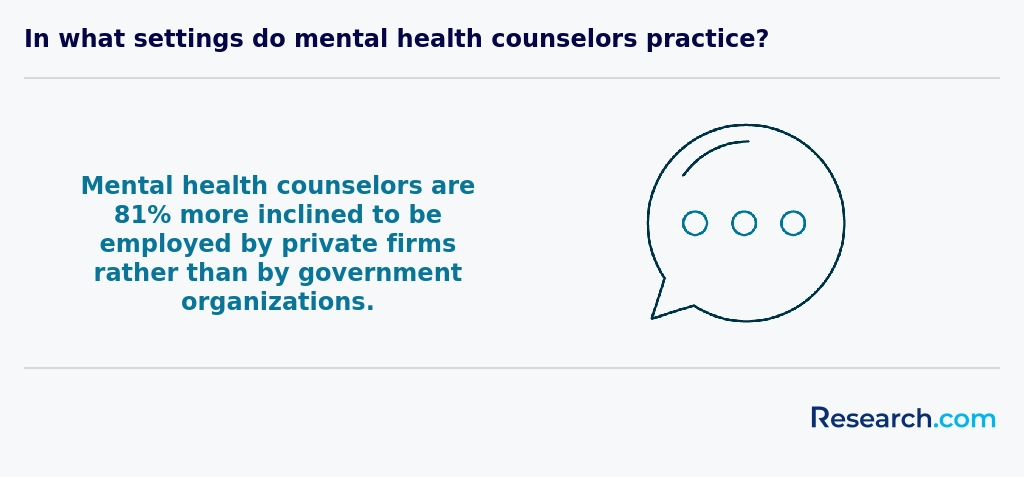
Graduates from counseling programs at Nebraska institutions like the University of Nebraska Omaha often find themselves drawn to varied and rewarding career paths. Many begin their professional journeys in mental health clinics or hospitals, where they provide essential support to individuals coping with behavioral and substance abuse challenges. One graduate reflected on the meaningful impact they had while working in community health centers, emphasizing how Nebraska's growing demand for counselors in these settings opens doors for compassionate service.
Others channel their skills into school counseling roles across public and private K-12 schools, supported by Nebraska's Department of Education training requirements. These counselors often share stories of helping students navigate academic pressures and personal growth-experiences that deeply satisfy their desire to make a positive difference.
Licensure brings opportunities in private practice, where counselors in Nebraska feel fulfillment in tailoring therapies for individuals and families. Graduates also report rewarding careers within social service organizations and government agencies like DHHS, where crisis intervention and case management become daily acts of care and resilience.
Knowing these paths helps prospective students envision how a counseling degree from Nebraska not only offers professional stability but also meaningful human connection and growth.
How much can I make with counseling degree in Nebraska?
Graduates holding counseling degrees in Nebraska often find promising earning opportunities, grounded in practical experience and local demand. For example, those entering roles like Addiction Counselors can expect mean annual wages around $60,080, reflecting steady growth as they develop their skills. Rehabilitation Specialists report average earnings near $48,430, while Community Outreach Coordinators and Family Support Workers both earn close to $54,020 annually. These figures align well with the career trajectories seen by alumni of respected Nebraska institutions such as the University of Nebraska-Lincoln and Creighton University.
Many graduates share how gaining state licensure and focusing on specialized fields can lead to higher pay and greater satisfaction. For instance, a recent graduate working in Omaha describes feeling encouraged by the city's slightly higher salaries, typically edging close to $55,000, compared to more rural areas. This boost supports their commitment to ongoing education and group therapy facilitation, which further enhances income potential.
Ultimately, Nebraska's counseling graduates are well-positioned to grow both financially and professionally, with pathways that often extend into leadership or administrative roles. Embracing these opportunities fosters a rewarding career where passion and stability intersect.
2027 Most Popular Counseling Degree Programs Ranking in Nebraska
How do we rank schools?
Investing in your education is a significant decision that can shape your future, and the Research.com team understands the importance of making informed choices. To assist prospective students in Nebraska, we have meticulously created the "2027 Most Popular Counseling Degree Programs Ranking in Nebraska." Our commitment to quality, credibility, and accuracy is reflected in the extensive research and analysis conducted to compile this ranking.
We utilized the following reputable data sources to ensure a comprehensive evaluation of counseling programs:
By exploring this ranking, readers will gain valuable insights into the most popular counseling degree programs in Nebraska, helping them make informed decisions about their educational paths. For more details on our methodology, please visit our Research.com methodology page.


# 8 position
Wayne State College
Bachelor of Science in Counseling

# 9 position
Wayne State College
Master of Arts in Counseling
# 10 position
University of Nebraska Medical Center
Master of Science in Counseling Psychology

Key Findings
- Master's degree tuition for counseling in Nebraska ranges from $20,000 to $35,000 at public universities, with private schools often charging over $40,000.
- Employment for mental health counselors in Nebraska is expected to grow by about 15% over the next decade, higher than the national average.
- Starting salaries for counselors in Nebraska are around $40,000, with experienced professionals earning between $55,000 and $65,000 annually.
- Licensure requires a master's degree from an accredited program, at least 3,000 hours of supervised clinical experience, and passing a national counselor exam.
- Many Nebraska programs are accredited by CACREP, ensuring training meets national quality standards important for licensure and job prospects.
How long does it take to complete counseling degree in Nebraska?
Completing a counseling degree in Nebraska often takes dedicated time, especially for those aiming for licensure. Graduates from well-known institutions like the University of Nebraska-Lincoln commonly spend about two to three years in full-time master's programs. These years are filled with both rigorous coursework and valuable field experiences, preparing students to meet Nebraska's professional standards.
Many recall balancing classroom learning with supervised internships, a prerequisite that ensures real-world readiness. The Nebraska Department of Health and Human Services requires an additional 3,000 hours of supervised experience after graduation for licensure as a Licensed Mental Health Practitioner, so the journey extends beyond just classroom time.
For students pursuing bachelor's degrees at colleges such as Creighton University, the four years provide foundational knowledge but not licensure eligibility. Doctoral candidates at Nebraska's universities often spend four to seven years refining clinical expertise and research skills, an investment that opens advanced career paths.
Part-time and evening programs, popular among working students, naturally stretch these timelines but offer flexibility that many appreciate. The sense of accomplishment at each phase reflects the rewarding commitment counseling demands here.
Licensure and Certification Requirements in Nebraska
Becoming a licensed professional counselor (LPC) in Nebraska involves meeting education, supervision, and exam standards:
- Graduate from a CACREP-accredited master’s program in counseling or a closely related field.
- Accumulate at least 3,000 hours of supervised clinical experience under an LPC supervisor.
- Pass the National Counselor Examination (NCE) and the Nebraska jurisprudence exam administered by the Board.
- Submit an LPC application, fingerprinting, and background check to the Nebraska Board of Mental Health Practice.
- Renew your license every two years and complete 40 continuing education units (CEUs).
Those interested in specializing as marriage and family therapists can explore online marriage and family therapy programs.
What's the difference between online and on-campus counseling degree?
Graduates from the University of Nebraska often reflect on the vibrant, face-to-face experience on campus, where engaging directly with professors and peers creates a strong sense of community. Students appreciate attending counseling labs and joining study groups, which deepen their understanding and build lasting connections. This immersive environment supports hands-on learning, especially during practicum placements coordinated through local agencies in Nebraska.
On the other hand, students who pursued their counseling degree online through the Nebraska State College System describe the flexibility as invaluable. Being able to balance work, family, and studies without daily commuting has brought peace of mind and better focus. They highlight the convenience of video lectures and online discussions, although they emphasize the need to proactively arrange local internships for clinical experience, a critical requirement for licensure in Nebraska.
Cost considerations also differ. While some online programs match on-campus tuition, online students often save on housing and transportation, offering practical relief. Both paths demand dedication but offer unique benefits that align well with diverse lifestyles and learning preferences in Nebraska.
Licensure Requirements in Nebraska
To practice as a Licensed Professional Counselor (LPC) in Nebraska, graduates must meet state board criteria and maintain compliance through ongoing education.
- Earn a CACREP-accredited master’s degree in counseling or a closely related field
- Complete a minimum of 3,000 hours of supervised clinical experience under a board-approved supervisor
- Pass the National Counselor Examination (NCE) and the Nebraska Jurisprudence Exam
- Submit application, official transcripts, supervisor evaluations, and fees to the Nebraska Department of Health and Human Services
- Fulfill 40 hours of continuing education every two years for license renewal
Be sure your program’s curriculum and practicum placements align with these requirements. For those pursuing marriage and family therapy, consider affordable online mft programs that meet Nebraska’s licensure standards.
What is the average cost of counseling degree in Nebraska?
The average cost of a counseling degree in Nebraska varies notably depending on residency status and type of institution. In-state students can expect a median total expense around $8,700, reflecting the benefits of attending public universities such as the University of Nebraska-Lincoln. Graduates from these programs often share how the manageable tuition fees helped them focus deeply on their studies and clinical experiences without excessive financial stress.
Out-of-state students face higher costs, roughly $27,575 on average, which aligns with tuition fees at private institutions like Creighton University. While the price tag may seem daunting, many counseling graduates recall that the comprehensive training and networking opportunities in Nebraska's well-regarded programs justified the investment. They emphasize that carefully balancing tuition with available scholarships and assistantships is key.
Students exploring the average counseling degree cost in Nebraska should also consider extra costs such as books, materials, and clinical placement fees, which add to the overall expenditure but are essential for hands-on learning. Some graduates find financial relief through institutions offering support or recommend checking out options like MSW online no GRE affordable programs to better fit their budget while pursuing counseling credentials.

Affordability and Financial Considerations for Counseling Degree Programs in Nebraska
When considering a counseling degree program in Nebraska, it's essential to think about the affordability and financial implications of your decision. The cost of tuition, fees, and other expenses can vary significantly between institutions, and understanding these costs is crucial for making an informed decision. For those looking for affordable options, exploring programs like the cheapest counseling schools in Nebraska can be a practical step. Many institutions offer financial aid, scholarships, and grants to help offset the costs, making it more accessible for students to pursue their educational goals in counseling. Additionally, some programs may offer assistance with internship placements, licensure preparation, and job placement services, which can further enhance the overall value of the program. By carefully evaluating the financial aspects and available support services, prospective students can choose a counseling degree program in Nebraska that not only aligns with their academic and career aspirations but also fits within their budget, setting them up for success in their future endeavors.
What financial aid is available to counseling degree students in Nebraska?
Students pursuing counseling degrees in Nebraska often find a reassuring network of financial aid options that ease the burden of tuition and living costs. Federal aid, including Pell Grants and Direct Subsidized Loans, frequently stands as an essential foundation, with many students sharing how completing the FAFSA was their first step toward financial clarity and relief. Graduates from the University of Nebraska recall that Pell Grants made it possible to focus more on their studies instead of relentless worries about expenses.
State-level support also plays a vital role. Programs like the Nebraska Opportunity Grant have empowered low-income counseling students to continue their education without disruption. Graduates from Creighton University note that institutional scholarships and assistantships tailored specifically for counseling specializations, such as mental health or school counseling, significantly offset tuition, allowing them to gain professional experience while earning their degrees.
Work-study and graduate assistantships offer more than financial help; they provide meaningful engagement with teaching or research roles, creating a sense of purpose and confidence. Those who stayed in Nebraska to serve through public service loan forgiveness programs express gratitude, knowing their dedication leads to debt relief and long-term stability.
Licensure and Certification Requirements in Nebraska
In Nebraska, obtaining a counseling license is essential to practice as a professional counselor. The primary credential is the Licensed Professional Counselor (LPC) license, overseen by the Nebraska Department of Health and Human Services (DHHS). To qualify, applicants must: • Hold a master’s degree in counseling or a closely related field from a regionally accredited institution, typically with CACREP accreditation. • Complete at least 2,000 hours of supervised clinical experience-including a minimum of 100 hours of direct supervision-under an LPC supervisor. • Pass the National Counselor Examination (NCE) administered by the National Board for Certified Counselors (NBCC). After meeting these requirements, candidates apply for a provisional LPC license. Upon verification of completed supervised hours and exam results, the provisional status is lifted and the full LPC license is granted. License renewal occurs biennially and requires 40 hours of continuing education (CE), including 3 hours in ethics. For aspiring counselors seeking cost-effective programs that support licensure preparation, our Affordable Counseling Degree Programs Ranking in Baltimore, MD offers insights into schools that balance rigorous curriculum with affordability. Understanding these certification steps early can streamline your path from graduation to professional practice in Nebraska.
What are the prerequisites for enrolling in counseling degree program in Nebraska?
Enrolling in a counseling degree program in Nebraska starts with holding a bachelor's degree from an accredited college, often favored if it's in psychology, social work, or a related field. For example, graduates from the University of Nebraska-Lincoln often reflect on how their undergraduate studies laid the essential groundwork for their graduate success.
Applicants generally need to submit transcripts showing a minimum GPA between 2.5 and 3.0, which signals the ability to meet the academic demands of programs like those at Creighton University. This academic standard builds confidence for tackling challenging counseling coursework.
Although some schools still ask for GRE scores, others have moved away from this requirement, embracing a holistic review process. Personal experiences from alumni highlight how their volunteer work in mental health settings greatly strengthened their applications, showing genuine commitment beyond grades.
International students must demonstrate English proficiency through tests like TOEFL, ensuring they can communicate effectively in diverse counseling environments.
A heartfelt personal statement describing motivation and career goals is often the defining piece that gives admissions committees insight into the applicant's passion and readiness for this meaningful career path.

Licensure and Certification Requirements in Nebraska
Pursuing a counseling career in Nebraska culminates in obtaining state licensure, a vital step that confirms your expertise and qualifies you to practice independently. To become a Licensed Professional Counselor (LPC) in Nebraska, candidates must first complete a CACREP-accredited master’s degree or its equivalent, which typically includes at least 60 semester hours in counseling theory, assessment, ethics, and supervised practicum experiences. After graduation, applicants are required to accrue a minimum of 3,000 hours of supervised clinical experience over no fewer than 24 months, with at least 1,500 hours in direct client contact. Once supervised hours are complete, candidates must pass the National Counselor Examination (NCE) or the National Clinical Mental Health Counseling Examination (NCMHCE) administered by the National Board for Certified Counselors (NBCC). Successfully passing one of these exams demonstrates competency in core counseling domains, from human growth and development to group and individual counseling techniques. After exam passage, applicants submit documentation to the Nebraska Department of Regulation and Licensure, including official transcripts, supervision logs, and exam scores. Continuing education is also a critical component of maintaining LPC status. Nebraska requires 40 hours of approved continuing education every two years, covering ethics, diversity, and clinical best practices. These credits ensure counselors stay current with emerging research and methodologies, thereby enhancing the quality of care for their clients. Many professionals attend state conferences, workshops, and online courses offered by recognized organizations like the American Counseling Association (ACA) or local universities. For counselors interested in addressing addiction and substance use disorders, exploring specialization pathways can deepen both skills and career prospects. If you’re weighing your next steps, consider researching what can i do with substance abuse counseling degree to understand how specialized certification enhances your licensure profile and opens roles in rehabilitation centers, community outreach, and private practice.
What courses are typically in counseling degree programs in Nebraska?
Counseling degree programs in Nebraska immerse students in a thoughtfully structured curriculum that balances theory and practice. Graduates from popular universities, like the University of Nebraska-Lincoln or Nebraska Wesleyan University, often reflect on how foundational courses such as cognitive-behavioral and psychodynamic theories provided them with a clear lens to understand client struggles deeply. These theories aren't abstract concepts; instead, they become practical tools, enabling students to approach real client scenarios with confidence and empathy.
The courses on human development stand out as particularly meaningful. Many graduates recall learning how emotional and social growth differ between children and adults, which shaped their ability to tailor counseling approaches effectively when working in schools or community centers across Nebraska.
Ethics and professional standards coursework is consistently highlighted by students as eye-opening. Understanding the Nebraska Board of Behavioral Health's regulations and preparing for exams like the NCE gave them both reassurance and readiness to uphold their responsibility to diverse clients.
Hands-on practicum experiences, often at mental health clinics or local agencies near colleges such as Creighton University, vividly transform theory into practice. These moments sparked enthusiasm and genuine connection, reinforcing why they chose counseling as a career.
What types of specializations are available in counseling degree programs in Nebraska?
In Nebraska, students pursuing counseling degrees often explore various specializations that tailor their training to specific client needs and professional contexts. Graduates from universities like the University of Nebraska and Creighton University commonly share how specializing in Mental Health Counseling equips them to support individuals facing complex emotional challenges, drawing on techniques learned through immersive coursework and clinical practice.
Many find fulfillment in School Counseling, where they are prepared to contribute positively within educational settings, guiding children and adolescents through academic and personal growth phases. Others choose Substance Abuse Counseling, inspired by personal stories of recovery, to make a meaningful impact on those battling addiction.
The diversity of types of counseling programs Nebraska offers also includes Marriage and Family Therapy, allowing graduates to address relational dynamics with empathy and insight. Rehabilitation Counseling stands out for those passionate about aiding individuals with disabilities to achieve independence, a rewarding pursuit highlighted by multiple counseling degree specializations Nebraska students appreciate deeply.
Additionally, those considering counseling degrees often investigate related fields, finding that connecting with topics like criminal psychology degree benefits can complement their career aspirations, broadening their understanding of behavior and support strategies.
How do you choose the best counseling degree in Nebraska?
Choosing the best counseling degree in Nebraska often starts with evaluating programs that balance quality and affordability. Graduates from well-known universities like the University of Nebraska-Lincoln often share how CACREP accreditation gave them confidence that their education met high standards, which also helped ease licensing later. Many students find that selecting a specialization-whether clinical mental health, school counseling, or marriage and family therapy-makes their training feel purposeful and aligned with their career path.
Reflecting on the experiences of those pursuing affordable counseling degrees Nebraska offers, cost isn't just tuition. Graduates recall budgeting for fees, materials, and living expenses while seeking scholarships and assistantships that made a real difference. Practical training is another key factor; hands-on practicum placements in local schools or hospitals provide rich learning and often lead to jobs. For many, programs at Creighton University stand out for blending flexible scheduling with in-person clinical experiences, helping working adults manage studies and real life.
Thinking ahead about Nebraska's licensing board requirements ensures your education prepares you fully. When weighing options, it's also valuable to explore resources like the counseling job requirements to understand what comes after graduation and to keep your goals clear and achievable.

What career paths are available for counseling degree students in Nebraska?
Graduates of counseling programs in Nebraska find diverse counseling careers in Nebraska that allow them to make meaningful impacts on individuals and communities. Many start as Licensed Mental Health Practitioners or Licensed Professional Counselors, roles that demand a master's degree and supervised clinical hours, typically offered by universities like the University of Nebraska-Lincoln. These graduates often describe the satisfaction of guiding clients through mental health challenges with empathy and professional skill.
Others pursue school counseling, helping students thrive academically and socially. Those trained at institutions such as Creighton University appreciate how their education prepares them to support youth in real classrooms, influencing futures positively. The practical certification requirements ensure counselors are ready to meet local standards.
For counseling graduates seeking to specialize, Nebraska's growing need for Licensed Alcohol and Drug Counselors presents a vital path, while roles like Marriage and Family Therapist and rehabilitation counselor offer rewarding ways to support families and individuals. Many find themselves drawn to community mental health services, appreciating the chance to serve under-resourced populations with compassion.
Exploring related fields can also enrich career prospects; for example, some graduates expand their understanding by comparing top careers in industrial-organizational psychology, broadening their insight into human behavior and workplace well-being through resources like top careers in industrial-organizational psychology.

What is the job market for counseling degree in Nebraska?
The job market for counseling degree graduates in Nebraska remains promising, with a steady increase in demand reflective of broader national trends. Many graduates from prominent Nebraska universities find rewarding positions as licensed professional counselors, especially in metropolitan areas like Omaha and Lincoln where services are expanding. However, those willing to work in rural communities often discover even greater opportunities due to persistent shortages in mental health professionals. This dynamic creates a balanced landscape for career growth across different settings.
Career opportunities for counseling graduates in Nebraska are shaped significantly by the state's need for licensed practitioners in schools, healthcare, and community programs. Graduates share how completing their programs in Nebraska's public institutions helped manage tuition costs while gaining practical experience. Additionally, many benefit from scholarships available specifically for mental health professions, mitigating financial concerns. For those exploring further education, it helps to investigate related fields such as clinical psychology education, which complements counseling skills and broadens career options.
Frequently Asked Questions About counseling
Counseling degree students in Nebraska can maximize their learning experience by engaging actively in both academic and practical opportunities. Nebraska offers accredited programs that emphasize supervised clinical practice, which is essential for developing real-world skills. Students should seek internships and practicum experiences approved by the Nebraska Department of Health and Human Services to meet licensure requirements.
Joining professional organizations such as the Nebraska Counseling Association can provide networking, mentorship, and continuing education resources. Utilizing campus counseling centers and community partnerships enhances exposure to diverse populations. According to the Nebraska Workforce Development Labor Market Information, demand for mental health counselors is growing, so gaining hands-on experience increases job readiness.
Emerging niches within the counseling field reflect changing societal needs and growing awareness of mental health. In Nebraska, specialized areas such as trauma-informed counseling and substance abuse treatment are gaining traction. According to the Nebraska Department of Health and Human Services, the demand for counselors skilled in trauma recovery has increased by over 15% in recent years.
Another growing niche is school counseling, driven by state initiatives aiming to improve student mental health services in public schools. The Nebraska Educational Directory reports a 12% rise in school counselor positions from 2018 to 2023.
Additionally, rehabilitation counseling for individuals with disabilities is expanding, partly due to Nebraska's aging population and increased focus on workforce reintegration.
After completing a counseling degree in Nebraska, preparing for the job market involves several key steps. First, obtaining licensure is essential; the state requires passing the National Counselor Examination and completing supervised hours, typically 3,000 post-master's, to become a Licensed Mental Health Practitioner (LMHP). According to the Nebraska Department of Health and Human Services, meeting these requirements is mandatory to practice legally.
Networking is also crucial. Joining professional organizations like the Nebraska Counseling Association can connect graduates to local job opportunities and mentorship. Additionally, gaining experience through internships or practicum placements during study enhances employability in hospitals, schools, or private practices.
Employers in Nebraska highly value counseling degree graduates who demonstrate strong communication skills. Effective verbal and written communication is essential for building trust with clients and collaborating with multidisciplinary teams. According to the Nebraska Department of Labor, interpersonal skills are among the top competencies sought in counseling professionals statewide.
Critical thinking and problem-solving abilities are important for assessing client needs and developing tailored treatment plans. Additionally, ethical judgment and cultural competence rank highly, given Nebraska's diverse population. Graduates who understand state-specific mental health regulations and confidentiality laws are preferred.
Finally, practical experience through internships or supervised clinical hours plays a significant role in employer preferences, reflecting national standards set by the Council for Accreditation of Counseling and Related Educational Programs (CACREP).
Finding internships in Nebraska for counseling degree students involves several practical steps. Many counseling programs in Nebraska require internships as part of the curriculum, offering direct experience in clinical settings. Students should start by consulting their academic advisors or career services offices, which often maintain updated lists of local internship opportunities.
In Nebraska, agencies such as the Department of Health and Human Services and community mental health centers provide internship placements. Networking through Nebraska Counseling Association events can also connect students with potential supervisors. The Nebraska Board of Behavioral Health Professionals sets specific internship hour requirements, ensuring students gain relevant supervised clinical experience. Utilizing university partnerships with hospitals and schools is another effective approach.
Obtaining a counseling degree in Nebraska significantly enhances career mobility and advancement opportunities. Nebraska's growing demand for mental health professionals, driven by organizations like the Nebraska Department of Health and Human Services, creates a favorable job market for degree holders. According to the U.S. Bureau of Labor Statistics (2023), counselors in Nebraska earn a median annual salary of approximately $52,000, with higher degrees leading to supervisory or specialized clinical roles.
The state requires a minimum of a master's degree in counseling for licensure as a Licensed Mental Health Practitioner (LMHP), which is essential for career progression. Graduates can advance into roles such as school counselors, substance abuse counselors, or clinical supervisors.
Additionally, Nebraska offers robust continuing education programs that support licensure maintenance and professional development, further increasing advancement potential. These factors collectively position a counseling degree as a critical step for those seeking sustained growth in Nebraska's mental health sector.
Studying for a counseling degree in Nebraska equips students with skills for interdisciplinary collaboration by integrating coursework from psychology, social work, and healthcare fields. Programs commonly emphasize teamwork with professionals such as educators, medical providers, and social service agents. This approach reflects Nebraska's increasing demand for counselors able to operate in diverse settings, including schools and community health centers, as reported by the Nebraska Department of Labor.
Students learn to assess client needs holistically, considering mental, physical, and social factors. With Nebraska's licensure requirements aligning with national standards, graduates are prepared to engage effectively in multidisciplinary teams. According to the Council for Accreditation of Counseling and Related Educational Programs (CACREP), Nebraska schools focus on ethical and cultural competence critical for interdisciplinary roles.
When choosing between a thesis and a non-thesis counseling degree program in Nebraska, consider your career goals and learning preferences. Thesis programs emphasize research skills and academic writing, which can be beneficial if you plan to pursue a PhD or work in research-focused roles. Non-thesis programs typically focus more on practical counseling skills and internships, preparing students directly for licensure and clinical practice.
In Nebraska, counseling licensure requires supervised hours and passing the National Counselor Examination, with no mandatory thesis requirement. According to the Nebraska Department of Education, most counseling master's graduates enter clinical roles quickly, favoring non-thesis tracks for their applied focus.
Review program details at Nebraska universities, and evaluate whether you prefer a research-intensive experience or a practice-oriented curriculum before deciding.
Students in Nebraska interested in studying counseling abroad have several options through U.S. universities' study abroad programs and international partnerships. While Nebraska itself has limited direct international campuses for counseling degrees, students can often participate in semester- or year-long exchanges that fulfill accreditation requirements. According to the Nebraska Department of Education, counseling degrees must meet specific licensure criteria, so students should ensure foreign programs align with U.S. standards. Many U.S. institutions offer counseling internships or research opportunities in collaboration with universities in Canada, the United Kingdom, or Australia, which are popular destinations for counseling studies.
Additionally, online international counseling programs increasingly allow Nebraska residents to combine global perspectives with local licensure eligibility. The Council for Accreditation of Counseling and Related Educational Programs (CACREP) maintains a list of recognized programs which can help verify quality. Considering Nebraska's growing need for mental health professionals-with the state projected to see a 16% job growth in counseling roles by 2030-exploring international education can provide valuable experience while meeting state requirements.
Part-time job opportunities in Nebraska that complement counseling degree education often include roles such as behavioral health technicians, case managers, and mental health aides. These positions provide practical experience working with diverse populations, which is valuable for counseling students.
Hospitals, community health centers, and social service agencies in Nebraska frequently offer such roles. According to the Nebraska Department of Labor, the demand for mental health support roles is expected to grow by 15% between 2020 and 2030, reflecting increasing service needs.
Additionally, tutoring or mentoring programs through schools or nonprofits can enhance communication and interpersonal skills essential in counseling careers.
Counseling students in Nebraska have multiple opportunities to build professional networks during their studies. Universities such as the University of Nebraska offer access to local chapters of national organizations like the American Counseling Association (ACA). These chapters host regular meetings, workshops, and conferences, enhancing peer and professional connections.
The Nebraska Counseling Association also serves as a key platform for networking by organizing annual events where students can meet licensed professionals, supervisors, and potential employers. According to data from the Nebraska Department of Labor, actively networking increases students' chances of securing internships and job placements in the state's growing counseling sector.
Additionally, internships and practicum placements in community centers and hospitals provide real-world networking opportunities that are crucial for licensure and employment.
Alumni networks offer valuable support to counseling degree students in Nebraska by providing access to experienced professionals who understand the local job market. Graduates often share internship opportunities and job leads tailored to Nebraska's mental health sector, which is projected to grow by 10% through 2030 according to the U.S. Bureau of Labor Statistics.
These networks also facilitate mentorship programs, helping students develop essential skills and navigate certification requirements specific to Nebraska, such as LPC licensure. Additionally, alumni connections encourage collaboration and continuing education, enhancing students' career readiness in a competitive field.
Customizing a counseling degree program in Nebraska involves selecting specializations aligned with your career goals. Many universities offer concentrations such as school counseling, mental health counseling, or marriage and family therapy. This allows you to focus on the population or setting you want to serve.
Often, coursework can be tailored by choosing electives that deepen knowledge in areas like trauma, substance abuse, or career counseling. Nebraska's licensure requirements, overseen by the Nebraska Department of Health and Human Services, also shape program choices, ensuring you meet the needed practicum hours and coursework.
Additionally, Nebraska schools may provide flexible learning options, including part-time or online formats, helpful for working professionals. Consult resources like the Nebraska Board of Mental Health Practitioners for updated program standards and licensing criteria.
Counseling students in Nebraska often face challenges related to balancing rigorous academic requirements with fieldwork. Practicum and internship placements can be difficult to secure, especially in rural areas where mental health resources and sites are limited. According to the Nebraska Department of Health and Human Services, about 23% of Nebraska's population lives in rural communities, which affects the availability of diverse clinical experiences.
Financial strain also impacts many students, as counseling programs may require additional costs for certification exams and licensing beyond tuition. Furthermore, mastering the ethical and multicultural competencies essential for effective counseling presents a significant learning curve.
Lastly, adapting to evolving state licensure requirements can be complex, as Nebraska continuously updates eligibility criteria for Licensed Mental Health Practitioners.
With a counseling degree in Nebraska, graduates can pursue several professional certifications to advance their careers. The most common credential is the Licensed Mental Health Practitioner (LMHP), which allows for independent practice after meeting education, supervised experience, and exam requirements set by the Nebraska Department of Health and Human Services. Additionally, counselors may seek the Licensed Alcohol and Drug Counselor (LADC) certification, responding to Nebraska's growing need for substance abuse treatment professionals.
The National Certified Counselor (NCC) credential, offered by the National Board for Certified Counselors (NBCC), is also popular and helps demonstrate professional competence nationwide. Certifications like Certified Clinical Trauma Professional (CCTP) offer further specialization opportunities. According to the Nebraska Workforce Trends report (2023), these certifications improve job prospects and earning potential in the state's mental health counseling field.
To write a winning application for a counseling program in Nebraska, start by clearly demonstrating your motivation and understanding of the counseling profession. Nebraska counseling programs often value applicants with strong academic records and relevant experience, such as volunteering or working in mental health settings.
Including a well-crafted personal statement is crucial. Highlight your goals, commitment to helping others, and why you chose Nebraska's program specifically. According to the Nebraska Department of Education, programs emphasize applicant qualities like empathy and communication skills.
Additionally, submit all required credentials, including transcripts and recommendation letters from professionals who can attest to your suitability for counseling.
The counseling profession in Nebraska reflects broader global trends in the growing demand for mental health services. According to the U.S. Bureau of Labor Statistics, the counseling field in the U.S. is expected to grow by 22% from 2020 to 2030, driven by increased awareness of mental health issues worldwide. Globally, counseling careers emphasize cultural competence and ethical practice, critical aspects also integrated into Nebraska's counseling programs.
Nebraska's universities offer training that prepares students to meet both local and international standards, which is important for those considering licenses or work abroad. The American Counseling Association highlights that counseling is recognized as a vital healthcare component across many countries, promoting cross-cultural understanding and collaboration.
Moreover, Nebraska's counseling graduates often benefit from a curriculum that includes exposure to global mental health challenges and evidence-based treatment models, preparing them for diverse professional environments. This aligns with the emphasis on holistic care seen in counseling professions worldwide.
Gaining practical experience while studying for a counseling degree in Nebraska is essential for licensure and career readiness. Many Nebraska universities incorporate supervised fieldwork or practicum hours as part of their counseling programs. For example, Nebraska state regulations require a minimum of 48 weeks of supervised clinical experience for Licensed Professional Counselors (LPCs), which students can begin accumulating during their studies.
Internships at hospitals, community mental health centers, and school counseling departments are common options. These placements provide real-world exposure to diverse client populations and therapeutic techniques.
The Nebraska Association for Counselors also offers resources and networking opportunities to connect students with approved clinical sites.
Choosing the right concentration within a counseling degree program in Nebraska depends on your career goals and the population you wish to serve. Nebraska offers concentrations such as school counseling, clinical mental health counseling, and rehabilitation counseling. The Nebraska Department of Education reports that school counselors remain in high demand, especially in rural districts.
Consider your interests and local workforce needs. For example, Nebraska's behavioral health workforce shortage highlights the importance of clinical mental health counseling. Reviewing licensure requirements from the Nebraska Department of Health and Human Services is essential, as different concentrations may lead to distinct credentialing paths.
Exploring programs accredited by CACREP can ensure quality education aligned with national standards. Connect with current students or professionals in Nebraska to understand practical experiences offered by each concentration.
Related Counseling Rankings for Nearby States
- 2027 Most Popular Counseling Degree Programs Ranking in Iowa
- 2027 Most Popular Counseling Degree Programs Ranking in Missouri
- 2027 Most Popular Counseling Degree Programs Ranking in Minnesota
- 2027 Most Popular Counseling Degree Programs Ranking in Oklahoma
- 2027 Most Popular Counseling Degree Programs Ranking in Illinois
- 2027 Most Popular Counseling Degree Programs Ranking in Wisconsin
- 2027 Most Popular Counseling Degree Programs Ranking in Texas
- 2027 Most Popular Counseling Degree Programs Ranking in Indiana
- 2027 Most Popular Counseling Degree Programs Ranking in Tennessee
- 2027 Most Popular Counseling Degree Programs Ranking in Michigan
Top Trending Counseling Rankings
See What Experts Have To Say About Studying Counseling
Read our interview with Counseling experts

Charles Figley
Counseling Expert
Kurzweg Distinguished Chair in Disaster Mental Health
Tulane University

References
- Bringing the benefits of career counselling/guidance to youth https://euroguidance.eu/to-bring-the-benefits-of-career-counseling-guidance-to-the-youth
- Entrance Loan Counseling https://www.unk.edu/offices/financial_aid/entrance-loan-counseling.php
- Interdisciplinary Training: Preparing Counselors for Collaborative Practice - The Professional Counselor https://tpcjournal.nbcc.org/interdisciplinary-training-preparing-counselors-for-collaborative-practice/
- The 9 Top Additional Certifications for Mental Health Counselors in New York - Counseling Degrees New York https://counselingnewyork.org/certifications/
- Counselor Salary https://onlinecounselingprograms.com/become-a-counselor/salary/
- Study Counseling Abroad - Top Universities for Masters, MBA, PhD Degree Programs https://studee.com/degree/abroad/counseling
- How To Attract Ideal Therapy Clients - Owl Practice https://owlpractice.ca/blog/therapy-niche-how-to-attract-ideal-clients/
- Steps to Effective Career Planning and Development • Psychology Town https://psychology.town/assessment-counselling-guidance/steps-to-career-planning-development/
- How Can I Gain Counselling Work Experience? https://oxbridgehomelearning.uk/blog/how-can-i-gain-counselling-work-experience/
- Mental Health challenges that counselors and therapists experience - RESILIENCE PSYCHOLOGY COUNSELLING http://resonsindiyo.com/mental-health-challenges-that-counselors-and-therapists-experience-due-to-the-nature-of-their-profession/





