2027 Accelerated vs. Traditional Humanities Degrees: Pros & Cons
Audited and Verified:
Our Editorial and Data Verification Process
Research.com uses government datasets, official education statistics and primary institutional information to support its career and degree guides. Our review process checks factual accuracy, occupational definitions, source dates and the requirements associated with the credentials discussed.
How This Article Was Fact-Checked
Our editorial team verifies salary estimates, employment projections, education requirements and program information against original data providers and official organizations. Salary figures are checked against the relevant occupational definitions and reporting periods. Information about licensure, accreditation and required in-person training is reviewed separately.
Fact-checked and verified on:

Co-Founder and Chief Data Scientist
An accelerated course can help students earn a humanities degree in 2-3 years, while traditional courses take around 4 years. When deciding which option is most suitable, it is essential to consider how much time a student can commit and the costs involved. A student's study schedule must also mesh with work time and other commitments.
Accelerated courses grant a bachelor’s degree in a shorter time frame. Traditional courses, on the other hand, involve a more leisurely approach to learning. Understanding these differences helps students choose the best path for their future goals and responsibilities.
Key Points About Accelerated vs. Traditional Humanities Degrees
- A typical bachelor's degree takes four years, but accelerated programs let students graduate in 2-3 years, with 6-8 week courses instead of 15-week semesters.
- Nexford University recommends 15-20 hours per week for a three-credit class, and 34-40 hours per month for two classes in a year.
- Up to 90 transfer credits are accepted by the University of Maryland Global Campus for a 120-credit humanities bachelor's degree. In 2026-27, undergraduate humanities tuition at the University of Maryland is $337 per credit for residents and $499 for out-of-state students.
How Do Accelerated and Traditional Humanities Degrees Differ in Completion Time?
Accelerated and traditional humanities courses have distinct completion times. Accelerated courses shorten students’ study periods, while traditional courses extend the time to earn a degree.
Here are the main differences:
- Time to graduate: A traditional bachelor's degree takes four years of full-time study. Some accelerated degree-completion programs allow students to graduate in 2 to 3 years, depending on transfer credits, course load, and program requirements.
- Course length: Accelerated programs pack coursework into six- to eight-week terms, while traditional programs spread classes across semesters of about 15 weeks.
- Enrollment schedule: Some accelerated programs offer multiple start dates or year-round classes, giving students more flexibility in when they begin. For example, Oregon State University's online Applied Humanities program has four start terms each year.
- Coursework and degree requirements: Both formats cover similar academic subjects and can lead to the same bachelor's degree. The key difference is the pace at which students complete their courses.
Students exploring shorter educational options can also consider highest paying 6 month certifications as an alternative or a way to build skills alongside a college degree.
What Are the Workload and Scheduling Differences Between Accelerated and Traditional Humanities Degrees?
There’s a huge difference in terms of workloads in accelerated vs. traditional humanities degrees. Before choosing a format, consider how many hours you can dedicate to school each week. Accelerated college programs have a faster-paced learning environment, making it more time-sensitive. Traditional humanities degrees offer a longer study time frame.
Accelerated Humanities Degrees
- Tighter deadlines: Readings, research papers, discussions, and exams are packed into a shorter period.
- More weekly study time: Nexford University's undergraduate learning path requires 15 to 20 hours per week for one three-credit course and 34 to 40 hours per week for two courses during a two-month term.
- Steady effort: Students must keep up with assignments because shorter terms leave little time to catch up if they fall behind.
Traditional Humanities Degrees
- More time for coursework: Longer semesters give students time to complete readings, research, and exam prep.
- A steadier pace: This format may suit students who need to balance coursework with work and family responsibilities.
- Longer commitment: Students have more time to complete assignments but generally spend more time enrolled.
How Do Online and On-Campus Humanities Degree Formats Affect Flexibility?
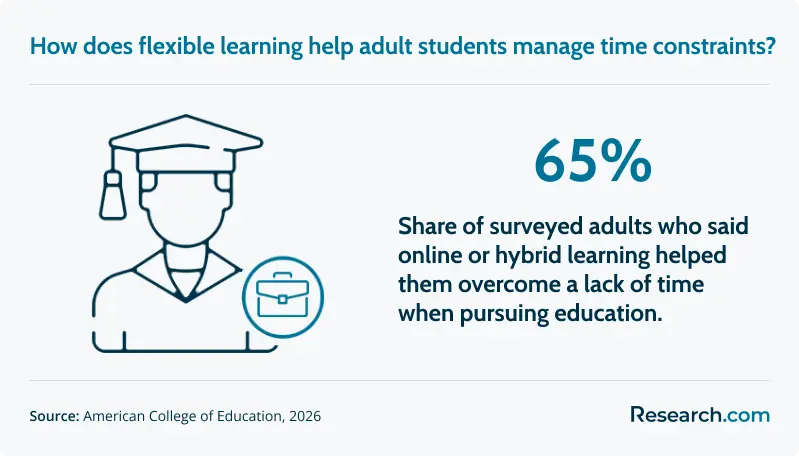
Students can study online, on campus, or through blended or hybrid options for accelerated and traditional humanities degree programs.
| Learning Format | Flexibility and Learning Experience |
| Online | Offers greater scheduling flexibility, especially with asynchronous classes that allow students to access lectures and assignments at convenient times. |
| On-campus | Follows set class schedules but provides face-to-face discussions, direct instructor support, and access to campus resources. |
| Hybrid | Combines online coursework with in-person sessions, balancing independent study with classroom interaction. |
Working students usually find distance learning a better option because they can manage studies and job responsibilities more easily. Meanwhile, on-campus programs offer students more classroom interactions and faculty support. Blended or hybrid programs, on the other hand, let students enjoy the benefits of both online and on-campus methods.
Before deciding, ask about attendance, compulsory sessions, and assessment requirements to know what to expect from each program type.
Admission requirements differ between institutions. Some accept recent high school graduates, while others only allow students with college credits to finish their bachelor’s degree sooner.
Key requirements to check before applying include:
- Academic records: Schools review transcripts, past grades, and prerequisite courses. Some require official transcripts to assess previous college coursework.
- GPA requirements: Minimum GPA standards vary by school. A 3.7 GPA is not a universal requirement for accelerated humanities programs.
- Transfer credits: Previous college coursework can reduce credits needed to graduate. For example, the University of Maryland Global Campus accepts up to 90 transfer credits toward its 120-credit humanities bachelor's degree, subject to its transfer policies.
- Graduation requirements: Check the school's accreditation, transfer-credit limits, and residency rules to know which credits will count and which courses must be completed there.
You can also compare accredited colleges that you apply online for free to find schools with no application fees.
College education costs in humanities programs depend on tuition, fees, required courses, and completion time. Ways to reduce costs in accelerated programs exist, but they're not inexpensive.
Accelerated Humanities Degrees
- Potential savings and costs: Students can complete multiple courses in a shorter timeframe, minimizing expenses for transportation and housing.
- Financial aid: Students may be eligible for FAFSA-based aid, scholarships, and employer tuition assistance. Federal student loans require at least half-time enrollment, but may use other calculations for accelerated terms.
Traditional Humanities Degrees
- Distributed payments: Tuition is spread over more semesters, making it easier to manage over time.
- Other costs: Students who enroll for a longer period incur additional costs for housing, transportation, textbooks, and other expenses.
- Financial aid: Grants, loans, and scholarships are available depending on eligibility and enrollment.
Check actual tuition fees before making a decision. The 2026–27 undergraduate humanities tuition rate for Maryland residents is $337 per credit, while it is $499 per credit for out-of-state students.
The Applied Humanities program at Oregon State University charges $409 per credit, the same rate for residents and nonresidents. Some additional expenses are not included in these rates; refer to each school's fee and course material costs before calculating the total cost.
You can also explore associate degree online cost to compare tuition across other college options.
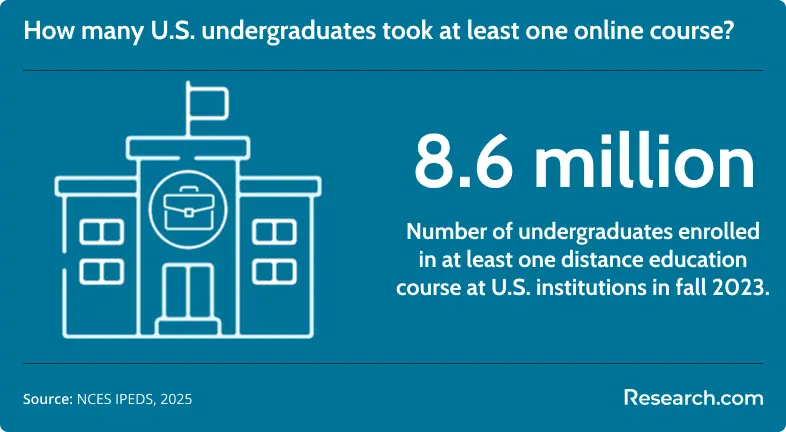
An accelerated degree means a student graduates earlier, but this does not guarantee better employment opportunities or higher wages.
Humanities graduates develop transferable skills, such as writing, research, critical thinking, communication, and problem-solving. These skills lead to jobs in education, publishing, public relations, communications, and research.
Employers consider qualifications outside of the class. Candidates differentiate themselves through internships, work experience, portfolios, and specific skills gained on the job. There is no research indicating that accelerated humanities graduates have better employment outcomes than traditional graduates. Career opportunities depend on experience, specialization, location, and career choice.
Students can build on their degree by exploring online certificate programs that pay well for additional credentials that match their career goals.
Fast-track humanities degrees allow students to complete their college education in less time, but there are disadvantages to a fast-paced learning environment. Here are the key advantages and disadvantages:
Advantages of Accelerated Humanities Degrees
- Better time management: Students finish school sooner and start working or continue their studies.
- Cost savings potential: Reduced enrollment length saves money on transportation, housing, and other expenses.
- Shorter terms: This option is for students who prefer a more intensive study schedule and faster course completion.
Disadvantages of Accelerated Humanities Degrees
- Fewer weeks for complex readings: Students have less time for complex readings, research, and revising writing assignments.
- Shorter deadlines: Many assignments and tests require sustained effort.
- Narrower margin for surprises: When work demands a lot of time or family responsibilities arise, it can be hard to keep up.
Students who can handle the rigors of a fast-paced class should consider accelerated programs. If you need more time to digest your studies and content, a traditional degree might be more suited to you.
Which Humanities Degree Format Is Better for Working Adults?
The best choice depends on time commitment, budget, and how quickly you want to finish school. For adults with transfer credits and time to take intensive courses, accelerated humanities courses might be an option. However, if you prefer to work at a different pace and have the demands of work and family to consider, traditional programs might be more suitable.
Before choosing, weigh these five factors:
- Available study time: Can you consistently dedicate 20 or more hours per course each week?
- Academic preparation: Do you have transferable credits and feel ready for a faster course schedule?
- Financial resources: Can you cover tuition, fees, and other education expenses?
- Career priorities: Would graduating sooner help you reach your professional goals or continue your education?
- Personal responsibilities: Can you balance your studies with your work schedule and family commitments?
A humanities degree is not the only path to a career. Comparing highest earning trade school jobs can help you explore other education options before making a decision.
Choose a program that's right for you, not one based on the date you want to graduate. If you can take a course at a manageable pace, you'll be focused, excel, and complete your degree program without risking other responsibilities.
Other Things You Should Know About Traditional vs. Accelerated Humanities Degrees
Most likely, yes, but it depends on the school's transfer-credit policies. Courses earned through an accredited accelerated program can be applied toward a traditional degree, subject to acceptance by the traditional program and its requirements. Prior to the switch, review the courses completed and how many will transfer to the new program.
Not always. Opportunities exist at an accelerated pace, but also across different schools and programs. Some accelerated programs provide internships, research under faculty supervision, and other practical experiences, while others primarily offer coursework. Look for job placement, research projects, internships, or employer contacts in the program.
Some schools permit a student to request a leave of absence or temporarily withdraw from school, but policies vary. There are also some accelerated degree programs that set a specific timeline for the return and fulfillment of degree requirements. Other aspects of a break, such as financial aid, tuition refunds, and graduation schedules, could also be impacted. Check the school's leave-of-absence policy before registering to understand your options.
With respect to the degree, it may be accepted if it's from a properly accredited institution and satisfies the graduate school's admission criteria. GPA, prerequisite courses, academic references, and relevant experience may also be considered for Master's programs. Consider your future plans when deciding on an accelerated degree; if you'll be attending graduate school, make sure to check the requirements of the programs.
- Oregon State University Online Applied Humanities Degree https://ecampus.oregonstate.edu/online-degrees/undergraduate/applied-humanities/
- Pacing Your Undergraduate Learning Path - Nexford University https://nexford.freshdesk.com/support/solutions/articles/64000307959-pacing-your-undergraduate-learning-path
- Bachelor's Degree Requirements - University of Maryland Global Campus https://www.umgc.edu/online-degrees/bachelors/requirements
- Transfer Credit Requirements - University of Maryland Global Campus https://www.umgc.edu/transfers-and-credits/credit-from-colleges/requirements
- Tuition Rates - University of Maryland Global Campus https://www.umgc.edu/tuition-financial-assistance/tuition
- Ecampus Tuition and Fees - Oregon State University https://ecampus.oregonstate.edu/tuition/rates.htm