2027 Most Affordable Counseling Social Psychology Degree Programs

Co-Founder and Chief Data Scientist
Choosing an affordable counseling, social psychology, or applied psychology program is not just a tuition decision. It affects whether you can qualify for licensure, complete required fieldwork, manage graduate debt, and enter the type of role you actually want. This guide is for students comparing psychology and counseling-related programs that include social behavior, interpersonal dynamics, mental health, research, and human development.
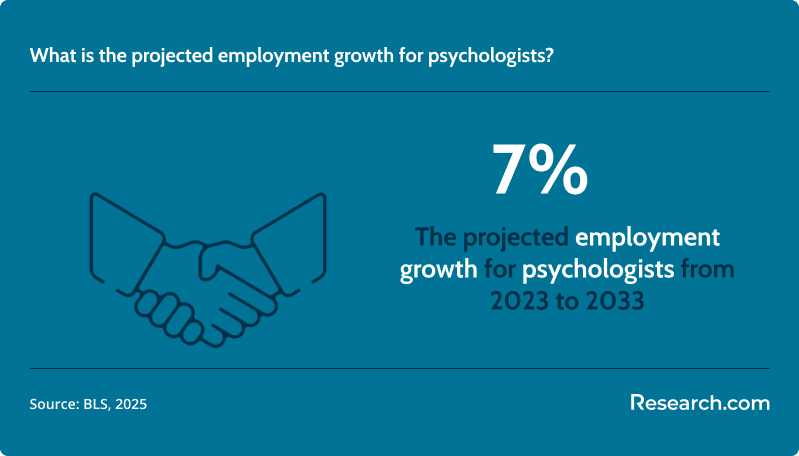
The need for trained psychology professionals remains steady. Psychologist employment is projected to grow 7% from 2023 to 2033, and that growth makes program choice more important: a lower-cost degree can improve return on investment, but only if the curriculum, accreditation, and field experience match your career goal.
Quick answer: What is a counseling social psychology degree?
A “counseling social psychology degree” is usually not a single standardized degree title. Students typically pursue counseling psychology, mental health counseling, general psychology, applied psychology, educational psychology, or social psychology programs that include coursework in social behavior, counseling skills, research methods, ethics, and cultural influences on human behavior. If your goal is to become a licensed counselor or therapist, confirm that the program is designed for licensure in your state before enrolling.
What are the main benefits of earning this type of degree?
- Broader career options: Graduates may pursue roles connected to counseling, therapy support, school counseling, human resources, market research, mental health services, education, organizational behavior, and business management.
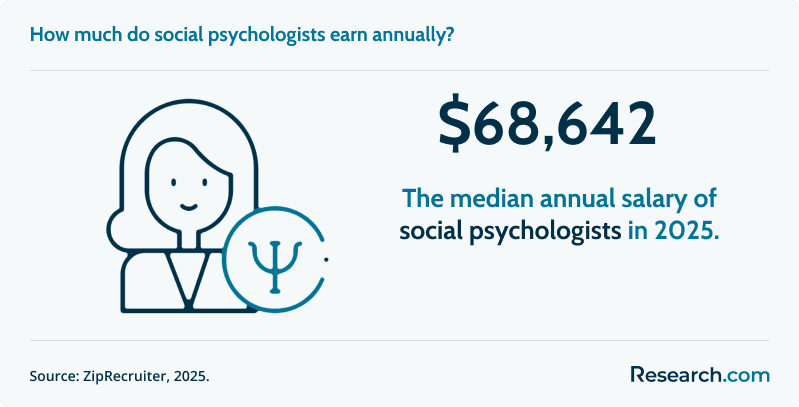
- Solid earning potential in related roles: The median annual salary for counseling psychologists is $83,804, while school counselors earn $60,409 and social psychologists earn $68,642.
- Transferable human-centered skills: Programs strengthen communication, empathy, research literacy, ethical reasoning, cultural awareness, and analytical thinking, which are valuable in clinical, educational, corporate, and community settings.
What can I expect from a counseling social psychology degree?
Most programs in this area combine psychology theory with practical understanding of how people think, relate, and behave in social environments. You can expect core study in research methods, statistics, ethics, psychological development, social influence, group behavior, counseling theory, assessment, and culturally responsive practice.
The exact experience depends on the degree type. A general or applied psychology program may emphasize research, workplace applications, or preparation for doctoral study. A counseling or mental health counseling program is more likely to include practicum and internship requirements tied to licensure. Many graduate programs also require a capstone, thesis, comprehensive exam, or dissertation-style project to demonstrate advanced research and professional readiness.
| Program type | Best fit | Important caution |
| Counseling psychology or mental health counseling | Students who want direct client-facing counseling roles | Licensure requirements vary by state, so verify practicum, internship, and coursework rules before enrolling. |
| Social psychology | Students interested in research, group behavior, attitudes, persuasion, bias, culture, and social decision-making | It may not prepare graduates for counseling licensure unless paired with a licensure-focused program. |
| General or applied psychology | Students seeking flexible roles in business, education, research support, human services, or doctoral preparation | Career outcomes depend heavily on specialization, experience, and whether the degree includes supervised practice. |
| Educational psychology | Students interested in learning, motivation, development, and educational support roles | School counseling or school psychology licensure may require a specific approved pathway. |
Where can I work with a counseling social psychology degree?
Graduates can work in mental health, education, business, healthcare, research, technology, human services, and organizational settings. The strongest fit depends on degree level and licensure. A master’s degree built around counseling practice may lead to supervised counseling roles, while a psychology degree focused on social behavior may be better suited to research, human resources, program evaluation, user research, or organizational development.
In 2023, psychologists held approximately 207,500 jobs, and clinical and counseling psychologists represented 76,800 of those positions. This field rewards people who can interpret behavior, communicate clearly, work ethically with diverse populations, and apply evidence-based thinking to real-world problems.
How much can I make with a counseling social psychology degree?
Salary depends on your role, degree level, state, license, employer, and experience. The median annual salary for counseling psychologists is reported at $83,804. Related salary figures include $60,409 for school counselors and $68,642 for social psychologists.
Location can make a major difference. Counseling psychologists in California have reported annual salaries reaching $96,717. Entry-level graduates usually earn less than experienced professionals, and advanced clinical, supervisory, academic, or doctoral-level roles may have higher earning potential. These figures should be used as planning estimates, not guaranteed outcomes.
- Best affordable counseling and social psychology programs for 2027
- How long does a counseling social psychology program take?
- How much does a counseling social psychology program cost?
- Financial aid options for counseling and psychology students
- Admissions requirements and prerequisites
- Common courses in counseling and social psychology programs
- Available specializations
- Common challenges in these programs
- Accreditation and licensure readiness
- Return on investment
- Emerging trends in counseling social psychology education
- Whether a doctoral degree is worth it
- How to choose the right program
- Career paths after graduation
- Job market outlook
List of the Best Counseling Social Psychology Programs for 2027
How do we rank schools?
Affordability matters, but it should not be the only factor in a counseling or psychology program search. The Research.com ranking process considers institutional and program information from credible education data sources, including the IPEDS database, Peterson's database, the College Scorecard database, and The National Center for Education Statistics.
These sources help compare schools using transparent data points. Students should still verify current tuition, licensure alignment, fieldwork requirements, and admissions policies directly with each institution. You can review Research.com's broader ranking process on the methodology page.
1. Fayetteville State University
Fayetteville State University offers an online Master of Arts in Psychology that introduces graduate students to psychological theory and human social behavior. It is a broad psychology program that may fit students seeking affordable preparation for human-centered, research-informed, or counseling-adjacent roles.
- Required credits to graduate: 36 semester credit hours
- Cost: In-State: $ 189.63; Out-of-State: $ 370
- Accreditation: Southern Association of Colleges and Schools Commission on Colleges (SACSCOC)
2. American Public University
American Public University provides an online Master of Arts in Psychology focused on psychological science, theory, research, and applied skills. Its coverage of human relations, social and cultural diversity, and behavior can support students interested in social psychology concepts within counseling-related settings.
- Required credits to graduate: 39 credits
- Cost: $455 per credit hour ($250 with Preferred Military Rate)
- Accreditation: Higher Learning Commission (HLC)
3. Angelo State University
Angelo State University offers a Counseling Psychology master's program designed around counseling theory, research, and evidence-based practice. It may be a stronger fit for students who want preparation connected to professional counselor or psychological associate pathways.
- Required credits to graduate: 60 credit hours
- Cost: Texas Resident: $7,508.90; Non-resident: $14,888.90
- Accreditation: Texas Education Agency (TEA)
4. Liberty University
Liberty University offers an online Master of Arts in Applied Psychology that connects psychological principles with a Christian worldview. The curriculum considers how individual, cultural, and social factors shape behavior, and concentrations such as Public Mental Health may appeal to students interested in applied, non-clinical psychology work.
- Required credits to graduate: 36 semester hours
- Cost: $565/credit (full-time graduate), $615/credit (part-time graduate), $275/credit (military graduate)
- Accreditation: SACSCOC
5. Grand Canyon University
Grand Canyon University offers a Master of Science in Psychology with a general emphasis through online or evening study. The program develops understanding of human thought and behavior, including social and cultural psychology, for students seeking flexible psychology training.
- Required credits to graduate: 36 credits
- Cost: Approximately $600 per credit
- Accreditation: HLC
6. University of Georgia
The University of Georgia offers an online M.Ed. in Educational Psychology, Applied Cognition, and Development. The program focuses on cognition, motivation, development, and human behavior in learning contexts, which may benefit students interested in educational support, development, and non-clinical applications of psychology.
- Required credits to graduate: 34 credit hours
- Cost: Approximately $21,930 in tuition
- Accreditation: SACSCOC
7. Arizona State University
Arizona State University offers an online Master of Science in Psychology centered on psychological theory and empirical research. Students study areas such as cognitive, developmental, physiological, and social psychology, making it relevant for research-oriented and non-clinical mental health-related careers.
- Required credits to graduate: 36 credits
- Cost: Approximately $857 per credit (total program around $30,852).
- Accreditation: HLC
8. University of Massachusetts
The University of Massachusetts Boston offers a Mental Health Counseling MS that combines academic preparation with field-based training. Courses such as “Sociocultural Considerations in Counseling” connect directly to social psychology by helping students understand clients within cultural, interpersonal, and community contexts.
- Required credits to graduate: 60 credits
- Cost: Approximately $28,350 for the first year's tuition and fees
- Accreditation: NECHE
9. Regent University
Regent University offers an online M.S. in Psychology for students who want to apply psychological knowledge in fields such as healthcare, science, academics, and business. The curriculum includes core areas of psychology and human social interaction, which can support non-licensure counseling-adjacent roles.
- Required credits to graduate: 39+ credit hours
- Cost: $695 per credit hour for the M.S. in Psychology.
- Accreditation: SACSCOC
10. Nova Southeastern University
Nova Southeastern University offers an online M.S. in General Psychology that builds knowledge in psychological theory and research. Its broad curriculum can help students prepare for doctoral study or non-clinical careers requiring strong interpersonal, analytical, and behavioral science skills.
- Required credits to graduate: 30 credit hours
- Cost: $925.00
- Accreditation: SACSCOC
How long does it take to complete a counseling social psychology program?
Because “counseling social psychology” is usually a focus area rather than a single universal degree title, completion time depends on whether you enroll in a bachelor’s, master’s, or doctoral program. Some schools may also offer accelerated online psychology degree options for students who want a shorter path.
| Degree level | Typical time frame | What students usually study |
| Bachelor's degree | About four years | Introductory psychology, research methods, statistics, human development, personality, abnormal psychology, and social behavior |
| Master's degree | Two to three years | Counseling theory, ethics, assessment, social and cultural diversity, group dynamics, and applied practice |
| Doctoral degree (PhD or PsyD) | Four to seven years | Advanced research, clinical training, supervision, assessment, dissertation or doctoral project work, and specialized practice |
A master’s degree in counseling or social work may support entry into mental health therapist roles, depending on licensure rules. Before committing, review the pros and cons of being a mental health therapist so you understand the emotional demands, training requirements, and career realities.
What is the average cost of a counseling social psychology program?
Costs vary widely by school type, residency status, delivery format, and degree length. Students looking for the most affordable online counseling degree options should compare total program cost rather than tuition alone.
- Public universities often charge between $10,000 and $25,000 per year, with total costs around $20,000 to $50,000 for a two-three or three-year master's program.
- Private universities may charge from $28,000 up to $60,000 per year, bringing total program costs to between $40,000 and over $100,000.
- Some lower-cost options have estimated total costs around $19,560 for in-state students and $39,120 for out-of-state students.
- Average master’s-level counseling or social psychology programs cost approximately $24,000-$36,000 for online degrees and $28,000-$42,000 for on-campus programs over two to three years.
| Cost factor | Why it matters | Question to ask |
| Tuition rate | Per-credit pricing can make a short program more expensive than it first appears. | What is the full cost to complete all required credits? |
| Residency status | Public schools may charge different rates for in-state and out-of-state students. | Can online students qualify for in-state or reduced tuition? |
| Fieldwork expenses | Practicum and internship placements may add travel, background check, insurance, or supervision costs. | Are placement-related expenses included in the published cost? |
| Licensure requirements | A low-cost program may be poor value if it does not meet your state’s counseling requirements. | Does this program meet educational requirements for my intended license? |
Below is a chart illustrating the annual cost of public colleges.
What are the financial aid options for students enrolling in a counseling social psychology program?
Financial aid can make a meaningful difference, especially for graduate students balancing tuition, fieldwork, and reduced work hours. Start with aid that does not need to be repaid, then compare federal loan options before considering private loans.
- Federal Financial Aid: Complete the Free Application for Federal Student Aid, known as the FAFSA, to determine eligibility for federal grants, loans, and work-study. The U.S. Department of Education's Federal Student Aid provides over $120 billion annually to approximately 13 million students through grants, work-study funds, and federal loans such as subsidized and unsubsidized Direct Loans, PLUS loans, and consolidation loans.
- Scholarships: Universities, professional associations, nonprofits, and community organizations may offer awards for psychology, counseling, behavioral health, and human services students. Scholarships may be need-based, merit-based, or tied to service goals.
- Assistantships and Fellowships: Graduate students may qualify for research or teaching assistantships, especially in psychology departments with active faculty research. These opportunities may include stipends or tuition support. Fellowships can also help cover tuition and living expenses.
- State Aid: Many state financial aid programs support eligible residents through grants or scholarships, often with academic, residency, or enrollment requirements.
- Work-Study Programs: Work-study can provide part-time employment to help cover education costs, and some positions may connect to student services, research, or community support.
- Private Loans: Private loans can fill funding gaps, but they often have less flexible repayment protections than federal loans. Use them cautiously and compare repayment terms before borrowing.
The chart below shows the number of proposed federal student aid awards for fiscal year 2025.
What are the prerequisites for enrolling in a counseling social psychology program?
Graduate admissions requirements vary, but most counseling, psychology, and applied psychology programs expect evidence that applicants can handle research-based coursework and professional training. Students asking how to become a therapist without a psychology degree should know that licensure-focused counseling programs usually require formal graduate education and specific coursework.
- Bachelor’s Degree: Applicants generally need a baccalaureate degree from an accredited institution. A psychology major is helpful but not always required; education, social work, behavioral science, human services, and related fields may also be accepted. Students from other backgrounds, including those who began with the most affordable online Christian leadership degree options, may need prerequisite psychology courses.
- Psychology Coursework: Foundational classes such as general psychology, statistics, research methods, developmental psychology, or abnormal psychology may be required or recommended.
- Grade Point Average (GPA): Many programs require a minimum undergraduate GPA from 2.5 to 3.0, while more selective programs may prefer 3.0 or higher.
- Application Materials: Programs often request three letters of recommendation, a personal statement, a resume, and sometimes an interview or admissions test. Strong applications connect your experience, interpersonal strengths, and goals to the program’s training model.
What courses are typically in a counseling social psychology program?
Coursework usually blends counseling practice with psychological science and social behavior. Common courses include:
- Foundations of Counseling Psychology: Introduces the history, values, roles, and core helping skills used in counseling-related fields.
- Counseling Theory and Techniques: Compares major counseling approaches and how they are applied with individuals, groups, and families.
- Counseling and Interviewing Skills: Builds practical communication, listening, rapport-building, and client engagement skills.
- Human Development through the Lifespan: Examines emotional, cognitive, social, and behavioral development from childhood through adulthood.
- Social and Cultural Diversity: Focuses on identity, culture, social context, bias, power, and inclusive practice.
- Ethical and Legal Issues in Counseling: Covers confidentiality, professional boundaries, mandated reporting, ethical decision-making, and relevant laws.
- Research Methods and Statistics: Helps students evaluate evidence, interpret studies, and apply data responsibly.
- Group Dynamics and Social Influence: Explores how peer groups, communities, organizations, and social norms affect behavior.
What types of specializations are available in a counseling social psychology program?
Specialization matters because it shapes fieldwork, licensure eligibility, and career direction. Common options include:
- Counseling Psychology: Focuses on helping people manage stress, grief, adjustment concerns, life transitions, relationship issues, and mental health challenges through culturally informed interventions.
- Clinical Psychology: Emphasizes assessment, diagnosis, and treatment of mental, emotional, and behavioral disorders, often at the doctoral level.
- Social Psychology: Studies how people are influenced by groups, culture, identity, norms, relationships, and social environments.
- Addiction Psychology: Prepares students to understand substance use, behavioral addiction, relapse prevention, and recovery support. Students interested in this area can compare the best online addiction counseling degree programs.
- School Counseling: Centers on academic, emotional, social, and college/career support for students in educational settings.
- Career and Vocational Counseling: Helps clients make career decisions, handle transitions, and understand vocational behavior.
- Family and Marriage Counseling: Studies couples, families, communication patterns, conflict, and relational systems. If you want to understand this path, read about what an LMFT does.
- Trauma and Crisis Intervention: Focuses on acute distress, crisis response, trauma-informed care, and recovery support.
- Community and Public Policy Psychology: Applies psychological knowledge to prevention, advocacy, social justice, community well-being, and systems-level change.
What Challenges Might You Encounter in a Counseling Social Psychology Program?
These programs can be demanding because students must learn theory, research, ethics, and practical skills at the same time. Licensure-focused tracks may also require supervised fieldwork, which can be difficult to schedule around employment or family responsibilities. Research-heavy programs may require statistics, lab work, or thesis projects that are challenging for students who expected only applied counseling coursework.
Before enrolling, ask about faculty advising, placement support, research opportunities, student-to-supervisor expectations, and career services. Students interested in psychology and legal or justice-related issues may also compare related options such as the most affordable online master's degrees in forensic psychology.
Are Counseling Social Psychology Programs Accredited and Do They Ensure Licensure Readiness?
Accreditation and licensure readiness are separate issues. Institutional accreditation shows that a college or university meets recognized academic standards. Licensure readiness means the specific program includes the coursework, practicum, internship, and supervised training your state requires for a counseling, psychology, school counseling, or therapy credential.
Do not assume that every online psychology program qualifies graduates for licensure. Contact your state licensing board and the program director before enrolling. Ask whether graduates have met licensure requirements, whether internship placements are available in your state, and whether the school tracks licensure outcomes. Students considering relationship-focused practice may also review an affordable online MFT program as a more targeted route.
What is the Return on Investment of a Counseling Social Psychology Degree?
Return on investment depends on program cost, time to completion, debt, licensure eligibility, job market conditions, and your intended role. A low-tuition program can still be a weak investment if it does not meet state requirements. A higher-cost program may be more practical if it has strong field placement support, licensure alignment, and relevant specialization options.
| ROI factor | Why it affects value | Better decision |
| Total program cost | Fees, books, travel, and fieldwork costs can change the real price. | Compare full cost of attendance, not only advertised tuition. |
| Licensure fit | Extra coursework after graduation can delay employment and increase cost. | Confirm state-specific requirements before applying. |
| Career target | Research, counseling, school, and organizational roles have different degree expectations. | Choose the degree title and specialization that match the job you want. |
| Work flexibility | Fieldwork and internships may reduce your ability to work full time. | Ask when placements occur and how many hours are required. |
If your goal is counseling practice, it is also useful to understand training timelines. Research.com explains this pathway in How long do you have to go to school to be a counselor?.
What Are the Emerging Trends in Counseling Social Psychology Education?
Programs are adapting to changes in mental health delivery, workplace expectations, and technology. Many schools now place more emphasis on teletherapy concepts, digital assessment tools, culturally responsive counseling, data-informed interventions, and interdisciplinary behavioral health. Students should look for programs that teach both human skills and responsible use of technology.
Another trend is the expansion of flexible online and hybrid learning. Online formats can improve access, but students still need to verify supervised fieldwork options, state authorization, and whether remote coursework satisfies licensure rules. Students interested in behavioral analysis may also compare affordable BCBA master's programs online as a specialized behavioral health route.
Is a Doctoral Degree Worth Pursuing for Advancing Your Counseling Social Psychology Career?
A doctoral degree may be worth it for students who want advanced clinical practice, psychology licensure, university teaching, independent research, supervision, assessment-intensive work, or leadership roles. It is a major time and financial commitment, so it should match a clear professional goal rather than serve as a default next step.
A master’s degree may be sufficient for many counseling, school counseling, human services, and organizational roles, depending on state requirements and employer expectations. A doctoral program is more appropriate when your target role specifically requires a PhD or PsyD. Students comparing flexible doctoral options can explore online PsyD programs.
How to Choose the Best Counseling Social Psychology Program
The best program is the one that fits your career goal, budget, learning format, and licensing needs. Use rankings as a starting point, not the final decision.
| Selection factor | What to check | Red flag |
| Accreditation | Confirm institutional accreditation and any program-specific recognition relevant to your field. | The school cannot clearly explain its accreditation status. |
| Licensure alignment | Ask whether the curriculum meets your state’s educational requirements. | The program gives vague answers about licensing outcomes. |
| Curriculum | Look for counseling theory, ethics, diversity, research, assessment, and social psychology content. | The program title sounds relevant, but required courses do not match your career target. |
| Fieldwork support | Ask how practicum and internship placements are arranged. | Students must find placements alone with little guidance. |
| Faculty fit | Review faculty research, clinical background, and advising availability. | No faculty work in your area of interest. |
| Total cost | Compare tuition, fees, residency rates, books, technology, and fieldwork expenses. | The school promotes a low per-credit cost without showing total program cost. |
| Format | Decide whether online, campus, or hybrid learning fits your schedule and fieldwork needs. | The format is convenient, but placements are not available where you live. |
- Start with your target role: Decide whether you want counseling licensure, research work, school-based practice, organizational psychology, or a non-clinical human services role.
- Verify requirements directly: Check your state board, not only the school website.
- Compare total cost: Include tuition, fees, travel, lost work time, and the possibility of additional coursework.
- Ask about outcomes: Request information on completion rates, field placement support, licensure preparation, and employment support where available.
- Avoid irrelevant comparisons: General program-selection principles can apply across fields, but counseling and psychology decisions require special attention to licensure. A student comparing an affordable online aerospace engineering degree would prioritize different accreditation, lab, and employer requirements.
Common mistakes to avoid
- Choosing only by tuition: The cheapest program is not always the best value if it lacks fieldwork support or licensure alignment.
- Assuming “psychology” means “counseling licensure”: General psychology degrees may not prepare graduates for licensed counseling practice.
- Ignoring state rules: Online programs may not meet licensure requirements in every state.
- Overlooking internship logistics: Field placements can affect your schedule, commute, and ability to keep working.
- Relying only on rankings: Rankings help narrow your list, but your state, budget, and career target should drive the final decision.
What career paths are available for graduates of a counseling social psychology program?
Career options differ sharply by degree level, specialization, supervised experience, and licensure. Some paths are clinical and regulated; others use psychology knowledge in education, business, research, or community programs.
| Career path | Typical focus | Degree or credential considerations | Salary figure cited |
| Mental Health Counselor | Supports clients dealing with anxiety, depression, stress, grief, and other concerns | Usually requires a master’s degree and state licensure | Median salary is around $83,804 |
| Counseling Psychologist | Helps improve emotional, psychological, and social well-being | Usually requires a doctoral degree such as a PhD or PsyD | The average salary is about $83,804 |
| Social Psychologist | Studies social behavior, group dynamics, attitudes, bias, and decision-making | Most roles require doctoral training, especially in research or academia | Median salary is approximately $68,642 |
| Industrial-Organizational Psychologist | Applies psychology to workplace performance, leadership, employee behavior, and organizational systems | Usually requires a master’s or doctorate | Median salary is about $120,524 |
| School Counselor | Supports students’ academic, social, emotional, and career development | Typically requires a graduate degree and school counseling credential or license | Median salary is around $60,409 |
What is the job market for graduates with a counseling social psychology program?
The labor market for psychology-related graduates is favorable but competitive, especially for roles that require licensure or doctoral training. Psychology employment is projected to grow 7% from 2023 to 2033, which is faster than the average for all occupations.
That growth is expected to produce approximately 13,000 job openings for psychologists each year, on average, over the decade. Many openings will come from replacement needs as professionals retire, leave the labor force, or move into other occupations.
In 2023, psychologists held approximately 207,500 jobs. Employment was distributed as follows:
- Clinical and counseling psychologists: 76,800 jobs
- School psychologists: 65,500 jobs
- Psychologists, all other: 56,600 jobs
- Industrial-organizational psychologists: 8,600 jobs
Students who are still comparing helping professions may also explore healthcare pathways. For example, nursing offers another structured career ladder, and long-term planners can review the most affordable online BSN to PhD programs.
Meanwhile, the chart below shows the largest employers of psychologists:
Here’s What Graduates Have to Say about Their Counseling Social Psychology Degree
-
: "
Learning social psychology changed how I approach counseling. I became much more aware of how social pressure, identity, and group expectations affect clients’ choices. That perspective helps me support clients with more empathy and context. — Vera
"
-
: "
My background in social psychology helps me recognize how relationships, comparison, and attribution patterns shape a client’s story. It gives me practical language for understanding what is happening beneath the surface. — Daryl
"
-
: "
Concepts like conformity, persuasion, and social influence are useful in real counseling conversations. They help me guide clients as they identify triggers, understand their environments, and build healthier patterns. — Emily
"
Key Insights
- A counseling social psychology degree is usually a counseling, psychology, applied psychology, educational psychology, or social psychology program with coursework in social behavior and human interaction.
- If you want to become a licensed counselor, therapist, school counselor, or psychologist, program title is not enough. Verify state licensure alignment, practicum requirements, internship rules, and accreditation before enrolling.
- Psychologist employment is projected to grow 7% from 2023 to 2033, with approximately 13,000 job openings projected each year, on average, over the decade.
- In 2023, psychologists held about 207,500 jobs, including 76,800 clinical and counseling psychologist positions.
- Salary varies by role, location, license, and experience. Reported figures include $83,804 for counseling psychologists, $68,642 for social psychologists, $60,409 for school counselors, and $120,524 for industrial-organizational psychologists.
- Affordability should be judged by total cost, not just tuition. Include fees, residency rates, fieldwork costs, time away from work, and the possibility of extra coursework for licensure.
- The strongest program choice is the one that matches your intended job: counseling licensure, research, school support, organizational psychology, addiction counseling, family therapy, or another specialized path.
- The U.S. Department of Education's Federal Student Aid provides over $120 billion annually in grants, work-study funds, and low-interest loans to approximately 13 million students, so completing the FAFSA should be an early step.
References:
- Counseling Psychologist salary. (2025). ZipRecruiter. Retrieved June 10, 2025, from https://www.ziprecruiter.com/Salaries/Counseling-Psychologist-Salary
- Counseling Psychologist Salary in California. (2025). ZipRecruiter. Retrieved June 10, 2025, from https://www.ziprecruiter.com/Salaries/Counseling-Psychologist-Salary--in-California
- Federal Student Aid (FSA). (n.d.). U.S. Department of Education. https://www.ed.gov/about/ed-offices/fsa
- Hanson, M. (2025a, February 3). Financial Aid Statistics [2025]: Average aid per student. Education Data Initiative. https://educationdata.org/financial-aid-statistics
- Hanson, M. (2025b, March 9). Average Cost of College [2025]: Yearly tuition + expenses. Education Data Initiative. https://educationdata.org/average-cost-of-college
- Industrial Organizational Psychologist salary. (2023). ZipRecruiter. Retrieved June 10, 2025, from https://www.ziprecruiter.com/Salaries/Industrial-Organizational-Psychologist-Salary
- School counselor salary. (2025). ZipRecruiter. Retrieved June 10, 2025, from https://www.ziprecruiter.com/Salaries/School-Counselor-Salary
- Social Psychologist salary. (2025). ZipRecruiter. Retrieved June 10, 2025, from https://www.ziprecruiter.com/Salaries/Social-Psychologist-Salary
- School counselor salary. (2025). ZipRecruiter. Retrieved June 10, 2025, from https://www.ziprecruiter.com/Salaries/School-Counselor-Salary
Other Things You Should Know About Counseling Social Psychology Programs
A key factor in making a counseling social psychology degree program affordable in 2027 is low tuition fees. Additional financial support, such as scholarships, grants, or assistantships, can further reduce the overall cost. Students should also consider online programs, which often have fewer associated expenses.
In 2027, the average cost of a counseling social psychology degree program can range from $10,000 to $30,000 annually, depending on factors like location, university reputation, and available financial aid. Community colleges and state universities often provide more affordable options compared to private institutions.
In 2027, universities such as Eastern New Mexico University, Fort Hays State University, and Liberty University offer relatively affordable programs in counseling social psychology. These institutions provide rigorous education while maintaining budget-friendly tuition, making higher education accessible to more students.