
2027 Best Psychology Degree Programs Ranking in Queens

Co-Founder and Chief Data Scientist
Choosing the right psychology degree program in Queens can feel overwhelming, but you're not alone. This article presents the 2027 Best Psychology Degree Programs Ranking in Queens, created by the Research.com team of data scientists to guide you in making a well-informed decision.
By exploring this ranking, you'll discover programs that offer strong academic support and promising career paths. Pursuing a psychology degree opens doors to meaningful work and personal growth, making it a rewarding choice for your future.
Key benefits of getting psychology degree in Queens
- Salary for psychology degree graduates: Graduates often find roles such as Human Resources Specialists earning around $76,060 annually or Marketing Research Analysts with about $83,190 per year, showing promising financial rewards.
- Career paths: A psychology graduate from Queens College can explore diverse fields like clinical research, childcare services, or survey research, opening doors to meaningful and impactful work.
- Online degree benefits: Earning a psychology degree online from a university in Queens offers flexible scheduling and the chance to balance studies with personal commitments, making education more accessible and enjoyable.
- 2027 Best Psychology Degree Programs Ranking in Queens
- What can I expect from psychology degree in Queens?
- Where can I work with psychology degree in Queens?
What can I expect from psychology degree in Queens?
The average cost of pursuing a psychology degree in Queens varies depending on the institution but generally remains affordable compared to other parts of New York City. For example, students attending Queens College, a well-regarded CUNY institution, typically experience lower tuition fees due to the public university status, with in-state tuition averaging around $7,000 per year. Graduates often recall appreciating the balance between cost and quality, which allowed them to focus more on their studies and research opportunities without heavy financial stress.
Private colleges in Queens may charge higher tuition, sometimes exceeding $20,000 annually, but they often offer scholarships and financial aid packages that many psychology students find helpful. Many graduates emphasize the value of internships and faculty-led research projects included in their programs, which contribute to meaningful hands-on experience and help justify the investment.
Ultimately, by choosing a psychology degree in Queens, students benefit from competitive pricing paired with strong academic and practical training, setting a firm foundation for future careers in mental health and research.
Where can I work with psychology degree in Queens?
Graduates with a psychology degree in Queens often find rewarding employment across healthcare, education, community services, and research. Many secure positions in prominent local medical facilities like Elmhurst Hospital or NYU Langone Queens, where they provide counseling, conduct psychological assessments, and contribute to patient care teams. These roles offer the satisfaction of supporting diverse patient populations in vibrant urban settings.
Those coming from institutions such as Queens College or St. John's University frequently enter educational roles, serving as school psychologists or counselors within public and private schools throughout Queens. These careers allow graduates to positively impact student well-being and learning environments, creating meaningful change in youth development.
Community organizations also offer fulfilling opportunities, enabling graduates to address social challenges like substance abuse and family support. Here, they work as case managers or program coordinators, directly engaging with Queens' diverse neighborhoods.
For graduates pursuing academia or research, Queens' universities provide roles involving psychological studies and teaching, often requiring advanced degrees. These diverse pathways make psychology a versatile and impactful field in Queens.
Graduates with a psychology degree from institutions like St. John's University in Queens often start their careers in roles such as clinical research associates or childcare workers. According to the U.S. Bureau of Labor Statistics, clinical research associates earn a mean annual wage of about $62,370, which reflects stable entry-level earnings in Queens' healthcare research sector. Childcare workers, another common role for psychology graduates focusing on child development, have a mean annual wage near $32,070, offering early workforce experience.
Other graduates pursuing human resources or marketing research positions experience higher salaries. Human resources specialists in the region earn approximately $76,060 annually, while marketing research analysts make around $83,190 per year. These figures illustrate the diversity of paths open to Queens psychology graduates and validate their positive career outlook.
For example, a recent graduate employed as a survey researcher reported earning an average of $62,370 annually. This role combines psychological research skills with practical application in market studies, blending academic training with real-world impact. Such incomes reinforce the value of psychology degrees from Queens institutions and the rewarding opportunities available locally.
- In Queens, public colleges charge between $7,000 and $10,000 per year for in-state psychology bachelor's degrees, while private colleges can cost $25,000 to $40,000 annually.
- Community colleges offer lower tuition options around $5,000 per year for in-district students pursuing psychology pathways.
- Entry-level psychology jobs in Queens typically start around $40,000 per year, including roles like psychiatric technicians and research assistants.
- Mid-career psychologists can earn between $70,000 and over $90,000 annually, with higher salaries for licensed clinical psychologists and counselors.
- Employment for psychologists in the NYC metro area is expected to grow by about 5% over the next decade.
Completing a psychology degree in Queens typically follows a structured timeline similar to other regions, with undergraduate programs like a Bachelor of Arts or Science generally requiring four years of full-time study. Graduates from institutions such as Queens College or York College often share that this period allows for a balanced intellectual and personal growth, immersed in both foundational psychology coursework and New York State's general education requirements.
Flexibility is a hallmark of Queens' psychology programs, as many students appreciate the option to attend part-time or evening classes to accommodate work or family responsibilities. This adaptability can extend degree completion beyond four years but provides a manageable path for those balancing life commitments.
Advanced degrees vary; master's programs in clinical or counseling psychology usually take between 1.5 and 3 years, while doctoral studies can extend from 5 to 7 years, reflecting rigorous research and internship demands. Graduates frequently express satisfaction with the support and scheduling options that foster successful degree completion despite busy lives.
For students eager to fast-track their careers, exploring accelerated psychology degree programs can be a game changer. Many prospective students in Queens are seeking flexible learning paths that not only reduce the overall time to graduation but also maintain high academic standards. Accelerated programs often offer condensed course formats, year-round classes, and enhanced support services that allow for quicker progression without compromising the quality of education. Moreover, these programs typically integrate real-world internships and research opportunities early in the curriculum, enabling students to build a robust resume while still enrolled. As a result, graduates can enter the workforce faster and with a competitive edge in fields such as clinical psychology, human resources, and counseling. If you’re considering an expedited route to a psychology degree, be sure to review our list of the best accelerated psychology degree programs online for additional fast-track options that complement your career ambitions. Emphasizing flexibility, cost-effectiveness, and innovation, these accelerated pathways are particularly appealing for those balancing work, family, or other commitments, making a significant impact on your educational journey in Queens.
Online and on-campus psychology degrees in Queens offer distinct experiences tailored to different student needs. On-campus programs, such as those at Queens College, emphasize face-to-face interaction through live lectures, group discussions, and hands-on practica. Graduates often recall building strong connections with professors and peers, which enhanced their communication skills vital in psychology careers. These programs also provide access to campus resources like counseling centers and student organizations, enriching practical learning and professional networking.
Conversely, online psychology degrees deliver flexibility, appealing to working professionals and parents balancing multiple responsibilities. Students attend lectures via digital platforms and complete assignments remotely, allowing them to study from any location in Queens or beyond. However, online learners must actively seek local internships to gain practical experience, as direct clinical opportunities on campus are limited. Popular Queens-based online programs maintain accreditation standards to ensure career recognition, making this a viable option for those valuing convenience without sacrificing quality.
When considering a psychology degree in Queens, NY, affordability is a crucial factor, as it can significantly impact one's ability to pursue their educational and career goals. To make informed decisions, prospective students should explore the most affordable psychology schools in New York, which can provide a comprehensive overview of the cost of attendance, financial aid options, and potential return on investment. Understanding these aspects can help students navigate the financial landscape of psychology education in Queens, ultimately leading to a more sustainable and successful academic and professional journey.
The average cost of a psychology degree in Queens varies distinctly between institutions but generally centers around a median total cost of approximately $53,020 for in-state students. Graduates from Queens College, known for its strong psychology program within the CUNY system, often reflect on manageable tuition fees that help them pursue their studies without overwhelming debt. These public colleges offer a balance of affordable tuition rates with quality education, making the Queens psychology degree tuition and fees competitive compared to private colleges in the area.
Private institutions in Queens tend to have significantly higher fees, with total costs nearing $70,668 or more, reflecting a broader national trend of increased expenses for private education. Students attending these colleges often describe a rewarding academic experience complemented by access to extensive resources, though it comes at the cost of a steeper financial commitment. Beyond tuition, graduates highlight the impact of additional expenses such as books, supplies, and living costs, which are particularly relevant in a metropolitan environment like Queens.
For prospective students analyzing the average cost of psychology degree in Queens, exploring financial aid and scholarship options is critical. Many students benefit from federal aid through FAFSA, which alleviates the burden of tuition. Those seeking affordable options can review programs and institutions in detail by consulting resources on the most affordable psychology schools in New York, ensuring a well-informed decision aligned with personal and financial goals.

Internships and field placements are essential for translating classroom theory into real-world skills. In Queens, NY, psychology students can secure internships in community mental health clinics, hospital research units, school counseling programs, and non-profit organizations. These hands-on experiences help you:
- Build practical competencies in assessment, intervention, and data collection
- Network with professionals and potential employers in your specialization
- Enhance your resume with documented case studies, presentations, and project deliverables To find and secure high-quality placements: 1. Leverage your institution’s career services and psychology department bulletin boards. 2. Attend local psychology association events and university job fairs to connect directly with site supervisors. 3. Prepare a concise portfolio highlighting relevant coursework, research projects, and volunteer work. 4. Request informational interviews with alumni who have completed similar placements. Many students begin with part-time roles-such as assisting in behavioral research labs at Queens College-before advancing to full-time placements in school counseling or clinical settings. These experiences not only solidify your commitment to the field but also demonstrate to future employers that you possess the communication, empathy, and analytical skills they value most. For students exploring cost-effective program alternatives beyond New York, be sure to review our Low Cost Psychology Degree Programs Ranking in Wisconsin to compare internship support structures and experiential learning opportunities.
Psychology students in Queens benefit from various financial aid options that make pursuing their degrees more attainable. Graduates from institutions like Queens College and York College often recall how federal aid, accessed through FAFSA, was crucial in funding their education. Pell Grants, offering up to $7,395 annually, provide non-repayable support based on financial need, easing the burden for many undergraduates.
Beyond federal aid, New York's Tuition Assistance Program (TAP) grants up to $6,165 to eligible residents attending approved in-state colleges, significantly reducing tuition expenses for Queens-based psychology majors. Local scholarships and institutional awards further ease costs, with merit-based and need-based aid often provided directly by CUNY campuses. These awards have allowed students to focus more on their studies and less on financial stress.
Many students express gratitude for additional funding opportunities through professional organizations such as the American Psychological Association, where competitive scholarships enhance their financial security. Coupling these aids with part-time internships or jobs that offer stipends or tuition reimbursement creates a practical support system for ambitious psychology students striving for success.
When evaluating Psychology degree programs in Queens, NY, accreditation is your assurance of rigorous academic standards, qualified faculty, and seamless credit transfer between institutions. The two main types to consider are regional accreditation-granted by bodies like the Middle States Commission on Higher Education-and programmatic accreditation from the American Psychological Association (APA) for graduate-level clinical programs. Regional accreditation validates that an institution meets broad educational benchmarks, while APA accreditation specifically certifies that a Psychology curriculum adheres to the ethical, research, and clinical training requirements essential for licensure and professional practice. Before applying, verify each college’s accreditation status via the U.S. Department of Education’s Database of Accredited Postsecondary Institutions and Programs. This step not only guarantees federal financial aid eligibility but also signals to employers and graduate schools that your degree comes from a recognized program. For undergraduates aiming to streamline future graduate admissions, choosing an APA-accredited institution can reduce redundant coursework and expedite your path to licensure. Prospective students seeking affordability without sacrificing accreditation can compare institutions’ value propositions by exploring the Low Cost Psychology Degree Programs Ranking in Wisconsin, offering insights into how leading programs balance cost efficiency with academic excellence.
Enrolling in a psychology degree program in Queens requires meeting clear academic criteria that ensure readiness for rigorous study. For bachelor's programs at institutions like Queens College or LaGuardia Community College, applicants must hold a high school diploma or GED, with a strong foundation in English, math, biology, and social sciences. Graduates from these schools often recall how their solid high school preparation boosted confidence when tackling psychology courses.
Standardized test scores such as the SAT or ACT are commonly requested, although some colleges now offer test-optional policies, helping reduce stress for applicants. A competitive GPA-usually above 3.0-is favored and often cited by students as a key factor that helped them secure admission.
Those pursuing graduate studies, such as a master's at Queens College, generally need a bachelor's degree in psychology or a related field. They frequently share how submitting letters of recommendation, statements of purpose, and showcasing relevant research or clinical work made their applications stand out. While GRE scores may be required, flexible policies at many Queens institutions have alleviated pressure for recent applicants.

As you consider advancing beyond your bachelor’s degree, exploring accredited graduate programs can significantly broaden your career prospects. Many students in Queens opt for a traditional on-campus master’s, but online pathways are increasingly popular for their flexibility and cost savings. Accredited online master’s programs offer the same rigorous curriculum-research methods, advanced psychopathology, and practicum placements-delivered through interactive lectures, virtual labs, and collaborative projects. Key benefits of pursuing an online master’s in psychology include:
- Flexible scheduling to balance work, family, and study
- Access to specialized tracks such as clinical, counseling, or industrial-organizational psychology
- Opportunities for remote internships and telehealth practicum experiences Tuition for online programs often undercuts traditional rates, and many institutions provide scholarship and assistantship packages to graduate students. For a curated list of budget-friendly options, explore the most affordable masters in psychology online. Before applying, verify program accreditation through the American Psychological Association (APA) or regional accrediting bodies, review practicum placement support, and consult faculty research profiles to ensure alignment with your career goals.
Psychology degrees in Queens commonly include a carefully structured curriculum that builds a robust understanding of behavior and mental processes. Graduates from well-known Queens colleges often reflect on foundational courses such as Introduction to Psychology, where they first explored core theories and historical perspectives, sparking their enthusiasm for the field. Research Methods in Psychology and Statistics for the Behavioral Sciences equip students with hands-on skills in designing experiments and analyzing data, essential for meaningful research projects.
Courses like Biopsychology and Cognitive Psychology allow students to connect abstract concepts to real-life experiences, such as understanding how brain function influences everyday decision-making. Developmental Psychology and Social Psychology often resonate with students passionate about human growth and interpersonal relationships, both highly relevant within Queens' diverse communities. Abnormal Psychology challenges students to examine mental health issues, preparing them for impactful careers in clinical or counseling settings.
Many students appreciate electives tailored to clinical or industrial-organizational psychology, often enhanced by internships available in the city. This blend of theory and applied learning fosters confidence and professional readiness that graduates carry into Queens's competitive job market.
Students pursuing psychology degree specializations in Queens benefit from a diverse range of options tailored to various professional interests. At institutions like Queens College within the CUNY system, popular specializations include clinical psychology, which involves training to diagnose and treat mental health disorders-preparing graduates for impactful careers in counseling and therapy. Developmental psychology, focusing on human growth across the lifespan, equips students to support children, adolescents, and the elderly in educational or healthcare environments with confidence and empathy.
Graduates often highlight the value of studying industrial-organizational psychology, where they learn to enhance workplace productivity and employee well-being, skills increasingly sought after by local employers. Other common tracks include cognitive psychology, emphasizing memory and decision-making, and health psychology, which explores the mind-body connection in medical settings. Queens' rich cultural context enhances community and multicultural psychology studies, offering unique insights into urban mental health challenges. Prospective students might also explore a list of the best accelerated psychology degree programs online for flexible options that complement local offerings.
Queens psychology graduate program options mirror these specializations, often combining rigorous academics with real-world experience. Graduates from these programs frequently express satisfaction with the accessible tuition and the ability to deepen their knowledge in specialized areas while contributing meaningfully to diverse communities.
To choose the best psychology degree programs in Queens, prospective students should prioritize institutions like Queens College, known for affordable psychology degrees Queens NY, and robust academic offerings. Graduates frequently share how the balance of cost and quality at such schools positively impacted their educational journey. Focusing on program curriculum, look for colleges providing diverse courses in clinical and cognitive psychology alongside research methods, ensuring comprehensive training supported by experienced faculty actively engaged in the field.
Flexibility is another crucial factor, especially for students juggling work or family responsibilities. Many Queens-based programs offer evening and weekend classes or online options, allowing students to maintain life balance while pursuing their degrees. Graduates emphasize that internship opportunities combined with APA-accredited advising equip them effectively for licensure and future employment.
Investigate financial aid and compare tuition to maximize both value and outcomes. For those considering advanced studies, exploring pathways such as a masters in psychology online can broaden career prospects significantly.
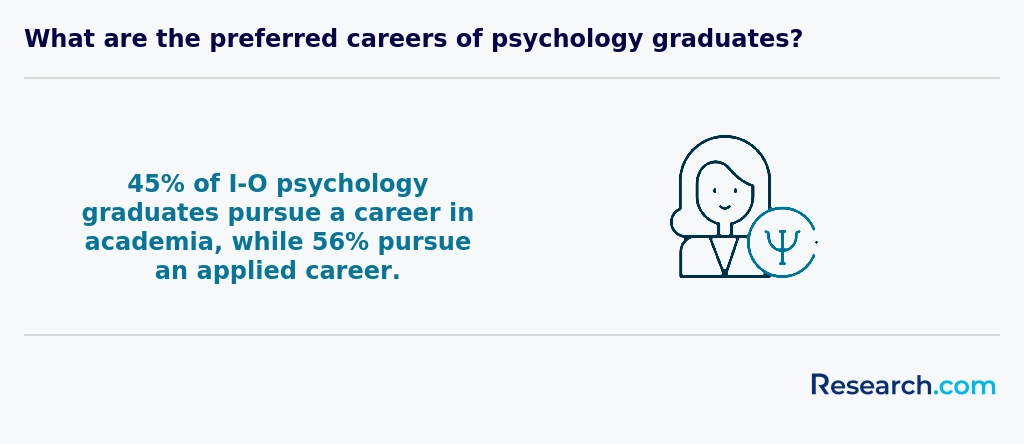
Graduates pursuing a psychology degree career options Queens can explore diverse fields reflecting the region's dynamic professional landscape. Clinical psychology remains a significant path, with many graduates from local institutions such as Queens College gaining hands-on experience assessing mental health in community health centers or private practices. Counseling psychology also attracts many, particularly those working with public schools or nonprofits, offering rewarding roles addressing family and career challenges in Queens' diverse population.
Jobs with psychology degree in Queens increasingly include industrial-organizational psychology, where graduates improve employee well-being and workplace efficiency for businesses competing in NYC's job market. Educational psychology is another prevalent choice, supporting diverse learners in Queens' schools by applying psychological principles to motivation and behavior. Many graduates find fulfilled partnering with educators to enhance student success.
Additional opportunities arise in forensic psychology, research at prominent universities, and health psychology. Some graduates find the investment in their degree worthwhile despite costs, especially by leveraging resources like the Low Cost Psychology Degree Programs Ranking in Wisconsin to guide financial decisions.
The psychology degree job outlook in Queens is robust due to the borough's diverse economy and growing awareness of mental health needs. Graduates from Queens-based institutions often find rewarding roles in clinical settings, schools, and business sectors. For example, recent graduates from prominent local colleges working as school psychologists have shared how their education directly prepared them to impact students' lives within the NYC Department of Education, contributing to community well-being.
Employment opportunities for psychology graduates Queens include clinical psychologists, human resources specialists, and social service managers addressing mental health challenges unique to the area. The affordability of public universities in Queens, with tuition ranging from $7,000 to $9,000 annually, pairs well with promising job prospects, offering graduates both financial and professional optimism. Many students explore accredited accelerated degree programs online that allow them to enter the workforce faster, balancing quality education with practical timelines.
Starting salaries for entry-level psychology roles commonly range from $50,000 to $70,000, while licensed clinicians with advanced training in the borough often earn over $100,000 annually, reflecting an encouraging economic environment for psychology careers in Queens.
2027 Best Psychology Degree Programs Ranking in Queens
Investing in your education is a significant decision that can shape your future, and the Research.com team understands the importance of making informed choices. To assist prospective students in Queens, we have meticulously crafted the "2027 Best Psychology Degree Programs Ranking in Queens." Our commitment to quality, credibility, and accuracy is reflected in the extensive research and analysis conducted to compile this ranking.
We utilized the following reputable data sources to ensure a comprehensive evaluation of psychology degree programs:
By exploring this ranking, readers will gain valuable insights into the best psychology degree programs available in Queens, helping them make well-informed decisions about their educational paths. For more details on our methodology, please visit our Research.com methodology page.


Frequently Asked Questions About psychology
Psychology degree students in Queens can maximize their learning by engaging deeply with the diverse community around them. Queens is known for its cultural variety, offering a rich environment for studying human behavior in real-life settings. Students should seek internships at local hospitals, schools, or community centers, where practical experience complements academic knowledge.
Queens colleges often emphasize research opportunities. Participating in faculty-led projects helps students develop critical analysis skills valued in psychology careers. According to the American Psychological Association, hands-on research can improve job prospects by 20%.
Joining student organizations and attending psychology seminars in the area also enhances networking and learning. Utilizing these resources ensures a well-rounded education tailored to real-world practice.
Emerging niches in the psychology field reflect changing societal needs and technological advances. In Queens, growing interest is seen in neuropsychology, which focuses on brain-behavior relationships, and forensic psychology, applied in criminal justice and increasingly relevant due to local legal system demands. Additionally, health psychology is expanding, driven by Queens's diverse population facing complex health challenges. Telepsychology and digital mental health services are also rapidly developing, especially after the COVID-19 pandemic, offering remote care options. According to the New York State Education Department, these areas show notable job growth, suggesting that students specializing in such fields may find strong career opportunities locally and beyond.
After completing a psychology degree in Queens, preparing for the job market involves several key steps. First, gaining practical experience through internships or volunteer positions in local mental health clinics, hospitals, or schools is essential. Queens offers diverse settings for hands-on learning, which enhances employability.
Networking also plays a vital role. Joining professional organizations like the New York State Psychological Association provides access to job listings and career events. According to the U.S. Bureau of Labor Statistics, employment for psychologists in New York is projected to grow by 10% from 2022 to 2032, indicating healthy job prospects.
Additionally, pursuing relevant certifications or considering graduate studies can expand career options, especially for clinical roles. Finally, developing strong communication and research skills will increase competitiveness in this evolving field.
Employers in Queens prioritize several key skills when hiring psychology degree graduates. Critical thinking and analytical abilities are essential, as professionals must interpret complex data and research findings accurately. Strong communication skills, both written and verbal, are highly valued for effectively engaging with clients, colleagues, and community members.
Additionally, local employers seek graduates with cultural competence to address Queens' diverse population sensitively and inclusively. According to the U.S. Bureau of Labor Statistics, interpersonal skills and ethical judgment are also critical for careers in clinical, counseling, and social psychology roles common in the area.
Finding internships in Queens relevant to a psychology degree involves several practical steps. First, students should consult their college's career services, which often maintain lists of local internship opportunities tailored for psychology majors. Many internships are available at healthcare centers, social service agencies, and schools within Queens.
The New York State Education Department and local nonprofit organizations frequently offer psychology-related internships. According to the NYC Department of Education, internships in school psychology are growing, reflecting a broader trend in mental health support within the region.
Networking is also important. Attend local psychology or mental health conferences, workshops, or university job fairs to connect with potential employers. Online platforms like Handshake, often used by New York colleges, list numerous Queens-based internships targeted at psychology students.
In Queens, earning a psychology degree significantly enhances career mobility and advancement opportunities. According to the U.S. Bureau of Labor Statistics, employment for psychologists in New York City is projected to grow 8% from 2022 to 2032, faster than the average for all occupations. This growth supports increased demand for qualified professionals in mental health, education, and social services.
Locally, graduates with psychology degrees often advance into specialized roles such as clinical coordinators or school counselors, reflecting enhanced earning potential and job stability. Networking opportunities available through Queens-based colleges also aid in connecting graduates to growing healthcare and community organizations.
Moreover, holding advanced degrees, especially master's or doctoral qualifications, is critical for licensure and leadership roles in Queens. This makes continuing education an important factor for progressing within the field.
Studying for a psychology degree in Queens offers strong preparation for interdisciplinary roles by emphasizing collaboration across multiple fields. Local programs integrate psychology with areas like social work, healthcare, education, and criminal justice, reflecting the diverse community needs in Queens. According to the National Center for Education Statistics, many Queens colleges promote cross-disciplinary coursework, such as combining psychology with public health or counseling.
This approach helps students develop skills applicable to various settings, from clinical environments to community outreach. Internships available through partnerships with Queens-based hospitals and nonprofits further support practical experience in team-oriented roles.
By fostering knowledge of human behavior alongside sociocultural and medical perspectives, Queens psychology degrees equip graduates to contribute effectively within interdisciplinary teams addressing complex social challenges.
When choosing between a thesis and a non-thesis psychology degree program in Queens, consider your academic and career goals carefully. Thesis programs focus on research, requiring students to design and complete an original study, which is ideal for those aiming for doctoral studies or research-focused jobs.
In contrast, non-thesis programs emphasize coursework and practical skills, suited for students targeting clinical practice, counseling, or direct workforce entry. According to the New York State Education Department, many Queens graduates in psychology find that thesis experience enhances their competitiveness for research assistant roles.
Cost and duration are factors: thesis options may take longer, but often offer opportunities for assistantships or funding. Evaluate your interests and professional plans before deciding.
Students based in Queens looking to study psychology abroad have several structured pathways within the US higher education system. Many institutions offer joint programs or partnerships with universities overseas, allowing transfer or dual-degree options. These programs often include study abroad semesters or summer courses in countries with established psychology research hubs.
Queens students might also consider institutions participating in exchange programs like the Benjamin A. Gilman International Scholarship, which supports undergraduates studying abroad in psychology-related fields. According to the Institute of International Education, over 300,000 U.S. students studied abroad in 2019-2020, with behavioral sciences as a popular major.
Additionally, some psychology departments in New York City offer resources to help students connect with international internships or research projects, enhancing their global academic experience without fully relocating. The City University of New York (CUNY) system, which serves many Queens residents, provides guidance on accredited psychology programs globally.
Queens offers several part-time job opportunities that complement psychology degree education, enhancing both practical skills and theoretical knowledge. Roles such as behavioral health technician or psychiatric aide at local hospitals and clinics provide valuable experience working with patients under professional supervision.
Research assistant positions at institutions like Queens College or nearby universities enable students to engage in data collection and analysis, crucial for understanding psychological research methods.
Additionally, community centers and nonprofit organizations in Queens often seek part-time counselors or support staff, allowing students to develop communication and crisis management skills.
These roles not only provide income but also strengthen resumes and prepare students for advanced psychology careers.
Psychology students in Queens benefit from several valuable networking opportunities within the borough's diverse academic and professional communities. Many local colleges, such as Queens College of the City University of New York (CUNY), host events, workshops, and guest lectures that connect students with faculty, alumni, and local mental health professionals.
Queens also offers access to professional organizations like the New York State Psychological Association, which often holds regional meetings and conferences nearby, providing occasions to meet practitioners and researchers. Internships and volunteer programs at local hospitals and community centers in Queens further expand students' practical networks, crucial for career development.
According to CUNY's latest career services data, nearly 70% of psychology undergraduates in Queens participate in internships, enhancing connections in the mental health field. Additionally, online platforms like LinkedIn are frequently used by students to maintain and grow these professional relationships.
Alumni networks play a significant role for psychology degree students in Queens by connecting them with experienced professionals and recent graduates. These networks offer mentorship opportunities that can guide students through academic challenges and career decisions. According to the National Association of Colleges and Employers (NACE), students who engage with alumni are 20% more likely to secure internships, a crucial step in psychology careers.
In Queens, institutions like Queens College maintain active alumni groups that facilitate job placements in local clinics, schools, and research centers. These networks also provide access to exclusive workshops and events that build professional skills.
Additionally, strong alumni connections in Queens support networking in a competitive psychology job market, which is projected to grow by 8% nationwide from 2022 to 2032, according to the Bureau of Labor Statistics.
Customizing a psychology degree program in Queens allows students to align their education with specific career goals. Many institutions offer electives and concentrations such as clinical psychology, counseling, or industrial-organizational psychology. This flexibility helps students develop skills relevant to desired professions.
Additionally, internships and research opportunities within Queens provide practical experience tailored to local mental health or community services. The City University of New York (CUNY) system, serving the area, emphasizes applied learning and partnerships with local organizations. According to the U.S. Bureau of Labor Statistics, specializing in high-demand areas can improve employment prospects in New York's competitive job market.
Engaging with faculty advisors at Queens colleges also aids in selecting relevant coursework and career paths, helping students design a program that fits their ambitions effectively.
Psychology students in Queens often face several challenges common to the US higher education system. One key difficulty is balancing rigorous coursework with practical experience requirements, such as internships and research projects. Many students find securing placements demanding due to competitive local healthcare and social service settings. Additionally, financial strain is a significant concern. Queens has a diverse student population, with many relying on financial aid; the average student debt for psychology majors nationwide exceeds $30,000, according to the National Center for Education Statistics.
Another challenge involves accessing mental health resources for themselves. Studies show that nearly 60% of college students experience stress or anxiety, and managing this while studying psychology can be particularly demanding. Furthermore, students often navigate the complexities of licensing requirements in New York State, which require additional supervised hours and exams after graduation. Such hurdles can extend the timeline for full professional qualification, adding pressure during studies.
With a psychology degree in Queens, graduates can pursue various professional certifications to enhance their careers. Common certifications include Certified Alcohol and Substance Abuse Counselor (CASAC), which is recognized by New York State and can lead to roles in addiction treatment. Another option is becoming a Licensed Mental Health Counselor (LMHC), requiring further graduate study and supervised hours. National certifications, like Board Certified Behavior Analyst (BCBA), focus on applied behavior analysis and are valuable in clinical and educational settings.
The New York State Education Department provides specific guidelines and requirements for many of these credentials, ensuring local recognition.
According to the New York State Office of Mental Health, demand for certified professionals in Queens has risen by nearly 10% in recent years, reflecting growing needs for mental health services.
To write a winning application for a psychology program in Queens, start by thoroughly researching local schools, such as St. John's University and York College, both known for their psychology departments. Admissions committees in Queens often emphasize academic excellence, so maintain a strong GPA-typically above 3.0 for competitive programs. Highlight relevant experience, including volunteer work or internships in mental health or research settings, which demonstrate your commitment to psychology.
Personal statements are crucial; clearly articulate your motivation for studying psychology and how Queens' unique community shapes your goals. According to the National Center for Education Statistics, over 70% of psychology applicants focus on community impact in their essays, which resonates with Queens' diverse population.
Finally, secure strong letters of recommendation from professors or professionals familiar with your skills and dedication. These elements combined enhance your chance of admission into psychology programs in Queens.
Psychology careers in the U.S. are increasingly influenced by global trends in mental health awareness and research. For students in Queens, understanding these perspectives helps shape expectations. According to the American Psychological Association, the demand for psychologists is growing, with a projected 8% employment increase nationally by 2030, partly due to wider acceptance of mental health treatment worldwide.
International collaboration in psychological research often focuses on cross-cultural studies and global mental health challenges. This creates opportunities for Queens graduates to engage in diverse career paths, including clinical practice, research, and policy development.
The multicultural population of Queens offers a unique environment to study psychology applied in global contexts, beneficial for careers emphasizing cultural competence.
Gaining practical experience while studying for a psychology degree in Queens is essential for career readiness. Many local colleges, such as St. John's University and Queens College, offer internship programs that connect students with nearby mental health clinics and social service agencies. These internships allow students to apply theoretical knowledge to real-world situations under professional supervision.
Additionally, volunteering opportunities abound in Queens hospitals and community centers that serve diverse populations. Such hands-on work helps students develop critical skills like client interaction and data collection.
Some programs also include research assistant positions, providing experience with experimental design and statistical analysis, vital for psychology careers. According to the American Psychological Association, supervised fieldwork significantly improves job prospects post-graduation.
When choosing a concentration within a psychology degree program in Queens, it's important to first consider your career goals. Queens offers diverse psychology fields, including clinical, counseling, and industrial-organizational psychology, each serving different professional paths.
Many programs in Queens, such as those at Queens College (CUNY), allow students to specialize in concentrations aligned with local job market demands. According to the U.S. Bureau of Labor Statistics, psychology-related employment in New York City is projected to grow by 8% from 2022 to 2032. This growth particularly benefits clinical and counseling psychologists.
Evaluate curriculum details, practicum opportunities, and faculty expertise when comparing concentrations. Also, consider whether the concentration aligns with state licensure requirements for psychology professions in New York.
- 2027 Best Psychology Degree Programs Ranking in New York
- 2027 Best Psychology Degree Programs Ranking in New Haven
- 2027 Best Psychology Degree Programs Ranking in Springfield
- 2027 Best Psychology Degree Programs Ranking in Amherst
- 2027 Best Psychology Degree Programs Ranking in Albany
- 2027 Best Psychology Degree Programs Ranking in Worcester
- 2027 Best Psychology Degree Programs Ranking in Baltimore
- 2027 Best Psychology Degree Programs Ranking in Cambridge
- 2027 Best Psychology Degree Programs Ranking in Boston
- 2027 Best Psychology Degree Programs Ranking in Washington
See What Experts Have To Say About Studying Psychology
Read our interview with Psychology experts

Catherine Caldwell-Harris, Ph.D.
Psychology Expert
Associate Professor of Psychology
Boston University

Robin M. Kowalski. Ph.D.
Psychology Expert
Professor of Psychology
Clemson University

Elizabeth L. Jeglic Ph.D.
Psychology Expert
Professor of Psychology
City University of New York

- Professional Networking For Psychologists | Psychology.org https://www.psychology.org/resources/professional-networking/
- Psychology Online Degree Pathway https://www.learndirect.com/course/psychology-online-degree
- A Guide to Psychology Internships | Psychology Degree Guide https://psychologydegreeguide.org/resources/internships/
- Sample letters in psychology https://www.mystudies.com/en-in/human-and-social-sciences/psychology/letter-model/
- Psychology at the University Level: What to Expect and How to Prepare https://www.enrichedmindset.com/post/psychology-at-the-university-level-what-to-expect-and-how-to-prepare
- What can I do with a psychology degree? https://www.hull.ac.uk/study/undergraduate/courses/psychology-bsc-hons/what-can-i-do-with-a-psychology-degree
- Know more about thesis vs non- thesis: what is the difference? https://studyfans.com/en/blogs/816
- Careers in Psychology https://www.queensu.ca/psychology/undergraduate-program/careers-psychology
- From the Classroom to Your Career: How a Psychology Degree Opens Doors https://www.torontomu.ca/arts/undergraduate/bachelor-of-arts-degree/from-the-classroom-to-your-career-how-a-psychology-degree-opens/
- Alumni Perspectives - Meet Our FPN Alumni https://www.aanmelder.nl/alumni-perspectives-june-2023





