
2027 Best Nursing Degree Programs Ranking in Ann Arbor

Co-Founder and Chief Data Scientist
Choosing the right nursing degree program is an important step toward a fulfilling and impactful career. For students in Ann Arbor, finding quality programs that match your goals can feel overwhelming.
This article presents the 2027 Best Nursing Degree Programs Ranking in Ann Arbor, developed by the Research.com team of data scientists. It offers a clear, trustworthy guide to help you discover nursing programs that stand out for quality and outcomes.
By exploring this ranking, you'll gain insights that support confident decisions, paving the way for a rewarding future in healthcare.
Key benefits of getting nursing degree in Ann Arbor
- Salary for nursing degree graduates: Graduates can expect competitive salaries, with registered nurses and public health nurses earning a mean annual wage of $94,480, while operating room nurses can earn up to $128,490 annually.
- Career paths in Ann Arbor: Nursing degree holders from the University of Michigan often find diverse opportunities in hospitals, clinics, or community health, enabling a rewarding and flexible career.
- Online degree benefits: Online nursing programs from local institutions offer flexibility and convenience, helping graduates balance education with personal commitments while gaining the same respected credentials as traditional degrees.
- 2027 Best Nursing Degree Programs Ranking in Ann Arbor
- What can I expect from nursing degree in Ann Arbor?
- Where can I work with nursing degree in Ann Arbor?
What can I expect from nursing degree in Ann Arbor?
Determining the average cost of a nursing degree in Ann Arbor involves considering several factors, particularly at the University of Michigan School of Nursing, the city's premier institution for nursing education. Graduates often recall the substantial investment required, as tuition for nursing programs here tends to be higher than at many state universities. While exact figures vary by program level-BSN, MSN, or DNP-students generally face tuition fees plus additional costs for clinical supplies, simulation labs, and licensing exams.
For example, a recent BSN graduate shared how budgeting extended beyond tuition to living expenses and commuting to clinical placements at Michigan Medicine. Despite the financial challenges, many express pride in joining a program nationally ranked in the top 10, highlighting the value received in terms of education quality and network support.
It's important to note that these costs may be offset by scholarships, financial aid, and part-time work opportunities within the city's robust healthcare system. Prospective students should critically assess their financial readiness and seek updated, detailed cost breakdowns during the admissions process to make informed decisions.
Where can I work with nursing degree in Ann Arbor?
Graduates from nursing programs in Ann Arbor, particularly those from the University of Michigan's School of Nursing, often find themselves working in diverse healthcare settings. Many begin bedside nursing roles within the University of Michigan Health System, experiencing the fast-paced environment of surgery or pediatrics firsthand. This immersion builds confidence and competence in real-world clinical scenarios.
Some graduates pursue positions in outpatient clinics or urgent care centers, where the focus shifts to quick assessments and patient education. Others find rewarding opportunities in long-term care facilities like Chelsea Retirement Community, where patient relationships deepen over time, reflecting the strong community ties valued by many in the region.
Public health nursing, supported by organizations such as Washtenaw County Public Health, attracts graduates interested in broader population health challenges, offering a sense of purpose in tackling disease prevention and health education.
Academic and research roles at local institutions provide alternatives for those seeking to combine nursing knowledge with investigative or teaching careers. Graduates often express fulfillment in these roles by shaping future nurses and advancing the profession through research.
While the path chosen varies, the variety of employment options in Ann Arbor allows nursing graduates to align their careers with both practical skills and personal passions.
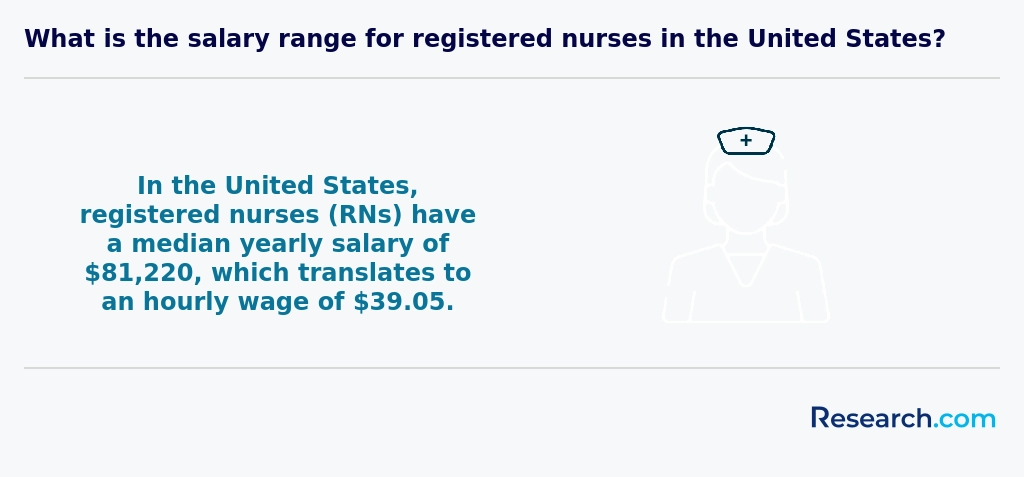
Nursing graduates in Ann Arbor can expect salaries that reflect their education and specialization within the local healthcare landscape. For example, those working as registered nurses often earn around $94,480 annually, according to the latest data. This aligns with experiences shared by graduates from the University of Michigan's School of Nursing, where many alumni secure positions as clinical nurse educators or public health nurses earning similar wages near $94,480 per year. These roles provide a stable income while supporting community health and education.
More specialized positions, like operating room nurses, command notably higher salaries, averaging $128,490 annually. Graduates engaged in these demanding environments report feeling a strong sense of achievement and financial reward for their expertise. The hourly wage of about $61.78 reflects the advanced skills required in such settings.
Given Ann Arbor's robust healthcare sector and institutions like the University of Michigan Health System, nurses benefit from competitive compensation and the opportunity to grow professionally. However, those entering the field should consider the balance of workload and pay, as well as their personal career goals.
- Ann Arbor offers nursing programs from associate degrees to advanced practice degrees, all designed to meet national accreditation standards.
- Annual tuition for a Bachelor of Science in Nursing (BSN) ranges from about $15,000 to $30,000 for in-state students, with additional costs for books and clinical fees.
- Entry-level registered nurses in Ann Arbor earn between $60,000 and $70,000 annually, with potential to exceed $85,000 as they gain experience or specialize.
- The city has a strong job market for nurses due to major hospitals, outpatient centers, and research facilities.
- Demand for nursing professionals is growing because of healthcare expansion and an aging population, offering good employment opportunities.
Completing a nursing degree in Ann Arbor varies significantly depending on the educational path chosen. Many graduates from local community colleges share that their Associate Degree in Nursing (ADN) took about 2 to 3 years, a timeframe that balances quick entry into the workforce with preparation for the NCLEX-RN exam. However, some students found this timeline too brief and opted to continue their education. Those attending the University of Michigan's Bachelor of Science in Nursing (BSN) program describe the four-year commitment as intense yet rewarding, especially appreciating the hands-on clinical experiences integrated into the curriculum.
For registered nurses working in the area, RN-to-BSN bridge programs typically last 1 to 2 years. Graduates often highlight the flexibility of these programs, allowing them to balance career and study effectively. Pursuing a Master of Science in Nursing (MSN) requires an additional two years, with many students expressing excitement about specializing in advanced roles, which can open doors to leadership and higher salaries. These timelines reflect diverse paths, each matching different life circumstances and career ambitions in Ann Arbor's nursing community.
One of the most reliable indicators of a nursing program’s effectiveness is its NCLEX-RN pass rate, which reflects how well graduates are prepared for real-world clinical practice. In Ann Arbor, the University of Michigan School of Nursing boasts a first-time pass rate of 95%, well above the Michigan state average of 89%. Eastern Michigan University reports a 92% pass rate, while Washtenaw Community College graduates achieve an 87% pass rate. These figures underscore the rigorous academic standards and robust clinical training offered by local institutions. To maximize your chances of success on the NCLEX, consider the following strategies:
- Utilize simulation labs and hands-on workshops early in your program to build confidence in clinical skills.
- Enroll in NCLEX review courses-many students find Kaplan or UWorld’s question banks invaluable.
- Form or join study groups to reinforce complex topics like pharmacology and pathophysiology through peer teaching. For those seeking cost-effective pathways to supplement traditional coursework, explore our Cheapest Online Nursing Degree Programs Ranking in Mequon, WI, which can provide flexible review modules and additional practice tests without breaking the bank. By choosing a program with strong exam outcomes and leveraging targeted preparation resources, you’ll position yourself for licensure success and a thriving nursing career.
The primary difference between online and on-campus nursing degrees in Ann Arbor lies in how the content is delivered and experienced. Online programs offer flexibility that suits students managing work or family commitments by allowing them to learn anywhere with internet access. Yet, graduates often recall that completing required clinical hours in local healthcare settings-mandated by Michigan's nursing board-ensures they gain practical, hands-on skills despite the virtual coursework.
Conversely, on-campus programs, such as those at the University of Michigan, provide immediate access to professors and classmates, fostering rich discussions and teamwork essential for nursing. Students who thrive on in-person interaction often highlight the benefit of using campus libraries and engaging directly in labs and clinical partnerships around Ann Arbor, which build confidence and networking opportunities with local health professionals.
Both pathways demand discipline but cater to different learning styles and lifestyles. Some graduates appreciate the self-paced nature of online study, while others value the structured rhythm of on-campus life.
When considering a nursing program in Ann Arbor, MI, one crucial aspect to evaluate is the cost of tuition and the availability of financial aid. Prospective students should research the total cost of their desired program, including any additional fees for uniforms, equipment, or licensure exams. For those looking to minimize expenses, exploring the cheapest nursing programs in michigan can be a strategic move. Many institutions in Ann Arbor offer scholarships, grants, and loan options to help make nursing education more affordable. Understanding these financial considerations and budgeting effectively can significantly reduce stress and allow students to focus on their academic and clinical pursuits, ultimately leading to a successful nursing career.
Understanding the average nursing degree cost Ann Arbor students face requires looking beyond just tuition. At institutions like the University of Michigan, in-state nursing students typically pay around $17,700 for their degree, while out-of-state students may see costs ballooning to over $77,000. Graduates often recall the financial pressure but emphasize that scholarships and careful budgeting helped them manage their expenses without sacrificing academic or clinical experiences, which are vital for nursing success.
Nursing program tuition and fees Ann Arbor-wide vary significantly depending on the type of school and residency. Community colleges or accredited private schools in the area offer more affordable options, with total costs ranging from $8,000 to $20,000. Many students value these pathways as excellent introductions to the nursing profession, complementing or replacing the more costly university routes, and appreciate the quicker transition into the workforce.
Additional expenses like books, clinical supplies, health insurance, and living costs-as much as $15,000 annually-further influence overall affordability. Some nursing students share how planning around these variables made them feel more confident and less overwhelmed during their studies. For those exploring alternatives or state-to-state comparisons, various resources, including healthcare education in Oregon, offer insight into different financial landscapes, helping prospective students weigh their options effectively.

Strong NCLEX-RN pass rates indicate effective curriculum and student support.
- University of Michigan School of Nursing: 95% first-time pass rate (2023), with simulation labs and structured review sessions.
- Eastern Michigan University: 92% pass rate (2023), featuring weekly tutoring and practice question banks.
- Washtenaw Community College: 89% pass rate (2023), offering faculty-led workshops and peer study groups.
Boost your readiness with targeted strategies:
- Enroll in mock exams and NCLEX review courses.
- Leverage campus tutoring centers and study groups.
- Seek personalized feedback from clinical instructors.
For nurses aiming to advance into specialized roles, explore np programs in texas for comprehensive licensure guidance.
Nursing students in Ann Arbor often rely on a mix of federal, state, and local financial aid to manage the high costs of their degrees. Graduates from the University of Michigan recall how completing the FAFSA opened doors to Pell Grants, which provided crucial, non-repayable funds reducing their tuition burden significantly. However, they caution that federal loans like Direct Subsidized and Unsubsidized Loans, while helpful, come with repayment obligations that require careful planning.
State programs such as Michigan's Competitive Scholarship and Tuition Incentive Program further ease financial stress for residents attending local nursing schools. Some nursing graduates emphasize the value of scholarships from university foundations and nursing associations, noting these awards often reflect academic merit or financial need, making a tangible difference in their educational journey.
Work-study opportunities and part-time healthcare jobs on or near campus not only help students cover daily expenses but provide hands-on experience that many find personally rewarding. Yet, some point out that balancing work and rigorous nursing coursework can be challenging, underscoring the importance of early financial aid exploration and realistic budgeting.
Obtaining and maintaining nursing licensure in Michigan involves several critical steps designed to ensure both competence and ongoing professional development. First, graduates must successfully pass the NCLEX-RN exam and submit their application to the Michigan Board of Nursing, which includes a criminal background check and proof of immunizations. Once licensed, nurses are required to renew their registration biennially and complete at least 25 continuing education contact hours within each two-year renewal period. Key requirements and options include: • Initial Licensure Process: – Submit official transcripts, NCLEX-RN results, and application fee to the Michigan Board of Nursing. – Complete fingerprinting and background screening through the Michigan Department of Licensing and Regulatory Affairs (LARA). • Renewal and Continuing Education: – 25 contact hours of approved continuing education every two years (with at least two hours in pain and symptom management). – Mandatory self-certification of CE compliance during online renewal. • Approved Continuing Education Providers: – Accredited universities, professional nursing associations, and approved online platforms. – Specialty certifications (e.g., Advanced Practice Registered Nurse) often require additional coursework and clinical hours. • Advanced Practice Pathways: Many RNs choose to pursue advanced roles, such as Family Nurse Practitioner (FNP). For those aiming to fast-track their FNP credentials, the best 12 month online fnp program offers an accelerated curriculum that meets certification board requirements while accommodating working professionals. By understanding Michigan’s licensure renewal schedule and strategically planning continuing education, nurses can ensure compliance, expand their scope of practice, and stay current with evolving standards in healthcare.
Enrolling in a nursing degree program in Ann Arbor typically requires a solid academic foundation, starting with a high school diploma or equivalent. Graduates from the University of Michigan's nursing program often reflect on how completing key subjects like biology, chemistry, and mathematics beforehand helped them grasp complex concepts during clinical practice. Many local community colleges echo this, emphasizing prerequisite courses such as anatomy, microbiology, and general chemistry.
Applicants usually need a minimum GPA around 3.0 to qualify for competitive programs, ensuring they can manage the rigorous coursework. Some students mention that standardized tests like the SAT or ACT were either a requirement or a helpful benchmark, depending on whether they pursued a traditional or accelerated track.
Beyond academics, practical barriers such as health screenings, immunizations, and background checks are mandatory to ensure safety during clinical placements. Hands-on experience through volunteering or healthcare jobs often strengthens applications, adding a sense of readiness and confidence shared by many local nursing students.
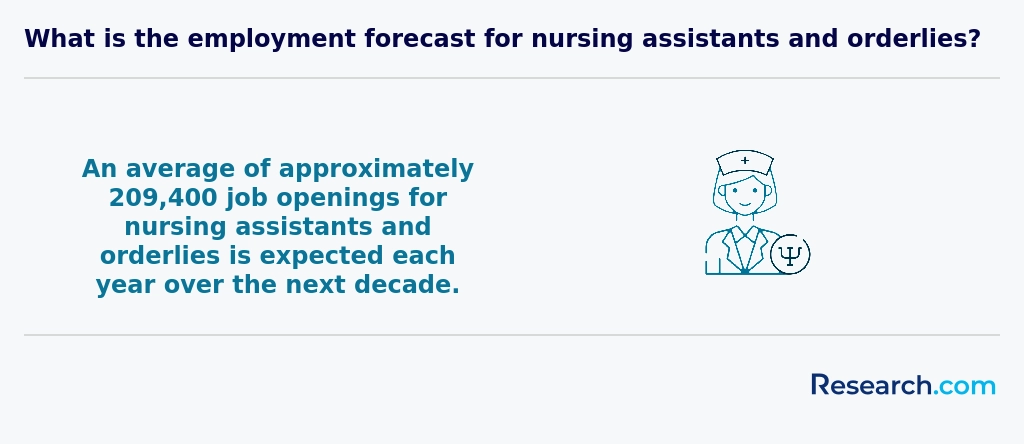
As demand for advanced practice nurses grows, many Ann Arbor students consider pursuing a Master of Science in Nursing (MSN) to expand career prospects and earning potential. While on-campus MSN programs at the University of Michigan offer hands-on clinical and research opportunities, online formats have surged in popularity due to their flexibility and often lower tuition rates. Understanding cost differentials is crucial: traditional MSN tuition in Michigan can range from $28,000 to $78,000 total, whereas accredited online pathways frequently reduce expenses by up to 30%. Students should compare program outcomes, accreditation status, and financial aid eligibility when evaluating graduate options. Clinical placement support, virtual lab simulations, and cohort networking differ across online providers, so verify that remote learning platforms meet Michigan Board of Nursing requirements. For those seeking the most budget-friendly and high-quality online master’s routes, our ranking of affordable online msn programs highlights top institutions based on tuition, student satisfaction, and NCLEX-RN pass rates. By carefully weighing affordability alongside academic rigor and clinical preparation, aspiring advanced practice nurses in Ann Arbor can select an MSN pathway that aligns with both their financial circumstances and long-term career goals.
Nursing degrees in Ann Arbor typically combine rigorous science courses with targeted nursing studies, ensuring a well-rounded education. At prominent local institutions, students often reflect on how foundational classes like anatomy, physiology, microbiology, and chemistry helped them grasp the complexities of the human body, providing a vital base for clinical practice.
Graduates frequently mention nursing-specific courses such as Fundamentals of Nursing Practice and Pharmacology as transformative, with hands-on lessons that build confidence in patient care and medication management. Health Assessment classes, common in these programs, empower students to accurately evaluate patient conditions, a skill repeatedly praised for boosting readiness during clinical rotations.
Other courses like Mental Health Nursing and Community and Public Health Nursing introduce future nurses to diverse patient needs, echoing real-world experiences shared by students who value learning about holistic care. Leadership and Management modules also prepare Ann Arbor nursing students to take on supervisory roles, often highlighted as crucial for career advancement in vibrant healthcare environments.
In Ann Arbor, nursing degree specializations often align with both clinical practice and leadership development, reflecting the diverse needs within healthcare today. Students at institutions like the University of Michigan report finding meaningful opportunities in concentrations such as Family Nurse Practitioner (FNP), Adult-Gerontology Acute Care, Pediatric Nursing, and Psychiatric-Mental Health Nursing. These specializations prepare graduates to handle complex patient scenarios, from managing chronic diseases in older adults to supporting mental health across varied populations.
Many students appreciate how Ann Arbor nursing program concentrations also include Nursing Leadership and Administration, which equips them with skills to influence healthcare policy and manage teams effectively. This balance between clinical expertise and leadership training is particularly valued by those who envision career advancement beyond bedside care. Graduates often describe clinical placements at local medical centers as both challenging and rewarding, giving them practical insights that fuel confidence in real-world settings.
While some view specialization options in Ann Arbor as comprehensive, others note that exploring certifications beyond the standard tracks, such as lpn degrees oklahoma rankings, can broaden professional pathways. Thus, prospective students might evaluate how these nursing degree specializations Ann Arbor offers align with their long-term goals and readiness for advanced practice roles or research involvement.
When selecting the best nursing degree in Ann Arbor, weigh several key factors thoughtfully. Accreditation matters-a nursing program accredited by bodies like the Commission on Collegiate Nursing Education ensures recognized quality. Many graduates from the University of Michigan, a popular choice for nursing education in Ann Arbor, praise its strong clinical partnerships with local hospitals, providing valuable hands-on experience that prepares students confidently for real-world nursing roles. Consider cost carefully as well; while some aspire to top-tier programs, affordable nursing schools in Ann Arbor offer competitive tuition rates close to $15,000 annually for in-state students, making education more accessible without sacrificing quality.
Graduates also emphasize the significance of NCLEX-RN pass rates, which at the University of Michigan often surpass the national average, reflecting rigorous curricula. For those balancing work and study, online or hybrid formats can offer necessary flexibility without diminishing the depth of learning. Exploring all options critically-including comparing programs beyond Ann Arbor, like Las Vegas nursing colleges-helps frame your decision within a wider context of opportunity.

Graduates with a nursing degree in Ann Arbor encounter a wide array of career paths designed to suit diverse interests and skills. Many enter as Registered Nurses (RNs), finding employment in hospitals, outpatient clinics, or home health care, a common outcome for those with an Associate Degree in Nursing or a BSN from institutions like the University of Michigan. These settings provide hands-on experience, often praised by graduates for fostering strong clinical skills and adaptability.
For those seeking advanced roles, career opportunities include Certified Nurse Practitioner, Clinical Nurse Specialist, Nurse Anesthetist, Nurse Midwife, Nursing Educator, and Healthcare Administrator. Ann Arbor's nursing programs emphasize clinical experience and incorporate research components, preparing students for these specialized fields. One graduate described the transition to specialized nursing as both challenging and rewarding, highlighting the region's robust healthcare infrastructure.
Considering nursing career opportunities in Ann Arbor often means reflecting on practical exposure and leadership training offered by top local schools. Many find that the focus on applied learning enhances confidence and job readiness, aligning with national job growth projections. Prospective students may explore nursing education and leadership resources to navigate this dynamic field effectively.

The nursing job opportunities in Ann Arbor remain strong, largely driven by the city's renowned healthcare institutions such as the University of Michigan Hospitals. Graduates from local nursing programs often share how their clinical rotations within these facilities provide invaluable real-world experience, boosting their confidence when entering the job market. This hands-on exposure, combined with a growing elderly population, means demand for registered nurses in specialties like long-term care and outpatient services continues to rise.
While salaries in Ann Arbor are competitive, many graduates consider the overall return on investment of their nursing education, particularly given the cost ranges. Public universities here offer in-state tuition advantages, making programs more approachable financially. Additionally, initiatives such as scholarships and loan forgiveness programs tailored to the state's nursing workforce help ease financial burdens, supporting smoother transitions from student to professional roles.
Career outlooks for Ann Arbor nursing degree holders are generally positive, yet it's important to assess personal goals and preferred specialties carefully. Some graduates find their ideal positions through the region's extensive healthcare network, while others weigh opportunities beyond traditional hospital settings. For those researching credentials, exploring the nutritional science program accreditation offers insight into interdisciplinary care fields enhancing nursing careers.
2027 Best Nursing Degree Programs Ranking in Ann Arbor
Investing in your education is a significant decision that can profoundly impact your future, and the Research.com team recognizes the importance of making well-informed choices. To support prospective students in Ann Arbor, we have carefully developed the "2027 Best Nursing Degree Programs Ranking in Ann Arbor." Our dedication to quality, credibility, and accuracy is demonstrated through thorough research and analysis conducted to assemble this ranking.
We utilized the following reputable data sources to ensure a comprehensive evaluation of nursing programs:
By reviewing this ranking, readers will obtain valuable insights into the top nursing degree programs in Ann Arbor, empowering them to make confident and informed decisions about their educational journey. For more information on how this ranking was created, please visit our Research.com methodology page.


Frequently Asked Questions About nursing
Nursing degree students in Ann Arbor can maximize their learning experience by actively engaging with the University of Michigan's School of Nursing, one of the nation's top-ranked programs. Utilizing simulation labs and participating in diverse clinical rotations across Ann Arbor's leading healthcare facilities can enhance practical skills. Students should seek mentorship opportunities offered through local nursing organizations, which connect learners with experienced professionals. Additionally, staying informed about the latest nursing research and evidence-based practices is essential. According to the American Association of Colleges of Nursing, students who combine classroom learning with real-world clinical exposure tend to perform better on licensing exams and in professional roles.
The nursing field is rapidly evolving, with several emerging niches gaining attention. In Ann Arbor, specialties like geriatric nursing and palliative care are growing due to an aging population. According to the Michigan Department of Health and Human Services, demand for nurses skilled in these areas has increased by over 15% in recent years. Another notable niche is informatics nursing, which integrates healthcare and technology to improve patient outcomes. Telehealth nursing has also expanded, especially after 2020, offering remote patient monitoring and care coordination. These niches reflect broader national trends, positioning Ann Arbor as a hub for innovative nursing careers.
Preparing for the job market after earning a nursing degree in Ann Arbor involves several strategic steps. Graduates should first obtain licensure by passing the NCLEX-RN exam, which is required to practice as a registered nurse in Michigan. Networking through local healthcare facilities like Michigan Medicine offers valuable connections and job leads, as it is the largest employer in the region.
Enrollment in professional nursing organizations, such as the Michigan Nurses Association, can provide career resources and continuing education opportunities. According to the U.S. Bureau of Labor Statistics, nursing jobs in the Detroit metropolitan area, including Ann Arbor, are projected to grow by 9% from 2022 to 2032, indicating strong demand.
Additionally, internships and clinical experience gained during studies are crucial for building practical skills. Utilizing Ann Arbor's local job fairs and university career centers can further enhance employment prospects.
Employers in Ann Arbor seek nursing degree graduates with a combination of clinical proficiency and interpersonal skills. According to the Michigan Nursing Workforce Development Council, strong patient assessment abilities and effective communication are paramount in local healthcare settings. Graduates must demonstrate competence in evidence-based practice, ensuring they can apply current research to patient care.
Attention to detail and critical thinking are also highly valued, as nurses often make quick decisions impacting patient outcomes. Additionally, familiarity with electronic health record (EHR) systems, such as Epic, widely used in Ann Arbor hospitals, is essential for workflow efficiency.
Cultural competence and teamwork complete the core qualities employers expect from nursing graduates in this region.
Finding internships in Ann Arbor related to nursing degrees involves leveraging local healthcare institutions and university resources. The University of Michigan, a leading institution in Ann Arbor, offers numerous clinical placement opportunities through its School of Nursing. These internships often take place at U-M Hospitals and Health Centers, which are highly ranked nationally in nursing care.
Students should also explore partnerships with Ann Arbor-based medical centers like St. Joseph Mercy Health System, known for supporting nursing students with hands-on training. Contacting career services offices at local colleges can provide tailored internship listings and application guidance.
Additionally, utilizing databases such as the National Student Nurse Association's online portal helps locate relevant internships.
Earning a nursing degree in Ann Arbor significantly enhances career mobility and advancement opportunities. Ann Arbor is home to a robust healthcare sector, including the University of Michigan Hospitals and numerous specialized clinics. Nurses with degrees-particularly Bachelor of Science in Nursing (BSN) or higher-are in high demand locally.
The Michigan Department of Labor reports a steady annual growth rate of about 12% for nursing jobs in the region through 2028, reflecting strong job security for degree holders. Advanced degrees also open pathways to leadership roles, clinical specialties, and education positions.
Employers in Ann Arbor increasingly prefer or require BSN-prepared nurses for promotions, with many offering tuition reimbursement for continued education, further supporting professional growth.
Studying for a nursing degree in Ann Arbor offers a strong foundation for interdisciplinary roles within healthcare teams. Programs emphasize collaboration with professionals in medicine, social work, and public health, reflecting trends in modern patient care. The University of Michigan School of Nursing, a notable institution in Ann Arbor, integrates interprofessional education into its curriculum. This approach enhances communication skills and understanding of different healthcare perspectives. According to the university's recent reports, over 80% of nursing students participate in team-based clinical simulations alongside other health disciplines. Such training prepares graduates to work effectively in diverse healthcare settings, improving patient outcomes.
Choosing between a thesis and a non-thesis nursing degree program in Ann Arbor depends largely on your career goals and learning preferences. A thesis option typically involves research, which can prepare you for doctoral studies or roles in academia and advanced clinical research. In contrast, non-thesis programs focus more on practical skills and coursework, suitable for those aiming to enter clinical practice or healthcare administration swiftly.
Ann Arbor's nursing programs, such as those at the University of Michigan, offer both options. According to recent data from the National Center for Education Statistics, about 35% of nursing graduates in Michigan choose thesis tracks, reflecting a strong research interest among students. Consider your interest in research, time commitment, and long-term career plans when deciding.
Students in Ann Arbor seeking to study nursing abroad have several pathways to consider. Many local institutions, including the University of Michigan School of Nursing, offer exchange programs and partnerships with international universities. These programs allow students to complete part of their coursework overseas while earning credits toward their U.S. nursing degree.
Additionally, students can explore summer study abroad opportunities focused on global health and nursing practices. Such experiences provide exposure to different healthcare systems and cultural competencies critical in nursing.
Financial aid and scholarships may be available specifically for these international experiences, helping to offset costs. According to the American Association of Colleges of Nursing, 24% of U.S. nursing programs offer global learning options, a trend reflected in Ann Arbor's offerings.
Students pursuing nursing degrees in Ann Arbor can find various part-time job opportunities that complement their education and provide valuable experience. Local hospitals like the University of Michigan Health System often hire nursing students as patient care assistants or nursing aides, allowing hands-on clinical exposure.
Additionally, many clinics and eldercare facilities in Ann Arbor offer roles such as medical assistants or home health aides. These positions help develop patient interaction skills and understand healthcare workflows.
According to the Bureau of Labor Statistics, jobs for nursing assistants in Michigan are projected to grow by 8% from 2020 to 2030, indicating strong local demand. Engaging in these roles benefits students pursuing Registered Nurse or Bachelor of Science in Nursing programs by bridging theory and practice.
Nursing students in Ann Arbor benefit from strong networking opportunities through local universities, healthcare institutions, and professional organizations. The University of Michigan School of Nursing offers various events, workshops, and seminars that connect students with faculty, alumni, and healthcare professionals. These events provide valuable chances to build professional relationships and explore internships.
Additionally, Ann Arbor's proximity to major hospitals like Michigan Medicine facilitates clinical placements and networking with practicing nurses. The Michigan Nurses Association local chapter also hosts regular meetings and conferences that foster connections among students and nursing professionals, supporting career advancement.
Alumni networks play a crucial role for nursing degree students in Ann Arbor by offering career support and professional connections. Graduates from local nursing programs often remain active in their alumni communities, providing mentorship and advice based on current healthcare industry trends. This access to experienced professionals helps students gain insights into hospital hiring practices and specialized nursing fields.
Moreover, Ann Arbor's nursing alumni frequently facilitate internships and job placements within the region's leading medical centers, such as the University of Michigan Health System. According to the Michigan Nursing Workforce Center, strong alumni relationships increase graduate employment rates by up to 20% in nursing fields statewide.
These networks also enable students to participate in continuing education workshops and nursing conferences, many of which are organized or promoted by alumni associations. This ensures students stay updated with best practices and emerging healthcare technologies.
Customizing a nursing degree program in Ann Arbor allows students to align their education with specific career goals. Many universities offer flexible curricula where students can choose electives, clinical placements, and specializations such as pediatrics, geriatrics, or community health. For example, clinical hours can often be completed at local healthcare facilities in Ann Arbor, providing practical experience tailored to the student's interests.
Students may also engage in research opportunities or take certificate courses in nursing leadership or informatics. According to data from the U.S. Bureau of Labor Statistics, registered nurses in the Ann Arbor area benefit from advanced skills, which can improve job prospects and salary potential. Consulting academic advisors early helps ensure the program fits individual career plans effectively.
Nursing students in Ann Arbor often face significant challenges balancing rigorous academics and clinical practice. The University of Michigan's School of Nursing, a leading program, reports that students must complete intensive coursework alongside demanding clinical hours, which can lead to stress and time management difficulties.
Another common challenge is the high cost of education combined with living expenses in Ann Arbor. According to recent data, in-state tuition alone can exceed $30,000 annually, excluding housing and materials.
Additionally, many students encounter emotional strain due to exposure to patient care in hospital settings, which requires strong resilience and support systems.
With a nursing degree obtained in Ann Arbor, graduates can pursue a variety of professional certifications that enhance career opportunities and expertise. Common certifications include the Certified Nurse Assistant (CNA), Licensed Practical Nurse (LPN), and Registered Nurse (RN) credentials, which are foundational for clinical roles across Michigan.
Advanced certifications like the Certified Nurse Practitioner (CNP) or Certified Clinical Nurse Specialist (CNS) are attainable with further education and offer specialization in areas such as family health, pediatrics, or gerontology.
The American Nurses Credentialing Center (ANCC) and the Michigan Board of Nursing regulate these certifications, ensuring standardized professional quality. According to the Michigan Department of Licensing and Regulatory Affairs, Ann Arbor-area nurses have seen a steady increase in advanced certification attainment, supporting career growth within hospitals and clinics.
To write a winning application for a nursing program in Ann Arbor, start by clearly demonstrating your academic preparedness, focusing on science and math coursework. Many programs, including those at the University of Michigan, look for strong GPA performance-typically above 3.0-and competitive ACT or SAT scores.
Highlight your clinical experience or volunteer work in healthcare settings, as this practical exposure is highly valued. Tailor your personal statement to reflect your passion for nursing and how you plan to contribute to the Ann Arbor healthcare community.
Ensure all recommendation letters are from professionals who can attest to your dedication and skills. Meeting all deadlines and submitting complete, error-free applications also greatly improves your chances.
A nursing career is recognized worldwide for its vital role in healthcare delivery and patient wellbeing. Globally, the demand for qualified nurses continues to rise due to aging populations and increasing chronic diseases. In the United States, including cities like Ann Arbor, nursing is ranked among the top professions for job growth and stability by the Bureau of Labor Statistics.
Nurses in the U.S. often have opportunities for advanced education and specialization, creating a diverse career path. Ann Arbor benefits from a strong healthcare system and educational institutions, such as the University of Michigan's School of Nursing, which is nationally ranked and influences nursing standards both locally and internationally.
Furthermore, globally informed curricula in U.S. nursing programs incorporate cultural competency and community health, critical for addressing diverse patient populations. These factors contribute to a nursing career's appeal and relevance worldwide.
Gaining practical experience while studying for a nursing degree in Ann Arbor is crucial for building skills and confidence. Local universities like the University of Michigan offer clinical placements in nearby hospitals, including Michigan Medicine, one of the top medical centers in the country. Students typically complete hands-on clinical hours as part of their curriculum, working directly with patients under supervision.
Many nursing programs also encourage internships and volunteer opportunities at community health centers and nursing homes around Ann Arbor. These experiences help students apply classroom knowledge in real-world settings.
The state of Michigan requires nursing students to complete a minimum number of clinical hours to qualify for the NCLEX-RN licensure exam, ensuring standardized practical training.
Choosing the right concentration within a nursing degree program in Ann Arbor involves assessing your career goals and interests. Ann Arbor hosts reputable nursing schools offering various specialties such as pediatric, geriatric, and acute care nursing. Consider which patient populations or healthcare settings appeal to you most. According to the Michigan Nursing Workforce report (2023), there is strong local demand for family nurse practitioners and psychiatric-mental health nurses, which might influence your focus.
Additionally, explore program curricula and clinical opportunities offered by local institutions, including University of Michigan's School of Nursing. Hands-on experience is vital to developing competence in your chosen field.
Research licensure exam pass rates and job placement statistics for each concentration to ensure alignment with your professional ambitions.
- 2027 Best Nursing Degree Programs Ranking in Detroit
- 2027 Best Nursing Degree Programs Ranking in Cleveland
- 2027 Best Nursing Degree Programs Ranking in Chicago
- 2027 Best Nursing Degree Programs Ranking in Indianapolis
- 2027 Best Nursing Degree Programs Ranking in Milwaukee
- 2027 Best Nursing Degree Programs Ranking in Pittsburgh
- 2027 Best Nursing Degree Programs Ranking in Madison
- 2027 Best Nursing Degree Programs Ranking in Louisville
- 2027 Best Nursing Degree Programs Ranking in Rochester
- 2027 Best Nursing Degree Programs Ranking in Peoria
See What Experts Have To Say About Studying Nursing
Read our interview with Nursing experts

Lisa Grubb
Nursing Expert
Assistant Professor
Johns Hopkins School of Nursing

- Scholarships & Financial Aid https://www.aacnnursing.org/students/scholarships-financial-aid
- How to Choose the Right Nursing Program for Your Career Goals - Maria College https://mariacollege.edu/blog/how-to-choose-the-right-nursing-program-for-your-career-goals
- What Are the Best RN Certifications for Your Career? https://credenzahealth.com/career-advice/what-are-the-best-rn-certifications-for-your-career
- Work-life balance | Careers Crossroads | RCN Careers Resources | Royal College of Nursing https://www.rcn.org.uk/Professional-Development/Your-career/Nurse/Career-Crossroads/Career-Ideas-and-Inspiration/work-life-balance
- Nursing Internship and Externship Programs https://jobs.mayoclinic.org/nursinginternexternprograms
- Nursing - SUM Admission https://admission.sum.edu.pl/nursing/
- Guide to Making a Career Change to Nursing https://teach.com/online-ed/healthcare-degrees/online-msn-programs/career-change-to-nursing/
- Getting RN Experience After Graduation | All Nursing Schools https://www.allnursingschools.com/articles/getting-rn-experience/
- Nursing Loan Repayment, Scholarship, and Grant Programs https://bhw.hrsa.gov/nursing-programs
- How Do Nurses Navigate Career Advancement? | NursingEducation https://nursingeducation.org/insights/career-advancement/


