
2027 Most Valuable Online Healthcare Degree Programs Ranking in San Francisco, CA

Co-Founder and Chief Data Scientist
Choosing the right healthcare degree program can shape your future in meaningful ways. If you're in San Francisco and exploring your options, this article offers valuable insights to guide your decision.
Our 2027 Most Valuable Online Healthcare Degree Programs Ranking in San Francisco, CA was developed by the Research.com team of data scientists to provide clear, data-driven information. This helps you focus on programs that truly deliver value and career potential.
By reading, you'll discover opportunities to grow in a rewarding field that impacts lives every day. Taking this step can open doors to a fulfilling healthcare career tailored to your goals.
Key benefits of getting online healthcare degree in San Francisco
- Graduates with healthcare degrees can expect competitive salaries, such as Medical Assistants earning around $43,350 annually and Patient Care Technicians about $60,790, providing strong financial motivation.
- Healthcare degree holders from universities like the University of San Francisco often pursue diverse roles including Clinical Research Coordinator or Quality Improvement Coordinator, offering exciting career flexibility.
- Completing a healthcare degree online, as many do at popular colleges in San Francisco, allows for flexible scheduling and the ability to balance work or family, making it easier to achieve your goals while managing life.
- Key benefits of getting online healthcare degree in San Francisco
- What can I expect from online healthcare degree in San Francisco?
- Where can I work with online healthcare degree in San Francisco?
- How much can I make with online healthcare degree in San Francisco?
- 2027 Most Valuable Online Healthcare Degree Programs Ranking in San Francisco, CA
- Key Findings
- How long does it take to complete online healthcare degree in San Francisco?
- What's the difference between online and on-campus healthcare degree?
- What is the average cost of online healthcare degree in San Francisco?
- What financial aid is available to online healthcare degree students in San Francisco?
- What are the prerequisites for enrolling in online healthcare degree program in San Francisco?
- What courses are typically in online healthcare degree programs in San Francisco?
- What types of specializations are available in online healthcare degree programs in San Francisco?
- How do you choose the best online healthcare degree in San Francisco?
- What career paths are available for online healthcare degree students in San Francisco?
- What is the job market for online healthcare degree in San Francisco?
- Top Trending Healthcare Rankings
- See What Experts Have To Say About Studying Healthcare
What can I expect from online healthcare degree in San Francisco?
The average cost of an online healthcare degree in San Francisco can vary significantly depending on the institution and program specialization. Graduates from prominent local universities often report tuition rates ranging from moderately affordable in-state fees to higher private institution costs. For example, state schools with well-regarded nursing or public health programs tend to offer competitive in-state pricing that appeals to many working adults balancing education and career.
Some graduates reflect positively on the availability of federal loans and scholarships that helped ease financial burdens, demonstrating that while sticker prices may seem daunting, accessible financial aid can make pursuing these degrees feasible. Yet, prospective students should consider additional expenses like occasional on-campus clinical sessions or lab work integral to hybrid program formats common in the region.
Within San Francisco's tech-savvy atmosphere, programs focusing on healthcare informatics may carry varied costs related to specialized training. Ultimately, students find value in the practical skills and flexible scheduling, feeling empowered by the chance to advance their careers without sacrificing current employment.
Where can I work with online healthcare degree in San Francisco?
Graduates with online healthcare degrees from institutions like UCSF or San Francisco State University often find themselves drawn to prominent hospitals such as UCSF Medical Center or Zuckerberg San Francisco General Hospital. These employers value roles in healthcare administration, nursing management, and clinical coordination, reflecting the city's demand for skilled professionals. Many graduates share positive experiences transitioning into these positions, appreciating the tangible impact they have on patient care and community health.
Others explore opportunities in outpatient care centers or community clinics within the San Francisco Health Network, where skills in care coordination and patient engagement are essential. This setting offers a different pace and often closer patient interaction, which some alumni find fulfilling.
Public health roles within city agencies provide alternative paths, especially for those interested in epidemiology or health education. Graduates often highlight how their online programs equipped them with practical knowledge, helping them contribute effectively to pandemic response and chronic disease prevention.
For graduates inclined toward innovation, emerging biotech and health tech companies in the Bay Area offer pathways in data analysis and regulatory affairs, blending healthcare expertise with technology.
How much can I make with online healthcare degree in San Francisco?
Graduates with online healthcare degrees in San Francisco can expect a wide range of earnings, shaped by degree level and specialization. For example, those pursuing entry-level roles like medical assistants or patient care technicians typically earn between $43,350 and $60,790 annually. These figures from the U.S. Bureau of Labor Statistics align closely with real experiences shared by graduates from local colleges such as City College of San Francisco. Many appreciate the balance of earning potential with accessible program lengths.
More specialized roles, such as health information technicians, show similar starting salaries around $43,380, but graduates aiming higher can see significantly better numbers. For instance, quality improvement coordinators report mean wages over $103,000 annually in the Bay Area, reflecting advanced skills and the city's tech-forward healthcare industry heavily emphasized by universities like the University of San Francisco.
While these salaries suggest promising opportunities, it's also important to consider factors like experience and ongoing education. Graduates often share that staying adaptable and pursuing certifications beyond the degree can noticeably increase earning potential in San Francisco's competitive healthcare market.
2027 Most Valuable Online Healthcare Degree Programs Ranking in San Francisco, CA
How do we rank schools?
Investing in your education is a significant decision that can shape your future, and the Research.com team understands the importance of making informed choices. To assist prospective students in San Francisco, CA, we have meticulously crafted the "2027 Most Valuable Online Healthcare Degree Programs Ranking." Our commitment to quality, credibility, and accuracy is reflected in the extensive research and analysis conducted to compile this ranking.
We utilized the following reputable data sources to ensure a comprehensive evaluation of healthcare degree programs:
By exploring this ranking, readers will gain valuable insights into the most valuable online healthcare degree programs available in San Francisco, helping them make well-informed decisions to advance their careers and education. For more details on our methodology, please visit our Research.com methodology page.

# 3 position
University of California-San Francisco
Master of Healthcare Administration and Interprofessional Leadership

Key Findings
- Tuition for online healthcare bachelor's degrees in San Francisco ranges from $12,000 to $30,000, while graduate programs cost between $20,000 and $45,000.
- Employment in healthcare jobs in San Francisco is expected to grow by about 15% over the next decade.
- Entry-level healthcare graduates typically earn around $65,000 annually, with median salaries reaching over $100,000 after five to ten years.
- Key healthcare sectors include nursing, health administration, medical technology, and public health.
- Online programs offer flexibility and local internships or practicums to support hands-on experience.
- Accreditation by agencies like CCNE or ACEND is important for ensuring degree credibility and job market acceptance.
How long does it take to complete online healthcare degree in San Francisco?
Completing an online healthcare degree in San Francisco typically takes two years for an associate degree, around four years for a bachelor's, and one to two years for a master's when studying full-time. However, many graduates from local institutions like San Francisco State University or City College of San Francisco speak to the flexibility of part-time options, which can extend these timelines. For example, some students balancing full-time jobs have reported finishing their bachelor's degrees in three to six years, appreciating the ability to learn at their own pace without sacrificing income.
There are also accelerated bachelor's degrees enabling completion in about three years through intensive coursework or transfer credits-a path some graduates find exhilarating yet demanding. Meanwhile, master's programs in healthcare administration and nursing often offer accelerated tracks lasting 12 to 18 months, a boon for motivated students eager to enter the workforce quickly.
Deciding how long it takes depends on factors such as enrollment status, prior credits, and program requirements like internships. Many local students find tailored advising helpful, allowing them to align their studies with personal and professional goals amid San Francisco's busy healthcare landscape.
What's the difference between online and on-campus healthcare degree?
Online healthcare degrees in San Francisco appeal to students seeking flexibility amid the city's high living costs and busy lifestyles. Graduates from well-known institutions like the University of San Francisco often share how asynchronous classes allowed them to maintain part-time jobs and family commitments without sacrificing academic progress. This format removes daily commuting costs, a significant relief given monthly rents often exceed $3,000.
Conversely, traditional on-campus programs, such as those offered at San Francisco State University, emphasize hands-on clinical training essential in fields like nursing or physical therapy. Graduates frequently highlight the value of direct instructor supervision and access to local hospitals for clinical internships, which provide immediate real-world experience that online formats may lack. These experiences often foster strong peer networks, boosting confidence and career opportunities.
Yet, some students worry about the potential isolation of online learning or the logistical challenges of scheduling in-person clinical hours mandated by California licensure requirements. Balancing these factors is crucial for prospective healthcare students deciding which path fits their unique career goals and personal circumstances.
What is the average cost of online healthcare degree in San Francisco?
The average cost of an online healthcare degree in San Francisco typically hovers around a median total of $65,685, reflecting a substantial investment for many prospective students. Graduates from well-known programs such as San Francisco State University often share that while the tuition for online studies is somewhat more manageable than traditional on-campus options, it still requires careful financial planning. For many, the combination of tuition and additional costs like books, technology fees, and certification exams can quickly add up, impacting the overall affordability of their education.
San Francisco online healthcare degree tuition fees are influenced by the mix of public and private institutions in the Bay Area. Public universities may offer more standardized and somewhat lower fees, but private schools often charge a premium, reflecting the higher operational costs in the city. Students recount that balancing these expenses along with San Francisco's naturally higher living costs-even if these do not directly affect online tuition-can be challenging. This is especially true when clinical placements or occasional campus visits are necessary.
Many students in healthcare find encouragement by focusing on the long-term career benefits, noting this investment pays off through promising job opportunities and professional growth in the region's healthcare sector. For those exploring flexible career options, considering the best states for travel nursing can also expand possibilities after graduation, adding to the value of their degree. Evaluating financial aid options and scholarships remains a crucial step to making the total cost more manageable.
What financial aid is available to online healthcare degree students in San Francisco?
Students pursuing online healthcare degrees in San Francisco frequently rely on a combination of federal and state financial aid to manage the region's high educational and living costs. Graduates from prominent schools like the University of San Francisco often describe FAFSA-based support, such as Pell Grants or Subsidized Stafford Loans, as essential to bridging tuition gaps. These grants and loans can substantially reduce financial strain, allowing students to focus on their rigorous coursework without excessive debt anxiety.
California residents might benefit from Cal Grants, which provide awards tailored to the cost of local institutions, sometimes covering significant portions of tuition. Many graduates recall that applying early for these grants was key to securing enough resources to cover expenses, especially at schools with strong healthcare programs like San Francisco State University.
Scholarships targeted at healthcare students, often offered by local healthcare foundations and societies, encourage academic commitment and community involvement. One graduate shared how a scholarship recognizing volunteer experience at a local clinic helped fund course materials, highlighting the importance of aligning personal efforts with scholarship criteria.
Employer tuition reimbursement also plays a vital role for working students, particularly those employed by local hospitals. This option not only eases costs but fosters a sense of motivation, knowing their employer values educational advancement. However, students should carefully review eligibility and repayment terms, as these programs can vary widely.
- Federal grants and loans through FAFSA
- California state aid programs such as Cal Grants
- Scholarships from health-focused organizations in San Francisco
- Employer tuition reimbursement programs
What are the prerequisites for enrolling in online healthcare degree program in San Francisco?
Enrolling in an online healthcare degree program in San Francisco requires meeting several key prerequisites tailored to prepare students for the city's dynamic healthcare environment. Most programs at institutions such as San Francisco State University and City College of San Francisco expect applicants to hold a high school diploma or GED, along with foundational coursework in biology, chemistry, and math. Graduates often reflect on how essential this early preparation was for confidently tackling demanding subjects.
For advanced degrees like nursing master's or healthcare administration at local universities, having prior credentials-such as an associate or bachelor's degree-is typically mandatory. Many students appreciate that their previous academic experience, combined with practical skills, made the rigorous graduate courses more approachable.
International students share how proving English proficiency through tests like TOEFL was initially intimidating, but ultimately reassuring, as clear communication is crucial in healthcare settings across San Francisco's diverse communities. Students also frequently mention the added step of background checks and immunizations before clinical placements, noting these measures promote safety and professionalism within local healthcare facilities.
What courses are typically in online healthcare degree programs in San Francisco?
Online healthcare degree programs in San Francisco commonly include core courses such as human anatomy and physiology, essential for understanding the body's complex systems. Graduates often highlight how these foundational courses made real-world clinical knowledge approachable, especially when paired with flexible practicum options available through local hospitals connected to well-known universities in the area.
Ethics and healthcare law courses are also standard, grounding students in the legal and moral frameworks crucial to responsible practice. Such classes help clarify challenging topics like patient confidentiality and consent, which many students find empowering when envisioning future roles in San Francisco's diverse healthcare settings.
Public health is another critical focus, with epidemiology and health promotion courses reflecting the city's commitment to addressing local health disparities. Graduates appreciate that these classes relate directly to ongoing community health initiatives and data from the San Francisco Department of Public Health, making learning feel relevant and actionable.
Technology-driven healthcare informatics courses prepare students for managing electronic health records and data analysis, skills increasingly in demand in the Bay Area's tech-savvy medical environment. Students frequently share excitement about applying these tools during internships with nearby health facilities.
Finally, healthcare management and policy courses expose students to leadership and finance concepts, useful for administrative roles thriving in urban centers like San Francisco. This practical training helps graduates feel confident navigating complex healthcare systems post-degree.
What types of specializations are available in online healthcare degree programs in San Francisco?
Online healthcare degree specializations San Francisco typically include nursing, healthcare administration, public health, health informatics, and medical assisting. Graduates from universities like UCSF highlight how nursing programs, especially the BSN and MSN tracks, provide practical preparation for roles such as registered nurses or nurse practitioners. Their experiences emphasize the vitality of mastering nursing profession skills amid California's projected demand for 40,000 new nursing jobs by 2030.
Healthcare administration specializations appeal to students aiming for leadership roles in San Francisco's dense network of hospitals and clinics. Graduates often reflect positively on learning budgeting and policy compliance relevant to real-world settings, which can also open doors locally. Public health programs focus on community health challenges unique to San Francisco's diverse population, preparing students to contribute meaningfully to ongoing urban health initiatives.
Students interested in combining technology and healthcare find health informatics programs valuable, leveraging San Francisco's tech culture to enhance data-driven care. Meanwhile, medical assisting offers shorter, affordable routes into clinical support roles. Considering these options carefully aligns with the healthcare degree concentration options San Francisco CA, where personal career goals and financial planning play crucial roles.
How do you choose the best online healthcare degree in San Francisco?
Choosing the best online healthcare degree in San Francisco means weighing accreditation, cost, and flexibility against your personal circumstances. Graduates from well-known universities in the area often emphasize the importance of accredited programs recognized by bodies like the Commission on Collegiate Nursing Education, which ensures the degree is respected by local healthcare employers. Cost can be challenging-San Francisco's high living expenses make affordable healthcare degrees online San Francisco CA especially appealing, though public universities offering in-state tuition can lessen financial strain.
Flexibility is crucial for working professionals balancing hospital shifts or medical office jobs. Many alumni appreciate programs that offer asynchronous learning or part-time schedules, allowing them to advance their careers without sacrificing income. Considering local job trends, some choose specializations aligned with the city's expanding healthcare roles, such as nursing or health informatics. Others find value in programs that facilitate clinical placements or networking locally. For those interested in specific areas like palliative care nursing, exploring tailored pathways can be rewarding; check programs linked to palliative care nursing for focused options.
What career paths are available for online healthcare degree students in San Francisco?
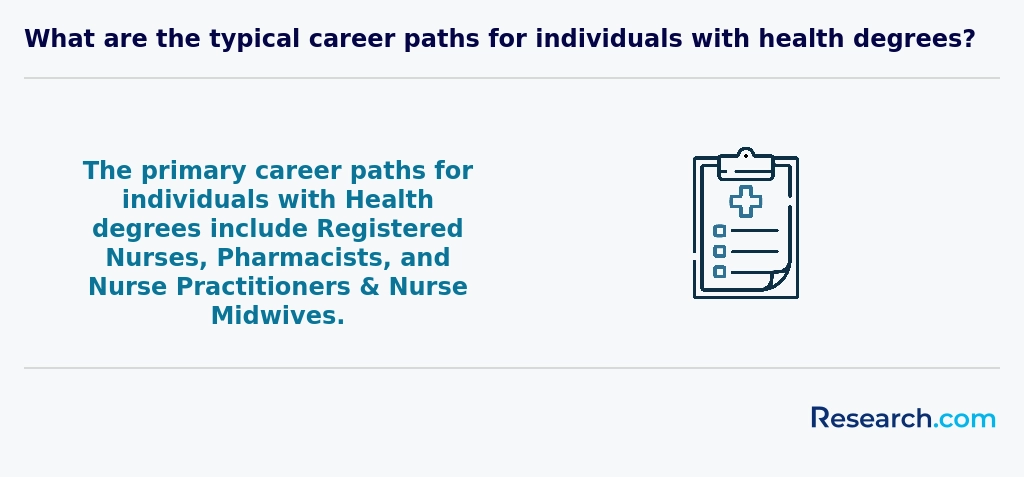
Graduates of an online healthcare degree in San Francisco find diverse career paths reflecting the city's unique healthcare landscape. Many enter roles as Registered Nurses, applying their skills directly in hospitals or community clinics often affiliated with local universities. Others pursue healthcare administration, taking advantage of the region's focus on innovation and management skills-graduates from prominent colleges report satisfaction working in leadership positions where understanding managerial accounting techniques proves essential. Careers as Medical and Health Services Managers are common, especially for those with advanced qualifications, who coordinate complex healthcare operations in San Francisco's large medical centers.
Additionally, the intersection of healthcare and technology opens opportunities as Healthcare Informatics Specialists. Students from tech-forward programs appreciate how their skills to analyze health data support improving patient care in a city known for tech innovation. Public Health Educators or Specialists engage with San Francisco's diverse communities to promote wellness, an inspiring role shared by many graduates who value meaningful local impact. Despite these promising prospects, job seekers must weigh the need for further certification in specialized fields, recognizing the real demands behind these roles. Such considerations are crucial when exploring online healthcare degree job opportunities San Francisco offers.
What is the job market for online healthcare degree in San Francisco?
The job market for graduates holding online healthcare degrees in San Francisco is notably promising, supported by a local economy that values innovation and healthcare advancement. Graduates from institutions like the University of San Francisco and San Francisco State University often report feeling confident entering the workforce, especially in roles such as nursing, healthcare administration, and health informatics. These positions benefit from San Francisco's strong demand for skilled professionals and higher-than-average salary benchmarks compared to other metropolitan areas.
Healthcare students who pursue online degrees in this region appreciate the flexibility to balance studies with work and personal responsibilities, a crucial factor given the city's fast-paced lifestyle. This advantage helps many to gain relevant job experience while completing their degrees, enhancing employability upon graduation. The local healthcare industry's acknowledgment of reputable online programs also bolsters these opportunities. For example, graduates with a Bachelor of Science in Nursing are finding themselves competitive amid steady growth projected by the California Employment Development Department.
For those interested in specialized healthcare roles, it's worth exploring options like nurse practitioner degrees minnesota part-time, as some transfer or cross-state career opportunities exist within the online healthcare degree landscape. This flexibility illustrates how San Francisco's healthcare degree career opportunities extend beyond local boundaries while maintaining strong roots in the Bay Area's expanding market.
Frequently Asked Questions About healthcare
Online healthcare degree students in San Francisco can maximize their learning by taking advantage of local healthcare resources. San Francisco hosts renowned institutions like UCSF Health, providing opportunities for virtual internships and networking. Engaging in online discussion groups and study sessions tailored to healthcare topics enhances understanding and retention.
Students should also leverage digital libraries and databases such as PubMed and the National Library of Medicine for up-to-date research, since healthcare evolves rapidly. Time management is crucial-balancing study with San Francisco's busy urban lifestyle requires discipline and planning.
According to the California Department of Public Health, demand for healthcare professionals in the Bay Area continues to grow, making practical experience and professional connections vital for success.
The healthcare field is rapidly evolving, with new niches emerging that offer promising career opportunities. In San Francisco, areas like telehealth and digital medicine have seen significant growth, driven by advances in technology and patient demand for remote care. According to the California Employment Development Department, telehealth-related jobs have increased by over 20% in the Bay Area since 2020.
Another niche gaining momentum is healthcare data analytics. Professionals who can interpret complex health data to improve patient outcomes are in high demand. Additionally, precision medicine, which customizes treatments based on genetics, is becoming a key focus in the region's biotech hubs.
These emerging fields present excellent options for students seeking online healthcare degrees tailored to future market needs.
After completing an online healthcare degree in San Francisco, preparing for the job market involves strategic steps. First, gaining relevant certifications, such as Certified Nursing Assistant (CNA) or Registered Health Information Technician (RHIT), can enhance employability. San Francisco's healthcare sector is robust, with a projected 12% growth in the next decade according to the California Employment Development Department.
Networking plays a crucial role. Join local professional groups like the San Francisco Bay Area Healthcare Executives to connect with employers and peers. Internships or volunteer work in nearby hospitals or clinics offer practical experience.
Finally, tailoring your resume to highlight skills valued in San Francisco's diverse healthcare industry, such as proficiency in electronic health records or bilingual communication, improves job prospects.
Employers in San Francisco prioritize several key skills when hiring graduates from online healthcare degree programs. Strong clinical knowledge combined with practical experience remains essential, as reflected in job listings on CalJOBS and the California Employment Development Department reports.
Communication skills, especially the ability to work effectively with diverse patient populations, are increasingly important. San Francisco's multicultural environment demands cultural competency and empathy from healthcare professionals.
Data management and familiarity with electronic health records (EHR) systems are also highly valued, due to the tech-forward nature of many local healthcare facilities.
Additionally, critical thinking and problem-solving skills help graduates adapt in this dynamic industry, which is undergoing rapid growth, with healthcare jobs projected to increase by 15% in the Bay Area through 2028 according to the U.S. Bureau of Labor Statistics.
Finding internships in San Francisco relevant to healthcare degrees involves strategic research and networking. Start by exploring partnerships between online programs and local hospitals or clinics. San Francisco hosts major healthcare employers such as UCSF Health and Kaiser Permanente, which commonly offer student internships.
Utilize resources like the California Board of Registered Nursing and local public health departments to identify opportunities specifically for healthcare students. Many universities and professional associations maintain online portals listing internships tailored to healthcare fields.
Networking through healthcare conferences, virtual career fairs, and LinkedIn groups focused on San Francisco's medical community can increase your chances.
According to the San Francisco Department of Public Health, the city's growing healthcare sector means competitive but available internship spots annually.
Obtaining an online healthcare degree in San Francisco can significantly enhance career mobility and advancement opportunities. The city's thriving healthcare sector includes top employers like UCSF Health and Kaiser Permanente, who often seek candidates with accredited degrees. According to the California Employment Development Department, healthcare jobs in the Bay Area are projected to grow by 14% through 2028, indicating rising demand for qualified professionals. Online degrees offer flexibility for current workers to attain specialized skills without interrupting their careers. Additionally, many programs align with California licensure requirements, facilitating smooth professional certification and eligibility for higher-paying roles.
Employers in San Francisco increasingly value advanced education, especially in nursing, health administration, and public health. The ability to study remotely enables graduates to quickly adapt to emerging healthcare fields, such as telemedicine and healthcare informatics, both prominent in the Bay Area's innovative environment.
Studying for an online healthcare degree in San Francisco equips students with skills vital for interdisciplinary roles. The city's healthcare education focuses on collaboration among diverse professionals, including nurses, social workers, and public health experts. This approach reflects local healthcare demands, with San Francisco's Department of Public Health emphasizing integrated care models to serve its diverse population.
Students gain hands-on experience through virtual simulations and community-based projects, fostering teamwork and problem-solving. According to the California Health Care Foundation, interdisciplinary collaboration reduces medical errors and improves patient outcomes, a priority in San Francisco's health systems.
Online programs also incorporate telehealth training, preparing graduates for technology-driven, cross-disciplinary environments common in the Bay Area.
When choosing between a thesis and a non-thesis online healthcare degree program in San Francisco, consider your career goals first. Thesis programs emphasize research, requiring students to produce original work, which suits those interested in academic or research careers.
Non-thesis programs typically focus on practical skills and coursework, making them ideal for students aiming to enter or advance in clinical or administrative roles quickly.
San Francisco's healthcare sector grew by 10% in the past five years, emphasizing innovation and policy, areas where research experience can be valuable, according to the San Francisco Health Network.
Cost and time commitment also differ: thesis tracks often take longer to complete and may involve higher tuition.
Students in San Francisco interested in studying healthcare abroad often explore online degree programs offered by U.S. institutions with international partnerships. These programs provide flexibility and global perspectives without requiring physical relocation. According to the National Center for Education Statistics, about 14% of undergraduate healthcare students choose online or hybrid formats, reflecting a growing trend.
Some universities facilitate clinical placements or internships internationally, allowing hands-on experience in diverse healthcare settings. San Francisco's access to global healthcare networks and emerging telehealth technologies supports students pursuing such opportunities. It is important for students to select programs accredited by recognized bodies like CAHME or CCNE to ensure quality and professional recognition.
Part-time job opportunities in San Francisco that complement online healthcare degree education include roles such as medical scribe, pharmacy technician, and patient care assistant. These positions provide practical experience, which is valuable alongside academic learning. For example, medical scribes support healthcare providers by documenting patient encounters, helping students understand medical terminology and clinical workflows.
San Francisco's healthcare sector is robust, with institutions like UCSF Health employing many part-time and entry-level roles. According to the San Francisco Office of Economic and Workforce Development, healthcare occupations are projected to grow by 14% through 2028, increasing opportunities for students.
These jobs enhance skills like communication, clinical knowledge, and time management, aiding career advancement while studying.
Online healthcare students in San Francisco have access to robust networking opportunities despite studying remotely. Many universities partner with local healthcare organizations and hospitals, such as UCSF Health and Sutter Health, offering virtual workshops and career fairs. These events allow students to connect with industry professionals and alumni.
The San Francisco Bay Area hosts numerous healthcare meetups and conferences annually, with some accessible online, fostering peer and professional connections. According to the California Healthcare Foundation, the city's growing biotech and health tech sectors provide additional networking platforms for students.
Online students can also join specialized LinkedIn groups and professional associations focused on healthcare in the region, supporting collaboration and mentorship.
Alumni networks provide critical support for online healthcare degree students in San Francisco by fostering professional connections within the region's extensive medical community. Networking through alumni groups can increase job placement opportunities in one of California's largest healthcare markets, which employs over 120,000 healthcare professionals according to the California Employment Development Department (2023).
These networks often facilitate mentorship, internships, and continuing education opportunities, enhancing students' career advancement. In a city with numerous hospitals and biotech firms, having access to alumni insights improves understanding of local healthcare trends and institutional hiring practices.
Moreover, alumni associations often host events both virtually and locally, ensuring online learners feel connected despite distance.
Customizing an online healthcare degree program in San Francisco allows students to align their education with specific career goals. Many accredited universities offer flexible curriculum options, including concentrations in public health, health informatics, or healthcare management. This flexibility helps meet the city's growing demand for specialized healthcare professionals, as San Francisco's healthcare sector is projected to grow by over 15% through 2030 according to the California Employment Development Department.
Students can often choose electives, participate in virtual internships, or engage in capstone projects focused on local healthcare challenges. Additionally, networking with San Francisco healthcare providers through online platforms enhances practical experience. Tailored programs improve job readiness and increase competitiveness in the healthcare market here.
Online healthcare students in San Francisco face several challenges common across virtual learning, compounded by local factors. One major issue is limited access to in-person clinical experiences, vital for healthcare training, which can be scarce in competitive urban settings. According to the California Board of Registered Nursing, clinical placements in the Bay Area have tightened due to growing demand for hands-on training.
Additionally, time management proves difficult as many online students balance studies with work or family. Internet connectivity, while generally strong in San Francisco, can vary, impacting video-based learning. Finally, navigating accreditation and state licensing requirements for healthcare professions adds complexity, especially with evolving regulations influenced by California's healthcare policies.
With an online healthcare degree, professionals in San Francisco can pursue a variety of certifications to advance their careers. Common options include Certified Nursing Assistant (CNA), Registered Health Information Technician (RHIT), and Certified Medical Assistant (CMA). These certifications demonstrate competence and often lead to higher salaries and better job prospects. The California Board of Registered Nursing reports a steady demand for nursing professionals in the region, highlighting local workforce growth. Additionally, certifications such as Certified Professional in Healthcare Quality (CPHQ) are valuable for those targeting healthcare administration roles. Choosing the right certification depends on one's career focus within the healthcare system.
Applying to an online healthcare program in San Francisco requires a clear, focused application that highlights your dedication to healthcare. Begin by emphasizing relevant experience, such as volunteer work or employment in medical settings. Many programs value applicants with practical exposure due to the competitive healthcare job market in the Bay Area, where healthcare employment is projected to grow by over 15% through 2030, according to the California Employment Development Department.
Next, craft a strong personal statement that connects your career goals to the needs of San Francisco's diverse population. Demonstrate awareness of local healthcare challenges, such as access disparities and the high cost of living impacting patient care. Include any academic achievements and relevant certifications, as online programs often prioritize academics and professional licenses when selecting candidates.
The healthcare industry is increasingly recognized worldwide as a vital and growing sector, offering diverse career opportunities. In the United States, and specifically in San Francisco, healthcare careers are valued for their stability and potential for advancement. According to the U.S. Bureau of Labor Statistics, healthcare occupations are projected to grow 16% from 2021 to 2031, much faster than the average for all occupations.
Globally, many countries prioritize healthcare education due to rising demands from aging populations and chronic diseases. In San Francisco, the emphasis on advanced healthcare training aligns with this trend, especially through online degree programs that cater to working professionals.
San Francisco's healthcare sector is supported by major hospitals and research centers, fostering innovation and demand for skilled professionals. This global and local alignment underscores the value of pursuing healthcare degrees online in this region, providing access to worldwide practices and standards.
Gaining practical experience during an online healthcare degree in San Francisco is essential for career readiness. Students can seek local internships or externships at healthcare facilities like UCSF Medical Center or community clinics. Many programs also offer virtual simulations that replicate real-world clinical scenarios.
San Francisco's vast network of healthcare providers offers volunteer opportunities, enabling students to build skills while serving diverse populations. According to the California Employment Development Department, healthcare jobs in the Bay Area are expected to grow 12% by 2030, emphasizing the value of hands-on experience.
Additionally, some online programs facilitate partnerships with local sites, helping students fulfill mandatory clinical hours within the city.
Choosing the right concentration within an online healthcare degree program in San Francisco requires understanding both your personal interests and local job market demands. Healthcare in the San Francisco Bay Area is a rapidly growing sector, with significant opportunities in fields like nursing, health informatics, and public health, as highlighted by the California Employment Development Department.
Consider concentrations that align with projected regional growth; for example, health informatics specialists in California are expected to grow by 15% through 2030, reflecting strong demand for healthcare technology professionals. Research local healthcare providers and state health department priorities to identify in-demand skills.
Additionally, evaluate programs that offer updated curricula meeting California's licensing and certification requirements, ensuring seamless career progression.
Related Healthcare Rankings for Nearby Cities
- 2027 Most Valuable Online Healthcare Degree Programs Ranking in Chico, CA
- 2027 Most Valuable Online Healthcare Degree Programs Ranking in Los Angeles, CA
- 2027 Most Valuable Online Healthcare Degree Programs Ranking in Carson, CA
- 2027 Most Valuable Online Healthcare Degree Programs Ranking in San Diego, CA
- 2027 Most Valuable Online Healthcare Degree Programs Ranking in Boise, ID
- 2027 Most Valuable Online Healthcare Degree Programs Ranking in Salt Lake City, UT
- 2027 Most Valuable Online Healthcare Degree Programs Ranking in Flagstaff, AZ
- 2027 Most Valuable Online Healthcare Degree Programs Ranking in Phoenix, AZ
- 2027 Most Valuable Online Healthcare Degree Programs Ranking in Tucson, AZ
- 2027 Most Valuable Online Healthcare Degree Programs Ranking in Albuquerque, NM
Top Trending Healthcare Rankings
See What Experts Have To Say About Studying Healthcare
Read our interview with Healthcare experts

References
- How to Write Your Cover Letter | NQRTH https://www.nqrth.edu.au/career-planning/how-to-write-your-cover-letter/
- How to Leverage Your Degree to Make a Successful Shift to Healthcare - https://wecareonlineclasses.com/how-to-leverage-your-degree-to-make-a-successful-shift-to-healthcare/
- Course Benefits https://www.premedprojects.co.uk/hospital-work-experience-benefits
- Health Management Careers https://www.ache.org/Career-Resources/Start-Your-Career/Health-Management-Careers
- Networking and Mentorship During Clinical Rotations https://rotatingroom.com/blog/medical-students-the-importance-of-networking-mentorship-during-your-clinical-rotations
- Welcome to the Upstate Nursing Alumni Association! https://www.upstatefoundation.org/NursingAlumni
- Career Opportunities in Healthcare Without a Medical Degree https://www.just-medical.ch/en/blog/medical-careers-without-formal-education
- How to Set and Achieve Career Goals in Health and Social Care | Royal Open College https://royalopencollege.org/blog/health-and-social-care/how-to-set-and-achieve-career-goals/
- What are the top 10 skills that'll get you a job when you graduate? https://targetjobs.co.uk/careers-advice/skills-for-getting-a-job/what-are-top-10-skills-thatll-get-you-job-when-you-graduate
- Alumni Reconnect - Poznan University of Medical Sciences https://pums.edu.pl/alumni-friends/alumni-reconnect/


