
2027 Most Valuable Online Master's in Healthcare Degree Programs Ranking in the Midwest

Co-Founder and Chief Data Scientist
Choosing the right online master's program in healthcare can feel overwhelming, especially with so many options available in the Midwest. This article introduces the 2027 Most Valuable Online Master's in Healthcare Degree Programs Ranking in the Midwest, developed by the Research.com team of data scientists to guide you through this important decision.
Discover programs that balance quality, value, and flexibility to fit your goals. Pursuing a healthcare degree opens doors to rewarding careers, making a positive impact in your community and beyond. Read on to find the best programs that can support your future success.
Key benefits of getting online healthcare degree in the Midwest
- Healthcare degree graduates in the Midwest can expect competitive salaries, such as Healthcare Consultants earning a mean annual wage of $115,530 and Healthcare Compliance Managers making about $80,190 per year.
- Graduates from Midwest universities often find diverse career paths, including consulting, compliance management, and healthcare administration, offering strong opportunities to grow and make an impact.
- Online healthcare degrees provide flexibility and convenience, allowing students from the Midwest to balance work and study while gaining quality education from respected institutions like the University of Illinois Online.
- Key benefits of getting online healthcare degree in the Midwest
- What can I expect from online healthcare degree in the Midwest?
- Where can I work with online healthcare degree in the Midwest?
- How much can I make with online healthcare degree in the Midwest?
- 2027 Most Valuable Online Master's in Healthcare Degree Programs Ranking in the Midwest
- Key Findings
- How long does it take to complete online healthcare degree in the Midwest?
- Expert Insights on Future Trends in Healthcare Education
- What's the difference between online and on-campus healthcare degree?
- What is the average cost of online healthcare degree in the Midwest?
- Budget-Friendly Alternatives: Explore Affordable Online Healthcare Programs
- What financial aid is available to online healthcare degree students in the Midwest?
- Accreditation and Licensure Requirements
- What are the prerequisites for enrolling in online healthcare degree program in the Midwest?
- Accelerated Healthcare Administration Degree Programs
- What courses are typically in online healthcare degree programs in the Midwest?
- What types of specializations are available in online healthcare degree programs in the Midwest?
- How do you choose the best online healthcare degree in the Midwest?
- What career paths are available for online healthcare degree students in the Midwest?
- What is the job market for online healthcare degree in the Midwest?
- Top Trending Healthcare Rankings
- See What Experts Have To Say About Studying Healthcare
What can I expect from online healthcare degree in the Midwest?
The average cost of an online healthcare degree in the Midwest generally falls between $15,000 and $35,000 for a full master's program, though this varies by university and program length. Graduates from well-known institutions in Illinois or Ohio often share that, while initial tuition may seem high, financial aid and employer tuition reimbursement programs significantly reduce out-of-pocket expenses.
Practical budgeting means anticipating not only tuition but also fees for technology, books, and occasional on-site visits if a hybrid component is involved. For example, students enrolled in Michigan universities benefit from flexible payment plans and scholarships targeted toward healthcare professionals returning to school.
A common scenario involves balancing coursework with full-time work; Midwestern universities like those in Minnesota often structure programs with affordable per-credit costs and allow part-time enrollment, which eases financial strain. Graduates recall that this approach made advancing their careers less intimidating and more manageable.
Where can I work with online healthcare degree in the Midwest?
Graduates of online healthcare programs from Midwest institutions like the University of Illinois or Ohio State University frequently find job opportunities in hospitals, which are the largest healthcare employers in cities such as Chicago and Indianapolis. These roles often include healthcare administration and health information management, providing steady, reliable career paths. For instance, a recent graduate leveraged their degree to secure a position managing patient records in a Chicago hospital, appreciating the stable, impactful work environment.
Outpatient clinics and community health centers are also expanding employers in the region. Graduates with nursing or administration concentrations often step into roles as clinic managers or care coordinators. In Minneapolis, healthcare alumni have successfully transitioned into outpatient operations management, enjoying closer community interaction and more predictable schedules.
Public health roles at state agencies and local departments represent another practical path, especially post-pandemic. Graduates from Minnesota universities have become public health analysts or program coordinators, directly influencing public wellness initiatives.
Long-term care facilities in aging states like Michigan also offer leadership opportunities for those with healthcare management degrees, with graduates finding fulfillment improving patient care quality. Meanwhile, the Midwest's health insurance sector recruits graduates skilled in policy and claims management, combining healthcare knowledge with business acumen for rewarding careers.
How much can I make with online healthcare degree in the Midwest?
Graduates holding online healthcare degrees in the Midwest can expect promising earnings, especially in roles backed by reliable salary data. For example, healthcare consultants, a common career path after studies at institutions like the University of Illinois or Ohio State University, earn a mean annual wage of approximately $115,530. This level of income highlights the strong financial potential in advisory and strategic positions within healthcare systems.
Another attainable role is healthcare compliance manager, which offers a mean annual wage near $80,190. Graduates from schools such as Michigan State University often find these positions appealing due to the combination of regulatory responsibility and competitive pay, fitting well with the region's growing healthcare sector.
Real-life graduates appreciate the practical advantages of studying healthcare online in the Midwest: access to high-demand jobs in cities like Chicago and Minneapolis, combined with salaries that reflect both expertise and local market strength. Starting salaries for administrative roles typically fall around $65,000, while specialized clinical and consulting jobs can exceed $110,000, providing a rewarding return on investment for online learners.
2027 Most Valuable Online Master's in Healthcare Degree Programs Ranking in the Midwest
How do we rank schools?
Investing in your education is a significant decision that can shape your professional future, and the Research.com team understands the importance of making informed choices. To support prospective students seeking advanced healthcare degrees in the Midwest, we have carefully developed the "2027 Most Valuable Online Master's in Healthcare Degree Programs Ranking in the Midwest." Our dedication to quality, credibility, and accuracy is demonstrated through extensive research and rigorous analysis behind this ranking.
We utilized the following reputable data sources to ensure a comprehensive evaluation of healthcare master's programs:
By exploring this ranking, readers will gain valuable insights into the most valuable online healthcare master's programs in the Midwest, empowering them to make well-informed decisions aligned with their career goals. For more details on our methodology, please visit our Research.com methodology page.
# 1 position
Research College of Nursing
Master of Executive Practice & Healthcare Leadership




# 16 position
Walden University
Master of Healthcare Administration


# 18 position
Saint Francis Medical Center College of Nursing
Master of Nursing


Key Findings
- Tuition for online healthcare programs at public Midwest institutions ranges from $12,000 to $25,000 per year, often more affordable than coastal states.
- Healthcare graduates in the Midwest earn starting salaries between $55,000 and $65,000 annually, with experienced professionals making $75,000 to over $100,000 depending on their role and location.
- The healthcare job market in states like Illinois, Ohio, and Michigan is projected to grow by 10% or more through 2030 due to population aging and increased service demand.
- Midwestern online healthcare programs often offer specializations such as nursing, healthcare administration, and public health, aligned with regional employment needs.
- Accreditation by bodies like the Commission on Collegiate Nursing Education (CCNE) or the Council on Education for Public Health (CEPH) is important for licensure and job prospects in the region.
How long does it take to complete online healthcare degree in the Midwest?
Completing an online healthcare degree in the Midwest typically takes between 18 months and 4 years, depending on your pace and program level. For instance, many full-time master's students at schools like the University of Iowa or Ohio State University finish in about 18 to 24 months. These accelerated options let you stay motivated by seeing progress quickly, which past graduates often highlight as a great advantage for balancing work and family life.
If you're a working professional or prefer a slower pace, part-time programs allow up to 3 to 4 years for completion. Graduates pursuing their Master of Science in Nursing while working full-time in Minnesota have appreciated this flexibility, as it reduced stress and helped them maintain a steady workflow.
For bachelor's degrees, expect around 4 years full-time, but many Midwest programs offer transfer credits or bridge options, especially for RNs moving to a BSN, cutting time to as little as 12-18 months. Keep in mind that some specialized master's programs require in-person clinical hours, which can extend your timeline but provide invaluable hands-on experience.
Expert Insights on Future Trends in Healthcare Education
As the landscape of healthcare continues to evolve, industry experts emphasize the need for online education programs to adapt to emerging technologies, innovative teaching methods, and dynamic job market demands. Today’s online healthcare programs are integrating advanced simulation labs, telehealth training, and data analytics coursework to better prepare graduates for the evolving challenges of modern healthcare. Experts note that staying updated with technological trends and industry shifts is as crucial as mastering traditional curriculum components. For instance, the rise in telemedicine and remote patient monitoring is prompting institutions to incorporate virtual clinical experiences, ensuring that students are familiar with cutting-edge tools and practices. Additionally, networking and mentorship opportunities have become vital in bridging classroom learning with real-world application-a factor highlighted by many graduates who validate the impact of collaborative projects and peer-to-peer feedback. As prospective students seek comprehensive insights into robust online programs, they are encouraged to explore further details on most popular healthcare schools, which have been recognized for their pioneering role in adapting to these trends. Embracing these future-focused strategies not only enhances educational excellence but also equips healthcare professionals to lead meaningful change in an increasingly digital world.
What's the difference between online and on-campus healthcare degree?
The main difference between online and on-campus healthcare degrees in the Midwest is how you access your learning and clinical experiences. Graduates from the University of Michigan often share that on-campus programs give them valuable hands-on practice in labs and simulation centers, as well as direct connections with professors and peers for instant feedback and support.
In contrast, online students at schools like Ohio State University appreciate the flexibility to attend lectures and complete assignments from home, saving on housing and commuting costs. However, securing local clinical placements can require extra effort, especially in rural areas where opportunities vary. Many online students find success by coordinating with nearby hospitals or clinics early in their program.
Both formats meet the same accreditation standards, so your diploma holds equal weight. The key is to weigh your lifestyle needs and clinical placement options carefully to choose what fits best for your Midwestern healthcare career journey.
What is the average cost of online healthcare degree in the Midwest?
The average cost of an online healthcare degree in the Midwest typically centers around $26,250, based on recent median data. In-state students generally benefit from tuition closer to $18,879, while out-of-state learners can expect to pay about $26,954. These figures align with what many graduates from popular Midwest institutions experience, providing a reliable benchmark when budgeting for your education.
For example, students pursuing online master's programs in healthcare administration or nursing often find public universities in states like Illinois, Ohio, and Minnesota offer affordable per-credit rates. Graduates from these programs commonly reflect on the manageable total cost paired with quality instruction, which helped them move forward confidently in their careers. One common scenario involves budgeting for around 30 to 45 credit hours, translating to mid-$20,000s tuition for most programs.
Additional costs such as registration fees, textbooks, and practicum expenses should also be considered but are generally lower than traditional campus-based programs. Many healthcare students in the Midwest leverage scholarships or federal financial aid to bridge the gap, making the investment feel more achievable and less daunting.
When researching options, prospective students find that institutions recognized for affordability and strong healthcare curriculums-like Ohio State University and the University of Minnesota-offer great value. Check out the most popular healthcare schools for guidance tailored to Midwest online healthcare degree tuition and costs.

Budget-Friendly Alternatives: Explore Affordable Online Healthcare Programs
For prospective students seeking cost-effective pathways, comparing tuition across regions can reveal significant savings without sacrificing quality. While Midwest institutions deliver robust curricula, tuition rates often range from $300 to $600 per credit hour. To optimize your return on investment, consider exploring programs in states with lower average costs. Our Inexpensive Online Healthcare Degree Programs Ranking in North Carolina highlights accredited, affordable options where in-state and out-of-state students can benefit from tiered tuition rates and generous financial aid. North Carolina’s online healthcare master’s programs often feature total costs between $20,000 and $40,000, combined with specialized support services, clinical placement opportunities, and flexible pacing. By comparing these figures to Midwest counterparts, budget-conscious learners can identify programs that maintain rigorous accreditation standards-such as CAHME or CEPH-while offering lower per-credit rates. When evaluating affordability, also factor in scholarship eligibility, grant availability, and loan forgiveness options. Many North Carolina institutions participate in state-sponsored grant programs and federally funded incentives for healthcare professionals in underserved regions. Leveraging these resources can further reduce out-of-pocket expenses, enabling you to pursue an online master’s in healthcare with minimal financial strain.
What financial aid is available to online healthcare degree students in the Midwest?
Students pursuing online healthcare degrees in the Midwest often rely on a blend of federal, state, and institutional financial aid to manage costs. For example, graduates from the University of Illinois' online nursing program found Pell Grants invaluable, receiving up to $7,395 annually to ease tuition expenses. Applying through FAFSA is the first step to unlocking federal aid like Direct Loans, which offer manageable repayment plans fitting busy healthcare professionals' schedules.
State-specific grants, such as Michigan's Tuition Grant, provide significant relief for residents attending approved online programs, a benefit many Central Michigan University students utilize. Illinois undergraduates often tap into the AIM HIGH Grant, which targets healthcare disciplines. These programs not only lower debt but motivate students with commitments to serve in regional health sectors.
Scholarships from organizations like the American Nurses Association and Midwest universities add another layer of support. Many graduates from the University of Minnesota highlight employer tuition reimbursement programs as a rewarding way to fund their degrees while advancing their careers. Loan forgiveness programs further reward service in underserved rural areas by forgiving up to $50,000 in loans, a crucial help for graduates dedicating their skills to community health.
Accreditation and Licensure Requirements
Ensuring your online master’s program holds proper accreditation and meets state licensure standards is essential for career readiness and certification.
- Regional accreditation (e.g., Higher Learning Commission, NEASC) confirms institutional quality.
- Programmatic accreditation (e.g., CAHME for healthcare management, CCNE for nursing tracks) validates specialized curricula.
- State board approval ensures your degree qualifies you for licensure in your home state.
- Certification prep often aligns with exams like Certified Healthcare Compliance (CHC) or Certified Healthcare Data Analyst (CHDA).
For coding-focused learners, compare accredited options through medical billing and coding online schools.
What are the prerequisites for enrolling in online healthcare degree program in the Midwest?
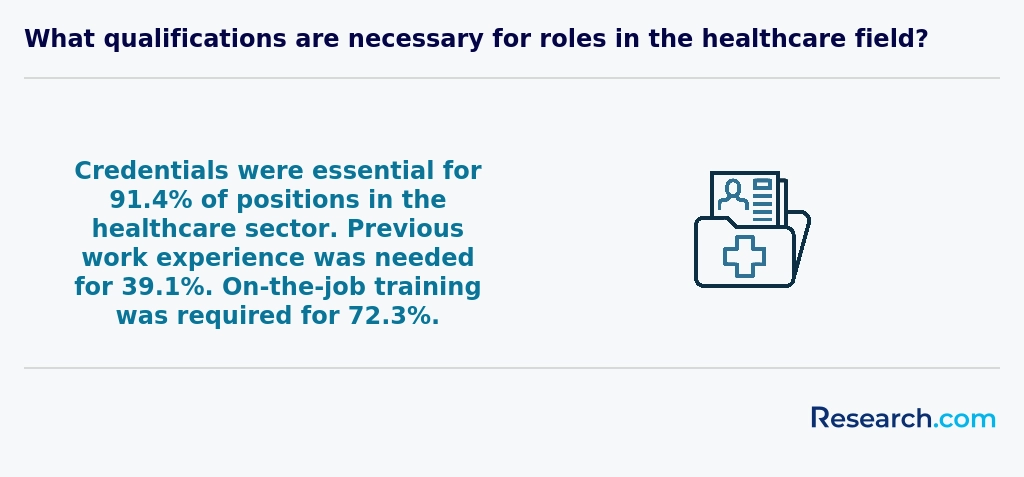
To enroll in an online healthcare degree in the Midwest, you first need a high school diploma or GED for undergraduate programs, while graduate degrees require a bachelor's from an accredited college. Graduates from well-known Midwestern institutions often recall having to complete prerequisite courses such as biology, chemistry, anatomy, and statistics before starting their advanced classes. These foundational subjects build the knowledge essential for healthcare careers.
Many online master's programs in places like the University of Illinois or Ohio State University expect you to hold professional licensure-for example, an active RN license-or relevant work experience. One graduate shared how presenting her nursing license boosted her confidence and helped her connect with classmates during remote clinical discussions.
Some programs still ask for GRE scores, but a growing number waive this to make access easier. Reliable internet and basic tech skills are mandatory since most content is online. Be prepared that certain courses might require local clinical hours, ensuring you get hands-on training despite the virtual format.
Accelerated Healthcare Administration Degree Programs
In today’s fast-paced healthcare environment, many aspiring professionals are increasingly turning to accelerated programs that provide a streamlined route to leadership roles in healthcare administration. These programs are designed to offer a rigorous curriculum within a condensed timeframe, enabling students to quickly gain the practical skills and advanced knowledge needed to succeed in a competitive market. Accelerated formats often leverage flexible online learning platforms, real-time feedback, and immersive interactive modules that mirror real-world challenges, ensuring graduates are well-prepared to tackle complex administrative responsibilities upon completion. For those considering a fast-tracked educational journey, it’s essential to evaluate program outcomes, faculty expertise, and available support services, all of which are critical factors that contribute to overall success. Additionally, prospective students may wish to compare these options to understand how accelerated pathways align with their career goals. For a deeper dive into streamlined options, check out what are the top online accelerated healthcare administration degree programs. By choosing an accelerated program, students not only benefit from an efficient educational timeline but also gain access to cutting-edge resources and networking opportunities that can significantly enhance early career prospects in healthcare administration. This approach responds to the increasing demand for agile, knowledgeable professionals who can quickly adapt to the evolving healthcare landscape.
What courses are typically in online healthcare degree programs in the Midwest?
When tackling an online healthcare degree in the Midwest, expect courses that balance theory and real-world application-key for managing local healthcare needs. Graduates from well-known Midwestern universities often highlight classes like Healthcare Ethics and Law, which clarify tough decisions professionals face daily, while Healthcare Management courses sharpen leadership skills vital for running clinics or departments in both urban and rural areas.
Health Informatics is another common course, teaching how to handle electronic health records-an essential skill given the growing tech focus in healthcare systems across the Midwest. Programs also include Biostatistics and Epidemiology, helping students understand population health trends-crucial in a region where rural health challenges differ wildly from city settings.
Courses like Healthcare Policy and Economics provide insights into the financial and regulatory environment, helping students navigate the Midwestern healthcare system effectively. Many students appreciate Patient Care Fundamentals and Quality Improvement classes because they tie theory directly to on-the-ground patient outcomes, often supported by case studies from local hospitals.
This hands-on, regionally tailored curriculum gives Midwestern online healthcare students confidence and practical skills to thrive in diverse healthcare roles.
What types of specializations are available in online healthcare degree programs in the Midwest?
Online healthcare degree specializations Midwest often include Nursing, Healthcare Administration, and Public Health, reflecting key regional needs. Nursing programs commonly offer tracks such as Family Nurse Practitioner (FNP), Nurse Educator, or Nurse Informatics, supporting graduates who find rewarding roles in states like Illinois and Ohio where nursing jobs are growing. For pragmatic planners, these specializations address real workforce demands tied to aging populations and rural healthcare access challenges.
Midwest healthcare master's degree concentrations also feature Healthcare Administration, which prepares students for leadership positions in hospitals or insurance companies. Many graduates from well-regarded colleges note that this specialization helped them balance work and study while unlocking higher earning potential. Those interested can explore what are the top online accelerated healthcare administration degree programs for streamlined pathways.
Public Health degrees emphasize community outreach and policy, crucial for combating local issues like opioid addiction. Other growing options include Health Informatics and therapy-focused tracks such as Physical and Occupational Therapy. These specializations provide flexible online formats that meet the practical needs of working adults seeking affordable education in the Midwest.
How do you choose the best online healthcare degree in the Midwest?
Begin by verifying that the program is accredited by respected organizations like the Commission on Accreditation of Healthcare Management Education or regional bodies such as the Higher Learning Commission. Graduates from well-known Midwestern universities often emphasize how accreditation made their credentials recognized by local employers and helped them qualify for certifications like the Certified Healthcare Manager (CHM).
Next, factor in affordability by comparing tuition expenses at public institutions where in-state students can save substantially, often paying between $15,000 and $35,000 annually. Many students weigh programs by cost and quality and use resources like the Inexpensive Online Healthcare Degree Programs Ranking in North Carolina to identify affordable online healthcare programs Midwest residents recommend.
Consider program flexibility, especially if you balance work and study. Online degrees from Midwestern colleges frequently offer asynchronous coursework, allowing you to fit classes around your schedule. Many graduates find this format keeps them motivated without sacrificing family or job commitments.
Finally, seek programs with practical components such as clinical placements or virtual simulations tied to healthcare networks in cities like Chicago or Minneapolis. Graduates report these hands-on opportunities significantly boosted their confidence and employability in the region's competitive market, making these degrees some of the best online healthcare degrees Midwest students can pursue.
What career paths are available for online healthcare degree students in the Midwest?
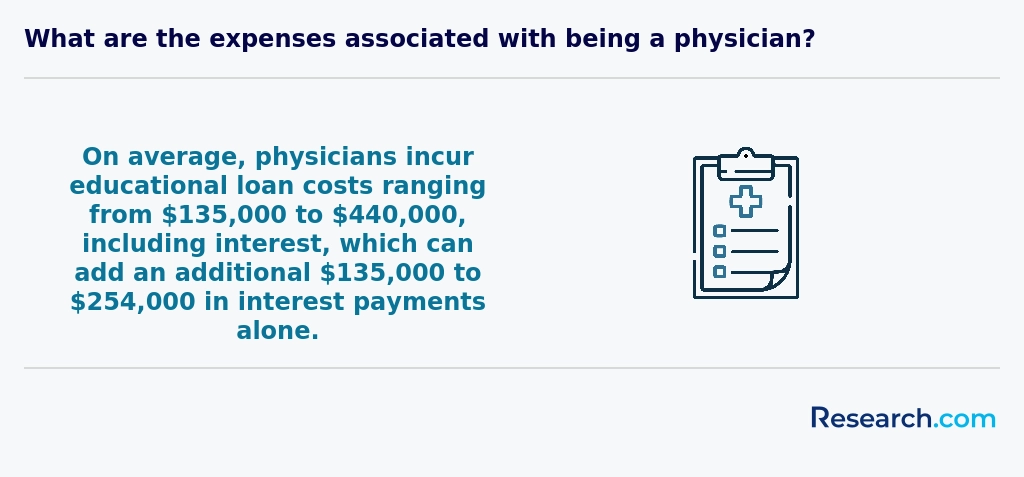
Graduates with an online healthcare degree in the Midwest have access to a variety of career paths tailored to the region's growing healthcare system. Many find success in clinical roles as Nurse Practitioners or Registered Nurses, especially in states like Illinois and Ohio where demand is high. Those pursuing a Midwest healthcare master's degree job prospects often include healthcare administration, working in hospitals, clinics, or long-term care facilities. Graduates from universities such as the University of Michigan or Loyola University Chicago report practical leadership roles involving operational management and strategic planning.
Other career avenues involve data and analysis. Health informatics specialists, for example, improve patient data systems, while public health analysts focus on disease prevention and community outreach. Healthcare consultants and medical services managers represent additional options, overseeing compliance and efficiency. Practical experience gained through internships or online program projects at top Midwest colleges helps graduates feel confident stepping into these roles. For students exploring practical options, it's useful to check out programs highlighted among useful college majors.
What is the job market for online healthcare degree in the Midwest?
The job market for online healthcare degree graduates in the Midwest remains robust, driven by persistent demand in rural and underserved communities. Graduates from well-known Midwestern schools often find that healthcare roles extend beyond traditional clinical settings, including health informatics and telehealth positions that are expanding rapidly. One graduate from a popular public university shared how their remote-ready skills led to a nursing informatics position at a hospital system in Ohio, combining technology with patient care. For those considering online healthcare jobs in the Midwest, states like Illinois and Michigan offer steady openings in hospitals, insurance companies, and public agencies, making the job search encouraging.
Many students appreciate that online programs in the Midwest reduce commuting costs and offer flexible schedules, aligning with family responsibilities or current employment. Salaries range from entry-level allied health roles to advanced positions with wages surpassing $100,000 annually. If you're trying to decide on your path, explore which masters degree makes the most money to align your education with career goals.
Midwest healthcare degree employment outlook is positive, especially for graduates who embrace digital health tools and telemedicine, trends accelerated during the 19 pandemic, signaling long-term job stability.
Frequently Asked Questions About healthcare
Online healthcare degree students in the Midwest can maximize their learning by actively engaging with digital resources and campus support services. Many Midwestern universities offer access to virtual labs, simulation tools, and interactive case studies, which enhance practical skills essential for healthcare careers.
Networking with peers and faculty through online discussion boards and webinars helps build professional connections. According to the National Center for Education Statistics, student engagement significantly improves retention and success rates in online programs.
Additionally, students should seek clinical placements within Midwestern healthcare facilities, as these experiences provide valuable hands-on training aligned with regional health needs. The Midwest's growing demand for healthcare professionals means local options are often available for internships and practicums.
Emerging niches within the healthcare field reflect growing technological and demographic trends. In the Midwest, telehealth and telemedicine have rapidly expanded, driven by rural area needs and COVID-19 adaptations. According to the Midwestern Governors Association, telehealth utilization increased by over 40% between 2020 and 2023. Another key area is healthcare informatics, where professionals analyze health data to improve patient outcomes and efficiency.
Precision medicine and genomics are also gaining importance, particularly in research universities across the region like the University of Michigan. Additionally, mental health services see rising demand, with the Substance Abuse and Mental Health Services Administration reporting workforce shortages in Midwest states. These niches offer promising career paths for online healthcare degree students.
Graduates with online healthcare degrees in the Midwest can strengthen their job prospects by gaining relevant clinical experience through internships or volunteer opportunities at local hospitals or clinics. According to the U.S. Bureau of Labor Statistics, healthcare employment in the Midwest is projected to grow by 15% through 2031, reflecting strong demand.
Networking remains vital; joining professional organizations such as the Midwest Healthcare Executives network can open doors to regional opportunities. Additionally, earning certifications like Certified Medical Manager (CMM) or Registered Health Information Technician (RHIT) may increase employability.
Lastly, refining soft skills like communication and adapting to healthcare technologies will prepare graduates for the evolving job market challenges faced in Midwestern healthcare settings.
Employers in the Midwest highly value healthcare graduates who demonstrate strong communication and critical thinking skills. According to the Bureau of Labor Statistics, effective communication improves patient outcomes, which is essential in diverse Midwestern communities. Additionally, data from the Illinois Health Workforce Profile highlights that clinical competence and adaptability to evolving healthcare technologies are crucial.
Healthcare employers also seek graduates with proficiency in electronic health records (EHR) management, as this skill is increasingly demanded across hospitals in states like Ohio and Michigan. Problem-solving abilities and teamwork are frequently mentioned as key attributes, helping graduates thrive in interdisciplinary healthcare settings common in the region.
Finding internships in the Midwest related to healthcare degrees involves leveraging both local resources and statewide networks. Start by exploring partnerships your university may have with hospitals, clinics, and public health organizations, as many online programs maintain regional affiliations to support students.
The Midwest is home to numerous renowned healthcare systems, including the Mayo Clinic and Cleveland Clinic, which offer structured internship programs. According to the Illinois Department of Public Health, internships increase job placement success by over 30% for healthcare graduates in the region.
Utilize platforms like Handshake and the National Healthcare Career Network, which frequently list Midwest-specific healthcare internships. Additionally, contact state health departments or professional associations, which often have specialized internship listings.
Networking through virtual career fairs and LinkedIn groups focused on Midwestern healthcare also helps uncover hidden opportunities. Timely applications aligned with academic calendars remain essential for securing competitive internships.
Online healthcare degrees offer significant advantages for career mobility and advancement in the Midwest. These programs provide flexible schedules that accommodate working professionals, enabling them to gain advanced skills without pausing their careers. According to the U.S. Bureau of Labor Statistics, healthcare occupations in the Midwest are expected to grow by 10% through 2030, which increases demand for qualified professionals.
Graduates with online healthcare degrees often qualify for leadership roles such as healthcare administration or nurse management, roles that typically offer higher salaries. Furthermore, accreditation by agencies like the Commission on Collegiate Nursing Education (CCNE) ensures these degrees meet rigorous standards, enhancing employer trust in online credentials.
Regional employers increasingly recognize online degrees from reputable Midwestern universities, making such credentials valuable for career advancement within local healthcare systems.
Studying for a healthcare degree in the Midwest offers unique opportunities for developing interdisciplinary skills essential in today's healthcare environment. Midwest programs often emphasize collaboration across nursing, public health, administration, and clinical specialties. This approach reflects the region's healthcare needs, where integrated teams address rural and urban challenges.
Many universities incorporate case studies and projects that simulate real-world teamwork, involving fields like social work, pharmacy, and health informatics. According to the American Association of Colleges of Nursing, Midwest schools report higher rates of interprofessional education participation compared to national averages.
Online formats further enable interaction with diverse peers and professionals, preparing students for flexible, team-based healthcare roles.
Choosing between a thesis and a non-thesis online healthcare degree in the Midwest depends on your career goals and learning preferences. Thesis programs emphasize research, requiring students to conduct original studies and write a detailed dissertation. These are ideal for those considering a future PhD or academic roles.
Non-thesis programs focus on practical skills and coursework, which suits professionals seeking to advance in clinical or administrative healthcare roles without engaging in extensive research. According to the National Center for Education Statistics, about 40% of Midwestern graduate healthcare students opt for non-thesis tracks, reflecting a demand for applied expertise.
Consider faculty expertise, program flexibility, and state licensing requirements. Reviewing job market trends from the Bureau of Labor Statistics can also help, as Midwest healthcare employers often value practical experience alongside degrees.
Students based in the Midwest interested in studying healthcare abroad have several options through partnerships between regional universities and international institutions. Many Midwestern schools, such as the University of Michigan and Ohio State University, offer exchange programs or dual-degree options with universities in Europe and Asia. These programs allow students to earn credits abroad while continuing their online coursework at home.
In addition, some schools provide fully online healthcare degrees with global perspectives, incorporating international case studies and healthcare systems.
According to the National Center for Education Statistics, over 20% of Midwestern healthcare programs now include international experiential learning components.
In the Midwest, part-time jobs that complement online healthcare degrees often include roles in medical assisting, pharmacy technician positions, and patient care technician jobs. According to the U.S. Bureau of Labor Statistics, these positions are projected to grow by 10-15% through 2030, reflecting strong regional demand.
Hospitals, clinics, and long-term care facilities in states like Illinois, Ohio, and Michigan frequently offer flexible part-time hours ideal for students. These roles provide practical experience with patient interaction and healthcare protocols.
Additionally, remote data entry and medical billing jobs can enhance knowledge of healthcare systems while allowing students to balance coursework effectively.
Online healthcare students in the Midwest have several valuable networking opportunities despite the remote nature of their studies. Many regional universities offer virtual events, group projects, and mentorship programs designed to connect students with peers and healthcare professionals. For example, institutions like the University of Michigan and Ohio State University facilitate online forums and alumni networks supporting career development.
Additionally, professional organizations such as the Midwest Chapter of the American Public Health Association host conferences and webinars accessible to online learners. These platforms allow students to engage with industry experts and expand their professional contacts.
According to the National Center for Education Statistics, about 40% of online healthcare students in the region actively use such networking resources to enhance job placement prospects.
Alumni networks offer significant advantages for online healthcare degree students in the Midwest. These networks provide access to professional connections in a region with a growing healthcare sector, including major hubs like Chicago and Minneapolis. According to the Midwest Healthcare Workforce Report (2023), 68% of healthcare employers value referrals from alumni in their hiring process.
Engaging with alumni can lead to mentorship opportunities, helping students navigate certification exams and career pathways. Many Midwest universities foster active online alumni groups, enabling virtual networking despite geographical distances.
Furthermore, alumni connections often reveal local job openings and internships not widely advertised, crucial for online students seeking experience in the competitive healthcare market.
Customizing an online healthcare degree in the Midwest allows students to align education with specific career goals. Many Midwest institutions offer flexible curricula where learners can select concentrations such as healthcare administration, informatics, or public health. This specialization lets students focus on fields with strong regional demand. For example, the Illinois Department of Employment Security notes a 10% growth in healthcare administration jobs through 2030. Additionally, students can often choose elective courses, participate in virtual internships, or engage in research projects tailored to their interests. This flexibility supports career advancement in a wide range of healthcare roles across the Midwest.
Online healthcare students in the Midwest often face challenges related to limited local clinical placement options. Rural areas, which make up a significant portion of the Midwest, have fewer healthcare facilities offering hands-on training, a vital part of most healthcare degree requirements.
Connectivity is another barrier. Although internet access has improved, the Federal Communications Commission reported in 2023 that about 15% of rural Midwestern households still lack reliable broadband, affecting students' ability to participate in synchronous classes and access resources smoothly.
Additionally, balancing work, family, and studies remains a major difficulty, as many students in the region are working professionals or caregivers.
With an online healthcare degree from the Midwest, graduates can pursue various professional certifications to enhance their careers. Popular options include Certified Healthcare Quality Professional (CHQP) and Certified Professional in Healthcare Information and Management Systems (CPHIMS). These certifications are recognized nationally and highly valued by employers.
For those interested in administration, the Fellow of the American College of Healthcare Executives (FACHE) certification is a notable choice, reflecting expertise in healthcare management.
Additionally, certifications like Registered Health Information Administrator (RHIA) are relevant for graduates focused on medical records and data management. The Bureau of Labor Statistics projects a 16% growth in healthcare occupations by 2031, indicating strong demand for credentialed professionals in the Midwest and beyond.
Applying to an online healthcare program in the Midwest requires clear focus and preparation. Start by researching accredited schools recognized by the Commission on Accreditation of Healthcare Management Education (CAHME), which boosts program credibility. Midwest healthcare jobs grew 3.5% from 2020 to 2023, highlighting strong career prospects, so emphasize your commitment to this growing field.
Craft a personal statement that clearly explains your motivation for advancing healthcare knowledge and serving Midwest communities. Use concrete examples of relevant work or volunteer experience. Include updated letters of recommendation from professionals who can attest to your skills.
Highlight any certifications or training related to healthcare compliance, patient care, or management, all highly valued in Midwest healthcare institutions. Adhering to application deadlines and submitting requested documents thoroughly can improve your chances significantly.
The global perspective on healthcare careers highlights a growing demand for qualified professionals. According to the U.S. Bureau of Labor Statistics, healthcare occupations are expected to grow 13% from 2021 to 2031, much faster than average. This trend is reflected in the Midwest, where states like Illinois, Ohio, and Michigan show significant employment increases in nursing and health services management.
Internationally, healthcare roles emphasize adaptability and cultural competence, skills increasingly prioritized in U.S. online degree programs. Many Midwestern universities incorporate global health issues into their curricula to prepare students for diverse patient populations.
Furthermore, the World Health Organization underscores the importance of a well-trained healthcare workforce worldwide, encouraging education systems to align with evolving global health needs. For Midwestern students, this means online degrees often combine local healthcare knowledge with global best practices.
Gaining practical experience while pursuing an online healthcare degree in the Midwest is achievable through clinical placements, internships, and simulation labs affiliated with many accredited programs. Universities often partner with local hospitals, clinics, and public health organizations to provide students hands-on training near their communities. The Illinois Board of Higher Education reports that about 70% of healthcare programs in the region include such arrangements to meet licensure requirements.
Additionally, virtual simulations and telehealth practicums have grown, enabling flexible, remote skill-building. According to the Midwestern Public Health Consortium, 45% of online healthcare students completed virtual practicums in 2023.
This combination of local clinical work and innovative remote practice helps students satisfy practical experience mandates while studying online.
Choosing the right concentration within an online healthcare degree in the Midwest starts with assessing your career goals and local job market demands. According to the U.S. Bureau of Labor Statistics, healthcare occupations in the Midwest are growing faster than the national average, particularly in nursing, healthcare administration, and health informatics.
Consider concentrations that align with high-demand roles; for example, health information management programs respond to the increasing use of electronic health records. Research specific state licensure requirements as some concentrations require certification to practice.
Additionally, evaluate program accreditation and faculty expertise to ensure quality education. Reach out to program advisors and review alumni outcomes to confirm the concentration supports your professional aspirations within the Midwest healthcare system.
Top Trending Healthcare Rankings
See What Experts Have To Say About Studying Healthcare
Read our interview with Healthcare experts

References
- Online Bachelor of Science in Health Care Management | Illinois College https://www.ic.edu/healthcare-mgmt/online
- 20 healthcare investment niches and 3 things to know: The evolution of ... https://blackbookmarketresearch.com/20-healthcare-investment-niches-and-3-things-to-know-the-evolution-of
- Best Practices for Career Development and Advancement in the Healthcare Sector | Generation https://www.generation.org/news/best-practices-for-career-development-and-advancement-in-the-healthcare-sector/
- Online Healthcare & Medical Certification Training Programs https://medcerts.com/programs/healthcare/
- HEALTH MANAGEMENT (THESIS / NON-THESIS) - Lisansüstü Eğitim Enstitüsü https://lee.nisantasi.edu.tr/en/health-management-thesis-non-thesis/
- How to Choose the Best Online Medical Billing & Coding Program https://www.midwesttech.edu/resources/careers/how-to-choose-the-best-online-medical-billing-and-coding-program/
- Advancing Your Career in Healthcare: Tips and Strategies https://www.sunshinecarenetwork.com/blog/advancing-your-career-in-healthcare-tips-and-strategies
- Online Medical Programs at CHCP - Start Now! https://www.chcp.edu/degrees-certificates/online/
- Course Benefits https://www.premedprojects.co.uk/hospital-work-experience-benefits
- Top 5 Part-Time Healthcare Jobs For Students https://www.sumnercollege.edu/blog/top-5-part-time-healthcare-jobs-for-students/


