
2027 Most Valuable Online Doctorate in Healthcare Degree Programs Ranking in Pittsburgh, PA

Co-Founder and Chief Data Scientist
Choosing the right healthcare doctorate program is a big decision for students in Pittsburgh. This article introduces the 2027 Most Valuable Online Doctorate in Healthcare Degree Programs Ranking in Pittsburgh, PA, created by the Research.com team of data scientists. It's designed to help you navigate options and find programs that truly deliver value.
By exploring this ranking, you'll gain insights that can guide your educational journey and increase your career opportunities. A healthcare degree opens doors to meaningful work and personal growth.
Reading this article will empower you to make an informed choice with confidence.
Key benefits of getting online healthcare degree in Pittsburgh
- Healthcare degree graduates in Pittsburgh can look forward to strong salaries, such as Program Directors earning a mean annual wage of $129,330 and Research Directors making about $112,380.
- Graduates from local universities often pursue diverse roles like Chief Development Officer or Principal Scientist, offering exciting career options in leadership and research within healthcare.
- Online degrees provide flexibility and convenience for Pittsburgh students, allowing them to balance work and study while still accessing quality education and valuable networking opportunities.
- Key benefits of getting online healthcare degree in Pittsburgh
- What can I expect from online healthcare degree in Pittsburgh?
- Where can I work with online healthcare degree in Pittsburgh?
- How much can I make with online healthcare degree in Pittsburgh?
- 2027 Most Valuable Online Doctorate in Healthcare Degree Programs Ranking in Pittsburgh, PA
- Key Findings
- How long does it take to complete online healthcare degree in Pittsburgh?
- Research and Dissertation Support
- What's the difference between online and on-campus healthcare degree?
- Student Success Strategies for Online Healthcare Programs
- What is the average cost of online healthcare degree in Pittsburgh?
- Enhancing Your Career Through Interdisciplinary Learning
- What financial aid is available to online healthcare degree students in Pittsburgh?
- Accreditation and Licensing
- What are the prerequisites for enrolling in online healthcare degree program in Pittsburgh?
- Post-Graduation Career Advancement Strategies
- What courses are typically in online healthcare degree programs in Pittsburgh?
- What types of specializations are available in online healthcare degree programs in Pittsburgh?
- How do you choose the best online healthcare degree in Pittsburgh?
- What career paths are available for online healthcare degree students in Pittsburgh?
- What is the job market for online healthcare degree in Pittsburgh?
- Top Trending Healthcare Rankings
- See What Experts Have To Say About Studying Healthcare
What can I expect from online healthcare degree in Pittsburgh?
When thinking about the average cost of an online healthcare degree in Pittsburgh, most students find it surprisingly reasonable, especially compared to traditional on-campus programs. For example, graduates from the University of Pittsburgh's online healthcare programs often mention how their total tuition ended up being more affordable than they expected, thanks to in-state rates and various scholarships aimed at Pennsylvania residents.
Many students appreciate that schools like Duquesne University also offer competitive pricing, which keeps the balance right between quality education and cost. Plus, some local healthcare employers pitch in with tuition assistance, so you can realistically cut down how much you pay out of pocket.
It's pretty common to see tuition for these degrees fall somewhere in the range of $15,000 to $35,000 total, depending on the program length and level. For busy folks balancing work and life in Pittsburgh, this makes pursuing a healthcare degree online feel like a smart and achievable step forward without breaking the bank.
Where can I work with online healthcare degree in Pittsburgh?
If you're thinking about an online healthcare degree in Pittsburgh, you'll be happy to know there's a bunch of cool places where you can work once you graduate. Lots of students from schools like the University of Pittsburgh jump right into roles at major hospitals like UPMC, handling everything from nursing leadership to managing health info systems. It's a real boost seeing graduates thrive there, managing patient care and leading teams.
Others find their groove in outpatient clinics around town, where they get hands-on with preventive care and chronic disease support. It's rewarding knowing you're helping people stay healthier in smaller settings, like those care coordinators and clinic managers do.
Some grads even move into healthcare consulting or insurance companies like Highmark Health. They use their healthcare smarts to improve policies or analyze data, making a real difference behind the scenes.
Plus, if you're into public health, places like the Allegheny County Health Department offer roles that let you impact community health by designing education programs and guiding policies. And the research side? Universities in Pittsburgh offer chances to get involved with clinical trials and biomedical projects-perfect if you love science and discovery.
How much can I make with online healthcare degree in Pittsburgh?
If you're chasing an online healthcare degree in Pittsburgh, you're looking at some solid earning potential. Graduates from schools like the University of Pittsburgh or Duquesne University often step into roles like Program Director in healthcare, where the average annual salary hits about $129,330. That means leading projects and making big decisions while getting paid well for it.
For those aiming at leadership but with a slightly different focus, a Chief Development Officer role typically brings in around $95,600 yearly. It's a perfect fit if you enjoy combining healthcare know-how with strategic growth and fundraising.
Not everyone wants to be in administration, though. Graduates diving into research-related positions-think Healthcare Services Researcher, Research Director, or Principal Scientist-can expect roughly $112,380 a year. Imagine working on cutting-edge healthcare studies right in Pittsburgh, home to top medical centers like UPMC, where your work directly impacts patient care improvements.
Many grads feel excited seeing their education pay off locally, especially knowing Pittsburgh's healthcare scene is booming. It's proof that getting an online degree from local institutions here can really open doors to rewarding, well-paid careers.
2027 Most Valuable Online Doctorate in Healthcare Degree Programs Ranking in Pittsburgh, PA
How do we rank schools?
Investing in your education is a significant decision that can profoundly impact your career and life, and the Research.com team recognizes the importance of making well-informed choices. To support prospective students interested in healthcare doctorates in Pittsburgh, PA, we have carefully developed the "2027 Most Valuable Online Doctorate in Healthcare Degree Programs Ranking in Pittsburgh, PA." Our dedication to quality, credibility, and accuracy is demonstrated through thorough research and rigorous analysis.
We utilized the following reputable data sources to ensure a comprehensive and trustworthy evaluation of the programs:
By consulting this ranking, readers will access invaluable insights into the most valuable online doctorate programs in healthcare available in Pittsburgh, enabling them to make confident and strategic educational decisions. For a deeper understanding of how this ranking was created, please visit our Research.com methodology page.


Key Findings
- Online healthcare degrees in Pittsburgh range from associate to doctoral levels with accredited programs available locally.
- Costs vary by degree: associate degrees cost $10,000-$20,000, bachelor's degrees $25,000-$50,000, and graduate or doctoral programs can exceed $60,000.
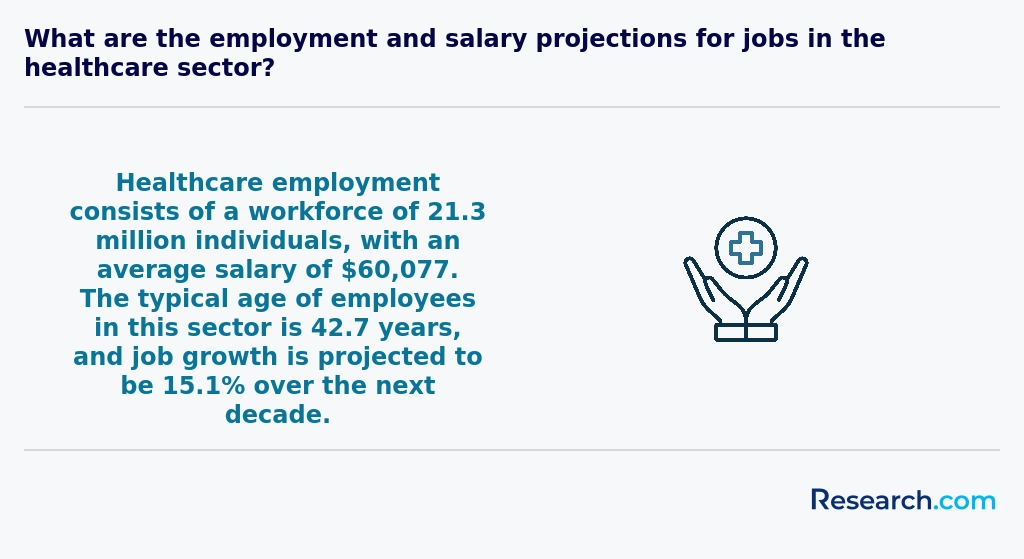
- The healthcare job market in Pittsburgh is growing, with a 15% increase in healthcare roles projected over the next decade.
- Entry-level salaries average about $50,000 annually, with registered nurses earning between $55,000 and $70,000 soon after graduation.
- Experienced professionals and those with advanced degrees often earn over $90,000 per year.
- Many programs provide clinical placements in local hospitals and clinics, which are crucial for gaining hands-on experience and licensure.
How long does it take to complete online healthcare degree in Pittsburgh?
If you're thinking about finishing an online healthcare degree in Pittsburgh, the time it takes really depends on the level of degree and how you approach your studies. For example, many local students tackling an associate degree-say in medical assisting-usually wrap it up in about two years if they're going full-time. Some even manage to shave that down to 18 months by choosing accelerated options from schools like the University of Pittsburgh.
On the bachelor's side, degrees like nursing or health sciences often take around four years if you're studying full-time. But plenty of folks working in Pittsburgh's busy healthcare scene choose part-time tracks, stretching it out to five or six years so they can balance work, family, and school without stress. Carnegie Mellon University offers some great flexible online programs that really fit that lifestyle well.
Graduate degrees usually run between two and four years full-time, though part-timers in Pittsburgh's healthcare field often take longer, maybe up to five years, while working their day jobs. Graduates often say the mix of solid online classes and the ability to keep earning makes the longer timeline totally worth it.
Research and Dissertation Support
Doctoral candidates in online healthcare programs in Pittsburgh benefit from robust research infrastructures and dedicated dissertation support designed to foster scholarly excellence. Faculty members hold distinguished credentials-many are renowned for published studies in healthcare policy, informatics, and clinical leadership-and serve as primary mentors throughout the research journey. Small cohort sizes ensure personalized guidance, while virtual office hours and collaborative platforms facilitate ongoing dialogue between students and their advisors. Pittsburgh’s universities host cutting-edge research centers, such as the UPMC Health Informatics Innovation Lab and the Pitt Center for Health Equity, offering doctoral students access to real-world data sets, grant-funded projects, and interdisciplinary teams. Through partnerships with local hospitals and public health agencies, learners can engage in applied research that addresses pressing community health challenges. Prospective students interested in advanced research may also consider our Affordable Online Master's in Healthcare Degree Programs Ranking in Allendale, MI for related master’s-level research opportunities. To support dissertation development, institutions provide structured workshops on research design, statistical analysis, and academic writing. Doctoral candidates typically participate in proposal boot camps, peer-review groups, and mock defenses to refine their methodology and presentation skills. Additionally, dedicated dissertation coordinators assist with IRB submissions, compliance training, and fundraising for conference travel, ensuring students remain on track to complete their doctorate in a timely manner. By combining expert mentorship, state-of-the-art research environments, and comprehensive writing support, Pittsburgh’s online doctorate in healthcare programs empower scholars to contribute meaningful innovations to the field and achieve the highest standards of academic and professional success.
What's the difference between online and on-campus healthcare degree?
If you're thinking about a healthcare degree in Pittsburgh, you'll notice online and on-campus programs each have their own vibe. Online programs, like those offered by the University of Pittsburgh, are all about flexibility-you can study from home, fit classes around your work schedule, and avoid the hassle of commuting. Graduates often say this freedom helped them balance family and job duties while still earning their degree.
On-campus, say at Duquesne University, things feel more hands-on. You get to chat face-to-face with professors and classmates, use campus labs, and dive into real-time teamwork. Many grads love how the in-person environment boosted their confidence and built strong local connections in Pittsburgh's healthcare community.
Both paths require clinical hours, often done nearby, making sure you get that essential hands-on experience. Costs can differ too-online programs may add tech fees, but they save you money on commuting and housing, which is a big plus for busy Pittsburgh students.
Student Success Strategies for Online Healthcare Programs
Online healthcare degree programs require a proactive approach to balancing studies, work, and personal life. To achieve success, students are encouraged to create a structured study schedule, participate actively in online discussions, and take advantage of virtual office hours offered by instructors. Time management and self-discipline remain key in keeping up with the rigorous coursework and assignments. Additionally, joining study groups or virtual communities can provide much-needed peer support and advice on best practices. Balancing academic pursuits with creative outlets may also contribute to overall well-being. For example, exploring creative courses-even those available at an affordable fine arts school in pennsylvania-can foster a well-rounded skill set and enhance problem-solving abilities. By blending discipline with strategic networking and continuous self-improvement, prospective online healthcare students can effectively navigate their academic journey and prepare for a successful career in the healthcare sector.
What is the average cost of online healthcare degree in Pittsburgh?
The average cost of an online healthcare degree in Pittsburgh is pretty reasonable, especially when you consider that many students from schools like the University of Pittsburgh and Duquesne University report a median total cost around $32,730. This makes it a solid option if you're worried about how much you'll spend while studying healthcare remotely from the Steel City. Many graduates mention how this cost feels manageable compared to the value and flexibility of the programs offered.
For those eyeing online doctorate healthcare tuition fees Pittsburgh PA can get a bit higher, but the upfront investment often pays off with the career advancement and job opportunities local employers offer. Plus, online programs cater well to working adults by letting you fit study time around your schedule, cutting down expenses like commuting.
Keep in mind that beyond tuition, there are some additional expenses like technology fees, textbooks, and clinical placements, which can add a few thousand dollars yearly. Thankfully, plenty of financial aid and scholarships are around, including some aimed specifically at healthcare students in Pennsylvania, to help ease the pinch.
Looking for affordable options in your state? You might also want to check out this affordable fine arts school in pennsylvania for ideas on managing costs in higher education.
Enhancing Your Career Through Interdisciplinary Learning
As you build a thriving career with an online healthcare degree, exploring interdisciplinary opportunities can significantly enrich your professional portfolio. Integrating complementary fields-such as the creative arts-can foster innovative approaches to problem-solving and communication in healthcare settings. For instance, engaging with programs at an affordable fine arts school in pennsylvania may inspire fresh perspectives that enhance patient engagement and service design. By considering elective coursework and workshops in areas like digital design, visual communication, or creative problem solving, you expand your skill set beyond traditional healthcare training. This well-rounded educational approach not only improves your adaptability in a rapidly evolving industry but also positions you as a leader capable of bridging the gap between clinical expertise and innovative patient care solutions. Embracing interdisciplinary learning is a strategic step towards a more dynamic, comprehensive career path in healthcare.
What financial aid is available to online healthcare degree students in Pittsburgh?
If you're diving into an online healthcare degree in Pittsburgh, financial help is definitely out there to ease the burden. Many grads from local schools like the University of Pittsburgh or Duquesne University rave about federal aid-filling out the FAFSA opens doors to Pell Grants, which don't have to be paid back, and can cover thousands of dollars each year. It's a real lifesaver, especially for those balancing work and study.
Student loans are another option, with subsidized loans offering lower interest rates if you qualify based on need. Plus, if you're going for grad school, federal PLUS loans can really help cover what other aids miss.
State programs through PHEAA also come through for Pittsburgh learners, offering scholarships and grants tailored to healthcare fields. Many online students share how these funds were crucial while juggling classes and family life.
Don't forget employer tuition assistance if you're working in healthcare locally-places like UPMC often pitch in with reimbursement, making that degree way more affordable.
Lastly, professional groups such as the AACN sometimes hand out scholarships, which past students found super encouraging when finances felt tight.
Accreditation and Licensing
Choosing a healthcare doctorate program with proper accreditation ensures academic quality, eligibility for federal aid and compliance with state licensing requirements.
- Regional Accreditation: Middle States Commission on Higher Education (MSCHE)
- Programmatic Accreditation:
- Commission on Accreditation of Healthcare Management Education (CAHME) for management-focused doctorates
- Council on Education for Public Health (CEPH) for public health doctorates
- Commission on Collegiate Nursing Education (CCNE) for nursing-oriented doctorates
- Licensing Outcomes: Graduates meet Pennsylvania Board of Medicine or Nursing requirements for advanced practice credentials, research roles and leadership positions
Many programs also offer bundled certification prep in areas like medical billing and coding-explore specialized training through online classes for medical billing and coding with financial aid.
What are the prerequisites for enrolling in online healthcare degree program in Pittsburgh?
To jump into an online healthcare degree in Pittsburgh, you'll usually need a high school diploma or GED-pretty standard stuff. If you're aiming for a master's or doctorate, schools like the University of Pittsburgh expect you to have a relevant bachelor's degree, often with courses in biology or chemistry already under your belt. This background really helps once you dive into those tougher classes.
Some grads from local programs say that having hands-on experience, like volunteering at UPMC hospitals or working in clinics, made their applications stand out. Even if it's not required, it gives you a leg up and makes the whole learning process more real. Plus, programs here often want you to keep up a decent GPA, typically around 2.5 to 3.0, so you're ready for the workload.
And don't forget personal statements and recommendation letters-those insights into who you are can really tip the scales when admissions teams at places like Duquesne University read your app.
Post-Graduation Career Advancement Strategies
As you complete your online doctorate in healthcare and enter a rapidly evolving industry, it’s crucial to arm yourself with strategies that not only leverage your hard-earned credentials but also propel you into leadership roles. One effective approach is to engage in continuous professional development through advanced certifications, skill-building workshops, and specialized training courses. For those looking to fast-track management roles, exploring an degree in healthcare administration can offer targeted insights into operational and strategic challenges faced by healthcare organizations. Networking remains a cornerstone of career success. Building robust relationships with mentors, alumni, and industry experts can open doors to opportunities that might not be widely advertised. Professional associations, webinars, and local healthcare conferences provide excellent venues for knowledge sharing and career advancement. Additionally, many successful graduates report that strategic involvement in industry discussions and online platforms helps them stay updated on emerging trends, such as digital health innovations and evolving regulatory requirements. Furthermore, practical experience through internships, research initiatives, or part-time positions within healthcare facilities enhances your resume and ensures that theory translates into tangible impact. Employers today are looking for well-rounded professionals who can combine analytical prowess with hands-on experience. By continuously learning, networking, and seeking out mentorship, you can successfully navigate the post-graduation landscape and position yourself as a leader in the dynamic field of healthcare.
What courses are typically in online healthcare degree programs in Pittsburgh?
If you're diving into an online healthcare degree in Pittsburgh, expect to take some pretty solid courses that really get you ready for the field. Graduates from local schools often mention starting with anatomy and physiology-think learning how every part of the body works, which is crucial if you want to understand patient care or even healthcare management.
Healthcare ethics and law are also key, covering things like patient privacy and consent. One grad shared how these classes helped them feel confident navigating tricky real-world situations, especially working with Pittsburgh's strict medical rules.
Public health courses pop up too, perfect for those who want to tackle community issues. With Pittsburgh's strong focus on public health efforts, like its COVID-19 response, students really connect the dots between what they learn and what's happening around them.
And don't forget healthcare technology-many graduates rave about gaining skills in managing digital records and telemedicine, which local clinics are big on. Plus, leadership and management classes prep you to run teams and projects smoothly, something graduates find super useful once they land roles in Pittsburgh's growing healthcare scene.
What types of specializations are available in online healthcare degree programs in Pittsburgh?
When it comes to online healthcare degree specializations in Pittsburgh, there's a wide range of options tailored to what's hot in the healthcare world right now. Graduates from University of Pittsburgh and other local schools often share how nursing tracks like Nurse Practitioner or Clinical Nurse Leader opened doors quickly, especially with the growing demand across hospitals and clinics. Others found their stride in healthcare management roles, thanks to programs that balance leadership skills with real-world experience in Pittsburgh's bustling medical centers.
Some students lean into public health, focusing on community health or health policy, which fits perfectly with Pittsburgh's active health initiatives. If you're into tech, health informatics programs tap into the city's thriving tech scene-making data and healthcare a powerful combo. And for those who love hands-on care, physical or occupational therapy degrees often mix online classes with local clinical practice. If you're interested in a degree in healthcare administration, Pittsburgh schools offer fantastic flexibility and career-focused courses to keep you moving.
Many students find these online options let them study while balancing real life in Pittsburgh, turning their goals into a reality without missing a beat.
How do you choose the best online healthcare degree in Pittsburgh?
Picking the best online healthcare degree in Pittsburgh means focusing on what really matters to you. Graduates often say that accreditation is a game changer-it's what makes your degree legit and respected, especially if you want to get certified or licensed later. Pittsburgh schools like the University of Pittsburgh shine here, offering programs with solid reputations and research tied to the city's healthcare needs.
Cost can be a big stress, but many find a sweet spot by comparing tuition and extra fees like tech or clinical placement costs. If you want to keep your job while studying, look for programs with flexible schedules-part-time and asynchronous classes are lifesavers for busy folks juggling family and work.
Many students looking for the best online healthcare degree programs Pittsburgh offers get excited about real clinical experience. Ties with UPMC and other local hospitals give you those hands-on moments that make the learning stick. Also, check out programs that back you up with career services because healthcare jobs here are growing fast. If you want to explore affordable options, the Affordable Online Master's in Healthcare Degree Programs Ranking in Allendale, MI can be a helpful guide.
What career paths are available for online healthcare degree students in Pittsburgh?
If you're exploring online healthcare degree career options Pittsburgh offers a range of exciting paths that grads find truly rewarding. Many graduates from popular schools like the University of Pittsburgh or Duquesne University land roles as healthcare administrators, managing busy hospital or clinic operations. They often mention feeling proud to play such a key role in improving patient experiences. Others dive into clinical routes, becoming RNs who work flexible shifts at local medical centers like UPMC, which are always hiring due to high demand. Some grads find their passion in healthcare informatics, using data to make real improvements in care, especially with Pittsburgh's booming tech scene.
For those eyeing advanced roles, healthcare doctorate jobs in Pittsburgh PA open doors to research or shaping health policies that really impact the community. Many grads say online programs give them the freedom to study while staying local, balancing life without stress. If you want faster career boosts, checking out best paying 6 month certifications can be a smart move for entry-level gigs or specialty fields.
What is the job market for online healthcare degree in Pittsburgh?
The job market for online healthcare degree holders in Pittsburgh is looking strong, with plenty of opportunities popping up. Graduates from well-known local schools, like the University of Pittsburgh or Duquesne University, often find themselves stepping into roles like registered nursing or healthcare management without much hassle. These positions are in demand because Pittsburgh's healthcare scene is buzzing, thanks to big players like UPMC and other medical centers.
Many online healthcare students here balance work and study, finding the flexibility super helpful. They tell stories of landing solid jobs quickly, especially in health informatics-a field growing fast as hospitals need experts who can handle both care and data. What's cool is that Pittsburgh's healthcare degree employment prospects Pittsburgh are boosted by the city's aging population and tech advances, so the skills graduates bring are highly valued.
With salaries that often beat national averages and ranges that support a good lifestyle, pursuing online healthcare jobs in Pittsburgh feels like a smart move. If you want to explore options tailored for you, check out some of the best online programs for seniors that fit different schedules and career goals.
Frequently Asked Questions About healthcare
Online healthcare degree students in Pittsburgh can maximize their learning by actively engaging with digital resources and local healthcare networks. Pittsburgh boasts a robust healthcare ecosystem, hosting renowned institutions like the University of Pittsburgh Medical Center (UPMC), which offers opportunities for virtual shadowing or local internships. Utilizing Pittsburgh's online libraries and healthcare databases enhances research skills and clinical knowledge.
Students should also participate in online discussion forums and form study groups to deepen understanding. Managing time effectively and seeking mentorship from Pittsburgh-based healthcare professionals can boost practical insights. According to the Pittsburgh Regional Health Initiative, collaboration improves learning outcomes by up to 30% in healthcare studies.
Emerging niches in healthcare are shaping the future of medical services, especially for students pursuing online healthcare degrees in Pittsburgh. Areas like telehealth have grown rapidly, with Pittsburgh-based systems expanding access for rural populations. According to the University of Pittsburgh Medical Center (UPMC), telemedicine visits increased by over 40% from 2020 to 2023, reflecting broader adoption.
Another niche is healthcare informatics, which combines data analysis and technology to improve patient outcomes. The Pittsburgh region, known for its strong tech sector, offers many opportunities in this field.
Additionally, gerontology and chronic disease management remain vital, given the aging population in Pennsylvania. Nurses and healthcare leaders trained in these specialties will find growing demand in local hospitals and community health organizations.
After completing an online healthcare degree in Pittsburgh, it is essential to focus on both practical experience and professional networking to prepare for the job market. Pittsburgh's robust healthcare sector, including institutions like UPMC and Allegheny Health Network, offers numerous opportunities for internships and clinical placements. Gaining hands-on experience through these channels can greatly improve employability.
Additionally, certifications relevant to your specialization, such as Registered Health Information Administrator (RHIA), can enhance your credentials. Engaging with local healthcare professional groups and attending job fairs in Pittsburgh can also expand your network. According to the Pittsburgh Regional Health Initiative, healthcare jobs in the region are expected to grow by 15% through 2030, indicating strong future demand for qualified professionals.
Employers in Pittsburgh seeking healthcare degree graduates prioritize a blend of technical expertise and interpersonal skills. According to data from the Pennsylvania Department of Labor & Industry, proficiency in electronic health records (EHR) management is essential due to the region's increasing adoption of digital systems.
Strong communication skills are also highly valued, as healthcare professionals must effectively interact with diverse patient populations and multidisciplinary teams. Critical thinking and problem-solving abilities rank among top requirements because complex patient cases demand sound clinical judgment.
Additionally, knowledge of healthcare regulations and compliance, particularly related to Pennsylvania state laws, is fundamental for maintaining quality care standards. Leadership and adaptability are noted as key for roles that involve coordination and fast-changing environments commonly found in Pittsburgh's healthcare facilities.
Finding internships in Pittsburgh relevant to a healthcare degree involves a strategic approach combining online research, networking, and utilization of local resources. Pittsburgh hosts a robust healthcare sector with major employers like UPMC, Allegheny Health Network, and the VA Pittsburgh Healthcare System, all offering internship opportunities.
Start by visiting the career services of your online program, as many partner with Pittsburgh-based healthcare providers. Additionally, websites like Handshake and Indeed list internships specific to the area. The University of Pittsburgh's Health Career Connection program supports students seeking experience in local hospitals and clinics.
Networking through professional groups such as the Pittsburgh Healthcare Council can also connect you to valuable internship leads. According to Pittsburgh's Department of Labor, healthcare internships have grown by 8% over the past two years, reflecting regional demand for trained professionals.
Obtaining an online healthcare degree in Pittsburgh can significantly enhance career mobility and advancement. Pittsburgh's healthcare sector is robust, with institutions like UPMC employing over 90,000 staff members, creating diverse opportunities for growth.
Online degrees afford flexibility, allowing professionals to gain credentials while continuing to work. This balance is vital in healthcare, where experience and education together improve job prospects.
According to the U.S. Bureau of Labor Statistics, healthcare occupations in the Pittsburgh metro area are projected to grow by 14% from 2020 to 2030, outpacing many industries. Specialized degrees, such as health administration or nursing, often lead to leadership roles.
Employers increasingly value online degrees accredited by recognized bodies, making them valid pathways to senior positions. Additionally, access to Pittsburgh's extensive healthcare network enables graduates to leverage local connections for advancement.
Studying for an online healthcare degree in Pittsburgh equips students with skills essential for interdisciplinary roles. Pittsburgh's healthcare sector ranks among the top in the US, with over 65,000 healthcare jobs available, fostering collaboration between diverse medical fields (U.S. Bureau of Labor Statistics, 2023).
Programs emphasize teamwork across professions such as nursing, public health, and health informatics, preparing graduates to navigate complex care environments. Curricula often integrate case studies from the city's renowned hospitals, like UPMC, enabling practical understanding of interdisciplinary patient management.
This training supports critical thinking and communication, vital for coordinating care in multidisciplinary teams. Such preparation meets growing employer demand for professionals who bridge clinical, administrative, and technological healthcare aspects in Pittsburgh's evolving market.
Choosing between a thesis and a non-thesis healthcare degree program in Pittsburgh depends on your career goals and learning preferences. Thesis programs often involve original research, ideal for students seeking academic or research-oriented careers. You may spend significant time conducting studies and writing, which strengthens analytical skills.
Non-thesis options focus more on practical application and coursework, suitable for professionals aiming to advance in clinical or administrative roles without the research burden. According to the University of Pittsburgh's healthcare education review, thesis programs typically require 6-12 months longer to complete. Pittsburgh's growing healthcare market values both approaches, with non-thesis graduates often finding roles in local hospitals and health organizations faster.
Students in Pittsburgh pursuing online healthcare degrees have several options to study abroad through U.S.-based universities offering international online programs. Many accredited institutions provide global healthcare curricula delivered virtually, allowing Pittsburgh learners to earn degrees recognized by U.S. and international bodies.
These programs often include partnerships with foreign universities for clinical experience or research, enhancing global healthcare perspectives. According to the World Education Services, Pittsburgh ranks among cities with high enrollment in online international programs, reflecting growing demand for global healthcare expertise.
Additionally, Pittsburgh's proximity to major healthcare hubs like the University of Pittsburgh Medical Center supports students seeking international exposure by facilitating remote collaboration with global health projects. The U.S. Department of Education provides guidelines ensuring that international online degrees meet accreditation standards, critical for Pittsburgh students planning to work abroad.
In Pittsburgh, part-time jobs that complement healthcare degree education typically include roles such as medical scribe, pharmacy technician, and patient care assistant. These positions provide valuable hands-on experience while accommodating students' flexible schedules. Pittsburgh's healthcare sector is robust, with major employers like UPMC and Allegheny Health Network offering part-time opportunities that deepen clinical skills relevant to degree programs.
The U.S. Bureau of Labor Statistics notes healthcare support roles are projected to grow by 13% nationally through 2032, reflecting strong local demand. Combining work with online study enhances practical knowledge and networks within the region's medical community, key for future career advancement in healthcare.
Online healthcare students in Pittsburgh have access to various networking opportunities despite studying remotely. Universities such as the University of Pittsburgh offer virtual events, webinars, and professional panels where students can connect with healthcare leaders and alumni. Pittsburgh's strong healthcare industry, anchored by UPMC-one of the nation's largest health systems-also provides internships and volunteer opportunities, helping online students build local professional networks.
Moreover, organizations like the Pittsburgh Healthcare Council connect students with local employers and industry experts through conferences and career fairs. These events often welcome online learners, fostering valuable contacts in the regional healthcare community.
Alumni networks play a crucial role for online healthcare degree students in Pittsburgh by offering valuable professional connections. These networks connect graduates with local healthcare employers, including major institutions like UPMC and Allegheny Health Network, which employ thousands of healthcare professionals in the region.
Through alumni events, online forums, and mentorship programs, students gain access to job opportunities and industry insights that are often not publicly advertised. According to the Pittsburgh Regional Healthcare Workforce Report, strong professional networks improve employment prospects by up to 30% for healthcare graduates in Allegheny County.
Additionally, alumni connections help students stay informed about advances in healthcare practices and policy changes critical to Pennsylvania's healthcare landscape.
Customizing an online healthcare degree program in Pittsburgh allows students to align education with specific career goals. Many accredited Pennsylvania institutions offer flexible curricula where students can choose electives in areas like healthcare management, informatics, or public health. This customization helps build specialized skills relevant to Pittsburgh's growing healthcare sector, which employed over 250,000 professionals as of 2023, according to the Greater Pittsburgh Chamber of Commerce.
Students can also pursue certificates or dual degrees to enhance expertise. Additionally, practicum experiences or virtual internships with local hospitals and healthcare providers, such as UPMC, offer practical knowledge tailored to career interests. Advisors typically assist with course planning to ensure degrees meet licensure or certification requirements in Pennsylvania.
Online healthcare students in Pittsburgh often face challenges related to balancing rigorous coursework with clinical requirements. Many programs require in-person clinical hours, which can be difficult to schedule around work and personal commitments. Additionally, Pittsburgh's competitive healthcare job market, with a 6% growth rate projected by the Pennsylvania Department of Labor by 2030, adds pressure on students to perform exceptionally well to secure strong employment opportunities.
Technology access and digital literacy can also pose hurdles, as not all students have reliable internet or are comfortable with virtual learning platforms used by institutions in the region. Support services vary by program, sometimes leaving students without adequate academic or technical help.
Mental health and stress management are important, given the demanding nature of healthcare studies combined with isolation from peers. According to a 2023 study by the University of Pittsburgh, about 40% of online students reported feelings of loneliness affecting their academic performance.
With an online healthcare degree, graduates in Pittsburgh can pursue several professional certifications to enhance their careers. Popular options include the Certified Professional in Healthcare Quality (CPHQ), which is nationally recognized and valuable for those focusing on healthcare management and quality assurance. Another important certification is the Registered Health Information Administrator (RHIA), ideal for professionals interested in health informatics.
Pittsburgh's healthcare sector employs over 90,000 people, making certifications like Certified Clinical Research Professional (CCRP) relevant for those entering clinical research roles. According to the Pittsburgh Regional Health Initiative, these certifications often lead to higher salaries and better job stability.
To write a winning application for an online healthcare program in Pittsburgh, start by thoroughly researching programs accredited by organizations like the Commission on Accreditation of Allied Health Education Programs (CAAHEP). Highlight your academic background and healthcare experience clearly.
Demonstrate your understanding of Pittsburgh's healthcare landscape, which includes major institutions like UPMC, and emphasize your career goals within this context. A strong personal statement explaining your motivation and how the degree aligns with local healthcare needs is essential.
Include letters of recommendation from professionals familiar with your skills. Finally, carefully proofread your application to ensure clarity and professionalism.
A career in healthcare is increasingly viewed through a global lens, reflecting growing interconnectedness in medical research, technology, and public health. In the United States, including Pittsburgh, the demand for healthcare professionals is expected to grow by 16% from 2021 to 2031, according to the U.S. Bureau of Labor Statistics. This growth parallels global trends emphasizing healthcare accessibility and innovation.
International collaboration in healthcare education is expanding, with online degrees offering opportunities to learn diverse approaches to patient care and health systems management. In Pittsburgh, major health institutions contribute to global research, enhancing the relevance of local education in worldwide contexts.
Thus, healthcare careers from a global perspective highlight the importance of adaptability and lifelong learning, vital for success in the evolving field.
Gaining practical experience while pursuing an online healthcare degree in Pittsburgh is essential for career readiness. Many programs require clinical placements or internships, which students can complete at local hospitals such as UPMC and Allegheny Health Network. These partnerships offer hands-on training in diverse healthcare settings.
Students should also explore volunteer opportunities or part-time jobs in healthcare facilities, which provide valuable exposure to patient care and hospital operations. Pittsburgh's healthcare sector employed over 100,000 people as of 2023, highlighting ample opportunities for gaining experience.
Advisors at online programs often assist in connecting students with local sites, ensuring compliance with state regulations and program accreditation standards.
Choosing the right concentration within an online healthcare degree program in Pittsburgh begins with assessing your career goals and interests. Pittsburgh's healthcare sector is robust, with more than 60,000 healthcare workers as of 2023 according to the Pennsylvania Department of Labor & Industry. This breadth opens diverse opportunities in administration, public health, nursing, and health informatics.
Research the concentrations offered by local institutions and consider market demand. For example, health informatics is growing rapidly due to Pittsburgh's tech integration in hospitals like UPMC. Accreditation status and faculty expertise also influence program quality. Align your choice with both personal passion and regional employment trends to maximize your post-graduation potential.
Related Healthcare Rankings for Nearby Cities
- 2027 Most Valuable Online Healthcare Degree Programs Ranking in Morgantown, WV
- 2027 Most Valuable Online Healthcare Degree Programs Ranking in Loretto, PA
- 2027 Most Valuable Online Healthcare Degree Programs Ranking in Akron, OH
- 2027 Most Valuable Online Healthcare Degree Programs Ranking in Cleveland, OH
- 2027 Most Valuable Online Healthcare Degree Programs Ranking in Athens, OH
- 2027 Most Valuable Online Healthcare Degree Programs Ranking in Harrisonburg, VA
- 2027 Most Valuable Online Healthcare Degree Programs Ranking in Adelphi, MD
- 2027 Most Valuable Online Master's in Healthcare Degree Programs Ranking in Washington, DC
- 2027 Most Valuable Online Master's in Healthcare Degree Programs Ranking in Baltimore, MD
- 2027 Most Valuable Online Healthcare Degree Programs Ranking in Bowling Green, OH
Top Trending Healthcare Rankings
See What Experts Have To Say About Studying Healthcare
Read our interview with Healthcare experts

References
- #1 Best 100% Online Healthcare Programs in Pittsburgh, PA| AlliedRx Institute of Healthcare https://www.alliedrxtraining.com/locations/pittsburgh-pa-b87d3
- Networking in Medicine: Build Lasting Connections l Windsor https://www.windsor.edu/networking-in-medicine-building-relationships-from-day-one/
- Career Opportunities in Healthcare Without a Medical Degree https://www.just-medical.ch/en/blog/medical-careers-without-formal-education
- 5 Concentrations for a Bachelor’s of Healthcare Administration - Healthcare Administration Degree Programs https://www.healthcare-administration-degree.net/lists/5-concentrations-for-a-bachelors-of-healthcare-administration/
- Best Practices for Career Development and Advancement in the Healthcare Sector | Generation https://www.generation.org/news/best-practices-for-career-development-and-advancement-in-the-healthcare-sector/
- Healthcare Assistant Cover Letter Templates | myPerfectCV https://www.myperfectcv.co.uk/cover-letter/examples/healthcare-assistant-cover-letter
- Health Management Careers https://www.ache.org/Career-Resources/Start-Your-Career/Health-Management-Careers
- How a Strong Alumni Network Can Benefit Students https://www.pacificu.edu/blog/how-strong-alumni-network-can-benefit-students
- Is an Online Degree the Same as a Traditional Degree | Online Degree https://www.cambridgehealth.edu/online-degrees/get-an-online-degree/is-an-online-degree-the-same-as-a-traditional-degree/
- Online Healthcare & Medical Certification Training Programs https://medcerts.com/programs/healthcare/


