2027 Most Affordable Online Healthcare Degree Programs Ranking in Columbia, MO

Co-Founder and Chief Data Scientist
If you're exploring healthcare degree options in Columbia, MO, this article is designed just for you. It presents the 2027 Most Affordable Online Healthcare Degree Programs Ranking in Columbia, MO, created by the Research.com team of data scientists. This carefully developed ranking helps students navigate their choices, focusing on affordability and quality.
Reading this guide can simplify your decision-making process and highlight opportunities to pursue a rewarding healthcare career. Earning a healthcare degree opens doors to meaningful work and lasting impact in your community.
Key benefits of getting online healthcare degree in Columbia
- Salary for healthcare degree graduates: Graduates in Columbia can expect competitive salaries similar to US averages, such as Medical Assistants earning around $43,350 annually and Patient Care Technicians making about $60,790 each year. These figures highlight promising financial stability in healthcare careers.
- Career paths: Healthcare graduates often explore diverse roles, including clinical research coordination or health information technology, providing a dynamic and rewarding career journey. Many find fulfilling opportunities in hospitals, clinics, or research organizations across Columbia.
- Benefits of online degrees: Completing a healthcare degree online offers the flexibility to balance work, family, and studies, especially valued by busy students in Columbia. Online programs also provide access to quality education without relocating, making it easier to advance your career comfortably.
- 2027 Most Affordable Online Healthcare Degree Programs Ranking in Columbia, MO
- What can I expect from online healthcare degree in Columbia?
- Where can I work with online healthcare degree in Columbia?
What can I expect from online healthcare degree in Columbia?
Students pursuing an online healthcare degree in Columbia typically find the cost to be quite manageable compared to national averages. Graduates from institutions like the University of Missouri often remark on how in-state tuition benefits and targeted financial aid make these programs accessible without overwhelming debt. One graduate shared how receiving a state-supported scholarship allowed them to focus more on their studies and clinical hours rather than finances.
Many healthcare programs in Columbia also offer flexible payment plans and tuition assistance designed specifically for working adults, making it possible to balance education with job responsibilities. As a result, students feel encouraged and supported throughout their educational journey, knowing that cost won't be an insurmountable barrier.
Looking ahead, with continuous state support and evolving online learning technology, the affordability of healthcare degrees in Columbia is likely to improve further, opening doors for even more future professionals to join the growing local healthcare workforce.
Where can I work with online healthcare degree in Columbia?
Graduates with an online healthcare degree in Columbia often find themselves stepping into dynamic roles at major local employers like the University of Missouri Health Care or Boone Hospital Center. Many speak about starting as registered nurses or health information managers, feeling proud to contribute directly to patient care while balancing flexible schedules.
Others share how they transitioned to public health organizations, engaging in community programs that enhance health education and policy, driven by a strong desire to improve local wellbeing. This path often excites those passionate about outreach and prevention.
Graduates also find rewarding positions in health insurance firms or government agencies nearby, handling data analysis or regulatory compliance. These careers appeal to individuals who enjoy structured environments with less patient contact, offering fulfilling work-life balance.
Telehealth services are booming in Columbia, fueled by the city's tech growth, enabling graduates to provide remote clinical support, a trend that many embrace for its innovative blend of healthcare and technology.
Healthcare education roles at Columbia's colleges invite graduates to become instructors or program coordinators, sharing knowledge and inspiring future students in health disciplines.
Graduates with online healthcare degrees in Columbia can anticipate solid earning potential driven by the city's growing medical sector. For instance, recent graduates working as patient care technicians commonly report starting salaries near $60,790 annually, reflecting Columbia's competitive environment fostered by institutions like the University of Missouri Health Care.
Those pursuing roles such as medical assistants or health information technicians typically earn around $43,350 to $43,380 per year, providing a stable income while gaining valuable experience in local hospitals and clinics.
Columbia's healthcare students often feel encouraged by the prospect of advancing into specialized positions like quality improvement coordinators, where wages can exceed $103,150 annually. This upward trajectory inspires many graduates from Columbia College and similar programs to envision fulfilling careers with financial security.
The vibrant healthcare community here, paired with accessible online education, lets students imagine themselves thriving in rewarding jobs, supported by a market that values skilled professionals and offers competitive salaries well above national averages.
- Online healthcare programs in Columbia, Missouri, cover various fields including nursing and healthcare administration with flexible schedules for working professionals.
- Tuition ranges from $10,000 to $25,000 for associate or bachelor's degrees and between $20,000 and $40,000 for master's degrees.
- Registered nurses in Columbia can expect starting salaries around $55,000 per year, with mid-career salaries averaging $75,000 or more.
- The healthcare job market in Columbia is growing, driven by major medical centers and increased demand for healthcare professionals.
- Online healthcare students may qualify for state and federal financial aid, scholarships, and grants, plus resources like career counseling and virtual internships.
In Columbia, Missouri, completing an online healthcare degree varies widely, reflecting the diverse needs of students balancing work and family. Graduates from institutions like the University of Missouri often share how accelerated Bachelor of Science in Nursing programs enabled them to finish in just 18 to 24 months, especially if they came in with an associate degree or healthcare experience. This flexible pacing brings a sense of achievement and relief, making the goal feel more attainable.
Others pursuing a Master of Science in Nursing or healthcare management appreciate the option to study part-time, stretching their degree completion to three or four years. This slow and steady approach suits working professionals who want to stay deeply engaged without feeling overwhelmed. Many report feeling empowered by being able to tailor their study schedules around family or full-time jobs.
As online healthcare education continues evolving in Columbia, students can expect even more adaptable timelines, credit for prior learning, and support that cater directly to their personal and career aspirations, enhancing both motivation and success.
Choosing an accredited program ensures your online healthcare degree meets the rigorous standards required by employers and state licensing boards. In Columbia, MO, reputable institutions hold regional accreditation from bodies such as the Higher Learning Commission (HLC) and programmatic accreditation from organizations like the Commission on Collegiate Nursing Education (CCNE), the Accreditation Council for Occupational Therapy Education (ACOTE), or the Commission on Accreditation for Health Informatics and Information Management Education (CAHIIM). Graduating from a program recognized by these agencies not only validates the quality of your education but also qualifies you to sit for licensure exams-such as the NCLEX-RN for nursing or the Registered Health Information Administrator (RHIA) certification for health informatics. Before enrolling, verify accreditation status on the U.S. Department of Education’s Database of Accredited Postsecondary Institutions and Programs (DAPIP) and confirm that the curriculum meets Missouri Board of Nursing or Missouri Department of Health and Senior Services requirements. Additionally, some programs offer direct support for licensure application and exam preparation, including practice tests and study guides tailored to state-specific regulations. If you’re aiming to advance into graduate-level roles, consider comparing accreditation details and licensure outcomes in our Affordable Online Master’s in Healthcare Degree Programs Ranking in Washington, DC, which highlights master’s programs with strong licensure pass rates and recognized industry credentials. Ensuring accreditation and licensure alignment from the outset empowers you to seamlessly transition into clinical practice, management, or specialized healthcare roles.
Online healthcare degrees in Columbia offer a flexibility that many current students cherish. Graduates often recall managing work and family commitments while accessing lectures from institutions like the University of Missouri's online platform. This setup allows learners to study at their own pace, fitting education seamlessly into busy lives.
On-campus programs, meanwhile, create a vibrant atmosphere filled with direct interaction and immediate feedback. Students attending the University of Missouri value the face-to-face mentorship and networking opportunities that come with physically being on campus. These experiences build strong professional connections and boost collaborative skills.
Practical experience remains essential in both formats. While online students arrange local clinical rotations, their success depends on the availability of nearby healthcare sites in Columbia. Those enrolled on campus benefit from established partnerships, making hands-on training more accessible and integrated into daily schedules.
Cost-wise, online options often reduce commuting and housing expenses, but may include tech fees. Graduates frequently express appreciation for this balance, recognizing how it supports both their ambitions and budgets within Columbia's healthcare education landscape.
Choosing an accredited online healthcare program ensures your education meets industry standards and qualifies you for certification or state licensure.
Key accreditation to verify:
- Commission on Accreditation of Allied Health Education Programs (CAAHEP) for clinical and allied health fields
- Commission on Accreditation of Healthcare Management Education (CAHME) for health administration degrees
- Regional accreditation (eg, Higher Learning Commission) for overall institutional quality
Before enrolling, confirm your program’s approval by the Missouri State Board of Nursing or relevant licensing agency, and review clinical practicum arrangements in your area. For accelerated entry-level training, consider a fast track medical assistant program.
The average cost of an online healthcare degree in Columbia generally centers around a median total of $47,232, with in-state students often paying around $49,800 and out-of-state students facing higher costs near $59,880. Graduates from local institutions report that while the financial commitment feels significant, the flexible structure of online programs helps manage expenses alongside work and personal duties. Many appreciate how accessible these programs are compared to traditional on-campus options, allowing them to pursue education without relocating or sacrificing income.
Institutions like the University of Missouri offer popular programs that blend quality education with affordability, making them a preferred choice for students seeking affordable online healthcare degree programs Columbia Missouri. Some students highlight the value of in-state tuition advantages, which help keep costs manageable while they gain necessary skills for competitive healthcare roles. Balancing tuition with additional costs like textbooks and practical experiences, learners feel empowered by the investment, especially as healthcare demand grows.
Looking forward, ongoing developments in online education technology and expanded financial aid options could further reduce the average cost of online healthcare degrees in Columbia. Emerging platforms might bring broader access to scholarships and flexible payments, positively impacting student experiences. For prospective students evaluating options, exploring the most affordable online healthcare programs in missouri can reveal worthwhile opportunities tailored to different financial situations and learning preferences.

Ensuring your online healthcare degree comes from an accredited institution protects your investment and opens doors to professional licensure. Look for:
- Regional accreditation (e.g., Higher Learning Commission) as a baseline for federal aid eligibility
- Program-specific accreditation (CCNE or ACEN for nursing, CAHME for health administration, CAAHEP for allied health) to guarantee industry standards
- State board approval if you plan to sit for licensure exams in Missouri or transfer credentials elsewhere
Confirming these credentials means your education meets rigorous quality benchmarks. For example, an accredited nursing degree online ensures you satisfy CCNE requirements and qualify for the NCLEX licensing exam.
Financial aid for online healthcare degrees in Columbia increasingly blends traditional support with innovative opportunities. Graduates from universities like the University of Missouri often share how federal grants, such as Pell Grants and FSEOG, were game-changers that eased upfront costs, allowing them to focus on coursework without overwhelming debt.
Looking ahead, the role of employer tuition assistance grows stronger. Many healthcare workers in Columbia report that their employers' reimbursement programs have become critical, opening doors to advanced certifications and specialized training without financial strain. This trend suggests a future where partnerships between schools and local healthcare providers will expand, making education more accessible.
State programs, like Access Missouri, continue to provide vital grants specifically for residents pursuing healthcare degrees at Columbia-area institutions. Some graduates describe how early FAFSA applications led to timely aid awards, highlighting the importance of proactive planning in maximizing available resources.
Institutional scholarships also evolve, increasingly recognizing diverse experiences-from community service to professional backgrounds-making financial aid feel personalized and attainable for many online students navigating their healthcare journeys.
Enrolling in an online healthcare degree program in Columbia often begins with a high school diploma or GED for undergraduates, while graduate programs typically expect a bachelor's degree in a related field. Many students recall how completing foundational courses like biology and chemistry helped them confidently engage with advanced material at the University of Missouri, a leading institution in the area.
Test scores like the ACT or GRE have become increasingly flexible, with growing emphasis on professional experience and personal statements. Graduates often share how their heartfelt essays and relevant volunteer work made their applications stand out, giving them an edge despite less traditional test results.
Technical readiness is equally vital, as reliable internet and proficient use of digital tools ensure smooth participation in virtual labs common in Columbia's healthcare programs. Students praise how these skills boost not only academic success but also their future workplace adaptability.
Licensing prerequisites, such as background checks for nursing tracks, remind applicants that commitment extends beyond academics. Those who embrace these challenges often express pride and excitement about joining Columbia's vibrant health community.
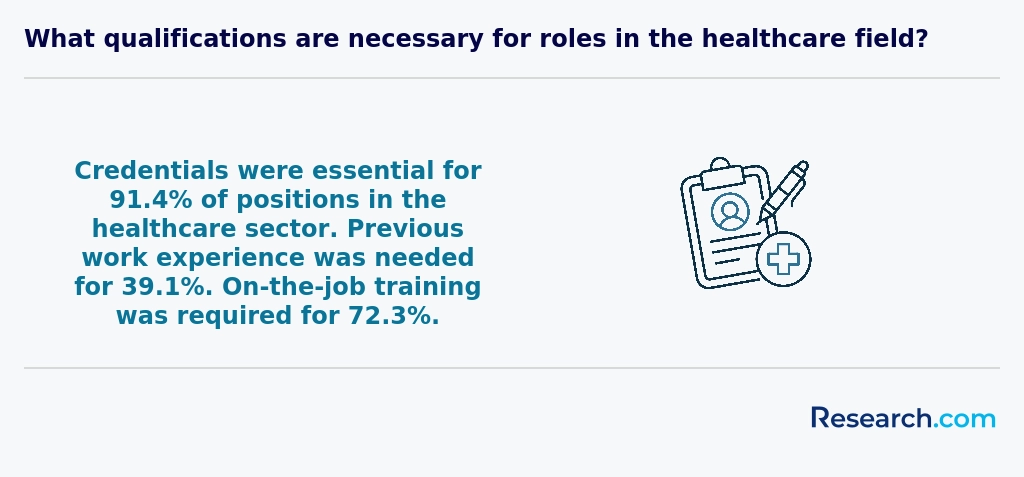
In today’s rapidly evolving healthcare landscape, investing in advanced degrees and ongoing education is key to staying competitive and enhancing career growth. Many professionals who complete their initial online healthcare degree find that pursuing further studies-such as master’s or doctoral programs-opens up new avenues for leadership, specialized clinical practice, and research opportunities. Advanced coursework not only deepens your subject matter expertise but also sharpens critical skills like strategic planning, evidence-based decision-making, and effective communication in high-stakes environments. For those considering taking the next step, exploring affordable online options for advanced healthcare degrees can be a practical approach to building a robust career. Additionally, if you are interested in a doctoral path related to pharmacy or healthcare innovation, you might find our list of cheapest online doctorate in pharmacy programs especially useful. This resource can help you compare program curricula, accreditation standards, and tuition costs to determine the best fit for your professional goals. Continuous education not only enhances your expertise but also positions you to contribute to industry advancements and improve patient outcomes. By prioritizing lifelong learning, you empower yourself with the latest technological tools, research insights, and practical skills needed to lead transformative change in the healthcare field.
Online healthcare degrees in Columbia typically include courses that blend foundational theory with practical skills, designed to mirror real-world healthcare environments. Graduates from institutions like the University of Missouri often highlight how classes such as Medical Terminology and Health Information Management gave them confidence communicating in clinical settings and managing electronic health records securely.
Courses like Public Health and Epidemiology prepare students to tackle pressing community health challenges, which is vital in Columbia's evolving healthcare landscape. Graduates recall applying these lessons during virtual simulations addressing disease outbreaks, which made the coursework feel immediately relevant and empowering.
Healthcare Ethics and Law frequently surface in students' reflections as eye-opening, as these courses sharpen critical thinking around complex moral dilemmas they expect to face professionally. Similarly, Healthcare Finance and Economics instills budgeting strategies that grads found invaluable when stepping into administrative roles at local healthcare facilities.
Looking ahead, students in Columbia can expect programs to increasingly incorporate emerging topics such as digital health innovation and data analytics to keep pace with healthcare's rapid transformation.
Online healthcare degree specializations in Columbia, Missouri, offer students a variety of paths to match their career aspirations and the local healthcare demands. Graduates from popular institutions like the University of Missouri often reflect on how nursing (RN to BSN) programs with nearby clinical practicum opportunities helped them build confidence and apply their skills directly to the community's needs. Others choose healthcare administration, motivated by the city's growing hospital system and the chance to lead within Columbia's dynamic health services.
For students drawn to innovation, health informatics is becoming a high-demand specialization, blending IT expertise with patient care data management-a trend especially relevant for Columbia's expanding medical facilities. Public health concentrations attract those eager to design impactful programs that improve population health locally. Medical laboratory science remains vital for graduates fascinated by diagnostic work behind the scenes.
Those exploring healthcare program concentration options Columbia Missouri find significant value in affordability and career outcomes. Some even consider further advancement through a list of cheapest online doctorate in pharmacy programs to expand their expertise and job prospects.
Choosing the best online healthcare degree in Columbia involves anticipating future healthcare trends while grounding decisions in practical realities. Graduates from popular institutions like the University of Missouri often highlight the value of programs that balance rigorous accreditation with flexible schedules, allowing them to juggle working in local healthcare facilities and studying asynchronously. For prospective students seeking affordable online healthcare degrees Columbia MO offers, in-state tuition benefits and targeted scholarships can make advanced education more accessible.
Many students find success in programs that emphasize clinical practicum opportunities linked to Columbia's healthcare networks, such as MU Health Care, tying coursework directly to the ongoing demands of the region. Considering the rising need for professionals in nursing and healthcare administration, programs aligned with these sectors tend to lead to promising employment prospects and personal fulfillment.
Exploring shifting delivery models is essential. Graduates appreciate online courses that adapt to busy lifestyles, providing a blend of asynchronous learning and occasional synchronous sessions. For detailed options, students can consult resources like the Affordable Online Master's in Healthcare Degree Programs Ranking in Washington, DC to benchmark choices and plan pathways that fit their career ambitions.
The best online healthcare programs Columbia Missouri can be found by weighing accreditation, cost, flexibility, and alignment with local healthcare market needs, ensuring a rewarding and sustainable future in healthcare.
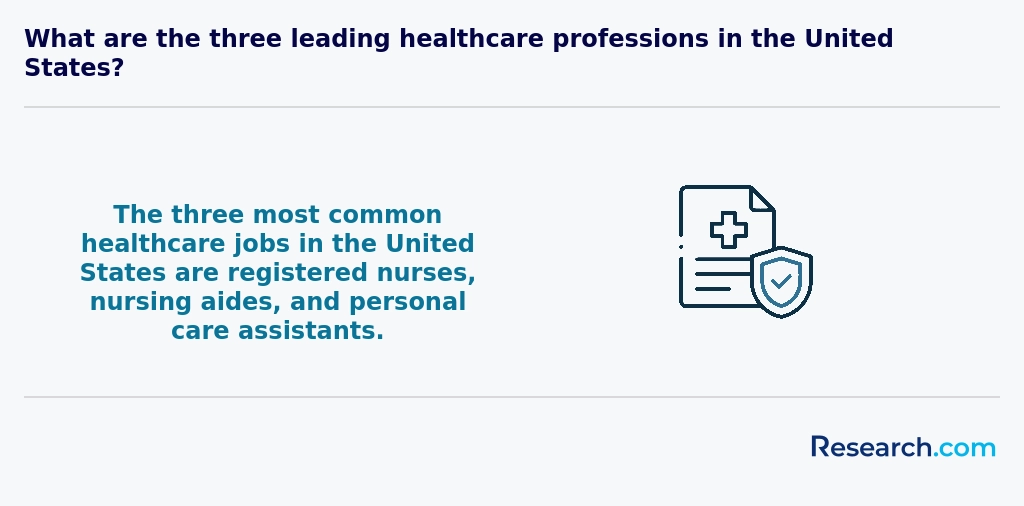
Graduates with an online healthcare degree in Columbia often find themselves poised to enter diverse and evolving career paths that reflect the city's dynamic medical environment. Nursing roles such as Registered Nurse (RN) or Nurse Practitioner (NP) remain top choices, supported by graduates from local institutions who describe the satisfaction of directly impacting patient lives while benefiting from the nearby University of Missouri Health Care's influence. Columbia's expanding healthcare infrastructure also fuels opportunities in healthcare administration, where alumni manage regional hospitals and clinics, navigating challenges heightened by growing patient populations.
Health information management is rapidly gaining importance as digital records and data systems transform care delivery. Graduates who embraced this field report excitement in shaping efficient healthcare operations across Columbia's facilities. Public health careers attract those passionate about community wellness, with many graduates contributing to local health agencies' outreach efforts. Others choose specialized roles such as medical laboratory technologists, finding fulfillment in diagnostics that guide patient treatment. For students exploring flexible options, the Columbia area supports a variety of pathways, including the top 6 month associate online degree programs that fast-track entry into the workforce.
These forward-looking opportunities highlight how online healthcare degree jobs in Columbia MO offer not just employment but meaningful professional journeys shaped by the city's unique healthcare ecosystem.
The online healthcare job outlook Columbia MO continues to brighten as local graduates find numerous opportunities across hospitals and clinics tied to institutions like the University of Missouri Health Care. Many online students from Columbia-area colleges share how their flexible programs allowed them to balance work and study while gaining skills aligned with real-world demands. These programs often partner with regional healthcare providers, boosting job placement rates and preparing graduates for roles in nursing, administration, or emerging fields like telehealth.
Employment prospects extend beyond traditional roles, with telehealth and digital health management positioned as growth areas. Graduates are excited to contribute to this evolving landscape, knowing their education reflects current healthcare technologies. Median salaries in Columbia often meet or surpass state averages, supporting financial stability for new professionals. Prospective students mindful of costs can explore options ranging roughly from $10,000 to $30,000, with many local programs offering affordable pathways.
Students curious about what is the easiest associates degree to get online can find accessible and accredited online programs here in Columbia, making it easier to enter a thriving job market while enjoying the convenience of remote learning.
2027 Most Affordable Online Healthcare Degree Programs Ranking in Columbia, MO
Investing in your education is a significant decision that can shape your future, and the Research.com team understands the importance of making informed choices. To assist prospective students in Columbia, MO, we have meticulously developed the "2027 Most Affordable Online Healthcare Degree Programs Ranking in Columbia, MO." Our dedication to quality, credibility, and accuracy is demonstrated through thorough research and analysis conducted to compile this ranking.
We utilized the following reputable data sources to ensure a comprehensive evaluation of healthcare degree programs:
By exploring this ranking, readers will gain valuable insights into the most affordable online healthcare degree programs available in Columbia, MO, helping them make well-informed decisions about their educational investments. For more details on our methodology, please visit our Research.com methodology page.

Frequently Asked Questions About healthcare
Students pursuing online healthcare degrees in Columbia can maximize their learning experience by actively engaging with course materials and instructors. The University of Missouri, located in Columbia, offers many online healthcare programs aligned with the latest industry standards, supporting student success. Utilizing virtual labs and simulation tools enhances practical skills, which is essential for healthcare professions. According to the Missouri Department of Higher Education, students who participate regularly in interactive elements tend to retain 40% more information.
Networking with local healthcare providers through virtual events or internships available in Columbia can deepen understanding of real-world applications. Additionally, managing time effectively and setting clear goals significantly improves completion rates in online healthcare programs nationwide, ranging around 70% according to the National Center for Education Statistics.
The healthcare field continues to evolve, revealing several emerging niches that offer promising career opportunities. One rapidly growing area is telehealth, which expanded by over 50% in the U.S. between 2019 and 2022, fueled by advances in technology and patient demand for remote care. Columbia, MO, benefits from this trend due to its expanding healthcare infrastructure and technology adoption.
Another rising niche is healthcare informatics, focusing on managing and analyzing patient data to improve outcomes. The increased reliance on electronic health records (EHR) in Missouri hospitals supports this field's growth. Additionally, mental health services, especially digital counseling, are experiencing significant demand - a response to greater awareness and access needs.
Finally, specialties like gerontology and chronic disease management are critical in Columbia, which mirrors national trends of an aging population requiring complex care coordination. These emerging sectors reflect shifts in healthcare priorities and technology integration across Missouri and the broader U.S.
After completing an online healthcare degree in Columbia, Missouri, preparing for the job market involves several key steps. First, graduates should obtain relevant certifications or licenses required in healthcare fields, such as RN licensure or medical coding certification. Missouri's Department of Health and Senior Services provides guidelines for these credentials.
Networking with local healthcare employers in Columbia, including hospitals like University of Missouri Health Care, can open job opportunities. Internships or clinical experience, even virtual, improve practical skills and employability.
Utilizing Columbia-area job boards and healthcare career services helps target relevant positions. According to the Missouri Economic Research and Information Center, healthcare jobs are among the fastest-growing sectors in the region.
Continuous learning and familiarity with healthcare software and regulations increase competitiveness in this evolving job market.
Employers in Columbia, Missouri, prioritize a combination of technical skills and soft skills when hiring healthcare degree graduates. Strong clinical knowledge and proficiency with electronic health records (EHR) systems are essential due to the increasing use of digital tools in patient care. According to Mercy Health, familiarity with data management improves patient outcomes and workflow efficiency.
Communication skills are highly valued, as healthcare professionals must effectively collaborate with patients and interdisciplinary teams. Critical thinking and problem-solving capabilities help graduates adapt to evolving medical procedures and emergency situations. Additionally, cultural competence is important in Columbia's diverse population to ensure equitable care delivery.
Leadership and time management abilities also rank among the top skills sought by local employers, aiding graduates in managing workloads and coordinating treatment plans effectively.
Finding internships in Columbia relevant to a healthcare degree involves several key steps. Start by exploring opportunities at local healthcare facilities like University of Missouri Health Care, which employs thousands and offers structured internship programs. Additionally, check with Columbia College and the University of Missouri's health departments for partnerships with area hospitals and clinics.
Use online platforms such as Handshake or the Missouri Hospital Association's career portal to search for paid and unpaid internships. Networking through professional groups like the Missouri State Medical Association can also open doors.
Keep in mind that many internships require background checks and immunization records due to patient safety rules, so prepare these documents early.
In Columbia, Missouri, earning an online healthcare degree significantly enhances career mobility and advancement opportunities. The healthcare sector here is growing steadily, with organizations such as MU Health Care and Boone Hospital Center frequently seeking qualified professionals. According to the Missouri Economic Research and Information Center, healthcare occupations are projected to grow by 19% in the region by 2030, surpassing national averages.
An online healthcare degree provides flexibility while equipping students with essential skills recognized by local employers. Graduates often find they can move up from entry-level roles to management or specialized clinical positions more quickly. Additionally, accredited online programs frequently align with Missouri's licensing and certification requirements, easing the transition into the workforce.
Such degrees also support lateral career moves within Columbia's diverse healthcare industry, including roles in administration, patient care, and health informatics. This adaptability is key in a competitive job market.
Studying for a healthcare degree in Columbia, MO, provides students with skills tailored to interdisciplinary roles, integrating knowledge from multiple health sectors. Universities in Columbia emphasize collaborative learning, often involving projects that include nursing, public health, and healthcare administration students. This prepares learners to work effectively in teams across disciplines.
Columbia's healthcare programs also offer courses in communication, ethics, and data analysis, equipping students to navigate complex healthcare systems. The region's growing healthcare industry-employing over 25,000 people as of 2023 according to the Missouri Economic Research and Information Center-creates opportunities for graduates to apply interdisciplinary skills in real-world settings.
Online programs in Columbia emphasize flexible schedules paired with practical experience, aligning with national trends that 70% of healthcare roles require cross-functional collaboration (Bureau of Labor Statistics, 2023). This focus readies graduates for diverse roles, from patient care coordination to healthcare policy development.
Choosing between a thesis and a non-thesis healthcare degree program in Columbia depends on your career goals and learning preferences. Thesis programs emphasize research, ideal for students aiming for advanced study or roles in healthcare research. Non-thesis options focus on practical skills and coursework, suited for those targeting direct clinical or administrative positions.
In Columbia, the healthcare job market is diverse, including hospitals like University Hospital and Research Medical Center. According to the Missouri Economic Research and Information Center, jobs for healthcare practitioners grow about 15% by 2028, reflecting strong demand for practical skills. Consider whether you prefer engaging deeply with research or gaining applied knowledge.
Financially, thesis programs may extend study time, impacting tuition and living costs. Online programs in Columbia often offer flexibility, but review each school's curriculum carefully. Accrediting bodies such as CCNE and CAHME validate program quality and should influence your choice.
Students based in Columbia, Missouri, seeking online healthcare degrees abroad have several options, especially within the US higher education system. Many American universities offer fully online programs in nursing, public health, health administration, and related fields, which can be accessed remotely without relocating.
For example, institutions like the University of Missouri and nearby state universities frequently partner with online platforms to provide flexible scheduling for healthcare studies. According to the Missouri Department of Higher Education & Workforce Development, the demand for healthcare professionals in Columbia is expected to grow by 15% over the next decade, underscoring the value of these programs.
Additionally, students can explore accredited online degrees from universities nationwide that accept Missouri residents. These programs often include clinical placement options in local healthcare facilities, combining online coursework with necessary hands-on experience.
Students pursuing online healthcare degrees in Columbia, MO, have various part-time job options that complement their education. Working as a medical receptionist or administrative assistant in local clinics helps develop essential organizational and communication skills. Columbia's healthcare sector employs over 15,000 workers, making these roles widely available, according to the Missouri Economic Research and Information Center.
Other common positions include certified nursing assistants (CNAs) or pharmacy technicians, which provide practical experience with patient care and medication management. These roles can often accommodate flexible schedules suitable for students. Additionally, volunteering at healthcare facilities like University of Missouri Health Care offers valuable exposure to clinical environments and networking opportunities.
Online healthcare students in Columbia, MO, have several networking opportunities despite the remote format. Many local universities collaborate with healthcare providers like University of Missouri Health Care, offering virtual meetups and seminars that connect students with professionals. The Missouri Hospital Association also hosts regional events and webinars accessible online, fostering valuable connections.
Students can join specialized online forums and LinkedIn groups focused on healthcare careers in Missouri. According to the Missouri Economic Research and Information Center, healthcare employment in Columbia is growing steadily, making networking crucial for job placement.
Additionally, some programs arrange virtual internships with local clinics, enhancing practical experience and professional contacts.
Alumni networks provide valuable support to online healthcare degree students in Columbia, Missouri, by connecting them with experienced professionals in the region's growing medical community. Access to these networks allows students to gain insight into local job markets, which is crucial since Boone County's healthcare sector employs over 20,000 people, according to the Missouri Economic Research and Information Center (MERIC).
These networks often facilitate mentorship opportunities, helping students navigate clinical placements and licensing requirements specific to Missouri. Additionally, alumni connections can open doors to job opportunities at prominent healthcare facilities, such as University Hospital in Columbia.
Engaging with alumni groups also promotes professional development through workshops and local healthcare events tailored to Columbia's needs. This localized support increases the likelihood of successful employment after graduation from online programs.
Customizing your online healthcare degree in Columbia, MO, begins by selecting programs that offer flexible specializations aligned with your career goals. Many universities provide tracks such as health administration, nursing, or public health, allowing students to focus on areas in demand locally. For example, Columbia's strong healthcare sector, with 8,000+ jobs in hospitals and clinics reported by the Missouri Economic Research and Information Center (MERIC), rewards relevant skills.
Look for programs with elective courses, clinical practicum options, or certifications that enhance expertise. Advisors often help tailor course loads to balance work and study. This approach ensures your degree supports specific roles, from administration to patient care.
Online healthcare students in Columbia, MO, often face challenges related to clinical experience. Many programs require in-person practicums, which can be difficult to schedule alongside work or family commitments. Additionally, technical issues such as unreliable internet connections can disrupt learning, especially in rural areas around Columbia.
Another common difficulty is balancing time effectively. According to a 2023 report by the Missouri Department of Higher Education, nearly 40% of online students in healthcare reported struggles with time management due to competing responsibilities.
Finally, students sometimes experience limited direct interaction with instructors and peers, which can affect motivation and networking opportunities essential in healthcare professions.
With an online healthcare degree, students in Columbia can pursue various professional certifications to advance their careers. Common certifications include Certified Nursing Assistant (CNA), Registered Health Information Technician (RHIT), and Certified Medical Assistant (CMA). These credentials improve job prospects and earning potential in healthcare settings like hospitals and clinics.
The American Health Information Management Association and the National Healthcareer Association offer many of these certifications. Additionally, Columbia's healthcare job market relies heavily on qualified professionals holding such credentials, reflecting trends noted by the Missouri Department of Health & Senior Services.
Several online degree programs also prepare students for certification exams, enabling graduates to meet local employer requirements efficiently.
Writing a winning application for an online healthcare program in Columbia requires careful preparation and attention to detail. Start with a clear personal statement that highlights your passion for healthcare and your career goals. Emphasize any relevant work or volunteer experience, especially within Columbia's healthcare community, which grows steadily as the city is home to major hospitals like University of Missouri Health Care.
Ensure your academic records reflect strong performance in science and math courses, as these are critical for healthcare studies. Request recommendations from professionals who can attest to your dedication and skills.
Finally, tailor each application to the specific program, demonstrating knowledge of curriculum and faculty, a strategy proven to improve acceptance chances. According to the Missouri Department of Higher Education & Workforce Development, personalized applications stand out in competitive admissions.
The global perspective on a healthcare career increasingly emphasizes the value of diverse skills and adaptability. Healthcare professionals in the United States, including Columbia, benefit from a system focused on interdisciplinary approaches, combining clinical expertise with technology and communication.
According to the U.S. Bureau of Labor Statistics, healthcare occupations are projected to grow 13% from 2021 to 2031, faster than average growth for all occupations. This trend reflects global demand for well-trained healthcare workers.
Online healthcare degrees allow students in Columbia to engage with current practices and global health challenges, preparing them to work in diverse environments and respond to evolving public health needs.
Gaining practical experience while studying for an online healthcare degree in Columbia, MO, is essential for building skills and enhancing employability. Most programs require clinical rotations or internships, which students typically complete at approved local healthcare facilities. Universities often partner with hospitals and clinics in Columbia, such as those affiliated with University of Missouri Health Care, providing hands-on learning opportunities.
Additionally, volunteering at healthcare organizations in Columbia can offer valuable exposure. This practical engagement helps students apply theoretical knowledge in real-world settings and network within the local healthcare community. The Missouri Department of Health & Senior Services provides resources and guidance for students seeking practical experiences.
Choosing the right concentration within an online healthcare degree in Columbia, MO, requires understanding local healthcare demands and career goals. Columbia's growing medical sector, including University of Missouri Health Care, emphasizes nursing, public health, and health informatics. According to the Missouri Economic Research and Information Center, healthcare occupations are among the fastest-growing jobs locally, especially registered nurses and medical managers.
Consider concentrations that align with in-demand roles and your strengths. For example, public health suits those interested in community wellness, while health information focuses on technology and data management.
Evaluate program accreditation and flexibility to ensure your education matches regional industry standards and your schedule.
- 2027 Most Affordable Online Healthcare Degree Programs Ranking in Saint Charles, MO
- 2027 Most Affordable Online Bachelor's in Healthcare Degree Programs Ranking in St. Louis, MO
- 2027 Most Affordable Online Bachelor's in Healthcare Degree Programs Ranking in Springfield, MO
- 2027 Most Affordable Online Healthcare Degree Programs Ranking in Lebanon, IL
- 2027 Most Affordable Online Healthcare Degree Programs Ranking in Pittsburg, KS
- 2027 Most Affordable Online Healthcare Degree Programs Ranking in Carbondale, IL
- 2027 Most Affordable Online Healthcare Degree Programs Ranking in Peoria, IL
- 2027 Most Affordable Online Healthcare Degree Programs Ranking in Fayetteville, AR
- 2027 Most Affordable Online Healthcare Degree Programs Ranking in Omaha, NE
- 2027 Most Affordable Online Healthcare Degree Programs Ranking in Murray, KY
See What Experts Have To Say About Studying Healthcare
Read our interview with Healthcare experts

- Online Healthcare Degree Programs | University of Phoenix https://www.phoenix.edu/online-healthcare-degrees.html
- Thesis vs. Non-Thesis Master's Programs: Which is Right for You? https://potomac.edu/thesis-vs-non-thesis-masters/
- How to Create a Healthcare Career Roadmap https://www.ihire.com/resourcecenter/jobseeker/pages/how-to-create-a-healthcare-career-roadmap
- Columbia University Launches Scholarship Program ... https://www.hispanicoutlook.com/articles/columbia-university-launches-scholarship-program-e
- Online Healthcare & Medical Certification Training Programs https://medcerts.com/programs/healthcare/
- How to Write Your Cover Letter | NQRTH https://www.nqrth.edu.au/career-planning/how-to-write-your-cover-letter/
- 25 Highest Paying Online Degrees in Healthcare | Best Online Medical Degrees https://www.collegeconsensus.com/online/highest-paying-online-medical-degrees/
- Challenges for Medical Students - Health Action Research Group https://www.healthactionresearch.org.uk/mental-health/challenges-for-medical-student/
- How to Gain Real-World Experience While Studying Online | American National University https://an.edu/how-to-gain-real-world-experience-while-studying-online/
- Crafting the Perfect Cover Letter for Healthcare Roles https://healthcareaustralia.com.au/news/crafting-the-perfect-cover-letter-for-healthcare-roles/