
2027 Most Affordable Healthcare Degree Programs Ranking in Naperville

Co-Founder and Chief Data Scientist
Considering a healthcare degree in Naperville can open doors to a rewarding and stable career. To help you navigate your options, this article presents the 2027 Most Affordable Healthcare Degree Programs Ranking in Naperville created by the Research.com team of data scientists.
With clear data and careful analysis, you'll find guidance on the programs that offer great value without compromising quality. Whether you're starting fresh or planning a change, this ranking is designed to support informed decisions and help you confidently step into a healthcare future.
Key benefits of getting healthcare degree in Naperville
- Salary for healthcare degree graduates: Graduates can expect competitive wages with roles like Patient Care Technician earning a mean annual wage of $60,790 and Medical Assistants around $43,350. These salaries reflect strong earning potential in the Naperville healthcare job market.
- Career paths: Many healthcare graduates from local colleges pursue jobs such as Health Information Technician or Clinical Research Coordinator, offering diverse opportunities in both patient care and administrative roles. This variety allows you to find a career path that truly matches your interests and skills.
- Benefits of online healthcare degrees: Earning an online healthcare degree offers flexibility and convenience, allowing students to balance work and study effectively. Graduates from online programs in Naperville often appreciate the ability to learn at their own pace while still gaining valuable, recognized credentials.
- Key benefits of getting healthcare degree in Naperville
- What can I expect from healthcare degree in Naperville?
- Where can I work with healthcare degree in Naperville?
- How much can I make with healthcare degree in Naperville?
- 2027 Most Affordable Healthcare Degree Programs Ranking in Naperville
- Key Findings
- How long does it take to complete healthcare degree in Naperville?
- Accreditation and Quality Assurance
- What's the difference between online and on-campus healthcare degree?
- Affordable Online Healthcare Degree Options
- What is the average cost of healthcare degree in Naperville?
- Emerging Trends in Healthcare Careers and Technology Integration
- What financial aid is available to healthcare degree students in Naperville?
- Return on Investment (ROI) for Healthcare Degrees in Naperville, IL
- What are the prerequisites for enrolling in healthcare degree program in Naperville?
- Conclusion & Next Steps
- What courses are typically in healthcare degree programs in Naperville?
- What types of specializations are available in healthcare degree programs in Naperville?
- How do you choose the best healthcare degree in Naperville?
- What career paths are available for healthcare degree students in Naperville?
- What is the job market for healthcare degree in Naperville?
- Top Trending Healthcare Rankings
- See What Experts Have To Say About Studying Healthcare
What can I expect from healthcare degree in Naperville?
The average cost of obtaining a healthcare degree in Naperville balances quality education with financial accessibility, typically lower than central Chicago's institutions. Graduates from nearby College of DuPage often reflect on this advantage, noting how manageable tuition allowed them to focus more on mastering clinical skills rather than stressing about debt. Many healthcare programs require 1,000 to 1,500 clinical hours, blending rigorous classroom learning with hands-on experience at facilities like Edward Hospital, enhancing real-world readiness without burdening students with exorbitant fees.
Such affordability enables students to invest in other essentials like certification exam preparation for credentials such as the NCLEX. It also encourages students to engage deeply in diverse coursework-anatomy, pharmacology, healthcare ethics-within affordable programs that emphasize patient care and emerging health technology. This practical approach fosters confidence and satisfaction, as students graduate equipped to meet the growing demands of Naperville's expanding healthcare workforce, all while benefiting from a cost structure that respects their financial limits.
Where can I work with healthcare degree in Naperville?
With a healthcare degree earned at institutions like North Central College or Waubonsee Community College in Naperville, graduates often find themselves at the heart of a thriving medical ecosystem. Many secure roles at Edward Hospital, where they engage directly in patient care as nurses or clinical technicians, experiencing firsthand the life-saving impact of their work.
Others often join Presence Health network, navigating both clinical and administrative paths that challenge their problem-solving skills daily. These real-world environments offer more than a paycheck-they provide a sense of purpose and meaningful community connection that many graduates describe as deeply fulfilling.
Outpatient clinics and urgent care centers become familiar workplaces where graduates apply hands-on skills in nursing or physical therapy, often recalling how their coursework reflected these dynamic scenarios perfectly. The growing elderly population in Naperville also opens doors to senior care facilities, where graduates find rewarding careers supporting independence and dignity for older adults.
Many students reflect on the surprising variety of paths-public health roles, health informatics, or pharmaceutical offices-each demanding a blend of healthcare knowledge and business savvy that local programs prepare them for. These diverse opportunities in Naperville prove that a healthcare degree here is not just a credential, but a gateway to making real, tangible differences in people's lives every day.
How much can I make with healthcare degree in Naperville?
Graduates from healthcare programs in Naperville often find their investment pays off sooner than expected. For instance, medical assistants fresh out of colleges like North Central College can anticipate an average annual salary of about $43,350. This starting figure reflects well on the city's established healthcare training and vibrant job market.
Those aiming for technician roles, such as patient care technicians or health information technicians, see even stronger earnings. Patient care technicians earn around $60,790 yearly, while health information technicians bring in approximately $43,380. Graduates often share how hands-on experience gained locally through internships at Naperville medical centers boosts confidence and employability.
Interestingly, some pursue more specialized routes, like clinical research coordination, matching medical assistants' salaries near $43,350, while those focusing on quality improvement can surpass $100,000 annually. These salary realities challenge the notion that healthcare degrees only funnel students into lower-paying jobs and reveal how targeted certifications combined with Naperville's healthcare ecosystem can elevate earning potential significantly.
2027 Most Affordable Healthcare Degree Programs Ranking in Naperville
How do we rank schools?
Investing in your education is a significant decision that can shape your future, and the Research.com team understands the importance of making informed choices. To assist prospective students in Naperville, we have meticulously crafted the "2027 Most Affordable Healthcare Degree Programs Ranking in Naperville." Our commitment to quality, credibility, and accuracy is reflected in the extensive research and analysis conducted to compile this ranking.
We utilized the following reputable data sources to ensure a comprehensive evaluation of healthcare degree programs:
By exploring this ranking, readers will gain valuable insights into the most affordable healthcare degree programs available in Naperville, enabling them to make informed decisions that align with their educational and financial goals. For more details on our methodology, please visit our Research.com methodology page.

Key Findings
- Tuition and fees for healthcare programs in Naperville range from $12,000 to $18,000 annually, depending on the institution and degree level.
- Entry-level salaries for healthcare graduates start around $50,000 per year, comparable to Illinois state averages for roles like nursing assistants and medical technicians.
- Experienced healthcare professionals with advanced degrees can earn over $80,000 annually, especially in nursing, healthcare administration, or physical therapy.
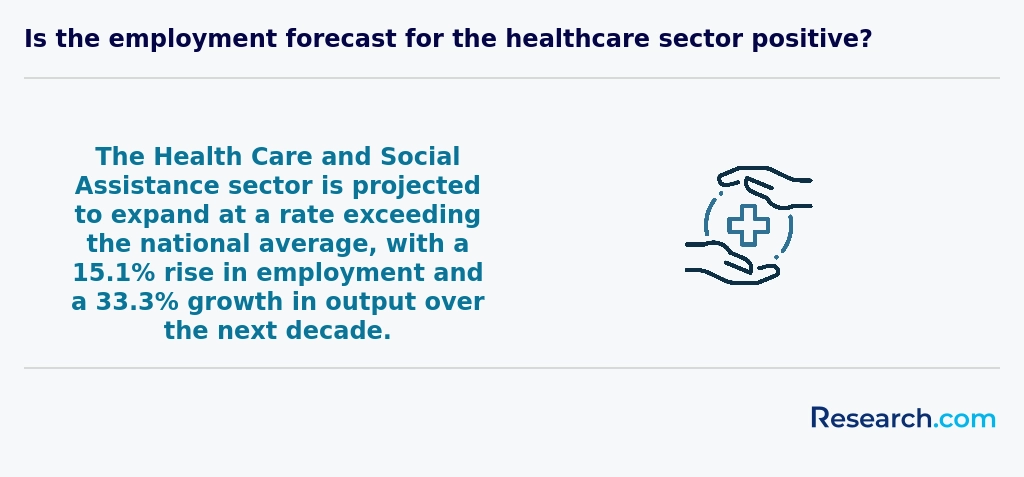
- Healthcare jobs in Naperville are projected to grow by 15% from 2022 to 2030, which is higher than the national average.
- Programs in Naperville align with Illinois state licensure requirements and often include internships and practicum opportunities for hands-on experience.
How long does it take to complete healthcare degree in Naperville?
Completing a healthcare degree in Naperville often takes more than just ticking off standard timelines; it's a personalized journey shaped by your pace and program choice. For instance, community colleges like College of DuPage offer Associate Degrees in Nursing that usually span around two years, drawing students eager to enter the workforce promptly yet thoroughly prepared. Graduates frequently reflect on the balance between hands-on clinical experiences and classroom learning as the real game changers.
Bachelor's degrees, such as a BSN or healthcare administration through local institutions, traditionally take about four years. However, accelerated pathways or previous certifications can shorten this stretch, allowing many to embrace their professional dreams sooner than expected. Imagine a graduate who juggled part-time studies with family commitments and still found a way to shine in clinical rotations-a testament to adaptability.
Advanced degrees naturally extend this timeline. Pursuing an MSN or doctoral degree often involves navigating complex research and practical demands over several additional years. Yet, many graduates express deep satisfaction in achieving expertise that opens leadership roles, proving that the extra time invested can profoundly shape a career in Naperville's vibrant healthcare community.
Accreditation and Quality Assurance
Accreditation is a critical benchmark that validates the rigor and credibility of healthcare degree programs in Naperville, IL. Prospective students should verify that their chosen institution holds accreditation from recognized bodies such as the Commission on Accreditation of Allied Health Education Programs (CAAHEP) for medical assisting or the Commission on Collegiate Nursing Education (CCNE) for nursing degrees. Accredited programs not only meet high academic standards but also ensure eligibility for licensure exams and nationwide employment. Beyond institutional accreditation, program-specific quality indicators-like student-faculty ratios, clinical placement partnerships with top-rated hospitals, and licensure exam pass rates-offer additional insight into a school’s commitment to excellence. For example, programs that publish a 90%+ first-time pass rate on the Registered Medical Assistant exam demonstrate consistent instructional effectiveness. Students focused on medical assisting can further compare curriculum depth and interactive lab simulations by exploring our most affordable online medical assistant programs. Finally, continuous quality improvement processes-such as annual curriculum reviews, advisory committees with healthcare practitioners, and alumni feedback surveys-ensure that programs stay aligned with evolving industry standards. By prioritizing accredited and outcomes-driven schools, students in Naperville can confidently invest in a degree that delivers both professional credibility and long-term career growth.
What's the difference between online and on-campus healthcare degree?
Choosing between online and on-campus healthcare degrees in Naperville often means weighing how you learn best against your lifestyle demands. Graduates from North Central College rave about the immersive experience of hands-on labs and real-time collaboration with peers and faculty-essential for skills like patient care and clinical decision-making. Imagine walking through state-of-the-art facilities and practicing procedures alongside instructors, a vital element hard to replicate online.
Conversely, students pursuing online degrees from University of Illinois Chicago appreciate the flexibility that lets them balance work and family while accessing coursework anytime. They arrange local clinical hours within Naperville's healthcare facilities, proving that meaningful, accredited practical experience isn't sacrificed. This adaptability creates a unique sense of empowerment, fostering self-motivation and independence in ways an on-campus schedule might restrict.
Both formats hold strong connections to the Naperville healthcare community, but they offer distinctly different rhythms-one anchored in structured, face-to-face interaction; the other in personalized, flexible learning tailored for modern life's unpredictability.
Affordable Online Healthcare Degree Options
As students in Naperville weigh the benefits of traditional programs with the flexibility of remote learning, affordable online healthcare degrees emerge as a compelling alternative. Online programs often offer lower tuition rates, reduced commuting and housing costs, and flexible scheduling-ideal for working adults or those with family commitments. By leveraging digital platforms, students can access high-quality coursework, virtual labs, and interactive simulations without relocating. Moreover, online degrees frequently feature asynchronous lectures and 24/7 technical support, enabling learners to study at their own pace while maintaining professional and personal obligations. Many programs also include coordinated clinical placements in local hospitals or clinics, ensuring hands-on experience remains an integral component of education. For those seeking further cost savings and a broader selection of accredited institutions, consider exploring regional rankings that highlight exceptional value in online healthcare education. For example, the Low Cost Online Healthcare Degree Programs Ranking in North Carolina showcases programs that balance affordability with academic rigor, offering insights into tuition rates, graduation outcomes, and student satisfaction metrics. By comparing these rankings, Naperville students can make informed decisions and secure a high-quality healthcare education that fits their budget and lifestyle.
What is the average cost of healthcare degree in Naperville?
Understanding the average healthcare degree cost Naperville students face requires shifting perspective beyond sticker prices. Graduates from local institutions like the College of DuPage or Aurora University often recall the balance they struck between quality education and financial reality. The median in-state total cost hovers around $45,726, while out-of-state students should anticipate closer to $60,702. These figures challenge the simplistic view that education expenses are either prohibitively high or trivially low, highlighting the varied paths within healthcare education.
Many students find that investing around $9,000 to $12,000 for an associate degree feels manageable, especially when the program includes hands-on training that leads directly to workforce entry. Others pursuing bachelor's degrees at public universities experience annual tuition near $12,000, adding up as they commit to four engaging years of study. These costs mirror typical experiences but gain richer meaning when paired with personal stories of growth and achievement in healthcare fields.
Those seeking affordable healthcare degree programs Naperville appreciates often explore clinical components and certification opportunities embedded in curricula. Such elements bring additional value-that real-world confidence and expertise that can't be quantified by tuition alone. Prospective students should also consider how programs incorporate virtual laboratory experiences, advancing learning while potentially moderating costs and schedules.
Ultimately, the investment in a healthcare degree here is inseparable from the vibrant educational environments at Naperville-area colleges and universities. Each student's journey reflects a unique combination of personal commitment and local support, underscoring that understanding costs means embracing the full experience of entering the healthcare profession.
Emerging Trends in Healthcare Careers and Technology Integration
As healthcare continues to evolve, graduates must be prepared to adapt to emerging technologies and innovative practices that are reshaping the industry. Digital transformation in healthcare is driving a surge in roles that blend medical expertise with technical skills, including telemedicine coordinators, data analysts, and medical coders. For example, understanding the dynamics of a professional coder salary can provide valuable insights for those considering a career path that bridges clinical knowledge with IT proficiency. This section highlights the importance of continuous learning and staying current with technological advancements, such as electronic health records, artificial intelligence, and remote patient monitoring. By incorporating these elements into their skill set, healthcare graduates can enhance their competitiveness in a rapidly changing job market while contributing to improved patient care and operational efficiency.
What financial aid is available to healthcare degree students in Naperville?
Financial aid for healthcare students in Naperville is more than just numbers; it shapes real futures. Consider graduates from the College of DuPage, who often point to institutional scholarships as game-changers-awards based on both need and merit that can cut tuition costs by thousands. These scholarships often reflect more than funding; they represent recognition of dedication to healthcare careers.
Federal aid also plays a critical role. Pell Grants average around $4,400 annually, easing the burden substantially for many Naperville students. The value goes beyond money-it signals an investment in your potential, helping you focus on clinical skills rather than financial stress.
Loans, especially Direct Subsidized and Unsubsidized Loans, provide flexible paths, balancing immediate costs with long-term goals. For many, work-study programs offer more than income-they create hands-on healthcare experiences, blending theory with practice in local medical settings.
Local Illinois programs, like the MAP Grant and workforce incentives, challenge students to think beyond tuition, offering opportunities tied to community impact. Naperville's financial aid landscape invites you not just to receive support but to engage deeply with your future healthcare community.
Return on Investment (ROI) for Healthcare Degrees in Naperville, IL
Investing in a healthcare degree in Naperville, IL, is not only about acquiring the skills needed to excel in the industry-it’s also a strategic financial decision that yields long-term benefits. Graduates often report that the significant initial cost is outweighed by improved career prospects, competitive salaries, and professional growth opportunities. Analyzing the return on investment (ROI) involves looking at factors such as tuition costs, available financial aid, and the projected increase in earning potential over time. Studies indicate that graduates from quality programs tend to secure well-paying roles, accelerating their path to financial stability and long-term career satisfaction. Moreover, understanding ROI means considering the comprehensive support systems that many institutions offer. These include mentorship programs, career placement services, and strong alumni networks that open doors to future opportunities. For students evaluating program affordability, resources that highlight the cheapest healthcare programs in illinois can offer valuable insights. By weighing future earnings against educational expenses, prospective students can make a well-informed decision that aligns with both their career goals and financial planning needs. This comprehensive approach ensures that graduates are not only prepared to enter a thriving job market but also equipped to achieve significant long-term financial success.
What are the prerequisites for enrolling in healthcare degree program in Naperville?
Enrolling in a healthcare degree program in Naperville demands more than just ambition; it requires meeting specific prerequisites that truly test your readiness. Graduates from local institutions often recount how their foundation in science and math, including courses like biology and chemistry with labs, was crucial for keeping pace in fast-moving nursing classes or allied health sessions. These prerequisites ensure you're not merely admitted but set up for meaningful success in clinical settings.
Beyond academics, many programs in Naperville value hands-on experience. One graduate shared how volunteering at a nearby healthcare facility before enrollment gave them confidence and a real-world glimpse into patient care, making their coursework feel deeply relevant and engaging. Letters of recommendation and personal statements challenge applicants to reflect on their passion and commitment-tools universities use to discern genuine dedication amidst a sea of applicants.
Standardized tests may still be required, but a growing number of Naperville colleges adopt more holistic admissions, recognizing that background checks and updated immunizations are essential to safely interact with patients-highlighting that healthcare education is as much about responsibility as it is about knowledge.

Conclusion & Next Steps
As you wrap up your research on healthcare degree programs in Naperville, IL, it’s important to reflect on the comprehensive details provided throughout this article-from financial planning and course offerings to career paths and job market trends. This final section is designed to guide you in taking the next practical steps toward choosing the right program that aligns with both your professional aspirations and financial goals. By reviewing your priorities and comparing the nuances of program duration, on-campus versus online learning, and specialized career tracks, you can refine your options effectively. Consider exploring additional resources for further insight-such as the latest guide on the cheapest healthcare programs in illinois-to expand your understanding of affordability without sacrificing quality. Keep in mind that making an informed decision today lays the foundation for a successful career in the dynamic field of healthcare. Reach out to academic advisors, attend virtual information sessions, and connect with alumni networks to gain firsthand perspectives. With clear, measurable steps and the extensive information provided here, you are well on your way to taking control of your educational journey and building a bright future in healthcare.
What courses are typically in healthcare degree programs in Naperville?
Healthcare degree programs in Naperville demand more than memorization-they challenge students to truly understand the human body through courses like anatomy and physiology. Graduates from local colleges often describe moments during dissections or lab work where textbook knowledge suddenly felt tangible, as if they could literally see how life functions beneath the skin.
Microbiology classes, too, transcend theory when students learn about invisible pathogens that affect real patients, making infection control lessons deeply personal rather than abstract. Many find that medical terminology initially feels like a foreign language, but mastery brings confidence when communicating in clinical settings, especially during internships at places like Edward-Elmhurst Health.
Ethics and healthcare law courses provoke intense reflection-graduates report grappling with real dilemmas they may face in their careers, understanding that medical care extends beyond procedures to moral judgment.
Healthcare administration and technology courses ground students in the evolving landscape of healthcare systems, teaching skills that empower them to improve patient outcomes through effective management and IT knowledge.

What types of specializations are available in healthcare degree programs in Naperville?
Healthcare degree specializations in Naperville challenge you to think beyond textbook roles, embracing diverse paths like nursing, health administration, medical assisting, and public health. Graduates from local universities often recount how nursing programs, with options for becoming an RN or even advancing as a Nurse Practitioner, transformed their ambitions through hands-on clinical placements at nearby Chicago healthcare systems. These real-world experiences reveal why the nursing field is expanding rapidly, an insight supported by nursing job statistics.
Equally compelling are health administration tracks, where students engage deeply with healthcare policy and financial strategy, preparing them for leadership in complex organizations. Graduates from Naperville colleges describe a newfound confidence managing healthcare teams, inspired by immersive coursework tailored to today's healthcare challenges.
Other students pursuing medical assisting and health information technology discover their crucial role behind the scenes-supporting clinics through clinical tasks or managing electronic health records-tasks that keep the healthcare ecosystem running smoothly. This variety in Naperville healthcare degree program options opens doors to meaningful careers that many find both fulfilling and impactful.
How do you choose the best healthcare degree in Naperville?
Choosing the best healthcare degree in Naperville means moving beyond surface factors like tuition and prestige. Graduates from local institutions often share how defining clear career goals early shaped their path. For instance, some start with an associate degree at College of DuPage, attracted by affordable healthcare degree programs Naperville offers, which provide a quicker route to becoming a registered nurse and real-world clinical experience. Others aim higher with bachelor's degrees, seeking specialties that unlock wider job prospects.
It's crucial to consider how the program's flexibility aligns with your lifestyle. Flexible evening classes or blended learning options can transform the challenge of balancing work, family, and study into an achievable goal. Many have found that Naperville's partnerships between schools and local healthcare providers deliver not just classroom knowledge but hands-on practice, instilling confidence and readiness for real healthcare settings.
Practical advice includes exploring financial options carefully. Taking the time to compare tuition and scholarships or considering options like lpn education Delaware might inspire ideas for managing costs while progressing steadily. Above all, verify that programs hold accreditation to ensure your credentials carry weight when entering the competitive job market.
What career paths are available for healthcare degree students in Naperville?
Pursuing healthcare degree jobs in Naperville unlocks far more than traditional roles. Graduates from local colleges often find themselves immersed in dynamic careers such as Registered Nurse positions at Edward-Elmhurst Health, where hands-on experience meets community impact. Others gravitate toward healthcare administration, managing complex operations in hospitals that balance patient care with regulatory demands. These roles challenge the stereotype of health professions as solely clinical, revealing rich managerial opportunities.
Exploring top healthcare career opportunities Naperville offers reveals paths like medical technologists supporting critical diagnostics or therapists addressing urgent needs of an aging population. Several graduates from Naperville institutions express how their education paved the way toward public health careers focused on proactive community health initiatives, a vital domain given the region's emphasis on prevention. For those eager to rise further, programs for advanced practice nurse training create a bridge to leadership roles patients deeply value.

What is the job market for healthcare degree in Naperville?
Healthcare degree graduates in Naperville encounter a robust job market driven by steady expansion in medical services and a growing population demanding more care. This growth defies the conventional view that healthcare jobs are saturated; instead, employers like Edward-Elmhurst Health demonstrate consistent openings in nursing, medical technology, and healthcare administration. Recent graduates from institutions like the College of DuPage share stories of smooth transitions into careers with competitive salaries, reflecting the strong Naperville healthcare degree employment outlook.
Many students find that aligning their education with local demand ensures they don't just get a job but build a career. The average annual wage near $75,000 supports a hopeful mindset, making the investment worthwhile. For those considering cost, exploring the cheapest healthcare programs in illinois at community colleges serves as a smart launchpad into Naperville healthcare job opportunities.
Frequently Asked Questions About healthcare
Healthcare degree students in Naperville can maximize their learning by engaging with local healthcare facilities for hands-on experience. Naperville hosts several hospitals and clinics, including Edward Hospital, a major regional center known for its advanced patient care and internship opportunities. Practical exposure helps students apply classroom knowledge and improve clinical skills.
Additionally, students should take advantage of small class sizes at many Naperville institutions, which allow for more personalized instruction and collaboration with faculty members. According to the Illinois Board of Higher Education, healthcare programs with strong faculty support often produce higher-pass rates on professional certification exams.
Networking with local healthcare professionals and joining student organizations focused on health careers also enhances students' understanding of the industry and job prospects.
The healthcare field in Naperville is evolving rapidly, with several emerging niches gaining prominence. One significant area is telehealth, which saw a 38% increase in utilization nationwide during the COVID-19 pandemic, pushing local providers to expand virtual care services. This shift has highlighted the need for healthcare professionals skilled in digital communication and remote patient monitoring.
Another growing niche is geriatric care, reflecting Naperville's aging population. The U.S. Census Bureau notes a 15% rise in residents aged 65 and older in DuPage County, increasing demand for specialized elder care providers.
Additionally, health informatics and data analytics are becoming essential as hospitals adopt electronic records systems, requiring graduates adept at managing and analyzing health data to improve patient outcomes.
After completing a healthcare degree in Naperville, graduates should focus on building practical experience and professional networks to enhance job prospects. Internships and clinical rotations are essential, as they provide real-world skills and help meet Illinois state licensure requirements for many healthcare roles.
Naperville's healthcare sector is growing, with the U.S. Bureau of Labor Statistics projecting a 14% increase in healthcare employment in the Chicago metro area from 2022 to 2032. This growth underscores the importance of gaining certifications relevant to fields like nursing, medical technology, or healthcare administration.
Networking through local healthcare associations and job fairs organized by Naperville's colleges can connect graduates with employers. Additionally, utilizing resources like the Illinois Department of Employment Security can provide labor market information and job placement assistance.
Healthcare employers in Naperville prioritize a combination of technical expertise and interpersonal skills in graduates. Clinical competence, such as proficiency in patient care techniques and familiarity with electronic health records, is essential. According to Illinois Department of Employment Security data, 65% of local healthcare job postings request knowledge of medical software systems.
Equally important are communication skills, as healthcare professionals must effectively interact with patients and multidisciplinary teams. Critical thinking and problem-solving abilities are vital, given the dynamic nature of healthcare environments.
Additionally, employers look for adaptability and continuous learning, reflecting ongoing advancements in medical technology and treatment protocols. Understanding local regulations and compliance standards specific to Illinois also improves a candidate's prospects.
Finding internships in Naperville relevant to a healthcare degree requires proactive research and networking. Start by exploring local hospitals and healthcare providers such as Edward-Elmhurst Health, a major employer in the area offering internship programs for students in nursing, medical assisting, and allied health fields. Community health centers and long-term care facilities in Naperville also provide hands-on training options.
Many colleges partner with these institutions to place students in internships. Contacting your school's career services office can help identify available positions. Additionally, websites like the Illinois Department of Public Health and local workforce boards list internship opportunities in healthcare.
Networking events and professional associations in Naperville, such as the DuPage County Medical Society, are important for connecting with potential mentors and employers.
Obtaining a healthcare degree in Naperville significantly enhances career mobility due to the region's strong healthcare sector growth. According to the Illinois Department of Employment Security, healthcare occupations in Naperville are projected to grow by over 15% through 2030, faster than the national average. This growth creates diverse job opportunities ranging from nursing to health administration.
Higher education credentials often lead to higher wages and leadership roles. For example, registered nurses with bachelor's degrees in Naperville earn a median salary exceeding $75,000 annually, compared to those with only diplomas or associate degrees.
Furthermore, many local employers prefer candidates with formal degrees for advancement in hospitals and clinics, such as Rush-Copley Medical Center. Graduates benefit from networking connections through local institutions, making career progression more accessible in the Naperville healthcare environment.
Studying for a healthcare degree in Naperville offers students a strong foundation for interdisciplinary roles, reflecting the city's diverse medical community and healthcare facilities. Educational programs emphasize teamwork across nursing, public health, allied health, and administration, aligning with the integrated care models increasingly adopted nationwide.
Local institutions collaborate with nearby hospitals and clinics, such as Edward Hospital, providing students hands-on experience in real-world settings that involve multiple healthcare professionals. This exposure helps students develop communication and coordination skills vital for effective interdisciplinary practice.
According to the Illinois Department of Public Health, healthcare delivery in Naperville often requires cooperation among specialists, enhancing job readiness for graduates. Coursework incorporates evidence-based practice alongside leadership training, preparing students for complex patient care environments.
When choosing between a thesis and a non-thesis healthcare degree program in Naperville, students should consider their career goals and learning preferences. Thesis programs typically involve original research and are suited for those aiming for careers in academia or research. Non-thesis options focus more on practical skills and can be completed faster, appealing to professionals seeking clinical or administrative roles.
Naperville's healthcare sector is growing, with facilities like Edward Hospital providing diverse opportunities. According to the U.S. Bureau of Labor Statistics, healthcare jobs in Illinois are projected to grow by 10% through 2030, emphasizing demand for both research and applied skills.
Cost and time commitment also vary; thesis programs often require more semesters. Prospective students are advised to consult academic advisors and review program curricula carefully.
Students based in Naperville interested in studying healthcare abroad have several pathways tied to US higher education. Many universities in Illinois, including those near Naperville, offer study abroad programs in partnership with international institutions specializing in healthcare fields like nursing, public health, and medical technology.
These programs often allow students to earn credits that transfer back to their home institutions, helping them complete their degrees efficiently. Additionally, some Naperville students choose to enroll in accredited online healthcare degree programs based in the US with international practicums or internships abroad, blending remote learning with overseas experience.
According to the Institute of International Education, about 4% of US healthcare students participate in international study, gaining valuable global perspectives. While direct enrollment in foreign universities is less common, exchange programs remain the primary route for Naperville students aiming for overseas exposure in healthcare studies.
Naperville offers several part-time job opportunities that can complement healthcare degree education by providing practical experience. Local hospitals such as Edward Hospital and Alexian Brothers Health System frequently hire part-time medical assistants, patient care technicians, and administrative support staff. These roles help students develop clinical and communication skills relevant to healthcare professions.
Additionally, healthcare facilities often seek part-time pharmacy technicians and medical billing assistants, positions that enhance knowledge of medication management and healthcare administration. According to the Illinois Department of Employment Security, healthcare support occupations in the Naperville area are expected to grow by 12% over the next decade, indicating increasing job availability.
Volunteering at clinics or nursing homes can also provide valuable exposure to patient care and medical environments, further augmenting academic learning with real-world experience.
Healthcare students in Naperville benefit from multiple networking opportunities that connect them with local professionals and organizations. The region is home to prominent hospitals like Edward Hospital, providing internships, mentorships, and career fairs focused on healthcare fields.
Naperville also hosts chapter meetings of professional associations such as the Illinois Nurses Association and the American Medical Student Association, offering students chances to engage with practitioners and peers. Networking events organized by local colleges, including Prairie State College and nearby University of Illinois campuses, further enhance community ties.
Moreover, healthcare students in Naperville can access job shadowing and volunteer opportunities within the city's extensive healthcare infrastructure, facilitating practical experience while building professional contacts important for future employment.
Alumni networks play a significant role for healthcare degree students in Naperville by providing valuable professional connections. Many local healthcare employers value referrals from graduates who are already part of trusted networks.
These networks often offer mentorship programs, helping students refine skills and gain career advice from experienced professionals in hospitals and clinics throughout Naperville. According to the Illinois Department of Public Health, the region's healthcare sector is rapidly expanding, making such connections vital for job placement.
Additionally, alumni events foster continuous education and collaboration, which enhances career growth opportunities. Students who engage with alumni also gain insights into emerging trends and opportunities specific to Naperville's healthcare market.
Customizing a healthcare degree program in Naperville allows students to align their education with specific career goals. Many local colleges offer flexible options such as choosing specialties in nursing, health administration, or public health. Electives and clinical placements can be selected based on interests and industry demand.
The Naperville area has a strong healthcare industry, including hospitals like Edward Hospital, which provides ample internship and networking opportunities. According to the U.S. Bureau of Labor Statistics, healthcare occupations in Illinois are projected to grow by 15% through 2031, emphasizing the value of tailored skills.
Additionally, some programs offer part-time, evening, or online courses to accommodate working students, enabling them to build experience while studying. Personal advising and career services at local institutions help guide students in selecting coursework and experiences to support their targets in the healthcare field.
Healthcare students in Naperville commonly face challenges related to balancing rigorous coursework with clinical practice requirements. Many programs demand significant hands-on experience, which can conflict with personal or work commitments. According to the Illinois Board of Higher Education, healthcare students often report stress from high academic standards combined with the need to develop practical skills quickly.
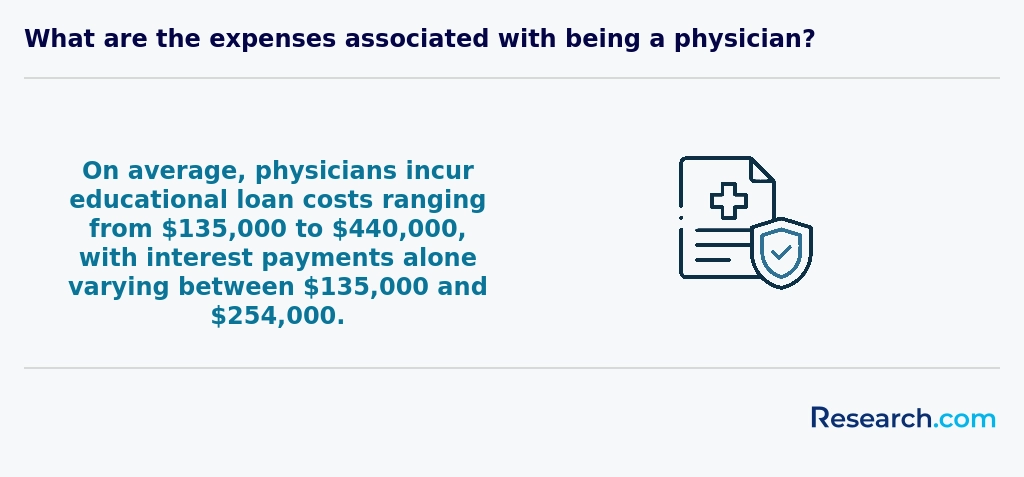
Another key challenge is the financial burden. The average tuition for healthcare-related degrees in Naperville-area institutions can range from $10,000 to $25,000 per year, excluding fees and supplies, making affordability a major concern.
Additionally, limited local clinical placement options sometimes delay students' progress, as Naperville has fewer hospital partnerships compared to larger metro areas.
With a healthcare degree, students in Naperville can pursue a variety of professional certifications to advance their careers. Common certifications include Certified Nursing Assistant (CNA), Registered Nurse (RN), and Licensed Practical Nurse (LPN), each requiring passing state-specific exams. For those interested in administration, Certified Medical Manager (CMM) and Certified Healthcare Administrator (CHA) provide pathways to leadership roles.
Additionally, certifications like Certified Clinical Medical Assistant (CCMA) and Certified Medical Coder (CMC) can open doors in clinical and coding specialties. According to the Illinois Department of Public Health, these certifications align well with job market demands in the Naperville area, where healthcare employment is projected to grow by over 12% through 2030.
Writing a winning application for a healthcare program in Naperville requires careful preparation and attention to detail. Start by researching local institutions like North Central College, which offers accredited healthcare degrees. Highlight any relevant experience, such as volunteering at Edward Hospital, one of Naperville's largest healthcare providers.
Focus on crafting a clear personal statement that explains your passion for healthcare and your career goals. Make sure to include any certifications or training, like CPR or medical assistant credentials, which strengthen your profile.
Strong academic records matter; maintain a solid GPA and include letters of recommendation from healthcare professionals or educators familiar with your skills.
Lastly, check each program's prerequisites and application deadlines carefully to avoid missing key submission dates.
Healthcare careers are increasingly viewed through a global lens, reflecting the interconnected nature of medical advancements and public health challenges worldwide. In the United States, including Naperville, healthcare professionals are expected to collaborate with international standards for patient care, safety, and ethics. The World Health Organization highlights that global health issues such as pandemics, chronic disease, and aging populations require coordinated responses that influence healthcare education and practice locally.
Naperville's healthcare education programs emphasize skills relevant both domestically and globally, preparing students to adapt in diverse healthcare settings. According to the Illinois Department of Public Health, the demand for healthcare workers in Naperville is projected to grow by over 15% through 2030, reflecting broader national trends of workforce globalization and technological integration.
Understanding global perspectives can enhance cultural competence, a skill highly valued by employers in Naperville's growing health sector. This global approach aligns with the United States' accreditation standards for healthcare degrees, which often include international best practices in curricula.
Gaining practical experience while studying for a healthcare degree in Naperville is essential for building relevant skills and improving job prospects. Many local colleges partner with healthcare facilities such as Edward Hospital and nearby Rush-Copley Medical Center to offer students internships and clinical rotations. These experiences provide hands-on training under professional supervision.
The City of Naperville is home to several outpatient clinics and specialized care centers that also welcome student volunteers and interns. According to the Illinois Department of Employment Security, healthcare occupations in the region are projected to grow by 16% from 2020 to 2030, enhancing opportunities for practical placements.
Additionally, students can join accredited programs with established clinical requirements, often including lab work and simulated patient care, to fulfill educational standards while gaining real-world experience.
Choosing the right concentration within a healthcare degree in Naperville starts with understanding local job market demands. The Chicago metropolitan area, which includes Naperville, reported a 12% growth in healthcare employment from 2019 to 2029 according to the U.S. Bureau of Labor Statistics. Popular concentrations like nursing, health administration, and medical technology offer strong career prospects here.
Consider your personal interests and strengths, but also research which specialties align with Naperville healthcare providers' needs. Local hospitals such as Edward Hospital and healthcare facilities often seek professionals in nursing and allied health fields. Diploma or degree accreditation also matters for licensing in Illinois.
Lastly, evaluate program curriculum flexibility and internship opportunities nearby to gain relevant experience before graduation.
Related Healthcare Rankings for Nearby Cities
- 2027 Most Affordable Healthcare Degree Programs Ranking in Chicago
- 2027 Most Affordable Healthcare Degree Programs Ranking in Peoria
- 2027 Most Affordable Healthcare Degree Programs Ranking in Indianapolis
- 2027 Most Affordable Healthcare Degree Programs Ranking in Louisville
- 2027 Most Affordable Healthcare Degree Programs Ranking in Minneapolis
- 2027 Most Affordable Healthcare Degree Programs Ranking in Kansas City
- 2027 Most Affordable Healthcare Degree Programs Ranking in Sioux City
- 2027 Most Affordable Healthcare Degree Programs Ranking in Little Rock
- 2027 Most Affordable Healthcare Degree Programs Ranking in Wichita
- 2027 Most Affordable Online Healthcare Degree Programs Ranking in Romeoville, IL
Top Trending Healthcare Rankings
See What Experts Have To Say About Studying Healthcare
Read our interview with Healthcare experts

References
- Niche Markets in Healthcare: How to Find & Target https://nechayadvisors.com/blog/niche-markets-in-healthcare
- 20 healthcare investment niches and 3 things to know: The evolution of ... https://blackbookmarketresearch.com/20-healthcare-investment-niches-and-3-things-to-know-the-evolution-of
- Job-Ready Healthcare Skills for 2026 https://cliniwave.in/blogs/latest-article/job-ready-healthcare-skills
- Financial https://www.naperville.il.us/services/accessibility-resources/financial/
- Networking in Medicine: Build Lasting Connections l Windsor https://www.windsor.edu/networking-in-medicine-building-relationships-from-day-one/
- Trends and opportunities in healthcare across emerging markets - Inizio https://inizio.com/insights/trends-and-opportunities-in-healthcare-across-emerging-markets/
- Advancing Your Career in Healthcare: Tips and Strategies https://www.sunshinecarenetwork.com/blog/advancing-your-career-in-healthcare-tips-and-strategies
- The Role of Interdisciplinary Studies in Medical Career Training https://georgia-med.com/the-role-of-interdisciplinary-studies-in-medical-career-training.html
- 11 Types of Healthcare Careers - Education & Requirements https://nursinglicensemap.com/resources/healthcare-careers/
- Pre-Med Study Abroad Programs | Go Overseas https://www.gooverseas.com/study-abroad/pre-med


