
2027 Most Affordable Healthcare Degree Programs Ranking in Kirkland

Co-Founder and Chief Data Scientist
Choosing the right healthcare degree program in Kirkland can feel overwhelming, but having accurate information makes all the difference. This article introduces the 2027 Most Affordable Healthcare Degree Programs Ranking in Kirkland, created by the Research.com team of data scientists. It's designed to help you find affordable and quality options that fit your goals.
Exploring this ranking lets you make an informed decision and invest in a rewarding career. A healthcare degree opens doors to meaningful work and brighter futures, and this guide is here to support your journey.
Key benefits of getting healthcare degree in Kirkland
- Salary for healthcare degree graduates: Graduates can expect competitive wages, such as Medical Assistants earning around $43,350 annually and Quality Improvement Coordinators earning up to $103,150 per year, reflecting strong financial stability.
- Career paths: Healthcare degrees from local colleges in Kirkland open doors to diverse roles like Patient Care Technician or Clinical Research Coordinator, offering fulfilling job options tailored to your skills and interests.
- Online degree benefits: Earning a healthcare degree online from a trusted Kirkland university provides flexibility and convenience, allowing you to balance life and studies while opening career opportunities just as effectively as traditional programs.
- Key benefits of getting healthcare degree in Kirkland
- What can I expect from healthcare degree in Kirkland?
- Where can I work with healthcare degree in Kirkland?
- How much can I make with healthcare degree in Kirkland?
- 2027 Most Affordable Healthcare Degree Programs Ranking in Kirkland
- Key Findings
- How long does it take to complete healthcare degree in Kirkland?
- Return on Investment Analysis
- What's the difference between online and on-campus healthcare degree?
- Future Trends in Healthcare Education
- What is the average cost of healthcare degree in Kirkland?
- Certification and Licensing Requirements in Washington State
- What financial aid is available to healthcare degree students in Kirkland?
- Emerging Trends in Healthcare Education and Future Opportunities
- What are the prerequisites for enrolling in healthcare degree program in Kirkland?
- Continuing Education and Certificate Programs
- What courses are typically in healthcare degree programs in Kirkland?
- What types of specializations are available in healthcare degree programs in Kirkland?
- How do you choose the best healthcare degree in Kirkland?
- What career paths are available for healthcare degree students in Kirkland?
- What is the job market for healthcare degree in Kirkland?
- Top Trending Healthcare Rankings
- See What Experts Have To Say About Studying Healthcare
What can I expect from healthcare degree in Kirkland?
The average cost of pursuing a healthcare degree in Kirkland is surprisingly accessible, especially when you consider the local options available. Many students find that attending community colleges like Lake Washington Institute of Technology offers in-district tuition rates that significantly lighten the financial load. For example, graduates often share how these affordable rates allowed them to focus more on hands-on learning and clinical rotations without the heavy stress of overwhelming debt.
Beyond tuition, financial aid and scholarships targeted specifically at healthcare students in Kirkland often provide critical support. Imagine walking into your first day at a healthcare program knowing you've secured aid that offsets costs, creating space for excitement about mastering nursing skills or health administration tasks.
Compared to private or out-of-state schooling, the balance of cost and quality here sparks enthusiasm among students eager to dive into updated healthcare technologies and real-world training. This local affordability makes the immersive healthcare experience in Kirkland both reachable and rewarding, encouraging many to start their careers confidently from day one.
Where can I work with healthcare degree in Kirkland?
Graduates from healthcare programs at Kirkland's top institutions often find themselves stepping into bustling hospitals like EvergreenHealth Kirkland, where the hum of medical equipment and the energy of dedicated staff create an inspiring atmosphere. Imagine working alongside nurses and medical technologists, contributing directly to patient recovery while embracing hands-on learning every day.
Others discover new adventures in outpatient clinics and urgent care centers, where quick thinking and compassion become second nature. With Kirkland's close ties to Seattle's tech world, some grads dive into telehealth roles, blending healthcare knowledge with cutting-edge technology, shaping the future of patient care from behind a screen.
Long-term care facilities offer a more intimate setting, where graduates build meaningful connections with seniors, supporting them as skilled nurses or healthcare administrators. For those drawn to community impact, local agencies and nonprofits beckon, offering chances to lead health education and wellness programs that ripple throughout King County.
Finally, graduates passionate about discovery thrive in research or teaching roles at Kirkland's educational and medical research centers-exciting places where curiosity meets innovation every day.
How much can I make with healthcare degree in Kirkland?
Graduates holding healthcare degrees from Kirkland-area colleges often find themselves stepping into careers with promising paychecks. Imagine a recent graduate landing a role as a Medical Assistant, earning a mean annual wage of about $43,350. It's a solid start, especially amidst Kirkland's vibrant healthcare scene.
For those drawn to technology and coordination within healthcare, becoming a Health Information Technician or Clinical Research Coordinator offers similar earnings, with mean annual wages hovering around $43,380 and $43,350 respectively. Such roles blend clinical care with data, appealing to graduates eager for variety and growth.
Adventurous graduates aiming higher might explore positions like Patient Care Technicians, who typically earn about $60,790 per year, catching notable increases in income and responsibility after studies.
Excitement peaks for those in leadership paths, such as Quality Improvement Coordinators who pull in a remarkable mean wage of $103,150 annually. This career path perfectly matches graduates seeking to influence care outcomes in Kirkland's advanced healthcare system.
Studying healthcare locally opens the door to these diverse earnings, making the journey from campus to career an inspiring adventure filled with tangible rewards.
2027 Most Affordable Healthcare Degree Programs Ranking in Kirkland
How do we rank schools?
Investing in your education is a significant decision that can shape your future, and the Research.com team understands the importance of making informed choices. To assist prospective students in Kirkland, we have meticulously crafted the "2027 Most Affordable Healthcare Degree Programs Ranking in Kirkland." Our commitment to quality, credibility, and accuracy is reflected in the extensive research and analysis conducted to compile this ranking.
We utilized the following reputable data sources to ensure a comprehensive evaluation of healthcare programs:
By exploring this ranking, readers will gain valuable insights into the most affordable healthcare degree programs available in Kirkland, helping them make well-informed decisions about their educational investment. For more details on our methodology, please visit our Research.com methodology page.
# 1 position
Lake Washington Institute of Technology
Bachelor of Science in Nursing


# 4 position
Northwest University-Center for Online and Extended Education
Master of Science in Nursing

Key Findings
- The average cost for a healthcare degree in Kirkland ranges from $15,000 to $25,000 per year, including tuition and fees but excluding books and living expenses.
- Entry-level salaries for healthcare graduates in Kirkland average around $55,000 annually, which is slightly higher than the national average.
- Experienced healthcare professionals in Kirkland typically earn between $80,000 and $100,000 per year.
- The healthcare sector in Kirkland is expected to grow by about 12% over the next decade, faster than the overall job market.
- Many programs include clinical rotations or internships through partnerships with local hospitals and clinics for practical experience.
How long does it take to complete healthcare degree in Kirkland?
Imagine diving into a healthcare certificate program in Kirkland, where within just a few months to a year, you can gain hands-on skills to jumpstart your career as a medical assistant or phlebotomist. Many graduates from local community colleges recall the excitement of completing these focused programs swiftly, ready to enter the workforce energized and prepared.
For those craving a deeper commitment, associate degrees at nearby technical schools usually span about two vibrant years. These programs blend classroom learning with clinical practice, such as nursing or radiologic technology, opening doors to licensed roles that graduates proudly step into.
Dreamers aiming for bachelor's degrees at regional universities embrace about four years of full-time study. Alumni often share their transformative journeys-from their first anatomy lab to leadership courses in healthcare administration-feeling empowered to take on specialized roles and management positions across the healthcare landscape.
And for the adventurous spirits looking beyond, masters and doctoral pathways add two to four years of advanced scholarship in the Seattle metro area, fueling ambitions to lead as nurse practitioners or healthcare executives.
Return on Investment Analysis
Investing in a healthcare degree in Kirkland, WA, demands careful consideration of both costs and long-term earnings. On average, graduates incur tuition and fees of approximately $58,968 per year, yet the early‐career salaries-such as $41,260 for Health Information Technicians and $55,860 for Patient Care Technicians-translate to payback periods of roughly 1–2 years. By factoring in living expenses and potential student debt, many students achieve breakeven within three years of entering the workforce. Maximizing ROI involves strategic selection of programs with high job placement rates and robust clinical partnerships. For instance, Lake Washington Institute of Technology boasts a 90% employment rate within six months of graduation. Prospective students should also explore accelerated pathways or credit transfers from community colleges to reduce total credit hours and tuition costs. Additionally, leveraging high-value specializations-such as Health Care Informatics or Management-can boost median salaries by up to 20% within five years of graduation. Financial aid strategies further enhance ROI. Combining state grants, employer tuition assistance, and targeted scholarships can lower out-of-pocket expenses by up to 50%. Prospective master’s candidates seeking cost-effective online options may also consider the Most Affordable Online Master's in Healthcare Degree Programs Ranking in Florida, which highlights programs that balance quality, flexibility, and affordability. When evaluating ROI, align program costs with projected income growth and personal career goals. A clear financial plan-with conservative salary estimates and contingency budgets-ensures that the investment in a Kirkland healthcare degree delivers both professional satisfaction and fiscal stability.
What's the difference between online and on-campus healthcare degree?
Choosing between online and on-campus healthcare degrees in Kirkland unlocks two very different journeys. On-campus students at well-known local colleges often immerse themselves in bustling clinical labs and simulation centers, where the buzz of hands-on practice brings lessons to life. Imagine shadowing nurses or practicing radiologic techniques side-by-side with peers - it's an energizing experience that builds confidence and real-world skills.
Meanwhile, online learners embrace flexibility, juggling coursework around work or family while still pursuing their dreams. Many Kirkland residents appreciate how virtual classes eliminate commutes, offering the freedom to study from home. However, securing clinical hours requires proactive planning with nearby healthcare providers, turning logistical challenges into chances for personalized networking.
Graduates from both paths share pride in earning accredited degrees recognized across Washington state, knowing they're qualified to excel whether they trained in a vibrant campus setting or a digital environment tailored for busy lives.
Future Trends in Healthcare Education
The landscape of healthcare education is rapidly evolving, driven by advancements in technology, innovative teaching methods, and an increasing emphasis on real-world application. Emerging trends include the integration of virtual simulation labs, telehealth training, and augmented reality experiences designed to enhance clinical skills before entering practical settings. Many institutions are also leveraging data analytics to customize learning paths for students, ensuring that graduates are well-prepared for the dynamic demands of modern healthcare. For example, programs that combine traditional coursework with hands-on digital tools are proving to be game-changers by offering flexible, cost-effective learning opportunities. Students researching options like the cheapest healthcare programs in washington are increasingly attracted to such innovative approaches, where state-of-the-art technology meets personalized education. Additionally, partnerships between educational institutions and healthcare providers are growing, ensuring that emerging professionals have access to mentorship, internships, and continuous career support. As the healthcare sector continues to evolve, staying informed about these trends will be essential for prospective students to make strategic decisions about their education and career pathways.
What is the average cost of healthcare degree in Kirkland?
The average cost of a healthcare degree in Kirkland invites you to explore several opportunities across local colleges that blend quality and affordability. For instance, many graduates from Lake Washington Institute of Technology recall a balance between in-state tuition costs averaging around $25,343 total and the rewarding experience of gaining hands-on skills in nursing and allied health programs. This pricing reflects a sweet spot that makes Kirkland a promising option for students eager to step into healthcare fields without being overwhelmed by fees.
Venturing beyond public colleges, private institutions near Kirkland offer diverse healthcare programs but with the tradeoff of higher tuition, often reaching close to $46,181 total. Students pursuing these paths often share stories of immersive learning and rewarding connections that come from the smaller class sizes and specialized resources. Such investments spark excitement and confidence, knowing their education opens doors to dynamic healthcare careers.
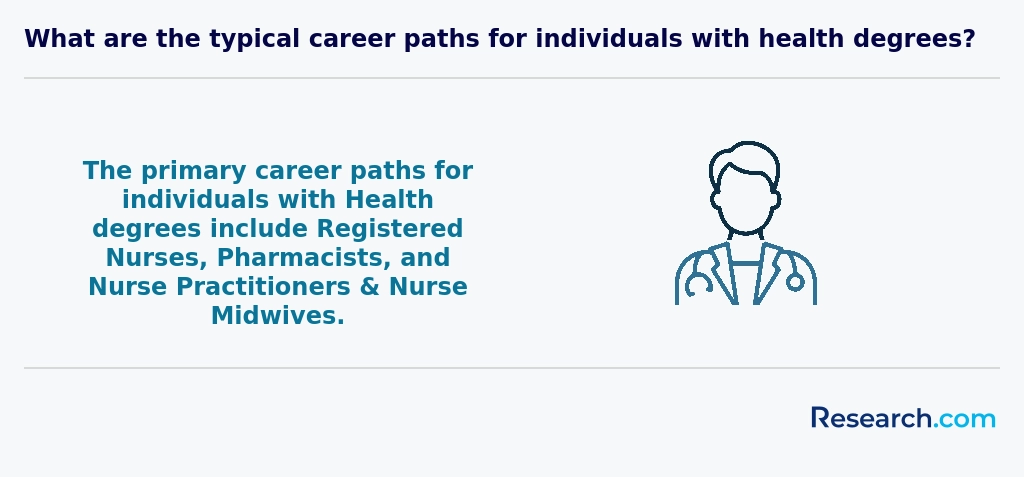
Those curious about affordable healthcare degree programs Kirkland 2027 can readily dive into options that consider residency status, program variety, and field specialization. Many students find the key is balancing these factors to suit their unique goals. For those looking to chart a budget-friendly course while still gaining strong healthcare expertise, it's worthwhile to check out the cheapest healthcare programs in washington and find a path that fuels both passion and practical cost management.
Certification and Licensing Requirements in Washington State
After completing a healthcare degree in Kirkland, WA, graduates must secure the appropriate state licensure or certification to practice professionally. For registered nurses, this involves applying through the Washington State Department of Health, passing the NCLEX-RN exam, and completing a background check. Licensed Practical Nurses must pass the NCLEX-PN and meet state-mandated clinical hour requirements. Health Information Technicians typically pursue the RHIT credential from AHIMA, which requires graduation from an accredited program and success on the national certification exam. Key steps and considerations:
- Program Approval: Ensure your academic program is approved by the Washington State Board of Nursing or the relevant certifying body.
- Application Process: Submit transcripts, proof of clinical hours, and a completed application to the WA Department of Health.
- Examination: Schedule and pass the NCLEX-RN/PN or RHIT exam. Exam prep courses and practice tests can boost success rates.
- Fees and Timelines: Application and exam fees vary; plan for processing times of 6–8 weeks.
- Continuing Education: After initial licensure, professionals must complete CEUs-such as 45 contact hours every three years for RNs-to maintain active status. Graduates aiming for leadership or specialized roles may explore advanced degrees; for flexible, affordable options, see the Most Affordable Online Master's in Healthcare Degree Programs Ranking in Florida. Properly navigating certification and licensure ensures you’re prepared to join Washington’s dynamic healthcare workforce.
What financial aid is available to healthcare degree students in Kirkland?
Imagine stepping onto the campus of a leading Kirkland healthcare college, excitement mingling with the reality of tuition costs. Many students discover that federal financial aid unlocks their path-starting with completing the FAFSA form to tap into Pell Grants, which for 2023-2024 can offer up to $7,395 in need-based support. This aid has allowed graduates to focus more on their studies and less on financial stress.
At popular institutions like Kirkland's nursing and allied health schools, subsidized federal loans are a game-changer, with the government covering interest while students are enrolled-making borrowing feel less intimidating. Some also rely on unsubsidized loans, understanding the accrual of interest as a trade-off for immediate funds.
Washington State's local grants, such as the Need Grant, further ease the load for residents, stacking up alongside college scholarships awarded for merit or financial need. Many graduates recall how these combined aid sources transformed their educational journey.
Private scholarships and employer tuition assistance programs in Kirkland's healthcare sector create even more opportunities. For example, several graduates balanced work-study roles at local clinics, pairing hands-on experience with steady income, enhancing both wallets and resumes.
Emerging Trends in Healthcare Education and Future Opportunities
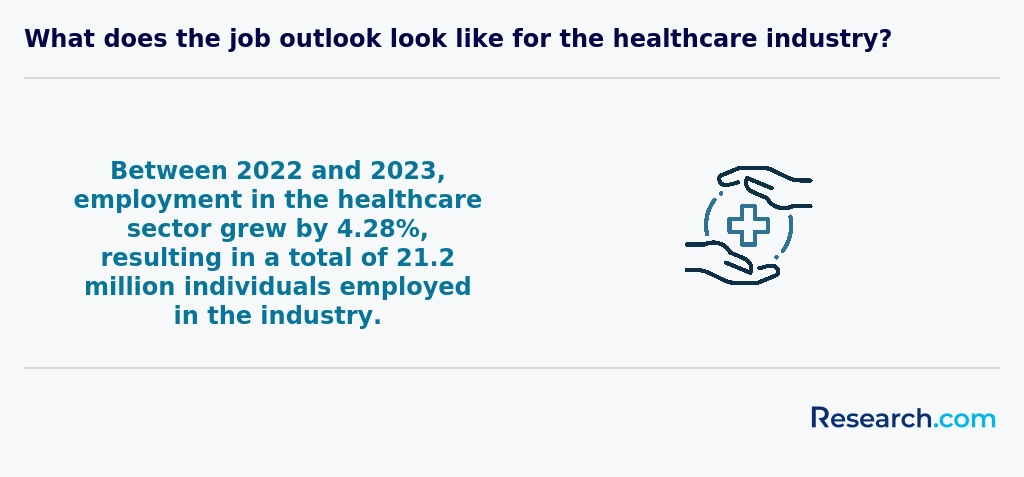
As the healthcare field continues to evolve, so do the educational opportunities and career pathways available to aspiring professionals. Today's programs are not only focusing on traditional clinical skills but also emphasizing digital transformation, telehealth, and data analytics to prepare graduates for the future of medicine. Institutions in Kirkland, WA, are increasingly integrating innovative technologies into their curricula, equipping students with the tools necessary to thrive in a tech-driven healthcare environment. This shift also supports interdisciplinary learning, opening the door for professionals interested in blending healthcare expertise with emerging scientific fields. For instance, if you’re looking to expand your skill set with advanced online coursework, you might explore cheap online masters degrees in biotechnology, which complement traditional healthcare studies by emphasizing cutting-edge biotechnological applications and research. These emerging trends not only enhance curriculum design but also provide graduates with versatile skills that are increasingly in demand across both local and global healthcare markets, ensuring long-term career success and adaptability.
What are the prerequisites for enrolling in healthcare degree program in Kirkland?
Diving into a healthcare degree in Kirkland means gearing up with some foundational prerequisites that set you on the right path. Graduates from popular local colleges often recall balancing high school classes like biology, chemistry, and algebra-these subjects aren't just hoops to jump through but building blocks for understanding complex healthcare concepts later on. Imagine preparing for a rigorous course in anatomy or microbiology; a solid grasp of science makes that journey much more exciting and less overwhelming.
Many students also share how submitting SAT or ACT scores played a role, though some schools now emphasize your GPA and personal essays instead. These essays become your chance to share your passion for healthcare and dreams of making a difference, making the process feel less like an application and more like storytelling.
On campus, students quickly learn that hands-on experiences require background checks and up-to-date immunizations, which protect future patients and provide reassurance as you step into clinical settings around Kirkland. Plus, being comfortable with computer skills is crucial because electronic health records are everywhere-another skill that graduates look back on as a key to their confidence and success in the field.
Continuing Education and Certificate Programs
Building on a healthcare degree in Kirkland, WA, many graduates enhance their qualifications through targeted certificate programs that offer specialized skills and accelerated entry into niche roles. Certificate pathways such as medical billing and coding, health informatics, and patient care technician training deliver industry-recognized credentials in months rather than years, helping professionals stay competitive and adaptable. For instance, students seeking an affordable route to healthcare administration can explore the cheapest medical coding certification, which combines online flexibility with practical coding exercises aligned to current billing standards. Key benefits of certificate programs: • Accelerated Timeline: Complete core competencies in 6–12 months and enter the workforce sooner. • Cost Efficiency: Lower tuition fees compared to full degree programs, with many certificates costing under $2,000. • Industry Alignment: Curricula developed in partnership with local clinics and hospitals ensure real-world relevance. • Stackable Credentials: Certificates can often be credited toward an associate or bachelor’s degree, maximizing ROI. Popular certificate options in Kirkland include:
- Medical Billing and Coding Specialist
- Electronic Health Records Management
- Phlebotomy Technician
- Health Information Technology By integrating certificate programs alongside traditional degrees, healthcare professionals in Kirkland can accelerate their career growth, bridge skill gaps, and respond to evolving patient-care demands-all while managing educational costs effectively.
What courses are typically in healthcare degree programs in Kirkland?
Diving into healthcare degrees in Kirkland feels like unlocking a world of discovery. Imagine starting with courses in human anatomy and physiology at a top local college, where graduates describe peering inside the human body as an awe-inspiring experience that sets the foundation for everything else. These basics lead naturally to medical terminology and healthcare ethics, where students rehearse real conversations about patient care and navigate the moral compass essential in healthcare settings.
At popular Kirkland institutions, students eagerly tackle courses like health informatics, where they explore how technology streamlines patient data, sparking excitement about shaping future healthcare systems. Pharmacology classes reveal the fascinating science behind medications, as graduates recall lively, hands-on labs testing drug interactions.
Many speak of clinical procedures and patient care courses as transformative adventures-first chances to connect with actual patients, applying skills learned in simulation labs. Alongside this, public health and healthcare management classes open new vistas, inspiring students to think beyond individual patients and envision healthier communities.
What types of specializations are available in healthcare degree programs in Kirkland?
Diving into healthcare degrees in Kirkland reveals a vibrant spectrum of specializations ready to fuel your passion for helping others. Nursing remains a heartwarming choice, with graduates from the University of Washington Bothell Campus often sharing stories of hands-on clinical experiences that truly brought their learning to life. If leading health services excites you, healthcare administration courses offer insights into hospital management and policy - perfect for those eager to shape the future of care in the bustling Seattle-Kirkland metro area. Many adventurous students also explore public health, immersing themselves in community projects and epidemiology research enabled by Kirkland's proximity to influential health organizations.
Others dive into technical paths like medical laboratory science or radiologic technology, thrilled by the pace and innovation in diagnostic fields. Physical and occupational therapy attract students driven by empathy, learning to restore mobility and everyday independence. For those budgeting their studies, checking out cheap online masters degrees in biotechnology can be a savvy way to expand options. These diverse journeys capture the essence of healthcare degree specializations in Kirkland.
How do you choose the best healthcare degree in Kirkland?
Choosing the best affordable healthcare degrees in Kirkland means diving into what truly fits your life and dreams. Imagine a graduate from Lake Washington Institute of Technology who found the flexible, hybrid classes perfect for balancing family and studies while gaining hands-on experience in local clinics. Their path highlights how vital program flexibility is in this vibrant city.
Cost often steers decisions, and healthcare degree programs cost Kirkland vary from community colleges to private universities. One graduate recalls stretching every dollar but landing a rewarding nursing job through an accredited program that emphasized real-world training.
Accreditation and local connections matter deeply. Programs tied to Kirkland healthcare providers offer essential internships and boost job placement. Some students also explore specialty certifications-like the cheapest medical coding certification-opening additional doors in the health sector.
By embracing these considerations, prospective students can uncover a healthcare degree adventure perfectly tailored to Kirkland's dynamic opportunities and their own ambitions.
What career paths are available for healthcare degree students in Kirkland?
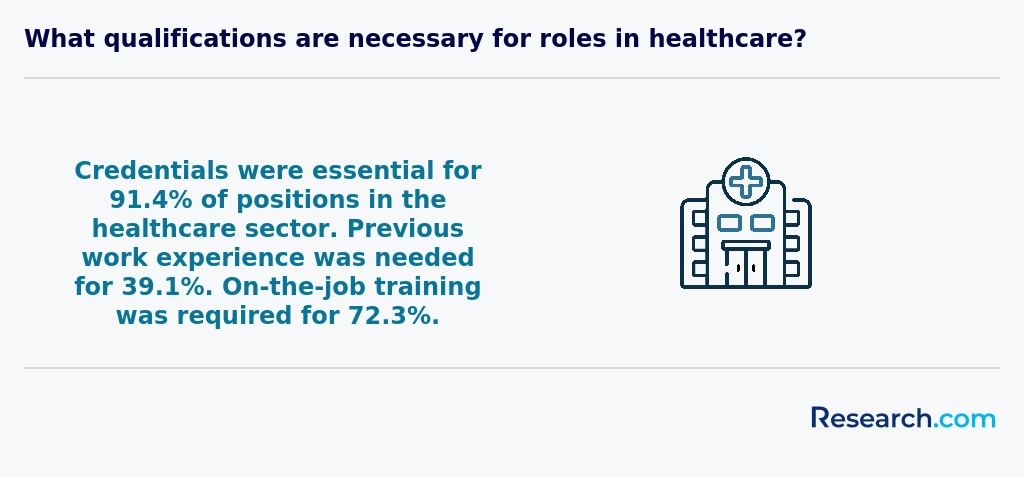
Graduates with a healthcare degree in Kirkland find themselves at the crossroads of exciting career paths. Many dive into roles as registered nurses, gaining hands-on experience in bustling hospitals like EvergreenHealth or local clinics, where they embrace the rewarding challenge of patient care. Others take on leadership as medical and health services managers, coordinating operations and making a tangible impact on community health. Physical therapists thrive here, too, motivated by stories of elderly patients reclaiming independence, while medical laboratory technologists enjoy uncovering life-saving clues behind the scenes. Healthcare informatics specialists merge technology and care, often inspired by internships offered through colleges in Kirkland that provide practical exposure unmatched elsewhere. This vibrant environment encourages new graduates to explore dynamic options, fueling their passion for service and innovation. For those curious about the financial commitment of these ventures, resources like the Most Affordable Online Master's in Healthcare Degree Programs Ranking in Florida offer insightful guidance on affordable paths.
Exploring healthcare degree career options in Kirkland reveals a thriving job market energized by the region's aging population and expanding healthcare needs. Graduates often share stories of finding swift employment, inspired by collaborations between universities and local providers that boost job readiness. Whether stepping directly into care roles or advancing into administrative positions, the community's support ignites confidence and optimism. This network nurtures the adventurous spirit of healthcare students eager to make a difference while forging fulfilling careers.
What is the job market for healthcare degree in Kirkland?
The healthcare job opportunities in Kirkland are vibrant and expanding, fueled by its closeness to Seattle's bustling medical hubs. Graduates from popular local institutions find themselves stepping into roles where the demand for registered nurses, medical technologists, and therapists is palpable. One graduate shared how their time at a community college opened doors to rewarding roles at EvergreenHealth Kirkland, where they felt the real impact of their education every day. The employment outlook for Kirkland healthcare graduates shines bright with Washington state projecting a 15% growth in healthcare jobs through 2032, offering both stability and exciting career prospects.
Many students appreciate the accessible education pathways that Kirkland's community colleges offer, especially those exploring the best online associate degree in 6 months accredited, allowing swift entry into the workforce. This practical route often leads to competitive wages, with registered nurses earning around $90,000 annually in the state. These local programs and job markets make Kirkland an inviting place for anyone eager to launch a healthcare career.
Frequently Asked Questions About healthcare
Healthcare degree students in Kirkland can maximize their learning by engaging in both academic and practical experiences. Local institutions like Lake Washington Institute of Technology offer hands-on training through partnerships with nearby hospitals and clinics, providing valuable clinical experience. According to the Washington State Board of Health, practical exposure greatly improves job readiness for healthcare professionals.
Students should also take advantage of internship and volunteer opportunities at Kirkland's major healthcare facilities, such as EvergreenHealth. These experiences allow direct patient care practice and professional networking. Additionally, joining relevant student organizations enhances learning through workshops and peer support.
Maintaining a strong study routine while utilizing online resources from accredited US healthcare education platforms further supports knowledge retention and exam success.
The healthcare field in Kirkland is rapidly evolving, with several emerging niches gaining importance. One significant area is telehealth, which has expanded notably since 2020, driven by increased demand for remote patient care. According to the Washington State Department of Health, telemedicine visits in Kirkland grew by over 150% between 2019 and 2023.
Another promising niche is geriatric care, as the local aging population increases. Specialized training in this area prepares students to address the complex needs of older adults.
Additionally, healthcare data analytics is becoming vital in Kirkland's medical centers, helping improve treatment outcomes and reduce costs.
After completing a healthcare degree in Kirkland, preparing for the job market involves multiple strategic steps. First, obtaining relevant certifications like CPR, CNA, or specialized credentials increases employability, as many Seattle-area employers prefer certified professionals. Networking is essential; joining local organizations such as the Washington State Nurses Association or attending healthcare career fairs in Kirkland can open doors. According to the Washington State Employment Security Department, healthcare jobs in the Seattle metropolitan area, which includes Kirkland, are projected to grow by 18% from 2020 to 2030, highlighting strong demand. Gaining clinical experience through internships or volunteer positions further strengthens resumes, making candidates more competitive.
Employers hiring healthcare degree graduates in Kirkland prioritize a combination of technical knowledge and interpersonal skills. Clinical competence, such as proficiency in patient care and familiarity with electronic health records (EHR), is essential for entry-level roles.
Communication skills are highly valued because healthcare professionals interact with diverse patient populations and multidisciplinary teams. According to the Washington State Department of Health, effective communication reduces medical errors and improves patient outcomes.
Problem-solving ability and adaptability also stand out, given the fast-paced and evolving nature of healthcare in Kirkland's growing medical facilities. Additionally, proficiency in teamwork and cultural sensitivity is important due to the region's diverse demographics.
Technical certifications, such as CPR and HIPAA compliance, remain crucial, aligning with state and federal regulations monitored by agencies like the Washington Medical Commission.
Finding internships relevant to a healthcare degree in Kirkland involves strategic research and leveraging local resources. Start by exploring partnerships between educational institutions and healthcare providers. For instance, Lake Washington Institute of Technology offers connections with local clinics and hospitals for practical experiences.
Additionally, the nearby Seattle area, including Kirkland, hosts numerous healthcare facilities such as EvergreenHealth, which often provide internship and volunteer opportunities. Checking their career pages regularly can help.
Students should also use platforms like the Washington State Department of Health and local job boards to identify openings. Networking through campus advisors and local professional associations, such as the Washington Healthcare Association, can further reveal hidden opportunities.
Obtaining a healthcare degree in Kirkland significantly enhances career mobility and advancement opportunities. The local healthcare sector is growing rapidly, with a projected increase of over 15% in healthcare jobs by 2030 according to the Washington State Employment Security Department. A degree equips graduates with essential skills and credentials necessary for a variety of roles, from nursing to health administration.
Professionals with specialized degrees often earn higher salaries and access leadership positions more readily than those without formal education. Employers in Kirkland favor candidates with accredited degrees, which can lead to faster promotions and greater job stability.
Moreover, healthcare degrees open pathways to certifications and continuing education, vital for adapting to evolving medical technologies and practices in the region.
Studying for a healthcare degree in Kirkland equips students with the skills needed for interdisciplinary roles by emphasizing collaboration across multiple healthcare fields. Local programs in Kirkland often integrate coursework in nursing, health administration, and public health, fostering a broad understanding of patient care and system management. This interdisciplinary focus aligns with national healthcare trends showing that approximately 70% of healthcare jobs require teamwork across disciplines, according to the U.S. Bureau of Labor Statistics.
Moreover, Kirkland's proximity to major medical facilities provides practical experience opportunities where students engage with diverse healthcare professionals. These experiences enhance communication skills vital for coordinating care.
When choosing between a thesis and a non-thesis healthcare degree program in Kirkland, consider your career goals first. A thesis program typically involves conducting original research, which is ideal for students aiming at careers in research, academia, or advanced clinical roles. Non-thesis programs focus more on coursework and practical skills, suitable for those pursuing faster entry into healthcare positions.
Kirkland's healthcare industry reported a 9% job growth in clinical roles from 2021 to 2023 (Washington State Employment Security Department), favoring professionals with applied skills available in non-thesis tracks. However, thesis options offer a competitive edge for roles requiring evidence-based practice or leadership in healthcare policy.
Program length and cost may also differ. Thesis programs can take longer due to research requirements. Non-thesis degrees often allow part-time study, benefiting working professionals in Kirkland's busy healthcare sector. Always check specific program details at local institutions like Seattle Pacific University or Bellevue College.
Students based in Kirkland looking to study healthcare abroad have several options supported by U.S. higher education frameworks. Many universities in Kirkland, including those in nearby Seattle, offer exchange programs with international institutions specializing in healthcare fields. These partnerships enable students to earn credits abroad, enriching their clinical and cultural experience.
Popular destinations include Canada and the United Kingdom, where English-speaking healthcare programs mirror U.S. curricula. According to the Institute of International Education, approximately 12% of U.S. students participate in healthcare-related study abroad programs, a trend growing steadily. Students should consult their home institution's study abroad office to identify accredited programs that align with their degree requirements.
The benefits include access to diverse healthcare systems and exposure to global medical practices, which is valuable for future healthcare professionals. However, students must consider accreditation and licensure implications upon returning to the United States.
Part-time job opportunities in Kirkland that complement healthcare degree education often include roles such as medical assistants, pharmacy technicians, and patient care aides. These positions provide hands-on experience with patients and healthcare procedures, enhancing practical understanding beyond classroom learning. For instance, the Seattle-King County Public Health reports steady demand for medical assistants, a role requiring familiarity with clinical and administrative tasks.
Additionally, jobs in local hospitals and clinics, like EvergreenHealth in Kirkland, offer valuable exposure to healthcare environments. Pharmacy technician roles allow students to understand medication distribution, a critical component of many health professions.
Such part-time roles not only support academic knowledge but also improve employability upon graduation, making them strategic for healthcare students in Kirkland.
Healthcare students in Kirkland benefit from several local networking opportunities that enhance their educational experience. The presence of top medical facilities such as EvergreenHealth, a major regional hospital, offers internships and clinical rotations that connect students with experienced healthcare professionals.
Community organizations and professional groups, like the Washington State Nurses Association and local chapters of the American Medical Association, regularly host events and workshops nearby, facilitating valuable peer and mentor connections.
Additionally, Kirkland's proximity to Seattle allows students to participate in larger healthcare conferences and career fairs, broadening their professional network within the Puget Sound region's robust medical community. These combined resources help students build relationships essential for future employment.
Alumni networks play a significant role in supporting healthcare degree students in Kirkland. These networks connect current students with graduates who work across the local healthcare industry, including major employers like EvergreenHealth and regional clinics. Through mentorship and networking events, students gain insights into career paths and industry demands.
In a 2023 survey by the Washington Healthcare Workforce Institute, 68% of healthcare students in the Puget Sound area reported that alumni connections helped them secure internships or job interviews. Alumni also often share job openings exclusive to network members, giving students a competitive edge.
Furthermore, these networks foster professional development by offering workshops on certifications and continuing education relevant to Kirkland's evolving healthcare sector.
Customizing a healthcare degree program in Kirkland allows students to align their education with specific career goals. Many local institutions offer flexible degree plans where you can choose electives focused on specialties like nursing, health administration, or public health.
In addition, some schools in Kirkland provide practicum or internship opportunities with nearby healthcare providers, offering hands-on experience tailored to your interest. According to data from the Washington State Department of Health, internships in the Seattle metropolitan area, which includes Kirkland, significantly improve job placement rates after graduation.
Students can also pursue certifications alongside their degrees, such as CPR or medical coding, to boost employability in targeted healthcare fields.
Healthcare students in Kirkland commonly face challenges related to rigorous academic demands and balancing clinical practice with coursework. Many programs require extensive hands-on training, which can be stressful when combined with theoretical studies. According to the Washington State Board of Health, the high standards in nursing and allied health fields in the region contribute to a competitive environment.
Another significant challenge is managing financial pressure. Tuition and living costs in the Kirkland area are above the national average, making affordability a key concern for many students. Limited part-time job opportunities within healthcare also affect income for those studying full-time.
Additionally, students often report navigating complex licensing requirements specific to Washington State. Understanding these regulations early can be difficult but is essential for timely professional certification and employment.
With a healthcare degree obtained in Kirkland, graduates can pursue several recognized professional certifications to advance their careers. Popular certifications include Certified Nursing Assistant (CNA), Registered Health Information Technician (RHIT), and Certified Medical Assistant (CMA). These credentials are often required or highly recommended for specialized roles across local hospitals and clinics.
The Washington State Department of Health highlights that certification can significantly increase job opportunities and salary potential within the healthcare sector. For instance, CNAs in the Kirkland area earn a median wage above the state average, according to the U.S. Bureau of Labor Statistics.
Moreover, certifications such as Certified Coding Specialist (CCS) and Emergency Medical Technician (EMT) are in demand among employers affiliated with healthcare providers around King County. Pursuing these certifications typically involves passing exams approved by national organizations, reflecting the standards observed by hospitals and long-term care facilities in the region.
Writing a winning application for a healthcare program in Kirkland begins with understanding the competitive nature of admissions. Schools often expect applicants to demonstrate strong academic performance, particularly in science and math courses. Including a well-crafted personal statement that clearly explains your motivation for entering healthcare and your career goals is crucial.
Volunteering or work experience in local healthcare settings, such as EvergreenHealth or other regional clinics, can significantly strengthen your application. According to the Washington State Workforce Training and Education Coordinating Board, hands-on experience is highly valued in healthcare education admissions.
Additionally, obtaining strong letters of recommendation from healthcare professionals or educators familiar with your qualifications is important.
Ensure all transcripts, test scores, and documentation are complete and submitted by the deadline set by the Kirkland institutions, which can vary but usually fall between December and February for fall enrollment.
Healthcare careers are increasingly valued worldwide, reflecting a global demand for skilled professionals. In the United States, healthcare jobs are projected to grow 16% from 2021 to 2031, much faster than average, according to the U.S. Bureau of Labor Statistics. For students in Kirkland, pursuing healthcare degrees means entering a field with solid local support, given the presence of major healthcare facilities and research institutions in nearby Seattle.
Globally, healthcare workers face diverse challenges, from aging populations to emerging diseases, driving innovation and training improvements. U.S. programs emphasize evidence-based practice and cultural competence to prepare graduates for international standards and collaboration.
Understanding these global trends helps Kirkland students appreciate the broad impact and opportunities healthcare careers offer beyond local boundaries.
Gaining practical experience while studying for a healthcare degree in Kirkland is essential for career readiness. Many local colleges and universities partner with nearby hospitals and clinics, such as EvergreenHealth Kirkland, to offer clinical internships and externships. These opportunities allow students to apply theory in real-world settings under professional supervision.
Additionally, students can participate in volunteer programs through organizations like the Kirkland Community Center, providing direct patient interaction. Simulation labs equipped with advanced medical technology are also commonly available on campuses, enabling hands-on practice of clinical skills without risk to patients.
According to the Washington State Board of Health, students completing practical hours are significantly more prepared for licensure exams and employment.
Choosing the right concentration within a healthcare degree program in Kirkland involves understanding your career goals and local job market demand. Healthcare concentrations vary from nursing, medical imaging, to health informatics, each with different employment prospects.
According to data from the Washington State Employment Security Department, registered nursing is among the fastest-growing fields in Kirkland, with a projected 19% growth between 2020 and 2030. This suggests a strong local need for nurses.
It's also crucial to consider program accreditation and clinical opportunities in Kirkland-area hospitals or clinics. Hands-on experience helps build practical skills.
Lastly, evaluate your interests in patient care, technology, or administration to select a concentration matching both your passion and Kirkland's healthcare landscape.
Related Healthcare Rankings for Nearby Cities
- 2027 Most Affordable Healthcare Degree Programs Ranking in Seattle
- 2027 Most Affordable Healthcare Degree Programs Ranking in Oakland
- 2027 Most Affordable Healthcare Degree Programs Ranking in San Francisco
- 2027 Most Affordable Healthcare Degree Programs Ranking in Los Angeles
- 2027 Most Affordable Healthcare Degree Programs Ranking in Anaheim
- 2027 Most Affordable Healthcare Degree Programs Ranking in Irvine
- 2027 Most Affordable Healthcare Degree Programs Ranking in Riverside
- 2027 Most Affordable Healthcare Degree Programs Ranking in Denver
- 2027 Most Affordable Healthcare Degree Programs Ranking in La Jolla
- 2027 Most Affordable Healthcare Degree Programs Ranking in Colorado Springs
Top Trending Healthcare Rankings
See What Experts Have To Say About Studying Healthcare
Read our interview with Healthcare experts

References
- Advancing Your Career in Healthcare: Tips and Strategies https://www.sunshinecarenetwork.com/blog/advancing-your-career-in-healthcare-tips-and-strategies
- How do you Network as a Student? | Medmentor https://medmentor.co.uk/blog/how-do-you-network-as-a-student
- Welcome to the Upstate Nursing Alumni Association! https://www.upstatefoundation.org/NursingAlumni
- Insurance Accepted by EvergreenHealth Medical Center | Kirkland, WA | EvergreenHealth https://www.evergreenhealth.com/patients-visitors/before-your-visit/insurance-plans-coverage/insurance-for-evergreenhealth-medical-center/
- Alumni Reconnect - Poznan University of Medical Sciences https://pums.edu.pl/alumni-friends/alumni-reconnect/
- Challenges of nursing students during clinical training: A nursing perspective https://www.aimspress.com/article/doi/10.3934/publichealth.2024019
- Top 5 Part-Time Healthcare Jobs For Students https://www.sumnercollege.edu/blog/top-5-part-time-healthcare-jobs-for-students/
- Crafting the Perfect Cover Letter for Healthcare Roles https://healthcareaustralia.com.au/news/crafting-the-perfect-cover-letter-for-healthcare-roles/
- Pursuing Your Career Goals: Strategies and Examples https://www.ultimatemedical.edu/blog/career-goals-importance-strategies-and-examples/
- The Value of Healthcare Organization Alumni Associations https://consultqd.clevelandclinic.org/the-value-of-healthcare-organization-alumni-associations


