
2027 Best Healthcare Degree Programs Ranking in Richmond

Co-Founder and Chief Data Scientist
Choosing the right healthcare degree program in Richmond can shape your future career and impact your life in meaningful ways. This article introduces the 2027 Best Healthcare Degree Programs Ranking in Richmond, developed by the Research.com team of data scientists to guide you through the best educational options available.
By exploring this ranking, you'll gain clear insights into programs that combine quality, reputation, and career potential. Whether you're just starting or seeking advancement, understanding your choices will empower you to make confident decisions for a rewarding healthcare journey.
Key benefits of getting healthcare degree in Richmond
- Salary for healthcare degree graduates: Graduates in Richmond can expect solid earnings with roles like Patient Care Technician averaging $60,790 annually and Quality Improvement Coordinator earning up to $103,150 yearly, making healthcare a rewarding career choice.
- Career paths: A healthcare graduate from a Richmond college might find opportunities in diverse fields such as clinical research, medical assisting, or health information technology, ensuring a range of fulfilling job options.
- Online degree benefits: Earning a healthcare degree online in Richmond offers flexibility and convenience, allowing students to balance work and study effectively while gaining skills that meet local healthcare demands.
- Key benefits of getting healthcare degree in Richmond
- What can I expect from healthcare degree in Richmond?
- Where can I work with healthcare degree in Richmond?
- How much can I make with healthcare degree in Richmond?
- 2027 Best Healthcare Degree Programs Ranking in Richmond
- Key Findings
- How long does it take to complete healthcare degree in Richmond?
- What's the difference between online and on-campus healthcare degree?
- Accreditation and Licensure Outcomes
- What is the average cost of healthcare degree in Richmond?
- What financial aid is available to healthcare degree students in Richmond?
- Accreditation and Licensing: Ensuring Your Degree Meets Professional Standards
- What are the prerequisites for enrolling in healthcare degree program in Richmond?
- Complementary Nutrition & Specialized Programs in Healthcare
- What courses are typically in healthcare degree programs in Richmond?
- What types of specializations are available in healthcare degree programs in Richmond?
- How do you choose the best healthcare degree in Richmond?
- What career paths are available for healthcare degree students in Richmond?
- What is the job market for healthcare degree in Richmond?
- Top Trending Healthcare Rankings
- See What Experts Have To Say About Studying Healthcare
What can I expect from healthcare degree in Richmond?
Expect to pay around $9,000 to $12,000 per year for in-state tuition at Richmond's public universities, such as Virginia Commonwealth University (VCU), one of the top choices for healthcare degrees. Graduates often recall that although the cost can feel steep at first, scholarships specifically for healthcare students and financial aid options made their education manageable. For example, many nursing students at VCU accessed scholarships tied to clinical rotations or community health work, easing the burden.
Out-of-state students typically face higher tuition, sometimes double in-state rates, but many find paid internships through partnerships with local hospitals, which help offset living expenses. Practical clinical experience at places like VCU Medical Center also adds value that graduates say gave them a confident edge when applying for jobs. The combination of affordable tuition, financial aid, and strong employer connections in Richmond helps balance cost with clear career benefits in healthcare.
Where can I work with healthcare degree in Richmond?
Graduates with healthcare degrees in Richmond commonly find work at large centers like Virginia Commonwealth University (VCU) Health System, a hub for nursing, medical technology, and health information roles. Many graduates appreciate how VCU supports ongoing professional development, allowing them to grow skill sets beyond their initial studies.
Others enter outpatient clinics or community health organizations, where degrees in public health or healthcare management are highly valued. Picture a graduate coordinating mental health programs or leading preventive care initiatives for local neighborhoods-this hands-on impact often brings strong job satisfaction.
Many also pursue opportunities in long-term care and assisted living facilities, addressing the needs of Virginia's aging population. Graduates with specialties in geriatric care or health services administration report feeling fulfilled by roles combining clinical work and leadership.
Richmond's public health agencies and nonprofits offer practical careers in health education and epidemiology, where graduates actively contribute to community wellness and policy implementation. The city's expanding healthcare tech sector also opens doors to emerging fields such as telemedicine and informatics, providing innovative paths for motivated professionals.
How much can I make with healthcare degree in Richmond?
Graduates from healthcare programs at Richmond's well-known institutions often enter the workforce with competitive salaries. For instance, a Medical Assistant starting with Richmond's community colleges can expect to earn around $43,350 annually, a solid entry point that supports gaining practical experience. Similarly, those graduating as Health Information Technicians or Clinical Research Coordinators see comparable earnings near $43,380 per year, reflecting steady demand for these roles in Richmond's healthcare facilities.
Those aiming higher can explore careers as Patient Care Technicians, who earn closer to $60,790 annually, benefiting from hands-on patient interaction alongside their healthcare education. Graduates with advanced skills or certifications often pursue roles such as Quality Improvement Coordinators, earning about $103,150 per year, which reflects the importance of improving healthcare outcomes in Richmond's hospitals and clinics.
Graduates report that investing in certifications or additional training after their degree can notably increase their earning potential. Choosing programs that combine classroom learning with clinical practice at Richmond's health-focused colleges provides a pathway to these roles, making it easier to visualize stepping directly into well-compensated positions.
2027 Best Healthcare Degree Programs Ranking in Richmond
How do we rank schools?
Investing in your education is a significant decision that can shape your future, and the Research.com team understands the importance of making informed choices. To assist prospective students in Richmond, we have meticulously crafted the "2027 Best Healthcare Degree Programs Ranking in Richmond." Our commitment to quality, credibility, and accuracy is reflected in the extensive research and analysis conducted to compile this ranking.
We utilized the following reputable data sources to ensure a comprehensive evaluation of healthcare programs:
By exploring this ranking, readers will gain valuable insights into the best healthcare degree programs available in Richmond, helping them make informed decisions about their educational paths. For more details on our methodology, please visit our Research.com methodology page.


# 5 position
Bon Secours Memorial College of Nursing
Bachelor of Science in Health Sciences

Key Findings
- Healthcare programs in Richmond include nursing, public health, and allied health, with tuition ranging from $15,000 to $30,000 per year for in-state students.
- Private colleges tend to have higher tuition, while community colleges offer more affordable associate degrees.
- Entry-level healthcare salaries average between $50,000 and $60,000 annually, with registered nurses and specialized technicians earning near the higher end.
- Experienced healthcare professionals in Richmond can earn median salaries from $75,000 to $90,000.
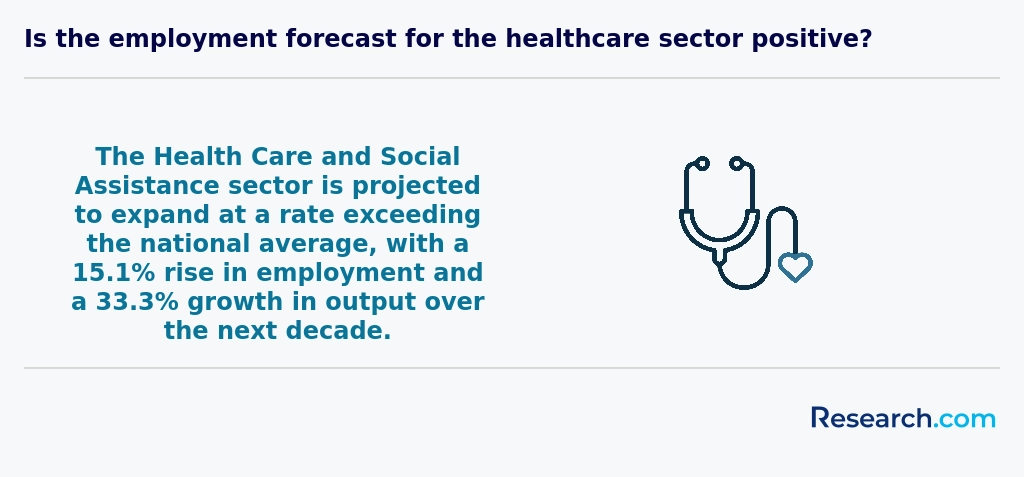
- Healthcare employment in Richmond is expected to grow about 10% over the next decade, faster than the national average.
- Richmond's healthcare sector includes hospitals and research centers that provide opportunities for internships and job placements.
How long does it take to complete healthcare degree in Richmond?
Completing a healthcare degree in Richmond usually matches national timelines, but local programs offer clarity and flexibility. For instance, graduates from J. Sargeant Reynolds Community College often finish their associate degrees in about 2 years, providing a strong foundation for quick entry into healthcare roles like nursing or medical assisting.
Bachelor's degrees, such as the BSN at Virginia Commonwealth University (VCU), typically take around 4 years. Graduates recall how clinical rotations at nearby Richmond hospitals enhanced their hands-on experience, making the time spent truly rewarding. Those aiming higher, like nurse practitioners or healthcare administrators, can expect an additional 2 years of master's study at VCU, building expertly on their undergraduate work.
Doctoral programs, including the DNP or healthcare PhDs, vary widely, usually requiring 3 to 6 years depending on full-time enrollment and research pace. Many Richmond students appreciate accelerated BSN programs, which can shorten completion to 12-18 months if they hold prior degrees, offering a practical, faster route without sacrificing quality.
What's the difference between online and on-campus healthcare degree?
Online healthcare degrees in Richmond offer flexibility ideal for working adults and those balancing family life. Graduates from VCU Online often appreciate being able to study on their own schedules, accessing lectures and assignments anytime. However, these programs still require in-person clinical hours at local healthcare facilities to gain hands-on experience.
On the other hand, students attending traditional on-campus programs at universities like Virginia Commonwealth University or University of Richmond benefit from daily face-to-face contact with professors and peers. They enjoy access to labs, simulation centers, and immediate support, which helps build confidence and practical skills.
Cost is another practical difference. Online programs may have additional fees for technology and clinical supervision, while on-campus students often face expenses for commuting or housing. Graduates from both pathways agree that both online and in-person formats meet accreditation standards and provide the necessary preparation for healthcare careers in Richmond.
Accreditation and Licensure Outcomes
Accreditation is a critical marker of quality for healthcare degree programs in Richmond, VA. Prospective students should verify that their chosen institution holds regional accreditation as well as program-specific approval from recognized bodies such as the Commission on Collegiate Nursing Education (CCNE) for nursing, the Commission on Accreditation of Allied Health Education Programs (CAAHEP) for allied health, or the Council on Accreditation of Healthcare Management Education (CAHME) for healthcare administration. Programs accredited by these agencies ensure rigorous curricula, qualified faculty, and adherence to industry standards, which in turn boost employers’ confidence in graduates’ competencies. Licensure pass rates provide an objective measure of how effectively a program prepares students for certification exams and legal practice. For example, nursing programs with a 90% or higher NCLEX-RN pass rate demonstrate strong clinical training and academic support. Similarly, graduates of health information management programs should review Certified Health Data Analyst (CHDA) exam success rates. High licensure outcomes not only reflect program quality but also influence long-term career mobility and earning potential. Clinical affiliations and internship partnerships with local healthcare providers are another dimension of licensure success. Richmond institutions often collaborate with VCU Medical Center, Bon Secours Health System, and community clinics to guarantee hands-on experiences under supervision, enabling students to apply theoretical knowledge and master essential skills before sitting for licensure exams. For students seeking cost-effective online pathways with robust accreditation and strong licensure outcomes, explore our Affordable Online Healthcare Degree Programs Ranking in Mequon, WI to compare accredited options and their exam pass rates.
What is the average cost of healthcare degree in Richmond?
The average healthcare degree cost in Richmond varies depending on residency and institution type. For in-state students attending public universities such as Virginia Commonwealth University (VCU), the cumulative tuition typically amounts to about $16,945. This is significantly lower than the median total cost of $59,613, which reflects the expenses out-of-state students or those attending private colleges may face. Graduates often share that planning around these figures allows them to budget realistically, especially when factoring in tuition, fees, and additional costs.
Healthcare students in Richmond consistently encounter other expenses beyond tuition, including books, supplies, and lab fees. These can add up to $1,000-$2,000 annually, with clinical practice costs sometimes increasing the total. Living expenses may vary if you relocate within the Richmond metropolitan area, influencing the total cost of healthcare programs Richmond students must prepare for. Recent graduates from local programs recall how anticipating these expenses helped them focus on their studies without unexpected financial stress.
Pragmatic students targeting healthcare degrees should explore financial aid options early. Scholarships, federal loans, and grants are commonly available and can significantly reduce out-of-pocket costs. For those curious about detailed expenses and ways to minimize spending, reviewing the cheapest healthcare programs in virginia provides practical options and precise program costs to plan accordingly.
What financial aid is available to healthcare degree students in Richmond?
Students pursuing healthcare degrees in Richmond often start by applying for federal aid through the FAFSA, which opens doors to Pell Grants and work-study jobs tailored to their financial needs. Graduates from Virginia Commonwealth University recall how Pell Grants covered major tuition portions, easing financial pressures during clinical rotations.
State-specific aid like the Virginia Tuition Assistance Grant (VTAG) further supports Richmond residents attending local colleges, such as J. Sargeant Reynolds Community College, by targeting those with financial hurdles. Many students find institutional scholarships from these schools rewarding, especially when tied to nursing or allied health programs connected to hospital partnerships providing career-focused incentives.
Local employer tuition reimbursement offers another practical route, especially for those working in Richmond-area hospitals. Healthcare employees report that such benefits significantly reduced their out-of-pocket expenses while allowing them to gain valuable experience simultaneously. Specialty scholarships from organizations like the Virginia Nurses Foundation add a welcomed boost, creating an accessible path for many aspiring healthcare professionals in Richmond.
Accreditation and Licensing: Ensuring Your Degree Meets Professional Standards
Accreditation is the cornerstone of any reputable healthcare program, validating that the curriculum, faculty, and resources meet rigorous industry benchmarks. In Richmond, VA, prospective students should prioritize programs accredited by recognized bodies such as the Commission on Accreditation of Allied Health Education Programs (CAAHEP) or the Commission on Accreditation of Healthcare Management Education (CAHME). Accreditation not only affects eligibility for federal financial aid but also ensures seamless transfer of credits and recognition by employers and graduate schools. Beyond institutional accreditation, many healthcare roles require state licensure or national certification. For example, graduates aiming to become medical assistants must pass exams like the Registered Medical Assistant (RMA) through the American Medical Technologists (AMT) or the Certified Medical Assistant (CMA) through the American Association of Medical Assistants (AAMA). To compare options and investment, students can explore affordable online medical assistant certification programs that balance cost with accreditation status. Licensure requirements vary by profession and state. Nursing graduates, for instance, must pass the NCLEX-RN to practice as registered nurses in Virginia, while health information technicians may pursue the Registered Health Information Technician (RHIT) credential through the American Health Information Management Association (AHIMA). It’s crucial to verify that your chosen program includes the necessary coursework and exam preparatory resources. Finally, ongoing professional development and continuing education units (CEUs) maintain licensure and certification. Accredited programs often offer workshops, webinars, and alumni resources to support graduates in meeting CEU requirements, ensuring that Richmond’s healthcare workforce remains current with evolving standards and technologies.
What are the prerequisites for enrolling in healthcare degree program in Richmond?
To enroll in healthcare degree programs in Richmond, you need to start by completing a high school diploma or GED. This basic credential confirms you have the essential reading, writing, and math skills to tackle college-level work. Many Richmond programs, such as those at Virginia Commonwealth University, expect you to have completed key prerequisite courses before you apply. These include biology with a lab, chemistry or general science, algebra or statistics, and English composition.
Graduates often reflect on how taking these courses firsthand helped them grasp complex healthcare topics when they entered their program. Beyond academics, gaining some hands-on experience-like volunteering at a local clinic or hospital-can set your application apart by showing real commitment and understanding of healthcare settings.
Standardized tests are commonly required, with SAT or ACT scores for undergraduates and possibly GRE for graduate programs. Richmond students find submitting transcripts, recommendation letters, and personal statements critical to completing their applications promptly.
Complementary Nutrition & Specialized Programs in Healthcare
While the 2024 ranking focuses on core healthcare degree offerings in Richmond, VA, many students are increasingly looking to broaden their expertise by exploring related fields that enhance patient care and community wellness. Complementary programs-notably in nutrition-offer additional pathways to develop a holistic understanding of health, addressing both disease management and preventive care. For instance, integrating specialized nutrition training into your healthcare education can provide a competitive edge in roles that require comprehensive lifestyle and wellness strategies. This evolving trend has encouraged many institutions to create interdisciplinary opportunities, combining traditional healthcare curricula with practical nutrition-focused courses. Such innovative approaches not only prepare graduates for emerging roles in wellness coaching, patient education, and preventive healthcare initiatives but also open doors to leadership positions in community health settings. Interested students may want to learn the nuances of these integrated offerings and explore accreditation standards that prioritize holistic care. To gain more insights on expanding your educational journey, consider checking out what are the best nutrition programs online as a valuable resource. By staying informed about these complementary programs, prospective healthcare professionals can ensure that their education remains relevant in an ever-evolving industry, ultimately leading to improved health outcomes and enhanced career opportunities.
What courses are typically in healthcare degree programs in Richmond?
Healthcare degree programs in Richmond typically start with core science courses like Human Anatomy and Physiology, which offers a clear understanding of how the body works-something graduates recall as essential when entering clinical settings. Microbiology and Chemistry, including organic chemistry, build a solid scientific foundation that students from Richmond's top colleges find invaluable for grasping medical processes.
Students also dive into specialized courses such as Medical Terminology, which helps them communicate confidently in healthcare environments. Pharmacology courses explain how medications interact with the body, a topic graduates highlight as practical when handling patient care. Ethics and Healthcare Law are included too, ensuring you understand the moral and legal responsibilities of medical professionals in Richmond's regulatory landscape.
Most programs incorporate hands-on training in clinical procedures and electronic health records (EHR) management, giving you the real-world skills needed in local hospitals and clinics. Graduates often describe internship experiences in Richmond medical centers as eye-opening, reinforcing classroom knowledge with day-to-day practice that prepares them for success in the city's expanding healthcare sector.
What types of specializations are available in healthcare degree programs in Richmond?
Healthcare degree specializations in Richmond encompass a variety of practical paths tailored to meet local industry demands. Nursing remains the most sought-after focus, with graduates from Virginia Commonwealth University often sharing how hands-on clinical rotations in Richmond's hospitals prepared them effectively for real-world challenges. Health Administration is another strong option, ideal for those aiming to manage healthcare facilities or influence policy, reflecting Richmond's growing need for skilled leadership in complex medical environments.
Public Health programs address urban health concerns like diabetes and heart disease, a critical focus for students driven by community impact. Meanwhile, Medical Laboratory Science offers practical training in diagnostic technology, matching Richmond's extensive lab networks. Physical and Occupational Therapy specializations attract students eager to support Richmond's aging population with rehabilitation care.
For those also curious about broader health fields, exploring what are the best nutrition programs online can complement your healthcare program concentration options.
How do you choose the best healthcare degree in Richmond?
Start by identifying the specific healthcare career that fits your interests and goals. Richmond offers diverse programs, from nursing to public health, with Virginia Commonwealth University (VCU) being a popular choice for many graduates who praise its solid clinical training in local hospitals. Accreditation matters, so focus on programs recognized by bodies like CCNE or CEPH to ensure quality education and eligibility for licensure. Graduates often highlight how attending accredited programs simplified their path to certification and job placement in Richmond's competitive market.
Cost plays a key role when searching for the best healthcare degree programs Richmond has. Public institutions such as VCU provide in-state tuition benefits, making affordable healthcare degrees in Richmond more accessible. For those balancing work and family, several programs offer online or evening classes, enhancing flexibility. Some students have found success by looking into affordable online medical assistant certification programs that fit their schedules without compromising quality or accreditation.
What career paths are available for healthcare degree students in Richmond?
Graduates with healthcare degrees in Richmond find strong career opportunities across several in-demand fields. Nursing remains a top choice, with Registered Nurses securing roles at major hospitals like VCU Health System and Bon Secours Health. Many graduates highlight the rewarding nature of hands-on patient care in these settings. Others pursue healthcare administration, leveraging degrees to manage clinics, hospitals, or insurance operations, where organizational skills and leadership are key. Allied health professions such as radiologic technologists and respiratory therapists provide stable roles, especially given Richmond's increasing elderly population. Public health careers attract those interested in community wellness and policymaking, often involving collaboration with local agencies. Medical laboratory technology offers paths into innovative diagnostic work within labs at Richmond hospitals. For practical planning, exploring affordable programs like those at Virginia Commonwealth University helps balance cost and quality. To explore broader options, check the Affordable Online Healthcare Degree Programs Ranking in Mequon, WI. These choices define the top healthcare jobs in Richmond for degree holders.
What is the job market for healthcare degree in Richmond?
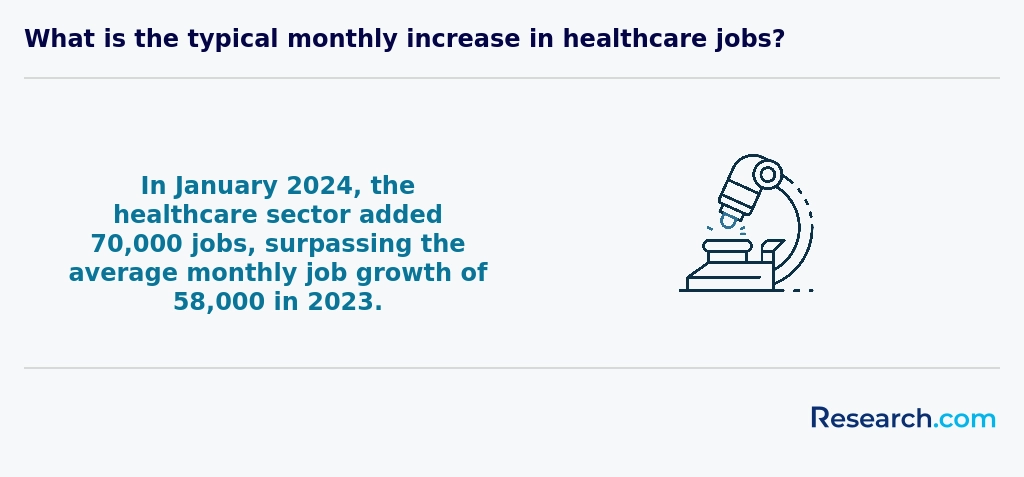
The job market for healthcare degree holders in Richmond is notably strong and growing faster than many other sectors. Graduates from local institutions like VCU and the University of Richmond often find rewarding roles in hospitals and outpatient facilities. This steady demand is driven by an aging population and expansions in healthcare systems such as VCU Health and Bon Secours Mercy Health, which consistently increase hiring for nurses, therapists, and administrators.
Graduates report feeling confident entering the workforce due to the competitive median salaries, with registered nurses earning around $70,000 annually and healthcare managers reaching six figures mid-career. Students benefit from hands-on clinical opportunities in teaching hospitals, making the Richmond healthcare degree employment outlook optimistic.
For those aiming to shorten their study time while maximizing career potential, exploring one year master's programs online can be a smart step. This pathway helps meet the rising healthcare job opportunities in Richmond efficiently, allowing quicker entry into a thriving job market.
Frequently Asked Questions About healthcare
Healthcare degree students in Richmond can maximize their learning experience by engaging deeply with local clinical opportunities. Richmond hosts several renowned medical centers, such as VCU Medical Center, which offers hands-on training and internships essential for practical skills. According to the Virginia Department of Health Professions, students who complete internships in accredited Richmond hospitals report higher employment rates after graduation.
Additionally, joining student organizations related to healthcare can enhance professional networking and soft skills. Richmond also provides access to simulation labs and interdisciplinary workshops, helping students apply theoretical knowledge.
Leveraging community health outreach programs in Richmond further broadens real-world understanding, which is crucial in the evolving US healthcare landscape.
The healthcare field in Richmond is expanding beyond traditional roles, embracing several emerging niches. One rapidly growing area is health informatics, which combines healthcare and technology to improve patient care through data management. According to the Virginia Employment Commission, jobs in this sector are projected to grow by 20% over the next decade.
Another promising niche is telehealth, especially since Richmond's healthcare providers increased virtual services during the COVID-19 pandemic. This trend is expected to continue as remote patient monitoring becomes more common.
Additionally, gerontology and specialized elder care are critical due to Virginia's aging population, with Richmond experiencing a 15% rise in residents over age 65 as reported by the U.S. Census Bureau.
Finally, behavioral health and substance abuse counseling are essential growth areas, responding to rising mental health awareness and community needs.
After completing a healthcare degree in Richmond, preparing for the job market involves several strategic steps. Start by securing relevant clinical experience through internships or volunteer work at local hospitals such as VCU Health. This hands-on exposure is crucial in Richmond's competitive healthcare sector.
Networking is also vital; attending local healthcare job fairs and joining professional organizations like the Virginia Healthcare Executives Forum can connect graduates with employers in the region.
Additionally, obtaining necessary certifications, such as the Certified Nursing Assistant (CNA) or Registered Nurse (RN) licenses, is required to meet Virginia's state regulations. Keep updated with Richmond's job growth statistics, which projects a 15% increase in healthcare jobs by 2030 according to the Bureau of Labor Statistics.
Employers in Richmond seek healthcare degree graduates who demonstrate strong clinical skills combined with effective communication. According to the Virginia Workforce Connection, teamwork and patient-centered care rank among the top traits valued in local healthcare professionals. Proficiency in electronic health records (EHR) systems is increasingly essential, as Richmond hospitals and clinics adopt digital tools for patient management.
Additionally, Richmond healthcare employers emphasize critical thinking and adaptability due to the fast-paced nature of medical environments. Cultural competence is vital too, given the city's diverse population, ensuring providers deliver sensitive and respectful care.
Leadership potential and commitment to ongoing education further enhance graduates' job prospects within Richmond's competitive healthcare sector.
Finding healthcare internships in Richmond involves leveraging local resources and university connections. Many students begin by contacting career services at schools such as Virginia Commonwealth University (VCU), which partners with local hospitals like VCU Health and Bon Secours Health System. These partnerships often provide exclusive internship openings for healthcare students.
Additionally, exploring Richmond's numerous healthcare facilities, including outpatient clinics and nursing homes, can reveal direct internship opportunities. According to the Richmond Memorial Health Foundation, the city hosts over 20 hospitals and 150 healthcare provider offices, creating a diverse range of hands-on experience possibilities.
Students should also attend healthcare career fairs and network with professionals through Richmond-based organizations such as the Richmond Healthcare Businesswomen's Association.
Earning a healthcare degree in Richmond significantly enhances career mobility and advancement opportunities within the local job market. The city's growing healthcare industry, as reported by the Richmond Regional Planning District Commission, expects a 15% increase in healthcare employment by 2030, reflecting strong demand for qualified professionals. Degrees such as nursing, health administration, and public health provide graduates with essential skills and credentials that employers in Richmond's major hospitals and clinics prioritize.
Additionally, healthcare degrees often lead to higher starting salaries and faster promotions. For instance, registered nurses with a Bachelor of Science in Nursing (BSN) typically earn 10-15% more compared to those without a degree, according to the Virginia Employment Commission.
Advanced qualifications also open paths to leadership roles, specialized clinical positions, and administrative careers, all of which are essential in Richmond's competitive healthcare sector.
Studying for a healthcare degree in Richmond equips students for interdisciplinary roles by emphasizing collaboration across various medical and allied health fields. Local programs integrate coursework in nursing, public health, and healthcare administration, fostering teamwork and communication skills essential for today's integrated healthcare environments. According to the Virginia Department of Health Professions, Richmond's healthcare sector increasingly values professionals who can navigate diverse roles and coordinate patient care effectively.
Many Richmond institutions offer practical experiences in hospitals and clinics that serve a broad population, allowing students to engage with multiple disciplines firsthand. This prepares graduates to work alongside doctors, nurses, social workers, and therapists in comprehensive care settings.
Choosing between a thesis and a non-thesis healthcare degree program in Richmond depends on your career goals and learning preferences. Thesis programs emphasize research and preparing students for roles in academia or advanced clinical studies. They typically require completing original research and a formal thesis document.
Non-thesis programs focus more on practical skills and coursework, appealing to those seeking direct entry into healthcare professions or administrative roles. These programs often include internships or capstone projects instead of research.
According to Virginia Department of Health data, Richmond's growing healthcare industry values both research skills and practical experience, so consider which path aligns better with your future plans.
Students based in Richmond seeking to study healthcare abroad have several structured options through U.S. university partnerships and exchange programs. Many institutions in Richmond collaborate with schools in countries like the United Kingdom, Australia, and Canada to offer clinical internships and study-abroad semesters focused on healthcare.
These programs allow students to earn credits toward their degrees while experiencing diverse healthcare systems. For example, Virginia Commonwealth University, a major Richmond university, supports global health initiatives that include placements abroad, enhancing practical learning.
According to the Institute of International Education, about 15% of U.S. healthcare students participated in study-abroad programs pre-pandemic, reflecting growing interest. Richmond students can leverage such programs to gain international exposure, critical for careers in global health sectors.
Students pursuing healthcare degrees in Richmond can benefit from several part-time job opportunities that align with their studies. Common roles include medical receptionist, patient care technician, and certified nursing assistant (CNA). These positions offer practical experience in clinical settings, enhancing both skills and resumes.
Richmond's healthcare sector is significant, with over 90 hospitals and clinics regionally, according to the Virginia Hospital & Healthcare Association (VHHA). This creates ample part-time openings for students seeking real-world exposure.
Additionally, Richmond's institutions like VCU Health often provide internship and job programs tailored for healthcare students, supporting career development alongside education.
Healthcare students in Richmond have access to a variety of valuable networking opportunities that can enhance their educational and career prospects. Local universities like Virginia Commonwealth University (VCU) offer student chapters of national organizations such as the American Medical Association and the Society of Healthcare Epidemiology of America. These groups host events, workshops, and conferences where students can meet professionals and peers.
Additionally, Richmond's status as a healthcare hub-with major employers like Bon Secours Health System and VCU Health-provides numerous internship and mentorship programs. According to VCU's Career Services, over 70% of healthcare students participate in internships, fostering direct connections to industry leaders.
The Richmond Academy of Medicine also organizes regular mixers and seminars specifically for healthcare students and professionals, creating informal platforms for networking.
Alumni networks play a crucial role for healthcare degree students in Richmond by providing valuable connections within the local medical community. Graduates often access job opportunities through these networks, which is essential in a competitive healthcare job market. According to the Richmond Times-Dispatch, healthcare employment in the region has grown steadily, making professional contacts a key asset for career advancement.
These networks also offer mentorship programs, where experienced alumni guide current students on clinical practices and resume building. This support helps students navigate complex healthcare certifications and licensure requirements common in Virginia.
Additionally, alumni events and online platforms foster collaboration, enabling students to stay informed about industry trends and continuing education opportunities available in Richmond-area hospitals and clinics.
Students in Richmond can customize their healthcare degree programs by selecting specialized tracks or concentrations aligned with their career goals. Many local institutions offer options such as nursing, public health, health administration, or medical technology, allowing students to focus on areas in demand locally.
Richmond's healthcare sector is growing, with over 50,000 healthcare jobs reported in 2023 by the Virginia Employment Commission, emphasizing roles in clinical and administrative fields. This growth encourages schools to provide flexible curricula, including internships with regional hospitals and clinics.
Additionally, part-time and online courses enable working professionals to tailor their education schedules. Elective courses and certificate programs also help deepen expertise in niche areas such as healthcare informatics or community health.
Healthcare students in Richmond face several notable challenges during their studies. One significant issue is the competitive clinical placement process, as local hospitals and clinics have limited spots compared to the number of students enrolled in nursing and allied health programs. According to the Virginia Department of Health Professions, this creates high pressure to secure required hands-on experience. Additionally, students often struggle with balancing demanding coursework and long clinical hours, which can impact mental health and academic performance.
Financial concerns also affect many students; the cost of healthcare programs in Richmond tends to be substantial, with average tuition ranging from $8,000 to $20,000 annually, according to recent figures from the National Center for Education Statistics.
Furthermore, the rigorous curriculum requires mastery of both theoretical knowledge and practical skills, posing challenges for those new to healthcare fields. These factors contribute to a demanding yet rewarding learning environment for healthcare students in Richmond.
With a healthcare degree in Richmond, you can pursue a variety of professional certifications that enhance your career prospects. Common certifications include Certified Nursing Assistant (CNA), Registered Health Information Technician (RHIT), and Medical Coding Specialist. These certifications validate skills in patient care, health records management, and billing, respectively.
The Certified Professional in Healthcare Quality (CPHQ) is another option for those interested in healthcare management and quality assurance. Richmond's healthcare market, including institutions like VCU Health, supports these certifications through continuing education.
Gaining certification often requires passing a national exam and meeting clinical experience requirements.
Writing a winning application for a healthcare program in Richmond requires careful preparation and attention to detail. Start with a clear, well-organized personal statement that highlights your passion for healthcare and your understanding of local health challenges. Richmond hospitals and clinics often seek students committed to community service and diversity.
Include strong letters of recommendation from healthcare professionals or professors who can attest to your skills and character. Make sure your academic records demonstrate proficiency especially in biology, chemistry, and math.
Research shows that healthcare programs in Richmond have acceptance rates between 30-50%, emphasizing the importance of a polished application. Additionally, mention any relevant volunteer experience in Richmond's healthcare facilities to strengthen your profile.
A career in healthcare is recognized globally for its critical role in improving public well-being and addressing complex medical challenges. In the United States, including Richmond, healthcare remains one of the fastest-growing sectors, with the U.S. Bureau of Labor Statistics projecting a 16% growth in healthcare occupations from 2021 to 2031.
Globally, healthcare professionals are increasingly valued for their adaptability in diverse systems, emphasizing skills like cultural competence and technological literacy. Richmond's healthcare programs often integrate international health perspectives, preparing students to work in a variety of settings.
The demand for healthcare workers worldwide drives collaboration and exchange of best practices, influencing education standards in U.S. institutions.
Gaining practical experience while studying for a healthcare degree in Richmond is essential for career readiness. Many local universities and colleges collaborate with nearby hospitals and clinics, offering internships and clinical placements. For example, VCU Health provides opportunities for hands-on training within its medical facilities. Additionally, Richmond's growing healthcare sector, including organizations like Bon Secours Health System, often welcomes student volunteers and interns. According to the Virginia Department of Health, clinical hours are a required part of most healthcare programs, ensuring students apply their knowledge in real-world settings. Networking through professional associations in Richmond also helps secure relevant experience.
Choosing the right concentration within a healthcare degree program in Richmond requires careful consideration of your career goals and the local healthcare job market. Richmond's healthcare sector is growing rapidly, supported by major hospitals like VCU Health and Bon Secours, which influence demand for specializations such as nursing, health administration, and public health.
Research the workforce needs in Richmond; for example, registered nursing remains one of the fastest-growing occupations according to the U.S. Bureau of Labor Statistics and Virginia Employment Commission, with Richmond seeing steady job openings.
Additionally, consider your interests in patient care, healthcare management, or technology. Certifications and clinical experience offered by programs in Richmond can also impact your readiness and employability.
Related Healthcare Rankings for Nearby Cities
- 2027 Best Healthcare Degree Programs Ranking in Norfolk
- 2027 Best Healthcare Degree Programs Ranking in Virginia Beach
- 2027 Best Healthcare Degree Programs Ranking in Washington
- 2027 Best Healthcare Degree Programs Ranking in Harrisonburg
- 2027 Best Healthcare Degree Programs Ranking in Durham
- 2027 Best Healthcare Degree Programs Ranking in Greensboro
- 2027 Best Healthcare Degree Programs Ranking in Philadelphia
- 2027 Best Healthcare Degree Programs Ranking in Pittsburgh
- 2027 Best Healthcare Degree Programs Ranking in Charlotte
- 2027 Best Healthcare Degree Programs Ranking in Wilkes-Barre
Top Trending Healthcare Rankings
See What Experts Have To Say About Studying Healthcare
Read our interview with Healthcare experts

References
- 1+ Healthcare Cover Letter Examples (with In-Depth Guidance) https://www.tealhq.com/cover-letter-examples/healthcare
- Global Health Perspectives https://globalhealthperspectives.com/
- Education | Medical College of Virginia Foundation https://www.mcvfoundation.org/work/education
- Explore Healthcare Admin Degree Concentrations https://www.baypath.edu/news/bay-path-university-blogs/post/explore-healthcare-admin-degree-concentrations/
- What Can You Do with a Health Sciences Degree? https://www.ycp.edu/news/what-can-you-do-with-a-health-sciences-degree
- Education requirements for the fastest-growing healthcare jobs https://www.corridorcareers.com/job-tips/blog-news-education-requirements-fastest-growing-healthcare-jobs
- Welcome to the Upstate Nursing Alumni Association! https://www.upstatefoundation.org/NursingAlumni
- Know more about thesis vs non- thesis: what is the difference? https://studyfans.com/en/blogs/816
- 9+ Best Registered Nurse Jobs Richmond, VA https://www1.unsch.edu.pe/registered-nurse-jobs-richmond/
- Apply https://www.vcuhealth.org/for-your-health/community-health/our-programs/pathways-to-healthcare-workforce/apply/





