
2027 Most Valuable Education Degree Programs Ranking in Reading

Co-Founder and Chief Data Scientist
Choosing the right education degree program can be a turning point in your future. This article presents the 2027 Most Valuable Education Degree Programs Ranking in Reading, carefully crafted by the Research.com team of data scientists. It aims to guide you through the best options available locally.
By exploring this ranking, you can confidently find programs that offer real value, helping you build a rewarding career. Whether you're passionate about teaching or education leadership, this guide supports your journey with clear, data-backed insights.
Investing in a strong education degree opens doors to growth and success.
Key benefits of getting education degree in Reading
- Education degree graduates in Reading can expect competitive salaries, such as $70,740 for elementary school teachers and up to $77,200 for instructional designers, offering financial stability and rewarding career opportunities.
- Graduates from the University of Reading often find diverse career paths in teaching, special education, or curriculum design, allowing them to make a meaningful impact on student learning and growth.
- Online education degrees from institutions like the University of Reading provide flexibility, enabling graduates to balance studies with personal commitments while gaining recognized qualifications that support career advancement.
- 2027 Most Valuable Education Degree Programs Ranking in Reading
- What can I expect from education degree in Reading?
- Where can I work with education degree in Reading?
What can I expect from education degree in Reading?
Imagine stepping onto a campus near Reading, where the hum of eager classmates fills the air and future educators like you share stories of late-night lesson planning and hands-on classroom adventures. The cost of this journey, while real, is surprisingly in line with what many expect-about $11,500 per year at public institutions for in-state students. Graduates recall balancing this investment with glowing scholarships aimed specifically at education majors, easing financial stress and enabling focus on their passion: teaching.
Private colleges add a bit more to the tabs, but many students see this as an opportunity rather than a barrier, knowing their programs are deeply connected to local schools for authentic, immersive experiences. One graduate described how these well-priced yet quality programs unlocked pathways to licensure exams like the MTEL and real-world roles, turning dreams of educational leadership into tangible plans.
Where can I work with education degree in Reading?
With an education degree earned in Reading, graduates often find themselves shaping young minds in diverse K-12 classrooms-whether at bustling public schools in the Reading School District or charming private academies nestled in the community. Imagine stepping into an elementary classroom, just like many alumni from local institutions do, blending creativity with curriculum to inspire curious children every day.
Others venture beyond the chalkboard, evolving into curriculum developers or instructional coordinators, roles that demand both passion and strategic thinking. These paths, frequently pursued by grads from Reading's colleges, tap into the city's dedication to educational excellence, where innovation meets tradition. Picture crafting lesson plans that ripple through entire schools or guiding principals toward impactful decisions.
Early childhood centers and specialized programs also buzz with opportunity. Graduates often recall their hands-on training at campus labs, which prepares them to nurture preschoolers' first sparks of learning, making each day feel like a discovery adventure. Plus, the special education field here thrives, inviting educators to champion inclusive classrooms where every student's potential shines.
Finally, nearby universities occasionally welcome education grads into roles like academic advising or student services, turning firsthand teaching experiences into a foundation for supporting the next generation of learners in Reading.
Graduates from Reading's respected education programs often see their efforts transform into rewarding paychecks. For example, an elementary school teacher fresh from a degree program can anticipate a mean annual wage of around $70,740-enough to inspire mornings filled with excitement rather than anxiety. Early childhood educators, nurturing the youngest minds in local daycares or preschools, earn roughly $41,410, providing a solid foundation as they grow their careers.
Special education teachers in Reading enjoy even brighter prospects, with mean earnings near $76,000 annually, reflecting their vital role and specialized skills. Instructional designers, often those who blend tech savvy with education, command salaries averaging $77,200, proving that innovative degrees can open unconventional doors. ESL teachers, crafting language-learning adventures, earn about $65,430, giving them financial stability while making a global impact locally.
Many graduates from nearby universities feel pride in launching their careers here, where education not only enlightens communities but also finances personal dreams. In Reading, these salaries reflect more than numbers-they echo stories of passion turned into a paycheck.
- Annual tuition for a bachelor's degree in education in Reading ranges from $20,000 to over $40,000, depending on whether the institution is public or private.
- Starting salaries for new education graduates typically range from $40,000 to $48,000 per year, with mid-career salaries between $55,000 and $65,000.
- Teaching positions in Reading's public school districts are in stable demand, with additional opportunities in administration, counseling, and special education.
- A bachelor's degree usually takes about four years to complete, while advanced degrees or certifications add one to two years.
- Programs accredited by the Council for the Accreditation of Educator Preparation (CAEP) meet national quality standards.
- Graduates must pass the Basic Skills Test and obtain Pennsylvania state teaching certification to work in public schools.
Imagine stepping into a lively classroom at a well-known Reading university, where a bachelor's student is balancing lectures on pedagogy with eager classroom observations. For these future educators, the journey usually spans about four full years, filling their days with 120-130 credit hours and hands-on teaching experiences that cement their passion. These practical student-teaching semesters in local Reading schools create unforgettable moments, like that first heartwarming smile from a learner who finally "gets it."
Master's students at Reading colleges often experience a faster rhythm, completing their degrees between 18 months and two years if studying full time. Many specialize in fields like special education or curriculum development, enjoying vibrant seminars and collaborative projects that spark excitement. Some choose to stretch out their studies part-time, savoring the knowledge over several years while juggling work or family life.
For the brave doctoral candidates weaving through Reading's academic halls, the journey can stretch from three to six years. Their intense focus on research and dissertations transforms curious ideas into valuable education innovations, often fueled by the support and camaraderie found on campus.
After earning an Education degree in Reading, PA, graduates must secure state certification to teach in public schools. The Pennsylvania Department of Education (PDE) mandates the following steps: 1. Complete an accredited teacher preparation program • Accumulate 120+ credit hours, including pedagogical theory, subject-area coursework and supervised student teaching. • Ensure your institution holds PDE approval or NCATE/CAEP accreditation for seamless transcript verification. 2. Pass required Praxis® examinations • Praxis Core Academic Skills for Educators tests (Reading, Writing, Mathematics) with minimum scores (e.g., Reading 156, Writing 162, Mathematics 150). • Praxis II content assessment aligned to your endorsement area (Elementary Education, English as a Second Language, Special Education, etc.). 3. Obtain mandated clearances and background checks • Act 34 Criminal Record Check (PA State Police) • Act 151 Child Abuse History Clearance (Department of Human Services) • Federal Criminal History Record (FBI Fingerprinting) • Mandated Reporter Training certificate 4. Apply for Instructional I Certification via PDE’s online portal • Submit official transcripts, test scores, clearances and a non-refundable application fee. • Track application status and schedule any follow-up interviews as requested by PDE. 5. Maintain and upgrade certification • After three years of satisfactory teaching service, apply for Instructional II (professional) certification. • Complete PDE-approved continuing education or graduate coursework every five years to renew or add endorsements. For candidates seeking alternative or flexible pathways, emergency permits and provisional certificates are available when schools face critical shortages. Educators can also expand their skill set by exploring cost-effective online programs-see the Affordable Online Education Degree Programs Ranking in Iowa for benchmark tuition rates and accelerated options.
Imagine sitting in a lively classroom at one of Reading's respected universities, surrounded by your peers, the buzz of conversation sparked by passionate professors. That's the heartbeat of an on-campus education degree-hands-on, face-to-face, and anchored in real-world teaching practice through supervised internships at nearby schools. Graduates often recall the energy of collaborating on lesson plans in campus libraries or the rewarding challenge of those in-person practicum hours that shape their confidence.
Shift gears to the online degree path-a different rhythm altogether. Here, flexibility reigns, perfect for those balancing a job or family life in Reading. Picture logging in after dinner, sipping tea, streaming lectures from anywhere in the city or beyond. Students cherish this freedom but also mention how motivating themselves without the campus vibe takes grit and self-discipline. Local internships still ground their studies, arranged through university partnerships or personal effort, linking virtual study to tangible classroom experience.
Both journeys weave together preparation and passion, differing in delivery yet equally rich in shaping educators ready to inspire Reading's future classrooms.
Education degrees in Reading deliver a solid balance of investment and earning potential. Consider:
- Average annual in-state tuition: $10,000–$25,000, with a total cost of around $40,000 for a four-year bachelor’s program
- Mean starting salary: $65,000–$71,000 for early-career teachers, with special education and instructional design roles reaching $76,000+
- Estimated break-even period: 5–6 years when accounting for certification fees and living expenses
- Long-term earnings growth: seasoned educators often surpass $85,000 annually after a decade in the classroom
- Compare with degrees that pay well to explore higher-earning alternatives
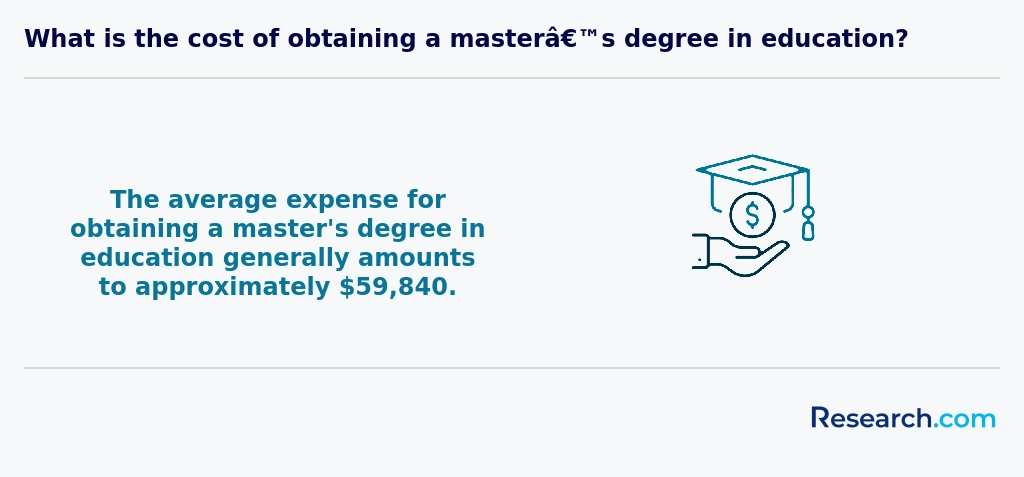
The average cost of an education degree in Reading hovers around $37,000 for in-state students, creating a financial landscape that feels both challenging and achievable. Graduates often recall stretching every dollar while juggling textbooks and living expenses, yet feeling a profound pride in walking through the doors of institutions like Kutztown University. This figure embraces not only tuition but the full journey-books, supplies, and fees combining into one vivid investment in their future. For out-of-state students, that cost climbs to a median of about $51,000, reflecting the expanded opportunity and networks gained by leaving home.
Many who have pursued the total tuition and fees for education degrees in Reading describe the highs and lows of balancing work, study, and life, all layered with the joyful anticipation of becoming educators themselves. These moments, though sometimes financially tight, are softened by local scholarships aimed specifically at education majors who want to make a tangible impact in the community. Exploring valuable education programs in pennsylvania reveals avenues for reducing this burden through financial aid and grants.
Choosing the right education degree program in Reading, PA, isn’t just about classroom learning-it’s also about embracing a well-rounded student experience that nurtures personal growth and professional success. Institutions in Reading foster a vibrant campus life by offering comprehensive student support services that include academic advising, career counseling, tutoring centers, and extracurricular clubs dedicated to education and community service. Students often engage in interactive workshops, peer study groups, and networking events that not only reinforce classroom lessons but also help build lasting professional relationships. These holistic experiences create a supportive environment that encourages innovation, resilience, and collaborative learning, essential for aspiring educators. For those interested in programs that balance rigorous academics with robust student support and campus culture, check out valuable education programs in pennsylvania. This well-rounded approach ensures that graduates are not only academically prepared but also equipped with the interpersonal and leadership skills needed to thrive in diverse educational settings.
Imagine starting your journey toward an education degree at Albright College or Alvernia University in Reading, knowing that the hefty price tag doesn't have to weigh you down. Many graduates recall submitting their FAFSA applications early, unlocking a treasure trove of federal aid like Pell Grants-sometimes up to $7,395-that felt like a lifeline during tough semesters. The TEACH Grant is a game-changer, too, offering up to $4,000 a year for those eager to serve in high-need schools around Reading, adding purpose to every dollar received.
Local hearts beat strong with Pennsylvania's own PHEAA grants, which help in-state students keep tuition manageable. Some recent grads smile remembering the regional loan forgiveness programs that nudged them toward teaching in community schools, transforming financial stress into joyful service.
Campuses buzz with stories of merit scholarships awarded for leadership and academic spark. Add in employer tuition reimbursements from nearby districts and private scholarships like those from the NEA Foundation, and the financial maze becomes a navigable adventure for Reading's education hopefuls.
In Reading, stepping into an education degree program often begins with earning a high school diploma or GED-think of it as your ticket to the classroom adventure. Graduates from renowned institutions here recall how submitting SAT or ACT scores was like sharing their academic story, though many schools now embrace test-optional policies, offering flexibility that lifts a weight off hopeful shoulders.
Maintaining a GPA around 2.5 to 3.0 feels like a gentle nudge from the universe, signaling readiness to nurture future minds. For those eyeing graduate education at beloved Reading colleges, a solid undergraduate degree with a GPA near 3.0 becomes the foundation of deeper knowledge, complemented by heartfelt letters of recommendation and a personal statement that paints your passion.
Practical experience emerges as a quiet hero-volunteering in local schools or tutoring children reveals your dedication in the real world. Many recall the reassurance gained from completing background clearances, unlocking pathways to student teaching in familiar Reading classrooms.
- Kutztown University: B.S. in Elementary Education (4-year program, average starting salary $70,740, ROI 160%)
- Albright College: B.A. in Secondary Education (focus on STEM subjects, average debt $15,200, 92% job placement)
- Penn State Berks: B.Ed. in Special Education (embedded practicum with local districts, average salary $76,000)
- Alvernia University: M.Ed. in Curriculum and Instruction (12-month accelerated option, average post-grad salary $65,430)
- Reading Area Community College: A.A. in Early Childhood Education (2-year pathway, 100% internship placement, seamless transfer to 4-year schools)
For flexible, career-focused study options that complement these top programs, explore online degrees.
Picture yourself at a Reading college, diving into courses that shape you into the educator you dream of becoming. You start with Introduction to Education, where the rich tapestry of teaching theory and history unfolds, reminding you why this path matters. Graduates often recall the thrill of understanding child growth in Child and Adolescent Development, moments when they realized their future students aren't just faces in a classroom but unique minds to nurture.
At institutions popular in Reading, courses like Curriculum Planning and Instructional Strategies bring your lesson ideas to life-imagine crafting a dynamic classroom activity and seeing it spark curiosity during your student teaching. The buzz of excitement is real when mastering Classroom Management, learning to foster an environment where every child feels safe and eager to learn.
Delving into Educational Psychology unlocks secrets about motivation, while exploring Assessment and Evaluation equips you to celebrate each student's progress. Plus, many grads cherish the hands-on joy of Technology Integration, discovering new digital tools that make teaching vibrant and relevant in local Reading schools.
Walking the campus grounds at Reading's well-regarded colleges, graduates often recall their journeys through education degree specializations in Reading as explorations of vibrant paths. Imagine diving into Elementary Education-where future teachers craft the building blocks of literacy and math in kindergarten classrooms, buzzing with eager little minds. Or stepping into Secondary Education, where students prepare to ignite curiosity in middle and high schools amid the dynamic energy of adolescent learners.
One graduate shared how specializing in Special Education transformed their perspective, unlocking creative strategies to support children with diverse needs, inspired by local school experiences and legal frameworks like IDEA. These journeys are anything but static; they ripple through real school halls, echoing the demand for skilled educators.
Popular teaching programs in Reading also include Early Childhood Education, Educational Leadership, ESL, and School Counseling, each painting a unique chapter in education. Students there often discover their passion aligns with guiding minds or shaping school communities-precisely why many explore what can you do with a teaching degree to envision their futures.
Choosing the best education degree in Reading feels like navigating a vibrant mosaic of possibilities. Graduates often recall their days balancing lively classrooms at local colleges with evenings spent unraveling the nuances of early childhood education or educational technology. Selecting a program here means tuning into what truly fuels your passion-be it the creativity of special education or the leadership paths a master's or doctoral route might unlock. Imagine walking through a campus where accredited programs, recognized by the Council for the Accreditation of Educator Preparation (CAEP), align with your dreams and open doors to Pennsylvania's classrooms and beyond.
Consider the financial dance too-public institutions in Reading offer affordable education degrees Reading 2027 hopefuls often seek, with costs around $10,000 yearly plus living expenses. Many graduates fondly remember how scholarships and plans from agencies like PHEAA lightened their burdens. For an insider's look at smart budgeting, check out the Affordable Online Education Degree Programs Ranking in Iowa, which sparks ideas even for those studying in Pennsylvania.
Graduates with an education degree in Reading often transform classrooms into vibrant spaces of discovery, stepping confidently into licensed K-12 teaching roles where they shape young minds. Imagine a graduate specializing in special education, deftly crafting tailored lessons that light up a student's progress in a local Reading elementary school. Others morph into instructional coordinators, weaving together innovative curricula that ripple through entire districts, or they ascend into school administration, balancing the heartbeat of a school's daily rhythm.
These education degree career options in Reading don't stop at traditional classrooms. Some graduates thrive as educational consultants, guiding nearby schools through fresh program development, while others find joy teaching adults, empowering lifelong learners within community centers. Students at popular colleges here often share stories of internships balancing community programs and schools, proving that Reading's teaching and education jobs offer diverse and fulfilling paths.
Many also explore less charted waters by enrolling in online certificate programs that pay well, broadening horizons beyond the campus walls and into evolving career landscapes.
The job market for education degree job opportunities in Reading paints a vibrant picture for graduates stepping into classrooms or administrative offices. Graduates from local universities, energized by hands-on practicum experiences in Berks County schools, often find themselves embraced by the Reading School District-a hub that thrives on innovative teaching and a hunger for educators skilled in special education, STEM, and bilingual teaching. Imagine the satisfaction of a recent graduate who landed a position teaching STEM to eager middle schoolers in a community that truly values educational growth.
Employment outlook for education graduates in Reading stretches beyond K-12: early childhood centers and nonprofits beckon with roles fostering literacy and youth empowerment. Salaries align well with the regional cost of living, offering a dependable foundation for new teachers. Graduates frequently share stories of professional development support that fuels their passion and career advancement.
Students considering their path can explore options ranging from community colleges to universities with tuition costs favorably lower than national averages. For those seeking an easiest master degree in education, Reading's institutions provide accessible routes paired with promising job prospects.
2027 Most Valuable Education Degree Programs Ranking in Reading
Investing in your education is a significant decision that can shape your future, and the Research.com team understands the importance of making informed choices. To assist prospective students, we have meticulously developed the "2027 Most Valuable Education Degree Programs Ranking in Reading." Our commitment to quality, credibility, and accuracy is demonstrated through the thorough research and analysis behind this ranking. We utilized the following reputable data sources to ensure a comprehensive evaluation of education degree programs:
By exploring this ranking, readers will gain valuable insights into the most valuable education degree programs in Reading, empowering them to make well-informed decisions about their academic and professional futures. For more information on how this ranking was created, please visit our Research.com methodology page.


# 4 position
Pennsylvania State University-Penn State Berks
Bachelor of Science in Early Childhood Education

Frequently Asked Questions About education
Education degree students in Reading can maximize their learning experience by engaging actively with both coursework and community opportunities. Many local institutions emphasize hands-on teaching practice, which is crucial for developing real-world skills. According to the National Center for Education Statistics, students who complete at least 100 hours of field experience tend to perform better in their teaching careers.
Students should also take advantage of Reading's diverse school districts for internships or volunteer roles. This exposure helps build practical skills and professional networks. Additionally, joining education-related student groups can foster collaboration and provide essential peer support.
Utilizing available campus resources, such as tutoring centers and technology labs, further enriches learning. Finally, staying informed about current educational policies and research, through sources like the U.S. Department of Education, helps students prepare for evolving challenges in the field.
Emerging niches within the education field reflect growing demands in technology integration and specialized student support. In Reading, programs focusing on educational technology are gaining momentum. These prepare future educators to use digital tools effectively, aligning with the U.S. Department of Education's push for technology-enhanced learning.
Another expanding area is special education, particularly autism spectrum disorder (ASD) support. Nationally, the Bureau of Labor Statistics projects a 10% growth in special education teaching jobs through 2032, with Reading schools increasingly seeking qualified specialists.
Additionally, bilingual education is rising due to demographic shifts in Reading's population. Mastery of dual-language teaching is becoming crucial in classrooms striving for inclusivity and diversity.
Graduates with an education degree in Reading should begin preparing for the job market early, ideally during their final year of study. Building a strong professional network is essential; attending local education job fairs and joining Reading-area teaching associations can provide valuable connections.
Gaining practical experience through student teaching placements in local schools is crucial and often required for certification. According to the Massachusetts Department of Elementary and Secondary Education, Reading has competitive teaching opportunities in public and private schools, with a growing demand for special education and STEM educators.
Additionally, obtaining necessary state certifications and pursuing relevant endorsements increases employability. Familiarity with Common Core and state curriculum standards used in Reading schools improves readiness for classroom challenges.
Developing skills in educational technology and differentiated instruction also aligns with current job market expectations.
Employers in Reading prioritize several key skills when hiring education degree graduates. Strong communication abilities are essential, as 85% of local school districts emphasize clear interaction with students and parents, according to the Reading Education Consortium's 2023 report.
Classroom management skills rank highly, enabling educators to maintain a productive learning environment. Additionally, adaptability and cultural competence are increasingly vital, reflecting Reading's diverse student population.
Critical thinking and problem-solving skills enable teachers to create effective lesson plans and address student needs. Technology proficiency is also important, with 70% of schools in Reading integrating digital tools into their curriculum.
These competencies help education graduates meet the evolving demands of the region's educational institutions.
Finding internships in Reading related to education degrees involves exploring local school districts, universities, and community programs. The Reading School District often offers student teaching placements and internship opportunities, essential for hands-on experience. Additionally, institutions like Alvernia University provide career services that connect education students with local elementary and secondary schools.
Networking through professional organizations such as the Pennsylvania State Education Association can also aid in discovering internships. According to the Bureau of Labor Statistics, education-related internships in Pennsylvania have grown by approximately 5% in recent years, reflecting increased opportunities.
Utilizing university career portals and attending local education job fairs can significantly improve internship prospects.
In Reading, obtaining an education degree significantly enhances career mobility and advancement opportunities within the local school districts and educational institutions. According to the U.S. Bureau of Labor Statistics, education professionals with bachelor's or master's degrees generally see faster promotion rates compared to those without degrees.
Locally, Reading's schools often prioritize candidates holding degrees for roles such as lead teacher, curriculum specialist, or administrative positions. For example, Reading School District requires a minimum of a bachelor's degree in education for teaching roles, with many leadership paths demanding advanced credentials.
Data from the National Center for Education Statistics indicates that educators with degrees experience higher salary growth over time, which contributes to long-term career sustainability in Reading's public and private sectors.
Studying for an education degree in Reading equips students with skills that cross traditional subject boundaries, making them ideal for interdisciplinary roles. Programs often include coursework in psychology, sociology, and communication, which broadens a graduate's understanding beyond teaching methods. According to the National Center for Education Statistics, such interdisciplinary training increases adaptability in diverse educational settings.
Reading-area institutions emphasize collaboration, which prepares students to work with professionals in health, technology, and social services. This approach fosters problem-solving and critical-thinking skills, valuable in roles integrating multiple fields. Local education programs also focus on community engagement, reinforcing practical skills for interdisciplinary teams.
When deciding between a thesis and a non-thesis education degree program in Reading, consider your career goals and learning preferences. Thesis programs typically require original research and a substantial written document, ideal for those aiming for doctoral studies or research roles. Non-thesis options focus more on coursework and practical application, catering to professionals seeking advanced skills without the commitment to research.
Local institutions in Reading, such as Alvernia University, offer both tracks, reflecting national trends where about 60% of education master's programs provide a non-thesis option for flexibility (National Center for Education Statistics, 2023). Your choice should align with whether you prefer hands-on experience or want to develop strong analytical and writing skills through research.
Students based in Reading seeking education degrees abroad have several options within the US higher education system. Many universities offer online and hybrid education programs, allowing flexibility without relocating. Popular institutions like the University of Pennsylvania and Columbia provide advanced education degrees recognized nationally. For those considering in-person study, state universities with strong education departments, such as the University of Michigan or UCLA, remain top choices.
Reading residents benefit from partnerships between local colleges and US institutions, facilitating credit transfers. According to the National Center for Education Statistics, over 60% of graduate education students in the US opt for programs with practical teaching components, which are widely available in these universities.
Part-time job opportunities in Reading that complement education degree studies often revolve around hands-on teaching experience. Many students find roles as teacher's aides or paraprofessionals in local schools, which provides valuable classroom exposure while accommodating academic schedules. According to the National Center for Education Statistics, over 60% of education majors in the U.S. engage in such roles during their studies.
Additionally, tutoring services are in demand in Reading, offering students the chance to apply educational theories in real-world settings. Local libraries and community centers sometimes hire education students for after-school programs. These positions enhance communication skills and foster practical understanding of diverse learning needs.
Substitute teaching is another accessible option once certain certification requirements are met. It affords flexible hours and a deeper insight into curriculum implementation. These jobs enrich resumes and build essential networks in the education sector in Reading's competitive job market.
Education students in Reading benefit from various networking opportunities that connect them to local schools, educators, and education professionals. The University of Reading's Department of Education collaborates with nearby K-12 schools, providing students with placements and mentoring experiences. These connections enable students to build professional relationships early in their careers.
Additionally, local education-focused events and workshops often take place, supported by regional education bodies. These gatherings offer chances to meet practicing teachers and administrators, fostering valuable contacts.
Students may also join national organizations such as the Future Educators Association, which provides virtual and in-person networking opportunities relevant to those studying education in Reading and beyond.
Alumni networks provide significant advantages to education degree students in Reading by offering valuable professional connections. These networks often facilitate mentorship opportunities, allowing current students to gain insights from experienced graduates working in schools across Berkshire and beyond.
Access to workshops and career events through alumni associations helps students stay informed about education trends and job openings. According to the National Association of Colleges and Employers, 70% of job placements result from networking, highlighting its importance.
In Reading specifically, many education alumni remain active locally, strengthening community ties and fostering collaborations between schools and graduates. This support enhances students' practical knowledge and employment prospects.
Customizing an education degree program in Reading allows students to align their studies with specific career objectives. Many local colleges offer flexible curricula where students can choose concentrations such as special education, curriculum design, or educational technology. For example, curricular electives often include courses in leadership or counseling, enabling a tailored approach.
Internships and practicum opportunities in Reading-area schools provide practical experience, often boosting job prospects. According to the National Center for Education Statistics, about 85% of education students benefit from hands-on training, which is vital for career specialization.
Additionally, Reading institutions frequently allow students to work with academic advisors to select courses that reflect their goals, whether aiming for classroom teaching or administrative roles.
Education students in Reading face several notable challenges during their studies. One primary issue is balancing rigorous coursework with field experience requirements, as teacher preparation programs demand significant time in local classrooms. According to data from the National Center for Education Statistics, practical placements often consume over 30% of a student's weekly schedule.
Additionally, many students struggle with securing diverse practicum sites within Reading's varying school districts, limiting their exposure to different teaching environments. Financial stress is also common, especially since graduate education programs can require additional tuition beyond undergraduate studies.
Access to up-to-date educational technology and resources remains uneven across local institutions, posing another hurdle for students aiming to meet modern teaching standards.
With an education degree, individuals in Reading can pursue several professional certifications that enhance career opportunities in teaching and related fields. The most common certification is the state-issued teaching license, required for public school educators in Pennsylvania. This license can cover various grade levels and subject areas, including elementary and secondary education. Additionally, educators may seek certifications such as the Reading Specialist Certificate, allowing specialization in literacy instruction. For those interested in school counseling or administration, certifications like the School Counselor Certificate or Principal Certification are available. These credentials typically require passing exams and completing additional coursework or supervised experience.
According to the Pennsylvania Department of Education, Reading-area candidates must meet rigorous standards to ensure quality teaching. Earning one of these certifications often increases job security and salary potential, making them valuable for education degree holders.
Writing a winning application for an education program in Reading requires clear focus on your academic goals and relevant experience. Admissions committees typically value a strong personal statement that explains why you want to pursue teaching or educational leadership. Highlight any volunteer work or paid roles related to education, especially within local schools or community programs.
Include your academic credentials, emphasizing coursework in education or psychology. For example, candidates with a GPA above 3.0 and relevant internships tend to be more competitive. Local data from the Reading School District shows many successful applicants demonstrate both commitment and practical understanding of educational challenges in urban settings.
Ensure all documents, such as transcripts and letters of recommendation, are submitted on time. Many programs also require standardized test scores like the GRE, so check each institution's specific requirements carefully. Preparing thoughtfully and presenting a coherent narrative can greatly enhance your chances of admission.
The education career holds a significant place globally, especially within the United States, where teaching professionals shape future generations. According to the U.S. Bureau of Labor Statistics, employment for kindergarten and elementary school teachers is projected to grow 7% from 2021 to 2031, reflecting steady demand. Reading, Pennsylvania, benefits from this trend due to its focus on improving education standards and teacher quality.
Globally, educators face diverse challenges, but American training programs emphasize inclusiveness and adaptability, preparing graduates to work in various cultural settings. Education degrees in Reading offer practical experience through local schools, aligning with national standards. This helps graduates compete internationally and understand global education trends. Such preparation is increasingly important as education systems worldwide become more interconnected through technology and collaborative initiatives.
Gaining practical experience while studying for an education degree in Reading is possible through several key opportunities. Many universities partner with local schools to offer field placements or student-teaching internships, allowing you to work directly with students and teachers in a classroom setting.
Additionally, volunteering at educational programs or community centers in Reading can provide hands-on experience. According to the National Center for Education Statistics, student-teaching internships are required in 90% of accredited education programs nationally, helping students build valuable skills before graduation.
Workshops, seminars, and on-campus tutoring programs also enhance your practical knowledge. These experiences are crucial to develop classroom management and instructional techniques essential for future educators.
Choosing the right concentration within an education degree program in Reading requires careful consideration of your career goals and local demand. Research from the National Center for Education Statistics shows that special education and early childhood education are among the fastest-growing fields in the U.S., including areas like Reading, Pennsylvania.
Consider concentrations that align with regional employment opportunities. According to the Pennsylvania Department of Labor, Reading's school districts have a strong need for STEM educators and bilingual teachers, reflecting the city's diverse population. Selecting a focus that matches these trends may improve job prospects.
Additionally, review program accreditation and course offerings at local institutions, ensuring they provide practical experience. Speak with advisors and professionals in Reading schools to understand the community's unique educational needs and expectations.
- 2027 Most Valuable Education Degree Programs Ranking in Wilkes-Barre
- 2027 Most Valuable Education Degree Programs Ranking in Dover
- 2027 Most Valuable Education Degree Programs Ranking in Bronx
- 2027 Most Valuable Education Degree Programs Ranking in Queens
- 2027 Most Valuable Education Degree Programs Ranking in Washington
- 2027 Most Valuable Education Degree Programs Ranking in Pittsburgh
- 2027 Most Valuable Education Degree Programs Ranking in Buffalo
- 2027 Most Valuable Education Degree Programs Ranking in Erie
- 2027 Most Valuable Education Degree Programs Ranking in Providence
- 2027 Most Valuable Education Degree Programs Ranking in Cleveland
See What Experts Have To Say About Studying Education
Read our interview with Education experts

Nooshan Ashtari
Education Expert
Professor & Book Author
University of Southern California

Alan J. Singer
Education Expert
Professor of Teaching, Learning and Technology
Hofstra University

- The 10 Highest Paying Jobs With a Teaching Degree [Quiz] https://www.umassglobal.edu/blog-news/highest-paying-jobs-with-a-teaching-degree
- Top 30 Best Reading Specialist/Reading and Literacy Master’s Online (Updated) https://www.topeducationdegrees.org/rankings/masters-reading-specialist-reading-literacy/
- Teaching Job Roles | Teach For Life https://www.teachforlife.com/teachingjobs/global-perspectives-teacher
- What Can I Do With a Teaching Degree (Besides Teach)? https://www.alleducationschools.com/blog/what-can-i-do-with-a-teaching-degree-besides-teach/
- How to Choose a Concentration for Your Master of Education 3 Questions to Consider https://www.aiuniv.edu/degrees/education/articles/how-to-choose-an-education-specialization
- Networking Tips and Advice for Students https://schoolshouldbe.com/post/networking-tips-and-advice-for-students/
- Events & Opportunities https://connect.teachforall.org/events-opportunities
- Finding Networking Opportunities as a Student | National Society of High School Scholars https://www.nshss.org/resources/blog/blog-posts/how-to-find-networking-opportunities-as-a-student/
- Tips for Choosing Your Graduate Concentration - Graduate Programs for Educators https://www.graduateprogram.org/blog/tips-for-choosing-your-graduate-concentration/
- Home https://www.teachercertificationdegrees.com/


