
2027 Best Education Degree Programs Ranking in Tuscaloosa

Co-Founder and Chief Data Scientist
Choosing the right education degree program in Tuscaloosa can feel overwhelming, but it doesn't have to be. This article features the 2027 Best Education Degree Programs Ranking in Tuscaloosa, created by the Research.com team of data scientists to support you in making an informed decision.
Getting an education degree opens doors to rewarding career paths and meaningful work. Exploring this ranking helps you discover programs that align with your goals and values, making your journey smoother and more confident.
Whether you're starting fresh or planning your next step, this guide is here to help you find the best fit for your future.
Key benefits of getting education degree in Tuscaloosa
- Salary for education degree graduates: Graduates can expect competitive salaries such as $70,740 annually for elementary school teachers and $76,000 for special education teachers, providing financial stability in rewarding careers.
- Career paths: Education degree holders from Tuscaloosa universities often find opportunities as instructional designers, early childhood educators, or ESL teachers, offering diverse roles that match various passions and skills.
- Online degree benefits: Earning an education degree online from a Tuscaloosa college allows for flexible schedules and balancing work or family, making it easier to advance your career without interrupting your life.
- 2027 Best Education Degree Programs Ranking in Tuscaloosa
- What can I expect from education degree in Tuscaloosa?
- Where can I work with education degree in Tuscaloosa?
What can I expect from education degree in Tuscaloosa?
The average cost for pursuing an education degree in Tuscaloosa, particularly at the University of Alabama, remains notably affordable compared to national rates. In-state undergraduate tuition typically hovers around $11,000 per year, making it accessible for many local students. Graduates often recall balancing their budgets carefully, benefiting from a variety of scholarships and grants designed specifically for aspiring educators.
For example, many education students at the University of Alabama find that these financial aids significantly ease the burden of tuition, allowing them to focus more on gaining practical experience through extensive internships within the Tuscaloosa school district. Such opportunities enrich their understanding without excessive financial stress.
Graduate programs, including master's and doctoral degrees, may involve variable costs but often maintain competitive pricing thanks to institutional support. Alumni frequently highlight the value of affordability combined with rigorous training, emphasizing the sense of preparation and confidence achieved without overwhelming debt.
This financial framework aligns well with Tuscaloosa's commitment to nurturing future educators, creating a positive and sustainable path for career development in this vital field.
Where can I work with education degree in Tuscaloosa?
Graduates with education degrees in Tuscaloosa find robust opportunities across diverse sectors within the local education landscape. Many secure positions in public and private schools, including Tuscaloosa County Schools, where certified educators are in high demand for subjects like special education and STEM. These roles offer rewarding experiences shaping student growth from early childhood through secondary education.
Graduates from institutions such as The University of Alabama often engage in academic support roles, including academic advising and program coordination, contributing to the vibrant campus community. These positions allow them to apply their knowledge directly to improving student outcomes and institutional effectiveness.
Others find fulfilling careers in tutoring centers or after-school programs dedicated to literacy and college prep, amplifying their impact beyond traditional classrooms. Furthermore, education majors frequently contribute to nonprofit organizations and local government agencies focused on youth development and educational outreach, where their skills drive meaningful community change.
With the state's shortage of special education teachers, many graduates experience a sense of purpose and urgency as they fill critical vacancies, supported by Tuscaloosa's educational institutions. Some also venture into educational technology and publishing, embracing innovation to shape the future of learning.
Graduates with an education degree in Tuscaloosa, particularly those from institutions like the University of Alabama, can anticipate competitive salaries that reflect both local conditions and national trends. Entry-level teachers typically start with annual earnings near $40,000 to $45,000, aligning with reports from the Alabama Department of Labor and local school districts.
With experience and additional qualifications, such as a master's degree, Tuscaloosa educators often see salaries rise to between $50,000 and $60,000. For instance, a graduate starting as an elementary school teacher can expect an average annual wage of about $70,740, according to the latest Bureau of Labor Statistics data. This figure underscores the real earning potential for those who quickly gain classroom experience.
Special education teachers in Tuscaloosa enjoy even higher average salaries, around $76,000 annually, reflecting the specialized skills they bring to schools. Similarly, graduates pursuing roles as instructional designers can reach mean salaries near $77,200, illustrating promising career diversity for education majors.
Many graduates find motivation in knowing their qualifications not only provide solid financial pathways but also fulfill a vital role in the growing Tuscaloosa school community, which consistently seeks qualified educators to meet increasing demand.
- Undergraduate tuition for education degrees in Tuscaloosa averages $10,000 to $12,000 per year for in-state students and over $30,000 for out-of-state students.
- Graduate education programs typically cost between $12,000 and $18,000 in total tuition, depending on the program and enrollment.
- Starting salaries for education graduates in Tuscaloosa range from $40,000 to $45,000 annually, aligning with Alabama's statewide averages.
- Experienced educators and administrators can earn between $60,000 and $70,000 after several years in the field.
- Teacher job openings in Tuscaloosa are expected to grow by about 5% over the next decade, especially in elementary, secondary, special education, and administration roles.
- Alabama requires education degree holders to complete teacher preparation programs and pass certification exams for licensure and career advancement.
Completing an education degree in Tuscaloosa usually follows established timeframes aligned with national standards but tailored to local institutions. Graduates from the University of Alabama's education programs typically complete a bachelor's degree in about four years of full-time study, balancing coursework with practical field experiences that prepare them for real classrooms. Many find this period rewarding, as they develop both theoretical knowledge and hands-on skills in an engaging academic environment.
For those pursuing a master's degree, such as a Master of Education or specialized tracks like educational leadership, the timeline often ranges from one to two years. Students appreciate the program flexibility, especially when working professionals choose part-time study, enabling them to advance their careers without pausing their current roles.
Doctoral candidates, aiming for research or administrative leadership in education, face a more variable duration of three to five years post-master's. Graduates recall the challenge and fulfillment of managing dissertation research alongside practical commitments, often benefiting from Tuscaloosa's blended and online options that ease scheduling.
Ensuring that your chosen program meets rigorous accreditation standards and aligns with Alabama’s teacher licensure requirements is essential for a seamless transition into the classroom. All education degree programs featured in this ranking are fully accredited by the Council for the Accreditation of Educator Preparation (CAEP) and approved by the Alabama State Department of Education. This dual recognition guarantees that coursework, field experiences, and faculty qualifications adhere to the highest quality benchmarks. • State Approval and CAEP Accreditation: – CAEP accreditation confirms that programs use data-driven improvements, maintain expert faculty, and deliver effective student teaching placements. – Approval by the Alabama State Department of Education ensures graduates satisfy the Educator Preparation Program (EPP) standards and are eligible for initial certification. • Licensure Exam Preparation: – Robust support for Praxis® Core and Praxis® II content exams-including study guides, practice tests, and workshops-helps candidates achieve passing scores on the first attempt. – Dedicated test-prep seminars led by experienced instructors focus on pedagogy, subject-specific content, and professional responsibilities required for state licensure. • Structured Clinical Practice: – A minimum of 12 weeks of supervised student teaching in accredited Tuscaloosa schools provides hands-on experience under licensed mentor teachers. – Formative evaluations and reflective seminars equip candidates with classroom management strategies, differentiated instruction techniques, and effective communication skills. • Additional Pathways: – Career changers and working professionals can pursue alternative or accelerated licensure routes, integrating online coursework with in-person practicum placements. – For those considering advanced degrees at competitive rates, explore our Inexpensive Online Master’s in Education Degree Programs Ranking in Illinois to compare accreditation models and licensure support across state lines. By prioritizing accredited programs with comprehensive licensure support, future educators in Tuscaloosa can confidently navigate certification requirements and embark on impactful teaching careers.
In Tuscaloosa, the difference between online and on-campus education degree programs largely centers on learning environment and flexibility. Graduates from the University of Alabama often highlight the dynamic classroom atmosphere on campus, where face-to-face interactions with professors and peers create an engaging and collaborative experience. These traditional settings allow for immediate feedback and hands-on activities, which many find invaluable for honing practical teaching skills.
Conversely, students pursuing online education degrees appreciate the convenience of studying from home or work. This mode suits those balancing employment or family commitments, granting access to accredited programs without relocating. Local Tuscaloosa learners value how online options open doors to diverse institutions nationwide while maintaining ties to community schools for necessary fieldwork.
Cost considerations also influence decisions. On-campus tuition at the University of Alabama runs about $10,800 annually for in-state students, but additional expenses such as housing and transport add up. Online students often feel relief from these costs, benefiting from more affordable tuition structures and savings on campus fees.
Before beginning your classroom career, graduates of Education degree programs in Tuscaloosa, AL, must navigate the state licensure process to become certified teachers. The Alabama State Department of Education requires candidates to hold at least a bachelor’s degree in education, maintain a minimum GPA of 2.5, and complete a state-approved teacher preparation program. Key steps include: 1. Complete Required Coursework and Practicum • Submit official transcripts showing completion of pedagogical and content-area courses. • Fulfill the practicum requirement by logging a minimum of 20 weeks of supervised student teaching in a K–12 classroom. 2. Pass the PRAXIS Exams • Register for and pass the Praxis Core Academic Skills for Educators (Reading, Writing, Mathematics). • Pass the Praxis Subject Assessments relevant to your certification area (e.g., Elementary Education, Secondary English). 3. Apply for Initial Certification • Submit a completed application and pay the processing fee through the ALSDE online portal. • Undergo a criminal background check and provide fingerprint clearance. 4. Maintain and Upgrade Certification • Renew every five years by completing 40 professional development hours or earning six semester hours of graduate credit. • Consider pursuing a master’s degree or additional endorsements to expand your qualifications-educators often compare local tuition with alternatives; for example, you can explore our Inexpensive Online Master's in Education Degree Programs Ranking in Illinois to assess cost-effective graduate routes. By understanding and completing these steps, future teachers in Tuscaloosa can ensure a smooth transition from student to certified educator, bolstering both their credentials and classroom readiness.
The average cost of education degree programs in Tuscaloosa is reflective of the city's reputable academic offerings, particularly at the University of Alabama. Graduates frequently highlight that the total tuition and fees for education degrees Tuscaloosa amount to approximately $12,180 for in-state students, a figure that is both competitive and accessible compared to other public universities nationwide. Out-of-state students should anticipate higher expenses, typically only slightly exceeding this median total cost, which still remains reasonable when considering the quality of education and opportunities provided.
Many students recount the balance they maintained between tuition payments and additional costs such as books, classroom materials, and certification fees, which are common components of education programs. The practical nature of education degrees in Tuscaloosa often equips students with real-world teaching experiences, adding valuable context to their financial investment. Given these factors, planning for the total tuition and fees for education degrees Tuscaloosa is essential for a comprehensive academic budget.
For those exploring more affordable pathways, the University of Alabama offers scholarships specific to education majors, helping to alleviate financial pressure. Prospective students keen on understanding the broader financial landscape will find useful guidance among the affordable education schools in Alabama, which include detailed comparisons and options tailored to diverse financial situations.
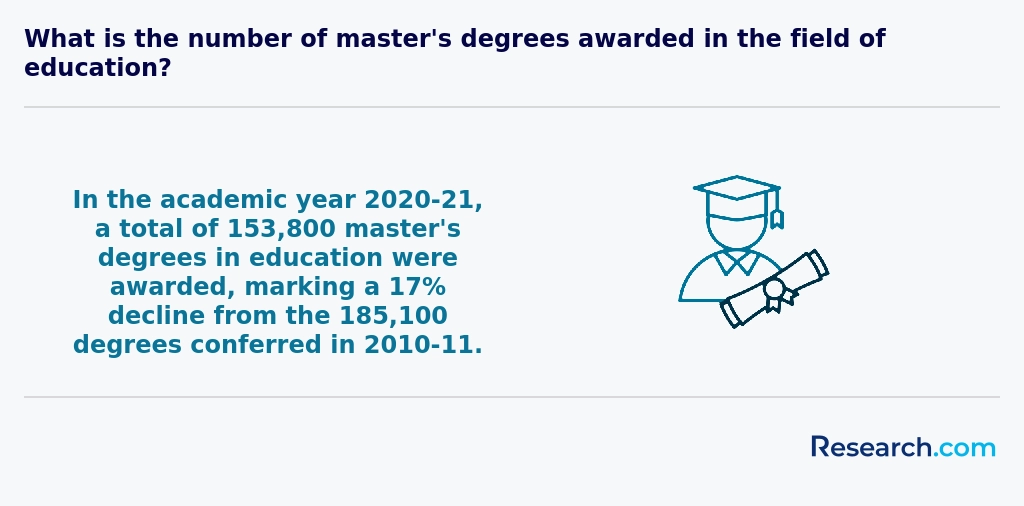
For many prospective students, one of the most significant barriers to pursuing an education degree is the financial aspect. Understanding the costs involved and exploring options for financial aid are crucial steps in making an informed decision. In Tuscaloosa, AL, the cost of tuition for education programs can vary, but there are numerous resources available to help mitigate these expenses. Students can explore affordable education schools in Alabama to find programs that fit their budget. Additionally, many institutions offer scholarships, grants, and federal student loans to support students in their academic journeys. By carefully considering these financial factors and seeking out available aid, aspiring educators can make their dreams of pursuing an education degree in Tuscaloosa a reality, without being overly burdened by financial concerns.
Education students in Tuscaloosa benefit from several robust financial aid opportunities designed to make their academic journey more affordable. At the University of Alabama, graduates often recall how the Pell Grant, offering up to $7,395 annually, was a game-changer in covering tuition and basic expenses. Many also found direct federal student loans with flexible repayment plans essential for bridging any remaining financial gaps. State aid, particularly through the Alabama Student Assistance Program, provides need-based grants that many local students have found invaluable for offsetting costs.
Scholarships geared toward education majors at Tuscaloosa institutions emphasize rewarding both academic excellence and a commitment to teaching in Alabama public schools. Graduates frequently share how programs like the Alabama Teachers Loan Forgiveness alleviated their long-term debt by supporting work in underserved classrooms. University-specific scholarships and private foundation awards add further layers of financial support, enabling many to focus confidently on their studies without overwhelming financial stress.
Utilizing resources like FAFSA early on and seeking guidance from dedicated financial aid advisors at Tuscaloosa colleges empowers students to navigate these options successfully, fostering a sense of control and optimism about completing their degrees.
Earning an Education degree in Tuscaloosa, AL is only the first step toward a rewarding teaching career-you’ll also need to navigate the Alabama State Department of Education’s certification requirements. Most bachelor’s programs integrate Praxis preparation courses and student-teaching experiences designed to align with Alabama’s licensure standards. Here’s what to expect: • Praxis Exams Preparation: – Core Academic Skills for Educators (CAE) assesses reading, writing and mathematics fundamentals. – Subject Assessment tests gauge your mastery of specific teaching areas, such as Elementary Education or English Language Arts. Graduates often cite campus tutoring centers and dedicated Praxis workshops as pivotal resources. • Student Teaching Placement: – A minimum of 12 weeks of supervised classroom instruction is required. – Mentor teachers provide real-world feedback on lesson planning, classroom management and differentiated instruction strategies. • Application Process: – After passing required Praxis exams, submit an online application through the Alabama Educator Certification System (AECS). – Include official transcripts, background check clearance and documentation of completed field hours. • Adding Endorsements and Advanced Certifications: – Alabama offers endorsements in areas like Special Education, ESL and Educational Leadership. – For those seeking graduate-level preparation or specialized credentials, consider cost-effective pathways such as the Inexpensive Online Master’s in Education Degree Programs Ranking in Illinois. These programs can fulfill credit requirements for advanced endorsements and leadership roles. Staying current with Alabama’s continuing-education mandates ensures your certification remains valid and opens doors to promotions, salary increases and leadership positions within the school system. Engaging with local educator associations and attending state-approved professional development workshops further strengthens your application for specialized roles.
To enroll in education degree programs in Tuscaloosa, prospective students must first hold a high school diploma or equivalent, a basic yet essential milestone recognized by institutions like the University of Alabama. Graduates often recall how securing this credential was their initial step toward a rewarding academic journey. Applicants must provide official transcripts showing a minimum GPA of about 2.5, with some competitive programs demanding higher. While standardized tests such as the SAT or ACT are considered, many Tuscaloosa universities have embraced test-optional policies, easing application pressures.
Those pursuing graduate education degrees need a completed bachelor's degree, preferably in education or related fields, along with a stronger undergraduate GPA around 3.0. Personal statements, letters of recommendation, and sometimes GRE scores further support applications. Practical requirements-including background checks and immunization proofs-are mandatory due to the necessity of working safely within local schools. Many students describe these steps as building trust and readiness for their practicum experiences, crucial for their success in Tuscaloosa's educational community.
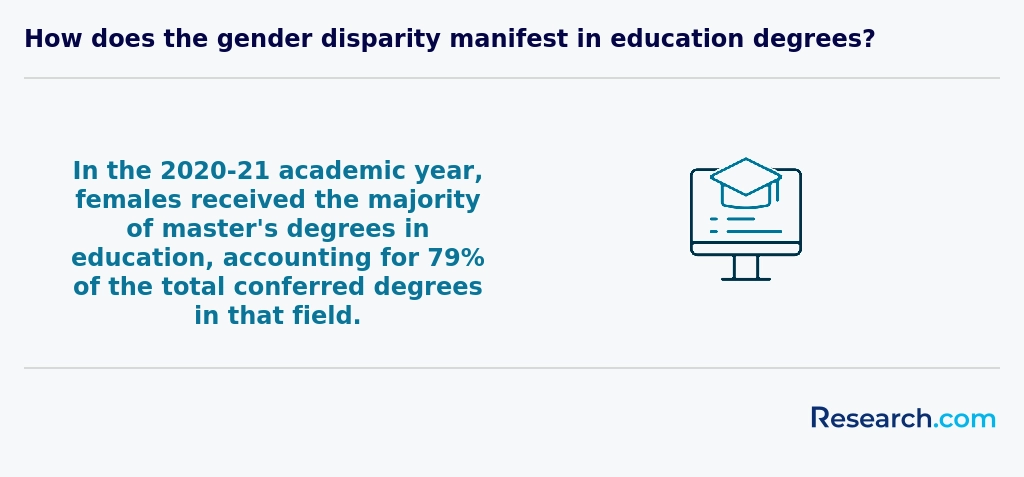
Aspiring educators in Tuscaloosa must navigate the Alabama State Department of Education’s licensure process to transition from graduate to certified teacher. When evaluating different education degree types, ensure the program is state-approved and aligns with licensure prerequisites. Key steps include:
- Complete a State-Approved Program: Enroll in a program accredited by NCATE or CAEP, typically requiring at least 120 credit hours and a minimum GPA of 2.75.
- Pass Required Exams: Achieve qualifying scores on the Praxis Core Academic Skills for Educators (Reading, Writing, Mathematics) and the appropriate Praxis II Subject Assessments for your endorsement area.
- Fulfill Student Teaching: Successfully complete a minimum of 12 weeks of full-time student teaching under a certified mentor teacher, demonstrating lesson planning, classroom management, and assessment skills.
- Background and Ethics Clearance: Submit fingerprints for a criminal history background check and complete the Educator Code of Ethics tutorial.
- Apply for Initial Certification: Upon program completion, apply online via the Alabama Educator Certification System (AECS) for a Class C Standard Teaching Certificate, valid for one year. This entry-level credential allows supervised teaching.
- Upgrade to Professional Certificate: Within four years, apply for a Professional Class B Certificate by submitting evidence of effective teaching performance, professional development hours, and a recommendation from your employing superintendent. Understanding these requirements ensures you not only select the right program but also accelerate your path to full certification. Early planning-especially around exam scheduling and student teaching placements-can greatly reduce delays, helping graduates step confidently into Alabama classrooms.
Education degree programs in Tuscaloosa, particularly at the University of Alabama, offer a broad range of courses designed to equip future educators with essential knowledge and skills. Graduates often describe how foundational classes like Foundations of Education deepen their understanding of the historical and philosophical context of teaching, making them feel connected to the profession's roots.
Core courses such as Educational Psychology help students grasp how children learn, enabling them to tailor instruction effectively. Coursework in Curriculum Development and Instructional Strategies is highly praised by students for empowering them to create engaging lesson plans that resonate with diverse learners.
Many Tuscaloosa education students find Classroom Management and Assessment and Evaluation vital for confidently handling real classroom challenges. Meanwhile, special sessions on Special Education Methods prepare them for inclusive teaching settings, while Technology in Education ensures they can integrate digital tools seamlessly.
Hands-on Student Teaching or practicum experiences offered by local universities remain the highlight for many, providing rewarding opportunities to apply theory in live classrooms under expert supervision.
Education degree specializations in Tuscaloosa include Elementary Education, Secondary Education, and Special Education, each tailored to prepare future educators for local classrooms. Graduates from leading institutions like the University of Alabama often share how Elementary Education programs emphasize vital skills in literacy and math, creating confident teachers ready for young learners. Secondary Education focuses on in-depth subject knowledge and practical teaching, reflecting Tuscaloosa's strong ties with nearby school districts that offer invaluable student teaching experiences. Special Education remains crucial, equipping educators to support students with diverse needs, an area increasingly in demand across Tuscaloosa's public schools, contributing to graduates' optimism about job opportunities.
Other notable specializations offered in Tuscaloosa include Early Childhood Education and Curriculum and Instruction, both fostering leadership and advanced teaching strategies. For those aiming to advance professionally, certifications such as Reading Specialist and Educational Leadership provide valuable pathways. Students interested in exploring all options can consult the comprehensive list of education degree types available, ensuring alignment with their career goals in the best teaching programs Tuscaloosa Alabama has to offer.
Choosing the best education degree in Tuscaloosa involves evaluating several critical factors that align with your career goals and personal circumstances. Graduates from the University of Alabama often highlight the value of accredited programs recognized by the Council for the Accreditation of Educator Preparation (CAEP), which enhances licensure opportunities and job placement within Alabama. Considering the specific certification pathways-whether in special education, early childhood, or education administration-ensures that your degree meets state requirements and supports your professional aspirations.
Financial considerations are equally important; many students appreciate the competitive tuition rates in Tuscaloosa, which make affordable education degrees Tuscaloosa Alabama a practical choice compared to out-of-state options. Additionally, exploring flexible program formats-such as hybrid or online courses-allows working professionals to balance studies and personal commitments effectively. For those interested in cost-effective, reputable options, reviewing the Inexpensive Online Master's in Education Degree Programs Ranking in Illinois can provide useful insights.
Finally, successful graduates often recommend engaging with academic advisors and current students to gain firsthand perspectives on program quality, graduation rates, and preparation for Alabama's educator certification exams.
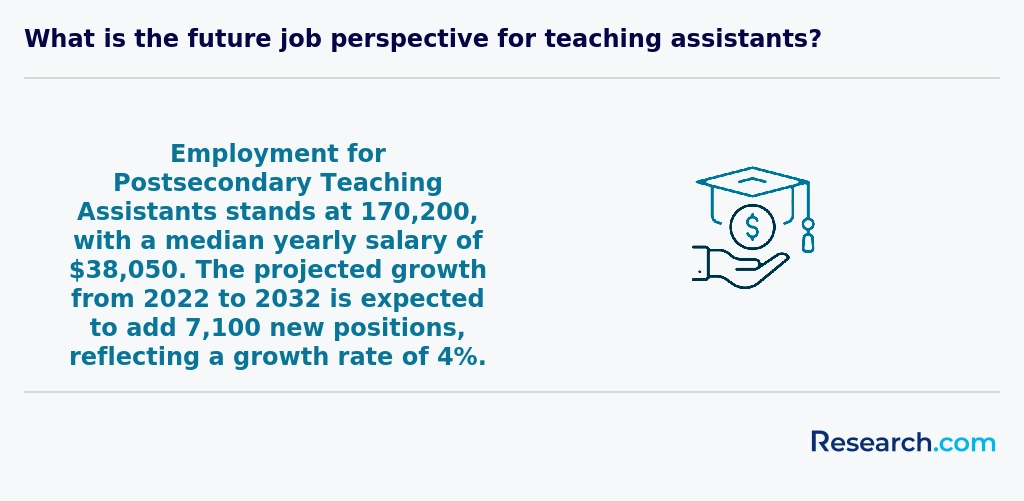
Graduates with an education degree in Tuscaloosa can pursue diverse career opportunities with education degree Tuscaloosa that span from public school teaching to educational administration. Many find rewarding roles teaching in Tuscaloosa City Schools or nearby districts, benefiting from competitive starting salaries and the ongoing demand for qualified teachers in Alabama. Graduates often share how their hands-on experience at institutions like the University of Alabama prepared them for challenges in elementary, middle, or high school classrooms.
Beyond classroom roles, education degree holders explore positions such as school principals or curriculum coordinators, which offer enhanced leadership responsibilities and greater salary potential. Instructional coordinators in Alabama, for example, earn an average annual wage of around $59,000, reflecting the value of advanced certifications and experience. Other graduates leverage their skills to work in early childhood and special education, adult education, or community programs, helping address the diverse needs of Tuscaloosa's population.
Some career paths extend further into corporate training, educational consulting, and nonprofit organizations focused on literacy or youth development, where strong communication skills cultivated through education degrees are essential. For those seeking to further their qualifications, exploring programs such as the Inexpensive Online Master's in Education Degree Programs Ranking in Illinois can be a strategic step toward advancing their careers.
The education degree job opportunities in Tuscaloosa show stable demand primarily supported by the city's extensive K-12 public school system and reputable higher education institutions like the University of Alabama and Stillman College. Graduates entering this market can expect consistent openings, especially in high-need areas such as special education, math, and science, driven by retirements and district expansion.
Many graduates recall the rewarding experience of securing entry-level teaching positions within Tuscaloosa City Schools, which employs over 1,200 teachers. Salaries typically start between $38,000 and $45,000 annually, reflecting state averages and a cost of living advantage that enhances overall compensation. Those pursuing advanced degrees or certifications find greater chances in roles like curriculum development or educational research, commonly available at Tuscaloosa's colleges.
Understanding the Tuscaloosa teaching career outlook 2027 reveals increasing opportunities for education technology specialists and instructional coordinators due to statewide emphasis on classroom technology integration. Prospective students are encouraged to explore the quickest online programs for working adults to gain certification efficiently and adapt to evolving educational demands.
2027 Best Education Degree Programs Ranking in Tuscaloosa
Investing in your education is a significant decision that can shape your future, and the Research.com team understands the importance of making informed choices. To assist prospective students in Tuscaloosa, we have meticulously crafted the "2027 Best Education Degree Programs Ranking in Tuscaloosa." Our commitment to quality, credibility, and accuracy is reflected in the extensive research and analysis conducted to compile this ranking. We utilized the following reputable data sources to ensure a comprehensive evaluation of education programs:
By exploring this ranking, readers will gain valuable insights into the best education degree programs available in Tuscaloosa, helping them make confident and well-informed decisions about their educational paths. For more details on our methodology, please visit our Research.com methodology page.


Frequently Asked Questions About education
Education degree students in Tuscaloosa can maximize their learning experience by engaging actively in both coursework and community opportunities. Universities in the area, such as the University of Alabama, offer extensive field placements and practicum experiences that allow students to apply theory in real classroom settings.
Utilizing campus resources like tutoring centers, educational technology labs, and library archives enhances the acquisition of knowledge. Students should also participate in study groups and professional organizations related to education to build networks and stay informed about best practices.
According to the Alabama State Department of Education, students who complete hands-on internships in Tuscaloosa schools demonstrate higher job readiness and satisfaction rates post-graduation. Access to diverse local school districts supports exposure to various teaching environments and student populations.
Emerging niches within the education field in Tuscaloosa reflect broader national trends focused on innovation and inclusion. One growing area is educational technology, where specialists design and implement digital tools to enhance learning experiences. According to the University of Alabama's College of Education, demand for graduates skilled in EdTech is rising as local schools adopt hybrid and online learning models.
Another niche involves special education, particularly with a focus on serving diverse student populations. Tuscaloosa's public school system reports an increased need for educators trained in autism spectrum disorder and other learning disabilities.
Additionally, there is growth in early childhood education, addressing the critical development period before kindergarten. These areas offer promising career paths for education degree holders in Tuscaloosa.
After completing an education degree in Tuscaloosa, thorough preparation is key to entering the job market successfully. Graduates should begin by gaining practical experience through student teaching placements, which are often required by Alabama's teaching certification process. These placements provide valuable classroom exposure and networking opportunities with local schools.
Additionally, earning certification through the Alabama State Department of Education is essential for employment in public schools. Candidates must pass the Praxis exams relevant to their teaching area to qualify.
Networking with Tuscaloosa education professionals and attending local job fairs can increase chances of job offers. The University of Alabama's Career Center reports that education graduates who use school resources find jobs 20% faster on average.
Finally, staying informed about regional education trends in Alabama helps graduates target in-demand specialties, such as STEM or special education teaching roles.
Employers in Tuscaloosa highly value education degree graduates who demonstrate strong communication and classroom management skills. According to the Alabama State Department of Education, effective verbal and written communication correlates with higher teacher retention rates locally. Collaboration abilities are also crucial, as teachers often work alongside staff and families to support student success.
Analytical skills are increasingly important due to the emphasis on data-driven instruction in Tuscaloosa City Schools. Graduates must be able to interpret student performance data to tailor lesson plans and interventions.
Finally, adaptability and cultural competency are sought after, ensuring educators can engage diverse student populations effectively in this region.
Finding internships in Tuscaloosa relevant to an education degree involves a combination of university resources and local partnerships. The University of Alabama, the main higher education institution in Tuscaloosa, offers a dedicated Career Center that connects education students with public schools and community organizations for practical experience.
Education majors can apply for internships through the College of Education's placement programs, which often collaborate with Tuscaloosa County School System. According to recent statistics, over 70% of education students at UA secure internships through these programs, gaining valuable classroom experience.
Additionally, prospective interns should explore local nonprofits and afterschool programs that focus on tutoring, mentoring, or educational support, as these offer hands-on opportunities in education practice.
In Tuscaloosa, earning an education degree significantly enhances career mobility and advancement opportunities within the region's school systems. According to the Alabama State Department of Education, teachers holding bachelor's and advanced degrees often qualify for higher salary scales and leadership positions. For example, educators with master's degrees earn approximately 10-15% more than those with only a bachelor's degree. Additionally, an education degree supports transitions into specialized roles such as curriculum coordinator or instructional coach, which require certified credentials common in Tuscaloosa's public and private schools.
Career growth is also influenced by the strong network of alumni from institutions like the University of Alabama, providing access to local professional development and mentoring programs. These connections help graduates stay competitive in Tuscaloosa's evolving educational landscape, promoting long-term advancement.
Studying for an education degree in Tuscaloosa offers strong preparation for interdisciplinary roles through a curriculum that integrates multiple fields. Programs often combine education theory with psychology, sociology, and technology, reflecting trends in U.S. higher education toward holistic learning. The University of Alabama, a major provider in Tuscaloosa, emphasizes collaborative projects and practical experiences which help students develop skills relevant beyond traditional teaching roles.
Students engage in community partnerships and research initiatives, fostering skills in communication, leadership, and problem-solving. This practical engagement is critical, as data from the Alabama Commission on Higher Education indicates Tuscaloosa graduates show higher employment rates in diverse educational and administrative settings.
Such interdisciplinary training equips graduates to work in school counseling, educational technology, and policy development. This adaptability aligns with national workforce needs, making Tuscaloosa education degrees a versatile choice for future careers.
Choosing between a thesis and a non-thesis education degree program in Tuscaloosa depends largely on your academic and career goals. Thesis programs usually require original research and can prepare students for doctoral studies or research careers. According to the University of Alabama's School of Education, about 40% of their master's education students opt for thesis tracks to deepen expertise through research.
Non-thesis programs focus on coursework and practical application, appealing to those aiming for classroom teaching or educational administration roles. These programs often allow faster completion, which may suit working professionals.
Consider your preferred learning style and long-term objectives when deciding. Faculty mentorship availability and the type of research facilities in Tuscaloosa may also influence your choice.
Students in Tuscaloosa seeking education degrees with an international experience can explore several study abroad options through local universities such as the University of Alabama. These institutions often partner with programs in Europe, Asia, and Latin America to provide education majors opportunities to engage in global teaching practices.
The University of Alabama's Study Abroad Office offers tailored programs that align with education coursework, enabling students to earn credits while immersed in diverse educational settings. According to the university's 2023 data, nearly 5% of education students participate in international programs annually.
Beyond direct enrollment, students may also join exchange programs or short-term study tours focused on comparative education, fostering cross-cultural competence-an essential skill for modern educators in Tuscaloosa's evolving school system.
Local advisors recommend early planning to meet licensure requirements and credit transfer standards, which vary by state and institution.
Students pursuing education degrees in Tuscaloosa have access to various part-time job opportunities that can enhance their practical skills. Working as teacher's aides in local schools such as Tuscaloosa County School System allows hands-on experience with classroom management and lesson planning. According to the Alabama Department of Education, nearly 200 assistant positions are available annually in the region, often suitable for part-time work.
Another option is tutoring, both privately or through university programs like the University of Alabama's tutoring centers. This role improves communication and instructional skills while offering flexible hours. Additionally, working in after-school programs or educational nonprofits-such as the Young Actors Guild-provides valuable community engagement opportunities.
These roles complement academic coursework by offering real-world teaching exposure and networking within Tuscaloosa's educational landscape.
Education students in Tuscaloosa benefit from strong networking opportunities primarily through the University of Alabama, which hosts one of the largest teacher education programs in the state. The College of Education offers numerous student organizations and professional groups, such as the Future Educators Association, which connects students with local school districts and education professionals.
Workshops, career fairs, and guest lectures frequently run on campus, providing direct contact with education leaders and potential employers. According to UA's 2023 career services report, over 70% of education graduates secured teaching positions within six months thanks to these networks.
Additionally, partnerships between university programs and Tuscaloosa County schools enable practical classroom experience and further professional connections, enriching the local education community.
Alumni networks offer significant benefits to education degree students in Tuscaloosa by providing valuable professional connections. Graduates from local institutions, such as the University of Alabama, form a strong community that supports current students through mentorship and career guidance.
These networks often facilitate job placements in Tuscaloosa-area schools, improving employment prospects. According to the University of Alabama's Career Center, nearly 70% of education graduates find employment through alumni referrals.
Additionally, alumni events and workshops help students stay informed about regional education trends and policies. Access to this local insight is crucial for success in Tuscaloosa's public and private school systems.
Overall, alumni connections enhance networking, skill development, and career opportunities for those pursuing education degrees in Tuscaloosa.
Customizing an education degree program in Tuscaloosa allows students to align their studies with specific career goals. Many institutions, such as the University of Alabama, offer flexible curricula where students can choose concentrations like special education, educational leadership, or curriculum development. Elective courses and internship opportunities enable hands-on experience tailored to areas of interest.
Additionally, students can pursue certification options within degree programs, helping them qualify for various teaching roles. According to the Alabama Commission on Higher Education, approximately 30% of education graduates in Tuscaloosa focus on specialized endorsements, increasing job prospects.
Advising services in Tuscaloosa schools assist students in selecting courses and extracurricular activities that strengthen professional skills, ensuring the degree serves both academic and career ambitions effectively.
Education students in Tuscaloosa often face challenges related to balancing rigorous coursework and practical teaching experiences. Many programs require extensive fieldwork, which can be time-consuming alongside academic responsibilities. Additionally, funding is a significant concern; scholarships and financial aid for education majors can be limited compared to other fields, impacting students' ability to focus on studies.
Retention rates at institutions like the University of Alabama suggest that about 20% of education students struggle with academic performance or time management issues. Furthermore, adapting to diverse classroom environments in local Tuscaloosa schools requires strong cultural competence and flexibility. These challenges reflect broader trends in U.S. teacher preparation programs but are distinctly influenced by the local demographics and resources.
With an education degree, graduates in Tuscaloosa can pursue several professional certifications to advance their careers. One of the most common is the teaching certification required to work in Alabama public schools. This credential is granted by the Alabama State Department of Education after passing relevant exams such as the Praxis series.
Beyond initial licensing, educators can earn specialized certifications in areas like special education, ESL (English as a Second Language), or administration. The University of Alabama, located in Tuscaloosa, offers programs and workshops to help students prepare for these certifications.
Additional certifications in counseling or instructional technology are also valuable for enhancing skills and job prospects.
Writing a winning application for an education program in Tuscaloosa begins with thorough research of local universities, such as the University of Alabama, which offers reputable education degrees. Highlight your commitment to teaching and community impact, as Tuscaloosa programs value candidates with strong local engagement. Include detailed descriptions of any prior experience in classrooms or educational settings, paired with measurable outcomes where possible.
Standardized test scores like the GRE may be required, depending on the program, so prepare accordingly. Strong letters of recommendation from educational professionals also enhance your application. Personal statements should clearly outline your career goals and interest in education within Alabama's diverse school environments. According to the Alabama Commission on Higher Education, programs in Tuscaloosa focus on practical teaching skills and leadership, so align your application with these priorities.
Education careers in the United States, including Tuscaloosa, are influenced by global trends emphasizing cultural competence and technological integration. According to the U.S. Bureau of Labor Statistics, employment for teachers and education professionals is expected to grow about 7% from 2021 to 2031, reflecting a steady demand. Globally, education professionals are encouraged to develop skills in diversity, digital literacy, and adaptability to support increasingly multicultural classrooms.
In Tuscaloosa, aspiring educators benefit from programs aligned with national standards that prepare them to meet global challenges. The University of Alabama, for example, incorporates international perspectives into its curriculum to prepare graduates for diverse educational settings. This focus equips local students to respond effectively to evolving educational needs worldwide.
Gaining practical experience while studying for an education degree in Tuscaloosa often involves participating in student teaching placements arranged by universities. These placements provide hands-on experience in local K-12 schools, allowing students to apply classroom theory in real teaching settings. The University of Alabama, a leading institution in Tuscaloosa, coordinates such internships with nearby Birmingham and Tuscaloosa County schools.
Additionally, many programs encourage volunteering or working as teacher aides, which helps build classroom management skills and professional networks. According to recent data from the Alabama State Department of Education, over 70% of education students secure student teaching or related experiences before graduation, enhancing their readiness for licensure exams and employment.
Choosing the right concentration within an education degree program in Tuscaloosa involves understanding your career goals and the local demand for educators. Concentrations often include early childhood education, special education, secondary education, and educational leadership. Data from the Alabama State Department of Education shows strong employment growth in special education and STEM-focused teaching roles within Tuscaloosa County schools.
Consider the grade level and subject matter you are most passionate about. Many Tuscaloosa institutions also offer practicums, providing valuable classroom experience that can clarify your interests. Reviewing graduation rates and licensure exam pass rates from programs in Tuscaloosa can also guide your decision.
Engage with local schools or education professionals to gain insight into community needs and job opportunities. This engagement, combined with academic performance and state certification requirements, will help align your educational concentration with long-term career success in Tuscaloosa's education sector.
- 2027 Best Education Degree Programs Ranking in Birmingham
- 2027 Best Education Degree Programs Ranking in Montgomery
- 2027 Best Education Degree Programs Ranking in Mobile
- 2027 Best Education Degree Programs Ranking in Atlanta
- 2027 Best Education Degree Programs Ranking in Macon
- 2027 Best Education Degree Programs Ranking in New Orleans
- 2027 Best Education Degree Programs Ranking in Tallahassee
- 2027 Best Education Degree Programs Ranking in Louisville
- 2027 Best Education Degree Programs Ranking in Gainesville
- 2027 Best Education Degree Programs Ranking in Jacksonville
See What Experts Have To Say About Studying Education
Read our interview with Education experts

Nooshan Ashtari
Education Expert
Professor & Book Author
University of Southern California


- Education Technology Trends to Watch in 2065: 10 Innovations Shaping the Future of Learning https://www.digitallearninginstitute.com/blog/education-technology-trends-to-watch-in-2026
- Tuscaloosa Education Foundation https://tuscaloosaeducationfoundation.org/
- Explore Quality Education in Alabama | Tuscaloosa County EDA https://tcoeda.com/quality-of-life/education/
- 5 Tips on Choosing the Right Course or Study Program - Edunation https://www.edunation.co/5-tips-on-choosing-the-right-course-or-study-program/
- The 8 challenges of education in a changing world https://casvitrescantos.com/en/the-8-challenges-of-education-in-a-changing-world/
- How to Write a Great Letter of Intent for a Teaching Job https://www.zeneducate.com/us/resources/becoming-a-teacher/how-to-write-letter-of-intent-teaching-job/
- Promising Niches in the Global EdTech Landscape - Blog https://rocketech.it/blog/post/global-edtech-landscape-what-niches-are-the-most-promising
- How to Build Work Experience While Studying - EN Global Education Ltd https://englobaleducation.co.uk/how-to-build-work-experience-while-studying/
- Alternative and Emergency Certification - Tuscaloosa City School District https://www.tuscaloosacityschools.com/departments/human-resource-operations/about-hr/alternative-and-emergency-certification
- Human Resources - Tuscaloosa County School System https://www.tcss.net/departments/human-resources


